Nobody wants to share their garden with aphids, beetles, and other uninvited bugs. The good news? Some plants actually do the pest-control work for you — no sprays or chemicals needed.
These perennials come back year after year and quietly keep the bad guys away while looking great doing it. Some of the picks on this list might seriously surprise you!
1.) Lavender

Lavender is one of those plants that pulls double duty — it looks great in the garden and keeps pests like moths, fleas, and mosquitoes away. The strong scent that humans enjoy is actually pretty overwhelming for a lot of insects.
It grows best in well-drained soil with full sun and is hardy in zones 5–8. Once established, it’s pretty low-maintenance and drought-tolerant. Plant it along borders or near seating areas where you want a pest-free zone.
2.) Marigold
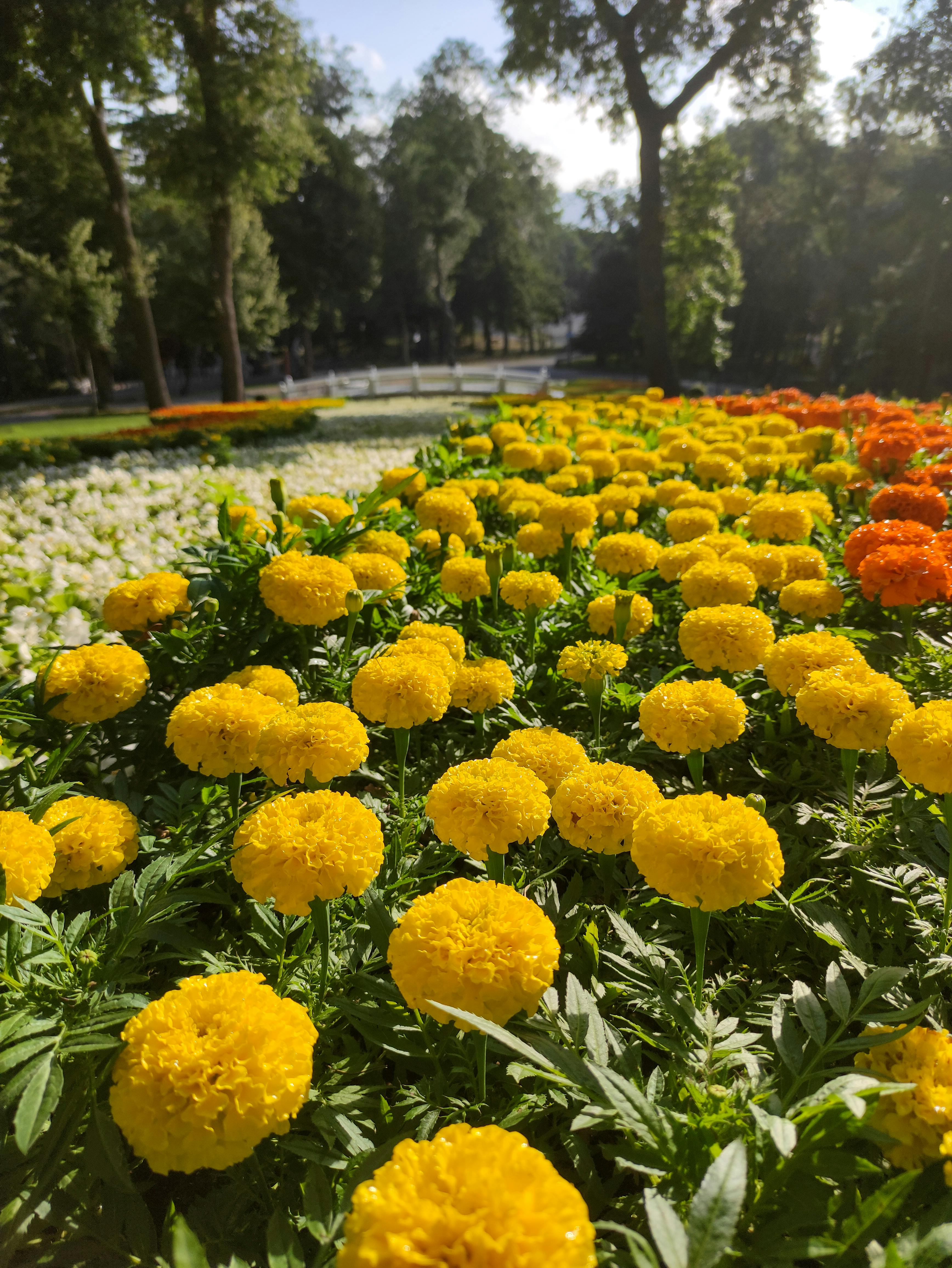
Marigolds are one of the easiest pest-repelling plants you can grow. They give off a strong scent that naturally keeps aphids, whiteflies, and even rabbits away from your garden beds. Plant them as a border around vegetables or tuck them between rows for the best results.
They grow well in full sun and tolerate most soil types. Marigolds are annuals in most zones, so replant them each spring after the last frost. Deadhead spent blooms regularly to keep them flowering all season long.
3.) Chrysanthemum
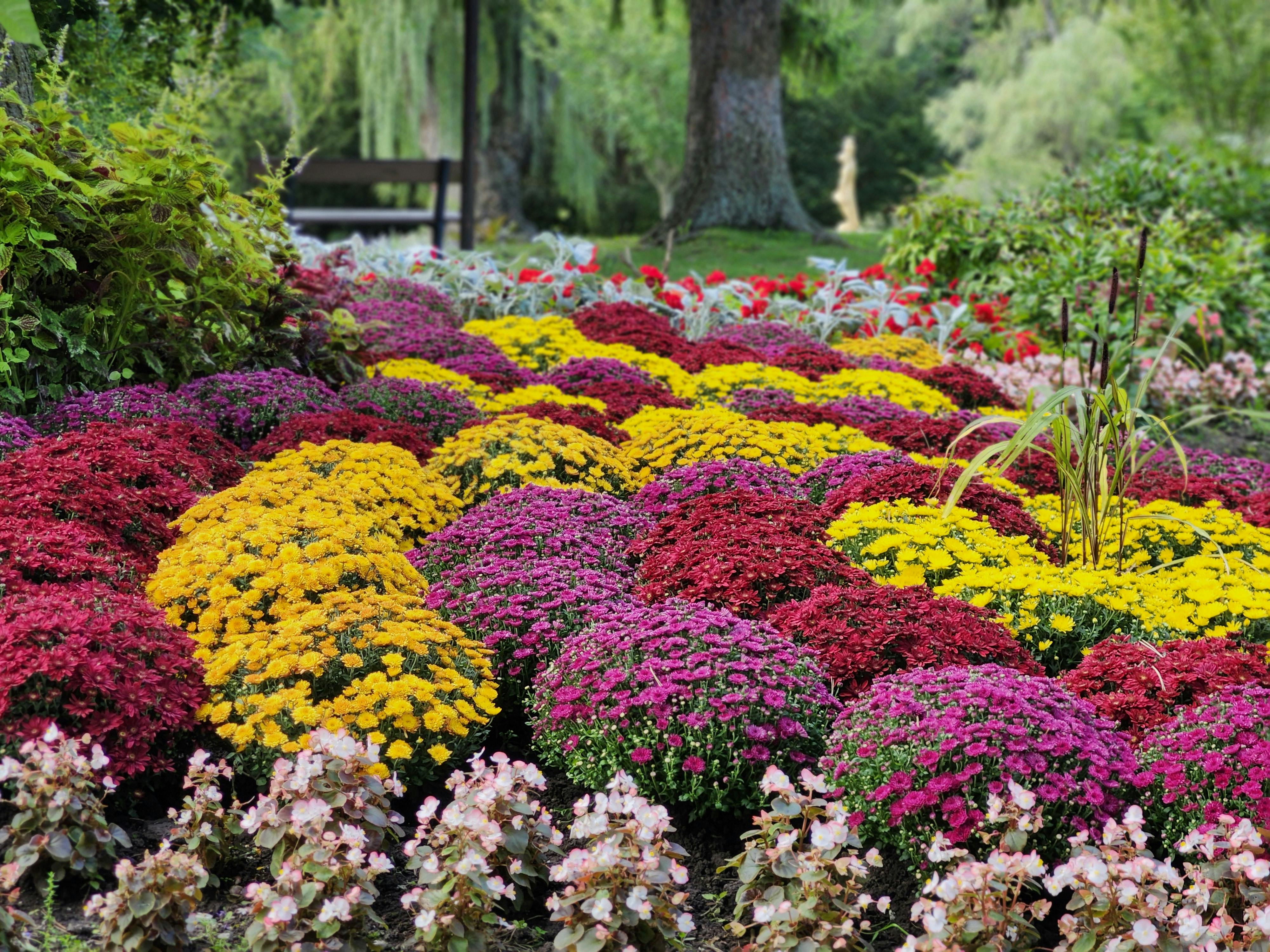
Chrysanthemums are one of the best-known pest-repelling plants out there, and for good reason. They contain a natural compound called pyrethrin, which bugs like aphids, spider mites, and Japanese beetles really don’t like. It’s the same stuff used in many commercial insecticides.
Plant them in full sun with well-drained soil, and they’ll come back year after year in zones 5–9. They bloom in fall, so they’re great for keeping pests away late in the season when other flowers are fading.
4.) Allium

Alliums — the ornamental cousins of garlic and onions — are a solid choice for keeping pests away. Aphids, slugs, and even some beetles really don’t like the sulfur compounds these plants release. Plant them near roses, carrots, or tomatoes and you’ll likely notice fewer pest problems over time.
They grow well in zones 3–9, prefer full sun, and don’t need much fussing over. Once established, they come back every year and spread slowly, giving you more pest protection with very little extra effort.
5.) Catmint

Catmint (*Nepeta* spp.) is a low-maintenance perennial that does a great job keeping aphids, flea beetles, and squash bugs away from your garden. It grows well in zones 3–8, loves full sun, and handles dry conditions without much fuss. Plant it along borders or near veggies that tend to attract pests.
As a bonus, it draws in pollinators like bees and butterflies. Trim it back after the first bloom and it’ll flower again later in the season.
6.) Russian Sage

Russian sage is a great pick if you want to keep pests away while adding some easy-care greenery to your yard. It grows best in full sun with well-drained soil and thrives in zones 4–9, so it works in most parts of the country. It’s also drought-tolerant once established, which makes it pretty low-maintenance.
The strong, herbal scent is what bugs hate most. Aphids, mosquitoes, and other common garden pests tend to stay away from plants growing near it.
7.) Yarrow
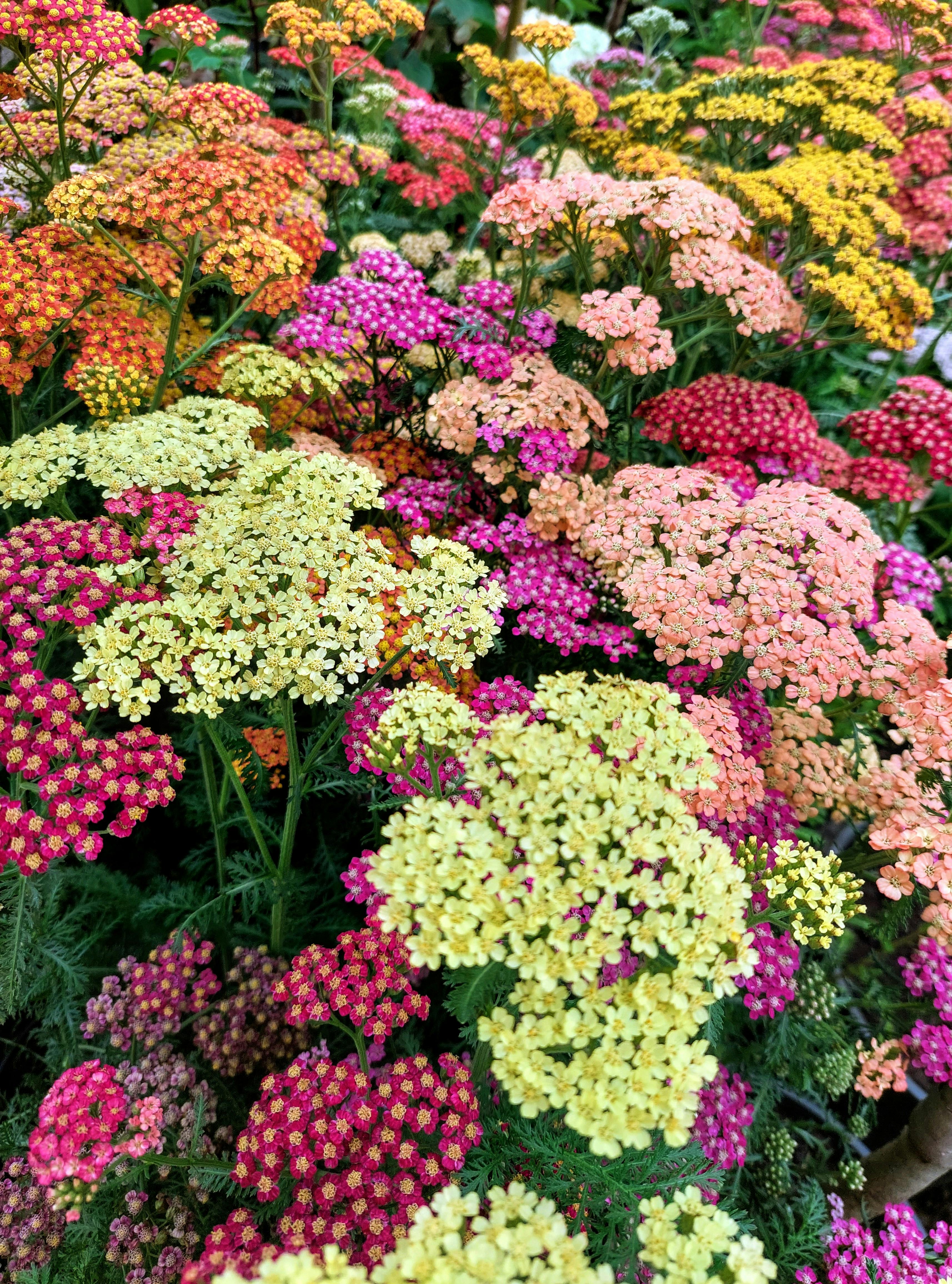
Yarrow is a tough, low-maintenance plant that naturally keeps aphids, beetles, and other unwanted bugs away from your garden. It grows well in full sun and handles dry soil like a champ, making it a solid choice if you tend to forget watering days.
It’s hardy in zones 3–9, so most gardeners can grow it without much fuss. As a bonus, it also pulls in beneficial insects like ladybugs and parasitic wasps that help keep pest populations in check.
8.) Tansy

Tansy has a long history of keeping unwanted bugs away, and it still holds up today. This perennial grows well in zones 4–8 and does best in full sun with well-drained soil. It spreads quickly, so planting it in containers is a smart move if you want to keep it under control.
The strong scent of tansy is what does the work, helping deter ants, beetles, and flies. Plant it near doorways or garden borders for the most effect.
9.) Bee Balm
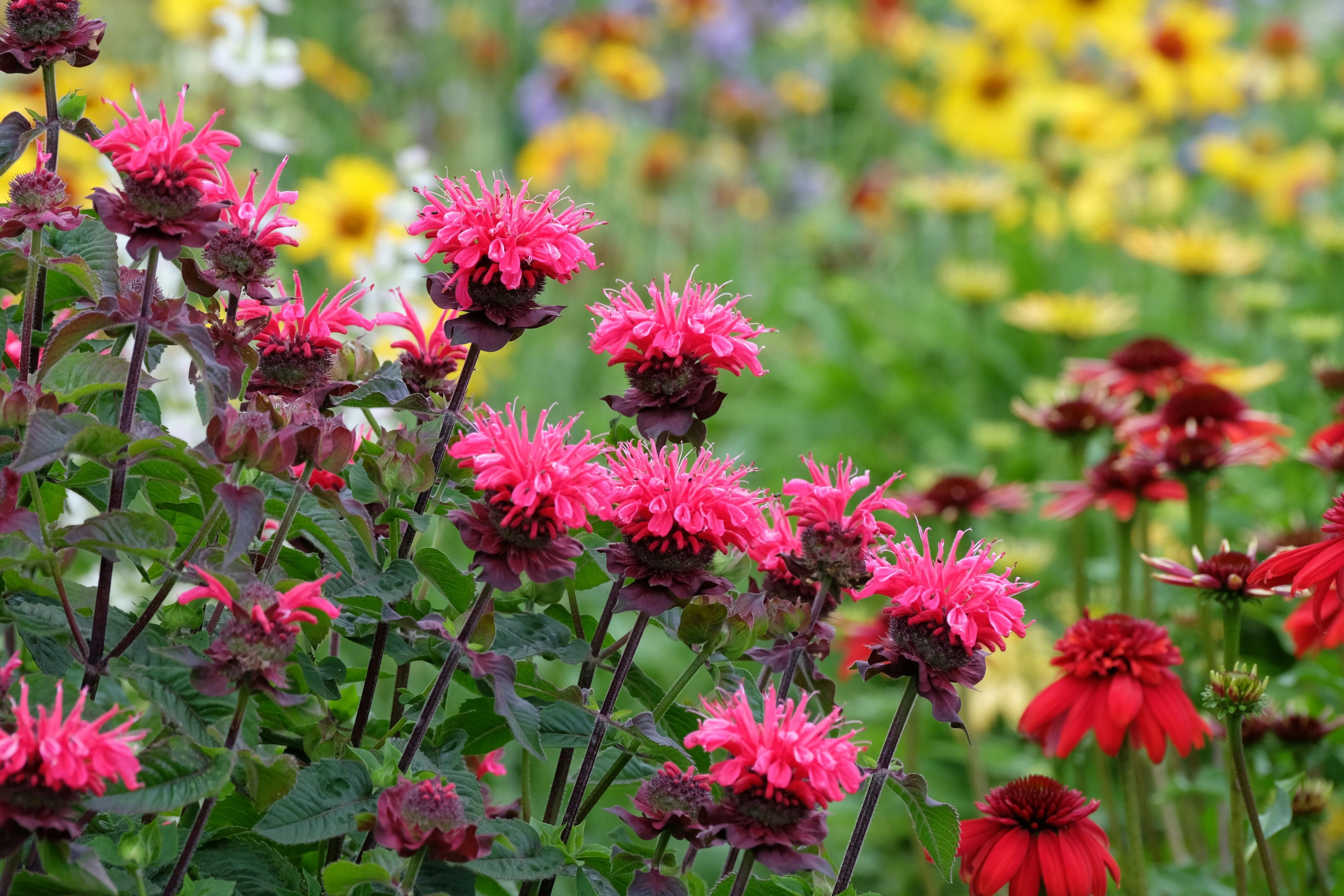
Bee balm is a great addition to any garden if you want to keep aphids, mosquitoes, and other annoying pests at bay. The strong scent from its leaves is what does the work, so even when it’s not blooming, it’s pulling its weight.
It grows well in zones 4–9 and likes full sun to partial shade. Plant it in well-drained soil and give it some room to spread. It can get aggressive, so dividing it every few years helps keep it in check.
10.) Hyssop

Hyssop is a woody herb that does double duty in the garden — it looks nice and keeps pests away. The strong scent bothers cabbage moths, aphids, and flea beetles, making it a smart companion plant near brassicas and other vulnerable crops.
It grows well in zones 4–9, loves full sun, and handles dry soil without much fuss. Once established, it basically takes care of itself. Plant it along borders or between rows for a low-maintenance pest barrier that comes back every year.
11.) Salvia

Salvia is a solid pick if you want to keep aphids, spider mites, and flea beetles away from your garden beds. The strong scent from its oils is what bugs find off-putting, so planting it near vegetables makes a lot of sense.
It grows best in full sun and well-drained soil, and it’s pretty drought-tolerant once established. Most varieties are hardy in zones 4–10, and they come back reliably each spring without much fuss on your end.
12.) Artemisia

Artemisia is a tough, drought-tolerant plant that grows well in full sun and poor soil, making it easy to care for even if you’re not an experienced gardener. It thrives in zones 4–9 and spreads nicely as a border plant.
The strong, silvery foliage releases a scent that bugs genuinely hate, especially aphids, moths, and flea beetles. Plant it near vegetables or other pest-prone crops to create a natural barrier without reaching for any chemicals.
13.) Lamb’s Ear

Lamb’s ear is a soft, fuzzy ground cover that does a solid job keeping certain pests away, especially aphids and other soft-bodied insects that don’t like its thick, textured leaves. It grows best in full sun with well-drained soil and thrives in zones 4–8.
It’s pretty low-maintenance once established and spreads on its own over time. Just trim it back in spring to keep things tidy and prevent it from taking over nearby plants.
14.) Catnip

Catnip isn’t just for your cat — it’s actually a solid pest repellent in the garden. It keeps aphids, flea beetles, and squash bugs away, making it a handy companion plant near vegetables. It grows easily in zones 3–9 and doesn’t need much attention once it’s established.
Just be aware that it can spread aggressively if you let it go to seed. Planting it in containers or trimming it back regularly helps keep it in check without losing its pest-repelling benefits.
15.) Coreopsis

Coreopsis, also called tickseed, is a cheerful little flower that does double duty in the garden. It naturally repels aphids and other common pests, making it a smart companion plant for vegetables and herbs.
It thrives in full sun and well-drained soil, and it’s pretty low-maintenance once established. Hardy in zones 4–9, it blooms from late spring through fall. Deadhead spent flowers regularly to keep new blooms coming and the plant looking its best.
16.) Echinacea
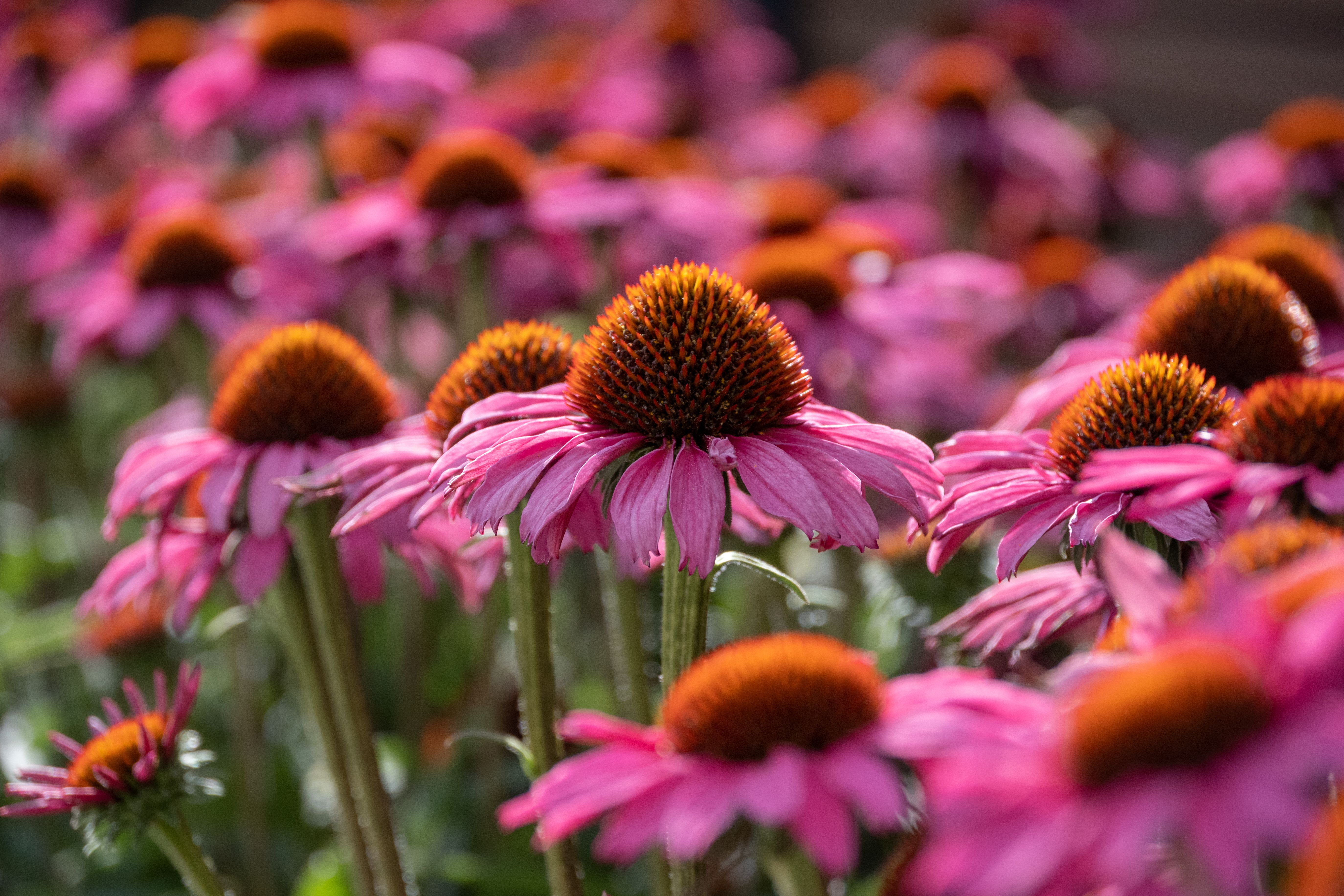
Echinacea, also known as coneflower, is a great addition to any pest-repelling garden. Its strong scent helps keep aphids and other unwanted bugs at bay while also attracting beneficial insects like bees and butterflies that support your garden’s health.
It grows well in zones 3–9, prefers full sun, and doesn’t need much water once established. Plant it along borders or near vegetables to get the most out of its natural pest-deterring properties. It comes back every year with very little effort.
17.) Feverfew
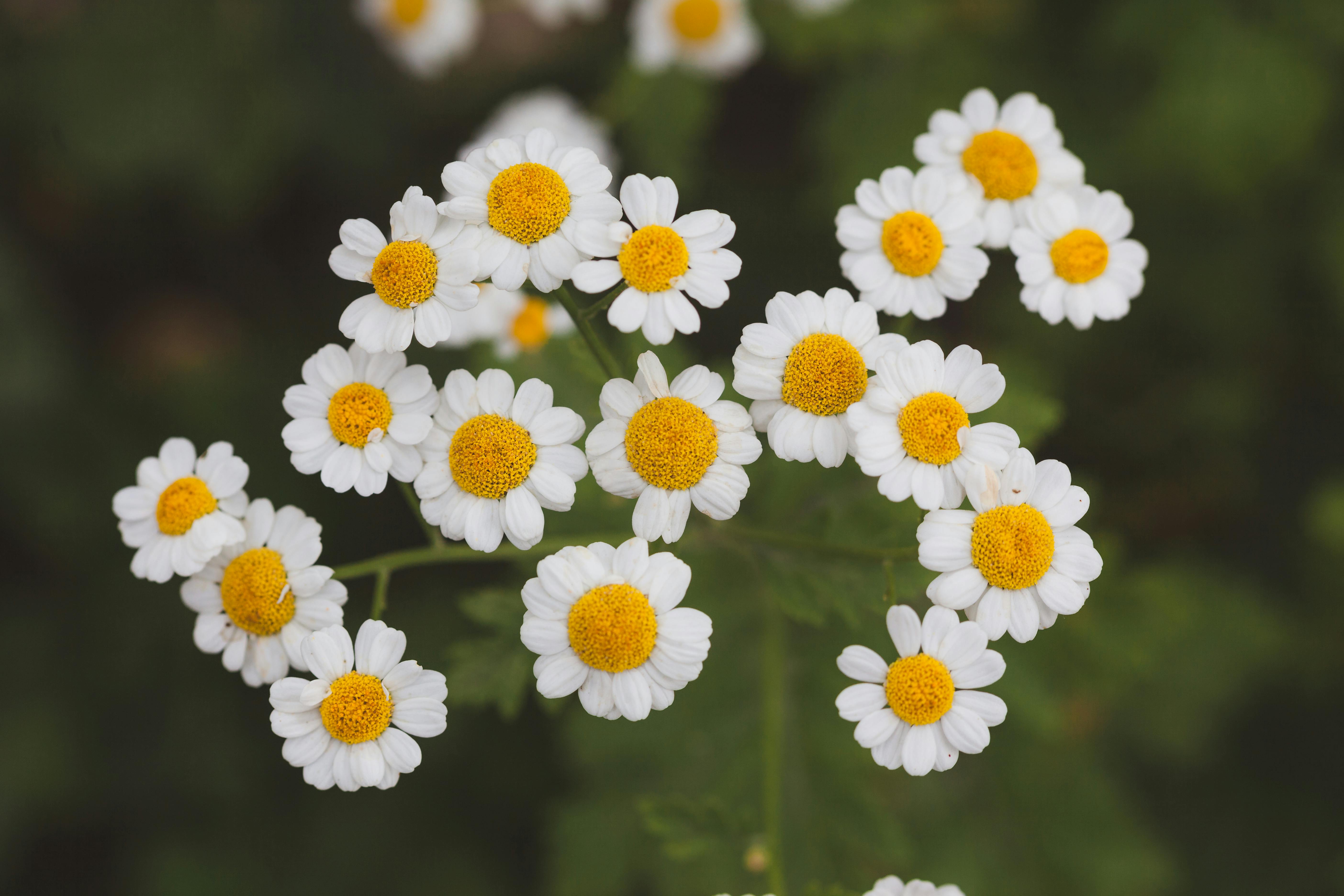
Feverfew is a cheerful little herb that pulls double duty in the garden. It naturally repels aphids, moths, and other common pests, making it a smart companion plant for vegetables and flowers alike.
It grows well in zones 5–9, prefers full sun to partial shade, and doesn’t need much fussing over once it’s established. Plant it along garden borders or near plants that tend to attract pests. It self-seeds easily, so you’ll often get a second round without any extra effort.
18.) Garlic Chives
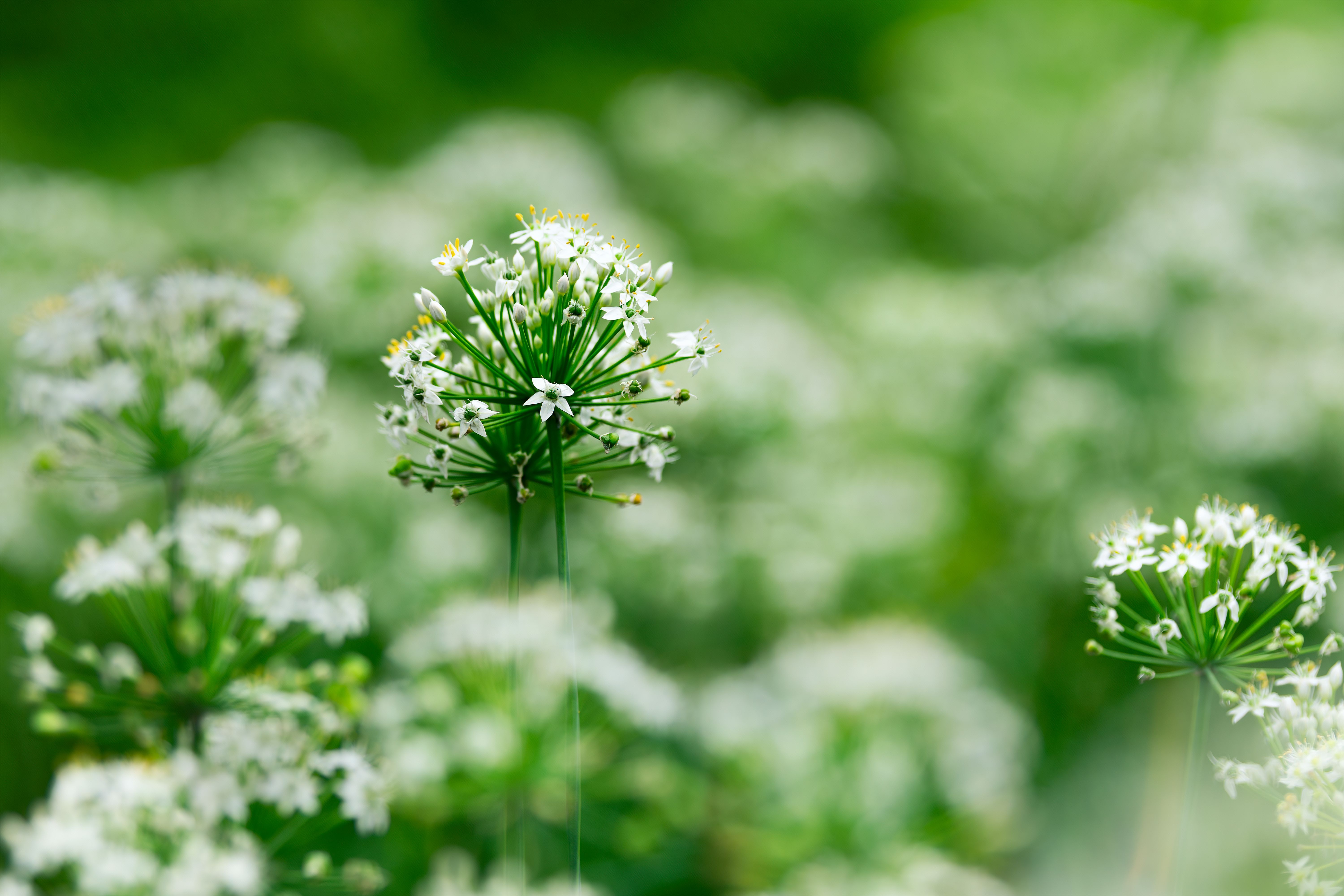
Garlic chives do double duty in the garden — they look nice with their flat leaves and small white flowers, and they help keep pests like aphids, Japanese beetles, and carrot flies away. They grow best in full sun and well-drained soil, and they’re hardy in zones 3–9, so they can handle a lot.
Plant them near roses, tomatoes, or carrots for the best results. They spread easily, so deadhead the flowers if you don’t want them taking over your beds.
19.) Geranium
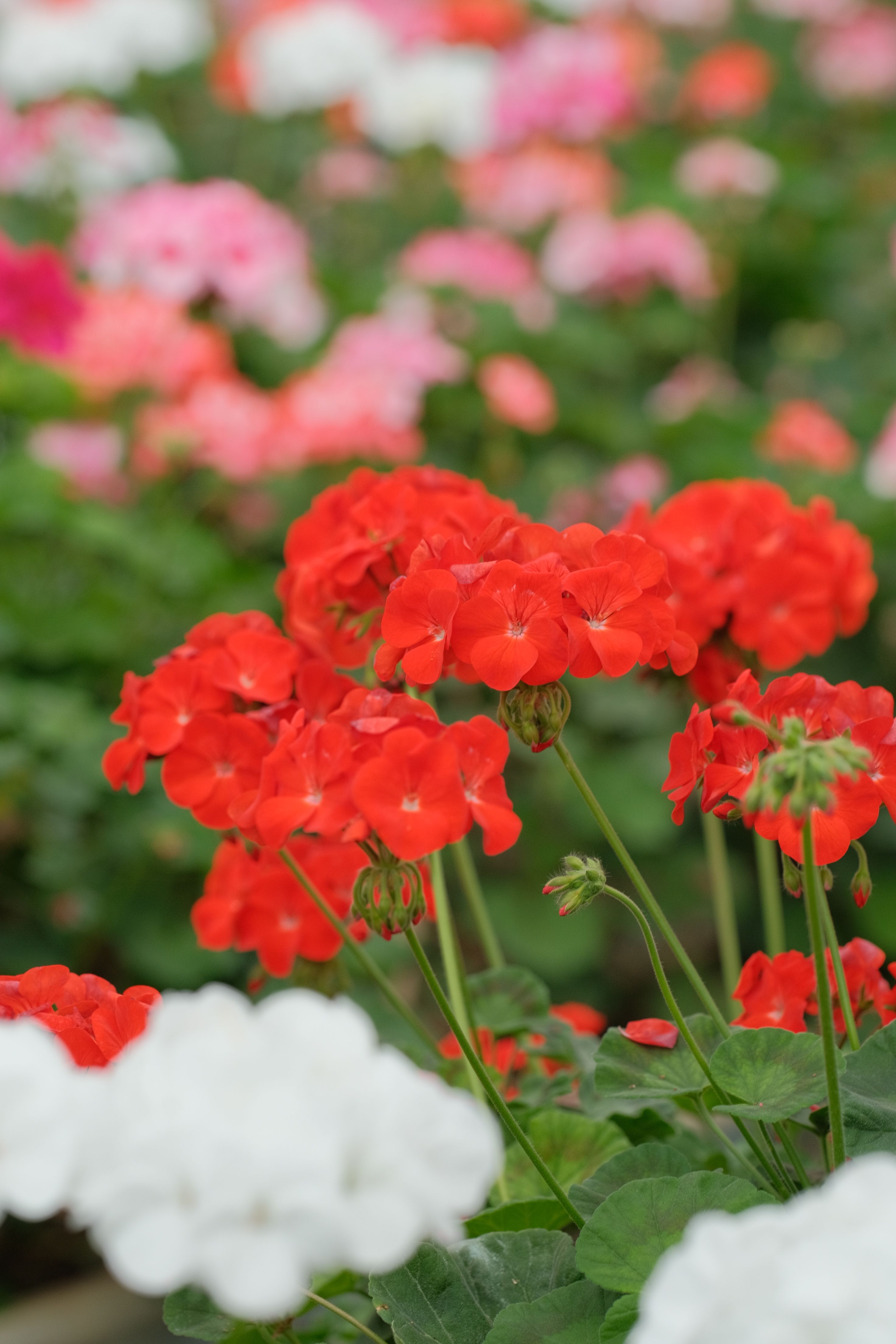
Geraniums are a solid pick if you want to keep Japanese beetles, leafhoppers, and other nuisance bugs out of your garden. They contain a compound that actually paralyzes certain insects temporarily, which makes them more than just a pretty face.
They grow well in zones 10–11 as perennials, though most gardeners treat them as annuals. Plant them in full sun with well-draining soil, and they won’t ask for much. Just deadhead the spent blooms to keep new flowers coming all season.
20.) Lemon Balm

Lemon balm is a leafy herb that naturally keeps mosquitoes, gnats, and other annoying insects away from your garden. It contains high levels of citronellal, which bugs really don’t like. It grows well in zones 3–7 and does fine in both full sun and partial shade.
It spreads pretty quickly, so planting it in containers is a smart move if you don’t want it taking over. Trim it regularly to keep it bushy and to release more of that pest-repelling scent.
21.) Mint

Mint is one of the easiest perennials to grow, and bugs like aphids, flea beetles, and ants really don’t like it. Plant it near vegetables or along garden borders, and it’ll quietly do its job season after season. It grows well in zones 3–8 and doesn’t need much attention.
Just keep in mind that mint spreads fast. Growing it in containers or buried pots helps keep it from taking over your garden beds.
22.) Oregano

Oregano does double duty in the garden — it’s a useful culinary herb *and* a natural pest deterrent. Its strong scent confuses and repels aphids, spider mites, and cabbage moths, making it a smart companion plant for vegetables like tomatoes, peppers, and squash.
It grows best in full sun with well-drained soil and is hardy in zones 5–10. Once established, it comes back year after year with very little fuss, so you plant it once and keep reaping the benefits.
23.) Pennyroyal

Pennyroyal is a low-growing member of the mint family that spreads easily as a ground cover. It thrives in zones 5–9, prefers full sun to partial shade, and does well in average soil with decent drainage.
The strong scent is what makes it useful — it’s known to repel fleas, ants, and mosquitoes. Plant it along pathways or garden borders where foot traffic will brush against it, releasing that natural fragrance and keeping pests at a distance.
24.) Peony
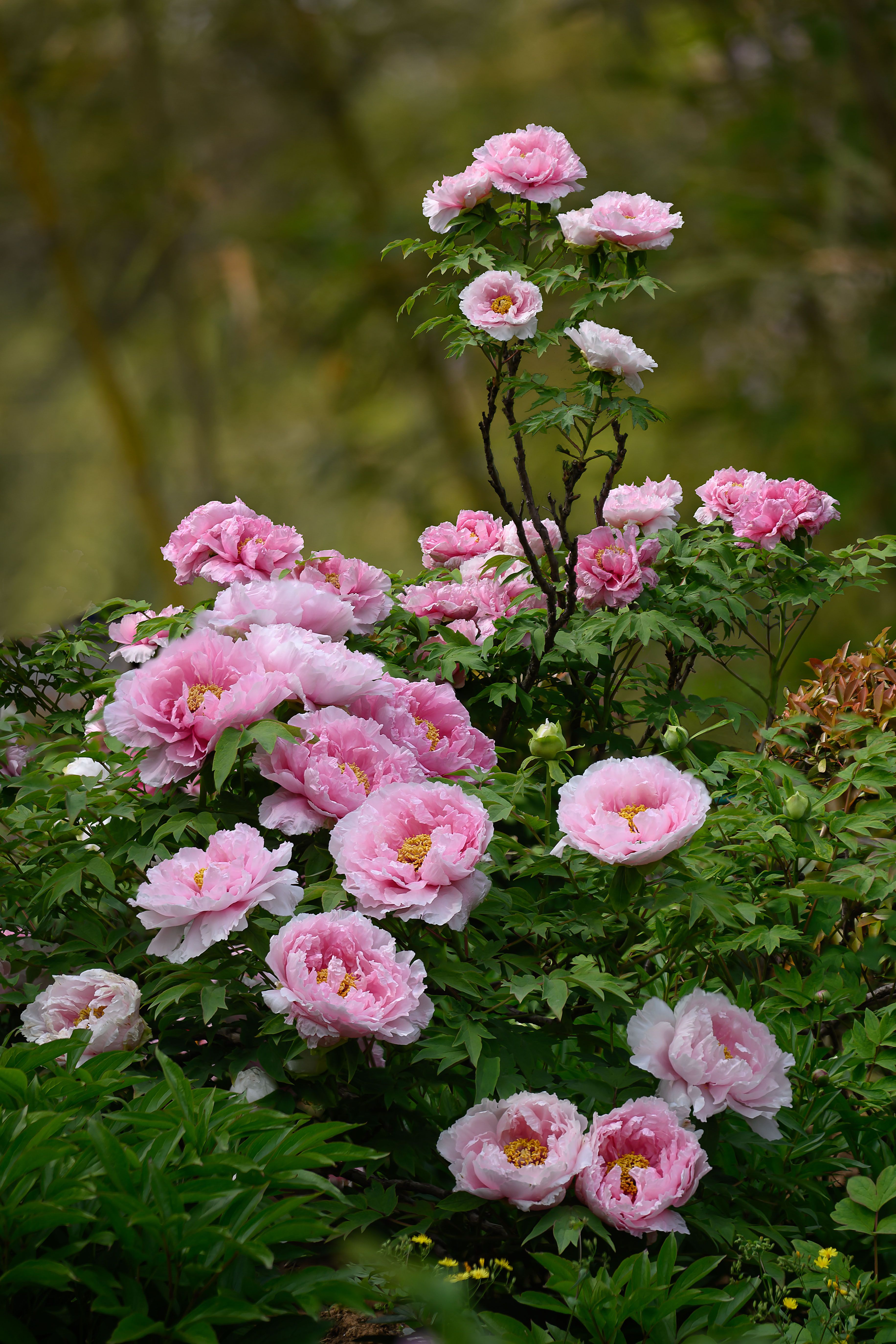
Peonies are more than just a pretty face in the garden — they actually help keep certain pests away, particularly ants that are drawn to their nectar but end up deterring other harmful insects in the process.
These plants thrive in Zones 3–8 and prefer full sun with well-drained soil. Plant them in fall for spring blooms, and avoid burying the roots too deep or they won’t flower.
Once established, peonies are low-maintenance and come back reliably year after year.
25.) Pyrethrum Daisy

Pyrethrum daisy is basically nature’s pesticide in flower form. It contains natural compounds called pyrethrins, which are toxic to a wide range of insects including aphids, spider mites, and leafhoppers. Many commercial bug sprays are actually made from this plant.
It grows best in full sun with well-drained soil and thrives in hardiness zones 3–7. Plant it along garden borders or near vegetable beds. Deadhead regularly to keep the blooms coming all season long.
26.) Rosemary
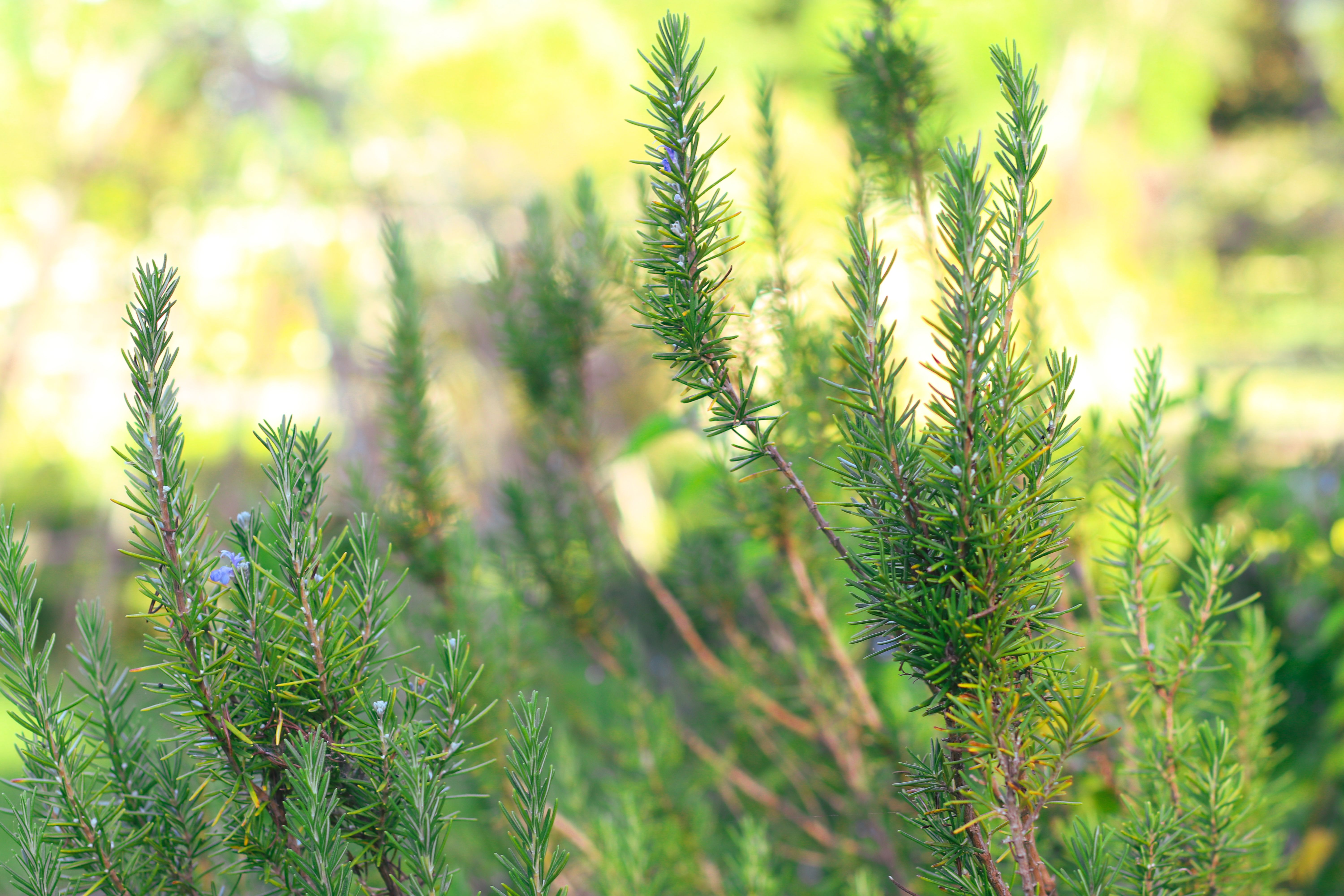
Rosemary is more than just a kitchen herb — it’s a natural pest deterrent that keeps aphids, cabbage moths, and carrot flies away from your garden beds. The strong scent confuses insects and makes it harder for them to find the plants they want to munch on.
It grows best in full sun with well-drained soil and thrives in zones 7–11. Plant it near vegetables like carrots, beans, and cabbage for the best results. In colder zones, grow it in containers and bring it indoors over winter.
27.) Rue

Rue (*Ruta graveolens*) has a strong, bitter scent that keeps aphids, beetles, and even cats away from your garden beds. It grows best in full sun with well-drained soil and doesn’t need much water once it’s established. Hardy in zones 4–9, it’s a low-maintenance plant that practically takes care of itself.
Just be careful when handling it — rue can irritate skin, so wear gloves when pruning. Plant it near roses or vegetable beds for the most pest-repelling benefit.
28.) Sage
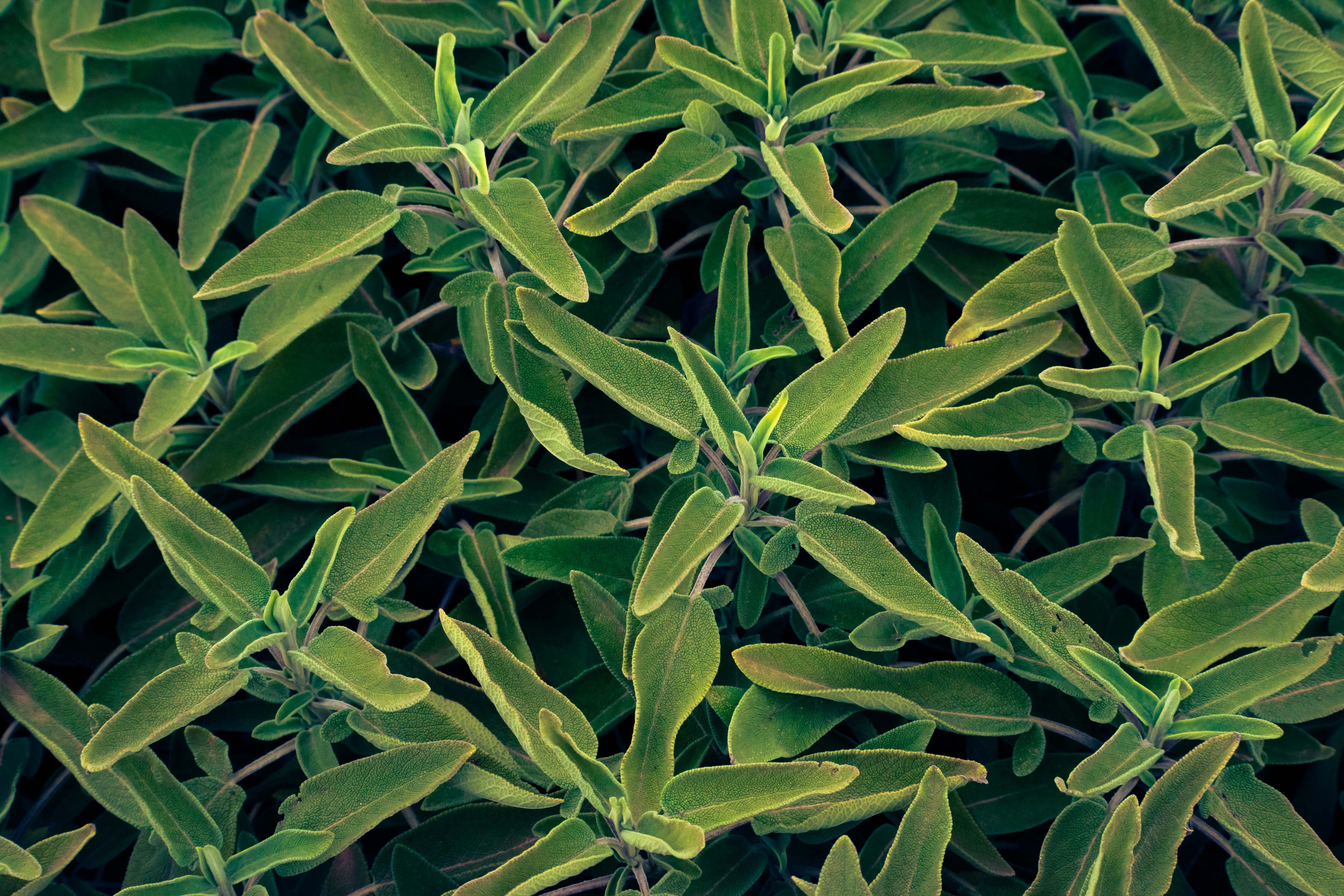
Sage is a great choice if you want a plant that pulls double duty in your garden. It naturally repels cabbage moths, carrot flies, and aphids, making it a solid companion plant for vegetables like broccoli and carrots.
It grows best in full sun with well-drained soil and doesn’t need much water once established. Hardy in zones 5–8, sage comes back year after year with very little fuss, so you get long-term pest protection without replanting every season.
29.) Thyme

Thyme is a low-growing herb that works double duty in the garden — it smells great to us but drives away cabbage worms, aphids, and whiteflies. Plant it along the edges of vegetable beds or tuck it between other plants as a ground cover.
It thrives in full sun and well-drained soil, and it’s hardy in zones 4–9, so it comes back year after year. Just trim it back after it flowers to keep it bushy and productive.