So you finally decided to tackle the clutter — good for you! But here’s the thing: sometimes the way we declutter actually makes our homes look *worse*, not better. It sounds crazy, but it happens to so many of us.
A few simple missteps can leave a room feeling just as chaotic as before, even after hours of work. Keep reading to find out which mistakes you might be making without even realizing it!
1.) Decluttering Without a Plan

Jumping into decluttering without a clear plan is one of the easiest ways to make things worse. You end up pulling stuff out of closets, losing track of what goes where, and finishing with a bigger mess than when you started.
Before you touch a single drawer, decide which room you’re tackling first and set up three designated spots: keep, donate, and trash. Having a simple system in place keeps things moving and stops you from just shuffling clutter around.
2.) Moving Clutter Around Instead

A lot of people think they’re decluttering when they’re really just shuffling stuff from one spot to another. Moving a pile from the counter to a drawer, or from one room to the next, doesn’t actually solve anything.
True decluttering means making a real decision about each item — keep it, donate it, or toss it. If you’re just relocating the mess, you’ll keep running into the same problem every time you try to tidy up.
3.) Keeping Everything ‘Just in Case’

Holding onto things because you *might* need them someday is one of the fastest ways to build up clutter. That old blender, the broken chair, the pile of plastic bags — they all add up quickly and take over your space.
A good rule of thumb: if you haven’t used something in a year, you probably won’t. Try being honest with yourself about what you actually reach for versus what’s just sitting there collecting dust.
4.) Buying More Storage Containers

Buying more bins and baskets before you’ve sorted through your stuff is one of the most common decluttering mistakes out there. It feels productive, but you’re really just organizing the clutter instead of getting rid of it.
Before you spend a single dollar on storage, go through everything first and toss or donate what you don’t need. Once you know exactly what’s left, then you can figure out what containers, if any, you actually need.
5.) Tackling Everything at Once

Trying to declutter your whole house in one afternoon is a recipe for burnout. You’ll pull everything out, feel completely overwhelmed, and end up shoving it all back where it came from — or worse, leaving it in piles around the room.
Instead, pick one small area to start, like a single drawer or shelf. Finish that spot completely before moving on. Small wins keep you motivated and actually lead to real progress over time.
6.) Creating Piles Without Finishing

One of the biggest decluttering traps is pulling things out, sorting them into piles, and then walking away before the job is done. Those piles don’t just sit there looking harmless — they actually make your space feel more chaotic than before you started.
If you’re going to declutter, commit to finishing one area completely before moving to the next. Set a timer if you have to. An unfinished pile is really just clutter in a different shape.
7.) Ignoring Hidden Storage Areas

Out of sight doesn’t mean out of mind — at least not when it comes to clutter. Spaces like the area under your bed, the tops of cabinets, and the backs of closets can quietly fill up with stuff you’ve completely forgotten about.
Make a habit of doing a quick check of these spots every few months. If you haven’t touched something in over a year, it’s probably safe to let it go. Ignoring these areas just moves the mess, it doesn’t fix it.
8.) Not Establishing a Home System
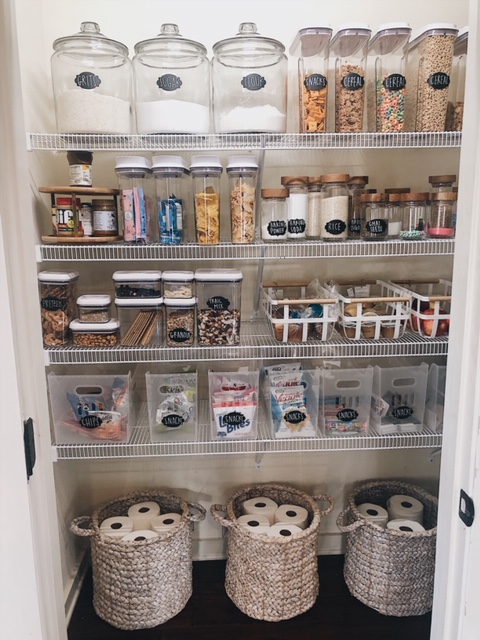
Decluttering without a plan for where things actually *live* is one of the easiest ways to end up right back where you started. If items don’t have a designated spot, they’ll just pile up again.
Pick a specific home for everyday things like keys, mail, and remotes. A small basket or drawer works fine. The goal is consistency — always put things back in the same place so clutter doesn’t quietly creep back in over time.
9.) Decluttering Someone Else’s Belongings

Going through someone else’s stuff without their permission is a fast way to create conflict and chaos. Even if you think you’re helping, tossing or donating items that belong to a partner, roommate, or family member can leave them feeling frustrated and out of control.
If shared spaces feel cluttered, try having a conversation first. Set aside time to sort things together, and let each person decide what stays or goes. Decluttering works best when everyone involved actually agrees to it.
10.) Forgetting the One-In-One-Out Rule
Bringing new things into your home without getting rid of old ones is one of the easiest ways to let clutter creep back in. You declutter one weekend, feel great, and then slowly fill the space right back up.
The fix is simple: whenever something new comes in, something old goes out. Bought a new pair of shoes? Donate an old pair. Got a new kitchen gadget? Time to let one go. It keeps things from piling up over time.
11.) Keeping Broken Items to Fix

We all have good intentions when we set aside that broken lamp or busted drawer handle. “I’ll fix it someday,” we tell ourselves — but someday rarely comes.
The problem is, these items just sit around taking up space and adding to the visual clutter. A good rule of thumb: give yourself a 30-day deadline. If you haven’t fixed it or scheduled a repair by then, it’s time to let it go.
Holding onto broken things doesn’t save money — it just creates mess.
12.) Saving Duplicates and Extras

Holding onto “just in case” extras — like three can openers or a pile of mismatched containers — adds clutter fast. You keep thinking you’ll need them someday, but that day rarely comes.
A good rule of thumb: keep one, maybe two of any item. If you haven’t reached for the backup in the past year, let it go. Donate it, toss it, or gift it to someone who’ll actually use it. Less stuff means less mess to manage.
13.) Reorganizing Instead of Removing

Shuffling things around into neat little piles or bins can feel productive, but if you’re not actually getting rid of anything, the clutter is still there — just better dressed.
The problem is that reorganizing tricks your brain into thinking the job is done. A few weeks later, everything creeps back into chaos because you never dealt with the real issue: too much stuff.
Before you buy a single storage bin, ask yourself if you actually need the item. If not, let it go.