So you think your home is ready to sell — but is it really? A lot of homeowners are unknowingly making mistakes that drop their home’s value without even realizing it. And some of them might surprise you!
Real estate agents see it all the time, and they’ve been pretty vocal about what turns buyers off fast. Let’s get into the things that could be quietly working against you.
1.) Overgrown or Neglected Landscaping

When buyers pull up to a home, the yard is the first thing they see. Overgrown bushes, patchy grass, and dead plants send a message that the property hasn’t been well cared for — and that makes people wonder what else has been ignored.
The good news is that basic upkeep goes a long way. Mow the lawn, trim the hedges, pull the weeds, and clear any dead growth. You don’t need a fancy yard — just a tidy one.
2.) Outdated Popcorn Ceilings
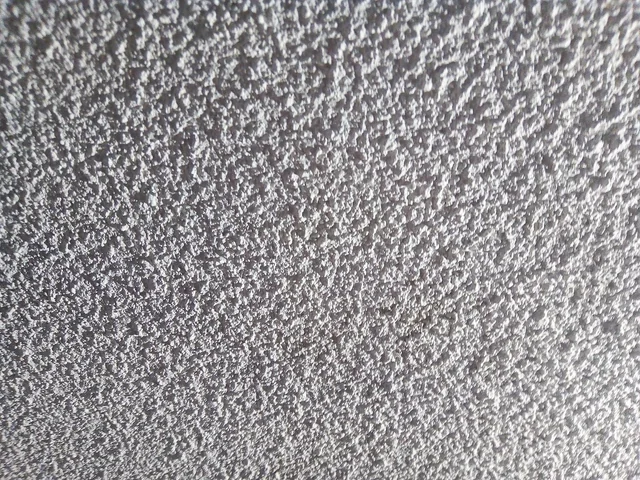
Popcorn ceilings had their moment back in the ’60s and ’70s, but that moment is long gone. Buyers today see them as dated and often assume they’re hiding water damage or worse — asbestos (which was actually used in older homes). That alone can send people running.
The good news is that scraping them smooth is a manageable DIY project if the texture was applied after 1978. If not, you’ll want a professional to handle removal safely.
3.) Bold or Unusual Paint Colors

You might love that deep burgundy accent wall or the bright orange kitchen, but potential buyers probably don’t. Bold paint choices can make it harder for people to picture themselves living in your home, which means they’ll mentally add “repainting costs” to their offer.
Stick with neutral tones like warm whites, soft grays, or light beiges when selling. These colors appeal to a wider range of buyers and make spaces feel bigger and more move-in ready.
4.) Worn Out or Stained Carpeting

Worn or stained carpet is one of the first things buyers notice when they walk through your door. It makes a home feel dirty and neglected, even if everything else is in great shape.
If replacing the carpet isn’t in your budget, get it professionally cleaned before any showings. For badly damaged areas, even a partial replacement in high-traffic spots can help. Buyers are already doing the math on what repairs will cost them, so don’t give them more reasons to lowball you.
5.) Cluttered and Crowded Rooms

Too much stuff in a room makes it feel smaller and harder for buyers to picture themselves living there. When every surface is covered and furniture is packed in tight, people can’t focus on the actual space — they just see chaos.
Before listing, try removing at least a third of your furniture and clearing off counters, shelves, and tables. Renting a storage unit is worth it. A roomier space almost always photographs better and feels more appealing during showings.
6.) Strong Pet or Smoke Odors

Few things send buyers heading for the exit faster than walking into a home that smells like pets or cigarette smoke. Odors like these soak deep into carpets, walls, and furniture, making them really hard to get rid of.
Before listing, steam clean carpets, repaint walls with odor-blocking primer, and replace air filters. If the problem is serious, consider hiring a professional odor remediation service. Buyers notice smells within seconds, and first impressions are tough to shake.
7.) Deferred Maintenance and Visible Repairs
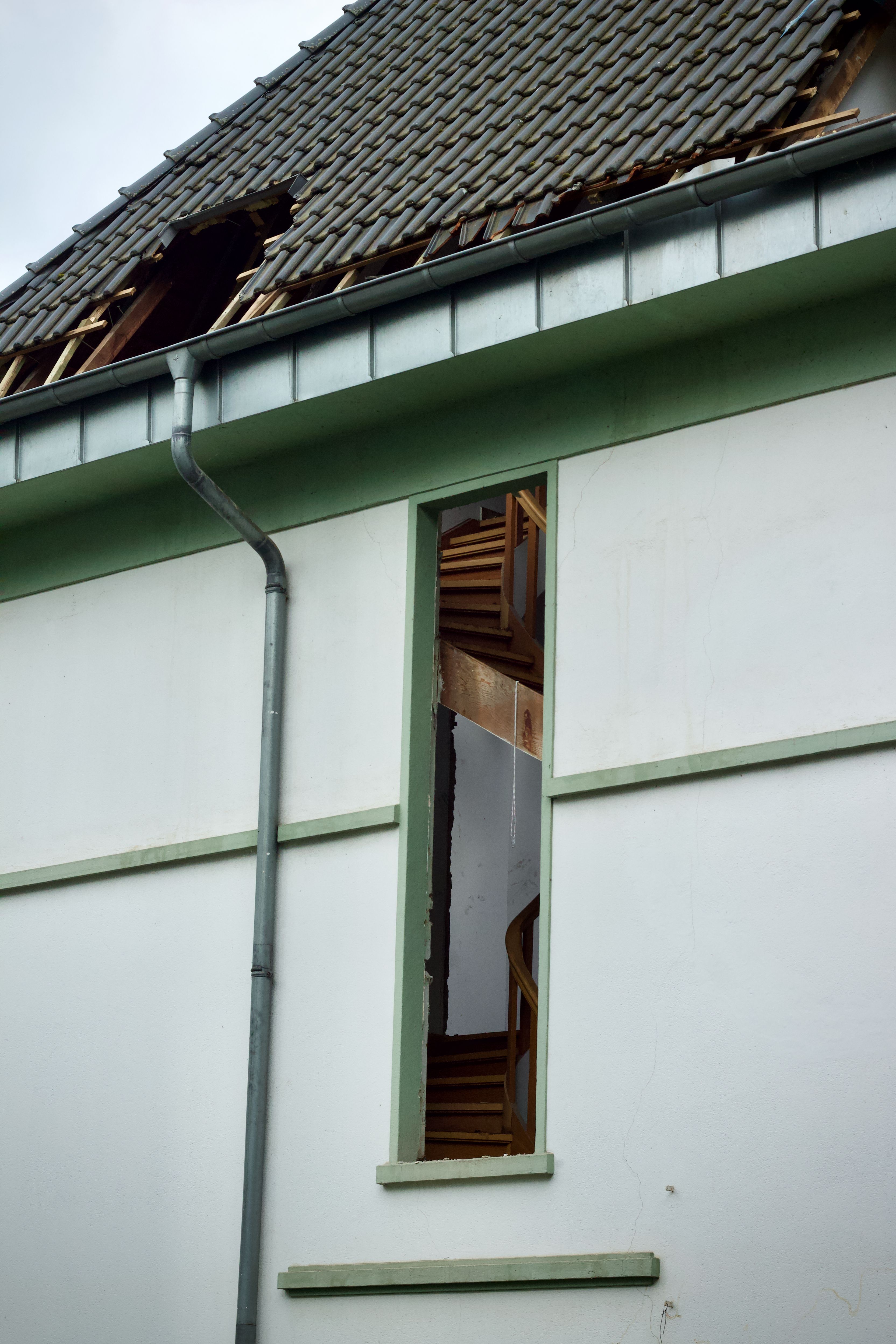
Buyers notice the small stuff — a cracked tile, a dripping faucet, scuffed baseboards. These things quietly signal that the home hasn’t been well cared for, and that makes people wonder what bigger problems might be hiding.
Before listing, walk through your home with fresh eyes and fix the obvious stuff first. Patch holes, touch up paint, tighten loose hardware. You don’t need a full renovation — just showing that the home has been maintained goes a long way with buyers.
8.) Outdated Kitchen Appliances and Countertops

If your kitchen still has that old laminate countertop from 1995 or appliances in almond or bisque colors, buyers are definitely taking notice — and not in a good way. Kitchens are one of the first things people evaluate, and outdated finishes can make the whole house feel behind the times.
You don’t have to do a full renovation to fix this. Swapping out appliances for stainless steel or updating countertops to quartz or butcher block can make a real difference in how buyers see your home.
9.) Poor Curb Appeal and Exterior Condition

First impressions matter more than you might think. If your home’s exterior looks worn down, buyers may assume the inside is just as neglected — even if it isn’t. Peeling paint, a cracked driveway, or an overgrown front yard can turn people away before they even step through the door.
The fix doesn’t have to be expensive. A fresh coat of paint, some basic landscaping cleanup, and a power wash can go a long way toward making your home look well cared for.
10.) Dated Bathroom Fixtures and Tiles

Nothing screams “stuck in the past” louder than a bathroom full of pink tile, brass faucets, and a harvest gold toilet. Buyers notice these things right away, and they start mentally calculating how much it’ll cost to fix everything.
You don’t have to gut the whole room to make a difference. Swapping out faucets, updating light fixtures, and re-grouting tile are relatively affordable fixes that can make the space feel a lot more current without a full renovation.
11.) Excessive Personalization and Unique Decor
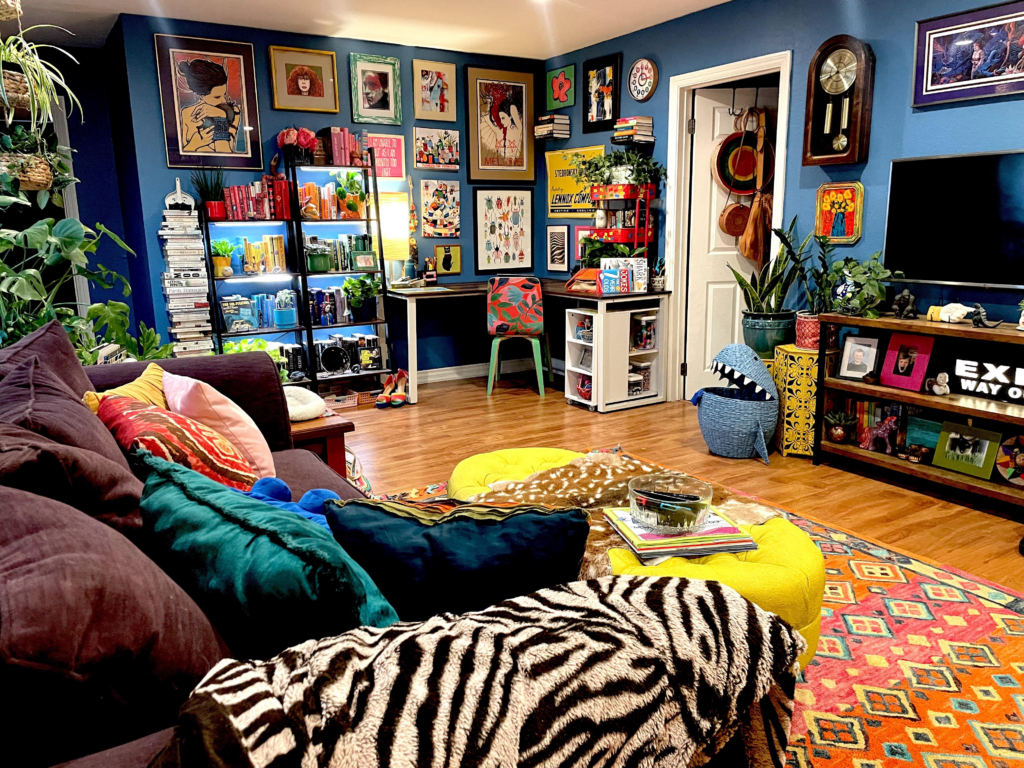
Your bold wallpaper, custom murals, or collection of quirky décor might feel like home to you — but buyers often struggle to see past it. What feels personal and creative to you can actually make a space feel smaller or harder to picture as their own.
The fix is simple: go neutral before listing. Swap out loud colors for soft, neutral tones and put away anything too specific to your taste. Buyers need to imagine their life in the space, not yours.
12.) Bad Lighting or Dark Rooms

Bad lighting can make even a nice home feel gloomy and small, which is a real problem when buyers are walking through. Dark rooms tend to photograph poorly too, and most buyers start their search online.
The fix doesn’t have to be expensive. Swap out low-wattage bulbs for brighter ones, open up curtains, and add a floor lamp or two to dim corners. Natural light is a big selling point, so don’t block it with heavy window treatments.
13.) Overly Trendy or Niche Renovations

Chasing the latest design trends might feel exciting, but it can seriously backfire when it’s time to sell. Things like bold wall murals, ultra-modern accent walls, or hyper-specific themed rooms tend to appeal to a very small group of buyers.
The problem is that most people can’t look past strong personal style choices. Stick to neutral, classic updates that have broad appeal. A simple, clean look lets buyers picture themselves in the space, which is exactly what you want.
14.) Visible Water Damage or Stains

Water stains on ceilings or walls are one of the first things buyers notice — and one of the hardest things to explain away. Even if the leak is long fixed, those yellowish-brown rings scream “problem” to anyone walking through.
Before listing your home, take care of the source first, then repaint over the stains with a stain-blocking primer. Slapping regular paint over them won’t cut it — they’ll bleed right through and make things look worse.
15.) Mismatched or Cheap-Looking Finishes
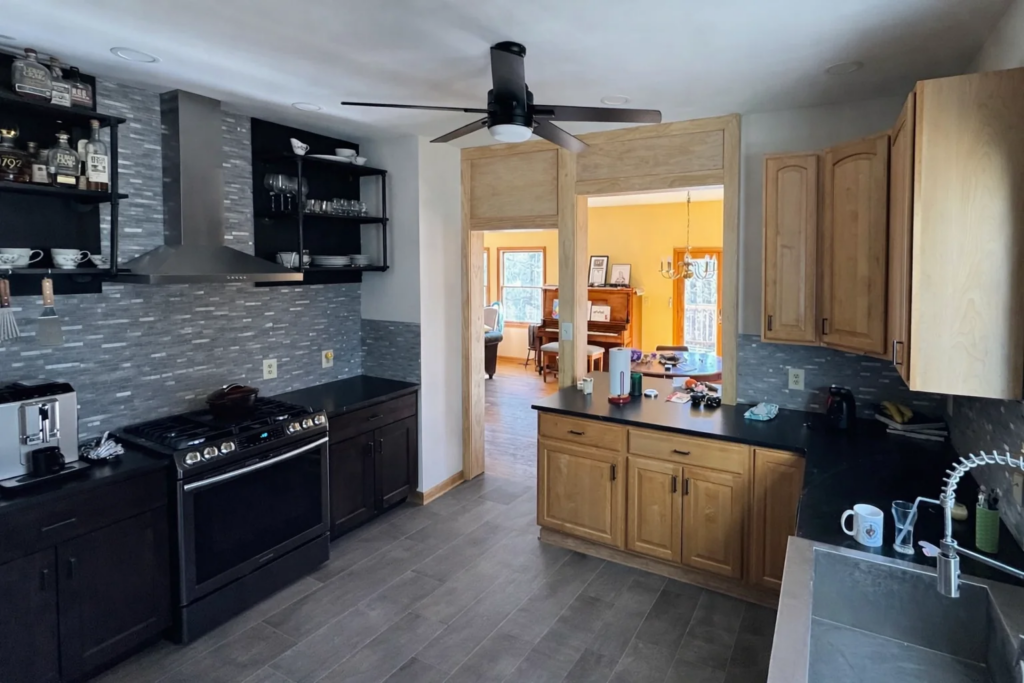
Mixing metals and finishes might seem like a creative choice, but buyers notice when things don’t match — and not in a good way. Think brushed nickel faucets paired with brass cabinet handles, or plastic light switch covers next to fancy tile work. It sends the message that updates were done on the cheap.
The fix is simple: pick one or two finishes and stick with them throughout a room. Even small, affordable hardware changes can make a space feel more pulled together and well thought out.
16.) Lack of Storage Space

Buyers notice storage problems right away, and it’s one of the quickest ways to lose their interest. If closets are overflowing and cabinets look stuffed, people start wondering if the house can actually fit their life.
The fix doesn’t have to be expensive. Clear out clutter before showings, add some simple organizers, and make every storage space look as roomy as possible. Even small closets feel bigger when they’re neat and well-organized.
17.) Unpermitted Additions or Renovations
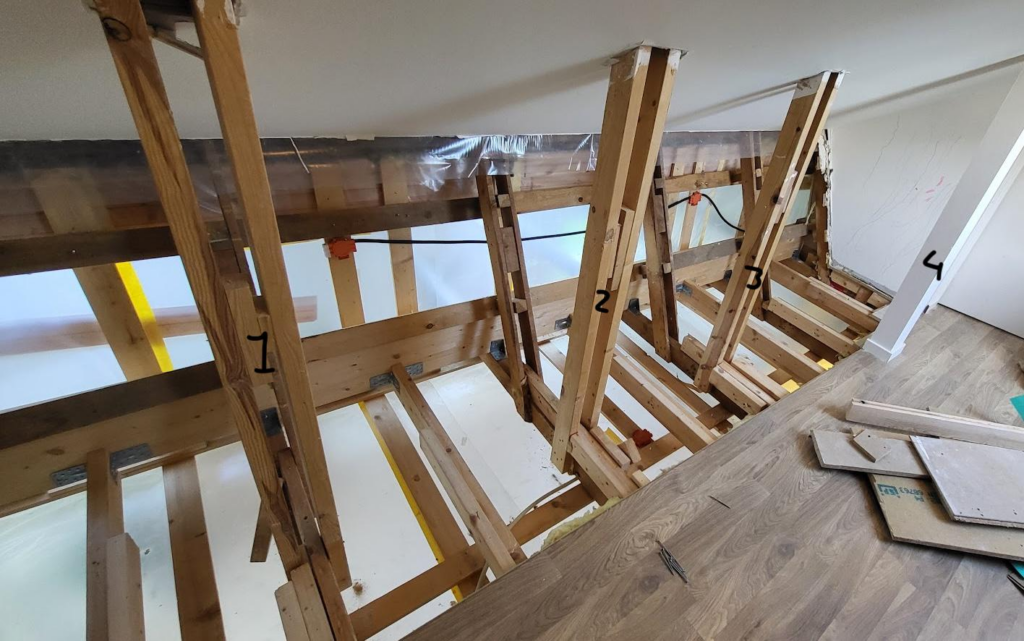
Skipping permits might seem like a way to save time and money, but it can come back to bite you when it’s time to sell. Buyers’ inspectors will often catch unpermitted work, and that can cause deals to fall through fast.
Lenders also get nervous about unpermitted additions, making it harder for buyers to secure financing. Worst case, the new owners may be required to tear it down. Always pull the proper permits — it protects your investment in the long run.
18.) Dirty or Grimy Surfaces

Buyers notice dirt more than you might think. Grimy countertops, smudged windows, and dusty baseboards send the message that a home hasn’t been well taken care of — and that makes people wonder what else has been neglected.
Before listing, do a deep clean or hire someone to do it for you. Pay special attention to kitchens, bathrooms, and entry areas. These spots get the most foot traffic and leave the biggest impression on anyone walking through the door.
19.) Garage Converted to Living Space

Converting your garage into a bedroom or bonus room might seem like a smart move, but buyers often see it differently. Without a proper garage, many families feel like they’re losing more than they’re gaining — especially in areas where parking or storage space is limited.
If you’ve already made the switch, make sure the work was done with permits and up to code. Unpermitted conversions can raise serious red flags during inspections and may cost you more than the space is worth.
20.) Single-Pane Windows and Poor Insulation
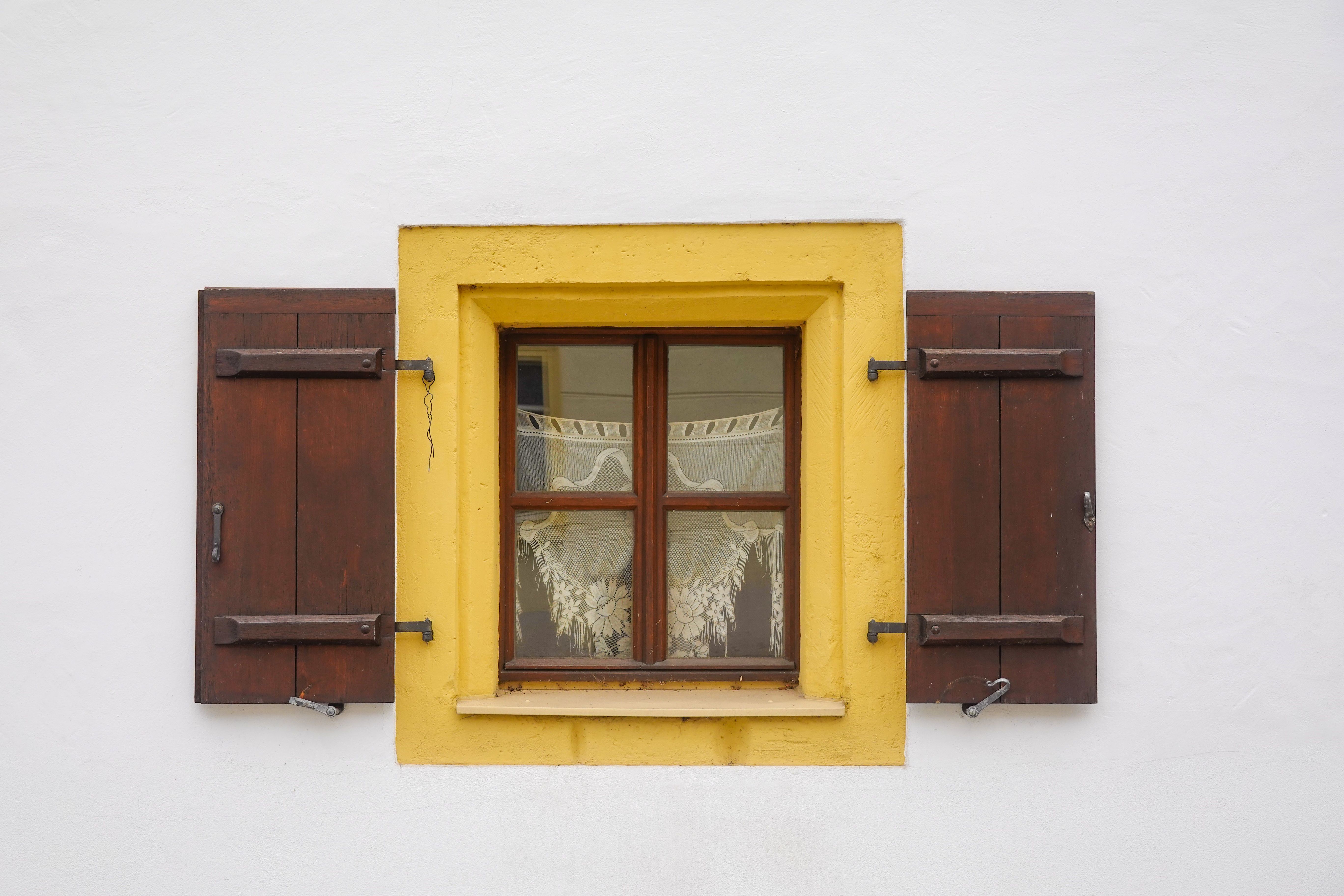
Old single-pane windows are a big red flag for buyers. They let heat escape in winter and cool air leak out in summer, which means higher energy bills every month. That’s not a selling point.
If replacing all your windows isn’t in the budget, even adding weatherstripping or window insulation film can make a difference. Buyers notice drafts and outdated glass right away, and they’ll use it to negotiate your price down fast.
21.) Cluttered Yard with Too Many Features

A yard packed with too many decorations, water features, garden beds, and lawn ornaments can actually turn buyers off. It looks busy and hard to maintain, which makes people wonder what they’re signing up for.
When staging your home to sell, less is more outside too. Pull back on the extras and keep the yard clean and simple. A clear, open space lets buyers picture themselves using it — and that mental picture is exactly what gets offers rolling in.

