Some plants look really pretty in the garden, but they come with a serious dark side. What starts as a nice addition to your yard can quickly turn into a full-on takeover that’s nearly impossible to stop.
Before you pick up that gorgeous plant at the nursery, you might want to do a little research first. Some of the most popular choices out there are actually known for spreading like crazy — and your neighbors definitely won’t thank you!
1.) English Ivy

English ivy looks great crawling up a fence or spilling out of a hanging basket, but it has a serious dark side. In warm climates (zones 5–9), it spreads fast, chokes out native plants, and climbs trees until they collapse under the weight.
Once it takes over a yard, getting rid of it is a real project. You’ll need to pull it up by the roots repeatedly over several seasons. Even a small patch left behind will come back strong.
2.) Japanese Knotweed
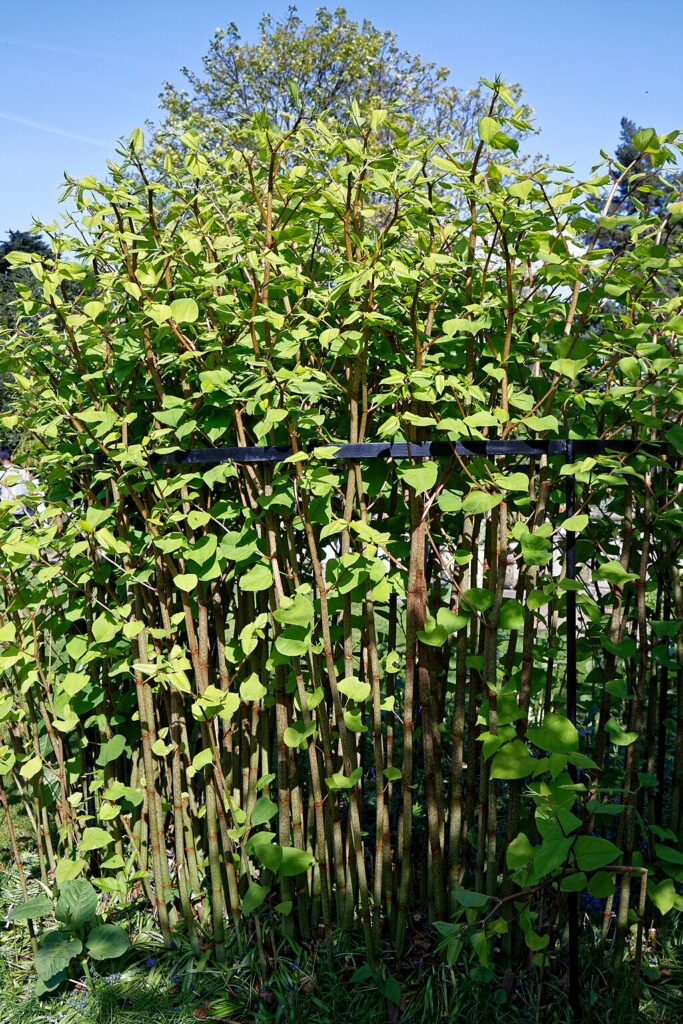
Japanese Knotweed looks kind of nice with its heart-shaped leaves and clusters of small white flowers — until it starts eating your yard alive. It spreads through underground stems called rhizomes, and even a tiny piece left in the soil can grow into a whole new plant.
It thrives in almost any condition, from zones 4–9, and can push through concrete, damage foundations, and completely crowd out other plants. Once it’s established, getting rid of it can take years of consistent effort.
3.) Purple Loosestrife
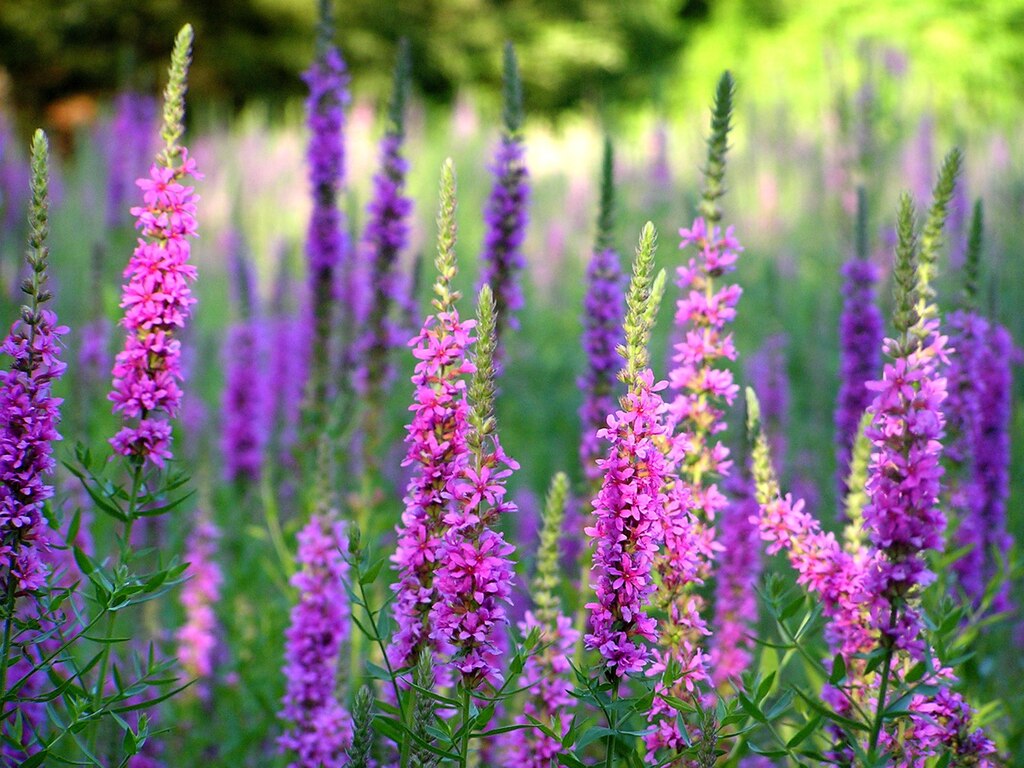
Purple loosestrife looks like something you’d actually want in your garden — tall spikes of pinkish-purple flowers that bloom from mid-summer into fall. It thrives in wet areas like pond edges, marshes, and drainage ditches, and it spreads *fast*. Hardiness zones 3–9 means it survives almost everywhere in North America.
The problem? One plant can produce up to 2.7 million seeds per year. It crowds out native plants that wildlife depend on for food and shelter, basically turning wetlands into a monoculture wasteland.
4.) Chinese Wisteria

Chinese Wisteria looks like something out of a fairy tale with its long, drooping clusters of purple flowers. It’s easy to see why people rush to plant it. But don’t let the looks fool you.
This vine grows fast — like, *really* fast — and will wrap itself around trees, fences, and even your house. It’s hardy in zones 5–8 and thrives in full sun, but controlling it is a constant battle. Once it’s established, good luck getting rid of it.
5.) Bamboo

Bamboo looks great as a privacy screen or garden feature, but planting it in the ground is basically asking for trouble. It spreads through underground runners called rhizomes, and once it gets going, it’s incredibly hard to stop. It can crack pavement, invade your neighbor’s yard, and take years to fully remove.
If you love the look, grow it in large containers instead. That way you get the aesthetic without the chaos. Just check the roots regularly so they don’t sneak out the drainage holes.
6.) Bishop’s Weed (Goutweed)

Bishop’s Weed, also called Goutweed, looks like a decent ground cover with its green and white leaves. It spreads quickly, which sounds great at first — until it takes over your entire yard and starts creeping into your neighbor’s garden too.
It thrives in zones 3–9 and handles both sun and shade, making it nearly impossible to contain. Once it’s in the ground, getting rid of it means digging out every single root fragment, or it just comes right back.
7.) Periwinkle (Vinca)

Periwinkle looks like a dream groundcover — low-growing, pretty purple-blue flowers, and it spreads fast to fill in bare spots. Sounds great, right? The problem is it doesn’t know when to stop.
In zones 4–9, Vinca minor and Vinca major can creep into natural areas and choke out native plants that wildlife actually depends on. It’s tough to kill once it’s established, since it roots wherever it touches the ground.
If you love the look, try growing it in containers instead.
8.) Japanese Honeysuckle

Japanese Honeysuckle (*Lonicera japonica*) might smell amazing on a summer evening, but don’t let that fool you. This fast-growing vine can take over a yard in just a couple of seasons, smothering native plants and trees as it climbs.
It thrives in basically any condition — full sun, shade, poor soil — which is exactly what makes it such a problem. Hardiness zones 4–10 means it survives nearly everywhere in the U.S. Once it’s established, removing it is a serious chore.
9.) Butterfly Bush
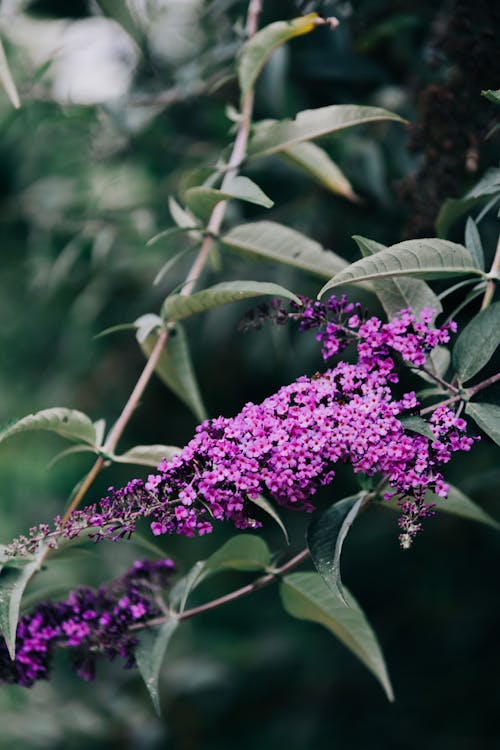
Butterfly bush (*Buddleja davidii*) might look like a dream with its long, cone-shaped flower clusters that pollinators love, but it’s on the invasive species list in several U.S. states for good reason. It spreads aggressively through seeds and can crowd out native plants before you even notice.
Hardy in zones 5–9, it grows fast and tolerates poor soil, which sounds great until it starts taking over wild areas nearby. If you already have one, deadhead the flowers before they go to seed to slow the spread.
10.) Chinese Privet

Chinese Privet looks like a perfectly nice shrub with its glossy leaves and clusters of small white flowers, but don’t let it fool you. It spreads aggressively through bird-dropped seeds and underground runners, crowding out native plants before you even notice what’s happening.
It thrives in Zones 7–10 and grows in almost any condition — sun, shade, dry soil, wet soil. Once it’s established, removal is a serious project involving repeated cutting and herbicide treatment. Basically, it’s a full-time job you never signed up for.
11.) Oriental Bittersweet
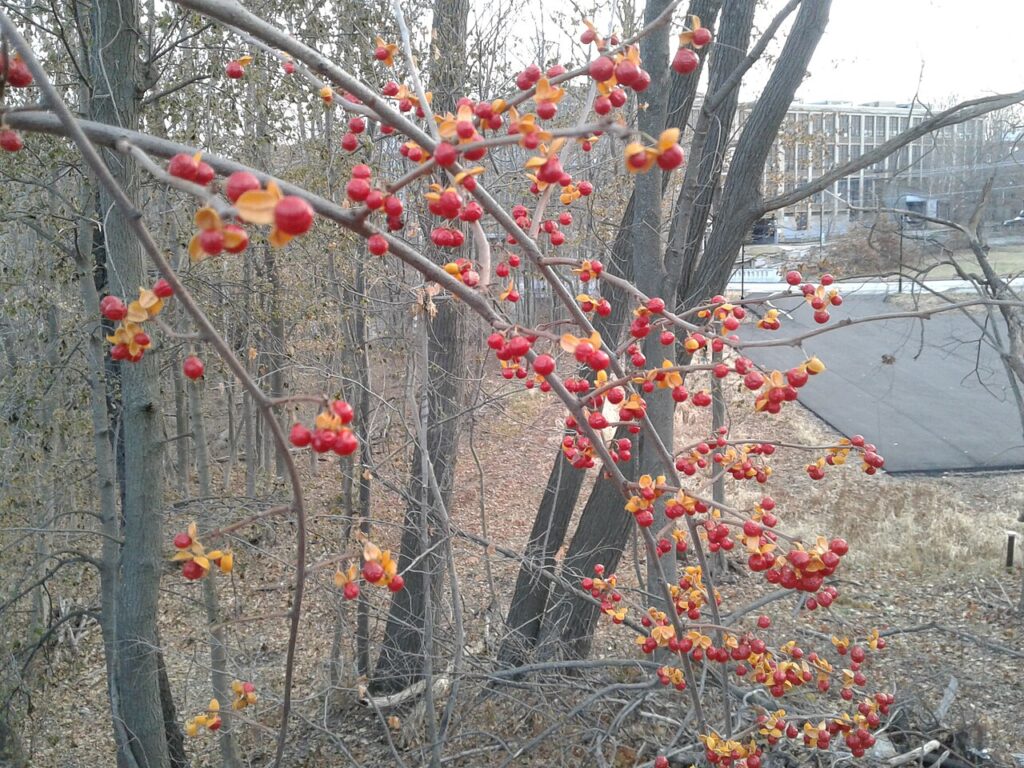
Oriental Bittersweet might look like a nice addition to a fall wreath with its little yellow and orange berries, but don’t let that fool you. This vine spreads aggressively across the eastern U.S., wrapping around trees and shrubs until it essentially strangles them.
It thrives in almost any soil and grows fast, which makes it incredibly hard to remove once it’s established. Skip it entirely and opt for native alternatives like American bittersweet if you want that same seasonal look without the chaos.
12.) Norway Maple
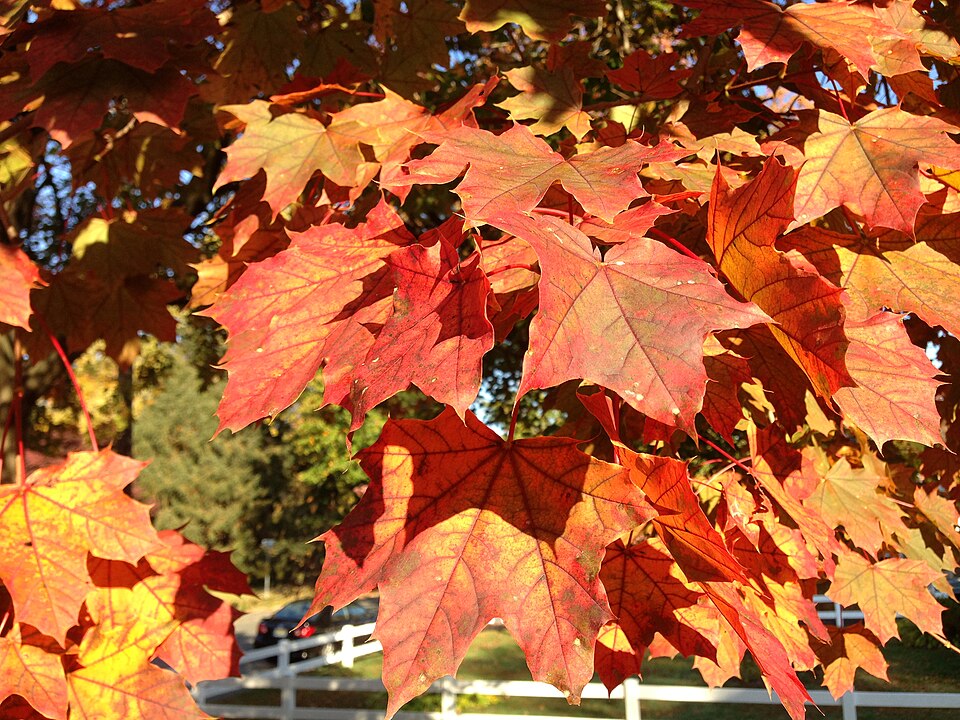
Norway Maple looks like a perfectly nice shade tree, and that’s exactly the problem. It grows fast, handles poor soil, and thrives in hardiness zones 4–7, which sounds great until it starts dropping thousands of seeds that sprout absolutely everywhere.
The real issue is how it crowds out native trees by blocking sunlight with its dense canopy. Many states have actually added it to their invasive species lists. If you already have one, removal before it seeds in spring is your best bet.
13.) Burning Bush

Burning bush looks great in fall with its bright red leaves, which is exactly why so many people plant it. But in large parts of the U.S., especially the Northeast and Midwest, it spreads aggressively into forests and wild areas, crowding out native plants.
Birds eat the berries and drop seeds everywhere, so it doesn’t stay put. Many states have already banned it. If you want that red fall color, try native alternatives like Virginia sweetspire or itea instead.
14.) Japanese Barberry
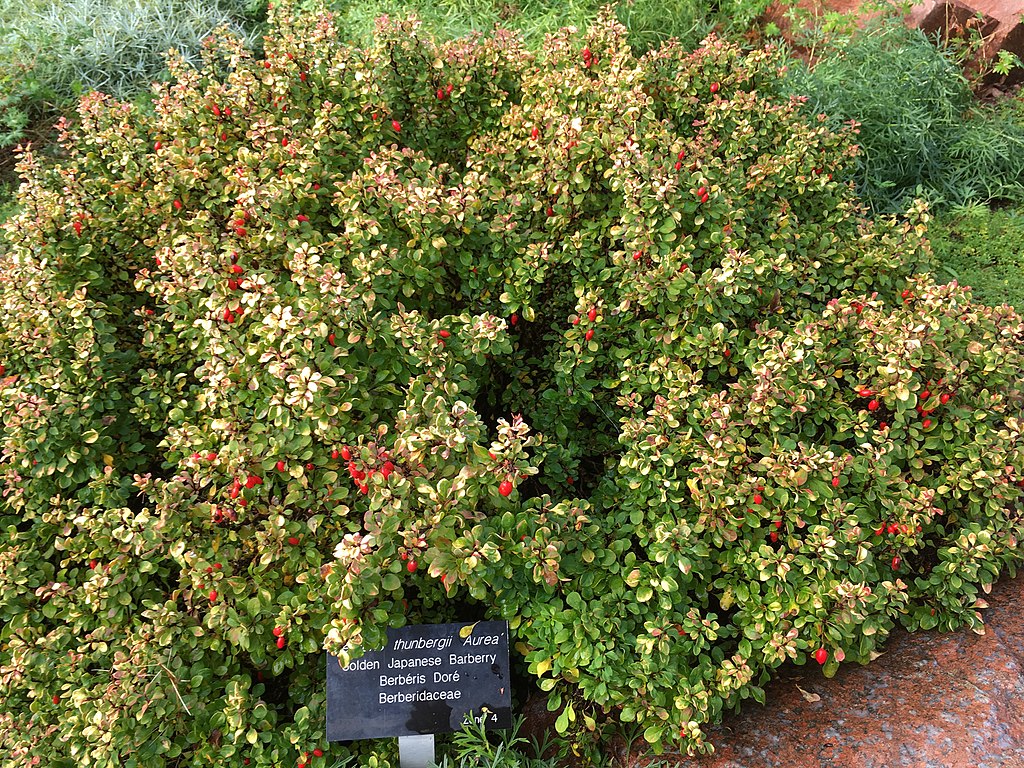
Japanese Barberry looks like a dream with its reddish-purple leaves and little red berries. It’s tough, low-maintenance, and grows in almost any condition — zones 4 through 8 — which is exactly why it became so popular in landscaping.
The problem? It spreads aggressively into forests and fields, crowding out native plants and creating tick habitats. Several states have already banned it.
If you love the look, try native alternatives like American Beautyberry or Inkberry Holly instead. Same vibe, way less damage.
15.) Lily of the Valley

Lily of the Valley looks sweet and innocent with its tiny white bell-shaped flowers, but don’t let that fool you. It spreads through underground rhizomes and will take over a garden bed before you even notice what’s happening. It thrives in zones 3–8 and loves shady, moist spots.
Once it’s established, getting rid of it is a real headache. You’ll need to dig out every single rhizome, or it just comes right back the following spring.
16.) Creeping Jenny

Creeping Jenny (*Lysimachia nummularia*) looks innocent enough with its low, spreading vines and little round leaves. It’s often sold as a cheerful ground cover or even a pond plant. Sounds harmless, right?
Wrong. This thing spreads fast and doesn’t stop. It roots wherever it touches soil, squeezing out other plants as it goes. It thrives in moist areas and partial to full shade, making it tough to kill once it gets going. Zones 3–9 are all fair game.
17.) Dame’s Rocket
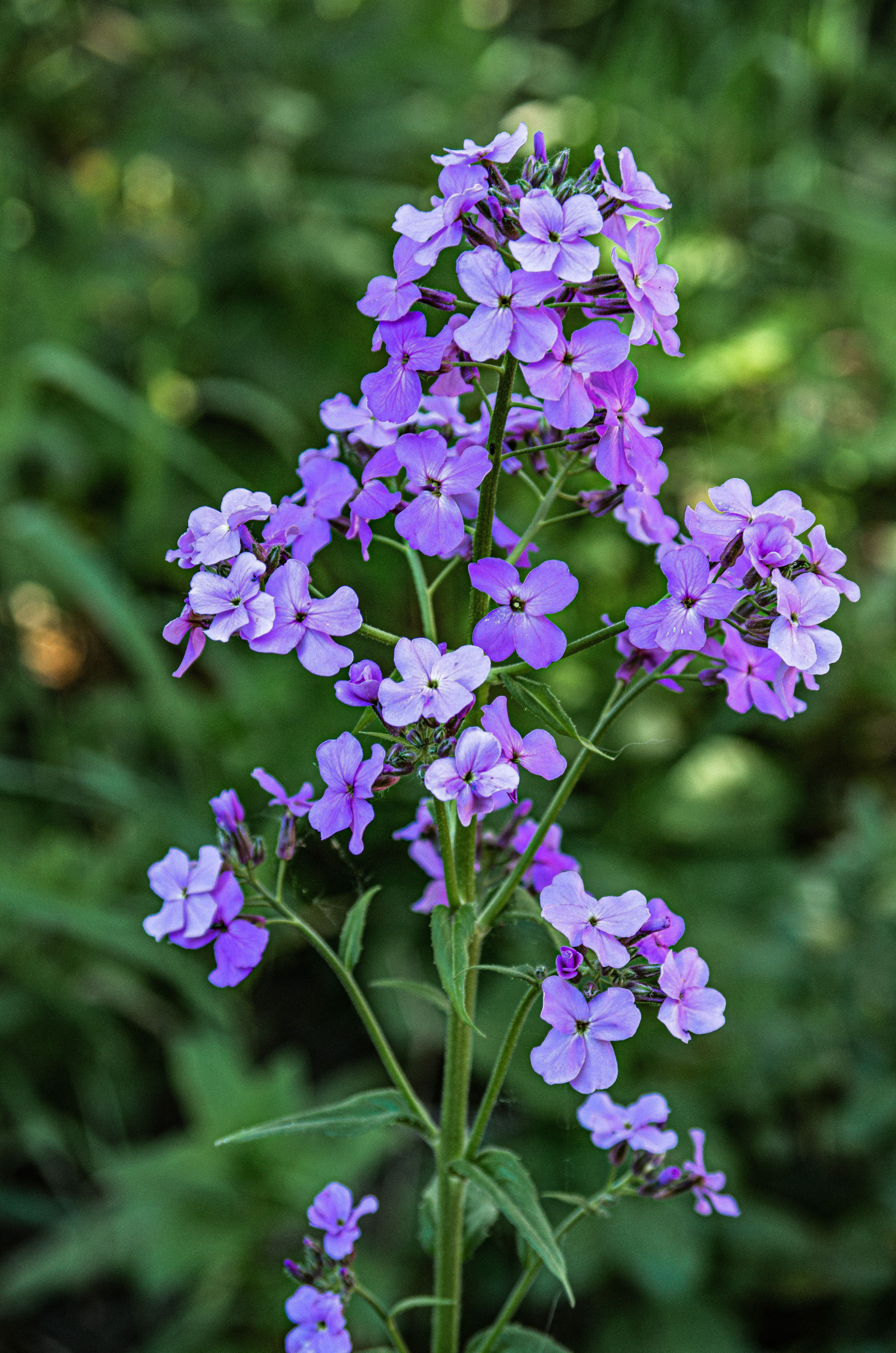
Dame’s Rocket looks a lot like native phlox with its clusters of four-petaled flowers in purple, pink, or white. It blooms in spring and early summer and thrives in zones 4–8, spreading like crazy along roadsides, forest edges, and garden borders.
The problem? It self-seeds aggressively and crowds out native wildflowers. Many people plant it on purpose, not realizing it’s banned in some states. If you already have it, pull it before it goes to seed — otherwise, you’ll be dealing with it for years.
18.) Golden Bamboo
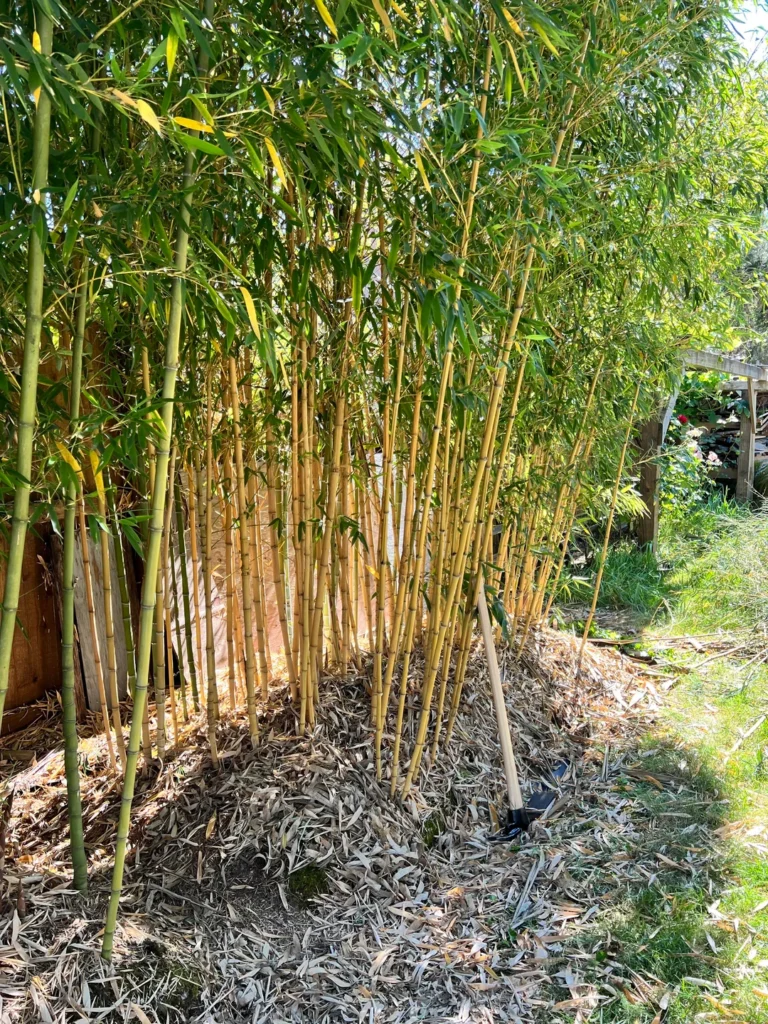
Golden bamboo looks great in photos — tall, lush, and perfect for adding some privacy to your yard. It grows fast in USDA zones 6–10 and doesn’t ask for much. Sounds like a win, right?
Here’s the problem: it spreads through underground rhizomes and will absolutely take over your garden, your neighbor’s garden, and any patch of soil it can reach. Once it’s established, removal is a serious project that can take years of digging and persistence.