If you’ve ever watched a bee zoom past your flowers like it’s totally unimpressed, you’re not alone. Turns out, bees can be pretty picky about where they hang out — and most of us aren’t planting the right things to get their attention.
The good news? A few simple swaps in your garden can make a big difference. These 15 plants are basically bee magnets, and some of them might really surprise you!
1.) Lavender
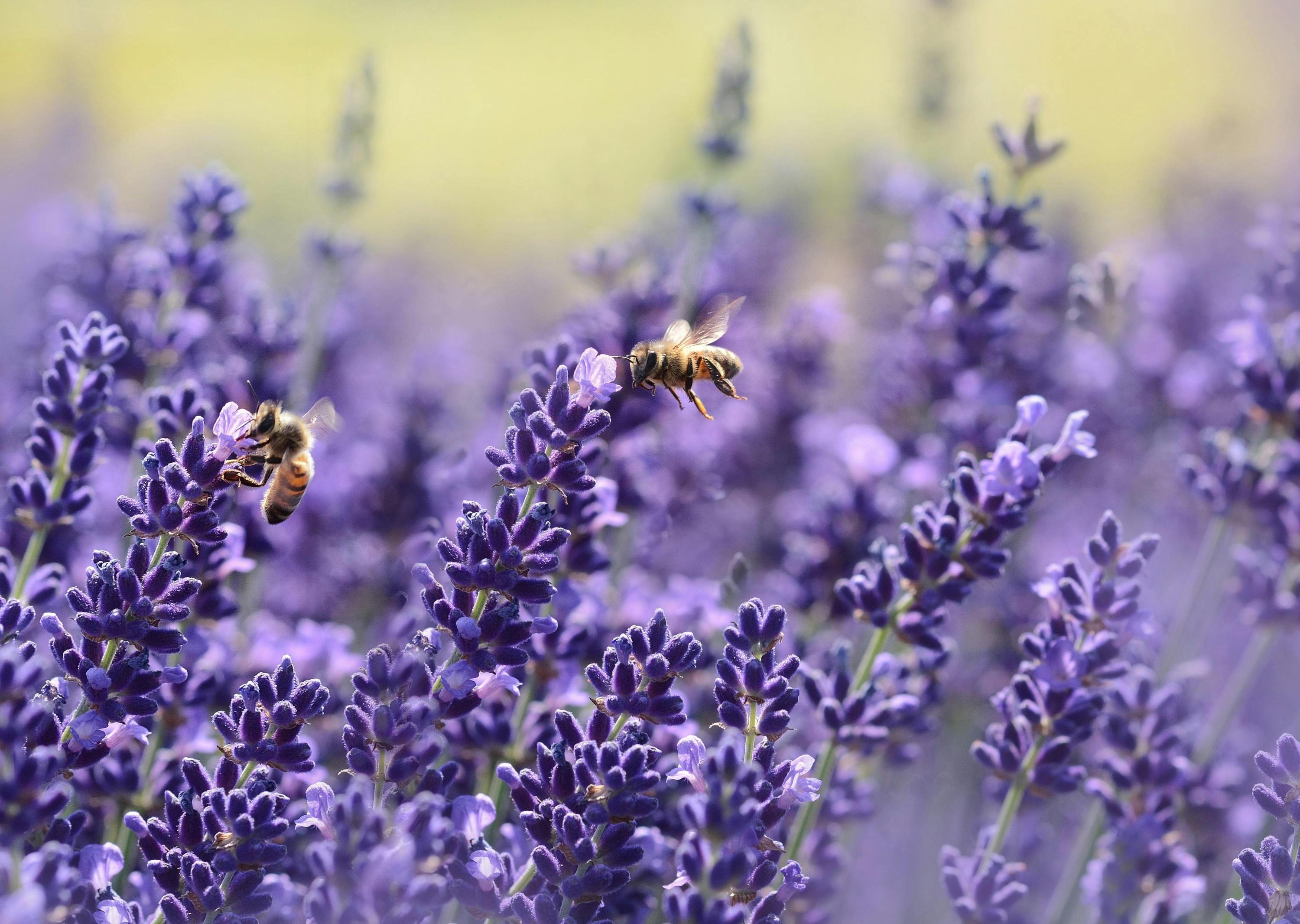
Bees go absolutely wild for lavender, and it’s easy to see why — the flowers are packed with nectar and bloom for a long time. It grows best in full sun with well-drained soil and doesn’t need much water once it’s established. Hardiness zones 5–8 are your sweet spot.
Plant it along borders or pathways where bees can easily find it. It blooms from late spring through summer, giving your garden a steady food source for pollinators over several months.
2.) Sunflowers
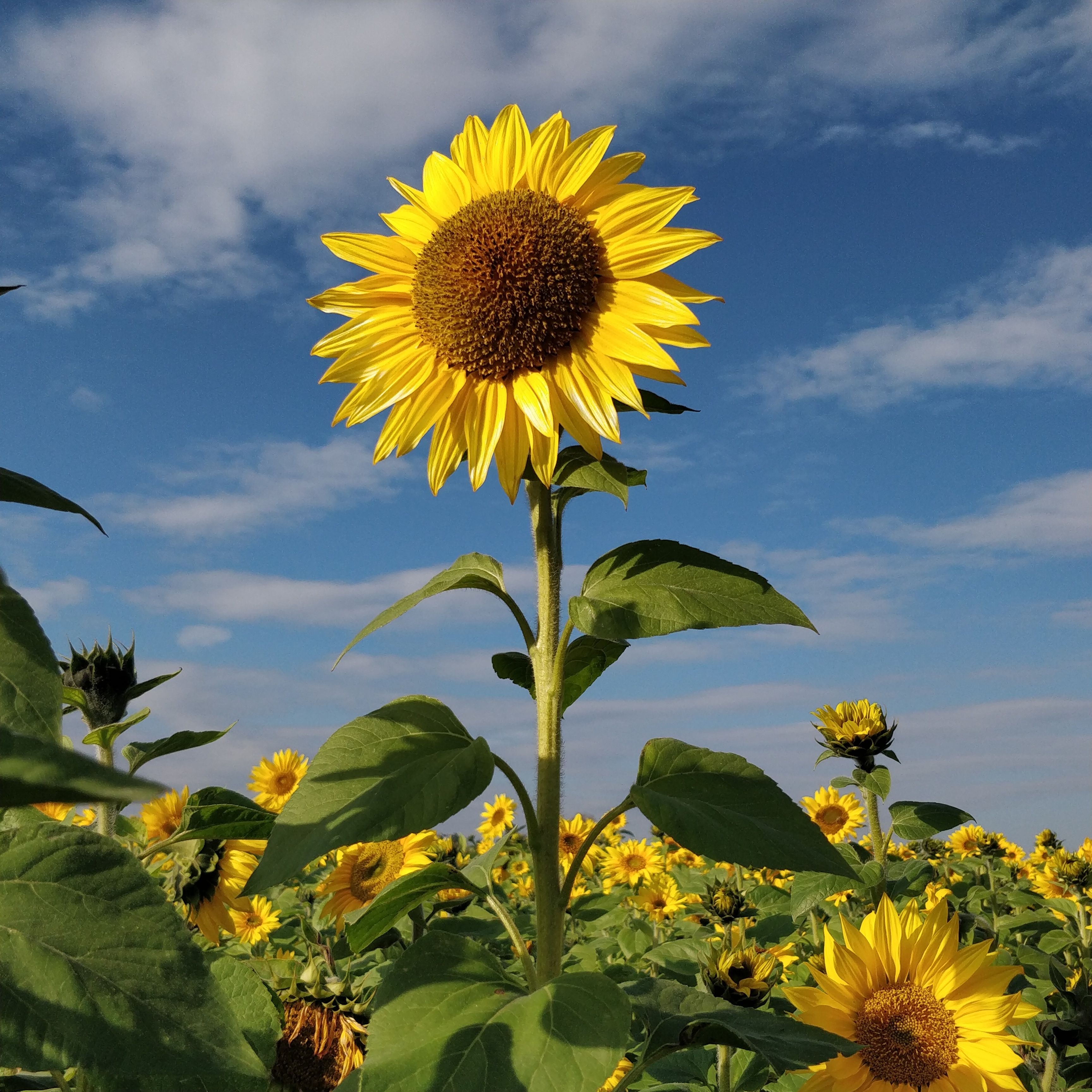
Bees go absolutely wild for sunflowers, and it’s easy to see why — those big, open centers are basically a buffet of pollen and nectar. They’re especially popular with bumblebees and native bee species.
Plant them in full sun after the last frost, and they’ll do most of the work themselves. They grow well in zones 3–9 and don’t need much fussing. Taller varieties can reach six feet or more, so give them some space and enjoy the show.
3.) Bee Balm
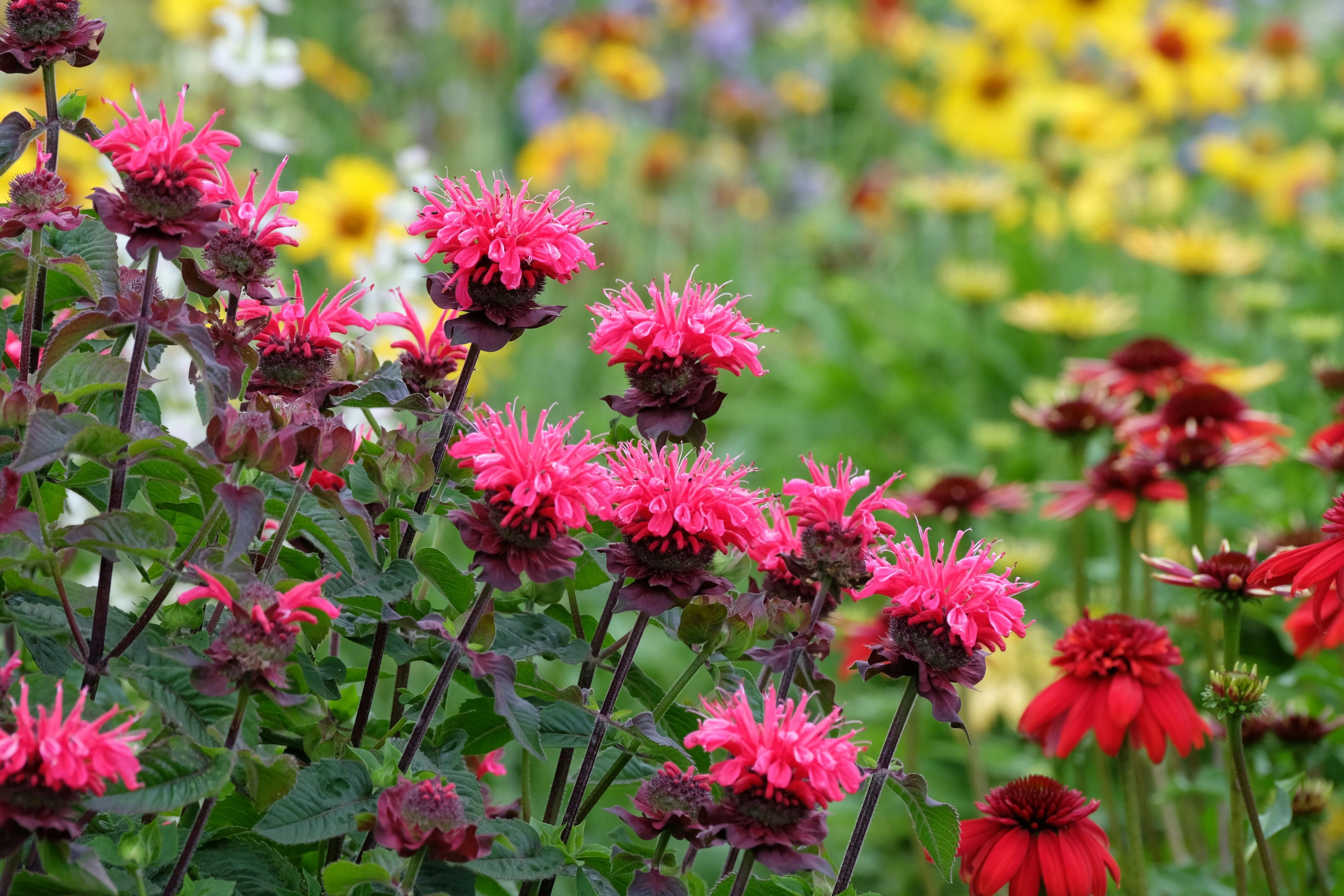
Bee balm is basically a bee magnet, and it’s pretty easy to grow. It thrives in full sun to partial shade and does well in zones 4–9, so most gardeners can make it work. It blooms in mid to late summer, which is exactly when bees are busy and need the most food.
Just give it good airflow to prevent mildew, and divide the clumps every few years to keep it healthy. It spreads, so plan accordingly.
4.) Coneflowers
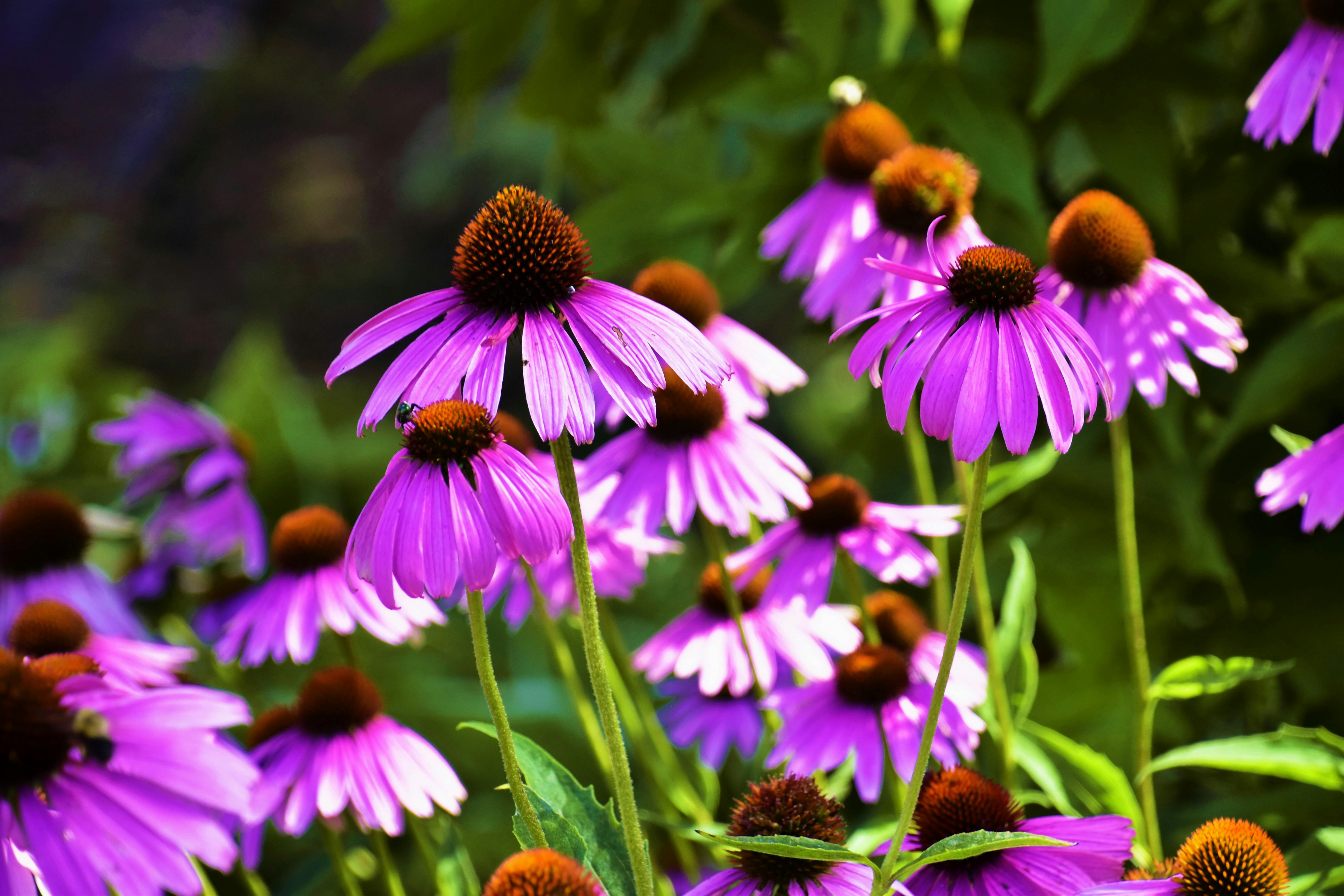
Coneflowers (also called echinacea) are basically a bee magnet. Their wide, open centers make it super easy for bees to land and load up on pollen, so you’ll see a lot of action on these plants from mid-summer all the way into fall.
They’re pretty low-maintenance, too. Coneflowers do well in zones 3–9, handle drought once established, and actually prefer full sun with average soil. Skip the fancy fertilizer — too many nutrients and you’ll get more leaves than flowers.
5.) Black-Eyed Susans

Black-Eyed Susans are basically a bee magnet in the garden, and they’re super easy to grow. They thrive in full sun and can handle dry or poor soil without much fuss, making them a solid choice for low-maintenance gardeners. They do well in zones 3–9 and bloom from midsummer into fall.
The bright yellow flowers give bees a long feeding window, which is exactly what pollinators need. Plant them in clusters for the best results.
6.) Borage

Borage is basically a bee magnet. Its small, star-shaped blue flowers produce a ton of nectar, making it one of the most popular stops in any pollinator-friendly garden. Bees absolutely swarm this plant when it’s in bloom.
The good news is it’s super easy to grow. It thrives in full sun, tolerates poor soil, and grows well in zones 2–11 as a warm-season annual. Direct sow seeds after the last frost and it’ll practically take care of itself from there.
7.) Catmint

Catmint is basically a bee magnet that practically takes care of itself. It blooms from late spring through summer, and if you cut it back after the first flush of flowers, it’ll bloom all over again. Bees go absolutely crazy for those small purple-blue flowers.
It grows well in zones 3–8, handles drought better than most plants, and actually prefers poor soil over rich soil. Plant it along borders or pathways where bees can easily find it.
8.) Russian Sage
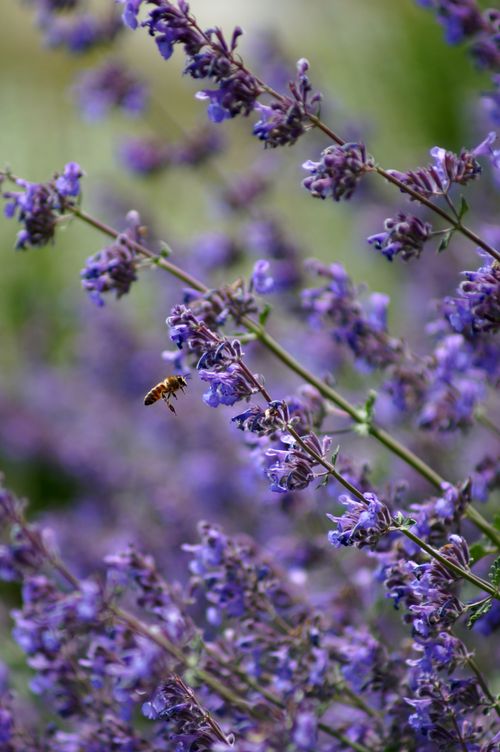
Russian Sage is basically a bee magnet from midsummer all the way into fall. It produces tons of small purple-blue flowers that bees can’t seem to get enough of, and it blooms for a long time, which is a big deal for keeping pollinators around.
It’s also pretty low-maintenance. It handles heat, drought, and poor soil without much fuss. Plant it in full sun, and it’ll thrive in zones 4–9. It also doesn’t need much watering once it’s established.
9.) Salvia
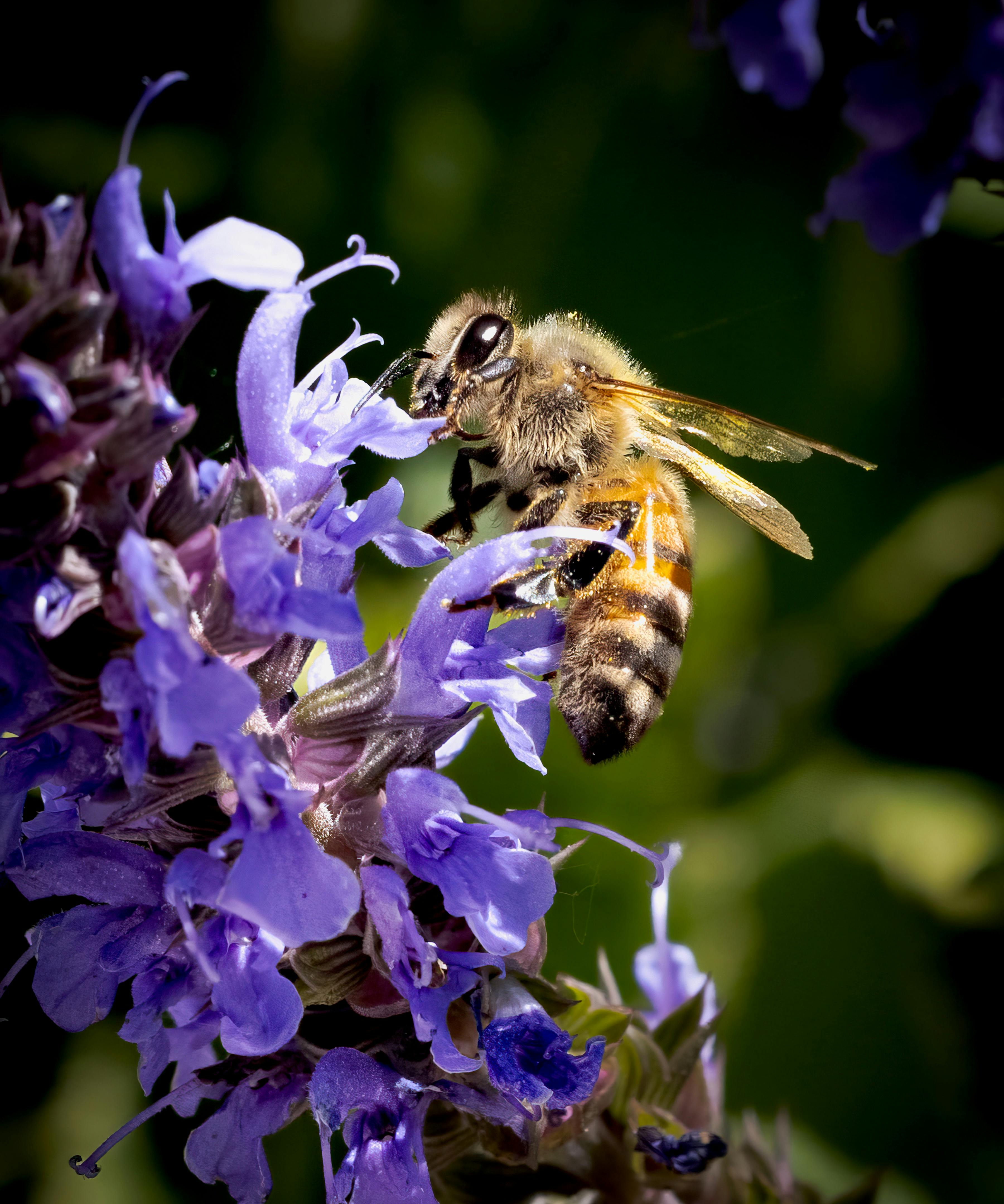
Bees go absolutely wild for salvia, and it’s easy to see why — those tall flower spikes are basically a buffet for pollinators. It blooms from late spring through fall, giving bees a reliable food source for months.
Salvia grows best in full sun with well-drained soil and doesn’t need much water once it’s established. It does well in hardiness zones 4–10 depending on the variety. Plant it near your vegetable garden and watch the pollinator activity pick up fast.
10.) Zinnias

Zinnias are basically a bee magnet, and they’re one of the easiest flowers you can grow. They thrive in full sun and warm weather, making them a great choice for summer gardens in zones 2–11. Just direct sow the seeds after the last frost and they’ll take off fast.
The flat, open blooms make it simple for bees to land and feed. Plant them in clusters for the best results, and deadhead regularly to keep the flowers coming all season long.
11.) Cosmos

Cosmos are basically a bee magnet, and they’re one of the easiest flowers you can grow. They thrive in full sun and actually prefer poor soil — over-fertilizing makes them grow tall and leafy with fewer flowers. Plant them after the last frost in zones 2–11, and they’ll bloom all summer long.
The open, flat center of each flower makes it simple for bees to access the pollen. Deadhead regularly to keep the blooms coming and the bees coming back.
12.) Crocuses
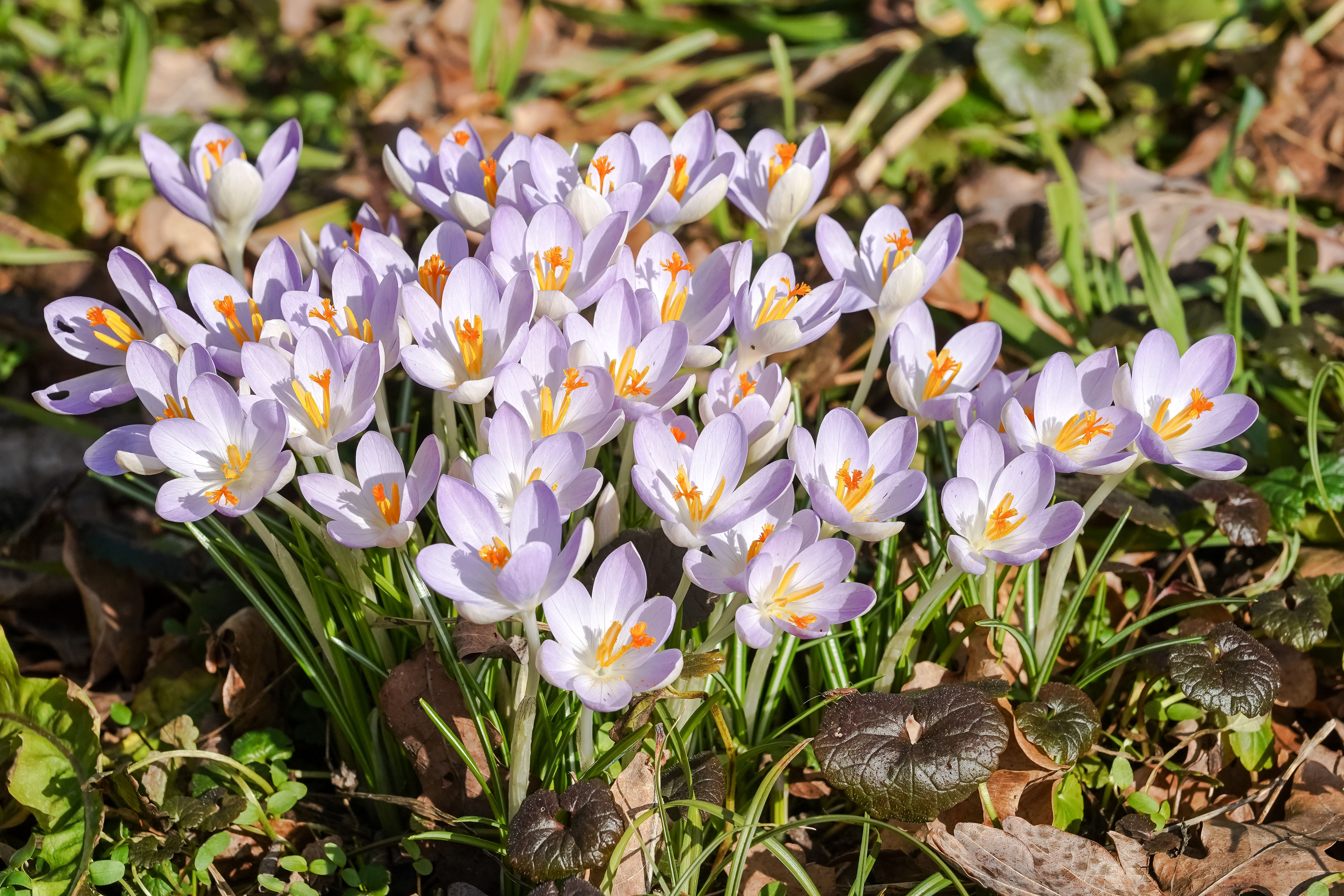
Crocuses are one of the first flowers to pop up in early spring, which makes them a big deal for bees coming out of winter with not much to eat. Planting them gives pollinators an early food source right when they need it most.
They grow well in zones 3–8, prefer well-drained soil, and do best in full sun to partial shade. Plant the bulbs in fall, a few inches deep, and they’ll basically take care of themselves from there.
13.) Sedum

Sedum is a low-maintenance succulent that bees absolutely love, especially when it blooms in late summer and fall — a time when many other flowers have already faded. It fills a gap in the season when pollinators are still actively preparing for winter.
It grows well in zones 3–9, thrives in full sun, and handles dry or poor soil without much fuss. Plant it in a sunny spot, water it occasionally, and pretty much let it do its thing.
14.) Phacelia
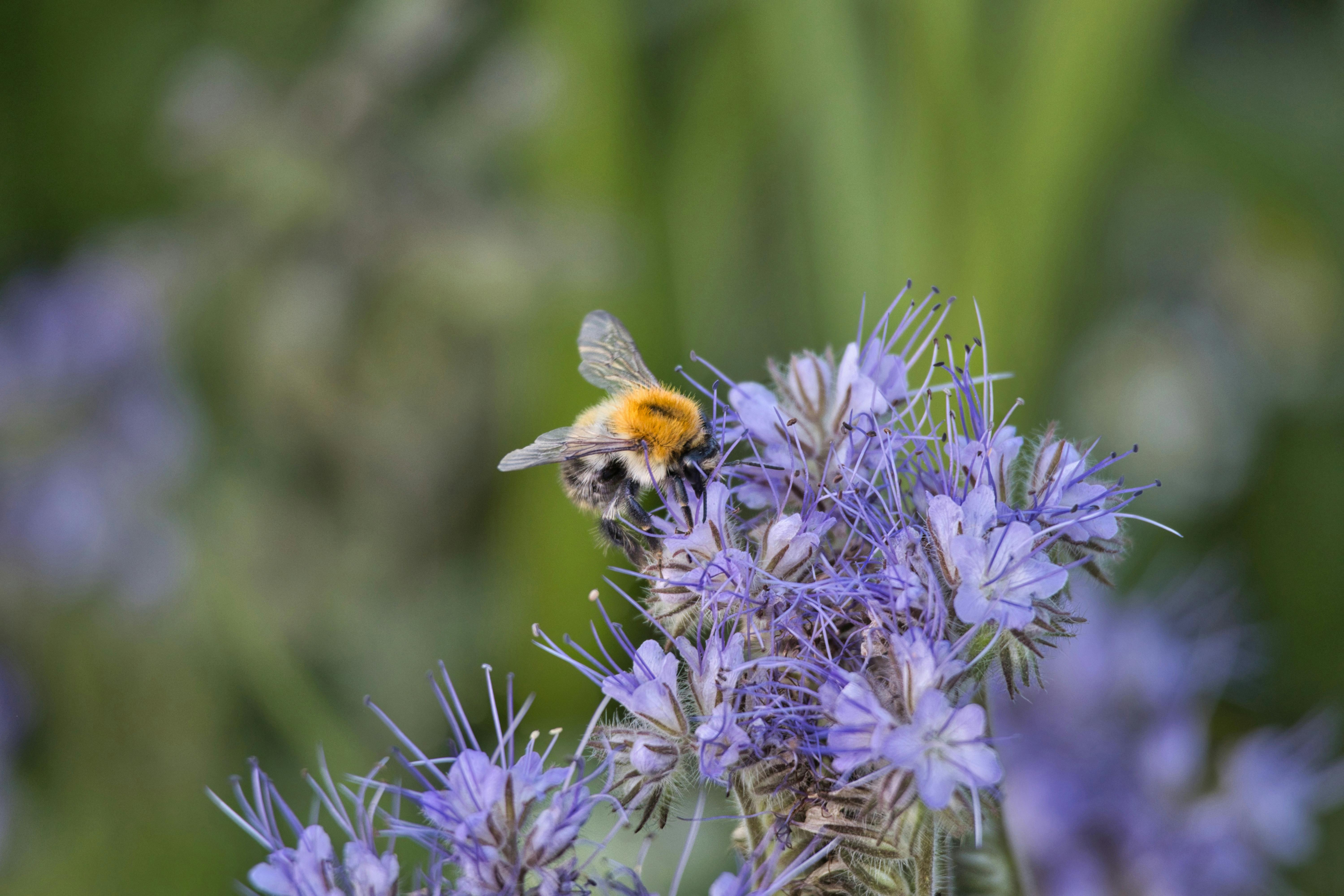
If you want bees swarming your garden in the best way possible, phacelia is your go-to. It produces clusters of small, purple-blue flowers that bees absolutely cannot resist. Studies have actually ranked it as one of the top nectar-producing plants around.
It’s an annual, so you’ll need to reseed each year, but it grows fast and doesn’t ask for much. It does well in most soil types and full sun. Direct sow in spring after the last frost.
15.) Wild Bergamot

Wild Bergamot (*Monarda fistulosa*) is basically a bee magnet. Bumblebees, honeybees, and native pollinators can’t seem to get enough of its lavender-pink blooms, which show up in midsummer and last for weeks.
It grows well in zones 3–9, handles dry or rocky soil, and doesn’t need much fussing once it’s established. Full sun is ideal, though it tolerates a little shade.
Plant it toward the back of a border and let it spread naturally — it will, slowly but surely.