If you’ve ever woken up to find your garden completely torn apart by deer overnight, you know how frustrating it can be. No matter what you plant, they always seem to find it first.
The good news? There are plants that deer genuinely want nothing to do with — and real gardeners have put them to the test. Keep reading, because a few of these might really surprise you!
1.) Lavender

Deer tend to avoid lavender because of its strong scent — something they just can’t stand. It grows best in full sun with well-drained soil, and it’s pretty low-maintenance once it gets established. Hardy in zones 5–8, it does well in borders, raised beds, or along pathways.
As a bonus, it attracts pollinators like bees and butterflies, so your garden stays busy. Trim it back after it blooms to keep it from getting too woody over time.
2.) Russian Sage

Russian Sage is basically deer-proof, and gardeners in zones 5–9 swear by it. It thrives in full sun and dry, well-drained soil, so it’s actually perfect for those tough spots where other plants struggle. Low maintenance once it’s established, too.
Deer tend to avoid it because of its strong scent and slightly fuzzy stems — two things they really don’t like. Plant it along borders or pathways where you want reliable coverage without constantly worrying about deer damage.
3.) Lamb’s Ear

Lamb’s Ear is a soft, fuzzy-leafed plant that deer tend to leave completely alone — and honestly, it makes sense. That thick, woolly texture is a major turn-off for them.
It grows best in full sun with well-drained soil and does really well in zones 4–8. It’s also pretty drought-tolerant once it’s established, so it’s low-maintenance.
Plant it along borders or pathways where deer tend to wander. It spreads easily, so give it a little room to roam.
4.) Yarrow

Yarrow is one of those plants that deer seem to want absolutely nothing to do with, and gardeners in zones 3–9 have noticed this firsthand. It grows well in full sun and handles dry, poor soil better than most plants.
It blooms from late spring through summer, so you get solid coverage during the seasons when deer pressure tends to be heaviest. It also spreads over time, slowly filling in gaps and giving you more deer-resistant ground to work with.
5.) Catmint
Deer seem to want nothing to do with catmint, probably because of its strong, minty scent. It grows well in zones 3–8, loves full sun, and handles dry conditions like a champ once it’s established.
Plant it along borders or pathways where deer tend to sneak in. It blooms in late spring and early summer, and if you trim it back after the first flush of flowers, it’ll often bloom again. Low maintenance and deer-resistant? That’s a solid win.
6.) Salvia

Deer tend to avoid salvia because of its strong scent and slightly fuzzy leaves — two things they really don’t like. It grows well in full sun and handles dry conditions like a champ, making it pretty low-maintenance once it’s established. Hardy in zones 4–10 depending on the variety, it works in borders or containers.
As a bonus, pollinators like bees and butterflies love it, so you’re keeping deer out while still bringing good things into your garden.
7.) Coreopsis

Coreopsis, also called tickseed, is a cheerful little wildflower that deer seem to want nothing to do with. It produces small, daisy-like blooms in yellow, pink, or red, and it thrives in full sun with well-drained soil. It’s drought-tolerant once established, making it a solid choice for low-maintenance beds.
It does best in hardiness zones 4–9 and blooms from late spring through summer. Deadheading spent flowers keeps it blooming longer, and it tends to self-seed, so you’ll get more plants over time.
8.) Black-Eyed Susan
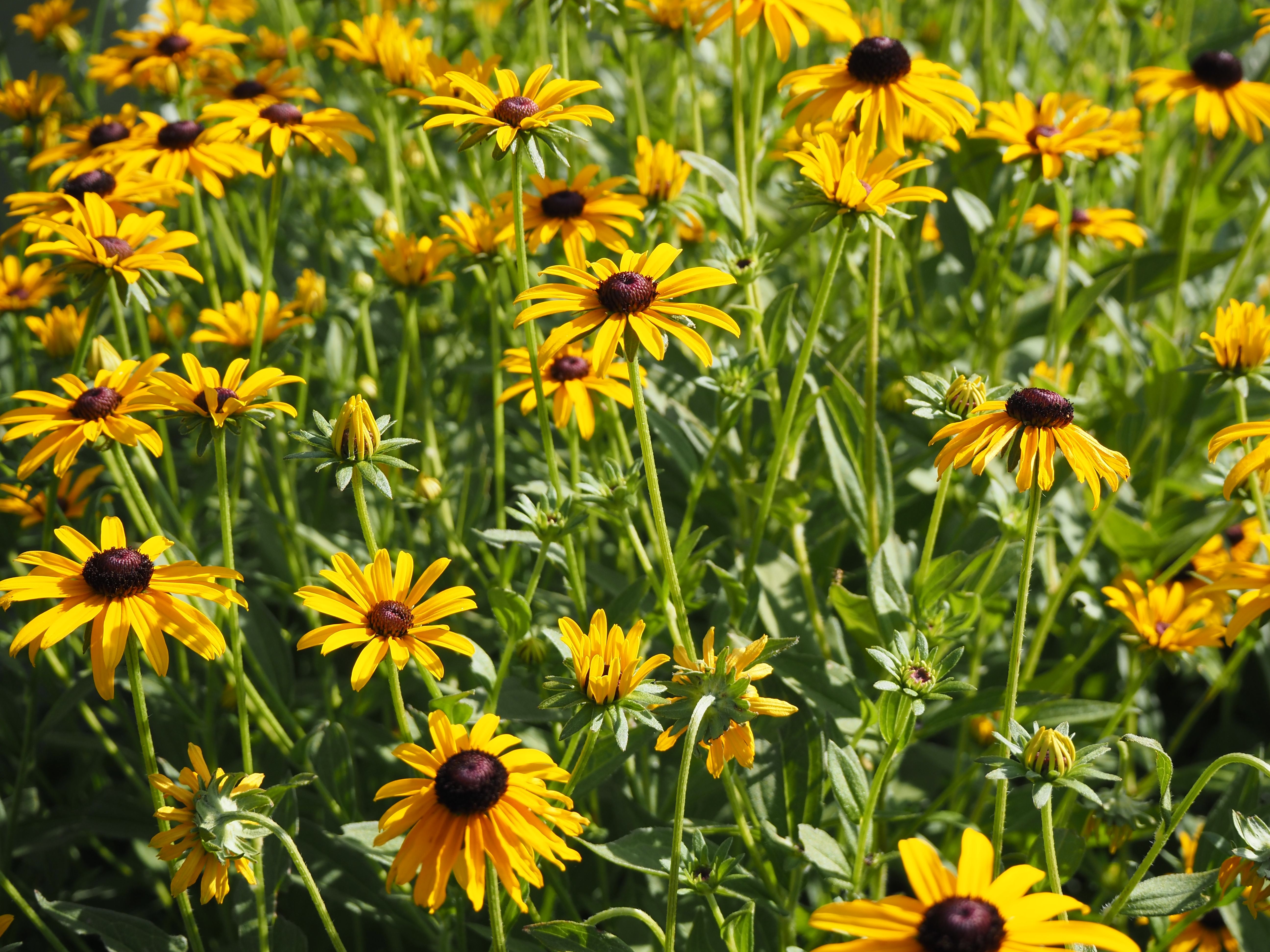
Black-Eyed Susans are a go-to for gardeners who are tired of replanting after deer raids. These cheerful yellow wildflowers just don’t appeal to deer, probably because of their rough, scratchy leaves and stems.
They grow best in full sun and are pretty drought-tolerant once established, which makes them low-maintenance too. They thrive in hardiness zones 3–9, bloom from summer into fall, and spread on their own over time — so you actually get more coverage without extra effort.
9.) Foxglove

Foxglove is a great pick if you want tall, showy blooms without worrying about deer nibbling them down overnight. The plant is naturally toxic, and deer seem to know it — they tend to give it a wide pass.
It grows best in partial shade and thrives in zones 4–10 as a biennial, meaning it blooms in its second year. Plant it along fences or in the back of a border where it can add some height without needing much attention.
10.) Bleeding Heart
Bleeding Heart is one of those plants deer seem to want nothing to do with, which makes it a solid pick if you’re tired of replanting. It grows best in partial to full shade, so it’s perfect for those tricky spots under trees where other plants struggle. Hardy in zones 3–9, it blooms in spring and dies back in summer heat.
Just plant it near hostas or ferns to fill the gap it leaves later in the season.
11.) Monkshood
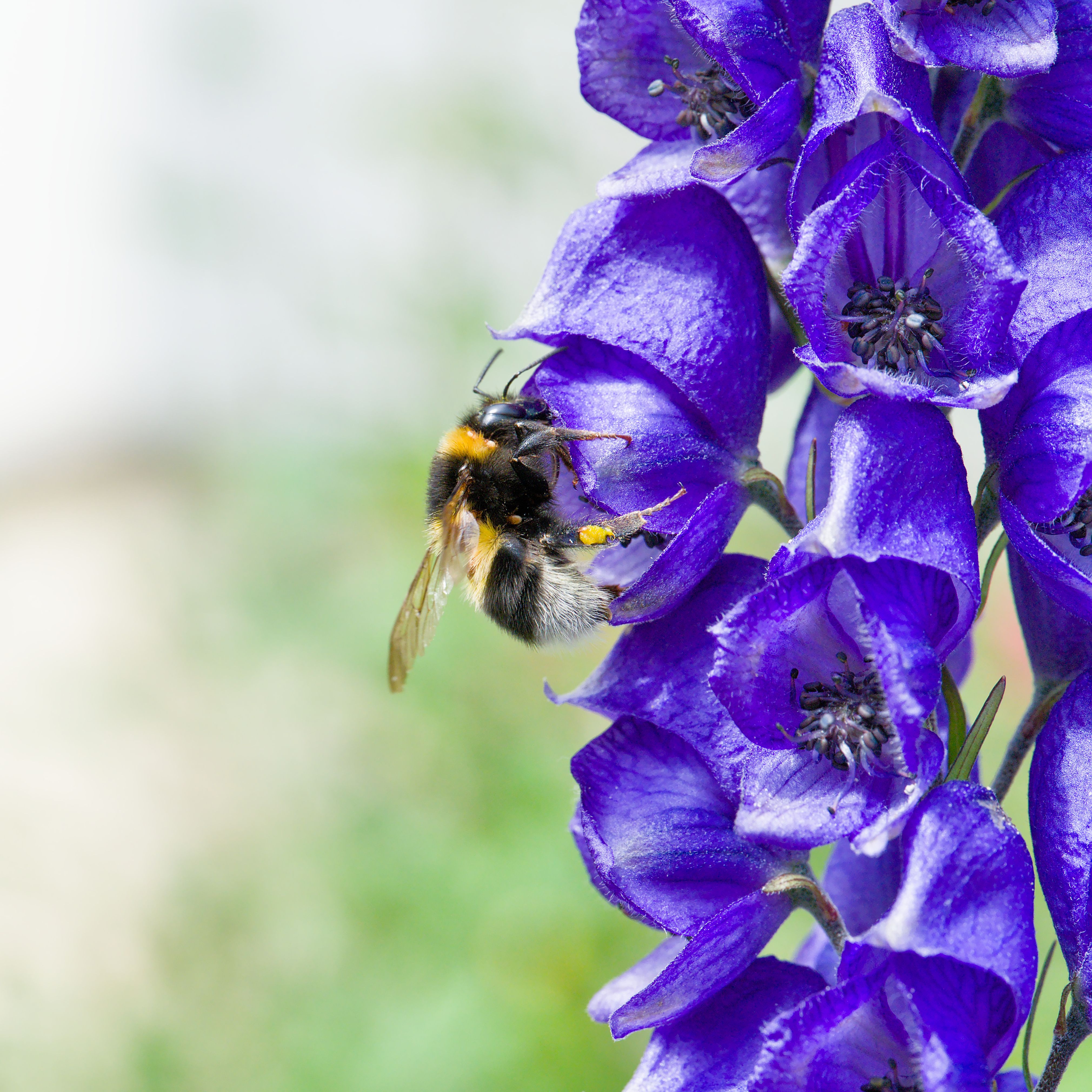
Monkshood is one of those plants that deer seem to want nothing to do with — and honestly, that’s because it’s toxic to most animals (and humans too, so wear gloves when handling it).
It grows best in partial shade with moist, well-drained soil and thrives in hardiness zones 3–8, making it a solid choice for cooler climates. The tall, dark purple flower spikes bloom in late summer when a lot of other plants are fading out.
12.) Daffodils

Daffodils are one of the most reliable deer-resistant plants you can add to your yard. Deer avoid them because the bulbs contain a toxic compound called lycorine — they’ve learned to stay far away.
They grow best in zones 3–8 and do well in full sun to partial shade. Plant the bulbs in fall, and you’ll get blooms in early spring with almost no effort.
They also naturalize over time, meaning more flowers each year without replanting.
13.) Allium

Deer seem to want nothing to do with alliums, and it’s basically because of the strong onion-like smell. Plant the bulbs in fall for a spring bloom, and they’ll come back year after year without much fuss. They do best in full sun and well-drained soil, and they’re pretty drought-tolerant once established. Hardy in zones 3–9.
The tall, globe-shaped flowers look great toward the back of a border. They also work well near roses or other plants deer tend to target.
14.) Bee Balm
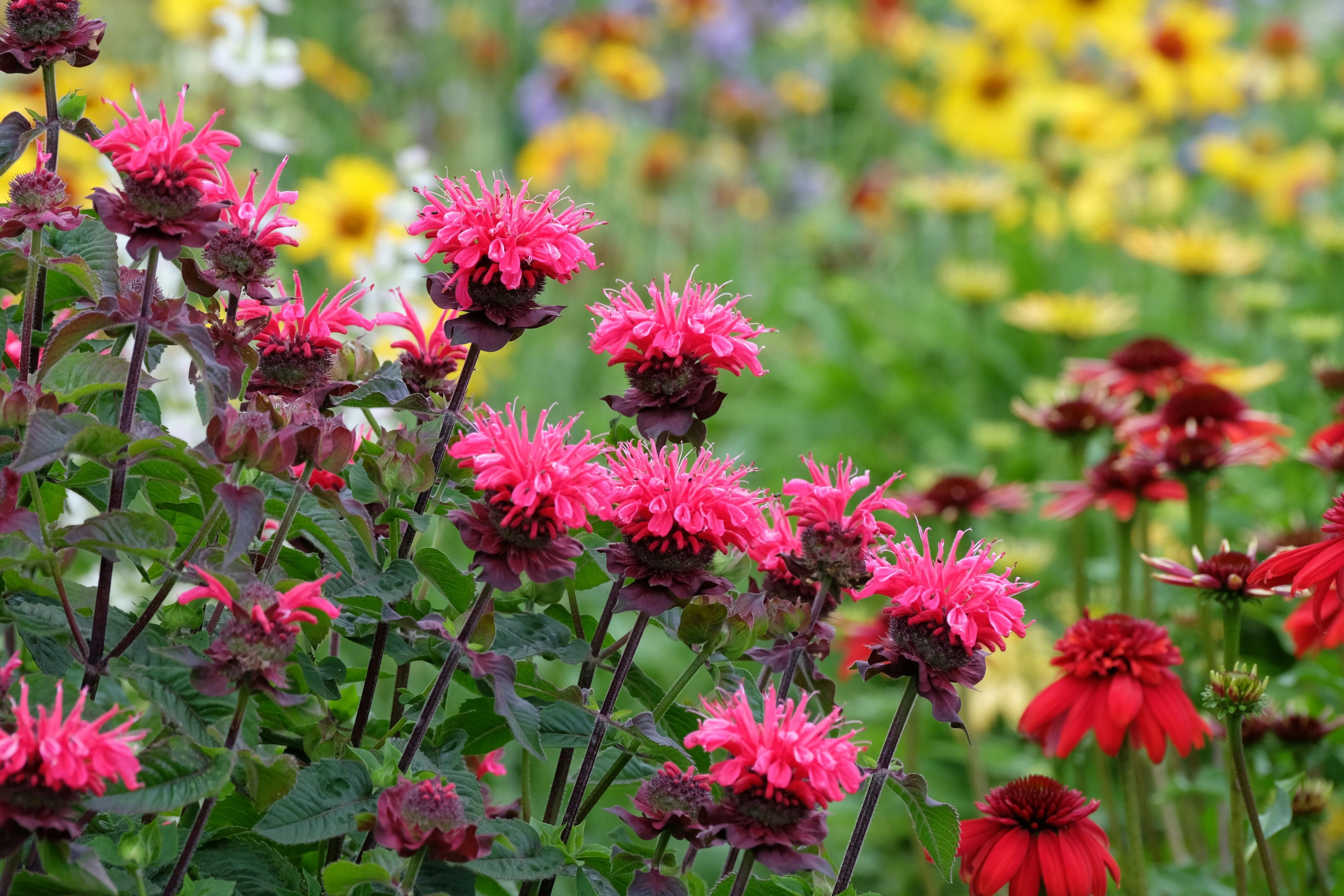
Bee balm is a great choice if deer keep raiding your garden. Real gardeners have found that deer tend to avoid it, likely because of its strong, minty scent. It grows well in zones 4–9 and does best in full sun with decent drainage.
It blooms in summer and can get a little tall, so give it some space. It also attracts bees, butterflies, and hummingbirds, which is a nice bonus for any yard.
15.) Butterfly Bush
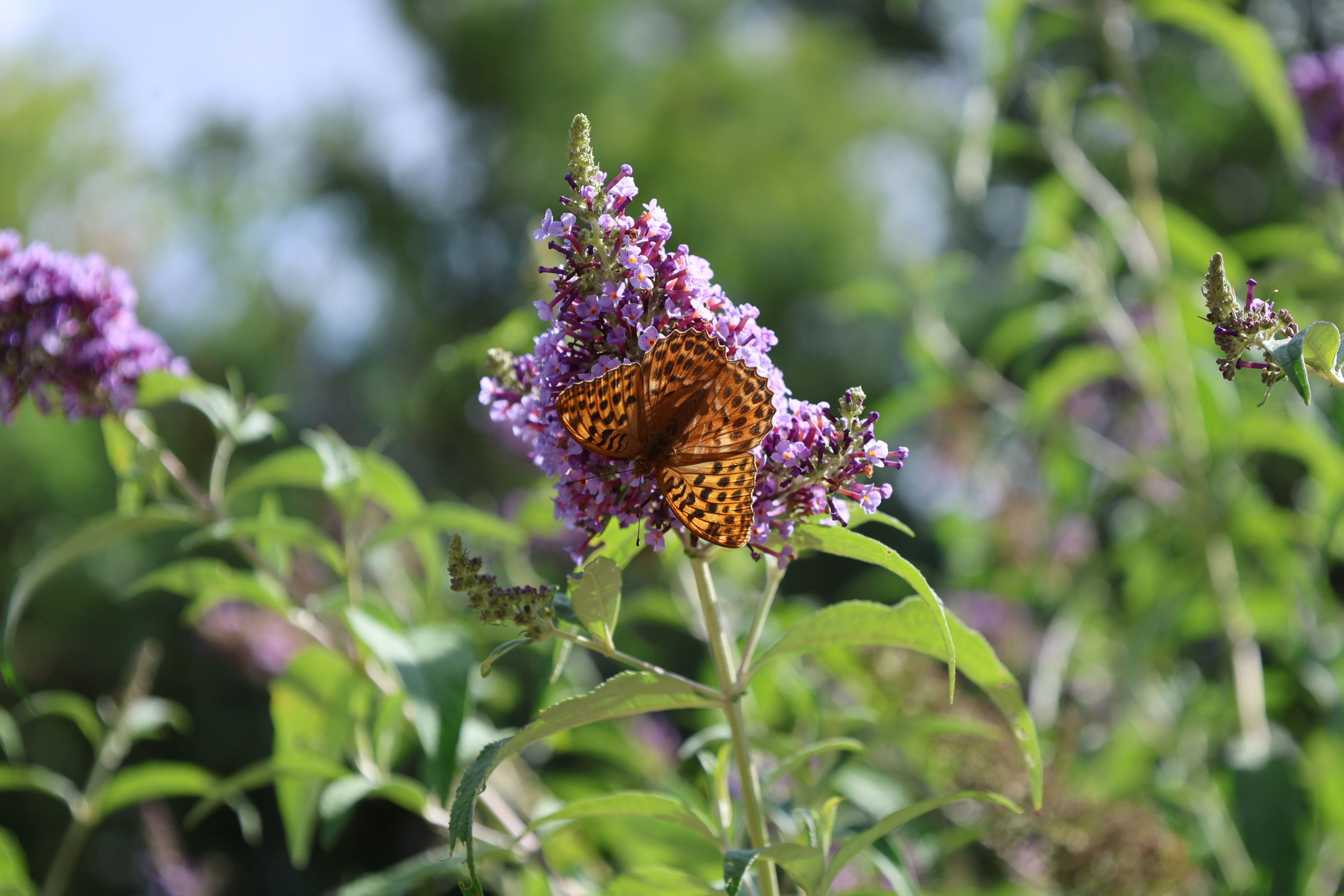
Butterfly Bush is one of those plants deer just don’t seem interested in, which makes it a solid choice for gardens in zones 5–9. It grows best in full sun with well-drained soil and doesn’t need much fussing once it’s established.
Just cut it back hard in early spring to keep it from getting too woody. It blooms on new growth, so a good pruning actually helps it produce more flowers through summer and into fall.