Boxwoods are one of those shrubs that look so easy to care for — until suddenly they’re not. If yours is looking a little rough lately, there’s a good chance you’ve been doing something on this list without even realizing it.
The good news? Most of these mistakes are totally fixable once you know about them. Keep reading to find out what you should stop doing right now if you want your boxwood to actually survive.
1.) Overwater Your Boxwood

Boxwoods like things on the drier side, so it might seem counterintuitive, but watering them too much is one of the fastest ways to kill them. Overwatering leads to root rot, and once that sets in, it’s really hard to save the plant.
A good rule of thumb is to water deeply but infrequently, and always check the soil first. If it still feels damp a few inches down, hold off. Soggy roots are a death sentence for boxwoods.
2.) Plant in Dense Shade

Boxwoods can handle some shade, but deep, dense shade is a different story. When they don’t get enough light, they grow weak and thin, and their leaves start to yellow over time. That’s a slow decline you really don’t want to deal with.
Aim for a spot with at least partial sun — morning light works great. If your yard is heavily shaded, reconsider whether boxwood is even the right plant for that area before you dig that hole.
3.) Skip Mulching Altogether

Skipping mulch might seem like no big deal, but your boxwood will feel it. Mulch helps keep moisture in the soil and protects the roots from temperature swings — both things boxwoods really depend on.
Aim for about 2 to 3 inches of mulch around the base, but keep it a few inches away from the trunk. Piling it right up against the stem traps moisture and invites disease. A simple mulch ring can make a real difference in how well your shrub holds up.
4.) Prune During Winter Dormancy

Pruning your boxwood when it’s dormant in winter seems like smart timing — but it’s actually one of the worst things you can do. Cold temps right after a cut leave the exposed areas open to frost damage and disease, which can seriously set your plant back.
Wait until late spring when new growth starts showing up. That’s your window. The plant is actively growing and can heal cuts much faster, keeping it healthy and full through the rest of the season.
5.) Ignore Pest Infestations

Boxwoods can fall victim to pests like boxwood leafminers, spider mites, and psyllids, and ignoring the signs is a quick way to watch your shrub decline. Check the leaves regularly for discoloration, tiny holes, or sticky residue.
If you spot something off, act fast. A targeted insecticide or horticultural oil can stop most infestations before they spread. Waiting too long gives pests time to do serious damage that’s hard to undo, especially during the warmer growing months when they’re most active.
6.) Use Dull Pruning Shears
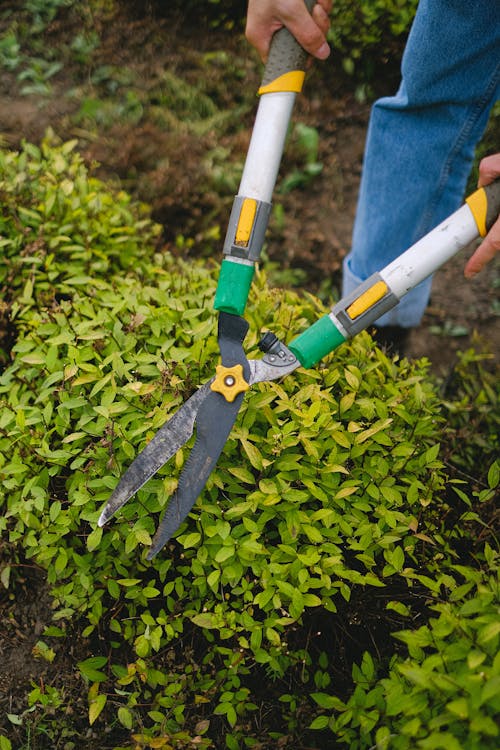
Dull blades tear plant tissue instead of cutting cleanly through it, leaving ragged edges that make it much easier for disease and pests to move in. Boxwoods are already prone to issues like blight and leaf miners, so you really don’t want to give those problems an open door.
Before trimming your boxwood, take a minute to sharpen your shears or swap in a fresh pair. Wiping the blades down with rubbing alcohol between cuts also helps stop the spread of any fungal issues.
7.) Fertilize in Late Fall

Fertilizing your boxwood in late fall is a mistake you don’t want to make. When you feed it at that time, you’re encouraging new growth right before winter hits — and that fresh, tender growth won’t survive the cold.
New shoots that pop up in fall don’t have time to harden off before freezing temperatures arrive. Stick to fertilizing in early spring or late summer instead. That way, your boxwood has time to absorb nutrients and settle in before the cold weather rolls around.
8.) Plant Too Deep

Planting your boxwood too deep is one of the quickest ways to kill it. The root flare — that spot where the trunk widens at the base — needs to sit right at or just above the soil line. Bury it too low, and the roots suffocate.
When you’re planting, dig a wide hole rather than a deep one. After backfilling, double-check that the crown isn’t sinking below ground level. A little attention at planting time saves a lot of heartbreak later.
9.) Neglect Air Circulation

Boxwoods need good airflow to stay healthy, and cramming them too close together or against a wall is a recipe for trouble. Poor air circulation creates the perfect conditions for fungal diseases like boxwood blight, which spreads fast and is hard to get rid of.
When planting, space them at least a few feet apart based on their mature size. Also make sure to thin out dense interior branches every year so air can move freely through the whole shrub.
10.) Shear Into Tight Balls

Shearing your boxwood into tight, perfectly round balls might look neat and tidy, but it can actually hurt the plant over time. When you clip it too tightly, the dense outer shell blocks sunlight and airflow from reaching the inner branches, causing them to die off.
Those dead inner branches build up and become a breeding ground for disease and pests. Instead, give your boxwood a looser, more open shape so air and light can get through to the whole plant.