You have a lot of options when designing a garden in shaded areas, ranging from taller plants that do well in partial shade to ground covers that love the full shade. Many of these shade-tolerant flowers also offer interesting foliage and textures. While some shade plants are easy to grow, others may require specific soil conditions or extra care to flourish in low-light environments.
Here are 12 flowers that perform well in shaded areas, suitable for various hardiness zones and garden styles.
Hostas
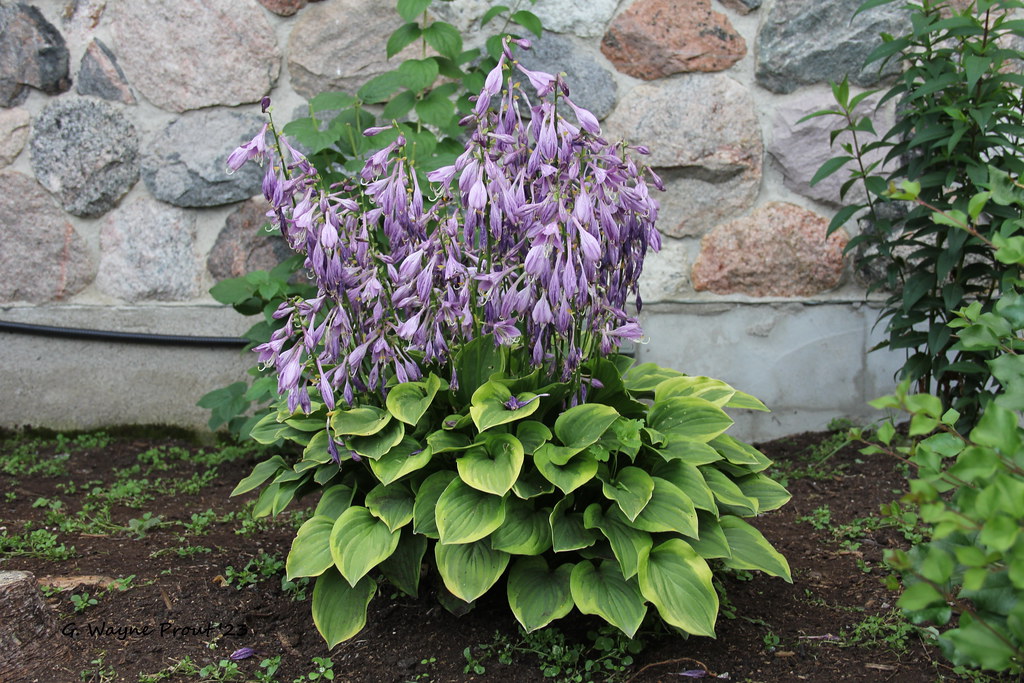
Known for thriving in shady spots, hostas rank among the most reliable perennials for challenging garden areas.
These leafy plants spread into neat mounds and come in blue, green, gold, or white-edged varieties – often with leaves featuring interesting patterns or textures.
Each summer, they send up stems of bell-shaped flowers in white or purple that attract hummingbirds.
Unlike many shade plants, hostas grow well under trees and can handle poor soil conditions.
While they make great ground covers, watch out for slugs and deer, who consider hostas a tasty snack.
Astilbes

Bring life to shady spots with the lovely plumes of astilbes. These shade-loving perennials raise their feathery flowers on sturdy stems throughout summer, adding both texture and color to darker corners of the garden.
The blooms come in shades of pink, red, white, and purple, held above fern-like leaves that stay fresh all season.
‘Deutschland’ is a popular variety with pure white flowers that seem to glow in evening light.
Bleeding Hearts
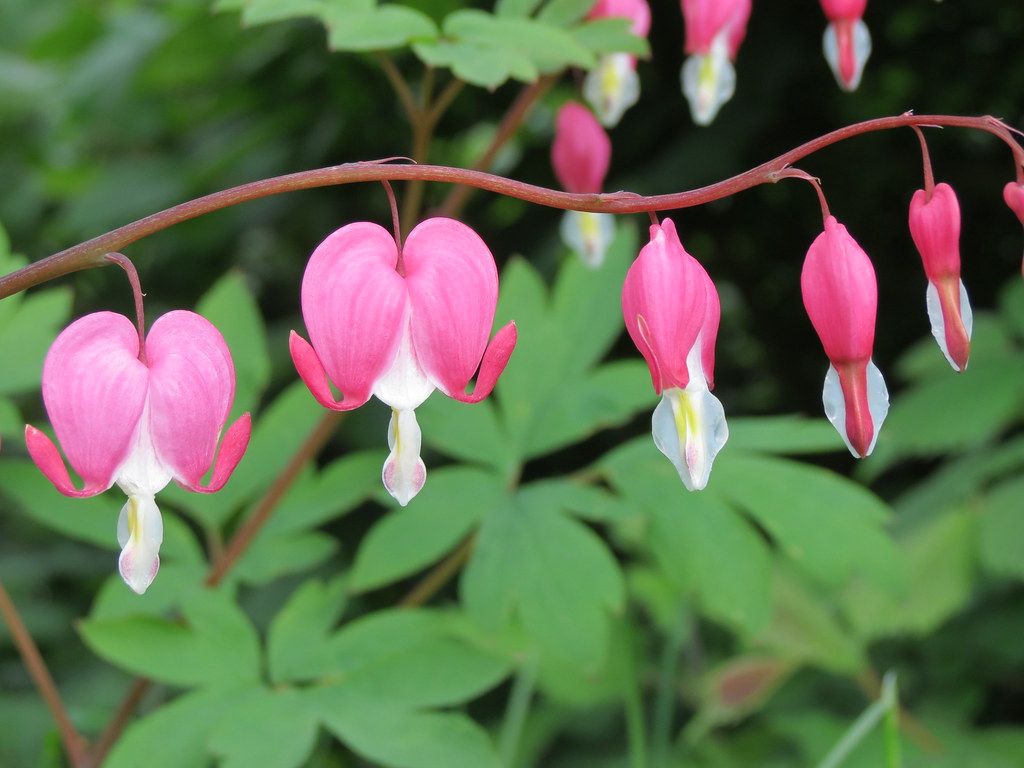
Create a romantic garden spot with the classic Bleeding Hearts plant. This old-fashioned perennial brings charm to shady areas with its arching stems lined with heart-shaped pink and white blooms.
The flowers dangle like little lockets, giving gardens a sweet, nostalgic feeling from spring through early summer.
‘Gold Heart’ is a sought-after variety that pairs rose-pink flowers with bright gold foliage.
Japanese Forest Grass
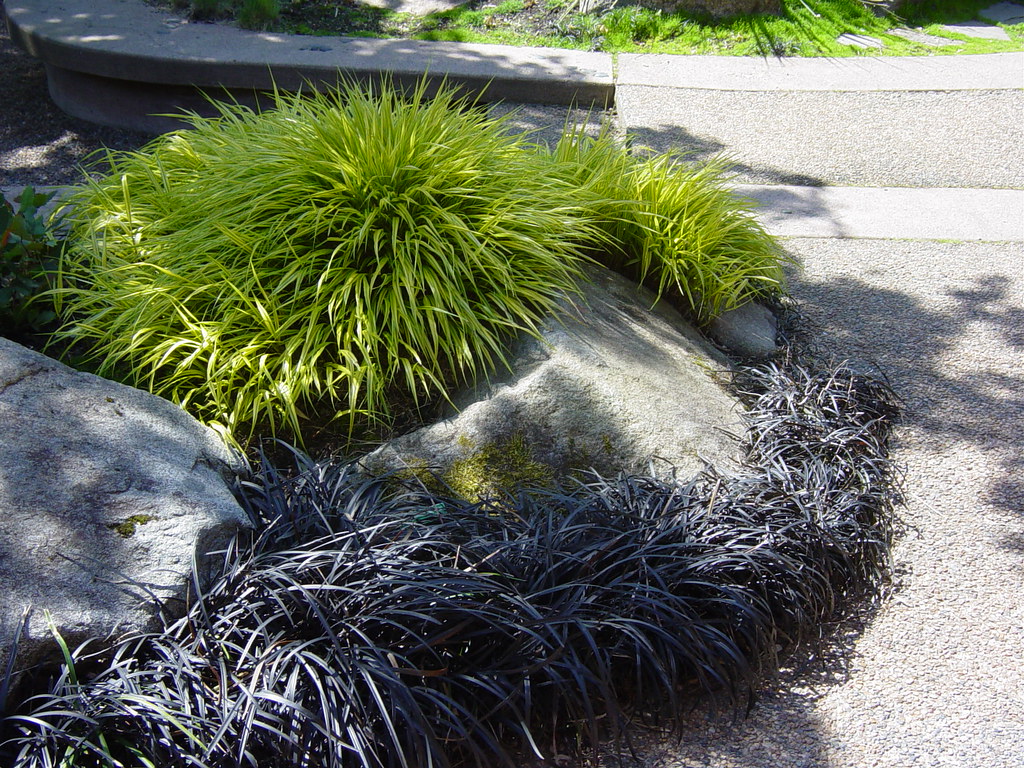
Japanese forest grass earns its popularity through gracefully arching leaves that move with every breeze.
The slender green and gold striped foliage forms neat mounds that cascade like a fountain, reaching about 12 inches tall.
This shade-loving grass spreads slowly, making it perfect for woodland gardens or as an accent along pathways.
Unlike many ornamental grasses, it actually prefers growing in shady spots, where its bright foliage can light up dark corners.
Brunnera
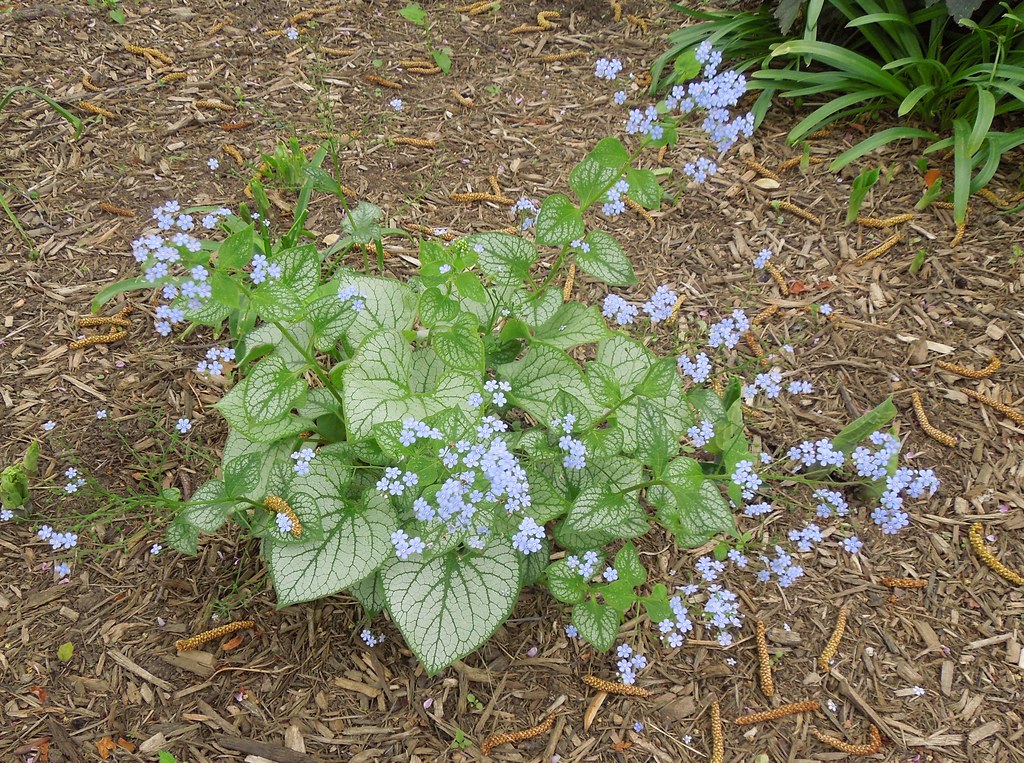
Brunnera is one of the most dependable spring-blooming perennials for shady areas, prized for both its foliage and flowers.
The heart-shaped leaves create dense mounds that reach 12-18 inches tall, while clouds of small blue flowers float above the foliage in early spring.
The blooms look like forget-me-nots, earning this plant the nickname “false forget-me-not.”
Many gardeners grow varieties with silver-marked leaves that light up dark corners and pair well with ferns, hostas, and other shade lovers.
The plants spread slowly over time but aren’t aggressive, making them an easy addition to woodland gardens.
Coral Bells (Heuchera)
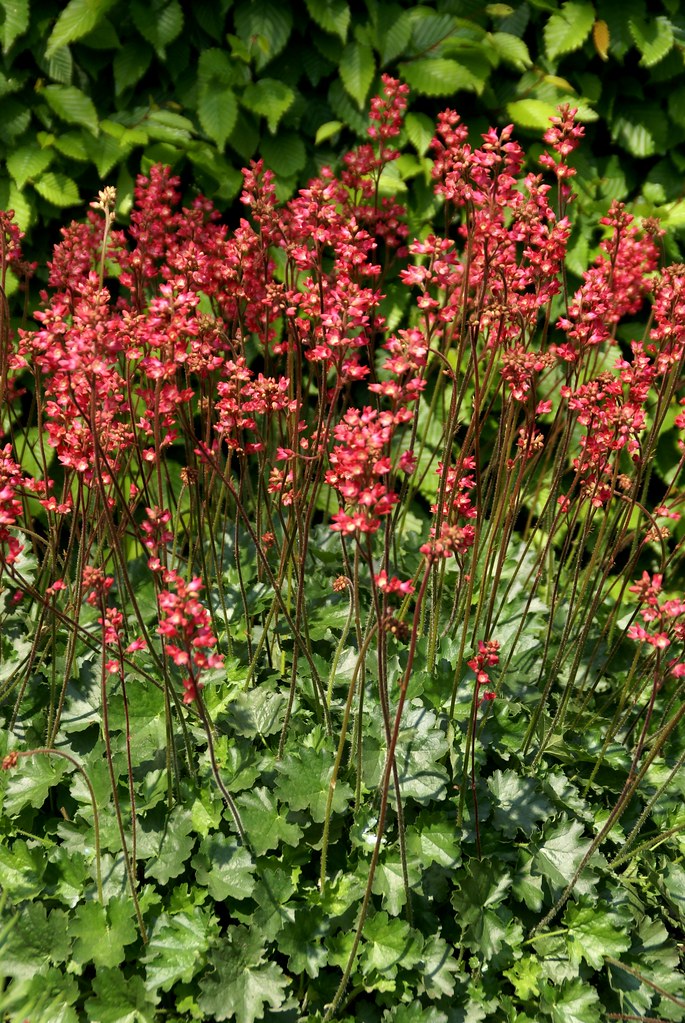
A favorite choice for both sun and shade gardens, coral bells offer year-round interest with their shapely foliage and dainty flowers.
Their leaves come in shades of purple, lime green, peach, and burgundy, with many varieties showing interesting veining patterns.
Rising above the mounded foliage, small bell-shaped flowers appear on tall stems, attracting hummingbirds and butterflies.
These low-maintenance perennials work well in borders, containers, or as ground cover, staying compact at 8-18 inches tall.
Some varieties even keep their color through winter, adding life to the cold-season garden.
Lungwort (Pulmonaria)

Lungwort is one of the first perennials to bloom in spring, making it a welcome sight after a long winter.
Its spotted green and silver foliage looks like someone sprinkled paint drops across the leaves, which is why some gardeners grow it just for the interesting foliage alone.
In early spring, clusters of small flowers appear in shades of pink, blue, or purple, with some blooms changing color as they age.
Lungwort stays short and tidy, growing just 6-12 inches tall, making it perfect for the front of shady borders.
Plant it alongside ferns or foam flowers to create a low-maintenance shade garden that provides interest from spring through fall.
Toad Lily
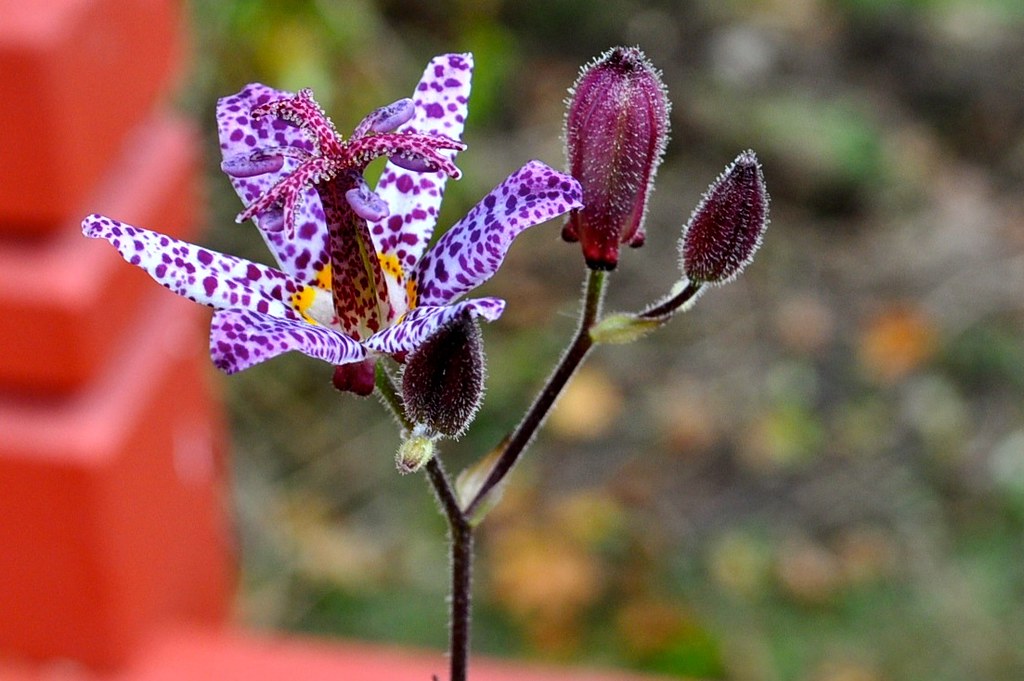
Looking for a late-season bloomer that adds an unexpected twist to your shade garden?
Toad lily puts on its show just when other plants are winding down, with spotted purple and white orchid-like flowers that appear in early fall.
The tall, arching stems reach 2-3 feet and feature dark green leaves that look good all season long.
These unique blossoms pop up along the stems like little jewels, giving your garden interest when autumn colors take over.
They’re pretty easy to grow too – just give them rich, moist soil in partial shade and they’ll come back year after year.
If you want more plants, just divide the clumps in spring after a few seasons of growth.
Foamflower (Tiarella)
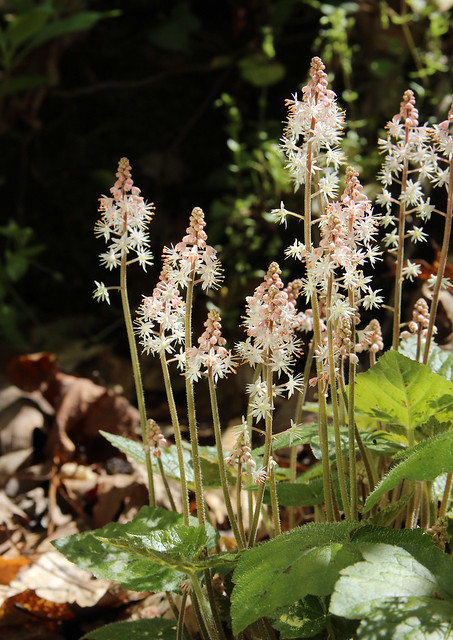
True to its name, foamflower creates a frothy display of tiny white blooms that float above maple-shaped leaves.
These native woodland plants form neat clumps of green foliage that take on bronze tints in fall and winter.
The flowers rise up on slender stems in spring, creating what looks like a gentle wave of white foam across the garden floor.
While the blooms might be small, they team up to make quite an impact, especially when planted in groups under trees or along shady borders.
Solomon’s Seal
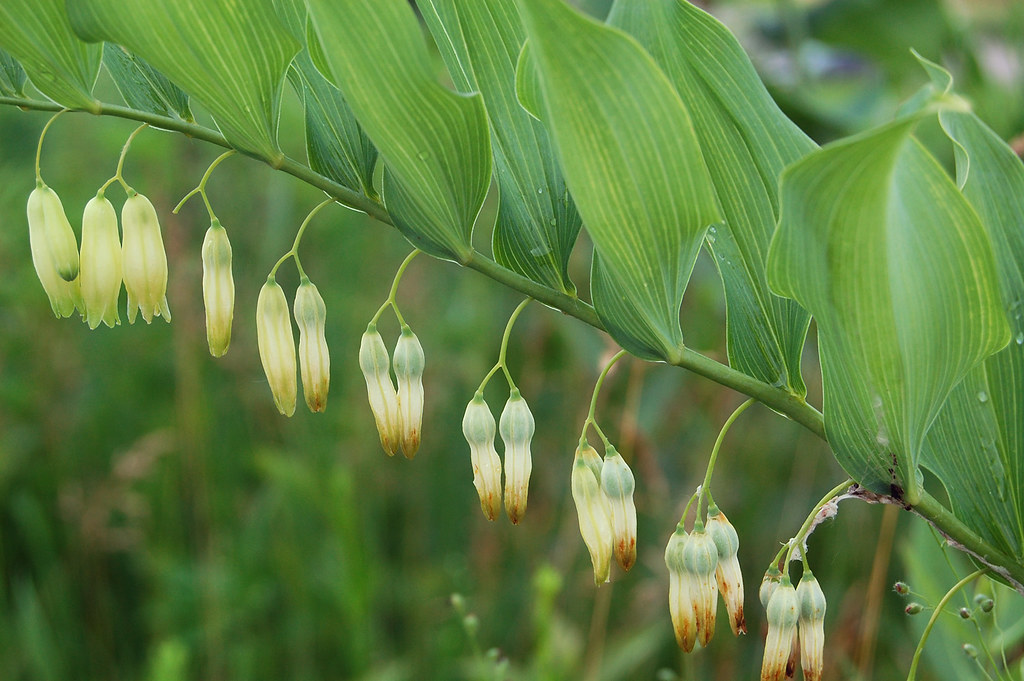
Despite its regal name, Solomon’s Seal is a down-to-earth woodland plant that brings quiet beauty to shady spots.
The arching stems carry rows of dangling white flowers that peek out from underneath the leaves each spring, like tiny bells in a gentle breeze.
Its broad green leaves stick around through fall, creating nice ground cover, and the blue-black berries that follow the flowers add interest later in the season.
What makes this plant extra likable is how it spreads slowly over time, filling in those tricky shaded areas where other plants might struggle.
Trilliums
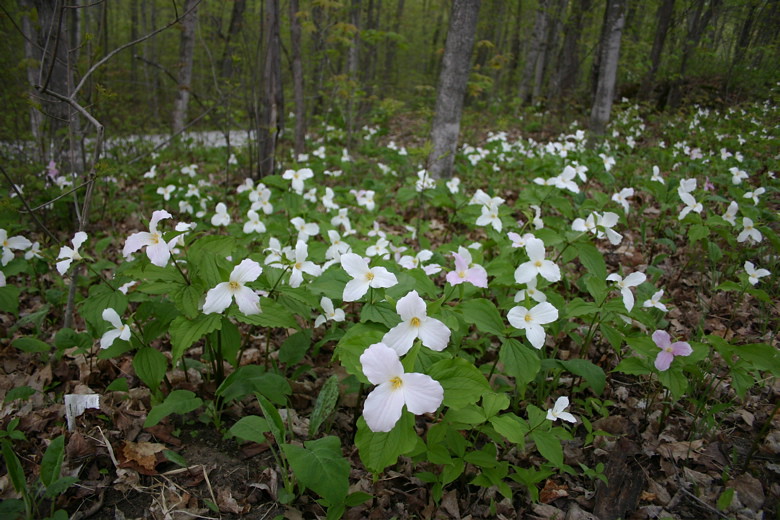
Trilliums put on their show in early spring, displaying three-petaled flowers in white, pink, or deep red.
These woodland natives bring charm to shady gardens, poking through last year’s fallen leaves.
The flowers sit atop three broad leaves, creating a natural symmetry that looks graceful in forest-style gardens.
Even after the blooms fade, their distinctive foliage continues providing interest through early summer.
Lady’s Mantle
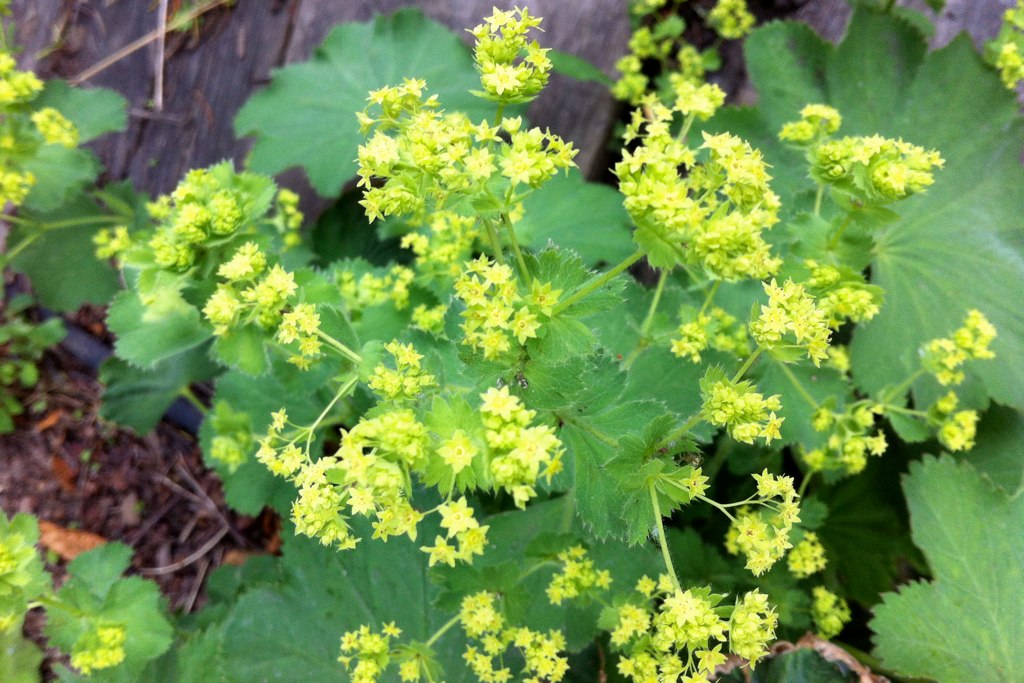
Lady’s Mantle forms soft, cup-shaped leaves that collect morning dew in perfect little droplets.
This charming shade plant blooms in early summer with sprays of tiny yellow-green flowers floating above the foliage.
Beyond its blooming season, the scalloped gray-green leaves continue making this perennial a pretty addition to garden borders and walkways.
What is the lovely plant in the intro photo?
FOAM FLOWER…..LOOKS LIKE TO ME…IT IS VERY BEAUTIFUL!
You didn’t show the name of the picture on the front of your post. That is the one I wanted to know. This happens all the time.
Foam flower The info on it is about the eighth one in.