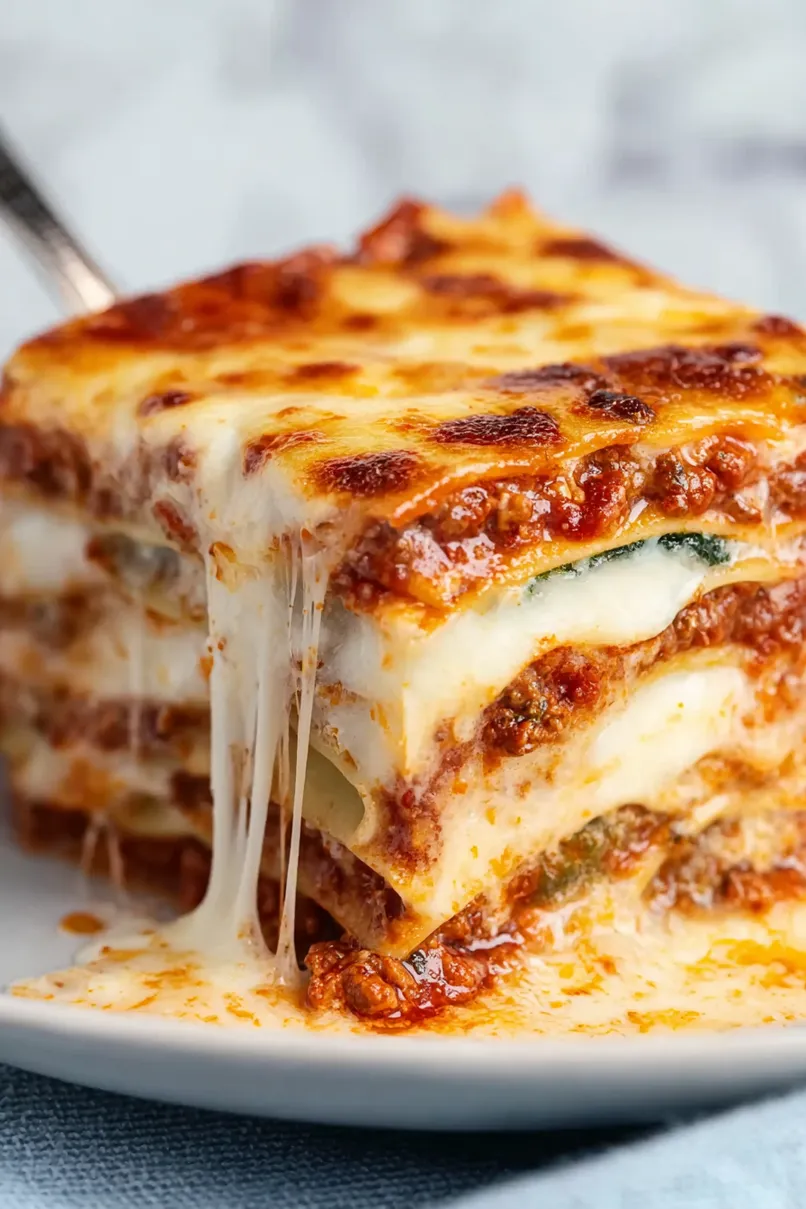
Having IBS doesn’t mean you have to give up your favorite comfort foods. I remember feeling pretty down when I first started my low FODMAP journey, especially when I couldn’t enjoy my mom’s classic lasagna anymore. After lots of trial and error in my kitchen, I finally cracked the code to making a lasagna that’s both tummy-friendly and satisfying.
This low FODMAP version has become a regular at our family dinner table, and honestly? My kids can’t even tell the difference. I’ve tweaked the traditional recipe just enough to keep it safe for sensitive stomachs while holding onto all that cheesy, saucy goodness we all love. The best part? You don’t need any fancy ingredients or complicated steps to make it happen.
If you’ve been missing proper Italian comfort food since starting your low FODMAP diet, this recipe is about to make your day. Trust me, it’s every bit as cozy and filling as the original – just without the digestive drama.

Why You’ll Love This Low FODMAP Lasagna
- Diet-friendly comfort food – This lasagna is specially crafted for those following a low FODMAP diet, letting you enjoy a classic Italian dish without the digestive discomfort.
- Adaptable recipe – You can easily make it dairy-free or gluten-free by using alternative ingredients, and it still tastes just as good as traditional lasagna.
- Make-ahead friendly – You can prepare this lasagna in advance and reheat it when needed, making it perfect for busy weeknight dinners or meal prep.
- Complete meal – With protein from the beef, vegetables from the zucchini, and satisfying pasta layers, you’ve got a filling, nutritious dinner all in one dish.
What Kind of Ground Beef Should I Use?
For lasagna, you’ll want to choose ground beef that has enough fat to keep the meat sauce flavorful but not so much that it becomes greasy. An 80/20 or 85/15 lean-to-fat ratio hits the sweet spot for this dish – it provides good flavor while not making your sauce too oily. Regular ground beef works better than extra lean in this case, since the fat helps carry the herbs and seasonings throughout the sauce. If you’re buying from the butcher counter, ask them to grind it fresh if possible, but packaged ground beef from the meat case will work just fine too. Just make sure to drain off any excess fat after browning to keep your lasagna from becoming too heavy.
Options for Substitutions
Since this is a low FODMAP recipe, let’s look at some safe swaps while keeping it tummy-friendly:
- Ground beef: You can swap ground beef with ground turkey, pork, or even firm tofu crumbles. If using tofu, make sure to press it well and crumble it finely.
- Zucchini: Feel free to replace zucchini with carrots, bell peppers, or eggplant – all low FODMAP options. Just make sure to dice them similarly.
- Lactose-free milk: Any plant-based milk works here – almond, rice, or soy milk (made from soy protein, not whole soybeans). Just avoid oat milk as it’s high FODMAP.
- Gluten-free lasagna noodles: If you can’t find gluten-free lasagna sheets, you can layer thinly sliced zucchini or eggplant instead for a low-carb option.
- Lactose-free cheese: Many dairy-free cheeses work well – look for ones made from coconut oil or nuts. Just check the ingredients to ensure they’re low FODMAP.
- Garlic-flavored oil: You can make your own by warming olive oil with garlic cloves, then removing the cloves – or use chive oil as a FODMAP-friendly alternative.
Watch Out for These Mistakes While Cooking
The biggest challenge when making low FODMAP lasagna is preventing the gluten-free noodles from becoming mushy – unlike regular pasta, these need careful attention and should never be pre-cooked, as they’ll continue softening while baking in the sauce. When making your white sauce, avoid rushing the process or having the heat too high, as this can lead to lumps – instead, gradually add warm (not hot) lactose-free milk while continuously whisking over medium heat. Another common mistake is creating a sauce that’s too watery, which can make your lasagna collapse when serving – to prevent this, let your meat sauce simmer until it thickens properly, and drain excess liquid from your zucchini after dicing. For the best texture, allow your lasagna to rest for 15-20 minutes after baking, which helps the layers set and makes it much easier to cut clean portions.
What to Serve With Low FODMAP Lasagna?
When serving a low FODMAP lasagna, it’s important to stick with sides that won’t trigger any digestive issues. A simple green salad made with FODMAP-friendly vegetables like arugula, cucumber, and cherry tomatoes makes a perfect light companion to this hearty dish. If you’re craving some bread on the side, try a gluten-free garlic bread made with proper low FODMAP garlic-infused oil (just remember to keep portions moderate). For a veggie option that won’t cause trouble, roasted carrots or green beans seasoned with herbs and a drizzle of olive oil work really well with the rich flavors of the lasagna.
Storage Instructions
Keep Fresh: This low FODMAP lasagna stays good in the fridge for up to 4 days when stored in an airtight container. I like to cut it into individual portions first – it makes grabbing a quick lunch so much easier! The flavors actually get better after a day or two as everything melds together.
Freeze: This recipe is perfect for batch cooking! Let the lasagna cool completely, then wrap individual portions in plastic wrap and aluminum foil. Pop them in the freezer where they’ll keep well for up to 3 months. It’s such a time-saver to have these ready to go in your freezer.
Reheat: When you’re ready to eat, thaw your frozen portion in the fridge overnight. Heat it in the microwave for 2-3 minutes, or in the oven at 350°F (175°C) for about 20-25 minutes until it’s heated through. If you’re reheating from the fridge, just reduce those times by half.
| Preparation Time | 20-30 minutes |
| Cooking Time | 45-50 minutes |
| Total Time | 65-80 minutes |
| Level of Difficulty | Medium |
Estimated Nutrition
Estimated nutrition for the whole recipe (without optional ingredients):
- Calories: 2500-2800
- Protein: 180-200 g
- Fat: 150-170 g
- Carbohydrates: 200-220 g
Ingredients
For the ragu:
- salt
- pepper
- 2 zucchinis (diced or grated)
- garlic-flavored oil
- 1 tsp dried chives
- 1 tbsp mixed herbs
- 2 tbsp tomato paste
- 26.5 oz ground beef
- 2 cans diced tomatoes
- 1 tsp basil paste (tubed for convenience)
For the white sauce:
- 2.65 oz shredded cheddar cheese
- pepper
- 1.76 oz gluten-free flour (Bob’s Red Mill 1-to-1 Baking Flour works well)
- 1.76 oz butter (I use Kerrygold unsalted butter)
- 26.5 fl oz milk (lactose-free if needed)
- salt
- 2 tsp grainy mustard
For assembly and topping:
- fresh chives (finely chopped)
- 1 pack gluten-free lasagna noodles
- 3.53 oz grated cheese (like Parmesan or mozzarella)
Step 1: Prepare the Ragu
Start by frying your chopped courgette in garlic-infused oil until it’s a little softened.
Add the beef mince to the pan with the courgette and allow it to brown.
Once browned, add two tins of chopped tomatoes, tomato purée, basil purée, mixed herbs, dried chives, salt, and pepper.
Let this mixture simmer until it’s slightly reduced but still has plenty of sauce.
This can simmer while you prepare your white sauce, ensuring the flavors meld together nicely.
Step 2: Make the White Sauce
In a separate saucepan, combine butter, flour, and milk.
Heat the mixture and stir continuously until the sauce thickens.
This might take a little time, so be patient for a lovely, smooth, and glossy consistency.
Once thickened, remove the sauce from heat and stir in mustard and grated cheese, allowing it to melt into a creamy sauce.
Season with salt and pepper to taste.
Step 3: Layer the Lasagna
Begin constructing your lasagna by placing about a third of your prepared ragu at the bottom of your baking dish.
Spoon a little less than a third of the white sauce over the ragu layer.
Place your first layer of lasagna sheets on top.
Repeat this process until you’ve reached your final layer.
Step 4: Finalize and Top the Lasagna
For the final layer, spread the remaining ragu on top, followed by the rest of the white sauce.
Ideally, there should be slightly more white sauce for the top layer, but no worries if proportions are different!
Sprinkle grated cheese on the very top to create a delicious golden crust.
Step 5: Bake and Serve
Preheat your oven to 180°C (about 350°F) and bake the assembled lasagna for around 45 minutes or until the top is golden and bubbly.
Once out of the oven, sprinkle some freshly chopped chives on top for added flavor and color.
Serve up your hearty lasagna with a fresh salad, and enjoy every bite!

