Looking for a fresh twist on your regular pasta night? These radish noodles have become my go-to when I want something light but still filling. I discovered them last summer when my garden produced way too many radishes to eat in salads alone. Now, I actually plant extra radishes just to make these noodles!
The best part about this recipe is how quick it comes together. All you need is a spiralizer (or even just a regular vegetable peeler works in a pinch) and a few basic ingredients from your pantry. I usually prep everything while I’m making the sauce, and dinner’s on the table in under 20 minutes. My kids were skeptical at first, but now they ask for “pink noodles” at least once a week.
Trust me, even if you’re not the biggest radish fan, this might just change your mind. The cooking process takes away that sharp bite and leaves you with something totally different from your usual raw radish experience.
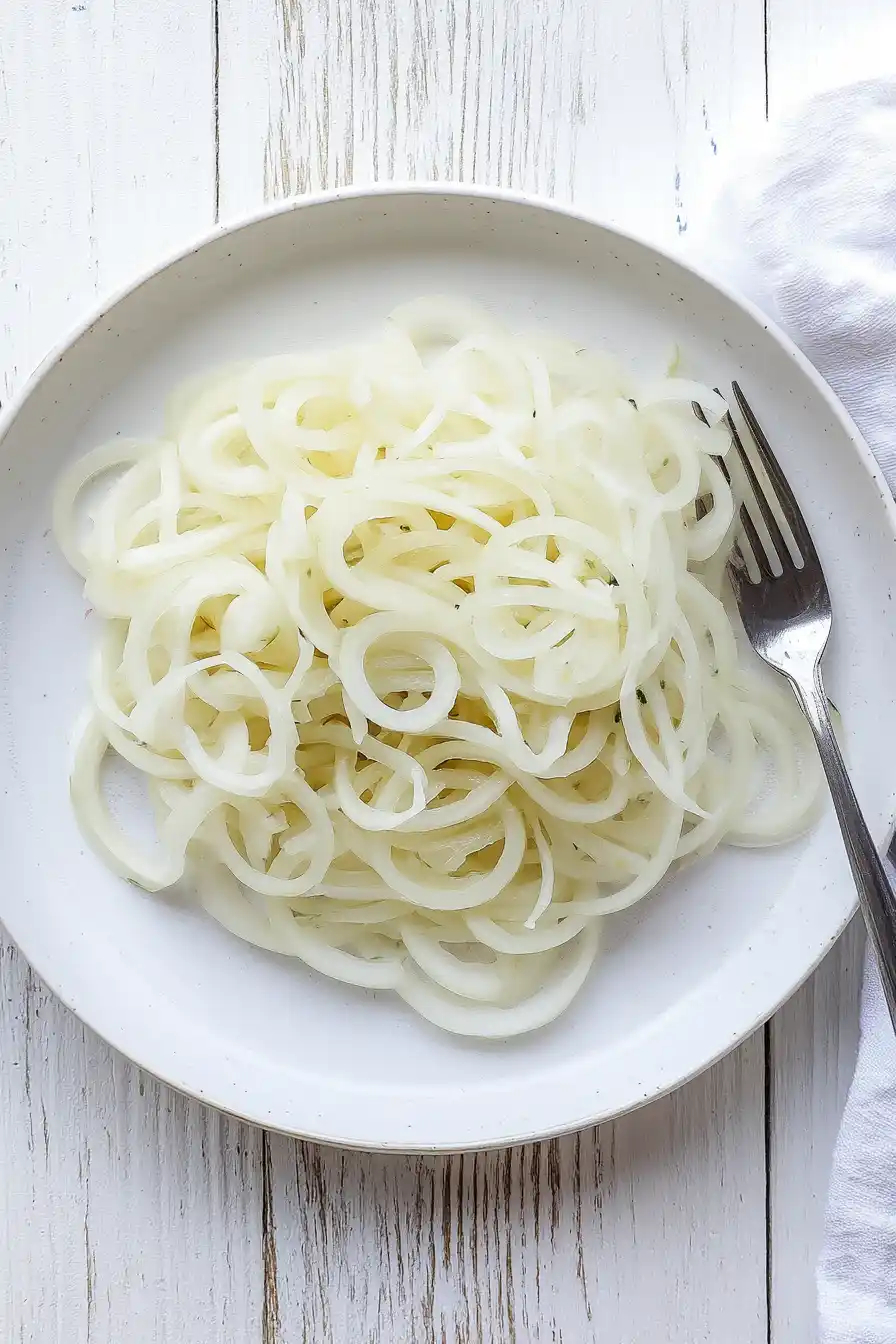
Why You’ll Love These Radish Noodles
- Low-carb alternative – These radish noodles are perfect for anyone following keto, paleo, or low-carb diets – they’re a great substitute for regular pasta with just a fraction of the carbs.
- Quick preparation – Ready in just 20-25 minutes, these noodles are perfect for busy weeknight dinners when you need something fast but satisfying.
- Diet-friendly options – With easy substitutions for different dietary needs (AIP, GAPS, dairy-free), everyone can enjoy this versatile dish regardless of their food restrictions.
- Simple ingredients – You only need 3-4 basic ingredients to make these noodles, making it an budget-friendly and pantry-friendly option.
What Kind of Daikon Radish Should I Use?
When shopping for daikon radish, look for ones that are firm and heavy for their size, with smooth, unblemished white skin. The longer specimens (about 8-12 inches) are typically better for making noodles since they’ll give you longer, more pasta-like strands. Fresh daikon should feel dense and solid – if it’s lightweight or spongy, it’s probably past its prime. While you might spot different varieties of daikon at Asian markets, the common white daikon found in most grocery stores works perfectly fine for this recipe. Just remember to peel your daikon before spiralizing, as the skin can be a bit tough and bitter.
Options for Substitutions
This recipe is pretty flexible and can work with several substitutions:
- Daikon radish: This is the star ingredient, but if you can’t find daikon, you can try using regular white turnips or jicama. Keep in mind that turnips will be slightly more bitter, and jicama will be sweeter and crunchier. You’ll want to cook turnips a bit longer, while jicama needs less cooking time.
- Butter: The recipe already suggests some great alternatives – bacon fat adds a nice smoky flavor, while coconut oil keeps it plant-based. Olive oil works too, but use a light version to avoid overwhelming the delicate radish flavor. Ghee is another good option if you can tolerate it.
- Heavy cream: Besides the suggested coconut cream or bone broth, you could try unsweetened almond cream, cashew cream (if not following AIP), or even pureed cauliflower for a creamy texture. Just remember that plant-based options might make the dish a bit thinner.
- Sea salt: Any type of salt works here – kosher salt, pink Himalayan, or regular table salt. Just adjust the amount to taste since different salts have different levels of saltiness.
Watch Out for These Mistakes While Cooking
The biggest challenge when making radish noodles is getting the right texture – spiralizing daikon radish too thick will result in noodles that take forever to cook and might remain too crunchy, while too thin spirals can turn mushy in seconds. For perfect results, aim for medium thickness spirals (about 1/8 inch) and keep a close eye on cooking time, usually 3-4 minutes is enough. Another common mistake is overcrowding the pan, which causes the noodles to steam instead of sauté – work in batches if needed, and make sure your pan is large enough to let the noodles move freely. If you’re using cream or coconut cream, add it only in the final minute of cooking to prevent curdling or separation, and remember to season gradually since radishes can release water during cooking which concentrates the saltiness.
What to Serve With Radish Noodles?
These low-carb radish noodles make a fantastic base for all sorts of main dishes! They work really well with Asian-inspired proteins like teriyaki chicken, seared salmon, or stir-fried beef. Since the noodles are pretty mild and buttery, they can handle bold sauces and seasonings without getting overwhelmed. I love serving them with meatballs and marinara sauce as a lighter alternative to regular pasta, or keeping things simple with grilled chicken and herbs. For extra veggies, try adding some sautéed mushrooms, spinach, or roasted bell peppers right into the noodles.
Storage Instructions
Keep Fresh: These radish noodles are best enjoyed right after cooking, but if you have leftovers, place them in an airtight container in the fridge. They’ll stay good for about 2-3 days, though they might release a bit of liquid – that’s totally normal!
Prep Ahead: Want to save some time? You can spiralize your daikon radish up to 2 days ahead and keep the raw noodles in an airtight container in the fridge. Just pat them dry with paper towels before cooking to get the best texture.
Warm Up: To enjoy leftover radish noodles, just give them a quick heat in a pan over medium heat for 2-3 minutes. You might want to add a tiny splash of cream or broth to bring back moisture. Avoid microwaving as this can make them too soft.
| Preparation Time | 10-15 minutes |
| Cooking Time | 10 minutes |
| Total Time | 20-25 minutes |
| Level of Difficulty | Easy |
Estimated Nutrition
Estimated nutrition for the whole recipe (without optional ingredients):
- Calories: 150-200
- Protein: 2-4 g
- Fat: 12-16 g
- Carbohydrates: 10-15 g
Ingredients
- 2 tbsp butter (I like Kerrygold unsalted butter for this)
- 3/4 tsp sea salt
- 1/4 cup heavy cream
- 18 to 24 inches daikon radish (peeled into long, thin noodles with a spiralizer)
Step 1: Prepare the Radish Noodles
Begin by peeling the radish to remove the outer skin.
Use a spiralizer or vegetable peeler to create long, noodle-like strands from the radish.
As the radish becomes difficult to spiralize, you may be left with a core or stub, which can be discarded or saved for another use depending on the type of spiralizer you are using.
Step 2: Sauté the Noodles
Melt butter in a large skillet, wok, or broad-based Dutch oven over medium heat.
Once the butter is melted, add the radish noodles and a pinch of sea salt.
Sauté the noodles gently, tossing them to ensure even cooking, for approximately 10 minutes until they become wilted and hot throughout.
Step 3: Incorporate Cream or Broth
After the noodles are cooked, toss them with heavy cream, coconut cream, or broth according to your preference.
Stir and fold the cream or broth into the noodles, ensuring they are evenly coated and the flavors combine.
Step 4: Serve and Garnish
Plate the noodles and top each portion with your favorite pasta toppings.
This could include grated cheese, herbs, or other preferred accompaniments.
Enjoy your flavorful and unique radish noodles hot.