Looking for a simple way to add some sweetness to your favorite desserts? Making homemade raspberry sauce used to feel like something only fancy restaurants could pull off, but after years of testing different methods in my kitchen, I’ve found an approach that works every time – even when you’re short on time or working with frozen berries.
This raspberry sauce recipe has become my go-to solution for jazzing up everything from cheesecakes to morning pancakes, and the best part is that it only needs a handful of basic ingredients you probably already have in your kitchen.

Why You’ll Love This Raspberry Sauce
- Quick preparation – This sauce comes together in just 15-25 minutes, making it perfect for last-minute dessert preparations or when you need a quick topping.
- 3-ingredient recipe – With just raspberries, sugar, and lemon juice, you can create a delicious sauce using ingredients you likely already have at home.
- Customizable sweetness – You can easily adjust the sugar amount to match your taste preferences, making it perfect for both tart and sweet lovers.
- Year-round versatility – Since you can use either fresh or frozen raspberries, you can make this sauce any time of the year without compromising on taste.
What Kind of Raspberries Should I Use?
Both fresh and frozen raspberries work perfectly fine for making raspberry sauce, so you can use whichever is more convenient or in season. Fresh raspberries are great when they’re available locally during summer months, but frozen berries are often picked at peak ripeness and can actually be the better choice during off-season. If you’re using fresh raspberries, look for plump, bright red berries that aren’t mushy or moldy, and try to use them within a day or two of purchase. When going with frozen raspberries, you don’t need to thaw them first – just add them straight to your pan and they’ll break down naturally during cooking.
Options for Substitutions
This simple sauce recipe can be adapted with a few easy swaps if needed:
- Raspberries: While raspberries give this sauce its classic taste, you can use other berries like strawberries, blackberries, or a mixed berry blend. Keep in mind that each berry will bring its own unique flavor and might need different amounts of sugar.
- White sugar: Feel free to swap white sugar with honey or maple syrup – start with half the amount since they’re sweeter than regular sugar. You could also use artificial sweeteners, but check the package for conversion rates.
- Lemon juice: Lime juice works perfectly as a substitute, or try orange juice for a sweeter citrus note. If you don’t have any citrus on hand, you can use a splash of apple cider vinegar – about half the amount called for.
Watch Out for These Mistakes While Cooking
The biggest mistake when making raspberry sauce is overcooking it, which can lead to a thick, jammy consistency instead of a smooth, pourable sauce – keep your heat medium-low and cook just until the berries break down and release their juices. When straining the sauce, avoid pressing too hard on the solids or you’ll end up with seeds in your finished product, which can make the texture grainy and unpleasant. For the best flavor balance, taste your berries first before adding sugar since raspberry sweetness varies greatly depending on ripeness and season – you can always add more sugar, but you can’t take it away. If you’re using frozen raspberries, thaw them completely and drain excess liquid before cooking to prevent a watery sauce that won’t thicken properly.
What to Serve With Raspberry Sauce?
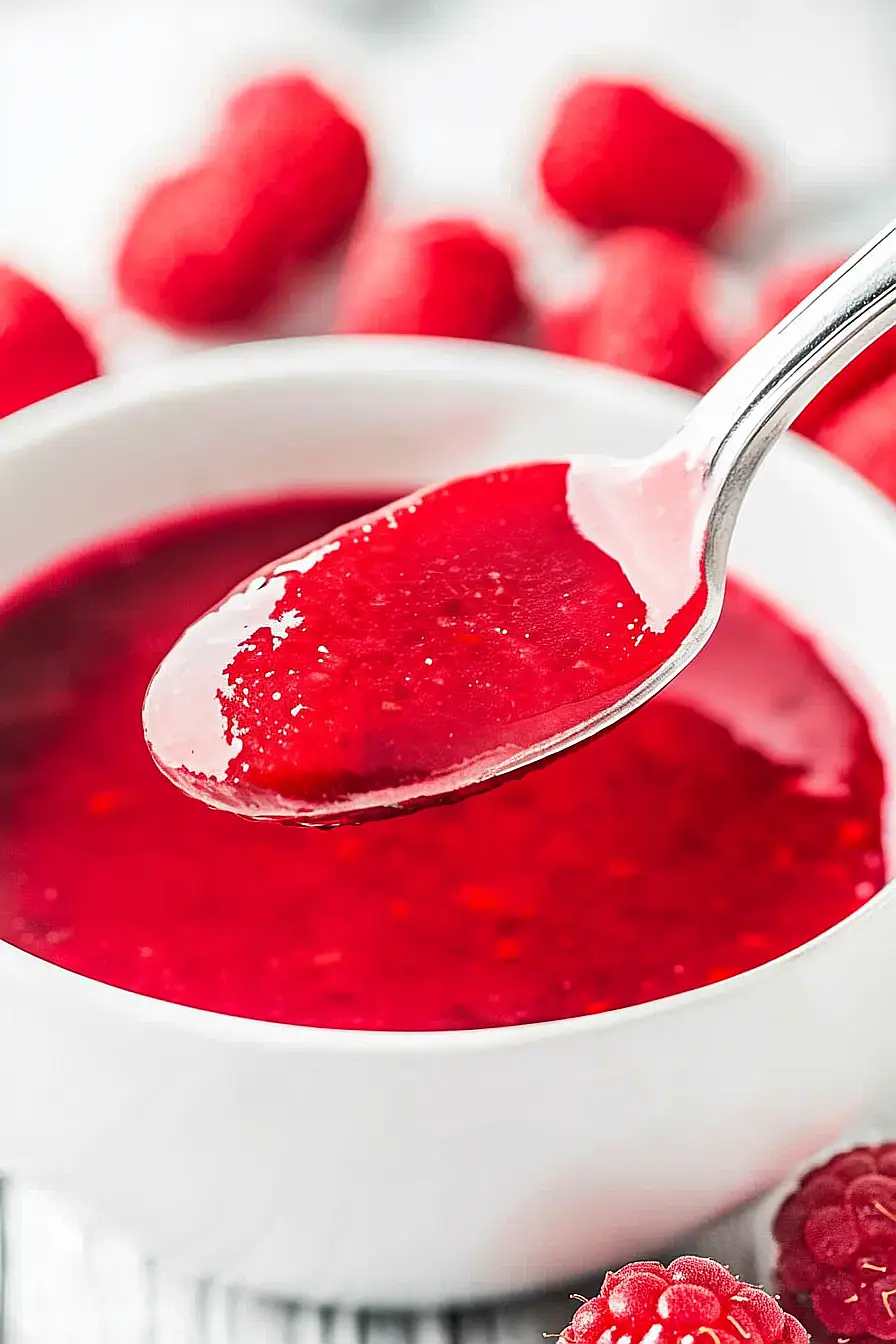
This sweet and tangy raspberry sauce is super flexible and goes well with so many desserts! Pour it over vanilla ice cream or cheesecake for a classic dessert combo that never disappoints. For breakfast or brunch, try drizzling it over pancakes, waffles, or French toast – it’s way better than plain maple syrup. You can also use it as a topping for pound cake, angel food cake, or mix it into plain yogurt for a fruity breakfast treat. If you’re feeling fancy, serve it alongside chocolate desserts like brownies or chocolate cake, where the tart raspberry flavor creates a perfect balance with the rich chocolate.
Storage Instructions
Keep Fresh: This yummy raspberry sauce stays good in an airtight container in the fridge for up to 1 week. The flavor actually gets even better after a day or two as everything melds together. Just give it a quick stir before using if you notice any separation.
Freeze: Want to save some for later? Pour the cooled sauce into freezer-safe containers or ice cube trays (perfect for smaller portions!) and freeze for up to 3 months. The ice cube method is super handy – just pop out what you need when you want to top your desserts or breakfast treats.
Thaw: When you’re ready to use your frozen raspberry sauce, just transfer it to the fridge and let it thaw overnight. If you’re in a hurry, you can place the container in a bowl of cool water to speed things up. Once thawed, give it a good stir and it’s ready to go!
| Preparation Time | 5-10 minutes |
| Cooking Time | 10-15 minutes |
| Total Time | 15-25 minutes |
| Level of Difficulty | Easy |
Estimated Nutrition
Estimated nutrition for the whole recipe (without optional ingredients):
- Calories: 300-400
- Protein: 3-5 g
- Fat: 1-2 g
- Carbohydrates: 75-85 g
Ingredients
- 3 1/3 cups raspberries (fresh or frozen, approximately 12 oz)
- 4 to 6 tablespoons white sugar (modify to your taste)
- 1 teaspoon lemon juice (or more, if desired)
Step 1: Heat and Prepare the Raspberries
Add the raspberries, sugar, and lemon juice to a saucepan.
Bring the mixture to a boil, mashing the raspberries with a fork or potato masher to break them down as they heat.
Once the mixture reaches a boil, turn off the heat.
Taste the sauce and adjust with additional sugar or lemon juice if necessary to achieve your desired balance of sweetness and tartness.
Step 2: Strain the Sauce
Pour the raspberry sauce through a fine mesh sieve to remove the seeds.
Use a spoon or spatula to press firmly, extracting as much of the pulp as possible, as it is crucial for thickening the sauce.
If a thinner consistency is desired, add a teaspoon of water at a time, keeping in mind that the sauce will continue to thicken as it cools.
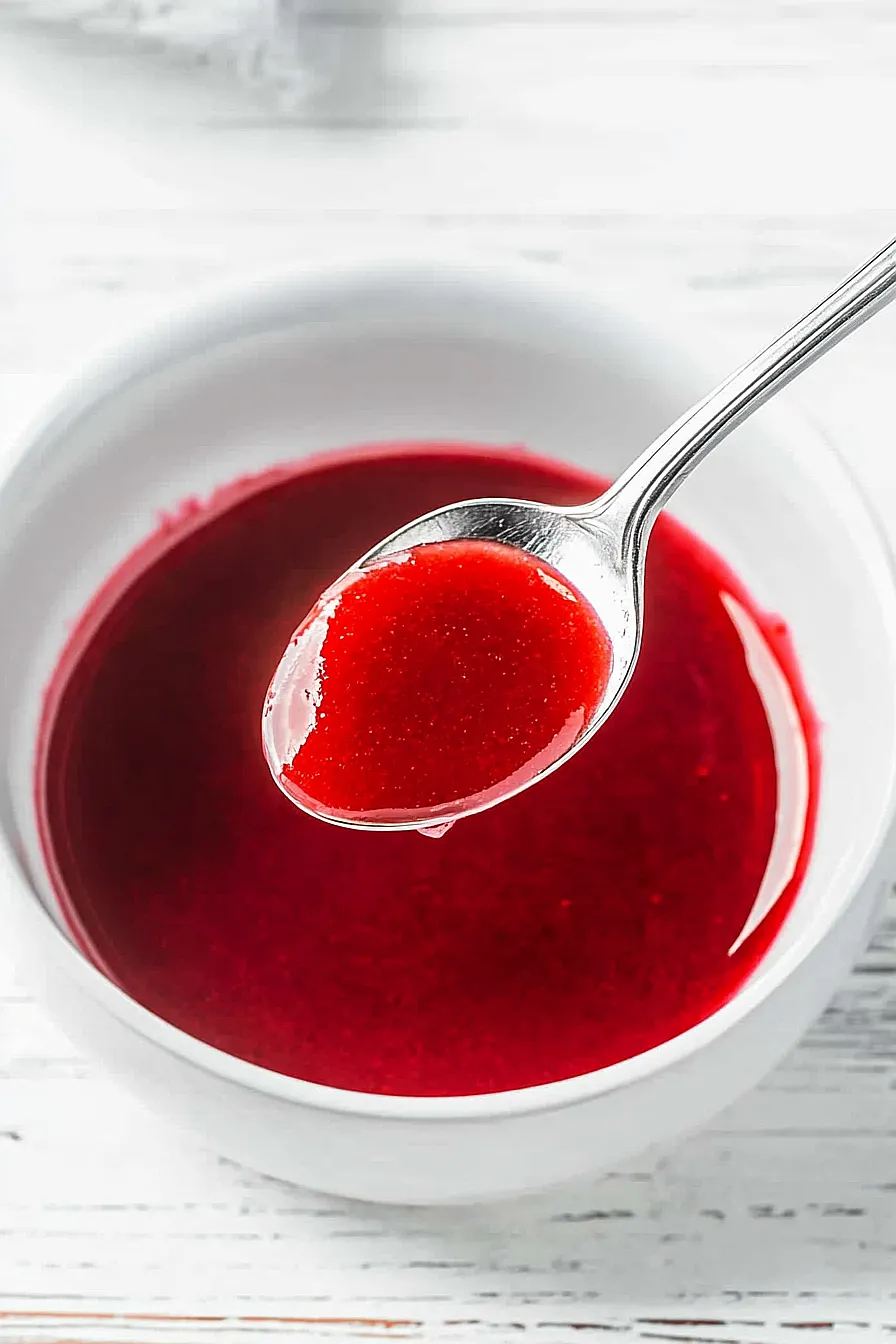
(Note: The sauce referenced in the photo was not thinned.)
Step 3: Serve and Enjoy
Use the raspberry sauce as a delightful addition to cheesecake, cakes, ice cream, or other desserts.
Enjoy the burst of berry flavor in each dish it accompanies!

