I used to think marinating chicken was this complicated thing that required fancy ingredients and hours of prep work. My mom would buy those expensive bottled marinades from the store, and I just figured that was the only way to get good flavor.
Then I discovered apple cider vinegar chicken marinade, and everything changed. Turns out, you probably already have everything you need sitting in your pantry right now. The acid in the vinegar breaks down the meat and makes it tender, while adding this tangy flavor that works with just about any seasoning you throw at it.
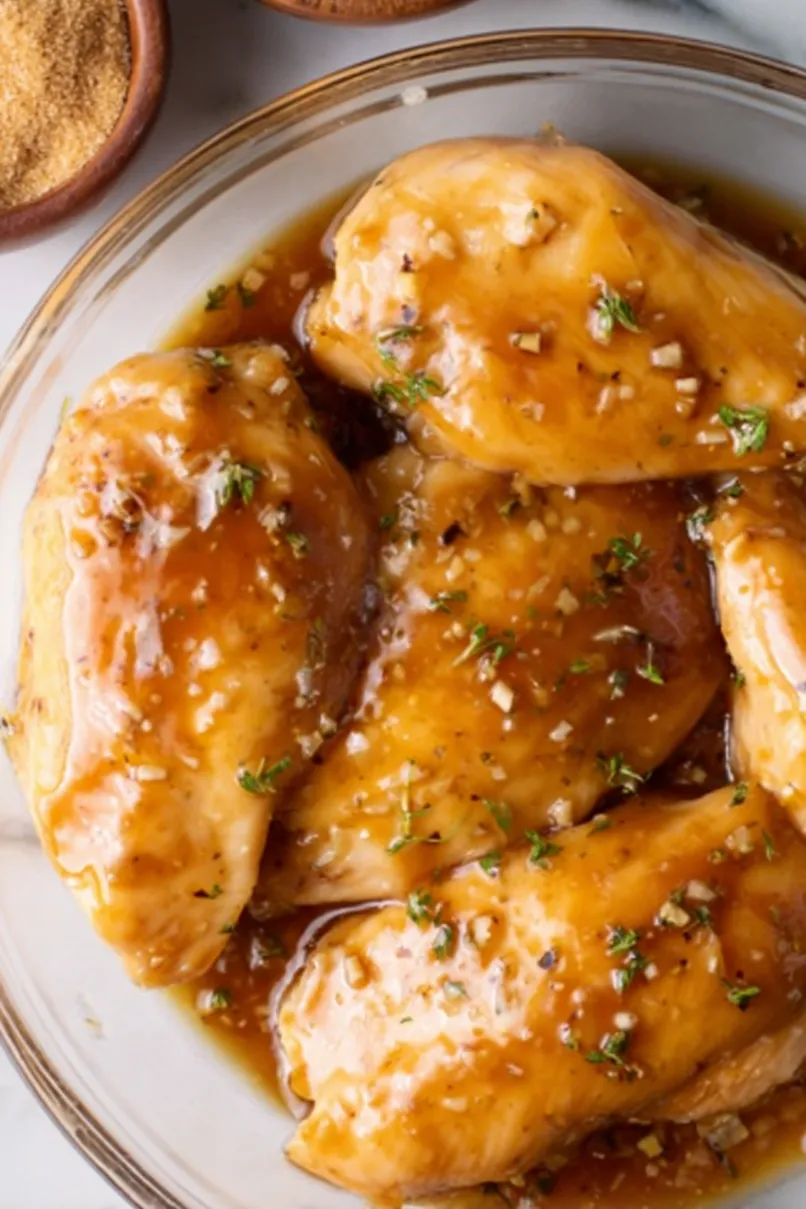
Why You’ll Love This Apple Cider Vinegar Chicken Marinade
- Tender, juicy chicken – The apple cider vinegar works magic by breaking down the proteins, giving you incredibly tender meat that stays moist during cooking.
- Sweet and tangy flavor – The combination of brown sugar and apple cider vinegar creates the perfect balance that makes every bite interesting and delicious.
- Simple pantry ingredients – You probably already have most of these ingredients at home, making this an easy go-to recipe without a special grocery trip.
- Make-ahead friendly – You can marinate the chicken anywhere from 4 to 24 hours, so it’s perfect for meal prep or when you want to get dinner started the night before.
- Works with any cooking method – Whether you grill, bake, or pan-sear your chicken, this marinade delivers great results every time.
What Kind of Chicken Should I Use?
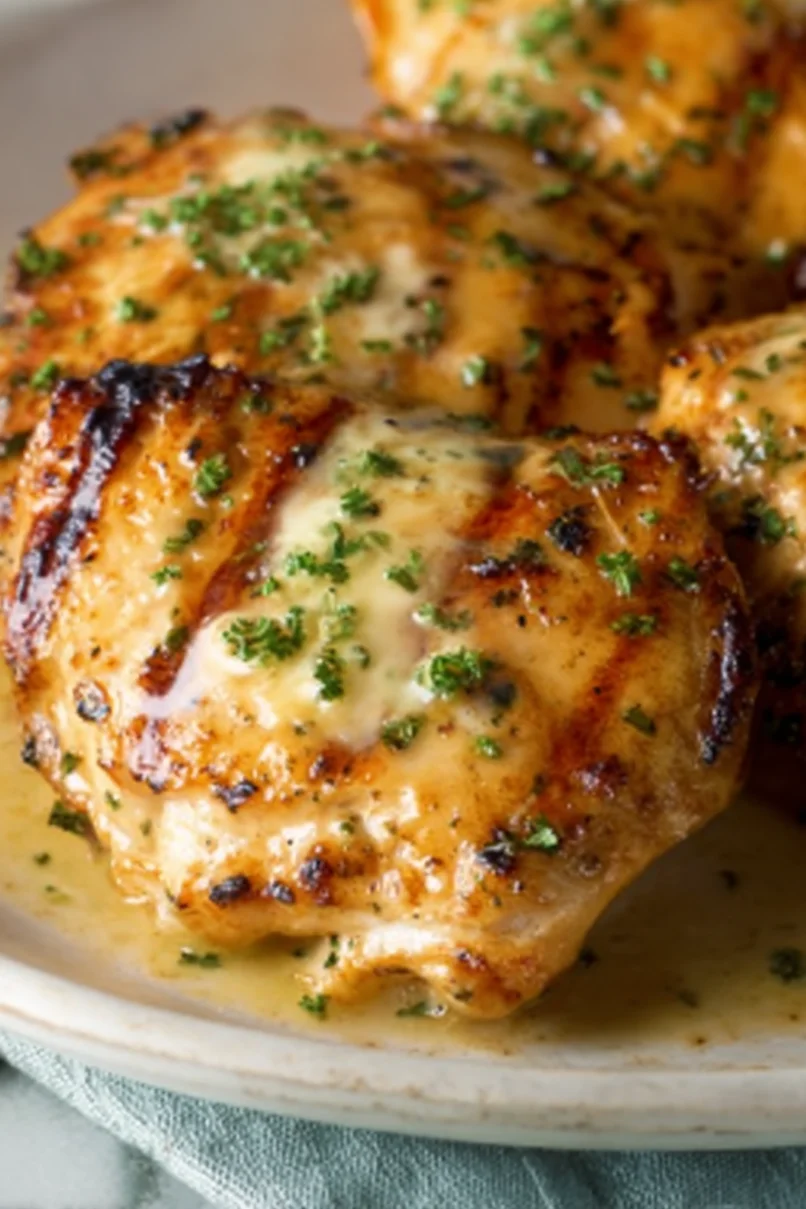
Both chicken breasts and thighs work great with this apple cider vinegar marinade, so you can choose based on your preference. Chicken thighs tend to stay more juicy and forgiving if you accidentally overcook them, while breasts offer a leaner option that soaks up the marinade flavors really well. If you’re using breasts, try to pick ones that are similar in thickness so they cook evenly, or you can pound them to an even thickness. Bone-in pieces will work too, but you’ll need to adjust your cooking time since they take longer to cook through than boneless cuts.
Options for Substitutions
This marinade is pretty forgiving when it comes to swaps, so here are some easy substitutions you can make:
- Apple cider vinegar: White wine vinegar or regular white vinegar work great here. You could even use rice vinegar for a milder tang, though the apple flavor will be missing.
- Dijon mustard: Yellow mustard or whole grain mustard are good swaps. If using yellow mustard, you might want to add a pinch more salt since it’s typically milder.
- Brown sugar: White sugar, honey, or maple syrup all work well. If using honey or maple syrup, start with about 1/3 cup since they’re more concentrated in sweetness.
- Dried minced onion: Fresh minced onion (about 2 tablespoons) or onion powder (1 teaspoon) are easy substitutes. Fresh onion will give you a bit more bite.
- Chicken breasts or thighs: This marinade works great on any cut of chicken, including drumsticks, wings, or even a whole cut-up chicken. Thighs will stay more tender than breasts if you’re worried about overcooking.
- Olive oil: Any neutral oil like vegetable or canola oil works fine, or you could use avocado oil for higher heat cooking.
Watch Out for These Mistakes While Cooking
The biggest mistake when using acidic marinades like this apple cider vinegar blend is marinating too long, which can actually break down the chicken’s proteins and create a mushy texture – stick to 2-4 hours maximum for best results.
Another common error is not patting the chicken completely dry before cooking, as excess marinade on the surface will cause steaming instead of proper browning and can make your pan sauce bitter from burnt bits.
To get the most flavor, make sure your brown sugar is fully dissolved in the marinade before adding the chicken, and always reserve some fresh marinade separately if you plan to use it for basting or sauce-making since you should never reuse marinade that’s touched raw chicken.
For perfect doneness, use an instant-read thermometer and pull the chicken at 155°F – the residual heat will bring it to the safe 165°F while keeping it juicy and tender.
What to Serve With Apple Cider Vinegar Chicken?
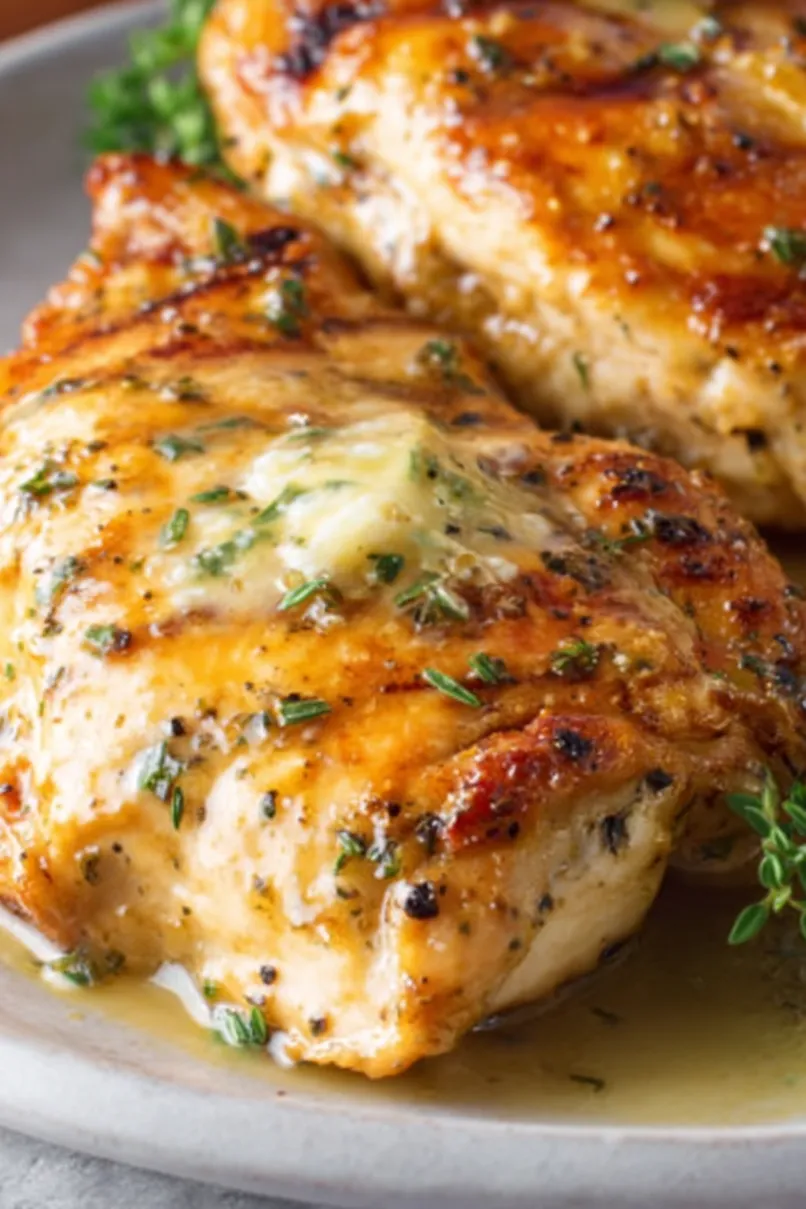
This tangy, sweet chicken pairs beautifully with simple sides that won’t compete with its bold flavors. I love serving it with roasted vegetables like Brussels sprouts, carrots, or sweet potatoes that get caramelized in the oven while the chicken cooks. Creamy mashed potatoes or buttery rice pilaf also work great to balance out the acidity from the vinegar and mustard. For something lighter, a crisp apple and arugula salad with a light vinaigrette complements the apple cider flavors perfectly, or try some roasted asparagus with a squeeze of lemon.
Storage Instructions
Marinate: You can marinate your chicken in this apple cider vinegar mixture for anywhere from 30 minutes to 24 hours in the fridge. The longer you let it sit, the more flavor it’ll soak up! Just make sure to keep it covered in a sealed container or zip-top bag while it’s doing its thing.
Make Ahead: This marinade is perfect for meal prep since you can mix it up to 3 days before you plan to use it. Store the marinade by itself in the fridge in a sealed jar, then just add your chicken when you’re ready to marinate.
Keep Leftovers: Once your chicken is cooked, it’ll stay good in the fridge for up to 4 days in an airtight container. The flavors actually get even better the next day, making it perfect for meal prep lunches or quick dinner leftovers throughout the week.
| Preparation Time | 15-30 minutes |
| Cooking Time | 16-20 minutes |
| Total Time | 4-24 hours |
| Level of Difficulty | Easy |
Estimated Nutrition
Estimated nutrition for the whole recipe (without optional ingredients):
- Calories: 1650-1850
- Protein: 210-240 g
- Fat: 85-100 g
- Carbohydrates: 65-75 g
Ingredients
For the marinade:
- 1/2 cup brown sugar (packed for accurate measurement)
- Freshly ground black pepper, to taste
- 1/4 cup apple cider vinegar (I prefer Bragg Organic)
- 1 1/2 tsp kosher salt (Diamond Crystal recommended)
- 6 tbsp olive oil (good quality extra virgin for richness)
- 3 tbsp dijon mustard (for a tangy kick)
- 3 garlic cloves (finely chopped for even flavor distribution)
- 1 1/2 tsp dried minced onion
- 1 tsp dried parsley
- 2 tbsp fresh lemon juice
For the chicken:
- 6 boneless, skinless chicken breasts or thighs (about 2 lbs total)
For finishing:
- 2 tbsp softened butter (Kerrygold unsalted for best flavor)
Step 1: Prepare the Marinade and Marinate the Chicken
- 1/4 cup apple cider vinegar
- 3 tbsp Dijon mustard
- 3 garlic cloves, finely chopped
- 2 tbsp fresh lemon juice
- 1/2 cup brown sugar
- 1 1/2 tsp dried minced onion
- 1 tsp dried parsley
- 1 1/2 tsp kosher salt
- freshly ground black pepper, to taste
- 6 tbsp olive oil
- 6 boneless, skinless chicken breasts or thighs
In a large bowl, whisk together the apple cider vinegar, Dijon mustard, finely chopped garlic, lemon juice, brown sugar, dried minced onion, dried parsley, kosher salt, freshly ground black pepper, and olive oil until the mixture is well combined and emulsified.
Place the chicken breasts or thighs into the marinade, turning each piece to ensure full coverage.
Cover the bowl and refrigerate for at least four hours, or preferably overnight, to let the flavors infuse.
Step 2: Grill the Marinated Chicken
- marinated chicken from Step 1
Preheat your grill to 400°F (204°C).
Remove the marinated chicken from the refrigerator and let it sit at room temperature for about 10 minutes.
Place the chicken pieces on the grill, then reduce the heat to medium.
Grill for 8-10 minutes on each side, depending on the thickness of the chicken, until fully cooked and the internal temperature reaches 165°F (74°C).
I like to occasionally baste the chicken with extra marinade from the bowl during the first few minutes on the grill for an extra boost of flavor.
Step 3: Finish and Serve the Chicken
- 2 tbsp softened butter
- extra dried parsley, for garnish
Transfer the grilled chicken to a serving platter.
Top each piece with the softened butter, turning the chicken to coat and allow the butter to melt and enhance the flavor.
Garnish with a sprinkle of extra dried parsley if desired.
Cover the platter with foil and let the chicken rest for five minutes before serving.
This resting time helps keep the chicken juicy and ensures the flavors meld together nicely.