Dream of growing espalier fruit trees?
It’s easier than you think!
With the right tactics, you can create beautiful and productive trees. Discover 8 simple tips to help your trees thrive.
Ready to learn how?
Let’s get started!
Choose the Right Fruit Tree
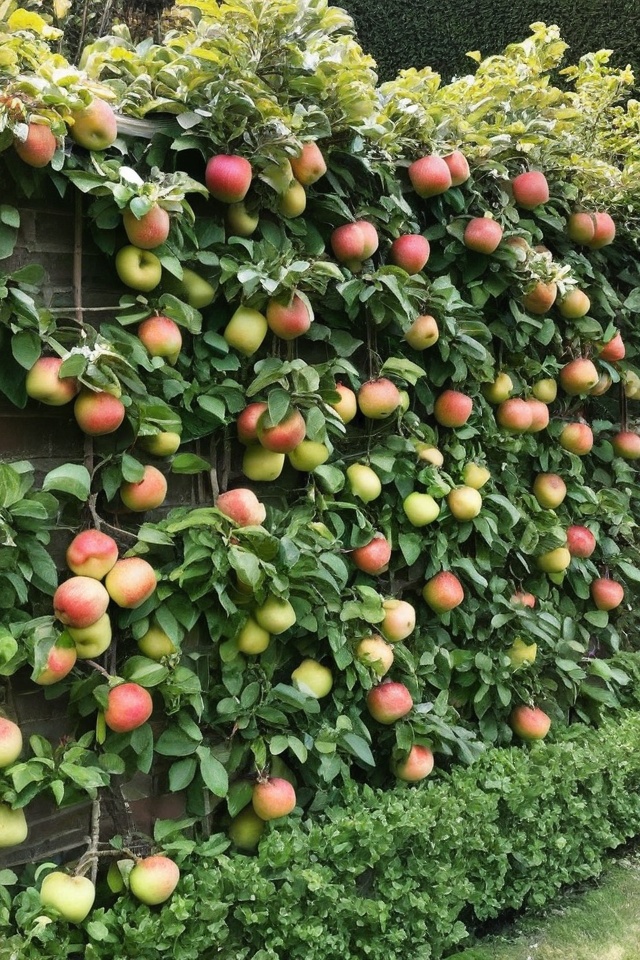
Before you dive into the world of espalier, picking the right fruit tree is crucial. Apple and pear trees are top choices because they’re naturally suited for the technique.
Look for dwarf or semi-dwarf varieties since they’re easier to manage and shape. Avoid trees with vigorous rootstocks because they might outgrow your desired form.
Happy picking!
Prepare the Wall or Trellis
Espalier requires a sturdy support system. A wall, fence, or dedicated trellis will do the trick.
Make sure the structure gets plenty of sunlight—at least 6 hours a day is ideal. Hammer in horizontal wires about a foot apart, starting 18 inches from the ground.
These wires will guide the tree’s branches as they grow. Ready, set, espalier!
Planting Time
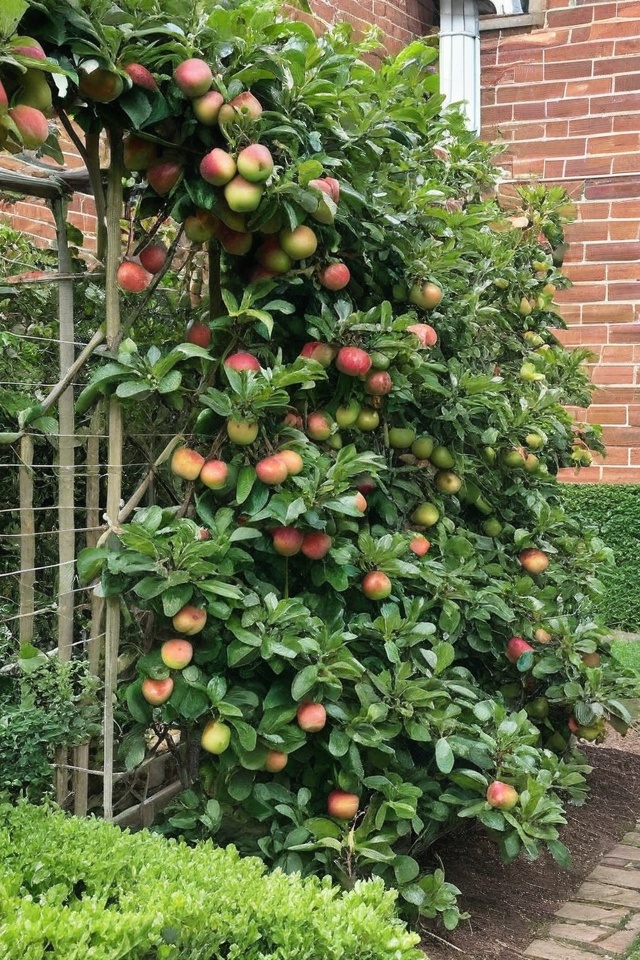
Now it’s time to plant your tree. Dig a hole twice as wide as the root ball, but not deeper.
Place the tree in the hole and fill it with soil, firming gently. Water it thoroughly to help the roots settle.
Keep an 18-inch gap between the tree and the wall or trellis to allow for air circulation. Easy peasy, right?
Train the Branches
This is where it gets fun. Select two branches to form the first horizontal tier.
Gently tie them to the wires using soft garden ties. Don’t make it too tight; you don’t want to damage the branches.
As new shoots grow, train them to follow the wire lines. Prune any upward or downward growth.
Consistency is key here!
Regular Pruning
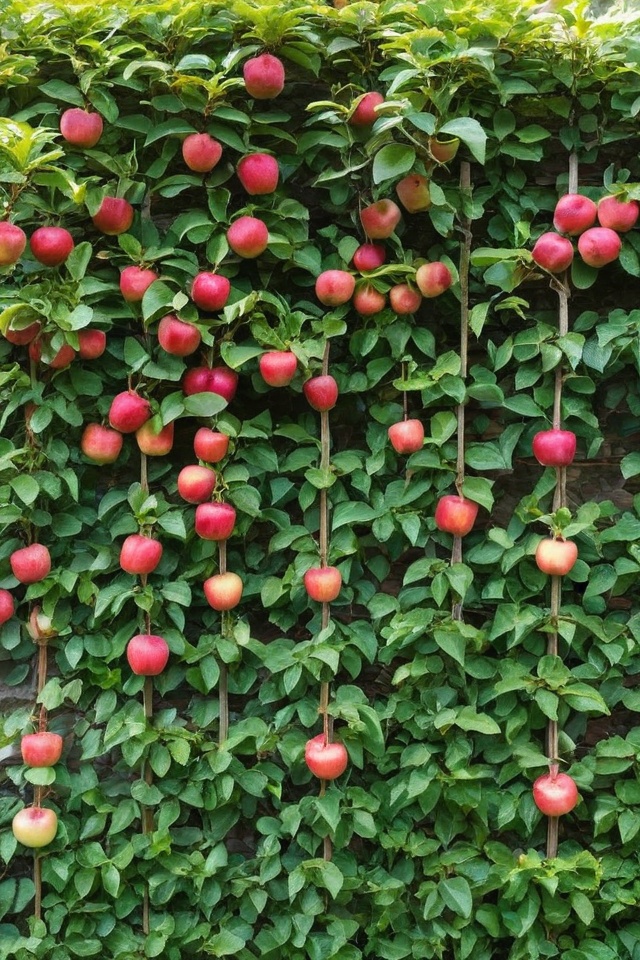
Pruning is essential for maintaining the espalier shape. Typically, you’ll want to prune in late winter or early spring before new growth begins.
Remove any dead or diseased wood, and cut back vigorous shoots to maintain the desired form. Light summer pruning can also help keep the shape neat.
Snip, snip!
Fertilize and Water
Your espalier tree will need nourishment to thrive. Use a balanced, slow-release fertilizer in early spring.
Water regularly, especially during dry spells. The soil should be consistently moist but not waterlogged.
Mulch can help retain moisture and regulate soil temperature. Keep your tree happy and healthy!
Watch for Pests and Diseases
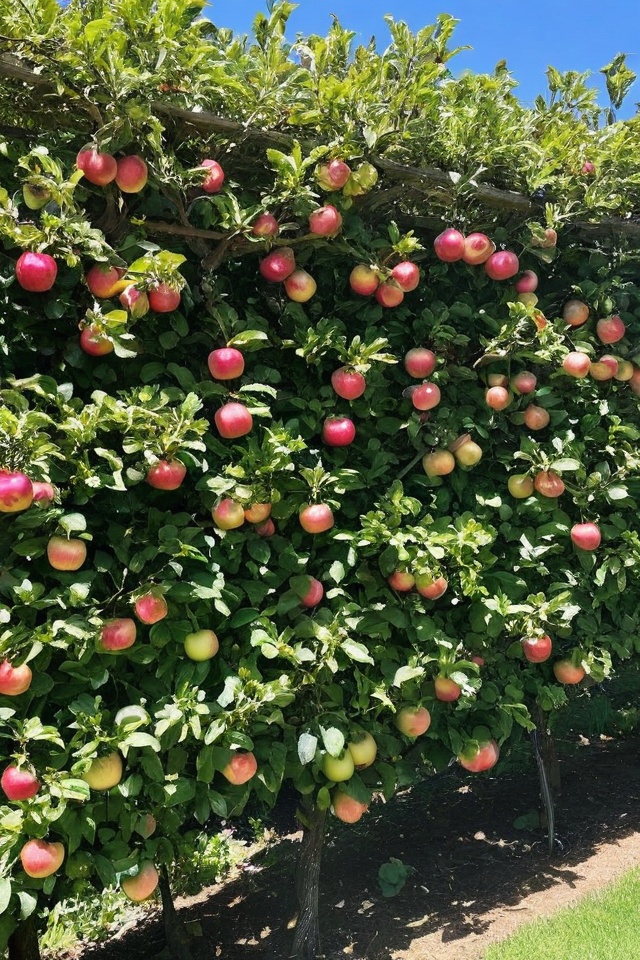
Espalier trees can be vulnerable to pests and diseases. Keep an eye out for signs like discolored leaves, holes, or sticky residue.
Use organic or chemical treatments as needed, and consider companion planting to deter pests naturally. It’s a good idea to inspect your tree regularly to catch any problems early on.
Stay vigilant!
Enjoy the Fruits of Your Labor
After all that hard work, it’s time to enjoy the fruits—literally! Once your tree starts producing, harvest the fruit when it’s ripe and ready.
Espalier trees often yield high-quality fruit because they get plenty of sun and air circulation. Enjoy fresh fruit from your garden, and maybe even share some with friends and family.
Cheers to that!