Finding a way to get fish on the dinner table that everyone will actually eat can feel like an impossible task. Between picky eaters who wrinkle their noses at anything from the sea, and the common worry about how to cook fish just right, it’s no wonder many of us stick to the same old chicken recipes.
That’s where this red snapper curry comes to the rescue: it’s a fool-proof dish that’s both simple to make and packed with flavor, taking the stress out of serving fish to your family while bringing something new to your weeknight dinner rotation.
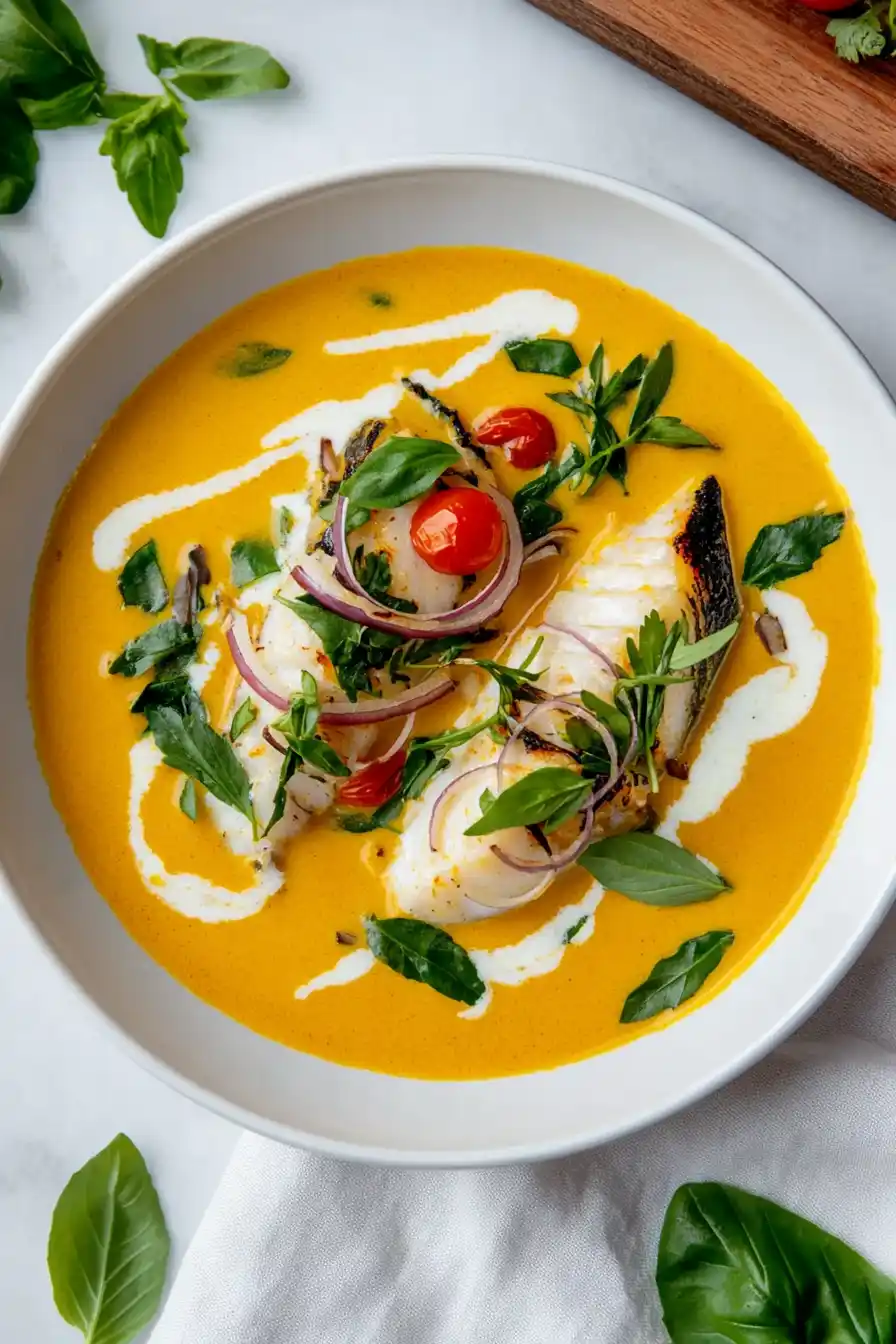
Why You’ll Love This Red Snapper Curry
- Restaurant-quality flavors – With fresh lemongrass, curry leaves, and aromatic spices, this curry delivers the same deep, complex flavors you’d expect from your favorite Thai restaurant.
- Fresh and healthy – Packed with lean protein from the red snapper and loaded with fresh herbs and vegetables, this curry is as nutritious as it is delicious.
- Customizable heat level – You can easily adjust the amount of chilies to make it as mild or spicy as you prefer, making it perfect for any palate.
- One-pot meal – Despite its sophisticated flavor profile, most of the cooking happens in a single pot, making cleanup a breeze.
- Impressive presentation – The colorful mix of red snapper, fresh herbs, and vegetables in creamy coconut curry sauce makes this dish perfect for both family dinners and special occasions.
What Kind of Red Snapper Should I Use?
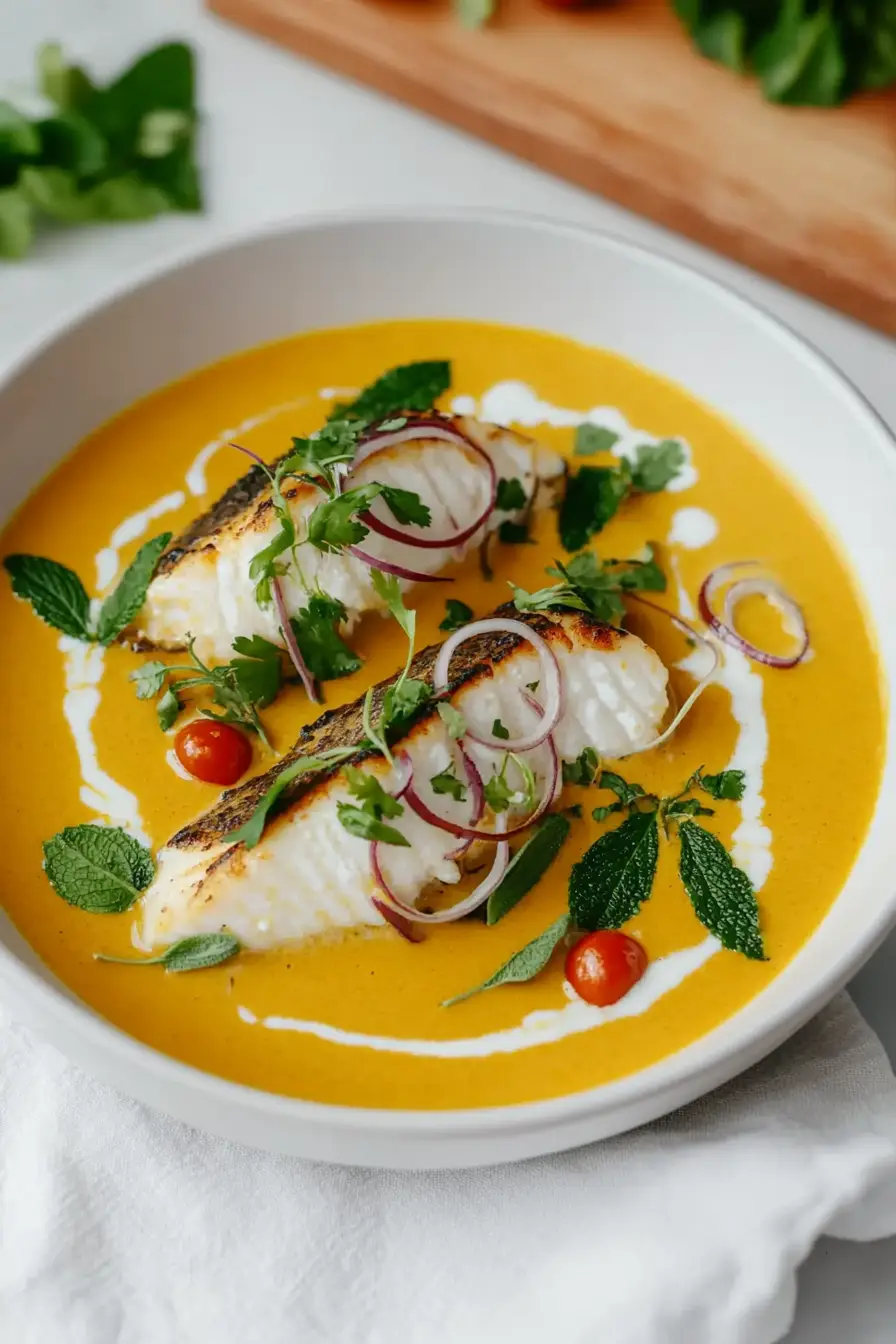
Fresh red snapper is your best bet for this curry, and you’ll want to look for fillets with bright red skin and clear, bright eyes if buying a whole fish. The flesh should be firm to the touch and have a fresh, clean smell – if there’s any fishy odor, that’s a sign it’s not fresh enough. When shopping, you can use either whole fillets or pre-cut portions, though having your fishmonger cut it into the 8 portions called for in the recipe can save you some prep time. If fresh red snapper isn’t available, you can substitute with other firm white fish like grouper or sea bass, though red snapper’s sweet, nutty flavor works particularly well in this curry.
Options for Substitutions
This curry recipe can be adapted with several substitutions if you can’t find all the ingredients:
- Red snapper: You can swap red snapper with other firm white fish like cod, halibut, or sea bass. Just make sure to adjust cooking time based on the thickness of your fish.
- Lemongrass: If fresh lemongrass isn’t available, use 2 tablespoons of lemongrass paste, or mix 1 teaspoon of lemon zest with a tiny pinch of ginger as a last resort.
- Curry leaves: While curry leaves give a unique flavor, you can use bay leaves plus a few basil leaves if curry leaves aren’t available. The taste won’t be exactly the same, but it’ll still work.
- Tamarind paste: Replace with equal parts lime juice and a touch of brown sugar, or use rice vinegar with a hint of date syrup.
- Snow peas and sugar snap peas: Feel free to use just one type of peas, or swap them with green beans or asparagus cut into similar sizes.
- Coconut cream: You can use coconut milk instead, but the curry will be thinner. To thicken it, simmer a bit longer or use slightly less water.
Watch Out for These Mistakes While Cooking
The biggest challenge when making red snapper curry is overcooking the fish, which can quickly turn from perfectly flaky to dry and tough – aim to cook the snapper just until it turns opaque and easily flakes with a fork, usually about 4-5 minutes per side. A common error is adding the fish too early in the cooking process; instead, make your curry sauce first, let it simmer and develop its flavors, then add the fish at the very end. To keep your curry from becoming too thin or watery, remember to simmer the coconut cream until it starts to split and release its oils before adding the water – this creates a richer, more concentrated base. For the best texture and flavor balance, add the fresh herbs and vegetables like snow peas and sugar snap peas right before serving, allowing them to retain their crunch while still soaking up the curry’s warmth.
What to Serve With Red Snapper Curry?
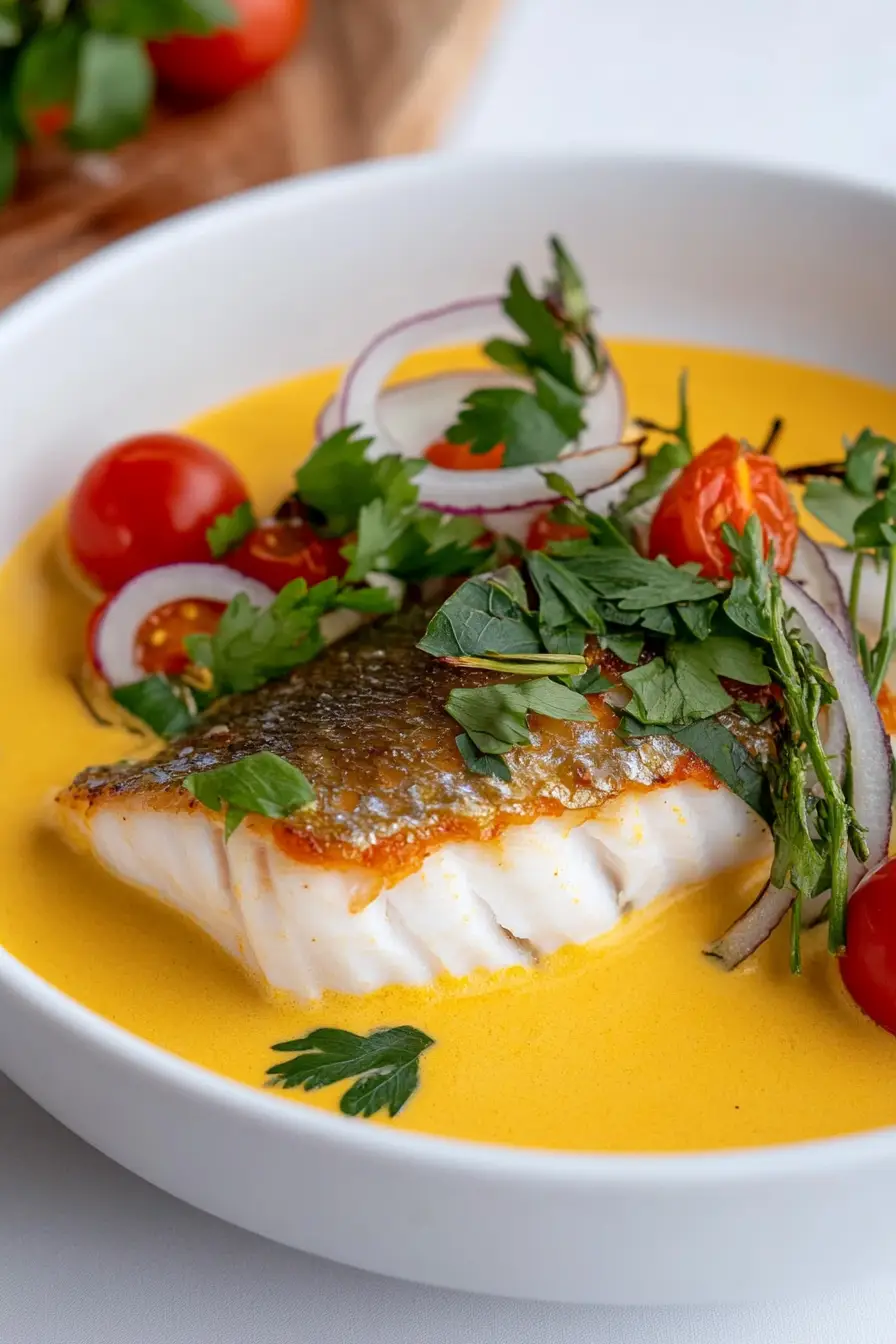
This fragrant curry calls for fluffy jasmine rice or warm naan bread to soak up all that delicious coconut sauce. Since the curry already has a good mix of veggies, you might want to keep the sides simple – a bowl of steamed basmati rice is perfect for most people. For something extra, you could add a cooling cucumber raita or a simple mango chutney on the side to balance out the warm spices. If you’re feeding a crowd, consider serving some pappadums or roti as additional bread options for scooping up every bit of that tasty sauce.
Storage Instructions
Keep Fresh: This curry tastes even better the next day after the flavors have had time to mingle! Place it in an airtight container and keep it in the fridge for up to 3 days. I recommend storing the fish and curry sauce separately if you plan to have leftovers, this helps keep the fish from becoming too soft.
Cool Down: Let the curry cool to room temperature before putting it in the fridge – this usually takes about 30 minutes. If you’re storing the components separately, make sure both the sauce and fish are completely cool first.
Warm Up: When you’re ready to eat, gently heat the curry sauce in a pan over medium-low heat. Once it’s warm, add the fish and cook just until heated through. Add the fresh herbs and crispy curry leaves right before serving to keep them nice and fresh. The snow peas and sugar snap peas are best added fresh, as they can get a bit soft when reheated.
| Preparation Time | 15-20 minutes |
| Cooking Time | 30-40 minutes |
| Total Time | 45-60 minutes |
| Level of Difficulty | Medium |
Estimated Nutrition
Estimated nutrition for the whole recipe (without optional ingredients):
- Calories: 1800-2000
- Protein: 100-120 g
- Fat: 150-170 g
- Carbohydrates: 50-60 g
Ingredients
For the curry base:
- 1 medium red onion
- 3 lemongrass stalks (tender inner parts used)
- 1 tbsp garlic
- 1 tbsp tamarind paste
- 1 fl oz lime juice (freshly squeezed preferred)
- 1 tbsp ginger (freshly grated for best flavor)
- 1 tsp chopped coriander roots
- 20 fresh curry leaves (not dried)
- 3 medium tomatoes
- 1 red chili (deseeded for less heat)
- 1 tsp ground turmeric
- salt to taste
- 400 ml water
- 1/2 tsp curry seasoning (I use Penzeys Curry Powder)
- 3 tbsp vegetable oil (or any neutral oil like canola)
- 600 ml coconut cream (full-fat for richness)
For the red snapper:
- 600 grams red snapper fillet (skin on preferred)
- sea salt to taste
- 1 tbsp olive oil
For the salad:
- 65 grams snow peas
- 1 baby onion
- 1 red chili
- 1/4 bunch dill leaves
- 50 grams sugar snap peas
- 1/4 bunch coriander leaves
For the fried curry leaves:
- 16 curry leaves
- sea salt to taste
- 110 ml vegetable oil
Step 1: Prepare the Curry Base
Heat a pot with oil on high heat and add the sliced onions.
Sear them for about two minutes, then add chopped lemongrass, garlic, chili, ginger, and coriander root.
Cook everything for an additional 2-3 minutes, stirring often to prevent sticking.
Stir in the tomatoes and curry leaves, cooking for 2-3 more minutes before incorporating the turmeric, curry powder, and salt.
Step 2: Simmer the Curry
Add coconut cream and water to the pot, and bring the mixture to a boil over high heat.
Reduce the temperature to a simmer and let it cook for 15 minutes, stirring occasionally to ensure nothing sticks to the bottom.
After 15 minutes, add the tamarind and lime juice, and simmer for an additional 2 minutes.
Blend the curry in a kitchen blender, then strain it through a fine sieve to achieve a smooth consistency.
Step 3: Cook the Fish
Season the fish fillets with salt on all sides.
In a hot pan with olive oil, place the fish skin side down and cook over high heat for 5 minutes.
Then, reduce the heat to low and turn the fish over.
Depending on the thickness of the fillet, you may need to cook it longer.
To check if the fish is done, insert a skewer through the thickest part; the fish is cooked if the flesh feels soft without resistance.
Step 4: Prepare the Salad and Fried Curry Leaves
For the salad, add all the vegetables and herbs to a bowl filled with ice-cold water.
Let them sit for 5 to 10 minutes, then transfer to a sieve or colander to drain.
Pat the vegetables dry with a towel.
To make the fried curry leaves, heat oil in a pan over high heat, then fry the curry leaves for 10 seconds.
Remove them with a slotted spoon and place on a kitchen paper towel to absorb any excess oil.
Step 5: Assemble the Dish
To assemble, garnish the cooked fish fillet with the vegetable herb salad and fried curry leaves.
Finally, sprinkle a pinch of sea salt over the top for added flavor.