There’s something so comforting about corned beef and cabbage, especially around St. Patrick’s Day. I remember waiting for that familiar smell to fill our kitchen when I was growing up – it meant good things were coming. These days, I make this dish several times a year, not just on March 17th, because my family loves it so much. Sure, it takes a few hours to cook, but most of that time is hands-off, letting you go about your day while dinner practically makes itself.
I’ve learned some helpful tricks over the years to make this classic dish turn out just right. The key is taking your time and letting everything cook until it’s perfectly tender. And the best part? It’s basically a one-pot meal, which means less cleanup – something we can all get behind. Whether you’re celebrating St. Patrick’s Day or just craving a hearty family dinner, this recipe has got you covered.
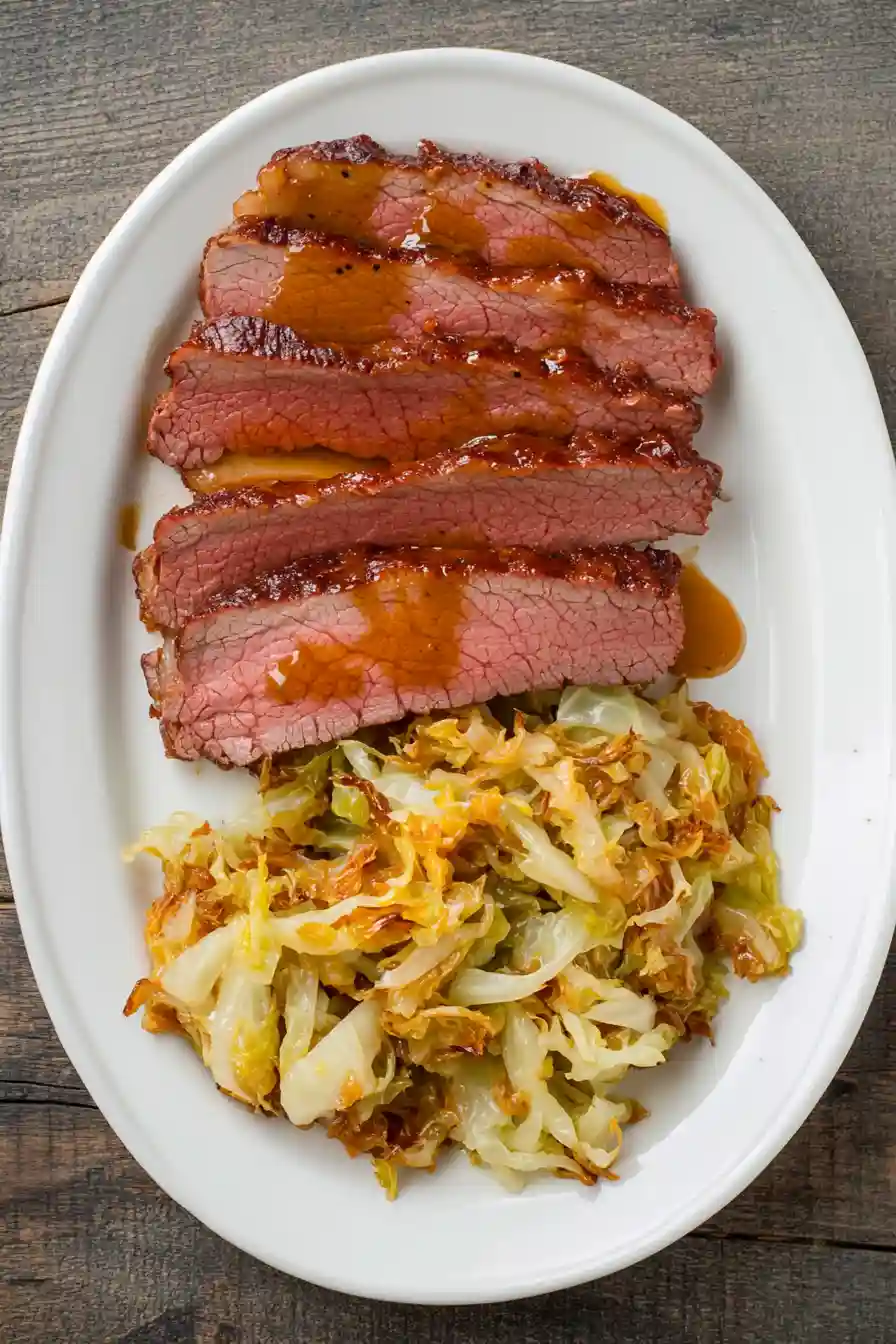
Why You’ll Love This Corned Beef and Cabbage
- Two cooking methods – Whether you prefer the sweet-glazed baked version or the traditional boiled style, this recipe gives you options to make it exactly how you like it.
- Make-ahead friendly – You can prepare this dish earlier in the day and keep it warm until dinner time, perfect for busy households or when hosting guests.
- One-pot meal option – If you choose the boiled method, you can cook your vegetables right in the same pot with the meat, saving on cleanup time and dishes.
- Classic comfort food – This traditional Irish-American dish brings together tender meat and buttery cabbage for a satisfying, hearty meal that’s perfect for special occasions or Sunday dinners.
- Simple ingredients – With just a handful of basic ingredients and minimal prep work, you can create this filling family meal without any fancy ingredients or complicated techniques.
What Kind of Corned Beef Should I Use?
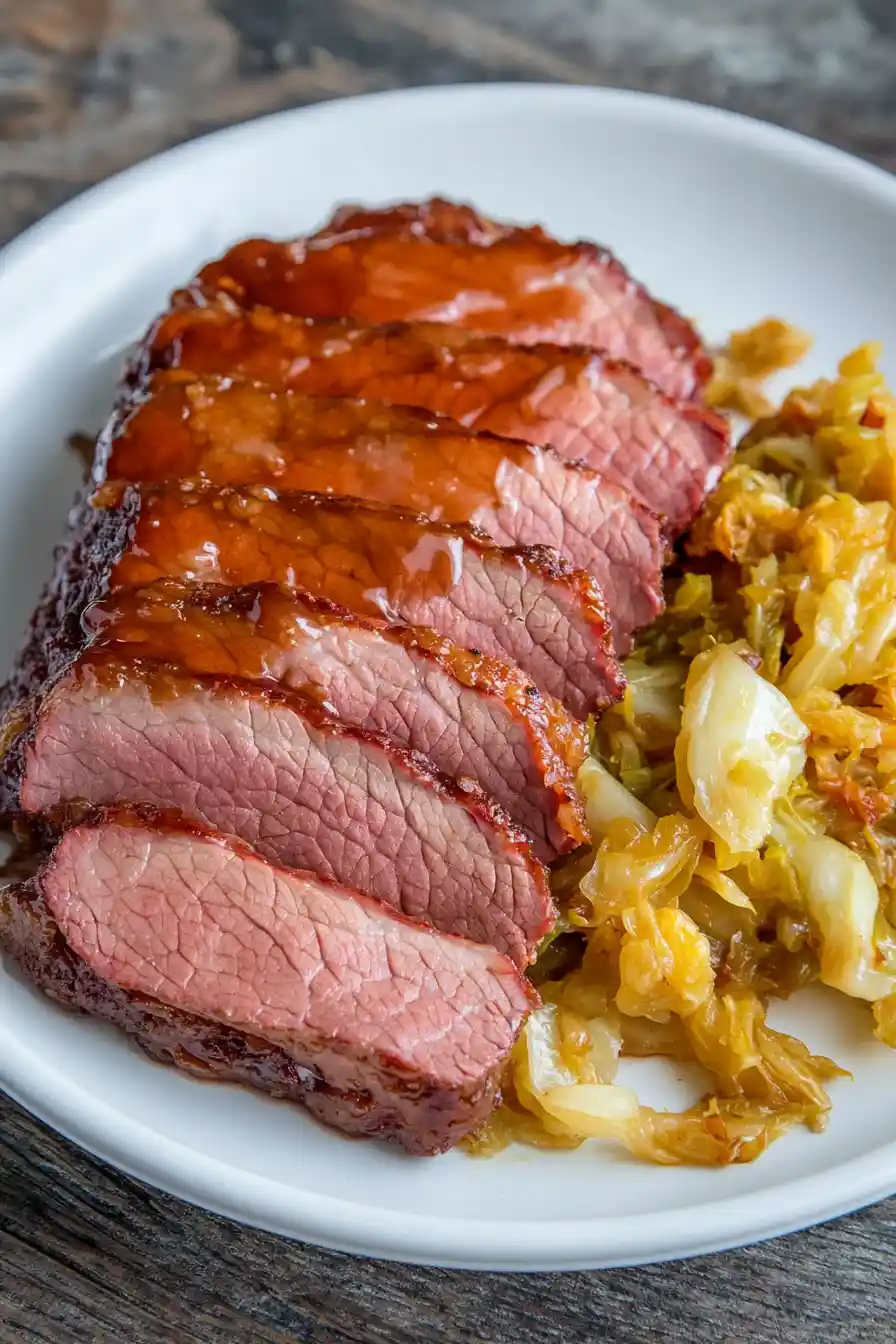
When shopping for corned beef, you’ll typically find two main cuts at the grocery store: the flat cut and the point cut. The flat cut (also called first cut) is leaner and has a more uniform shape, making it easier to slice and present nicely on your plate. The point cut has more marbling throughout and tends to be more tender and flavorful, but it can be a bit messier to slice. Most packaged corned beef comes with a spice packet, but if yours doesn’t, don’t worry – you can make your own blend with peppercorns, bay leaves, and other whole spices. Just make sure to check the meat’s packaging date and choose one that looks fresh with a nice pink color.
Options for Substitutions
While some ingredients in this classic recipe are must-haves, there’s still room for some smart swaps:
- Corned beef: This is the star of the show and can’t really be substituted – it’s what makes the dish what it is! However, if your package doesn’t come with a spice packet, you can make your own with peppercorns, bay leaves, mustard seeds, and coriander seeds.
- Spicy honey mustard: You can use regular Dijon mustard mixed with a touch of honey, or whole grain mustard works great too. Even plain yellow mustard will do in a pinch!
- Cabbage: Green cabbage is traditional, but you can use savoy cabbage for a softer texture. Red cabbage works too, though it will give your dish a different color.
- Olive oil and butter: For sautéing, you can use all butter or all oil if you prefer. Bacon fat is another tasty option that adds extra flavor.
- Brown sugar: Honey or maple syrup can work instead of brown sugar for the glaze. Just use the same amount as called for in the recipe.
- Yellow onion: White onions or shallots can easily replace yellow onions. If you’re out of fresh onions, 1 tablespoon of onion powder will work too.
Watch Out for These Mistakes While Cooking
The biggest mistake when cooking corned beef is rushing the process – this tough cut needs to simmer slowly at a very gentle boil, as boiling it too rapidly will make the meat tough and chewy instead of tender. Another common error is cutting the meat with the grain rather than against it – always slice across the grain to ensure each bite is as tender as possible. When it comes to the cabbage, avoid overcooking it until it’s mushy and grey – whether you’re sautéing or boiling, cook it just until it’s tender-crisp and still maintains its natural green color. For the best flavor development, don’t skip the step of allowing the cooked corned beef to rest for about 10-15 minutes before slicing, as this helps the meat retain its juices and makes it easier to cut.
What to Serve With Corned Beef and Cabbage?
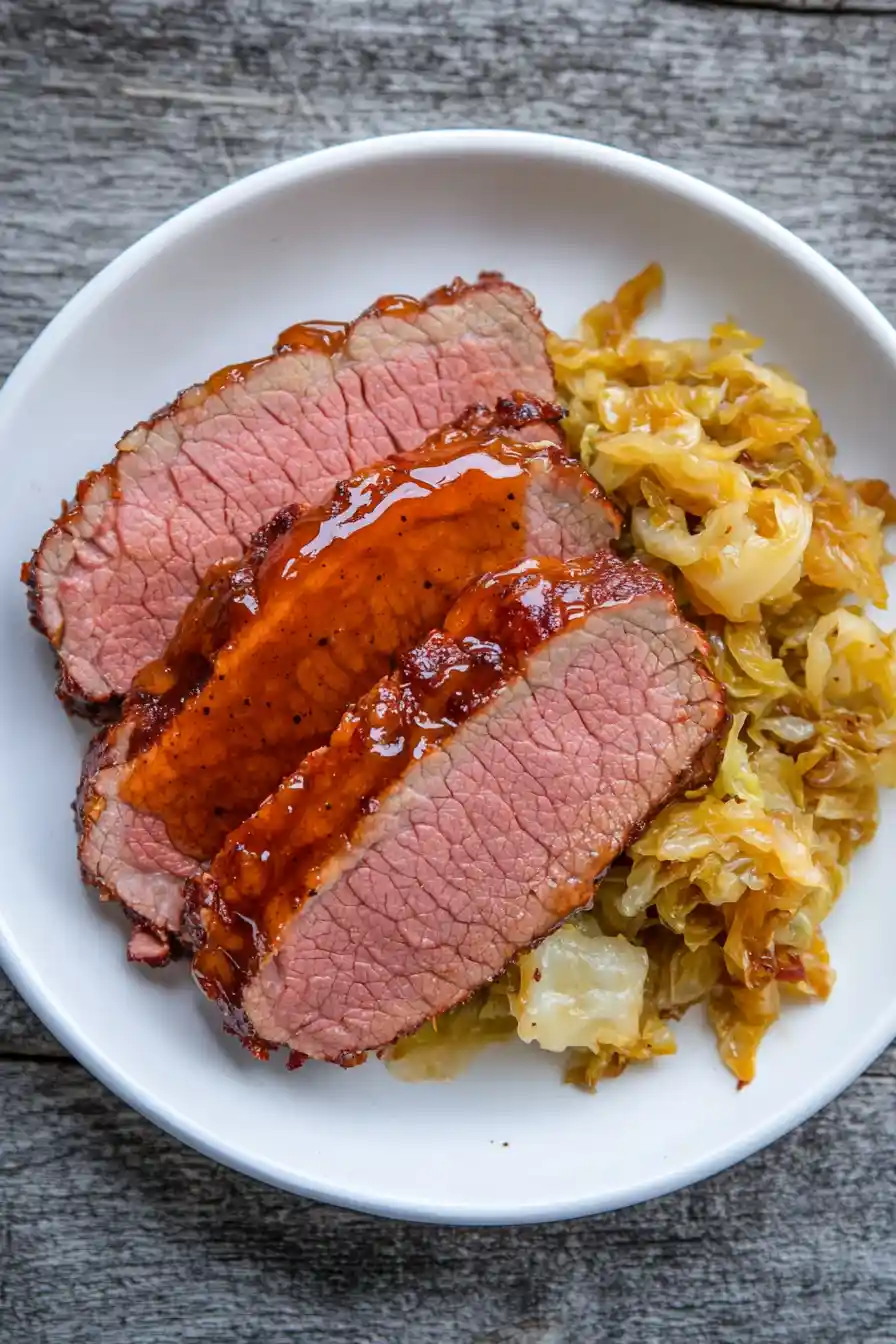
When serving corned beef and cabbage, you can’t go wrong with some hearty Irish soda bread on the side – it’s perfect for soaking up all those tasty juices! A simple dish of roasted root vegetables like carrots, parsnips, and turnips adds nice color and extra flavor to your plate. For a complete Irish-inspired meal, consider adding some creamy mashed potatoes or colcannon (mashed potatoes mixed with cabbage or kale). If you want to keep things traditional, serve some whole grain mustard or horseradish sauce on the side to give everyone options for adding extra zip to their meal.
Storage Instructions
Keep Fresh: Got leftover corned beef and cabbage? Pack them separately in airtight containers and pop them in the fridge. The corned beef will stay good for about 3-4 days, while the cabbage is best eaten within 2 days. Pro tip: storing them separately helps maintain their individual flavors and textures better!
Freeze: The corned beef freezes really well – wrap it tightly in foil or place it in a freezer bag with as much air removed as possible, and it’ll keep for up to 2-3 months. I don’t recommend freezing the cooked cabbage though, as it tends to get mushy when thawed.
Reheat: To warm up your corned beef, place it in a pan with a bit of water, cover, and heat on low until it’s warm through – usually about 10-15 minutes. For the cabbage, a quick stir-fry in a pan works great to bring back its flavor. If you’re reheating from frozen, thaw the corned beef in the fridge overnight first.
| Preparation Time | 20-30 minutes |
| Cooking Time | 120-180 minutes |
| Total Time | 140-210 minutes |
| Level of Difficulty | Medium |
Estimated Nutrition
Estimated nutrition for the whole recipe (without optional ingredients):
- Calories: 2500-2800
- Protein: 180-200 g
- Fat: 150-170 g
- Carbohydrates: 100-120 g
Ingredients
For the baked corned beef:
- 10 whole cloves
- 3 lb corned beef
- 1/4 cup honey mustard
- 2 tbsp brown sugar
For the boiled corned beef:
- 3 lb corned beef
For the sautéed cabbage:
- 1 garlic clove (freshly minced for best flavor)
- 1 medium yellow onion (peeled and finely diced)
- 1 large head cabbage (approximately 2 lbs, tough outer leaves removed and core discarded)
- 2 tbsp olive oil (I like Colavita Extra Virgin Olive Oil for pan-frying)
- 1 tbsp butter (Kerrygold unsalted butter works wonderfully here)
- 1 pinch salt
For the boiled cabbage:
- 1 cup sliced carrots
- 1 large head cabbage (cut into 8 wedges)
- 1 cup halved new potatoes (about 1.5-inch pieces)
Step 1: Prepare and Boil Corned Beef
Remove the corned beef from its package and discard the spice packet if you haven’t already chosen to use it later.
Identify the fat side and the grain of the beef.
To reduce saltiness, place the beef in a pot with the fat side up, cover it with water, and bring to a boil.
Discard the water and repeat the process to remove more salt.
Step 2: Prepare Corned Beef for Baking
Preheat your oven to 350°F.
Lay the corned beef, fat side up, on a large piece of heavy-duty aluminum foil.
Insert cloves evenly across the top of the beef.
Spread hot sweet honey mustard evenly over the top and sprinkle brown sugar all over it.
Step 3: Bake and Broil the Corned Beef
Wrap the corned beef securely in foil, allowing space on top to catch juices.
Place the wrapped beef in a shallow roasting pan and bake for 2 hours at 350°F.
After baking, open the foil, spread more honey mustard over the beef, and broil for 2-3 minutes until the top is bubbly and lightly browned.
Step 4: Rest and Slice the Corned Beef
Let the cooked corned beef rest for 5 to 10 minutes.
Remove the cloves and then slice the beef diagonally across the grain, cutting into 1/2-inch thick slices.
Serve the beef immediately with your preferred sides.
Step 5: Prepare and Sauté the Cabbage
In an 8-quart pot or large sauté pan, heat 2 tablespoons of olive oil over medium-high to high heat.
Sauté chopped onions for a couple of minutes, then add garlic.
Add a third of sliced cabbage, sprinkle with salt, and let it brown without stirring.
Flip using a spatula as it browns, adding a bit of butter for flavor and to prevent sticking.
Continue adding and browning cabbage until all is cooked through.
Step 6: Cook Vegetables in Beef Cooking Liquid (Optional)
If you have saved the beef cooking liquid, add cabbage and other vegetables like carrots and new potatoes to the pot.
Adjust the saltiness by adding water if needed.
Bring to a simmer and cook until vegetables are tender, about 15-30 minutes.
Serve the vegetables in a serving bowl with a little of the cooking liquid.