Let’s be honest – cooking a whole duck can seem pretty intimidating if you’ve never tackled it before. Between getting the skin perfectly crispy and making sure the meat stays juicy, there’s a lot that feels like it could go wrong, especially when you’re trying to impress guests at a holiday dinner or special occasion.
But here’s the good news: this crispy whole roast duck recipe is actually much simpler than you might think. With just a few key steps and some patience, you’ll end up with a golden-brown bird that’s crispy on the outside, tender on the inside, and guaranteed to make everyone at your table ask for seconds.
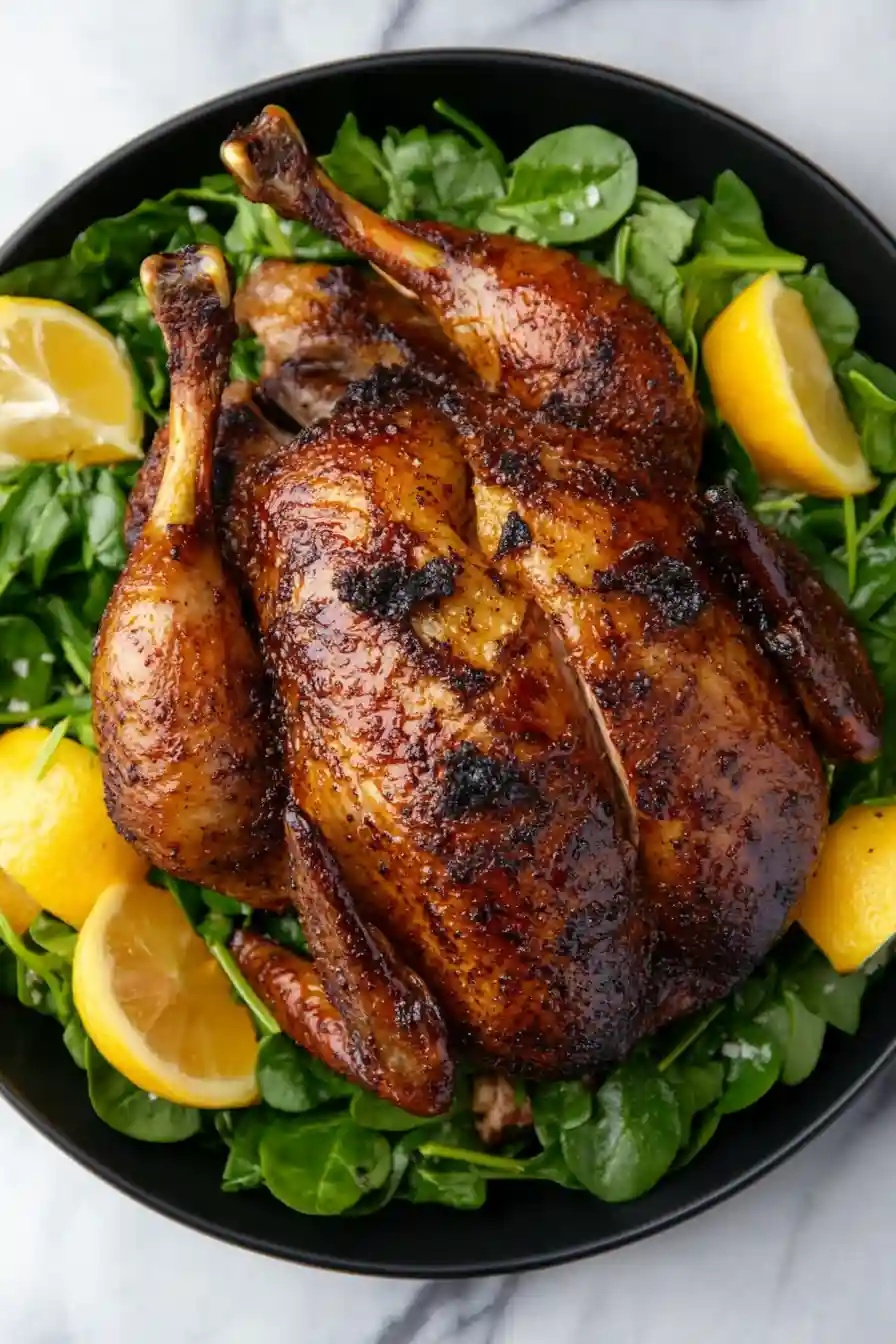
Why You’ll Love This Roast Duck
- Restaurant-quality results – This recipe helps you achieve that perfectly crispy skin and tender meat you’d expect from a high-end Chinese restaurant, right in your own kitchen.
- Make-ahead friendly – Most of the prep work can be done a day ahead, making it perfect for special occasions or weekend family dinners when you want to impress without last-minute stress.
- Simple ingredients – While duck might seem fancy, the recipe uses basic Asian pantry staples and simple aromatics you can find at most grocery stores.
- Built-in sauce – The orange-ginger glaze creates its own delicious sauce as it cooks, meaning you don’t need to make any additional gravies or condiments.
- Foolproof method – The step-by-step instructions ensure you’ll get that crispy skin and juicy meat, even if you’ve never cooked duck before.
What Kind of Duck Should I Use?
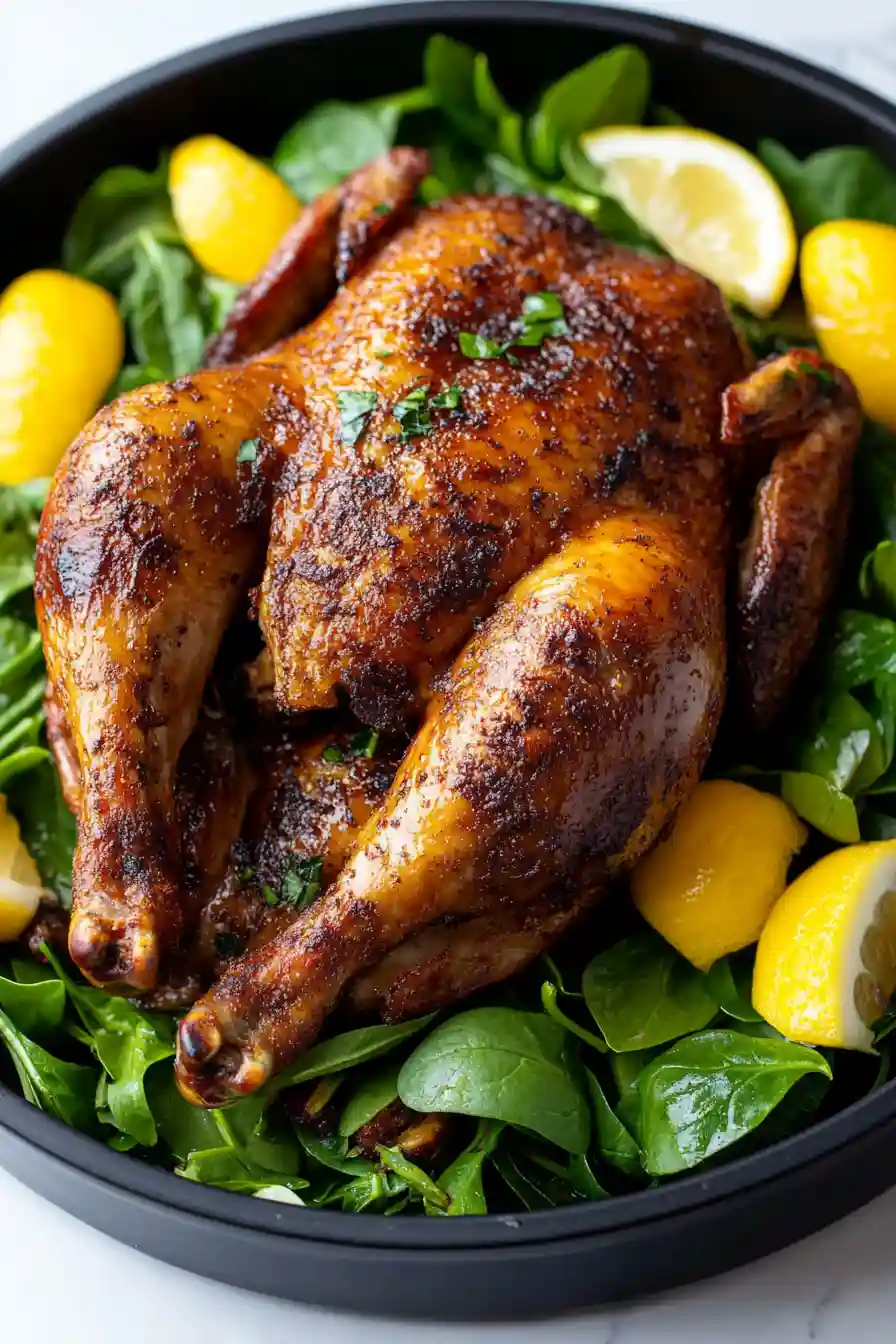
For roasting a whole duck, Pekin (also called Long Island duck) is your best bet and the most widely available variety in American grocery stores and butcher shops. While Muscovy duck can work too, Pekin ducks have a better meat-to-fat ratio and tend to be more tender when roasted. Look for a duck that weighs between 5-6 pounds – anything larger might cook unevenly, while smaller ones can dry out too quickly. When shopping, check that the skin is intact without tears or blemishes, since you’ll want that skin to crisp up nicely during roasting. If you can only find frozen duck, that’s perfectly fine – just make sure to thaw it completely in the refrigerator for 2-3 days before cooking.
Options for Substitutions
While duck is the star of this recipe, there are several ingredients you can swap if needed:
- Duck: Duck is really the heart of this recipe and can’t be substituted – its unique fat content and meat texture are essential for the final result. If you can’t find a whole duck, you can use duck breasts or legs, but you’ll need to adjust cooking times significantly.
- Five-spice powder: If you don’t have five-spice powder, mix together 1/4 teaspoon each of ground cinnamon, ground cloves, ground fennel, ground star anise, and ground white pepper.
- Sichuan peppercorns: You can use regular black pepper instead, though you’ll miss the unique numbing quality. Start with 1/2 teaspoon and adjust to taste.
- Coconut sugar: Brown sugar or honey work just as well – use the same amount.
- Ginger paste: Fresh grated ginger works perfectly – use about 1.5 tablespoons. In a pinch, 1 teaspoon of ground ginger will do.
- Shaoxing wine: Dry sherry is the best substitute as mentioned. If you want to avoid alcohol, use chicken broth with a splash of rice vinegar.
Watch Out for These Mistakes While Roasting
The biggest challenge when roasting duck is achieving that coveted crispy skin while keeping the meat juicy – this starts with thoroughly patting the duck dry inside and out, then letting it air-dry uncovered in the fridge for at least 24 hours before cooking.
Another common mistake is not scoring the skin properly – make sure to score in a diamond pattern, but be careful not to cut into the meat itself, as this will help render the fat while keeping the moisture locked in.
Starting with a cold oven and gradually increasing the temperature prevents the fat from smoking, while flipping the duck and basting it every 30 minutes ensures even cooking and browning.
If you skip the crucial step of removing excess fat from the pan during cooking, you’ll end up with a greasy mess instead of a perfectly crispy duck – use a baster or spoon to remove the rendered fat every hour (save it for later use!).

What to Serve With Roast Duck?
This rich and flavorful roast duck pairs wonderfully with simple sides that complement its Asian-inspired seasonings. Rice is a natural choice – try jasmine or basmati rice to soak up all those tasty juices. For vegetables, sautéed baby bok choy or Chinese broccoli with garlic makes an excellent side dish, while a cucumber salad with rice vinegar adds a cool, crisp contrast to the rich meat. If you want to go all out, serve some steamed lotus leaf buns on the side to make little duck sandwiches with any leftover meat. A simple sauce of hoisin and scallions on the table lets everyone customize their plate.
Storage Instructions
Keep Fresh: Got leftover roast duck? Place it in an airtight container and pop it in the fridge within 2 hours of cooking. It’ll stay good for up to 3 days. Pro tip: keep the skin separate from the meat if possible to help maintain that nice crispy texture!
Freeze: If you want to save your duck for later, you can freeze it for up to 3 months. Wrap it well in plastic wrap, then aluminum foil, and place it in a freezer bag. Just know that the skin might not stay as crispy after freezing, but the meat will still be tasty.
Reheat: To bring back some of that original glory, reheat your duck in the oven at 350°F for about 15-20 minutes, or until heated through. For the best results, place it on a wire rack over a baking sheet – this helps keep the skin from getting soggy. If it’s frozen, thaw it overnight in the fridge first.
| Preparation Time | 60-90 minutes |
| Cooking Time | 120-130 minutes |
| Total Time | 180-220 minutes |
| Level of Difficulty | Medium |
Estimated Nutrition
Estimated nutrition for the whole recipe (without optional ingredients):
- Calories: 3500-4000
- Protein: 200-220 g
- Fat: 250-280 g
- Carbohydrates: 50-60 g
Ingredients
For the duck:
- 3 cloves garlic (minced, for best flavor)
- 1 (5-6 lb) whole duck
- 1 tsp ground Sichuan peppercorns (freshly toasted and ground for more aroma)
- 1 orange (quartered)
- 1 tbsp five-spice powder
- 3 tbsp kosher salt (I like Morton’s)
For the glaze:
- 1 tbsp ginger paste
- 1/2 tsp red pepper flakes
- 2 cups orange juice
- 2 tbsp coconut sugar
- 1 tbsp soy sauce (I use Kikkoman)
- 2 tbsp Shaoxing cooking wine
Step 1: Prepare the Duck
Remove the duck from its packaging and gently pat it dry using paper towels.
Take out the innards and set them aside for making duck broth in the future.
Place the duck in a large roasting pan.
In a small bowl, combine salt, garlic, five spice, and Szechuan peppercorn.
Mix these spices well and rub the mixture evenly over all sides of the duck.
Insert quartered orange pieces inside the cavity of the duck.
Allow the seasoned duck to rest uncovered in the refrigerator overnight.
Step 2: Preheat and Prepare for Roasting
Take the duck out of the refrigerator and allow it to reach room temperature, about 30 minutes.
Preheat your oven to 425°F (220°C).
Using a sharp knife, gently score the duck’s skin without cutting into the meat.
This will help render out the fat and promote crispy skin during roasting.
Step 3: Begin Roasting the Duck
Set the prepared duck breast side up on a roasting rack within the roasting pan.
This elevates the duck, allowing for even cooking and crispier skin.
Position the pan on the middle rack of your oven.
Cover the duck loosely with foil and roast it for 40 minutes.
Carefully remove it from the oven and baste it with the rendered fat collected at the bottom of the pan, ensuring safety as the fat will be hot.
Step 4: Continue Roasting and Basting
Place the duck back in the oven for another 30 minutes.
For the last 20 minutes, remove the foil to let the skin crisp up even more.
Once the duck is done roasting, take it out of the oven and spoon out all the rendered duck fat (reserve it for other uses if desired).
Step 5: Glaze the Duck
Brush the duck generously with the prepared glaze.
Return the duck to the oven for an additional 10 minutes.
Afterward, brush it with the glaze once more and place it back in the oven for another 10 minutes.
Once finished, let the duck rest outside the oven for 10-15 minutes, allowing juices to redistribute.
Step 6: Prepare the Glaze and Serve
Combine all glaze ingredients in a medium saucepan and bring the mixture to a boil, stirring periodically.
Reduce the heat to medium and let the glaze simmer for 20-30 minutes until reduced by half.
Carve the rested duck and serve it either plain or with a drizzle of the remaining orange glaze for added flavor.

