Growing up, pot roast was always made with beef in our house. My mom would load up the crockpot with carrots, potatoes, and a big chunk of chuck roast every Sunday. That’s just how it was done.
Then I started following a keto diet and discovered that pork shoulder makes an amazing pot roast too – maybe even better than beef. It’s naturally fatty, which means it stays tender and juicy while cooking. Plus, it’s usually cheaper than beef roast, which is a nice bonus when you’re feeding a family.

Why You’ll Love This Pork Shoulder Roast
- Keto-friendly main dish – With zero carbs and plenty of protein and healthy fats, this pork roast fits perfectly into your keto meal plan.
- Simple ingredients – You only need a handful of basic spices and a good cut of meat – no fancy or hard-to-find ingredients required.
- Minimal prep work – Just mix the seasonings, rub them on the meat, and let your oven do the rest of the work – it’s that easy.
- Great for meal prep – This large roast gives you plenty of leftovers that taste even better the next day, perfect for planning multiple meals ahead.
- Budget-friendly – Pork shoulder is an economical cut of meat that becomes tender and flavorful when cooked low and slow, giving you great value for your money.
What Kind of Pork Shoulder Should I Use?
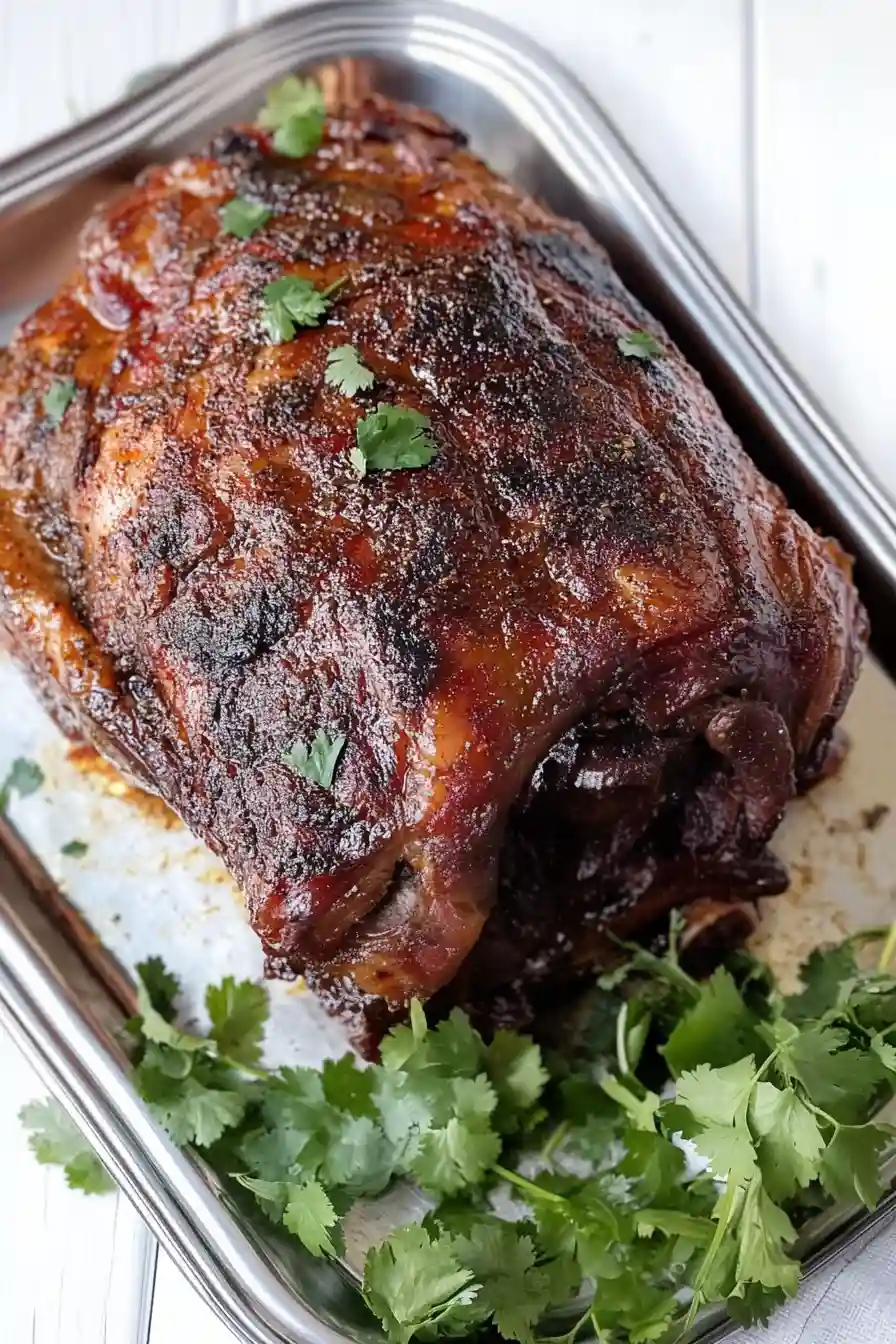
For a pot roast, you’ll want to look for either a pork shoulder (also called pork butt or Boston butt) or a picnic shoulder – both cuts come from the shoulder area of the pig and work great for slow cooking. The main difference is that Boston butt comes from the upper part of the shoulder and tends to be more marbled with fat, while the picnic shoulder comes from the lower part and is a bit leaner. Most grocery stores sell pork shoulder with the bone in, which is perfectly fine and can actually add more flavor during cooking. Just make sure to pick a piece that has a good amount of fat marbling throughout and a nice fat cap on top, as this will help keep the meat moist and tender during the long cooking process.
Options for Substitutions
This keto-friendly pork roast recipe is pretty straightforward, but here are some helpful substitution tips:
- Pork shoulder: If you can’t find pork shoulder (also called Boston butt), you can use pork picnic roast or pork butt. For a different meat option, chuck roast works well with the same seasonings and cooking method.
- Kosher salt: Remember if you’re using regular table salt instead of kosher salt, use only half the amount since table salt is more concentrated. Pink Himalayan salt works great too, using the same amount as kosher salt.
- Cumin: Out of ground cumin? You can use half the amount of cumin seeds (crushed) or replace it with ground coriander for a different but complementary flavor.
- Onion powder: If you’re out of onion powder, try using dried minced onion (1.5 tablespoons) or onion flakes (2 tablespoons). Just make sure they’re keto-friendly with no added sugars.
- Dried oregano: You can swap dried oregano with dried marjoram, dried thyme, or Italian seasoning in the same amount. Fresh oregano works too – just use 3 tablespoons since fresh herbs are less potent than dried.
Watch Out for These Mistakes While Cooking
The biggest mistake when cooking pork shoulder is rushing the process – this cut needs low and slow cooking (around 225-250°F) for 1.5-2 hours per pound to break down the tough connective tissues and become tender. Another common error is not letting the meat come to room temperature before cooking, which can lead to uneven cooking – take it out of the fridge at least 1 hour before you start. The third crucial mistake is opening the oven or slow cooker too frequently to check on the roast, as this lets heat escape and extends cooking time significantly. For the best results, wait until the internal temperature reaches 195-205°F (check with a meat thermometer), and then let it rest for 30-45 minutes before shredding – this allows the juices to redistribute throughout the meat instead of running out when you cut into it.
What to Serve With Pork Pot Roast?
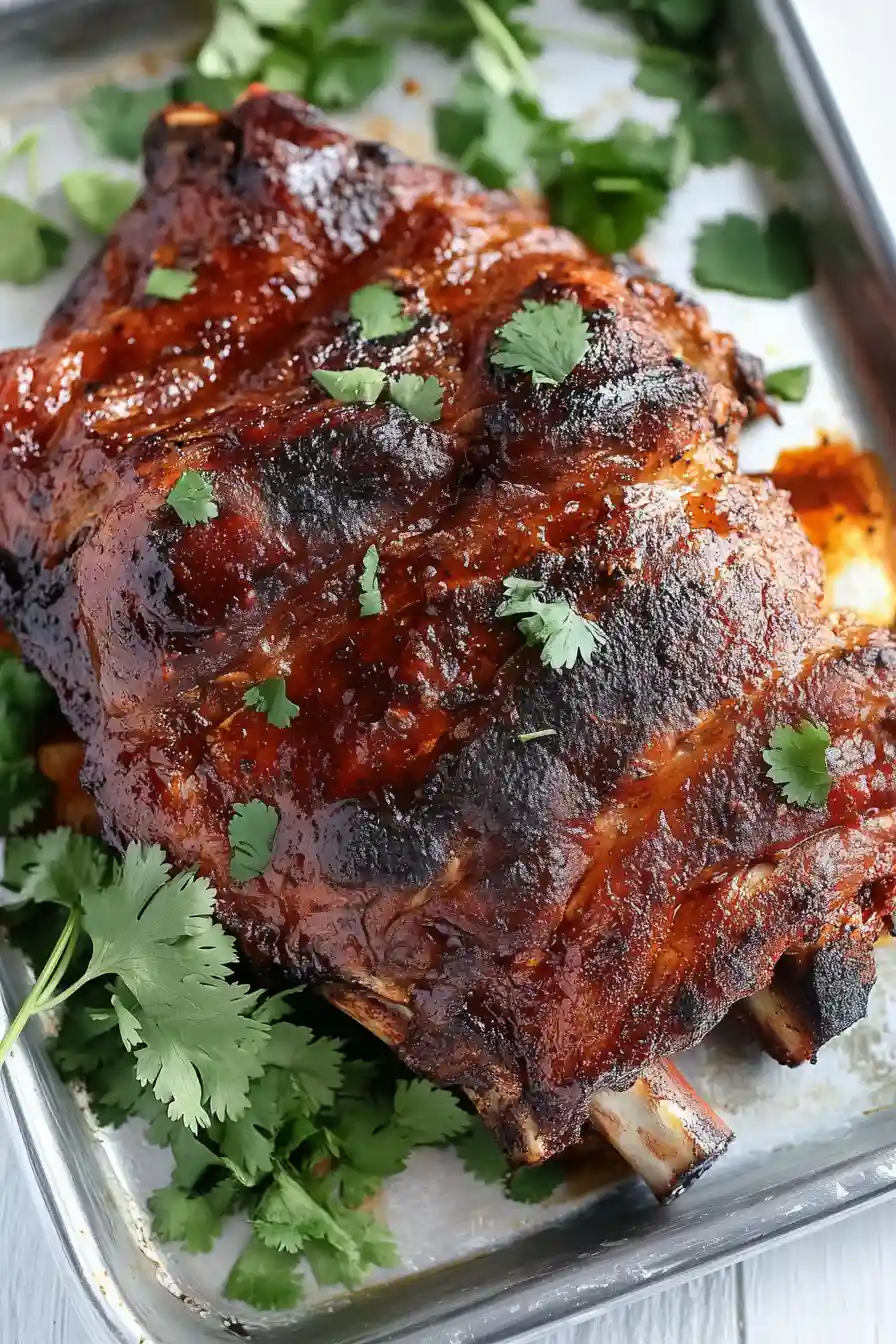
Since this is a keto-friendly pork roast, you’ll want to stick with low-carb sides that complement the rich, savory meat. A simple cauliflower mash makes an excellent stand-in for traditional potatoes – it’s perfect for soaking up all those tasty meat juices. For some added color and crunch, try roasted Brussels sprouts or a fresh side salad with leafy greens and a tangy vinaigrette dressing. You could also serve some sautéed mushrooms or roasted radishes, which take on a potato-like quality when cooked and pair really well with the herb-seasoned pork.
Storage Instructions
Keep Fresh: This tender pork roast stays good in an airtight container in the fridge for up to 4 days. I like to keep the cooking juices with the meat – it helps keep everything moist and adds extra flavor when you’re ready to dig in again!
Freeze: Portion out your leftover pork roast into freezer-safe containers or bags, making sure to include some of those tasty cooking juices. It’ll keep well in the freezer for up to 3 months. This is great for meal prep – you can pull out just what you need for quick dinners!
Warm Up: To bring your pork back to life, place it with its juices in a covered dish and warm it in the oven at 300°F until heated through, about 20-30 minutes. For smaller portions, you can use the microwave – just heat in short bursts and stir the juices around to keep the meat nice and juicy.
| Preparation Time | 10-20 minutes |
| Cooking Time | 380-400 minutes |
| Total Time | 390-420 minutes |
| Level of Difficulty | Medium |
Estimated Nutrition
Estimated nutrition for the whole recipe (without optional ingredients):
- Calories: 2000-2200
- Protein: 120-140 g
- Fat: 160-180 g
- Carbohydrates: 20-30 g
Ingredients
- 1 tbsp onion powder
- 1 tbsp ground cumin
- 2 tbsp coarse salt
- 2 tbsp garlic powder
- 8-10 lb pork shoulder
- 1 tbsp black pepper
- 1 tbsp dried oregano
Step 1: Prepare the Spice Rub
Combine all of your spice rub ingredients in a small bowl.
Ensure they are mixed evenly for a consistent flavor profile.
This will form the flavorful crust on the pork.
Step 2: Prepare the Pork Roast
Remove the pork shoulder or other pork roast from its packaging.
Rinse it under cold water to clean it, then pat it dry with paper towels.
Using your hands, generously apply the dry rub all over the surface of the meat, ensuring every part is coated evenly.
Place the seasoned pork into a large roasting pan with the skin side facing up.
Step 3: Start Roasting the Pork
Preheat your oven to 500 degrees F.
Place the roasting pan with the pork on the center rack of your oven.
Roast it uncovered at the high temperature for 20 minutes.
This initial high-heat stage will help to develop a crispy crust on the outside.
Step 4: Slow Roast to Perfection
After the initial roasting period, reduce the oven temperature to 300 degrees F.
Continue roasting the pork for an additional 45 minutes per pound.
For an 8-pound pork roast, the total cooking time should be about 6 hours and 20 minutes.
This slow roasting will ensure the meat is tender and juicy.
Step 5: Rest and Prepare for Serving
Once the roasting is complete, remove the pork roast from the oven and allow it to rest for 30 minutes.
The resting time lets the juices redistribute throughout the meat.
The outer shell should separate easily, almost like a cap, which can be broken down into delicious crunchy meat chips.
Step 6: Shred and Serve
Using forks, begin to shred the tender pork meat.
It should be easy to pull apart due to the extended roasting time.
Taste and adjust the seasoning if necessary.
Serve the shredded pork as a main dish, or use it in sandwiches, tacos, or any of your favorite recipes.