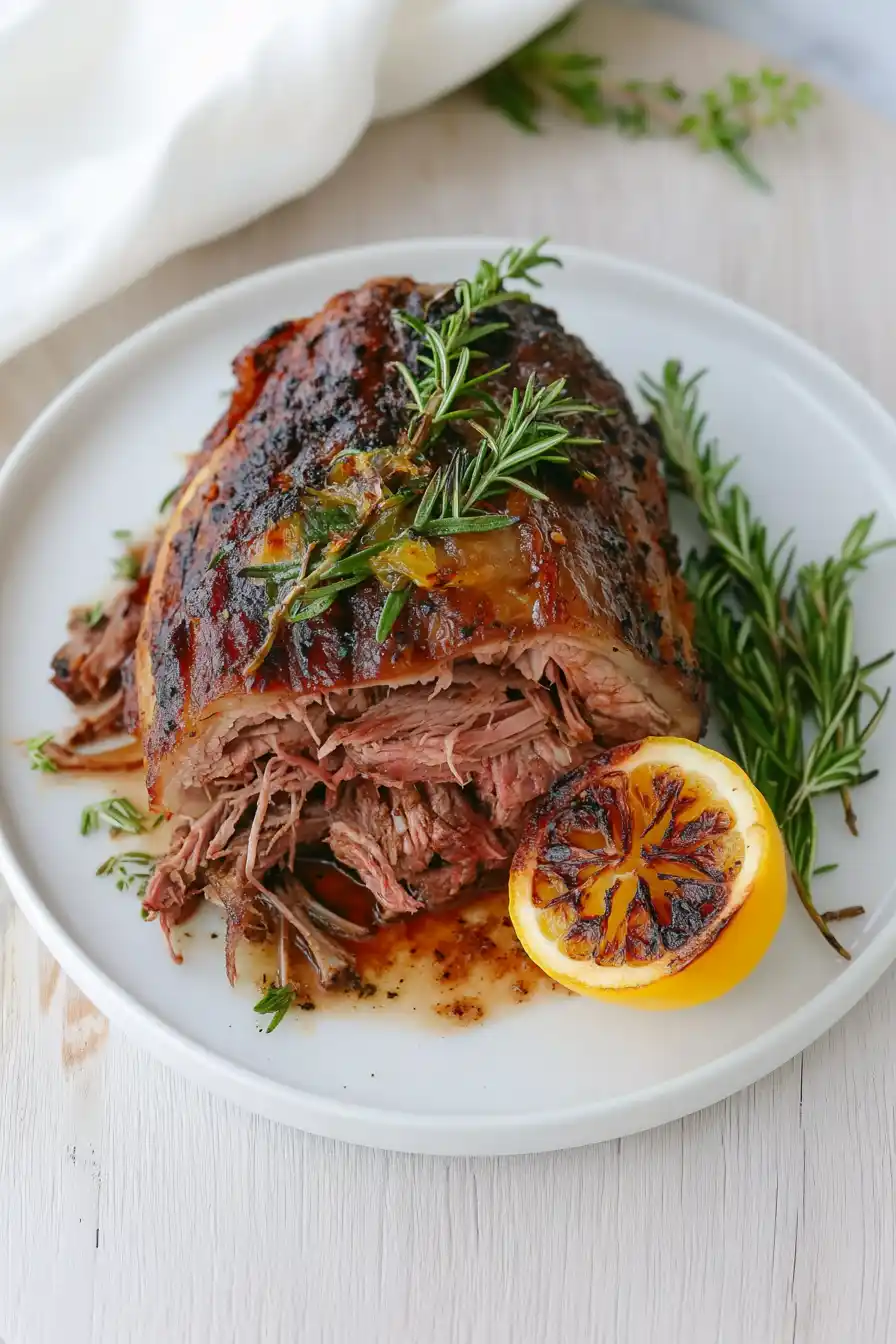
If you ask me, Middle Eastern roast lamb is one of those dishes that makes any dinner feel special.
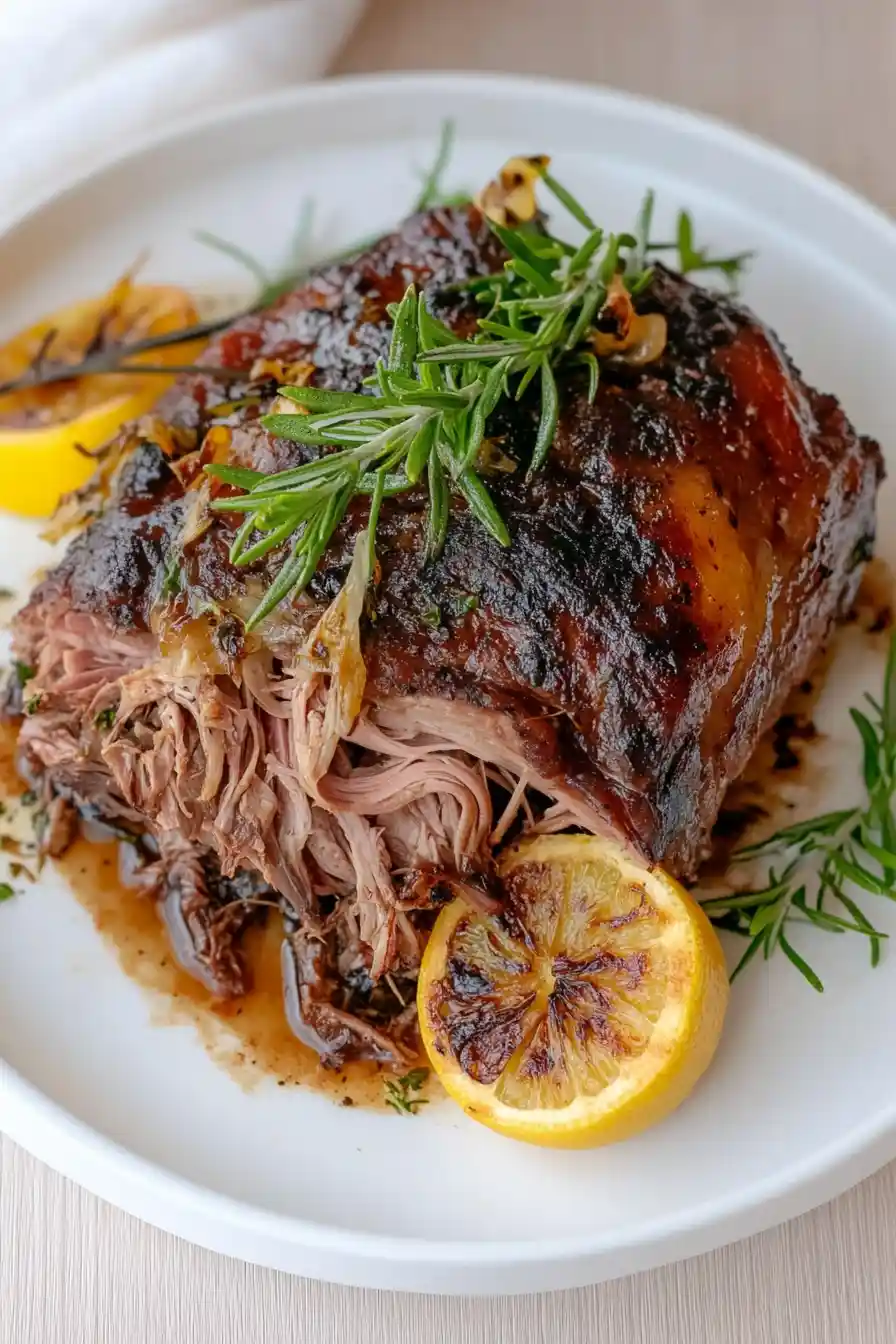
This traditional main course brings together warm spices and tender meat in a way that fills the whole house with wonderful aromas. The lamb comes out juicy on the inside with perfectly browned edges, while garlic and herbs add familiar comfort to each bite.
It’s rubbed with a simple blend of everyday spices you probably already have in your cabinet, then roasted low and slow until it’s just right. Fresh herbs and lemon brighten up the rich meat, while the pan drippings make an effortless sauce.
It’s the kind of straightforward yet impressive meal that’s perfect for Sunday dinners or when you want to treat your guests to something a little different.
Why You’ll Love This Middle Eastern Lamb
- Foolproof preparation – While it takes time to cook, the actual prep work is minimal – just rub with spices, pop it in the oven, and let it do its thing until the meat is fall-apart tender.
- Amazing flavor combination – The warm Middle Eastern spices like cinnamon, nutmeg, and cumin pair perfectly with the rich lamb, while the yogurt sauce adds a cool, tangy balance.
- Make-ahead friendly – You can prepare the spice rub and yogurt sauce ahead of time, making this perfect for entertaining or special occasions when you want to minimize last-minute prep.
- Restaurant-quality meal – This recipe helps you create a show-stopping main dish that looks and tastes like something from an upscale Mediterranean restaurant, right in your own kitchen.
What Kind of Lamb Should I Use?
Lamb shoulder is the star of this Middle Eastern roast, and it’s a fantastic choice for slow cooking. You can opt for bone-in or boneless shoulder – both work well, though bone-in adds extra flavor and helps keep the meat moist during cooking. Look for meat with a pinkish-red color and some marbling (those little streaks of fat) throughout, as this will help keep your roast tender and juicy. If you can’t find shoulder, lamb leg would work as a substitute, but you might need to adjust the cooking time since it’s typically a leaner cut. Just make sure to bring your lamb to room temperature before cooking, and don’t trim off too much fat – it’ll baste the meat as it cooks.
Options for Substitutions
This Middle Eastern lamb recipe is pretty flexible with some ingredients, though others are key to its signature flavor. Here are some helpful swaps:
- Lamb shoulder: While lamb shoulder gives the best results for this dish, you can use leg of lamb or even lamb neck. If you’re not a lamb fan, a pork shoulder (though not traditional) will work with these seasonings too.
- Dutch carrots: Regular carrots cut into batons work just fine – just make sure they’re roughly the same size for even cooking.
- Tahini: If you can’t find tahini, you can blend toasted sesame seeds with a bit of olive oil until smooth. As a last resort, natural almond butter can work, though the flavor will be different.
- Greek yogurt: Regular plain yogurt works too – just strain it in a cheesecloth for 30 minutes to thicken it up. For a dairy-free version, try coconut yogurt.
- Spices: The cinnamon, nutmeg, and paprika are pretty important for that Middle Eastern flavor profile, but you can adjust the amounts to your taste. If you’re out of sweet paprika, regular paprika works too.
- Rosemary: Fresh rosemary is best, but in a pinch, use 2 teaspoons of dried rosemary instead of the fresh sprigs.
Watch Out for These Mistakes While Roasting
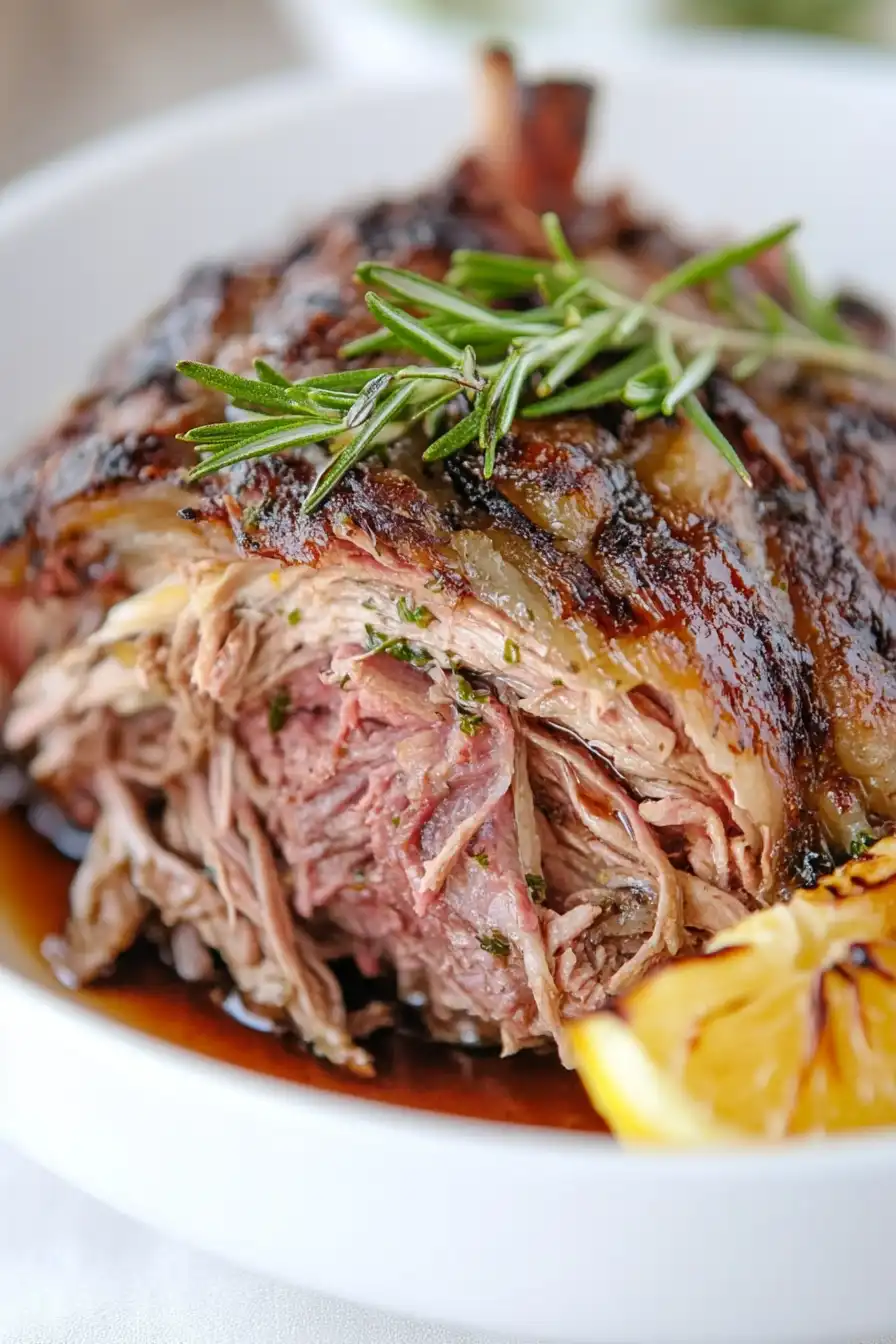
The biggest mistake when roasting lamb shoulder is not letting it come to room temperature before cooking – take it out of the fridge at least 1 hour before roasting to ensure even cooking throughout the meat. Another common error is rushing the cooking process – this cut needs low and slow cooking (around 4-5 hours at 325°F/160°C) to break down the tough muscle fibers and become tender. To get the most flavor from your spices, don’t skip the crucial step of making small incisions in the meat and rubbing the spice mixture deep into these cuts, not just on the surface. For the juiciest results, resist the urge to keep opening the oven door to check on the lamb – every time you do, the temperature drops and disrupts the cooking process. Finally, remember to let the meat rest for at least 20-30 minutes after cooking, covered loosely with foil, which allows the juices to redistribute throughout the meat instead of running out when you cut into it.
What to Serve With Middle Eastern Roast Lamb?
This aromatic roast lamb calls for some classic Middle Eastern sides that will make your meal feel like a proper feast! A big plate of fluffy couscous or rice pilaf works perfectly to soak up all those wonderful meat juices. I love serving it with warm pita bread and a selection of dips like hummus, baba ganoush, or tzatziki for everyone to share. For a fresh element, try a simple Lebanese fattoush salad with crispy pita chips, or a bowl of tabbouleh with lots of fresh parsley and mint – these bright flavors help balance the rich, tender meat. You can also add some grilled vegetables or roasted eggplant on the side to round out the meal.
Storage Instructions
Keep Fresh: Your roasted lamb will stay good in the fridge for up to 4 days when stored in an airtight container. The yogurt sauce can be kept separately in its own container for up to 3 days. Pro tip: store the meat with some of its juices to keep it moist!
Freeze: The cooked lamb freezes really well – just wrap it tightly in foil, then place in a freezer bag or container. It’ll keep for up to 3 months. Just remember not to freeze the yogurt sauce, as it won’t hold up well. You can make that fresh when you’re ready to serve.
Reheat: To warm up your lamb, place it in a baking dish with a splash of water or broth, cover with foil, and heat in a 325°F oven for about 20-25 minutes. You can also microwave individual portions, but the oven method helps keep the meat more tender. Give it a quick rest after reheating before serving.
| Preparation Time | 20-30 minutes |
| Cooking Time | 150-160 minutes |
| Total Time | 170-190 minutes |
| Level of Difficulty | Medium |
Estimated Nutrition
Estimated nutrition for the whole recipe (without optional ingredients):
- Calories: 3600-4000
- Protein: 240-260 g
- Fat: 240-260 g
- Carbohydrates: 150-180 g
Ingredients
For the lamb rub:
- 1/4 cup olive oil
- 3 tsp salt (I use Morton Coarse Kosher Salt)
- 1 tsp ground cinnamon
- 1/2 tsp black pepper
- 1 tsp ground nutmeg
- 1 tsp sweet paprika
For the lamb:
- 6 garlic cloves (peeled and thinly sliced)
- 1.5 kg lamb shoulder (boneless preferred, trimmed of excess fat)
- 8 small rosemary sprigs
For the glazed carrots:
- 2 tsp olive oil
- 3 tbsp tahini (well-stirred before measuring)
- 400 g dutch carrots (small, tender carrots, scrubbed clean)
- 1 pinch black pepper
- 1 tbsp honey
- 1 pinch salt
- 2 tsp cumin
For the greek yogurt sauce:
- 250 g plain Greek yogurt (full-fat for best creaminess)
- 1/2 lemon, juiced (freshly squeezed for brighter flavor)
Step 1: Prepare the Lamb Rub
Preheat the oven to 200°C (392°F).
In a bowl, mix together olive oil, ground cinnamon, nutmeg, sweet paprika, black pepper, and salt to form a flavorful spice rub.
Use this mixture to thoroughly coat the surface of the lamb shoulder.
The rub enhances the flavor and creates a delicious crust during cooking.
Step 2: Infuse Lamb with Garlic and Rosemary
Using a small knife, pierce the lamb shoulder in several places.
Insert whole garlic cloves and rosemary sprigs into these incisions.
This will infuse the lamb with aromatic flavors as it cooks.
Step 3: Brown and Prepare for Slow Cooking
Place the prepared lamb shoulder into the preheated oven and bake for about 30 minutes, or until it develops a nice brown color.
This browning step helps to lock in juices and enrich the flavor.
After browning, carefully wrap the lamb shoulder in baking paper, followed by foil.
Reduce the oven temperature to 160°C (320°F) and cook the lamb for an additional 2 hours until it becomes very tender.
Step 4: Prepare and Roast the Carrots
While the lamb is slow-cooking, wash and trim the Dutch carrots thoroughly.
In a separate bowl, mix together tahini, cumin, honey, olive oil, salt, and pepper.
Coat the carrots evenly with this mixture.
For the last 20 minutes of the lamb’s cooking time, place the carrots in the oven at 160°C (320°F).
Roast them until they are tender and flavorful.
Step 5: Rest and Serve
Once the lamb is done cooking, remove it from the oven and allow it to rest for around 10 minutes.
This resting period helps the juices redistribute, resulting in a more succulent dish.
Carve the lamb into slices and serve alongside the roasted carrots for a delicious meal.