If you ask me, lemon quark cake is one of those desserts that sounds fancy but is actually pretty simple to make.
This light and creamy cake brings together the tangy brightness of fresh lemon with smooth quark cheese for a dessert that’s not too heavy. The quark gives it this nice, fluffy texture that’s different from your typical cheesecake.
It comes together with basic ingredients you probably already have, and the lemon flavor really shines through without being too sour. A simple dusting of powdered sugar or fresh berries on top makes it look bakery-worthy.
It’s the kind of cake that works great for weekend family dinners or when you want something sweet but not overly rich.
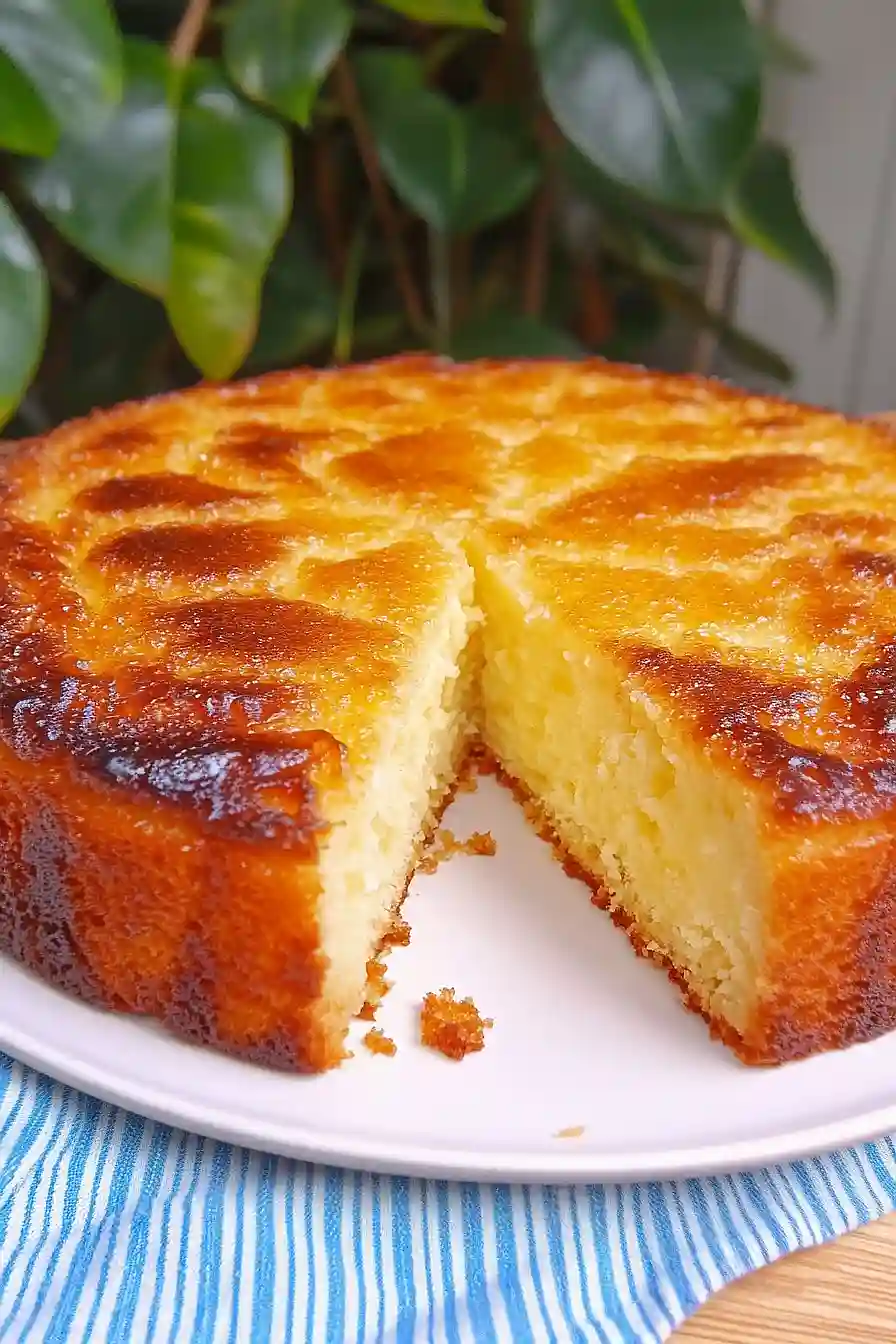
Why You’ll Love This Lemon Quark Cake
- Low-carb and keto-friendly – Made with almond flour and stevia instead of regular flour and sugar, this cake fits perfectly into your low-carb lifestyle without sacrificing taste.
- High-protein treat – The quark cheese and eggs pack this cake with protein, making it a more nutritious dessert option that will keep you satisfied longer.
- Fresh, bright flavor – The combination of lemon zest and juice gives this cake a lovely citrus taste that’s refreshing and not too sweet.
- Simple ingredients – You probably have most of these pantry staples on hand already, and quark is becoming easier to find in regular grocery stores.
- Quick and easy – This cake comes together in just over an hour, making it perfect for when you want a homemade dessert without spending all day in the kitchen.
What Kind of Quark Should I Use?
Any standard quark from your local grocery store will work perfectly for this cake, though you might find it in the specialty cheese section rather than with regular yogurts. If you can’t find quark, you can substitute it with an equal amount of Greek yogurt or even cream cheese, though the texture will be slightly different. Make sure your quark is at room temperature before mixing – this helps it blend smoothly with the other ingredients and prevents lumps in your batter. Some brands of quark are thicker than others, so if yours seems particularly thick, you can stir it a bit before measuring to make it easier to work with.
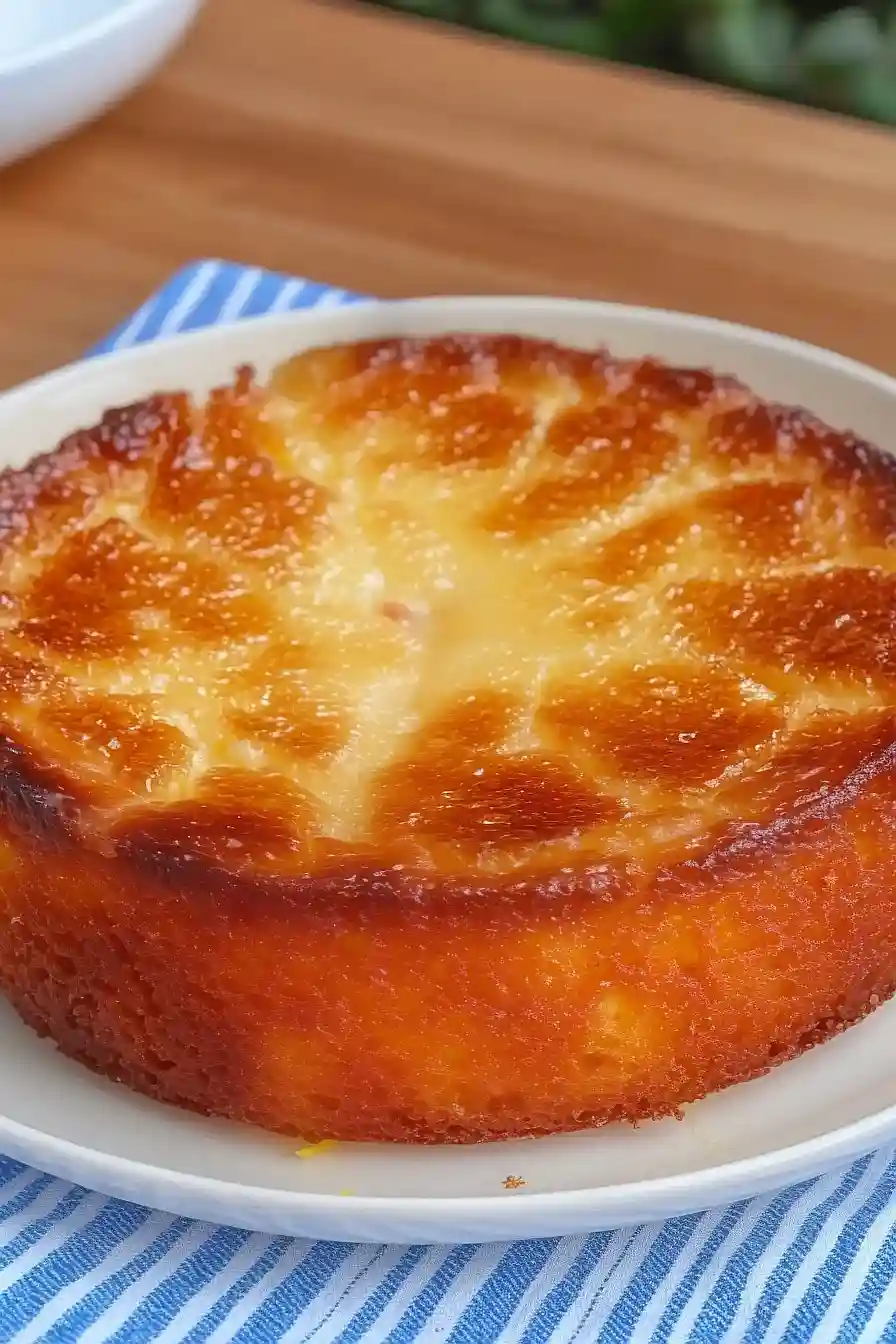
Options for Substitutions
This cake is pretty forgiving when it comes to swaps, so here are some options if you need them:
- Quark cheese: This is the star of the cake, but if you can’t find quark, try Greek yogurt (strain it for 30 minutes first) or ricotta cheese. Cream cheese works too, but reduce it to about 120g since it’s richer.
- Almond flour: You can substitute with regular all-purpose flour using the same amount, though the texture will be a bit different. For a nuttier flavor, try hazelnut flour instead.
- Stevia: If you don’t have stevia, use 100g of regular sugar or 80g of coconut sugar. The cake will be a bit sweeter and have more calories, but it’ll taste great.
- Corn flour: Regular all-purpose flour works just fine here, or you can use potato starch for the same light texture.
- Bicarbonate of soda: If you’re out, just use 2 tsp of baking powder total instead of the combination. The rise will be slightly different but still good.
- Lemon: Orange or lime work beautifully as alternatives. Use the same amounts of zest and juice for a different citrus twist.
Watch Out for These Mistakes While Baking
The biggest mistake when making lemon quark cake is overmixing the batter once you add the dry ingredients, which can lead to a dense, tough texture instead of the light, fluffy cake you’re after – mix just until the ingredients are combined. Another common error is not bringing your eggs and quark to room temperature before mixing, as cold ingredients don’t blend well and can create a lumpy batter that won’t bake evenly. Since this cake relies on almond flour rather than regular flour, be extra careful not to overbake it – check for doneness about 5-10 minutes earlier than you normally would, as almond flour can go from perfectly moist to dry very quickly. Finally, make sure to zest your lemon before juicing it, and avoid getting any white pith in your zest since it adds unwanted bitterness to your cake.
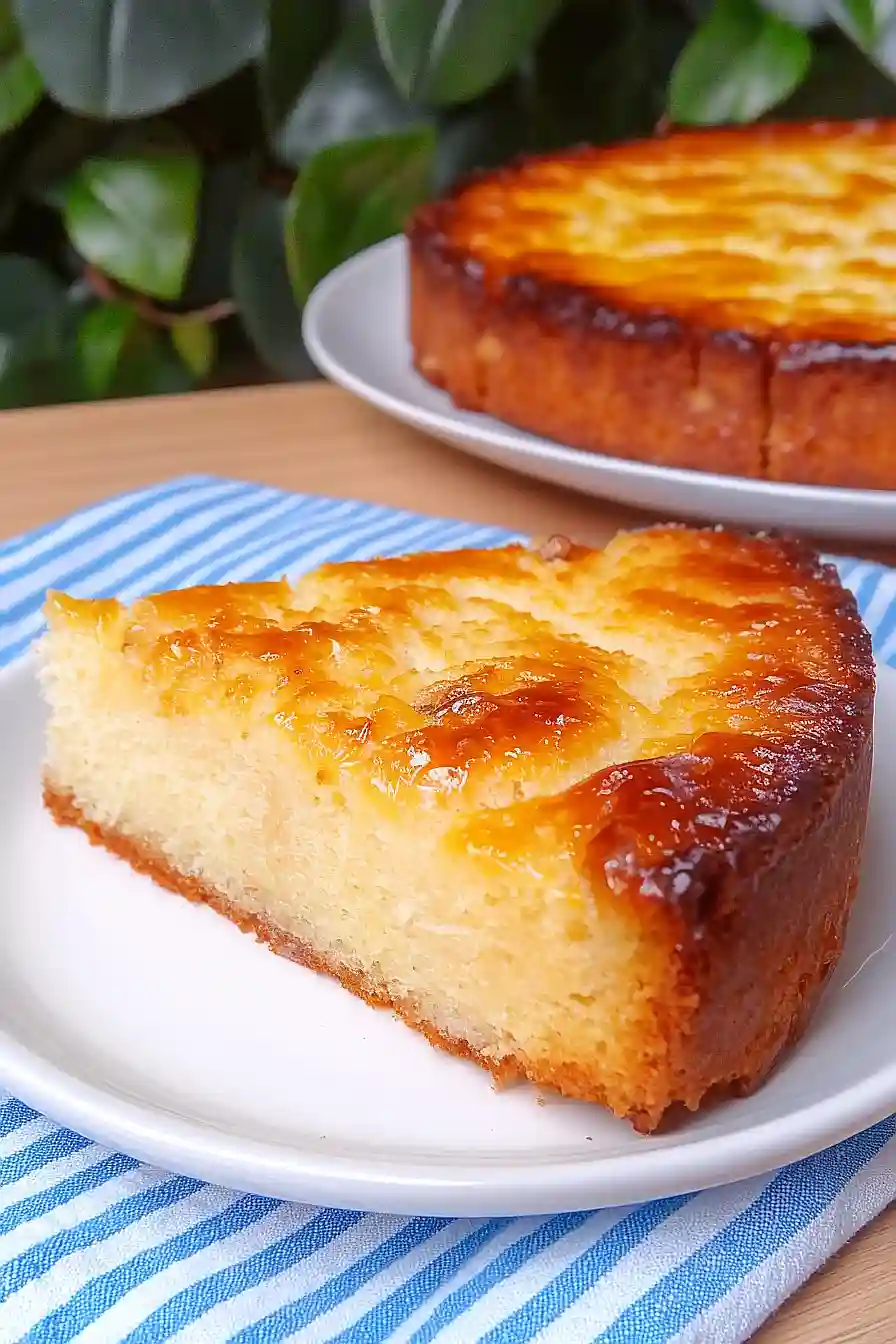
What to Serve With Lemon Quark Cake?
This light and tangy cake is perfect on its own with a cup of tea or coffee, but it really shines when you add a dollop of whipped cream or a scoop of vanilla ice cream. The bright lemon flavor pairs beautifully with fresh berries like strawberries, blueberries, or raspberries – just scatter them on top or serve them on the side. For a simple finishing touch, try dusting the cake with a bit of powdered sugar or drizzling it with a basic lemon glaze made from powdered sugar and lemon juice. Since it’s not overly sweet, this cake also works great as a light dessert after a heavier meal or even as an afternoon treat with your favorite hot beverage.
Storage Instructions
Keep Fresh: This lemon quark cake actually gets better after a day or two! Store it covered in the fridge for up to 5 days – the flavors really develop and the texture becomes even more moist. I like to wrap it in plastic wrap or keep it in an airtight container to prevent it from drying out.
Freeze: You can freeze slices of this cake wrapped individually in plastic wrap for up to 3 months. It’s great to have a few pieces stashed away for when you need a quick dessert. The quark keeps the cake from getting too icy in the freezer.
Serve: Let frozen slices thaw at room temperature for about 30 minutes before serving. The cake tastes wonderful both chilled from the fridge or at room temperature – I actually prefer it slightly cool because the lemon flavor really pops when it’s chilled.
| Preparation Time | 15-25 minutes |
| Cooking Time | 50-60 minutes |
| Total Time | 65-85 minutes |
| Level of Difficulty | Medium |
Estimated Nutrition
Estimated nutrition for the whole recipe (without optional ingredients):
- Calories: 850-950
- Protein: 40-48 g
- Fat: 60-68 g
- Carbohydrates: 30-38 g
Ingredients
For the dry mixture:
- 1 tbsp corn flour (helps achieve a tender crumb)
- 1 tsp baking powder
- 1/2 tsp baking soda
- 3.5 oz almond flour
For the wet mixture:
- 1.75 oz unsalted butter (softened at room temperature)
- 3 large eggs (at room temperature for better emulsification)
- 2.6 oz stevia
- 5.3 oz quark cheese (gives better texture and moisture)
- Grated zest from 1 lemon (freshly grated for best flavor)
- Juice from 1/2 lemon
- 1 tsp vanilla extract
Step 1: Preheat the Oven and Prepare the Cake Tin
Preheat your oven to 150°C.
Grease the base and sides of a cake tin with a bit of butter or oil, then line the base with baking paper to help prevent sticking.
This preparation will ensure your cake comes out easily after baking.
Step 2: Mix the Dry Ingredients
- 3.5 oz almond flour
- 1 tbsp corn flour
- 1 tsp baking powder
- 1/2 tsp baking soda
In a medium bowl, combine the almond flour, baking powder, baking soda, and corn flour.
Stir the dry ingredients together until thoroughly mixed, then set the bowl aside for later use.
Step 3: Cream Wet Ingredients
- 1.75 oz unsalted butter, softened
- 5.3 oz quark cheese
- 2.6 oz Stevia
In a large mixing bowl, add the softened unsalted butter, quark cheese, and Stevia.
Using a hand mixer or whisk, cream these together until smooth and well blended.
This will help create a light texture in your finished cake.
Personally, I find that letting the butter soften for at least 30 minutes makes it easier to mix.
Step 4: Incorporate Eggs and Flavors
- 3 large eggs
- 1 tsp vanilla extract or paste
- grated zest from 1 lemon
- juice from 1/2 a lemon
Add the eggs to the creamed wet mixture one at a time, mixing well after each addition until fully combined.
Then add the vanilla extract or paste, lemon zest, and juice from half a lemon.
Mix until smooth and aromatic.
This infuses your cake with lovely citrus and vanilla notes.
Step 5: Combine Wet and Dry Mixtures
- dry mixture from Step 2
- wet mixture from Step 4
Gently fold the dry mixture (from Step 2) into the wet mixture (from Step 4) until just combined.
Avoid overmixing to keep the cake tender.
The batter should be smooth with no visible streaks of flour.
Step 6: Bake the Cake
- cake batter from Step 5
Pour the batter into the prepared cake tin from Step 1 and level the top with a spatula.
Place the cake in the middle rack of your preheated oven and bake for 50–60 minutes, or until a skewer comes out clean.
If the top browns too quickly, cover it loosely with foil.
I like to check the cake at the 50-minute mark to avoid overbaking.
Step 7: Cool and Serve
Once baked, turn off the oven and open the oven door slightly.
Let the cake cool in the oven for 5 minutes.
Remove the cake tin and let the cake sit in the tin for another 15 minutes before carefully transferring the cake to a wire rack to cool completely or to serve warm.
Enjoy warm for a comforting dessert or cool for easier slicing.