I had never tried catfish pepper soup until my neighbor brought some over during a cold snap last winter. Growing up, our family’s idea of fish soup was always the cream-based kind from a can. But this soup? It opened up a whole new world of flavors for me.
What I love about catfish pepper soup is how simple it is to make, even though the taste suggests otherwise. You don’t need fancy ingredients or complicated techniques – just a few basic spices and fresh catfish. And unlike the canned soups I grew up with, this one actually makes you feel good while you eat it.
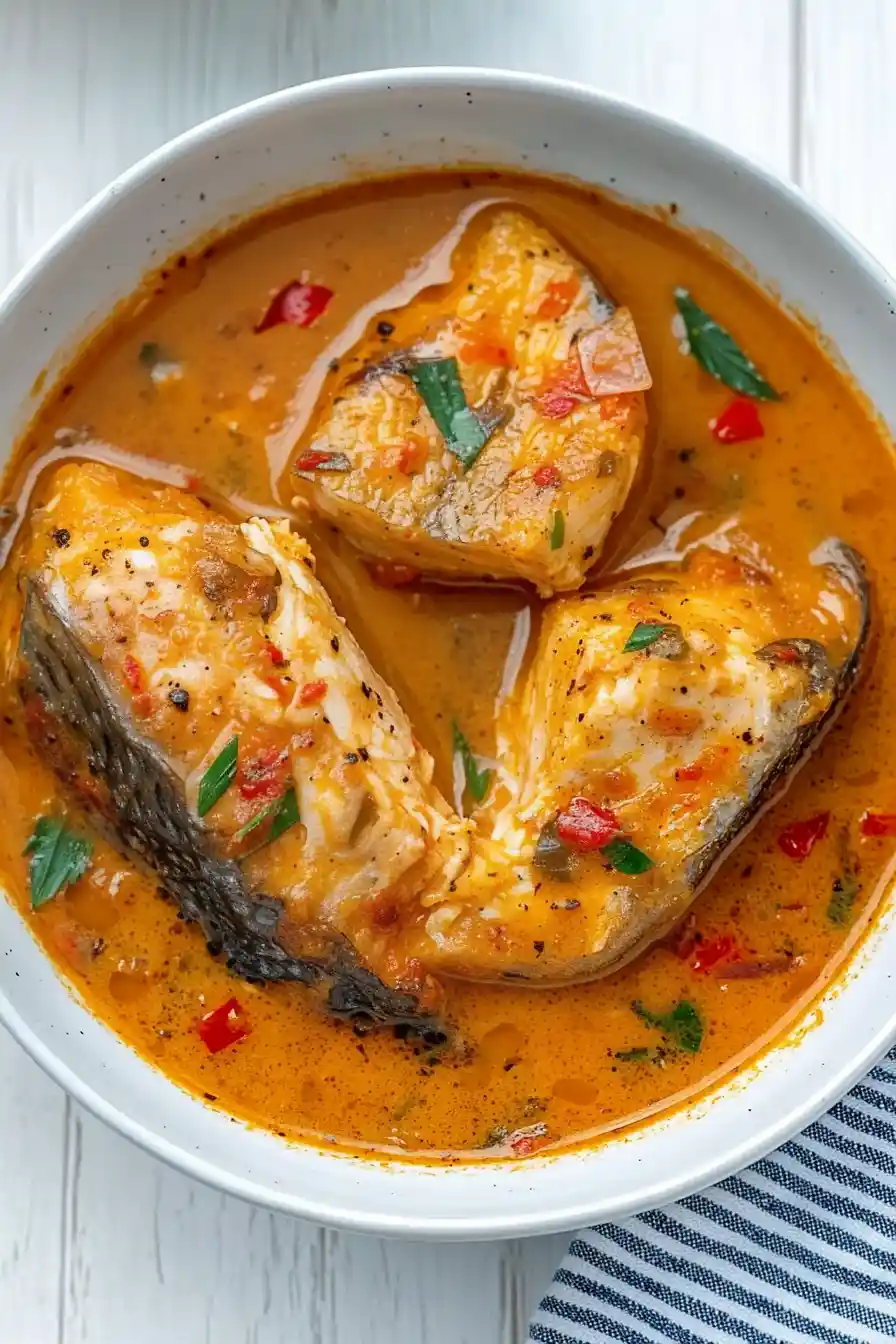
Why You’ll Love This Catfish Pepper Soup
- Quick preparation – Ready in under an hour, this soup delivers deep, complex flavors without keeping you in the kitchen all day.
- Healing properties – Packed with ginger, garlic, and aromatic spices, this soup is perfect for cold days or when you’re feeling under the weather.
- Authentic African flavors – Using traditional ingredients like njangsa seeds and aidan fruit, you’ll get to experience genuine West African taste right in your kitchen.
- Customizable heat level – You can easily adjust the spiciness by changing the amount of peppers, making it suitable for both mild and spicy food lovers.
- Protein-rich meal – The catfish provides lean protein while the aromatic broth makes for a satisfying, filling dinner that’s still light on calories.
What Kind of Catfish Should I Use?
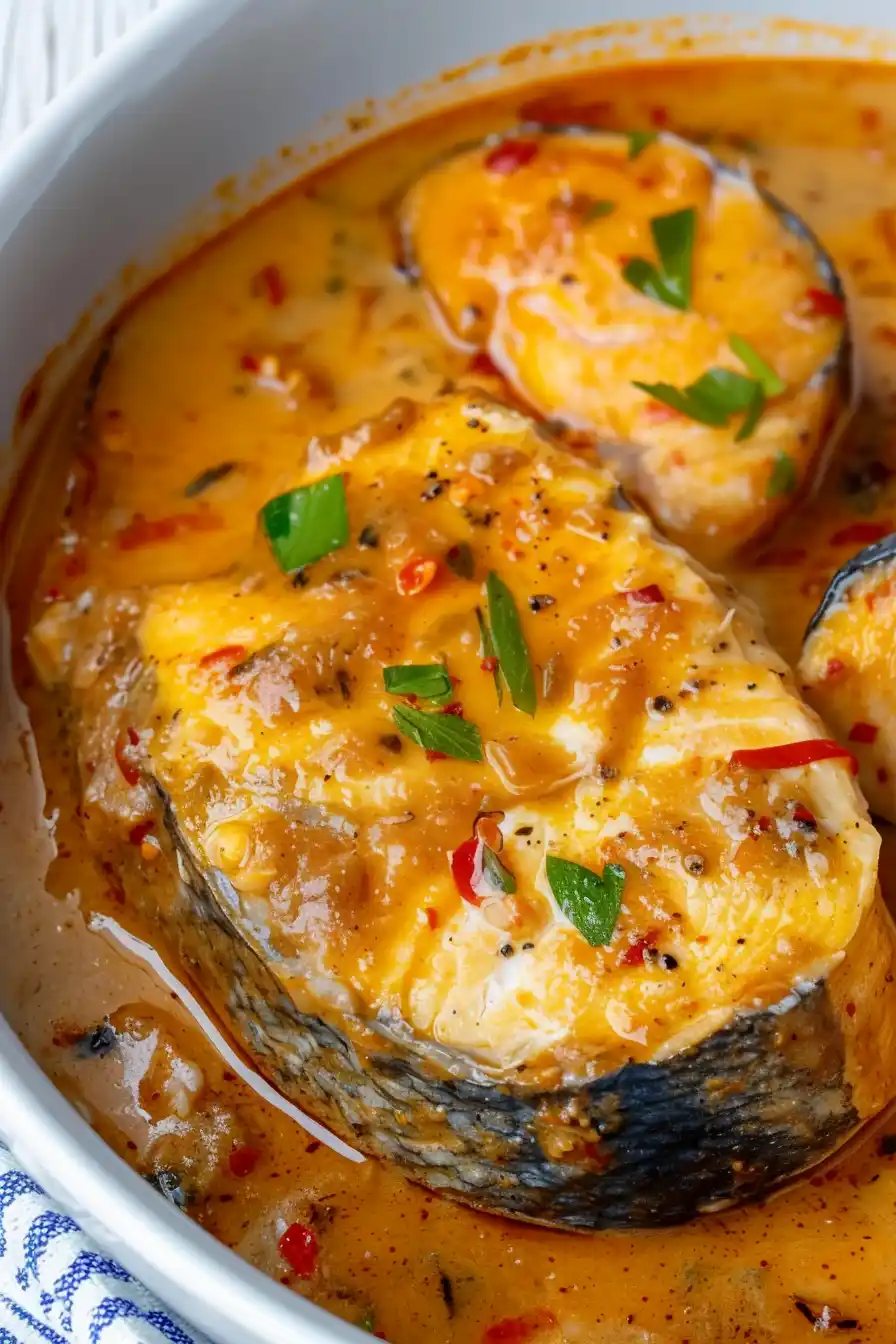
For catfish pepper soup, you’ll want to use fresh channel catfish or African catfish if you can find it at your local fish market or African grocery store. Farm-raised catfish works perfectly fine and is usually easier to find in most supermarkets than wild-caught varieties. When selecting your catfish, look for firm, clean-smelling fillets with a pinkish-white color – if there’s any strong fishy smell or slimy texture, that’s a sign to pass. For this soup, it’s best to get your fish cut into steaks rather than fillets, as the bones add extra flavor to the broth and help the fish hold together better during cooking.
Options for Substitutions
This traditional soup can be adapted with some careful substitutions, though some ingredients are key to its authentic taste:
- Catfish: While catfish gives the best results, you can use other firm white fish like tilapia, cod, or snapper. Just be careful during cooking as these might cook faster than catfish.
- Njangsa seeds and Aidan fruit: These are essential for authentic flavor, but if you can’t find them, mix equal parts black pepper and nutmeg for a similar (though not identical) warm spice note. The soup won’t taste exactly the same, but it’ll still be good.
- Pepper soup seasoning: If you can’t find this special blend, mix together ground ginger, garlic powder, black pepper, and a pinch of cloves. It won’t be exactly the same, but it’ll give you a nice spice base.
- Maggi cubes: You can replace these with other bouillon cubes or use fish sauce plus a chicken bouillon cube for each Maggi cube.
- Hot peppers: Feel free to adjust the type and amount of peppers based on your heat preference. Serrano peppers work well in place of jalapenos, and Thai bird’s eye chilies can substitute for habaneros.
- Thai basil: Regular Italian basil works fine here, though if you can find holy basil (tulsi), that’s even better for this soup.
Watch Out for These Mistakes While Cooking
The biggest challenge when making catfish pepper soup is overcooking the fish, which can cause it to fall apart and become mushy – instead, add the fish only after your broth has developed its flavors and simmer just until it’s cooked through, about 10-12 minutes.
Getting the spice balance right is crucial, so start with less pepper and gradually add more to taste, as you can always increase the heat but can’t take it away once it’s too spicy.
To get the most flavor from your spices, don’t skip toasting the whole spices (njangsa seeds and white pepper) in a dry pan before grinding them, and make sure to properly clean your catfish with lemon to remove any muddy taste.
For the best results, let the soup rest for 5 minutes after cooking to allow the flavors to settle and the fish to firm up slightly, making it easier to serve without breaking.
What to Serve With Catfish Pepper Soup?
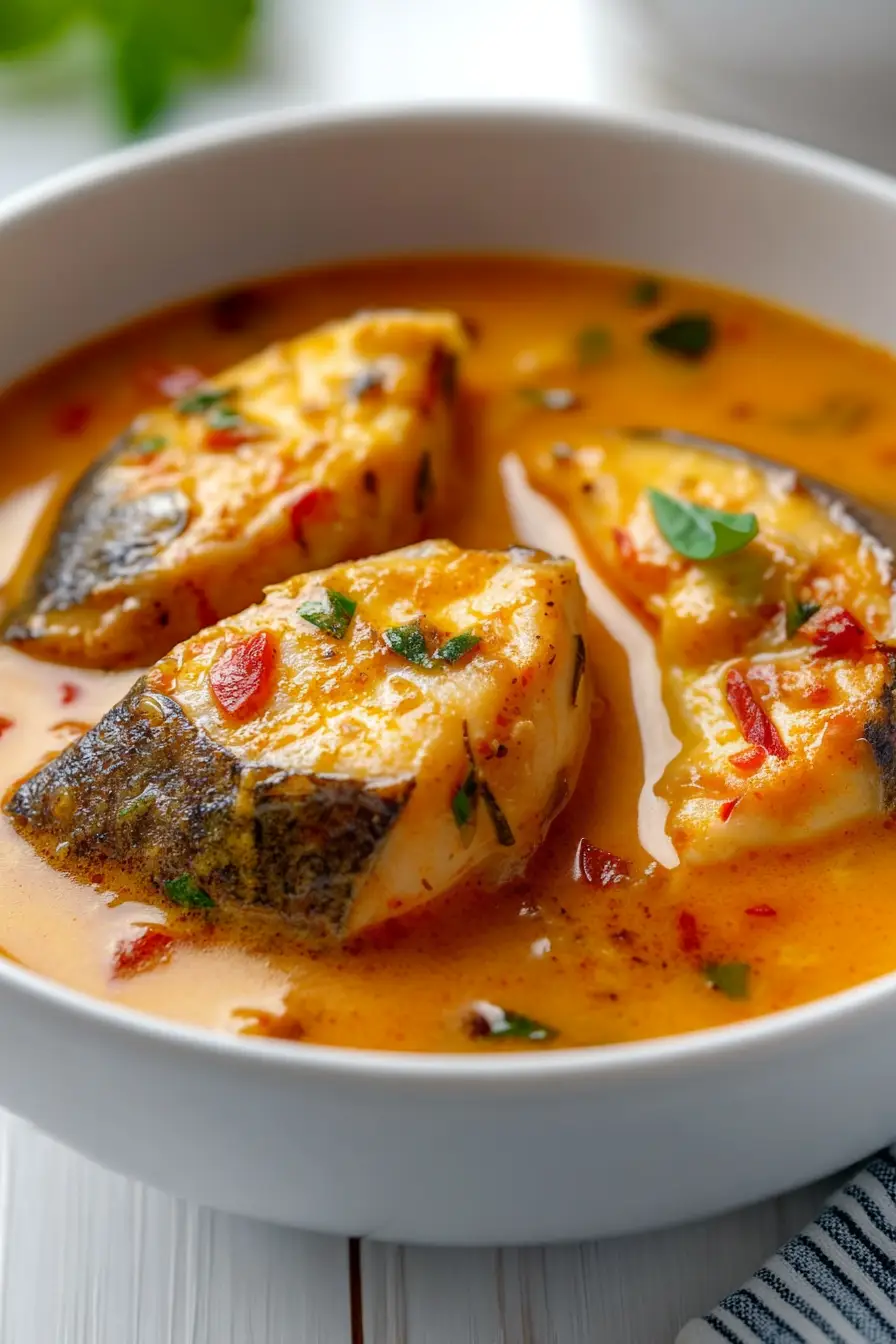
This spicy, aromatic Nigerian soup pairs perfectly with starchy sides that help balance out its bold flavors. The most traditional way to enjoy it is with chunks of boiled white yam, which does a great job soaking up all that flavorful broth. If you can’t find African white yams, don’t worry – plantains, regular potatoes, or a bowl of steamed rice work just as well. I like to serve some extra fresh basil on the side so people can add more as they eat, and having some crusty bread nearby never hurts for getting every last drop of that tasty broth. For a complete meal, you might want to add some simple sautéed greens on the side to balance out all those warm spices.
Storage Instructions
Keep Fresh: This catfish pepper soup stays good in the fridge for up to 3 days when stored in an airtight container. The flavors actually get even better the next day as all those wonderful spices continue to mingle together!
Portion: If you’re planning to save some for later, it’s best to separate the fish from the broth before storing. This helps prevent the fish from becoming too soft. Just store them in separate containers in the fridge, then combine when reheating.
Warm Up: To enjoy your leftover soup, simply heat it gently on the stovetop over medium-low heat until it’s hot throughout. Add the fish pieces during the last few minutes of heating to avoid overcooking them. If the soup seems too concentrated after storing, you can add a splash of water while reheating.
| Preparation Time | 20-30 minutes |
| Cooking Time | 15-20 minutes |
| Total Time | 35-50 minutes |
| Level of Difficulty | Medium |
Estimated Nutrition
Estimated nutrition for the whole recipe (without optional ingredients):
- Calories: 1000-1200
- Protein: 150-180 g
- Fat: 30-40 g
- Carbohydrates: 50-60 g
Ingredients
For the catfish preparation:
- 1 lemon (juiced for cleaning fish)
- 1 tbsp salt
- 4 lb catfish (cleaned and cut into steaks)
For the spice paste:
- 2 tsp whole white pepper (freshly ground for best flavor)
- 1/2 cup water
- 3 inches fresh ginger (peeled)
- 2 tbsp njangsa seeds
- 10 garlic cloves
For the vegetable blend:
- 1 roma tomato
- 1 medium onion (quartered)
- 3 red jalapenos
- 1 habanero pepper (or scotch bonnet for more heat)
For the soup base and seasoning:
- 3 small maggi cubes (adds umami depth)
- 2 tbsp pepper soup seasoning
- 1 tsp salt
- 1/4 aidan fruit (adds unique aromatic depth)
For garnish:
- 3 sprigs thai basil (roughly chopped)
Step 1: Clean the Fish
Begin by cleaning the catfish steaks.
Add them to a large bowl and sprinkle a tablespoon of salt over them.
Cut a lemon in half and squeeze the juice all over the fish.
Use the lemon halves like a sponge and the salt as an abrasive to scrub the flesh of the catfish steaks, removing any slime.
Rinse the fish three times with cool water to ensure it’s clean, then place the fish into a large pot.
Step 2: Prepare the Spice Paste
In a blender, combine garlic, ginger, njangsa seeds, white pepper, and about half a cup of water.
Blend these ingredients into a smooth paste, then add the paste to the pot with the fish.
Step 3: Prepare the Vegetable Blend
Using the same blender, add onions, peppers, and tomatoes along with some water.
Blend to create a coarse mixture, retaining some texture, and pour it into the pot with the fish and spice paste.
Step 4: Assemble the Soup
Add salt, Maggi seasoning cubes (or bouillon powder), and pepper soup spices to the pot.
Rinse the blender with 4 to 6 cups of water to capture any remaining flavors and add the water to the pot.
Also, add the aidan fruit whole into the pot.
Step 5: Cook the Fish
Turn the heat on high and bring the pot to a simmer.
Once it reaches a simmer, reduce the heat to medium-high and let it cook for about 15 to 20 minutes or until the fish is fully cooked.
To avoid breaking the fish, do not stir the pot.
Instead, gently shake the pot from side to side and occasionally spoon some of the sauce over the fish.
Step 6: Finish and Serve
Thinly slice the leaves of the Thai basil and add them to the pot.
Taste the broth and adjust the seasoning if necessary.
Serve the dish hot, accompanied by boiled African white yams, plantains, potatoes, or rice for a delightful meal.