Here’s my go-to recipe for using those often-forgotten leek leaves, with a simple cooking method that brings out their natural sweetness and creates a side dish that’s both tasty and practical.
I started making this when I noticed how many leek leaves I was throwing away during meal prep. Now my kids actually ask for these “green fries” (their nickname for the crispy bits) whenever they see leeks in our grocery bags. Who knew veggie scraps could turn into something so good?
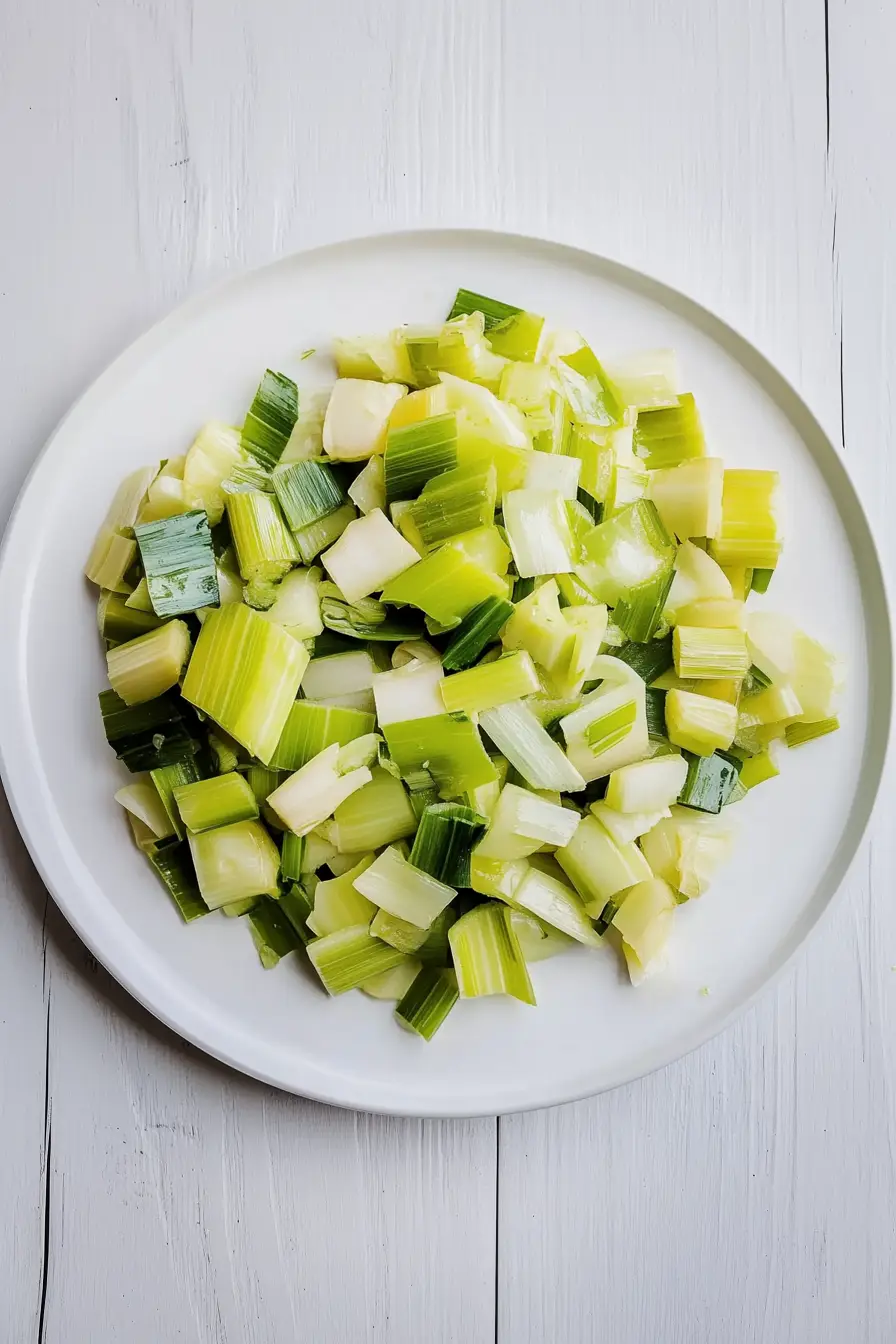
Why You’ll Love This Sautéed Leek Leaves
- Zero food waste – Instead of tossing those green leek tops in the trash, this recipe helps you use every part of the vegetable, making your grocery budget go further.
- Three-ingredient simplicity – With just leeks, butter, and salt, this recipe proves that good cooking doesn’t need a long ingredient list.
- Budget-friendly side dish – Turn what’s usually considered ‘scraps’ into a tasty side dish that costs practically nothing to make.
- Quick preparation – This recipe comes together in under an hour, making it perfect for busy weeknight dinners when you want something simple but good.
What Kind of Leeks Should I Use?
When shopping for leeks, look for ones with long, straight white stalks and crisp, dark green leaves that aren’t wilted or yellowed. The smaller to medium-sized leeks (about 1.5 inches in diameter) are usually more tender and have a milder flavor compared to the larger ones, which can be a bit tough. Most grocery stores carry the common variety called American Flag leeks, but you might also find the slightly sweeter European varieties at farmers’ markets or specialty stores. Before cooking, make sure to clean your leeks thoroughly since dirt often gets trapped between the layers – just slice them lengthwise and rinse under running water.
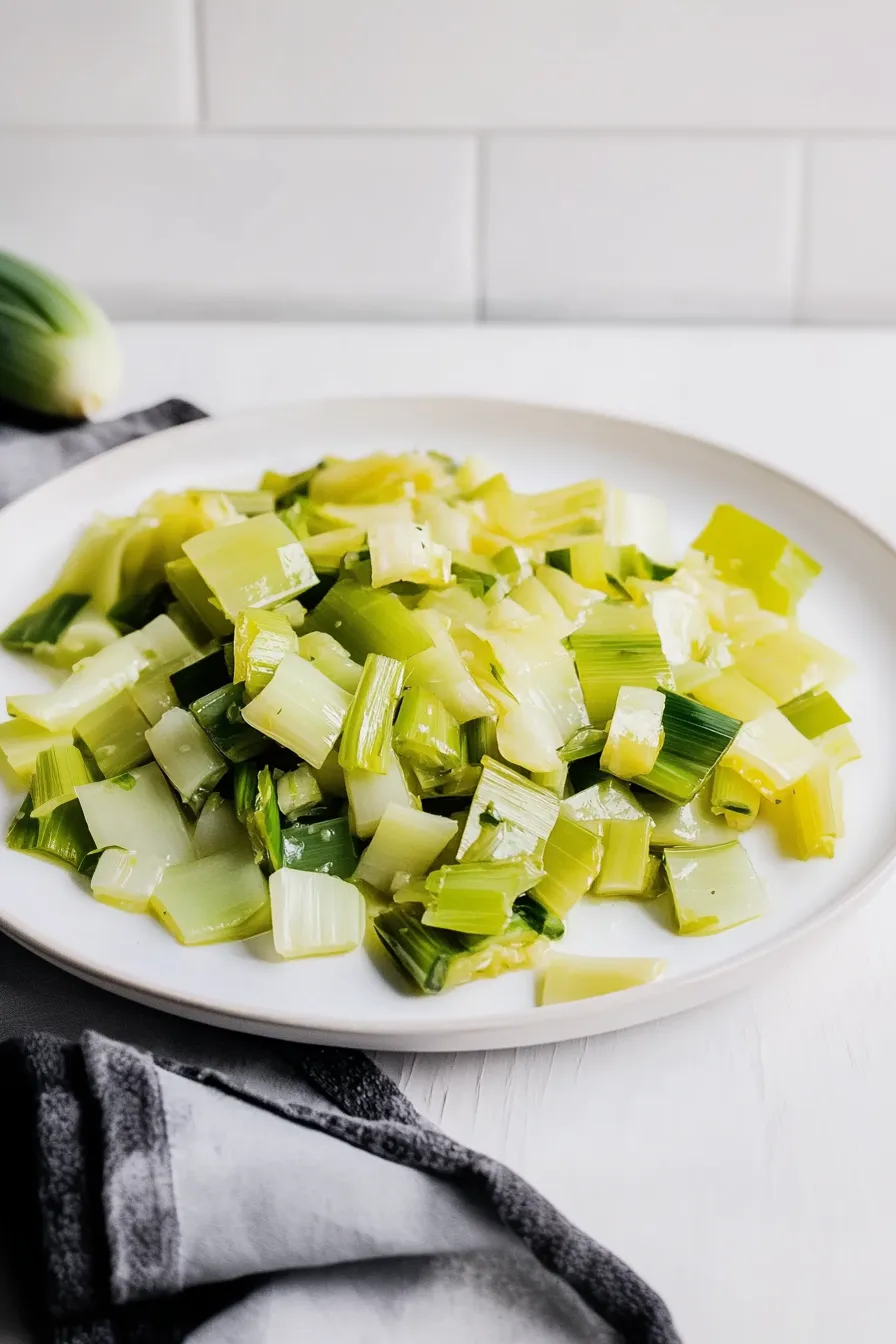
Options for Substitutions
Let’s talk about what you can swap in this simple recipe if needed:
- Leeks: While leeks have a unique mild and sweet flavor, you can use green onions (scallions) as a substitute. You’ll need about 6-8 green onions to replace 2 leek stalks. Just keep in mind that green onions cook faster, so reduce cooking time by about half.
- Butter: You can swap butter with olive oil or coconut oil for a dairy-free version. Use the same amount as called for in the recipe. If using coconut oil, choose refined coconut oil if you don’t want any coconut flavor.
- Sea salt: Regular table salt works just fine here – just use a bit less (about 1/4 teaspoon) since table salt is typically more concentrated than sea salt. Kosher salt is another good option, but you might need to use a little more, about 3/4 teaspoon.
Watch Out for These Mistakes While Cooking
The biggest challenge when cooking leeks is not cleaning them properly – sand and dirt can hide between the layers, so it’s essential to slice the leeks lengthwise and rinse thoroughly under running water, making sure to fan out the layers.
Using high heat can quickly burn the delicate leek leaves instead of caramelizing them, so keep your heat at medium-low and be patient while they slowly soften and develop their sweet flavor.
Many cooks discard the darker green parts of leeks, but these leaves are perfectly edible and flavorful – just make sure to cook them a few minutes longer than the white parts since they’re slightly tougher.
For the best texture and taste, avoid overcrowding the pan – if the leeks are too crowded, they’ll steam instead of sautéing, so give them enough space to cook evenly in the butter.
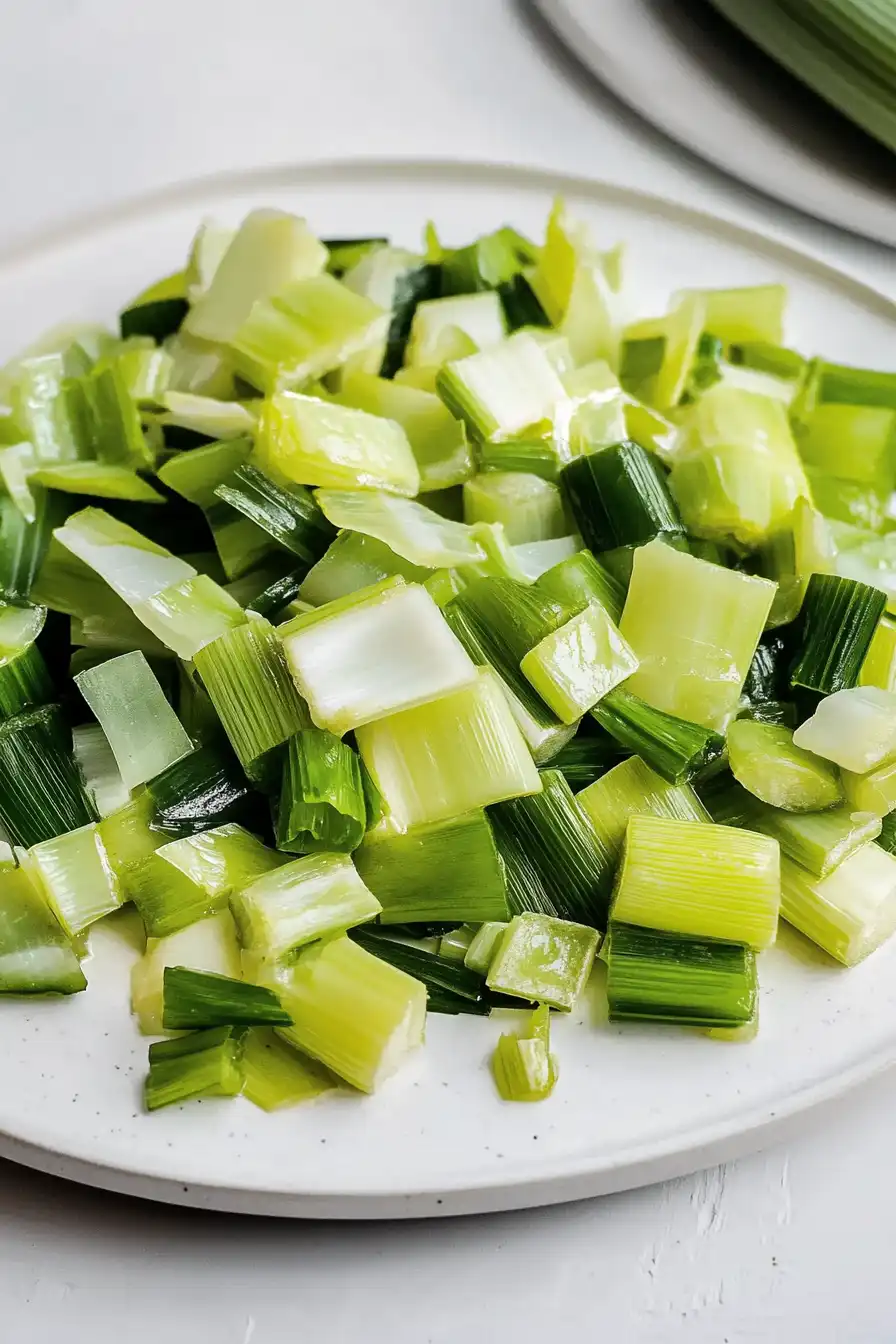
What to Serve With Sautéed Leek Leaves?
These buttery leek leaves make a really nice side dish that pairs well with just about any protein – I especially like them alongside a simple roasted chicken or pan-seared fish. If you’re keeping things vegetarian, they’re great served over rice or quinoa with a poached egg on top. Since leeks have such a mild, sweet flavor once they’re cooked, they also work beautifully as a bed for grilled steak or pork chops, letting the meat juices mix with the buttery leeks. You could even chop up any leftover cooked leeks and add them to an omelet or frittata the next day.
Storage Instructions
Keep Fresh: After cooking your leek leaves, let them cool completely and place them in an airtight container. They’ll stay good in the fridge for about 3-4 days. The butter coating actually helps preserve their texture pretty well!
Save for Later: If you have raw leek leaves left over, wrap them loosely in slightly damp paper towels and store them in a plastic bag in your crisper drawer. They’ll stay fresh for about a week, ready whenever you need them for cooking.
Use Again: When you’re ready to enjoy your stored cooked leek leaves, you can eat them cold in salads, or give them a quick warm-up in a pan with a tiny bit of butter. They’re also great tossed into soups or stir-fries straight from the fridge!
| Preparation Time | 10-15 minutes |
| Cooking Time | 30-40 minutes |
| Total Time | 40-55 minutes |
| Level of Difficulty | Easy |
Estimated Nutrition
Estimated nutrition for the whole recipe (without optional ingredients):
- Calories: 250-300
- Protein: 3-5 g
- Fat: 20-25 g
- Carbohydrates: 15-20 g
Ingredients
- 2 tbsp butter (I like Kerrygold unsalted butter for this)
- 1/2 tsp sea salt
- 2 leek stalks
Step 1: Prepare the Leeks
Start by gathering your ingredients.
Trim off and discard the root ends of 2 large leeks.
Also, trim off and discard any dried-out or browned ends of the leek greens.
Cut the leeks in half lengthwise, then slice them crosswise into bite-sized pieces.
You can utilize both the white and dark green parts of the leeks.
Just ensure to remove any browned or dried ends as you chop.
Step 2: Clean the Leeks
Place the chopped leeks in a large bowl and cover them with cool water.
Swish the leeks around in the water to loosen any dirt or grit.
Allow them to sit for a few minutes, which will enable the dirt and grit to settle at the bottom of the bowl.
This step is crucial for thoroughly cleaning the leeks.
Step 3: Sauté the Leeks
In a large frying pan or sauté pan over medium-high heat, melt 1 tablespoon of unsalted butter.
Carefully lift the leeks out of the water with a slotted spoon, shaking off any excess water, and add them to the pan.
Avoid draining the leeks into a colander, as this could redeposit the dirt back onto them.
Sprinkle 1/2 teaspoon of salt over the leeks and stir to combine and evenly distribute the seasoning.
Step 4: Cook Until Tender
Cover the pan and reduce the heat to medium-low.
Cook the leeks, stirring every 5 minutes or so, until they become very tender.
This process will take approximately 30 to 40 minutes.
The gentle heat and stirring ensure even cooking without browning.
Step 5: Finish and Serve
Once the leeks are tender, remove the pan from the heat.
Add the remaining tablespoon of butter to the leeks, stirring until it melts and coats the leeks evenly.
Serve the leeks hot or warm as a delicious side dish to complement your main course.