I’ve always enjoyed making fish for dinner, but sometimes those big fillets can feel a bit overwhelming for a weeknight meal. That’s exactly why these baked halibut bites have become such a regular part of our dinner rotation. They’re just the right size for my family, and they cook up quickly without any fuss.
These bite-sized pieces are perfect for those nights when you want something that feels special but doesn’t require a ton of work in the kitchen. I usually prep them while I’m getting my side dishes ready, and they’re in and out of the oven before anyone starts asking “when’s dinner?” Plus, they’re a great way to get kids interested in eating fish – something I know many parents struggle with.
Even if you’re not completely confident cooking seafood, these halibut bites are pretty hard to mess up. They’re simple enough for a Monday night dinner but still nice enough to serve when friends come over. And trust me, once you try them, they’ll become your go-to fish recipe too.
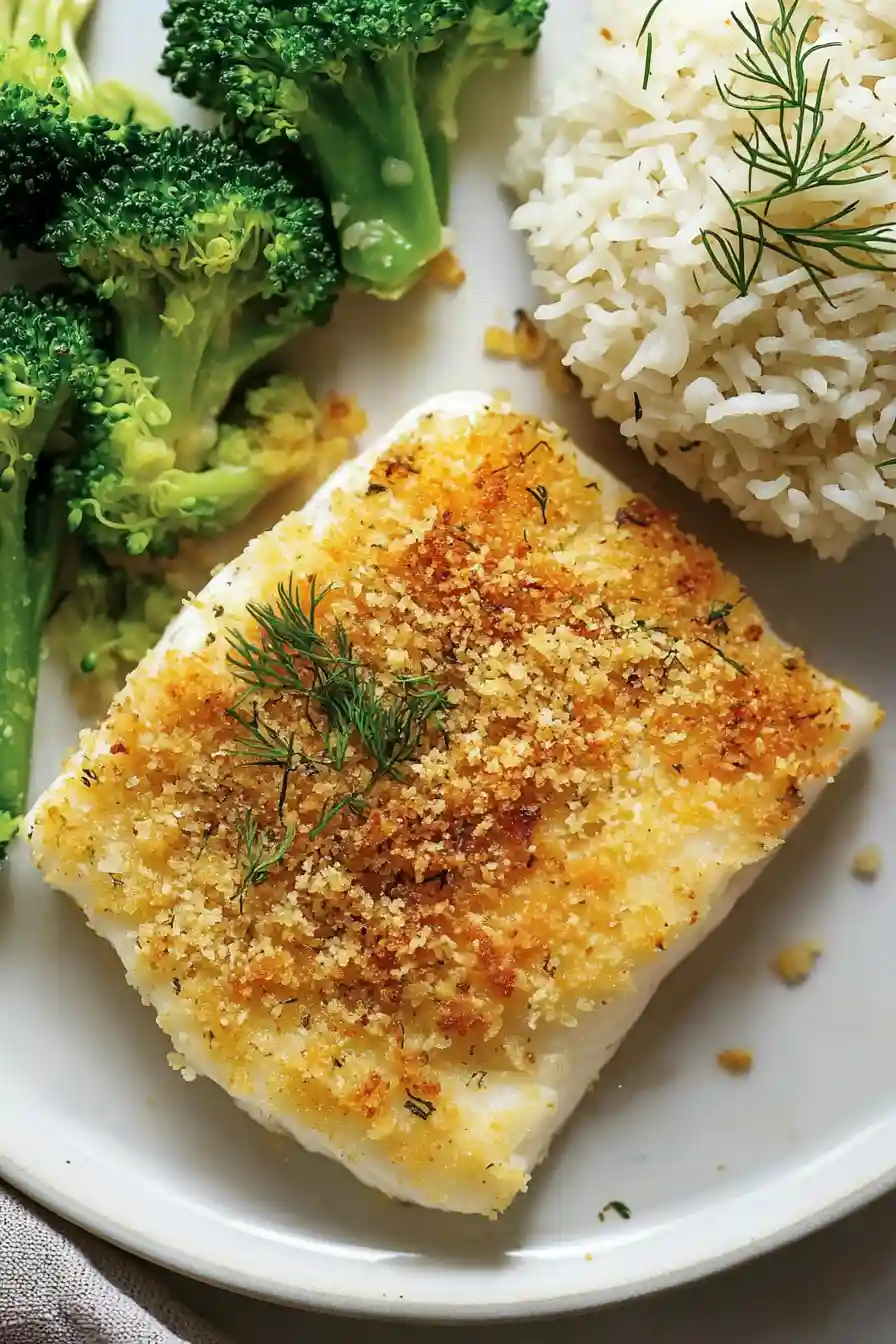
Why You’ll Love These Halibut Bites
- Quick preparation – Ready in just 30 minutes, these halibut bites are perfect for those busy weeknights when you want something good but don’t have hours to spend in the kitchen.
- Simple ingredients – With just a handful of pantry staples and fresh halibut, you can create a restaurant-worthy dish at home.
- Health-conscious choice – Halibut is naturally lean and protein-rich, while the panko coating gives you that satisfying crunch without deep frying.
- Kid-friendly fish dish – The crispy coating and bite-sized pieces make this the perfect way to introduce fish to picky eaters – they’re like sophisticated fish sticks!
What Kind of Halibut Should I Use?
Pacific halibut is the most common variety you’ll find at the fish counter, and it’s perfect for this recipe. Fresh halibut is great if you can get it, but don’t worry if you need to use frozen – most “fresh” halibut at the supermarket was actually frozen at sea to preserve freshness. When shopping, look for white, firm fillets without any brown spots or strong fishy smell. Since halibut is a lean fish, make sure not to overcook it – you’ll want to watch it closely as it bakes since it can go from perfectly flaky to dry pretty quickly.
Options for Substitutions
This recipe can be adapted with several easy swaps if you need them:
- Halibut: While halibut makes fantastic fish bites, you can use other firm white fish like cod, haddock, or sea bass. Just make sure the fillets are similar in thickness to keep the cooking time the same.
- Panko crumbs: Regular breadcrumbs work fine here, though they won’t be quite as crunchy. You can also crush up crackers or even corn flakes for a different kind of crunch.
- Parmesan cheese: Romano cheese makes a good substitute, or try nutritional yeast for a dairy-free option. The coating might be less crispy, but you’ll still get that nice savory flavor.
- Dijon mustard: Out of Dijon? Regular yellow mustard works in a pinch, or try whole grain mustard for extra texture. Mayo mixed with a bit of mustard powder can also do the job.
- Garlic granules: Garlic powder works just the same, or use finely minced fresh garlic. If using fresh, just mix it into the mustard coating instead of the crumb mixture.
Watch Out for These Mistakes While Baking
The biggest challenge when cooking halibut is preventing it from drying out, as this delicate fish can quickly go from perfectly cooked to tough and rubbery in just a few minutes – use a kitchen thermometer and remove the fish when it reaches 135°F, as it will continue cooking from residual heat.
Getting a crispy panko coating can be tricky, but you can achieve better results by toasting the panko breadcrumbs in a dry skillet until golden brown before coating the fish, which ensures a perfectly crunchy exterior even with the shorter cooking time that halibut requires.
Make sure your halibut is completely thawed and patted dry with paper towels before coating, as excess moisture will prevent the crumb mixture from sticking properly and can make the coating soggy instead of crispy.
For the most even cooking, try to cut your halibut pieces into similar sizes, and avoid overcrowding the baking sheet – leave some space between each piece to allow hot air to circulate properly.

What to Serve With Halibut Bites?
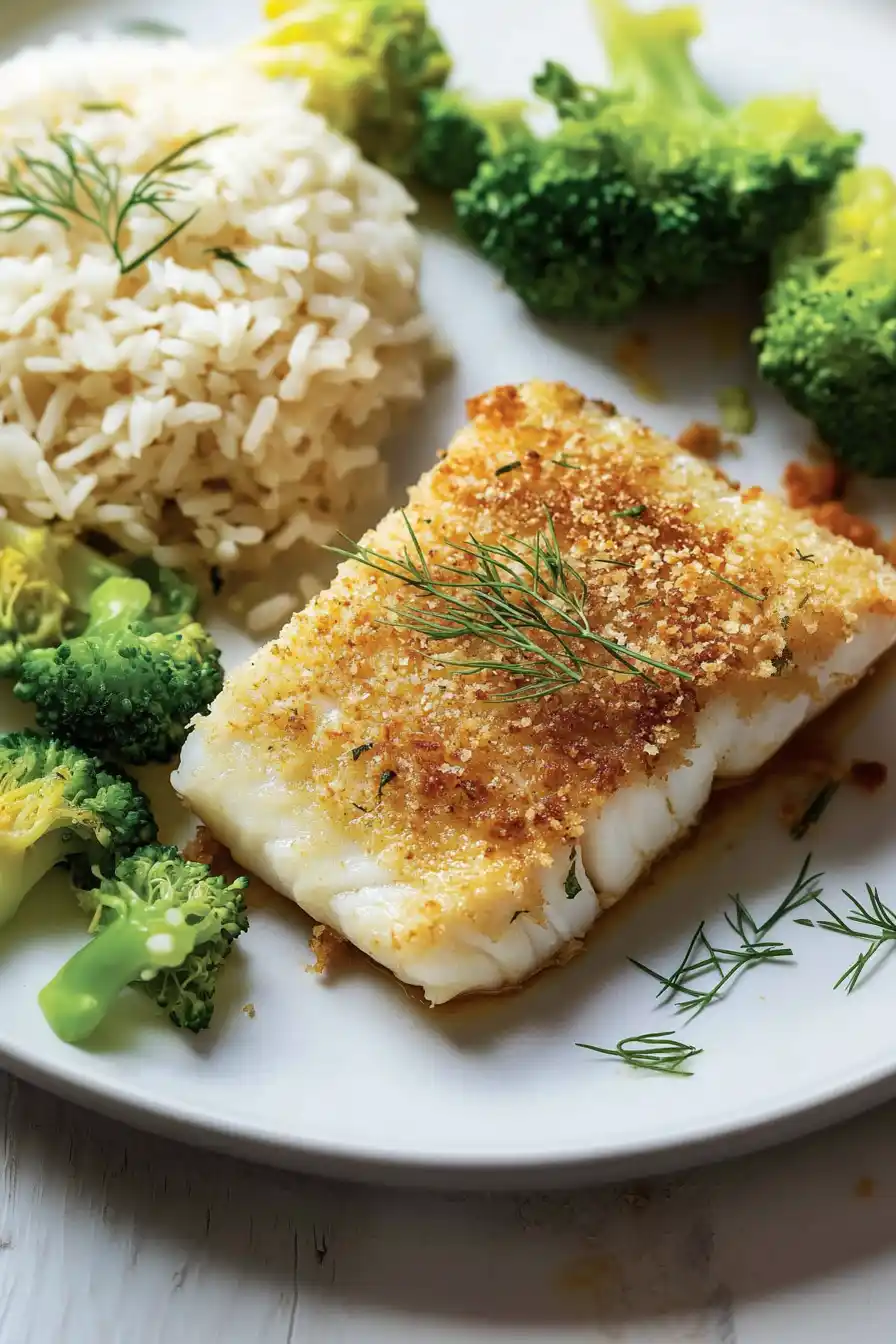
These crispy halibut bites are perfect with simple sides that let the fish stay in the spotlight. A light lemon rice pilaf or roasted baby potatoes make excellent starchy companions, while steamed asparagus or roasted Brussels sprouts add a nice green element to the plate. For a fresh touch, try serving them with a quick arugula salad dressed with olive oil and lemon juice, which echoes the citrus notes in the fish coating. If you’re going for a casual vibe, these bites are also great with some homemade tartar sauce and coleslaw on the side!
Storage Instructions
Keep Fresh: These tasty halibut bites are best enjoyed right after cooking, but if you have leftovers, place them in an airtight container and pop them in the fridge. They’ll stay good for up to 2 days, though the crispy coating might soften a bit.
Make Ahead: You can prep the panko-parmesan coating mixture up to a day ahead and store it in a sealed container at room temperature. The Dijon-olive oil mixture can also be mixed and kept in the fridge for a day. This makes dinner assembly super quick when you’re ready to cook!
Warm Up: To bring back some of that fresh-from-the-oven crispiness, place leftover halibut bites on a baking sheet and warm them in a 300°F oven for about 8-10 minutes. Avoid using the microwave as it can make the coating soggy and the fish rubbery.
| Preparation Time | 15-20 minutes |
| Cooking Time | 10-12 minutes |
| Total Time | 25-32 minutes |
| Level of Difficulty | Easy |
Estimated Nutrition
Estimated nutrition for the whole recipe (without optional ingredients):
- Calories: 600-700
- Protein: 50-55 g
- Fat: 30-35 g
- Carbohydrates: 30-35 g
Ingredients
For the panko topping:
- 1/2 tsp garlic granules (I use McCormick brand)
- 1/3 cup panko crumbs
- 1/3 cup parmesan cheese
- zest of 1/2 lemon
For the halibut:
- fresh ground black pepper
- 1 tsp kosher salt
- 2 (6 oz) halibut fillets
For the binder:
- 1 tsp olive oil
- 1 tbsp dijon mustard (I prefer Maille brand Dijon)
Step 1: Preheat the Oven and Prepare the Panko Topping
Begin by preheating your oven to 400°F (200°C).
While the oven is heating, prepare the panko topping.
In a medium bowl, combine panko breadcrumbs, Parmesan cheese, lemon zest, garlic, half of the salt, and black pepper.
Mix well to ensure the ingredients are evenly distributed.
Step 2: Prepare the Mustard Mixture
In a separate small bowl, whisk together the Dijon mustard and olive oil until well combined.
This mixture will help the panko topping adhere to the fish and add flavor.
Step 3: Prepare the Baking Sheet and Season the Halibut
Line a baking sheet with parchment paper to prevent sticking and make cleanup easier.
Place the halibut fillets on the prepared baking sheet.
Pat each side of the fillets dry with a paper towel to remove excess moisture.
Season both sides of the halibut fillets with the remaining salt and black pepper to taste.
Step 4: Coat the Halibut with Mustard and Panko Mixture
Using the back of a spoon, spread the Dijon mustard mixture evenly on the top of each halibut fillet and down the sides.
Then, press the prepared panko mixture firmly onto the mustard-coated tops of the fillets, ensuring that you create a thick, even layer over each one.
Step 5: Bake the Halibut
Place the baking sheet in the preheated oven and bake for 10-12 minutes.
The fish should reach an internal temperature of 145°F (63°C) and the panko topping should be golden brown.
Once cooked, remove from the oven and serve immediately for best flavor and texture.