There’s something special about a warm, comforting pork leg stew simmering on the stove. I love how the whole house fills with that cozy aroma that reminds me of Sunday dinners at home. Growing up, this was always the kind of meal that brought everyone to the table without having to call twice. Now, when the weather turns chilly, it’s one of my go-to recipes.
What I really like about this stew is how simple it is to put together. I usually prep everything in the afternoon while my kids are doing homework, let it cook low and slow, and by dinner time, the meat is so tender it practically falls off the bone. Plus, there’s something satisfying about a meal that basically cooks itself while you go about your day.
The best part? This recipe makes plenty of leftovers, which actually taste even better the next day. Trust me, once you try this, it’ll become one of those recipes you’ll want to make again and again, especially during the colder months.
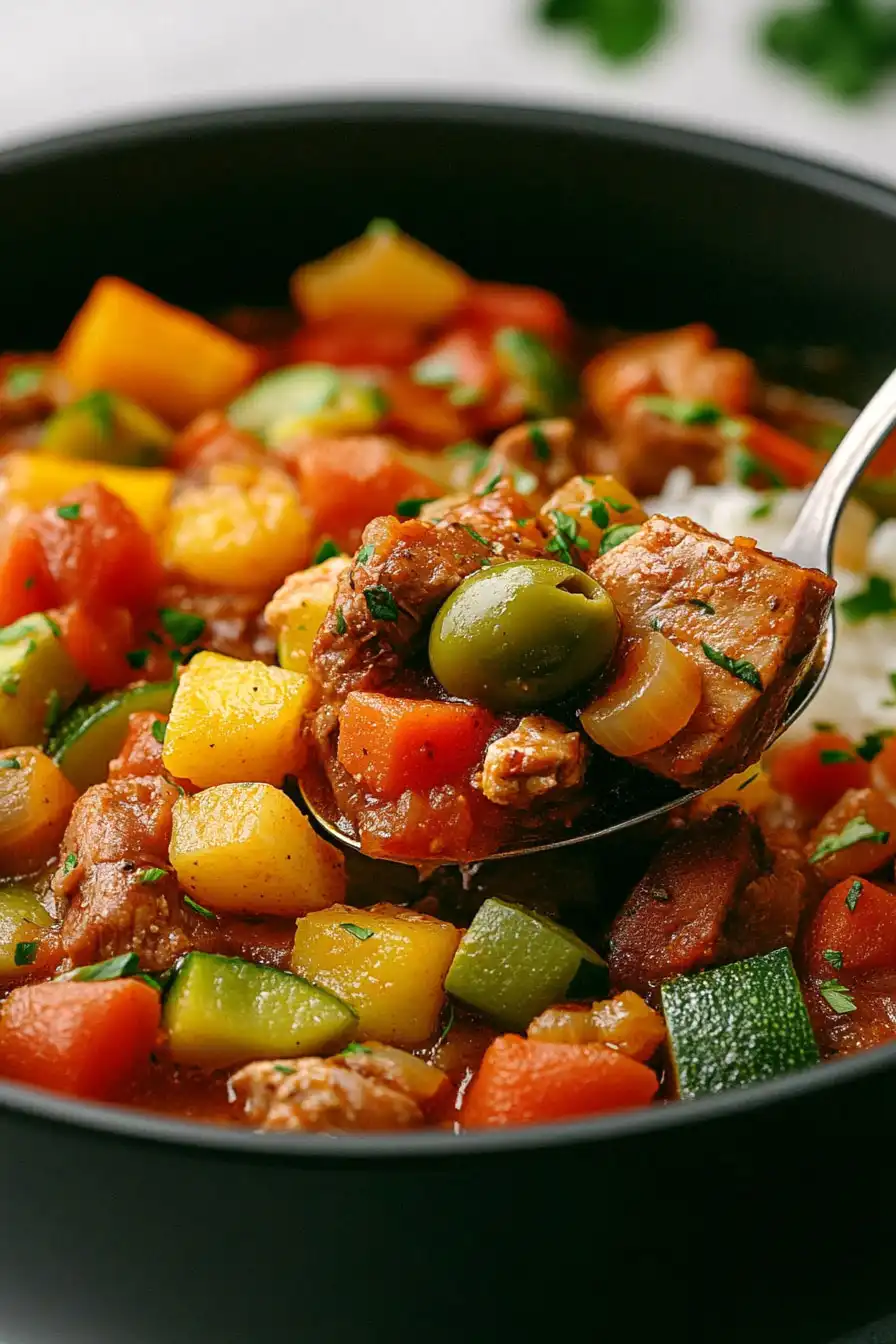
Why You’ll Love This Pork Stew
- Rich, hearty flavors – This stew combines tender pork with aromatic herbs and vegetables to create a deeply satisfying meal that’s perfect for cold evenings.
- One-pot meal – Everything cooks together in a single pot, which means less cleanup and more time to enjoy your dinner.
- Budget-friendly ingredients – Using affordable cuts of pork and common vegetables, this recipe helps you create a filling family meal without breaking the bank.
- Customizable heat level – With the optional Scotch bonnet pepper, you can make this stew as mild or as spicy as you like, making it perfect for different taste preferences.
- Protein-packed – The combination of pork and chickpeas makes this a protein-rich meal that will keep you satisfied for hours.
What Kind of Pork Trotters Should I Use?
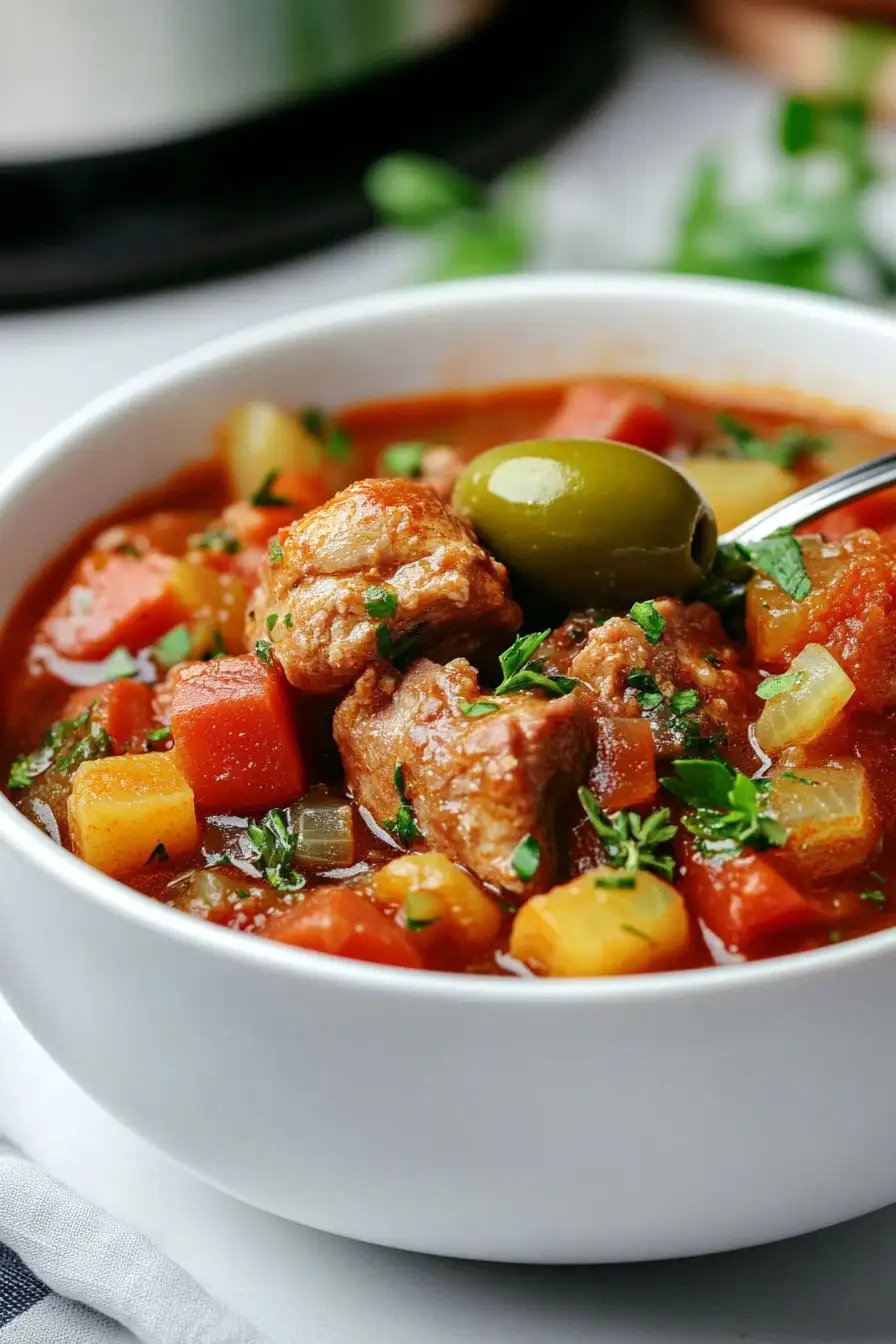
Pork trotters, also known as pig’s feet, might seem intimidating if you’ve never cooked with them before, but they’re actually a fantastic ingredient for stews. Fresh trotters are ideal and can usually be found at butcher shops or Asian markets – look for ones that are pink and clean with no dark spots. If you’re new to cooking with trotters, ask your butcher to cut them into smaller pieces (about 2-3 inches each) to make them easier to handle and cook. For this stew, both front and back trotters work equally well, though front trotters tend to have a bit more meat on them. Just make sure to clean them thoroughly and remove any stray hairs before cooking.
Options for Substitutions
Let’s talk about what you can swap in this flavorful stew recipe:
- Pork trotters: While pork trotters give a unique texture and richness, you can use pork shoulder or pork belly instead. These cuts still provide good flavor and become tender with long cooking. Just note that the stew might be less gelatinous.
- Lime juice: Lemon juice works just as well here, or you can use 2 tablespoons of white vinegar for that acidic kick.
- Chickpeas: Feel free to swap these with other beans like navy beans or butter beans. If using canned beans, remember to rinse them first.
- Scotch bonnet/habanero: You can use jalapeños for less heat, or red pepper flakes (start with ¼ teaspoon). Leave it out completely if you prefer mild food.
- Starchy potatoes: Any potato type works here – russet, yukon gold, or red potatoes. Just keep the chunks similar in size for even cooking.
- Fresh herbs: If you don’t have fresh thyme or oregano, use dried herbs instead. The rule of thumb is: use 1/3 of the amount if switching from fresh to dried.
Watch Out for These Mistakes While Cooking
The biggest challenge when making pork leg stew is rushing the cooking process – tough cuts like trotters need slow, patient cooking at low heat to become tender and release their rich flavors, so plan for at least 2-3 hours of cooking time. Another common mistake is adding the vegetables too early in the cooking process; potatoes and carrots should only go in during the last 30-45 minutes to prevent them from becoming mushy and falling apart. To get the most flavor out of your stew, don’t skip browning the meat in batches before the slow cooking begins – overcrowding the pot will steam rather than sear the meat, robbing your stew of deep, caramelized flavors. For the best results, taste and adjust the seasoning towards the end of cooking, as the liquid reduces and concentrates the saltiness, and remember to skim off any excess fat that rises to the surface during cooking for a cleaner-tasting stew.
What to Serve With Pork Stew?
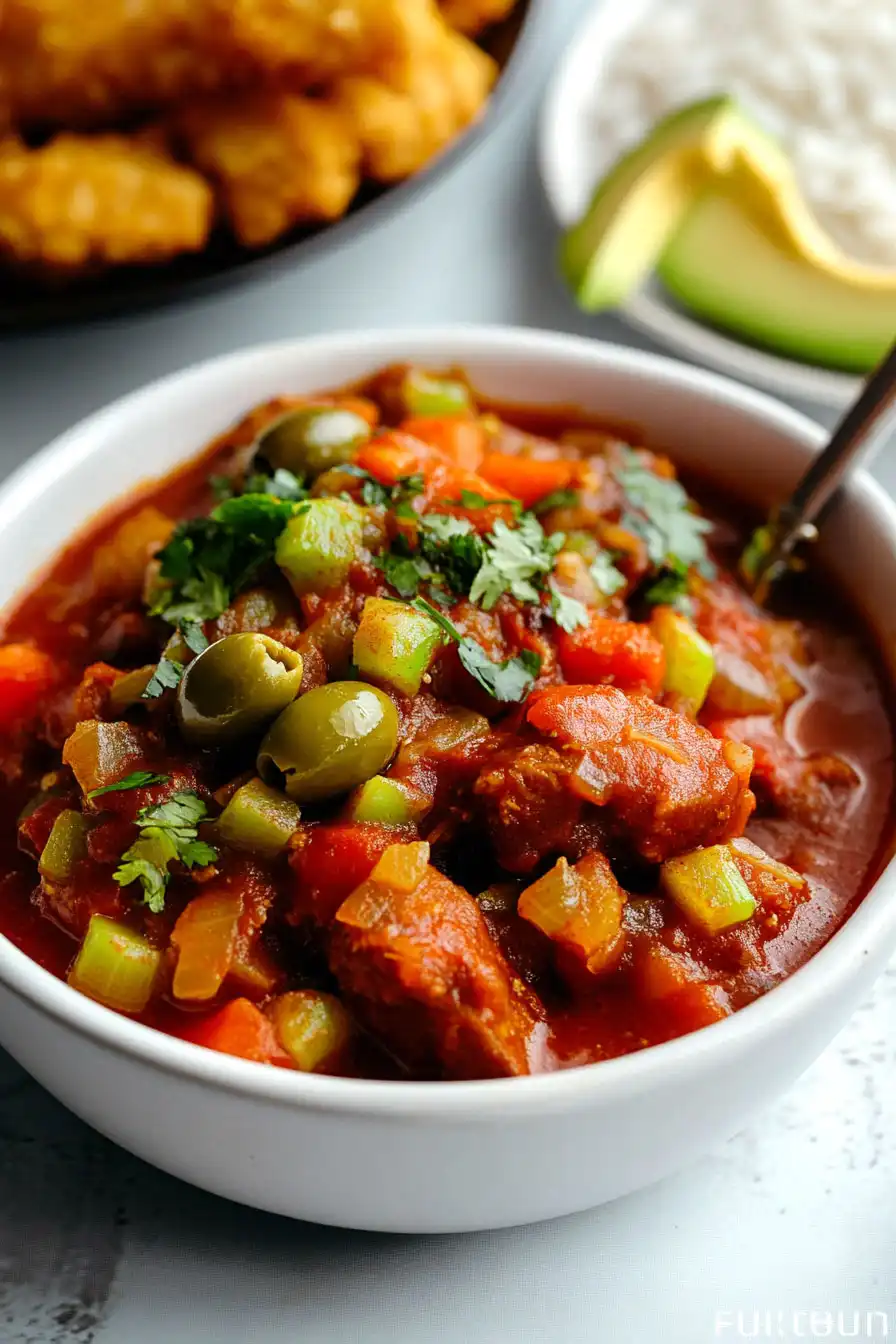
This hearty pork stew is practically begging for some good crusty bread or warm rice to soak up all that flavorful sauce! White rice is my go-to choice, but brown rice or even cauliflower rice works great if you’re watching your carbs. A simple side of steamed green beans or roasted broccoli adds nice color and balances out the richness of the stew. If you want to keep things traditional, try serving it with some sweet fried plantains on the side – they’re perfect for scooping up extra sauce and add a lovely sweet contrast to the savory stew.
Storage Instructions
Keep Fresh: This hearty pork stew tastes even better the next day! Place it in an airtight container and keep it in the fridge for up to 4 days. The flavors will continue to develop and meld together, making each serving more flavorful than the last.
Freeze: This stew is perfect for batch cooking! Let it cool completely, then portion it into freezer-safe containers. It’ll keep well in the freezer for up to 3 months. Just remember to leave a bit of space at the top of your container as the liquid will expand when frozen.
Reheat: When you’re ready to enjoy your stew again, thaw it overnight in the fridge if frozen. Then warm it up slowly on the stovetop over medium-low heat, stirring occasionally. You can add a splash of water or broth if it seems too thick. If using a microwave, heat in short intervals, stirring between each one.
| Preparation Time | 20-30 minutes |
| Cooking Time | 90-120 minutes |
| Total Time | 110-150 minutes |
| Level of Difficulty | Medium |
Estimated Nutrition
Estimated nutrition for the whole recipe (without optional ingredients):
- Calories: 1800-2100
- Protein: 100-120 g
- Fat: 80-90 g
- Carbohydrates: 230-250 g
Ingredients
- 1 celery stalk (chopped into 1/2-inch pieces)
- 2.25 tsp salt
- 2 carrots (peeled and diced into 1/2 inch pieces)
- 1 oregano sprig
- 4 garlic cloves (crushed using the flat side of a knife)
- 1 fresh thyme sprig
- 1 cup tomato sauce (I prefer Muir Glen Organic Tomato Sauce)
- 2 large tomatoes (chopped, about 1-inch pieces)
- 2 tbsp oil (such as vegetable or canola oil)
- 0.5 tsp black pepper (freshly cracked for best flavor)
- 4 starchy potatoes (diced into 1-inch cubes, like Russet or Yukon Gold)
- Juice of 1 lime
- 2.5 lb pork trotters (cut into small pieces, approximately 1-2 inch chunks)
- 0.5 scotch bonnet or habanero pepper (use less for milder stew)
- Leaves from 1 celery stalk
- 1 cup cooked chickpeas (I use Goya canned chickpeas)
- 1 bell pepper (diced, any color)
- 1 large red onion (chopped into 1/2-inch pieces)
Step 1: Prepare and Marinate the Meat
Add lime juice to the meat and mix well to ensure all pieces are evenly coated.
This not only adds flavor but also helps tenderize the meat.
Let it sit while you prepare the next steps.
Step 2: Brown the Trotters
Heat oil over medium heat in a heavy pan.
Once the oil is hot, add the trotters and brown them on all sides.
After browning, remove the pan from the heat and set the trotters aside.
Step 3: Cook the Trotters with Aromatics
Transfer the browned trotters to a pot with a capacity of around 3 quarts (3 liters).
Pour in 6 cups of water and add celery leaves, thyme, oregano, a teaspoon of salt, and a pinch of pepper.
Bring to a boil and cook until the trotters are tender and the meat easily falls off the bones.
This process may take 1-2 hours in a conventional pot or about 30 minutes in a pressure cooker.
If using a conventional pot, add water as needed to keep the meat covered.
Step 4: Prepare the Vegetables and Broth
Once the trotters are tender, remove and discard the herbs from the pot.
Take the meat out of the liquid it boiled in and set both the meat and liquid aside to cool to room temperature.
In the meantime, return the same pot to the stove and heat over low heat.
Add garlic to the pot, followed by the onion, cooking until the onion becomes translucent.
Step 5: Combine Remaining Ingredients
Add chopped celery stalk, tomatoes, bell pepper, potatoes, carrots, chickpeas, trotters, and tomato sauce to the pot.
Mix everything together.
Skim the fat from the reserved liquid and add it back to the pot, around 6 cups in total.
Add a Scotch bonnet pepper for added heat and flavor.
Simmer covered over low heat, allowing the vegetables to cook through until they are tender.
Step 6: Final Seasoning and Serve
Once everything is cooked through, season with additional salt and pepper to taste.
Serve your dish hot, accompanied by white rice and avocado slices for a complete and satisfying meal.