Here’s my go-to recipe for rhubarb jam that doesn’t need any pectin, using fresh rhubarb from the garden, a bit of sugar, and a splash of lemon juice to bring everything together.
This simple jam has become a morning staple in our house – perfect on warm toast or swirled into yogurt. I usually make a double batch because it disappears so quickly, especially when the kids discover there’s a new jar in the fridge!
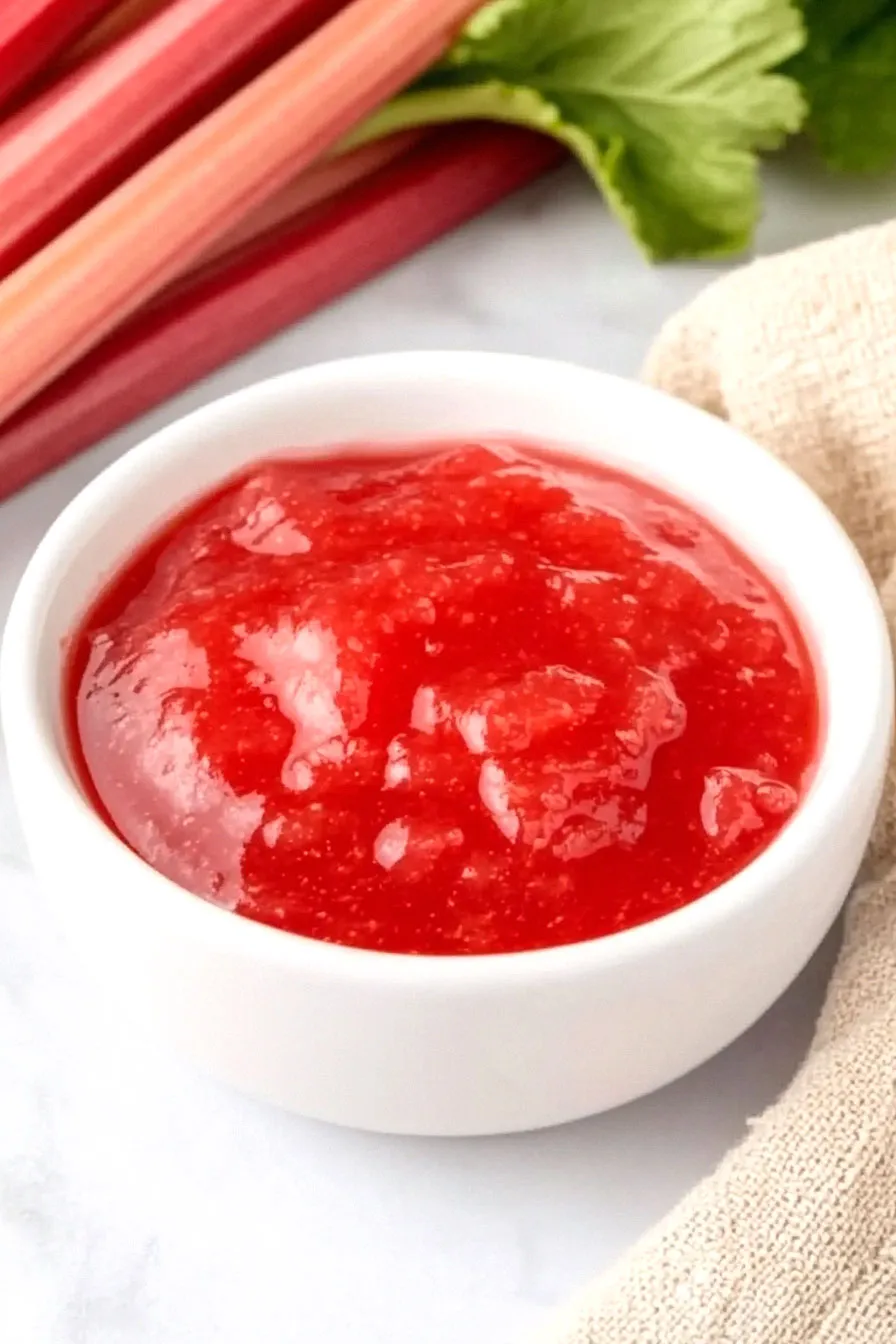
Why You’ll Love This Rhubarb Jam
- No pectin needed – Skip the trip to the store for pectin – this jam thickens naturally from the sugar and cooking process, making it super simple to prepare with basic ingredients.
- Fresh, natural ingredients – With just four simple ingredients, you know exactly what’s going into your jam – no preservatives or artificial additives needed.
- Perfect balance of flavors – The zingy rhubarb pairs beautifully with warming ginger and a touch of lemon, creating a jam that’s not too sweet and full of character.
- Make-ahead friendly – This jam keeps well in sealed jars, letting you enjoy homemade rhubarb goodness long after the season ends.
What Kind of Rhubarb Should I Use?
For making jam, both green and red rhubarb stalks will work just fine – the color difference doesn’t affect the taste or jamming properties. The best rhubarb for jam-making is firm and crisp, with stalks that snap cleanly when bent. Fresh spring rhubarb tends to be more tender and less stringy than late-season rhubarb, though both will make tasty jam. If your rhubarb stalks are particularly stringy, you can remove the strings by gently pulling them off from the base of the stalk, similar to peeling celery. Just remember to trim away any leaves (they’re not edible) and choose stalks that are about thumb-width for the best results.
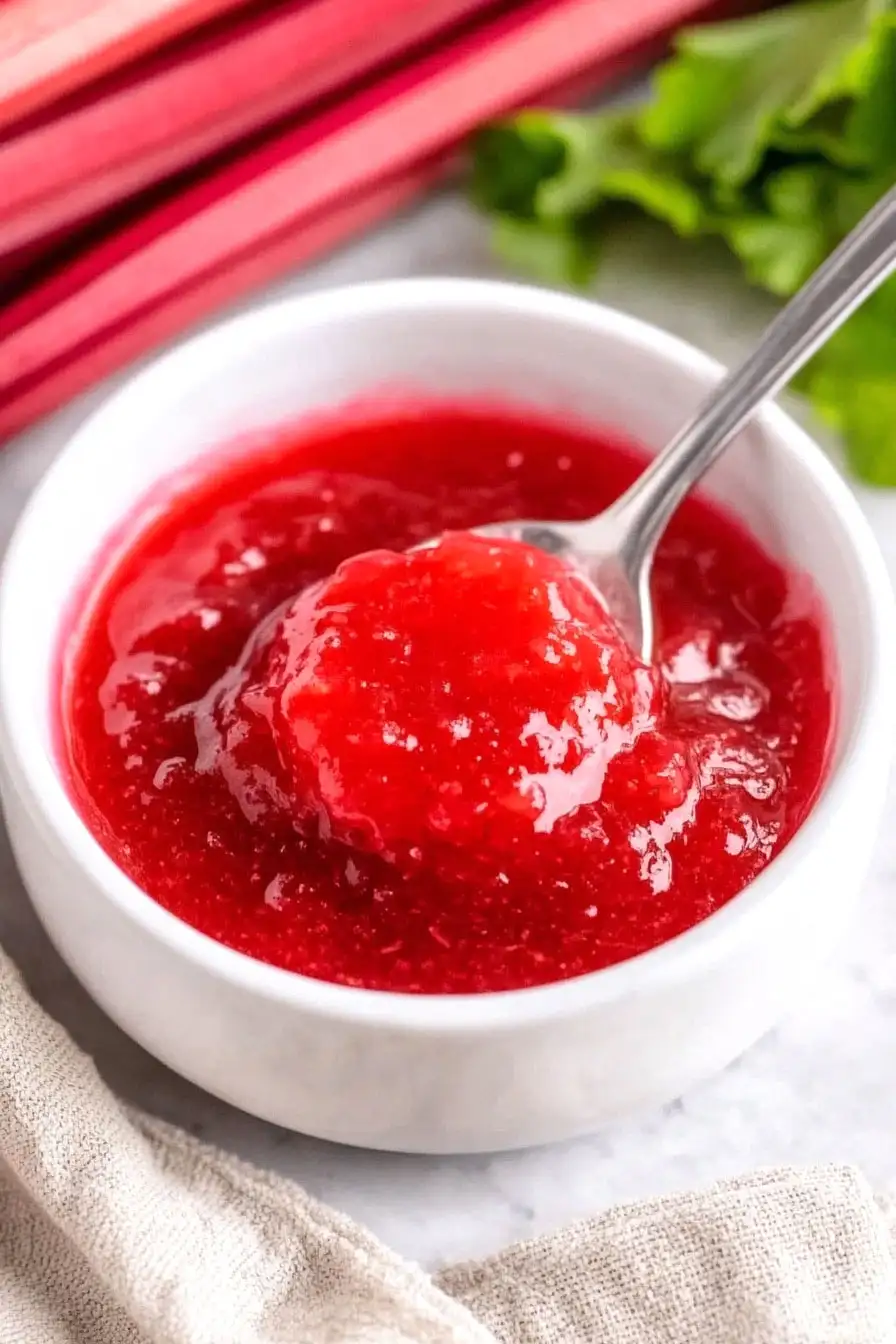
Options for Substitutions
While making jam is a bit of science, there are still some substitutions you can try with this recipe:
- Rhubarb: Rhubarb is the star here and can’t be substituted if you want true rhubarb jam. However, you can mix it with strawberries (use 200g rhubarb and 200g strawberries) for a classic combo.
- Granulated sugar: Regular sugar is important for proper setting and preservation. While you can use cane sugar instead, avoid liquid sweeteners or sugar substitutes as they won’t help the jam set or preserve properly.
- Fresh ginger: If fresh ginger isn’t available, use 1 teaspoon of ground ginger instead. You can also skip it entirely if you prefer plain rhubarb jam, or try adding vanilla or cinnamon for a different flavor.
- Lemon juice: Lime juice works perfectly as a 1:1 substitute. In a pinch, you can use apple cider vinegar (use half the amount), but lemon or lime juice is better as they add natural pectin that helps with setting.
Watch Out for These Mistakes While Cooking
The biggest mistake when making pectin-free rhubarb jam is not cooking it long enough – you’ll need to be patient and let it simmer until it reaches the right consistency, which typically takes about 20-25 minutes of steady cooking. Another common error is skipping the “plate test” to check if your jam has set properly – just drop a small amount on a cold plate, let it cool for a minute, and run your finger through it; if it wrinkles and doesn’t flow back together, it’s ready. To avoid a grainy texture, make sure you stir the sugar until it’s completely dissolved before bringing the mixture to a boil, and keep an eye on the heat – too high a temperature can cause the sugar to crystallize or the jam to burn on the bottom. For the best flavor balance, taste your rhubarb before adding all the sugar since the tartness can vary significantly between batches, and adjust the amount accordingly.

What to Serve With Rhubarb Jam?
This tangy-sweet rhubarb jam is super flexible and works great as a spread for your morning toast or warm buttermilk biscuits. I love spreading it on scones at breakfast time, or using it to fill thumbprint cookies for an afternoon treat. You can also spoon it over vanilla ice cream, swirl it into plain yogurt, or spread it between layers of a simple vanilla cake. For a quick appetizer idea, try serving it on crackers with a bit of cream cheese or brie – the combination of creamy cheese and zingy jam is really good!
Storage Instructions
Preserve: For the best results, pour your hot rhubarb jam into sterilized jars and seal them right away. Once properly sealed, these jars can sit in your pantry for up to 12 months. After opening, keep the jar in the fridge – it’s that simple!
Refrigerate: If you’re planning to use your jam within a few weeks, you can skip the canning process. Just pop it in an airtight container in the fridge, where it’ll stay good for about 3-4 weeks. The ginger and sugar help preserve it naturally.
Check: Keep an eye on your jam’s freshness by watching for any signs of mold or fermentation. A good tip is to always use a clean spoon when scooping out your jam – this helps prevent any unwanted bacteria from sneaking in!
| Preparation Time | 60-120 minutes |
| Cooking Time | 20-30 minutes |
| Total Time | 80-150 minutes |
| Level of Difficulty | Medium |
Estimated Nutrition
Estimated nutrition for the whole recipe (without optional ingredients):
- Calories: 1600-1800
- Protein: 0-5 g
- Fat: 0-5 g
- Carbohydrates: 400-420 g
Ingredients
- 400 g rhubarb (fresh, trimmed and cut into 1/2-inch pieces)
- 400 g granulated sugar
- 4 cm fresh ginger (finely grated for best flavor)
- 1 to 2 tbsp lemon juice
Step 1: Prepare the Rhubarb
Start by washing your rhubarb thoroughly.
Trim the ends of the stalks and cut them into 1 inch (2.5 cm) pieces.
Place the cut rhubarb into a bowl.
If you’re using ginger root, add it to the bowl as well.
Step 2: Macerate with Sugar
Pour sugar over the rhubarb pieces (and ginger root, if using) in the bowl.
Stir to ensure an even coating.
Cover the bowl and leave it overnight.
During this time, the sugar will draw out the juice from the rhubarb, creating a pink syrup.
Step 3: Sterilize Jars
While waiting, you can prepare your jars.
Sterilize and warm clean jam jars and lids by placing them on a baking tray in the oven at 120°C/250°F/Gas Mark 1.
This step ensures your jars are free from bacteria and ready to seal the jam effectively.
Step 4: Cook the Jam
If you used raw ginger root, remove it from the bowl at this point.
Transfer the rhubarb and sugar mixture to a large saucepan or preserving pan.
Simmer the mixture gently over medium heat until all the sugar has dissolved, which should take about 5 to 10 minutes.
It’s crucial to ensure the sugar is completely dissolved to prevent the jam from crystallizing later.
The rhubarb pieces will remain intact at this stage.
Step 5: Add Lemon Juice and Boil
Once the sugar has dissolved, add lemon juice to the pan.
Bring the mixture to a rolling boil, taking care to avoid splashes as it will be very hot.
As the jam reduces, observe the change in the appearance of the boil.
This is the time to start testing for the setting point of the jam.
Step 6: Jar the Jam
When the jam has reached its setting point, remove it from the heat and let it cool in the pan for 5 minutes.
Carefully transfer the jam into prepared jars while still hot.
Seal the lids immediately.
As the jam cools, you’ll hear the satisfying pop of the lids as a vacuum forms, indicating a successful seal.