If you ask me, Hatch chiles and beef are a match made in heaven.
This hearty Southwestern dish brings together tender chunks of beef with the mild heat and smoky notes of New Mexico’s famous green chiles. The two main ingredients slow-cook until the meat becomes soft and the peppers melt into a rich sauce.
I love how the green chiles add just enough warmth without overwhelming the natural flavor of the beef. A handful of simple seasonings and some garlic round out the dish perfectly.
It’s the kind of comforting meal that makes the whole house smell amazing while it cooks, perfect for those cooler evenings when you’re craving something warm and satisfying.
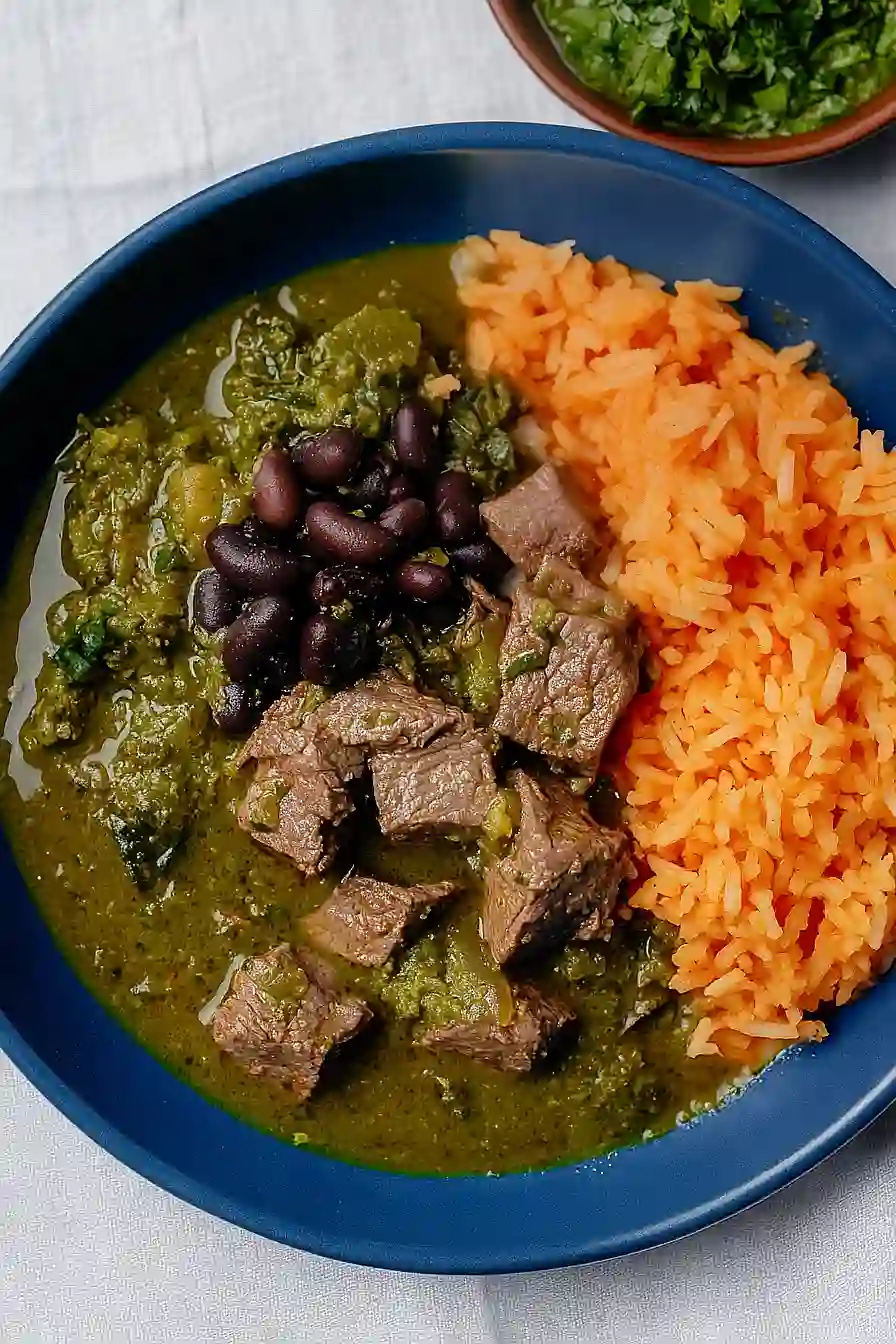
Why You’ll Love This Chile Verde
- Rich, authentic flavor – The combination of fresh roasted chiles, tender beef, and traditional Mexican spices creates a depth of flavor that tastes like it came straight from a family kitchen in Mexico.
- One-pot meal – Everything cooks together in a single pot, which means less cleanup and more time to enjoy your meal.
- Customizable heat level – You can easily adjust the spiciness by changing the number of jalapeños and choosing milder or hotter green chiles to match your preference.
- Make-ahead friendly – This dish actually tastes even better the next day as the flavors continue to develop, making it perfect for meal prep or weekend cooking.
- Low-carb compatible – With no added sugar or starchy ingredients, this recipe fits perfectly into a low-carb or keto eating plan.
What Kind of Beef Should I Use?
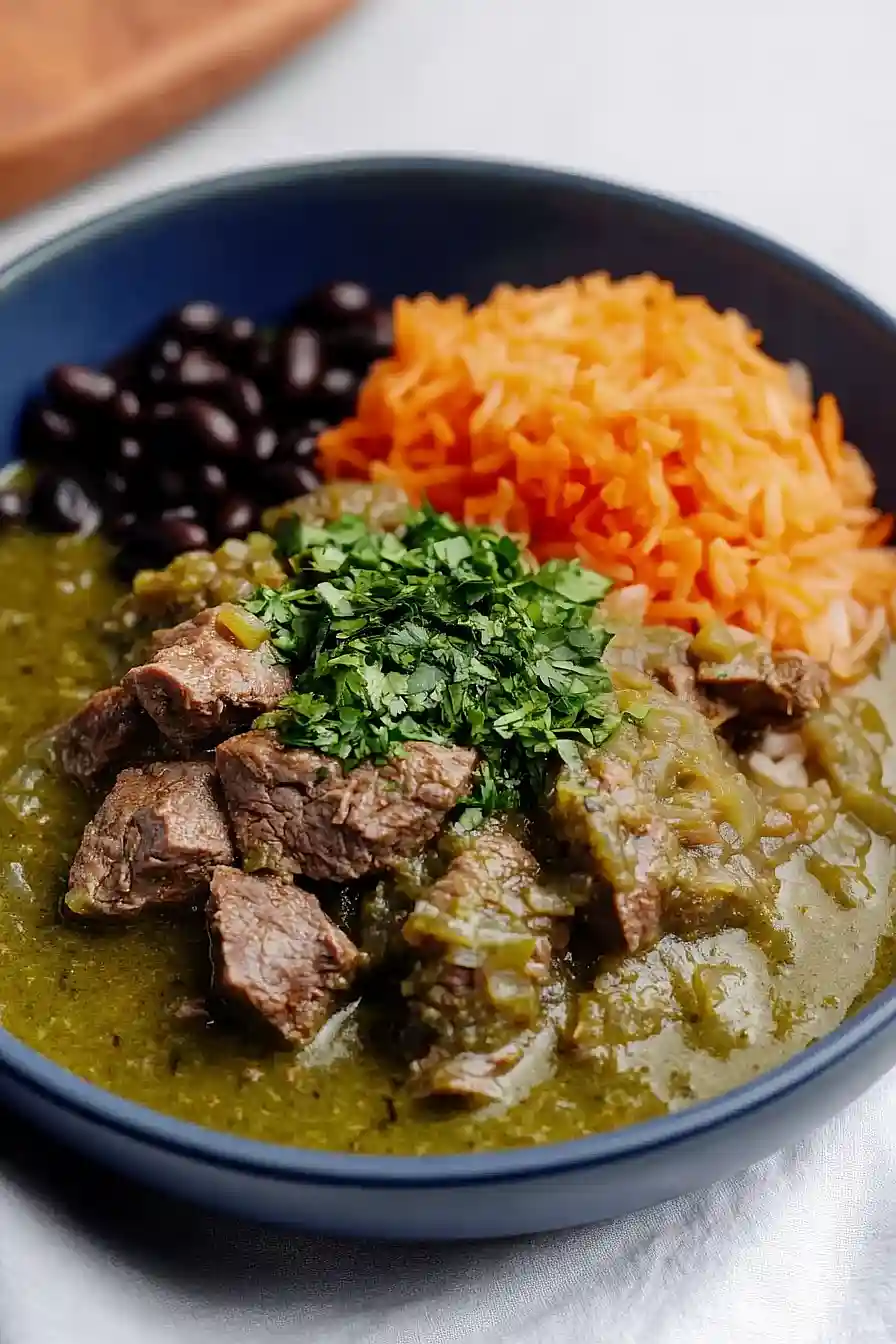
For this chile recipe, you’ll want to stick with beef shoulder (espadilla) or chuck roast since these cuts have the perfect amount of marbling and connective tissue. These tougher cuts actually become tender and flavorful when cooked low and slow, making them ideal for this type of dish. While you might be tempted to go with a more expensive cut like sirloin, the lean meat won’t break down as nicely or develop that melt-in-your-mouth texture we’re looking for. Just make sure to slice the meat against the grain into thin pieces – this helps it cook evenly and makes each bite more tender. If you can’t find beef shoulder, chuck roast is a great alternative that’s usually easier to find at most grocery stores.
Options for Substitutions
This spicy beef dish is pretty adaptable – here’s what you can swap if needed:
- Beef shoulder/chuck roast: You can use other tough cuts like brisket flat, rump roast, or even flank steak. Just make sure to slice against the grain for tenderness.
- Hatch/Anaheim chilies: If you can’t find fresh Hatch or Anaheim chilies, you can use canned whole green chilies. In a pinch, use a mix of poblano peppers and regular green bell peppers, though the flavor will be milder.
- Jalapeños: Serrano peppers work great for more heat, or use mild green chilies if you prefer less spice. You can adjust the amount based on your heat preference.
- Salsa verde: Store-bought salsa verde is fine if you don’t have homemade. Just make sure to get a roasted variety for the right flavor profile.
- Cumin seeds: Ground cumin works too – use about 3/4 teaspoon instead of 1 teaspoon whole seeds.
- Mexican oregano: Regular oregano can work, though Mexican oregano has a unique flavor. If using regular oregano, add a tiny pinch of ground coriander to get closer to that Mexican oregano taste.
Watch Out for These Mistakes While Cooking
The biggest mistake when preparing beef hatch chile is rushing the meat-browning process – make sure to pat the beef pieces completely dry and brown them in small batches to avoid overcrowding the pan, which leads to steaming instead of searing.
Temperature control is crucial when cooking with chiles – if your pan is too hot when adding the garlic and spices, they’ll burn quickly and create bitter flavors, so reduce the heat after browning the meat and before adding these aromatics.
When it comes to the green chiles, don’t skip the roasting and peeling step, as raw chiles won’t provide the same deep, smoky flavor that makes this dish special – if using canned chiles instead of fresh, make sure to drain them well to prevent excess liquid in your final dish.
For the most tender results, resist the urge to rush the cooking process – let the meat simmer slowly until it’s fork-tender, which typically takes about 2-2.5 hours, and check the liquid levels occasionally to ensure the meat stays partially submerged.
What to Serve With Beef Hatch Chile?
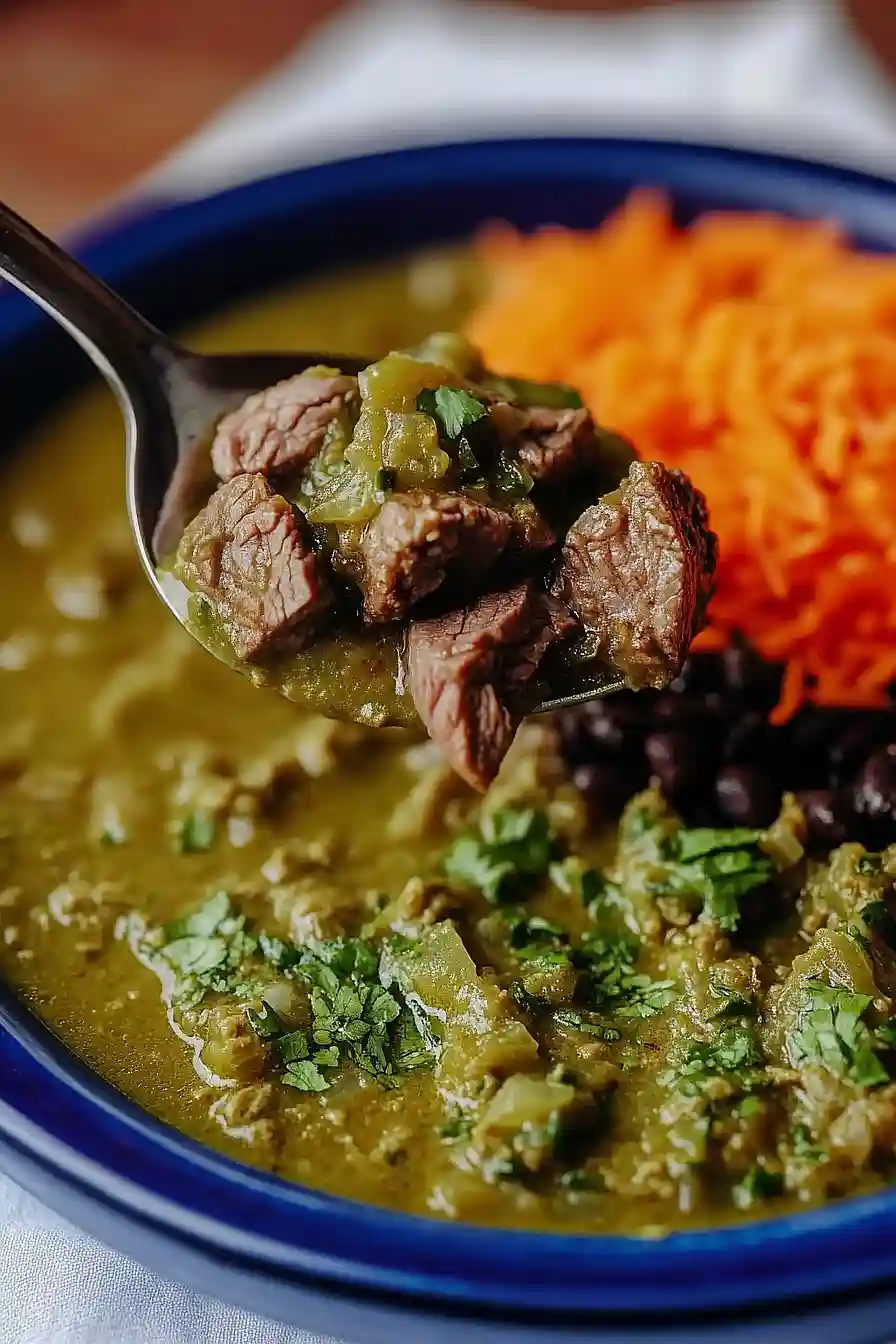
This spicy, flavorful beef dish calls for some classic Mexican-style sides to round out your meal. Warm corn or flour tortillas are a must-have – they’re perfect for scooping up the tender meat and soaking up all that tasty sauce. A pot of Mexican rice or cilantro-lime rice makes an excellent base, while some simple pinto or black beans would add a nice, hearty touch. For a fresh contrast to the rich beef, try serving it with diced onions, chopped cilantro, and lime wedges on the side, or add a scoop of cool guacamole to balance out the heat from the chiles.
Storage Instructions
Keep: This beef hatch chile tastes even better the next day! Place it in an airtight container and keep it in the fridge for up to 4 days. The flavors continue to develop as it sits, making those leftovers something to look forward to.
Freeze: Good news – this dish freezes really well! Let it cool completely, then transfer to a freezer-safe container or heavy-duty freezer bags. It’ll stay good for up to 3 months. I like to freeze it in individual portions for easy weeknight dinners.
Warm Up: When you’re ready to enjoy your leftovers, gently warm them up in a pot over medium-low heat, stirring occasionally. Add a splash of broth if needed to keep it from drying out. You can also use the microwave – just heat in short intervals, stirring in between.
| Preparation Time | 10-15 minutes |
| Cooking Time | 40-50 minutes |
| Total Time | 50-65 minutes |
| Level of Difficulty | Medium |
Estimated Nutrition
Estimated nutrition for the whole recipe (without optional ingredients):
- Calories: 2000-2200
- Protein: 150-160 g
- Fat: 130-140 g
- Carbohydrates: 40-50 g
Ingredients
- 2 tbsp avocado oil (Chosen Foods is my favorite brand) or olive oil
- 1 tsp crushed Mexican oregano (adds authentic flavor)
- 12 hatch green chiles (roasted, peeled, and sliced)
- 4-6 garlic cloves (freshly minced)
- 1 cup salsa verde (roasted style, Herdez is great here)
- 2 lb beef chuck roast (cut into 1-inch thick slices)
- kosher salt (to taste)
- 1 tsp crushed cumin seeds
- 2.5 cups water or beef broth
- 1 medium white onion (sliced into strips)
- freshly cracked black pepper (for best flavor)
- 3-4 jalapenos (cut into strips)
Step 1: Begin Cooking the Beef
- 2 tbsp avocado oil or olive oil
- 2 lb beef shoulder (espadilla) or chuck roast, sliced 1 inch thick
- kosher salt, to preference
- freshly cracked black pepper, to preference
Add the sliced beef shoulder or chuck roast to a large pot, then pour in the avocado oil or olive oil.
Season generously with kosher salt and freshly cracked black pepper to your taste.
With the pot still cold, stir everything together and then set the heat to medium.
Cook the beef gently, allowing it to brown slightly and begin releasing its juices, but avoid searing it.
This slower start helps keep the meat tender.
I like to let the beef release plenty of flavor at this stage for a richer broth later on.
Step 2: Add the Aromatics
- 1 medium white onion, cut into strips
- 3 to 4 jalapeños, cut into strips
- 4 to 6 garlic cloves, minced
Once the beef has browned and there is still some moisture in the pot, add the sliced white onions and jalapeños.
Stir to combine and cook over medium heat for 3-4 minutes so they begin to soften and release their flavors.
Next, add the minced garlic and cook for about one more minute, stirring frequently to prevent it from burning.
Step 3: Simmer with Chiles, Spices, and Salsa
- 12 Anaheim or Hatch green chiles, roasted, peeled, and sliced
- 1 tsp crushed cumin seeds
- 1 tsp crushed Mexican oregano
- 1 cup salsa verde, roasted style
- 2 1/2 cups water or beef broth
Add all of the roasted, peeled, and sliced Anaheim or Hatch green chiles to the pot, followed by the crushed cumin seeds and Mexican oregano.
Pour in the salsa verde along with water or beef broth.
Stir everything together thoroughly.
As the mixture heats up, bring it to a gentle simmer.
Taste for salt and adjust seasoning as needed.
Cover the pot about three-quarters of the way to allow some steam to escape.
Step 4: Reduce and Serve
Continue to cook at a gentle simmer for about 35 minutes, or until the sauce has reduced and thickened to your liking.
If you prefer a thicker final dish, stir in a bit more salsa verde.
Serve hot, ideally with rice, beans, and warm tortillas on the side.
I always recommend tasting again just before serving—sometimes an extra pinch of salt or a squeeze of lime brings it all together perfectly.