Growing up, I thought corned beef only came with those little seasoning packets from the grocery store. My mom would always just toss the packet in with the meat and call it a day. When I tried making it without the packet one St. Patrick’s Day, it was pretty bland.
That’s because I didn’t know the simple mix of spices that gives corned beef its signature taste. Once I learned the right combination, I realized making my own seasoning wasn’t just easy – it was better than those store-bought packets. Now I can control exactly what goes into my corned beef, and it turns out perfect every time.
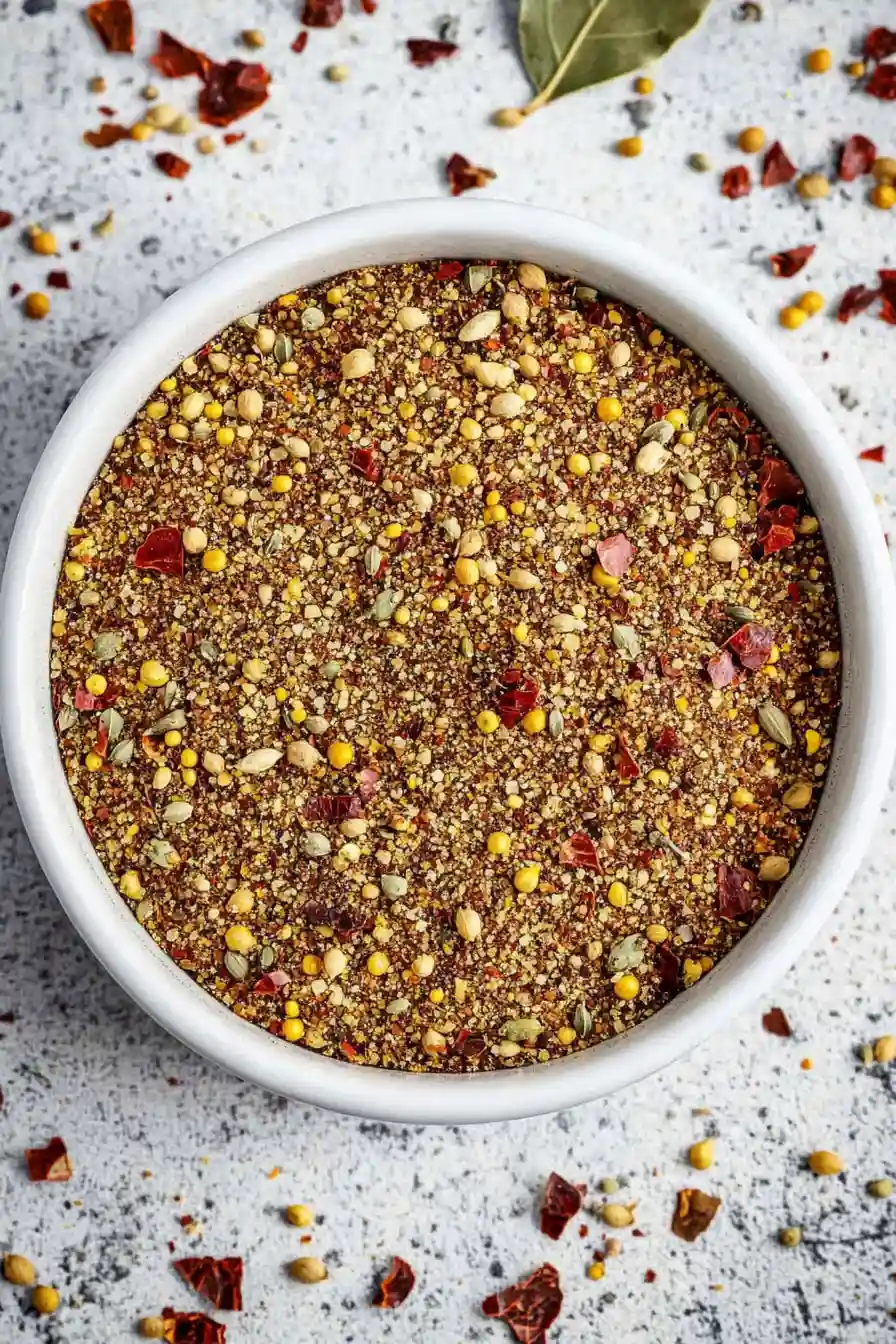
Why You’ll Love This Corned Beef Seasoning
- Quick preparation – This seasoning blend comes together in just minutes – simply measure and mix your spices, and you’re done!
- Cost-effective – Making your own spice blend at home costs much less than buying pre-made packets, and you can adjust the quantities to make exactly what you need.
- Customizable blend – You can easily adjust the heat level and spice ratios to match your taste preferences – add more red pepper flakes for extra kick or reduce them for a milder flavor.
- Pure ingredients – Unlike store-bought versions, this homemade blend contains no preservatives, anti-caking agents, or mystery ingredients – just pure, whole spices you can see and trust.
What Kind of Mustard Seeds Should I Use?
You’ve got options when it comes to mustard seeds for your corned beef seasoning. Yellow mustard seeds are the most common and have a milder, slightly sweet flavor that works great in this blend. Brown mustard seeds pack more heat and intensity, which is why many cooks like to use a mix of both types – try a 50/50 split if you want to add a bit more punch. Just make sure your mustard seeds are fresh, as they can lose their flavor over time. If you give them a quick sniff, they should have a sharp, pungent aroma, and when you lightly toast them in a dry pan, they’ll become even more fragrant.
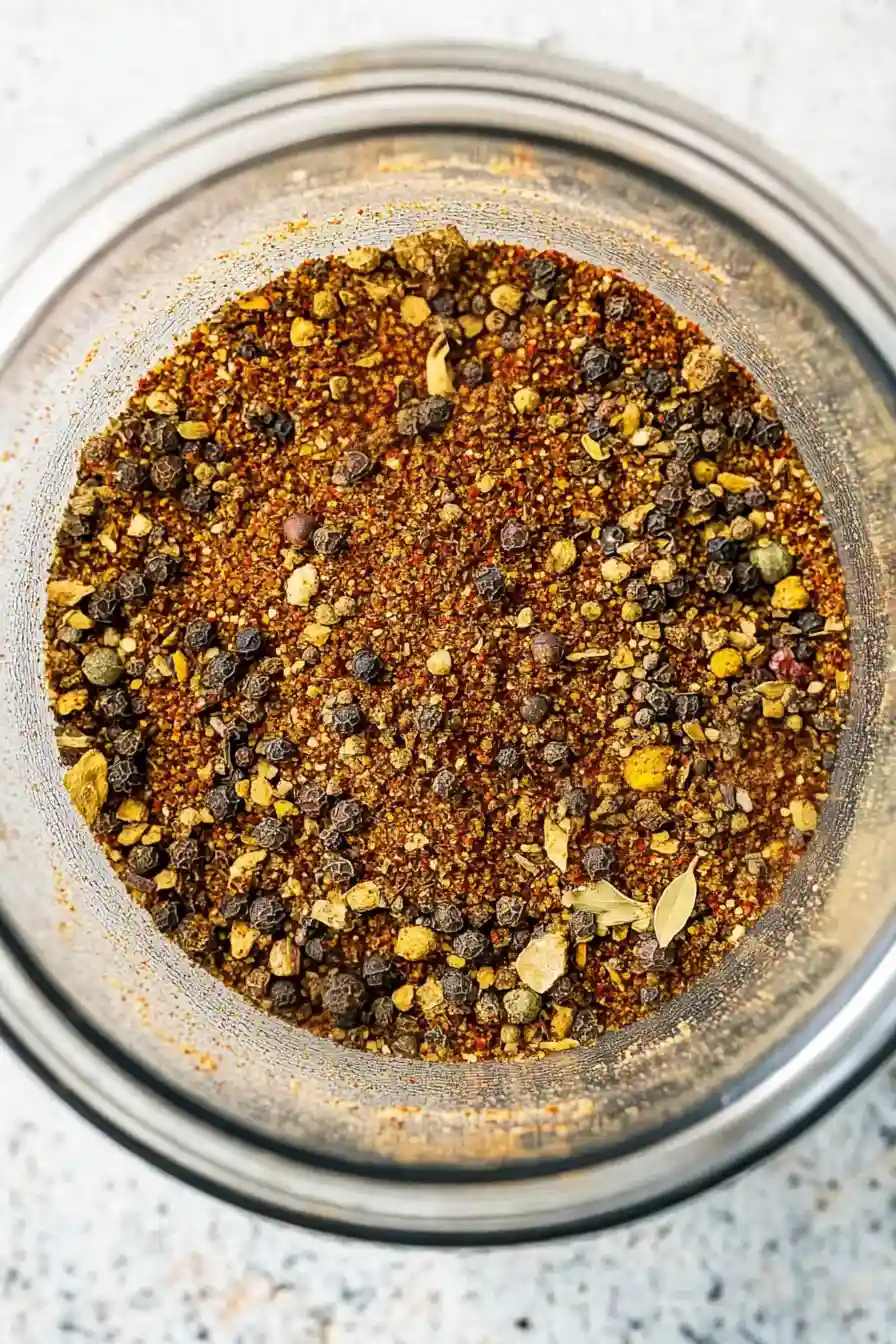
Options for Substitutions
While making your own corned beef seasoning is great, you might need to swap some ingredients. Here’s what works:
- Mustard seeds: If you’re out of mustard seeds, use 1 tablespoon of ground mustard powder instead. You’ll miss the texture but keep the flavor.
- Whole peppercorns: Ground black pepper can work in a pinch – use 2½ teaspoons instead of 1 tablespoon of whole peppercorns.
- Coriander seeds: Ground coriander is a fine substitute – use ¾ teaspoon instead of 1 teaspoon of whole seeds.
- Cardamom seeds: Ground cardamom works too – use ¼ teaspoon instead of ½ teaspoon whole seeds. If you can’t find cardamom, a mix of equal parts cinnamon and nutmeg can work.
- Celery seeds: You can use celery salt (reduce other salt in your corned beef recipe) or dried lovage if you have it.
- Bay leaves: These add a unique flavor that’s hard to replace, but in a pinch, you can use ¼ teaspoon of thyme or oregano per bay leaf.
- Red pepper flakes: Cayenne pepper works well – start with ¼ teaspoon and adjust to taste.
Watch Out for These Mistakes While Making
The biggest mistake when preparing corned beef seasoning is using pre-ground spices, which can lead to a flat, less aromatic blend – always start with whole spices and toast them yourself to release their natural oils and maximize flavor.
Another common error is rushing through the toasting process; the spices need about 2-3 minutes in a dry skillet over medium heat, stirring constantly to prevent burning, and you’ll know they’re ready when you can smell their fragrance.
When grinding the spices, avoid overprocessing them into a fine powder – a coarse grind maintains better texture and allows the spices to slowly release their flavors during the cooking process.
For the best results, store your seasoning blend in an airtight container away from direct sunlight and heat, and try to use it within 3 months while the flavors are still at their peak.
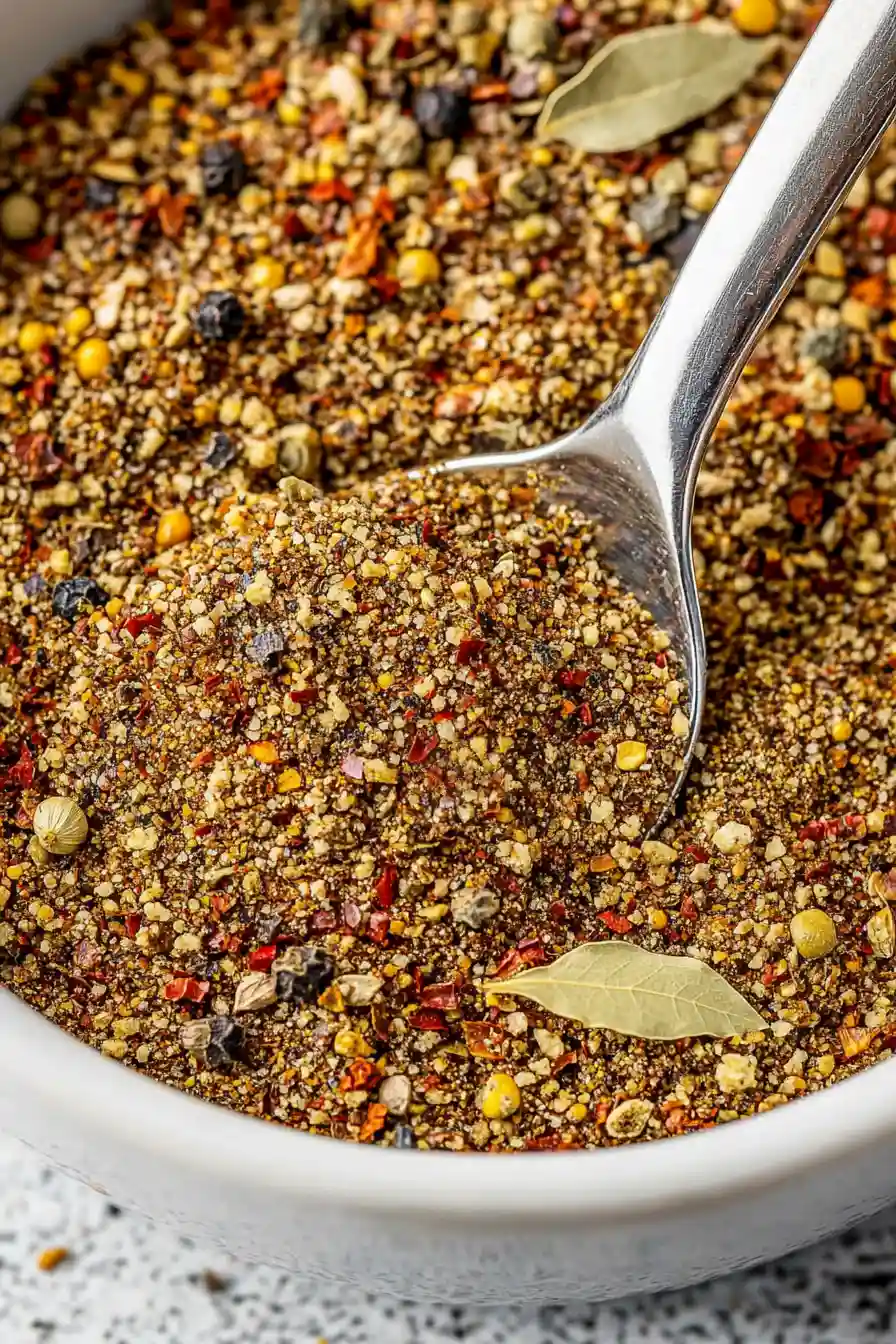
What to Serve With Corned Beef?
When you’ve got a nicely seasoned corned beef, you’ll want some classic sides that can stand up to those bold, savory flavors. The most traditional pairing is tender cabbage wedges, boiled potatoes, and carrots – they soak up all that tasty broth like a dream. For something green, roasted Brussels sprouts or a simple sautéed cabbage add a nice contrast to the rich meat. If you’re making sandwiches with leftover corned beef, try serving them with crispy potato wedges, coleslaw, or a pickle spear on the side – the tangy crunch really complements the meat’s salty, spiced flavor.
Storage Instructions
Keep Fresh: This homemade corned beef seasoning mix stays fresh and flavorful when stored in an airtight glass jar or spice container. Keep it in a cool, dark place like your pantry or spice cabinet, and it’ll maintain its punch for up to 6 months.
Protect: To keep your spice blend at its best, avoid storing it near heat sources like your stove or in direct sunlight. The whole spices will stay fresh longer than ground ones, which is why this mix is great for making in bigger batches!
Label: Don’t forget to put a date on your spice container! While the mix won’t go bad, the flavors will gradually fade over time. I like to make a fresh batch every 6 months to ensure the most robust flavor for my corned beef.
| Preparation Time | 5-10 minutes |
| Cooking Time | 1-5 minutes |
| Total Time | 6-15 minutes |
| Level of Difficulty | Easy |
Estimated Nutrition
Estimated nutrition for the whole recipe (without optional ingredients):
- Calories: 50-70
- Protein: 1-2 g
- Fat: 2-4 g
- Carbohydrates: 10-15 g
Ingredients
- 1 tsp crushed red pepper flakes
- 1/2 tsp allspice berries
- 1 tsp coriander seeds
- 1/2 tsp cardamom pods (green pods preferred for vibrant citrus notes)
- 2 bay leaves (preferably Turkish bay leaves for a milder flavor)
- 4 whole cloves
- 1 tbsp mustard seeds (brown or yellow work equally well)
- 1/2 tsp ground ginger
- 1 tbsp black peppercorns (freshly cracked for more aroma)
- 1/2 tsp celery seeds
Step 1: Toast the Whole Spices
Begin by heating a small pan over medium heat.
Once heated, add the following whole spices: mustard seeds, black peppercorns, coriander seeds, allspice berries, cardamom seeds, celery seeds, and whole cloves.
Lightly toast these spices in the dry pan for about 1 minute.
Stir or shake the pan occasionally to prevent burning and to allow the spices to bloom, releasing their fragrant aromas.
Step 2: Combine with Additional Spices
After toasting, transfer the toasted spices to a food processor or spice grinder.
Add the red pepper flakes, ground ginger, and bay leaves to the mixture.
These additional spices will enhance the flavor profile of your blend.
Step 3: Grind the Spice Mixture
Process the mixture to a coarse blend, or continue to grind to reach your preferred consistency.
Different textures can offer varied intensities of flavor, so choose based on your intended use for the spice blend.
Step 4: Use and Store
Once processed, your homemade spice blend is ready to use.
Sprinkle or integrate it into your culinary creations as desired.
If you’re not using the blend immediately, store it in an airtight container away from light and heat to maintain its freshness and potency.