If you ask me, halibut is one of the best fish for a family dinner.
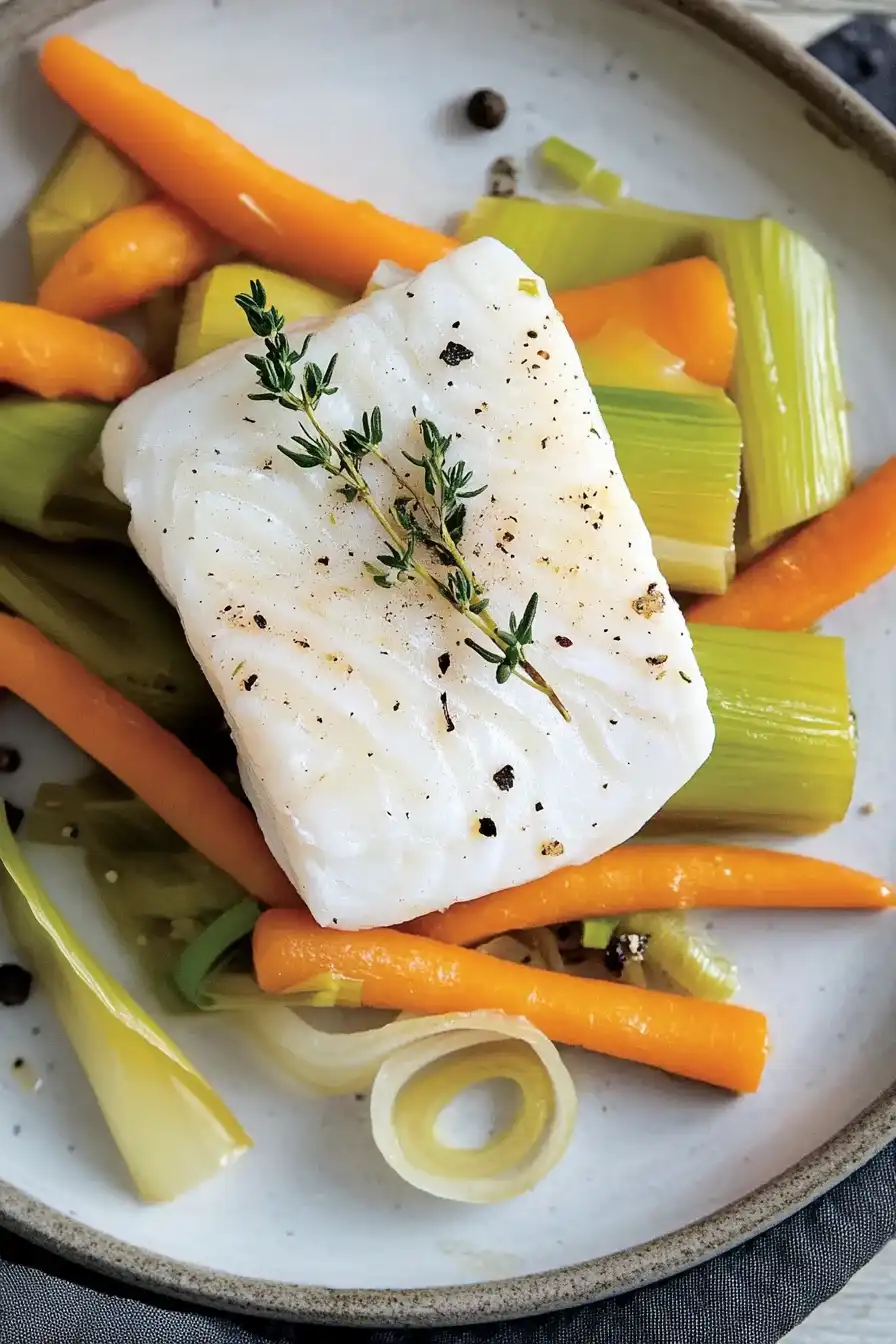
This baked casserole dish brings together flaky halibut with a simple, homestyle preparation that’s full of flavor. The fish stays moist under a light topping of seasoned breadcrumbs, while fresh herbs and lemon keep things bright and tasty.
It’s paired with tender vegetables that cook right alongside the fish, soaking up all those good juices in the pan. A touch of butter and white wine creates a sauce that makes everything just a bit more special.
It’s a no-fuss recipe that feels like a nice restaurant meal, perfect for those nights when you want something that seems fancy but is actually pretty easy to pull off.
Why You’ll Love This Halibut Casserole
- Quick preparation – Ready in just 35 minutes, this elegant fish dinner fits perfectly into your busy weeknight schedule.
- Healthy and light – Made with lean halibut and fresh vegetables, this dish is naturally low in calories while being rich in protein and nutrients.
- Simple ingredients – With just a handful of fresh ingredients and some basic seasonings, you can create a restaurant-quality meal at home.
- One-pan cooking – Everything cooks together in one casserole dish, meaning less cleanup and more time to enjoy your evening.
What Kind of Halibut Should I Use?
For this recipe, you’ll want to look for Pacific halibut, which is the most common variety you’ll find at the fish counter. Fresh halibut should look translucent and have a clean, ocean-like smell – if it smells fishy or appears dull, keep looking. While fresh is fantastic, don’t shy away from frozen halibut, as it’s often frozen right after catching to maintain quality. When selecting your fillets, aim for pieces that are about 1-inch thick and uniform in size so they cook evenly. Remember to pat your halibut dry with paper towels before cooking, as this helps achieve better results in the casserole.

Options for Substitutions
This simple fish casserole can be adapted with several ingredient swaps if needed:
- Halibut: While halibut gives great results, you can use other firm white fish like cod, haddock, or sea bass. Just keep an eye on cooking time as thinner fillets will cook faster than the recipe suggests.
- Leeks: No leeks? Try using a mix of white onions and celery instead. You’ll need about 2 medium onions and 3 celery stalks to replace the leeks. Just slice them thinly.
- Baby carrots: Regular carrots cut into sticks work perfectly fine. You could also try parsnips or even sweet potatoes cut into similar-sized pieces for a different flavor.
- Thyme: Fresh thyme is great, but dried thyme works too – use about 2 teaspoons. You could also try fresh rosemary or a mix of herbs like oregano and marjoram.
- Extra-virgin olive oil: Regular olive oil or even avocado oil can work here. Just avoid oils with strong flavors that might overpower the fish.
Watch Out for These Mistakes While Cooking
The biggest challenge when cooking halibut is preventing it from drying out, as this delicate fish can quickly become tough and flavorless if overcooked – always aim for an internal temperature of 135°F, at which point the fish will be opaque and flake easily with a fork.
When preparing the leeks, a common mistake is not washing them thoroughly enough, as sand and dirt can hide between their layers – slice them first, then soak in cold water and lift them out, leaving any grit behind in the bowl.
Temperature control is crucial for this casserole: starting with room-temperature fish (let it sit out for 15-20 minutes before cooking) helps ensure even cooking, while preheating your baking dish with the vegetables before adding the fish prevents sticking and promotes better heat distribution.
For the most flavorful results, avoid moving the fish around too much during cooking, and consider basting it occasionally with the pan juices to maintain moisture and enhance the herb-infused flavor.
What to Serve With Halibut Casserole?
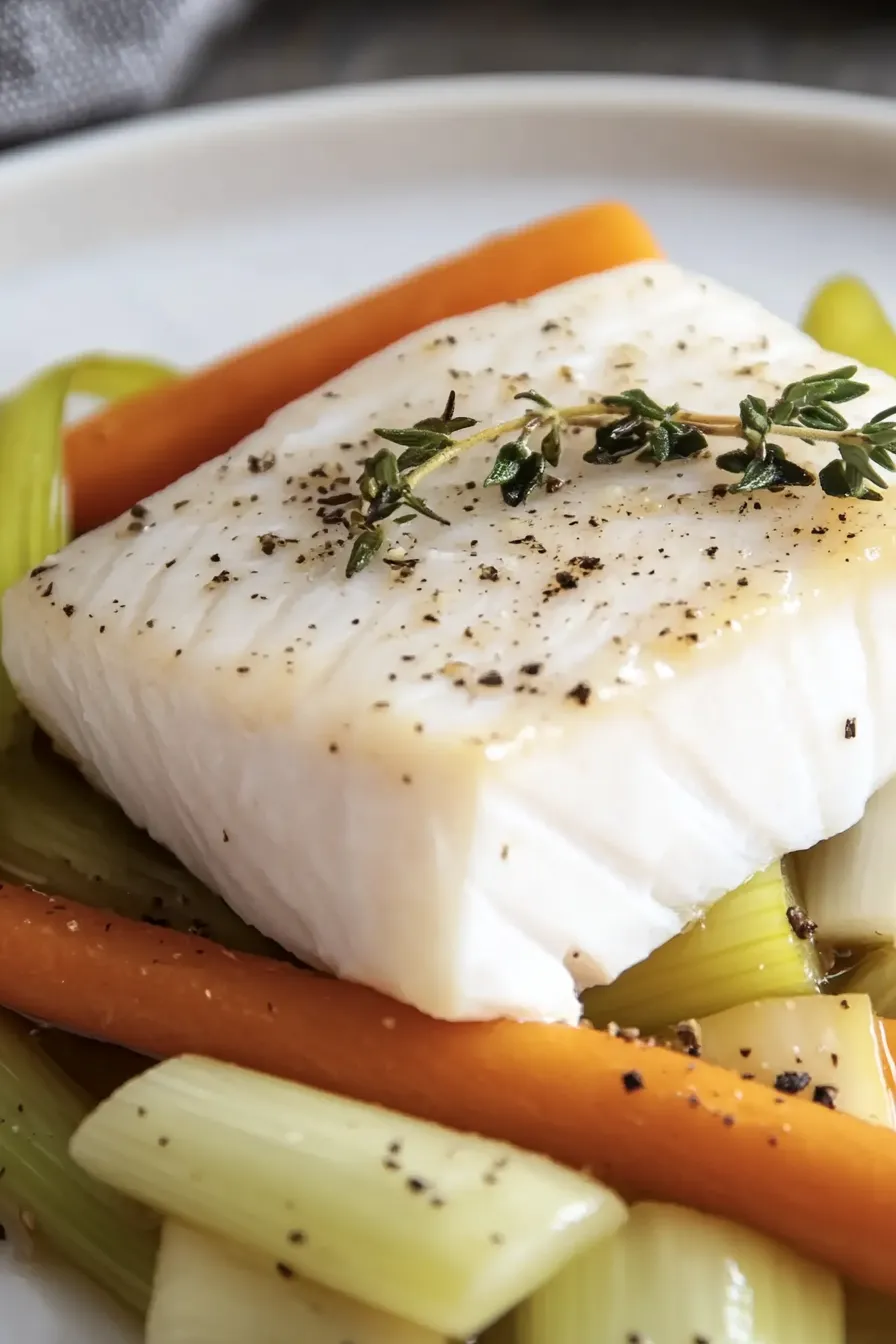
Since this halibut casserole already includes carrots and leeks, you’ll want simple sides that complement without overwhelming the delicate fish. A scoop of fluffy white rice or quinoa makes an excellent base to soak up all those tasty olive oil and herb-infused juices from the casserole. For extra veggies, try serving it with roasted asparagus or steamed green beans – both work really well with the flavors of thyme and leeks. If you’re looking to round out the meal with something starchy, roasted baby potatoes with a sprinkle of fresh herbs would be perfect, or keep it light with a simple mixed green salad dressed in lemon vinaigrette.
Storage Instructions
Keep Fresh: This baked halibut is best enjoyed fresh, but if you have leftovers, place them in an airtight container with the vegetables and cooking juices. It’ll stay good in the fridge for up to 2 days. The flavors actually get better as they meld together overnight!
Prep Ahead: Want to get ahead? You can prep the vegetables up to a day in advance. Clean and cut the leeks and carrots, store them in separate containers in the fridge, and they’ll be ready to go when you’re ready to cook. Just remember not to prep the fish until you’re ready to bake it.
Warm Up: To enjoy your leftover halibut, gently warm it in the microwave at 50% power in short bursts, or cover with foil and heat in a 275°F oven until just warmed through. Be careful not to overheat, as fish can quickly become dry. The vegetables can handle a bit more heat, so you might want to warm them separately.
| Preparation Time | 10-15 minutes |
| Cooking Time | 15-20 minutes |
| Total Time | 25-35 minutes |
| Level of Difficulty | Easy |
Estimated Nutrition
Estimated nutrition for the whole recipe (without optional ingredients):
- Calories: 800-900
- Protein: 120-130 g
- Fat: 45-50 g
- Carbohydrates: 40-50 g
Ingredients
For the vegetables:
- 7 sprigs thyme (freshly picked for best flavor)
- ground white pepper
- 5 tbsp olive oil (I use Colavita extra virgin)
- 6 medium leeks (white and light green parts only, thinly sliced)
- 3/4 lb baby carrots (or large carrots cut into sticks)
- salt
- 2 bay leaves
For the fish:
- 4 halibut fillets (6 oz each)
Step 1: Preheat Oven and Cook Carrots
Preheat your oven to 375°F.
In a large, deep, ovenproof skillet, heat 3 tablespoons of olive oil over moderately high heat.
Add the carrots and cook, stirring frequently, until they are lightly golden, which should take about 3 minutes.
Next, add 1/2 cup of water to the skillet.
Cover and cook the carrots over moderate heat until they are crisp-tender, approximately 5 minutes.
Step 2: Cook Leeks and Season the Vegetables
To the skillet with the carrots, add the leeks and an additional 1/2 cup of water.
Cover the skillet and continue cooking, stirring occasionally, until the leeks begin to soften, around 5 minutes.
Season the vegetables with salt and white pepper.
Add thyme and bay leaves to infuse the dish with flavor.
Step 3: Prepare and Arrange the Fish
Season your choice of fish with salt and white pepper.
Arrange the fish fillets on top of the seasoned vegetables in the skillet.
Drizzle the fish with the remaining 2 tablespoons of olive oil.
Cover the fish with a piece of parchment paper to keep it moist during cooking.
Place a heavy lid on the skillet to seal in the flavors.
Step 4: Bake the Fish
Transfer the covered skillet to your preheated oven.
Bake the fish for 15 minutes, or until it is just cooked through.
Check for doneness by ensuring the fish flakes easily with a fork.
Step 5: Plate and Serve
Once the fish is cooked, discard the thyme and bay leaves from the skillet.
Carefully transfer the fish to serving plates.
Spoon the cooked vegetables and their juices alongside the fish on each plate.
Serve immediately for a delicious and aromatic meal.