Getting the perfect prime rib marinade can feel like a daunting task, especially when you’re preparing such an expensive cut of meat for a special dinner or holiday gathering. Between timing the marinade just right and choosing the right combination of ingredients, it’s easy to feel overwhelmed by all the options and techniques out there.
That’s why I’m excited to share this foolproof prime rib marinade recipe that’s been tested and tweaked countless times in my kitchen. It’s straightforward, uses ingredients you probably already have in your pantry, and brings out the natural flavors of the meat without overpowering it.
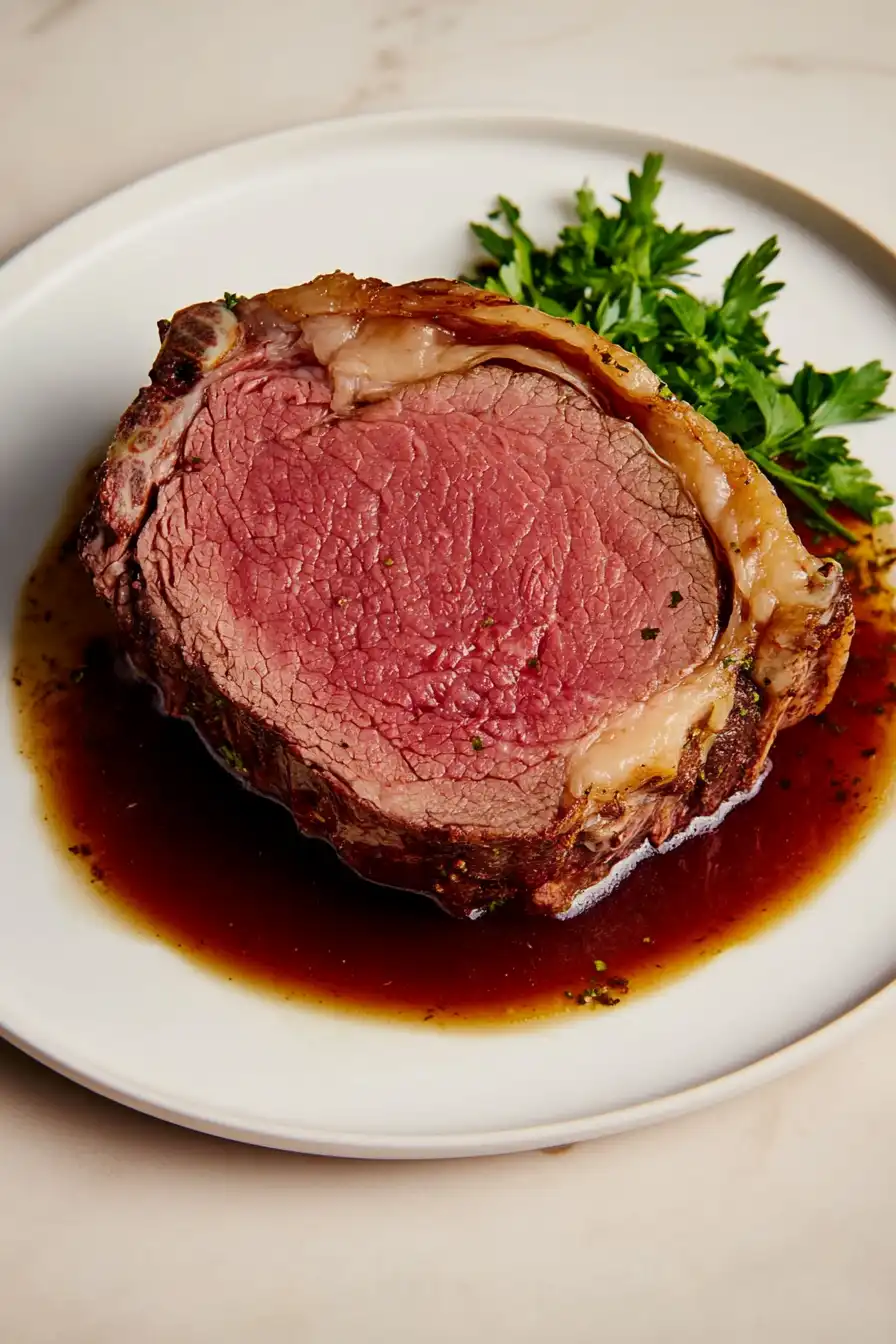
Why You’ll Love This Prime Rib Marinade
- Foolproof results – This marinade recipe ensures your expensive prime rib turns out perfectly seasoned and juicy every single time – no guesswork needed.
- Simple ingredients – With just 5 basic ingredients, this marinade lets the natural flavor of the prime rib shine while adding just the right amount of seasoning.
- Make-ahead friendly – You can prep this marinade in advance and let the meat absorb all those wonderful flavors while you focus on other holiday preparations.
- Restaurant-quality results – The vodka helps tenderize the meat while the aromatics create that classic steakhouse taste right in your own kitchen.
What Kind of Prime Rib Should I Use?
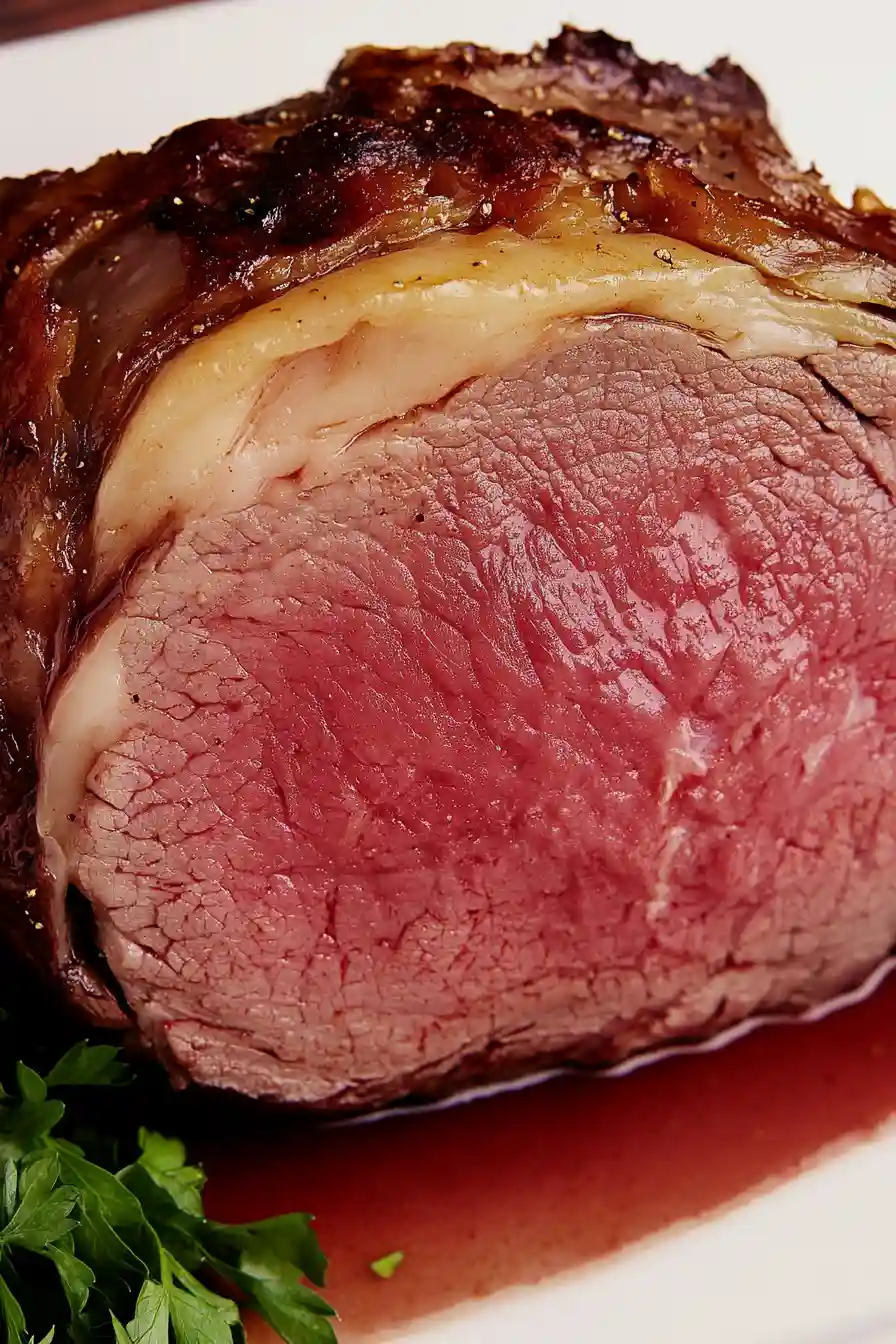
For a prime rib roast, you’ll find a few different grades at the meat counter – Prime, Choice, or Select. Prime is the highest quality with the most marbling (those little streaks of fat that make meat tender and juicy), but it can be pretty expensive and isn’t always easy to find. Choice grade is what most home cooks use – it’s still really good quality and more budget-friendly. When you’re picking your roast, look for one with good marbling throughout and a bright red color. For the best results, try to get a cut from the smaller end of the rib section (sometimes called the first cut or loin end) since it’s usually more tender. Just remember to ask your butcher to remove the bones but tie them back on – this gives you the flavor from the bones while making it easier to slice later.
Options for Substitutions
While this marinade recipe is pretty straightforward, here are some helpful substitution tips:
- Prime rib roast: Prime rib is the star here, but if needed, you can use a ribeye roast or standing rib roast. Just keep in mind that the quality of the meat really matters for this dish.
- Fresh bay leaves: If fresh bay leaves aren’t available, use 6 dried bay leaves instead – they’re more concentrated in flavor. You could also use a mix of fresh sage and thyme as an alternative.
- Vodka: The vodka helps carry flavors into the meat and can be replaced with white wine vinegar or dry white wine. If you prefer no alcohol, use apple juice mixed with a tablespoon of white vinegar.
- Coarse salt: Kosher salt works perfectly in place of coarse salt. If using regular table salt, reduce the amount by half since it’s more concentrated.
- Flaky sea salt: For the garnish, kosher salt or any finishing salt will work – though the texture won’t be quite the same as flaky sea salt.
Watch Out for These Mistakes While Cooking
The biggest mistake when preparing prime rib is not letting your meat come to room temperature before cooking – take it out of the refrigerator at least 2 hours before you plan to cook it, as this ensures even cooking from edge to center.
Temperature control is crucial – avoid the temptation to keep opening the oven door to check on the roast, as this causes temperature fluctuations that can lead to uneven cooking and longer cooking times.
A common error is not using a reliable meat thermometer – for medium-rare, remove the roast when it reaches 120-125°F, as the internal temperature will rise another 5-10 degrees while resting.
Speaking of resting, don’t skip the 15-20 minute rest period after cooking – cutting into the meat too soon will release all those flavorful juices, leaving you with a drier roast than desired.

What to Serve With Prime Rib?
When you’re serving a beautiful prime rib, you’ll want some classic sides that complement but don’t overshadow your main dish. Creamy mashed potatoes are a must-have – they’re perfect for soaking up all those tasty meat juices. A simple roasted vegetable like asparagus or Brussels sprouts adds nice color to the plate, while Yorkshire pudding or warm dinner rolls help round out the meal. For an extra special touch, I like to include both a creamy horseradish sauce and some au jus on the side, letting everyone customize their plate to their taste.
Storage Instructions
Marinate: For the best results, let your prime rib marinate in the refrigerator for at least 12 hours and up to 24 hours. Keep it covered tightly with plastic wrap or in a sealed container, turning occasionally to ensure even distribution of flavors. The longer it marinates, the more those tasty flavors will sink in!
Keep: After marinating, the raw prime rib can stay in the fridge for up to 3 days before cooking. Just make sure it’s well-wrapped or in an airtight container. The marinade helps preserve the meat while adding flavor at the same time.
Leftover Storage: Once cooked, store any leftover prime rib in an airtight container in the fridge for up to 5 days. The marinade helps keep the meat moist even after it’s been cooked, so your leftovers will still taste great!
| Preparation Time | 15-20 minutes |
| Cooking Time | 150-160 minutes |
| Total Time | 165-180 minutes |
| Level of Difficulty | Medium |
Estimated Nutrition
Estimated nutrition for the whole recipe (without optional ingredients):
- Calories: 4200-4600
- Protein: 350-400 g
- Fat: 330-370 g
- Carbohydrates: 0-5 g
Ingredients
For the marinade and roast:
- 12 fresh bay leaves
- 2 tbsp ground black pepper (freshly ground for best flavor)
- 1/3 cup coarse salt (such as Kosher salt)
- 4 fl oz vodka (I prefer Tito’s for this recipe)
- 1 (14 lb) prime rib roast (bone removed)
For garnish:
- flaky sea salt (optional, for enhancing presentation and taste)
Step 1: Prepare the Roast
Place your roast on a large rimmed baking sheet.
Carefully cut 12 shallow, angled slits into the fat cap of the roast.
Insert bay leaves into the slits, folding them if needed to fit properly.
Rub the outside of the rib roast with vodka for added flavor.
Sprinkle the exterior evenly with kosher salt and pepper.
Note that some of the vodka, salt, and pepper will fall onto the baking sheet; these can be discarded.
Step 2: Rest the Roast
Position the roast, fat cap up, on a V-shaped roasting rack situated inside a large roasting pan.
Allow the roast to stand at room temperature for 2 hours.
This resting period helps bring the roast to a more uniform temperature before cooking, which aids in even roasting.
Step 3: Roast the Meat
Preheat your oven to 425°F, with the oven rack placed in the lower third of the oven.
Place the rib roast into the preheated oven and roast for 30 minutes at this initial high temperature.
Reduce the oven temperature to 325°F and continue to roast until a meat thermometer inserted into the thickest part of the rib roast reads 115°F for medium-rare.
This will take approximately 2 hours to 2 hours and 20 minutes, or cook it longer if desired for increased doneness.
Step 4: Let the Roast Rest
Transfer the roast to a carving board once it reaches your desired temperature.
Cover it loosely with aluminum foil and allow it to rest for 30 minutes.
Resting is important as it lets the juices redistribute, making for a juicier roast.
Step 5: Carve and Serve
After the resting period, remove and discard the bay leaves.
Set the roast on its side and use a long, sharp knife to run between the bones and the meat.
Remove the bones and reserve them for another use, such as stock.
Turn the roast upright and carve into thick slices.
Transfer the slices to plates and serve immediately, garnishing with flaky sea salt for added taste and texture.