Tomato plants, despite their popularity in home gardens, often experience leaf curl problems that can affect their overall health and productivity. Early identification of these issues allows gardeners to implement effective solutions before significant damage occurs.
Leaf curl in tomatoes can stem from various causes including insect infestations, environmental stressors, or nutritional deficiencies. Understanding these potential triggers and their appropriate remedies helps ensure robust plant growth and optimal fruit production. With proper care and timely intervention, most tomato plants can recover fully and continue to develop their characteristic juicy, flavorful fruit.
Drooping Leaves
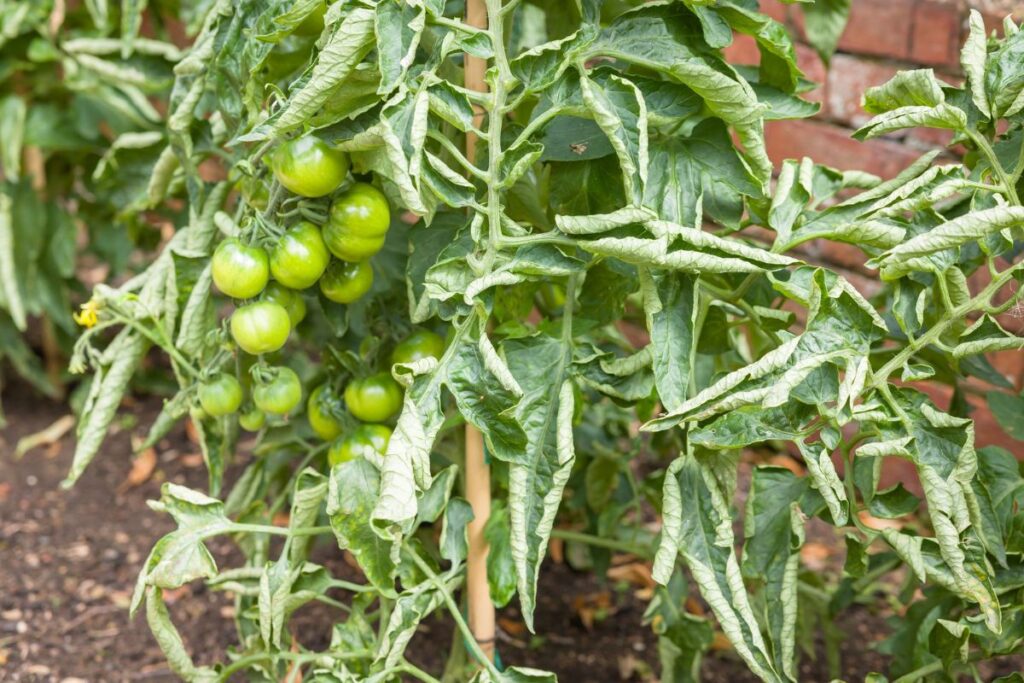
Downward curling of tomato foliage typically signals the first indication of plant stress. This common symptom often results from improper moisture levels or excessive heat in the growing environment.
Common causes include:
- Overwatering
- Underwatering
- Temperature extremes
To address moisture-related drooping, examine your soil dampness and adjust your watering routine accordingly. Consistent morning irrigation delivers the best results for most tomato varieties. For heat-induced wilting, consider installing shade structures to reduce temperature stress during peak sunshine hours. Prompt intervention when leaves first begin to droop can significantly limit potential damage to your tomato plants.
Upward Leaf Curl
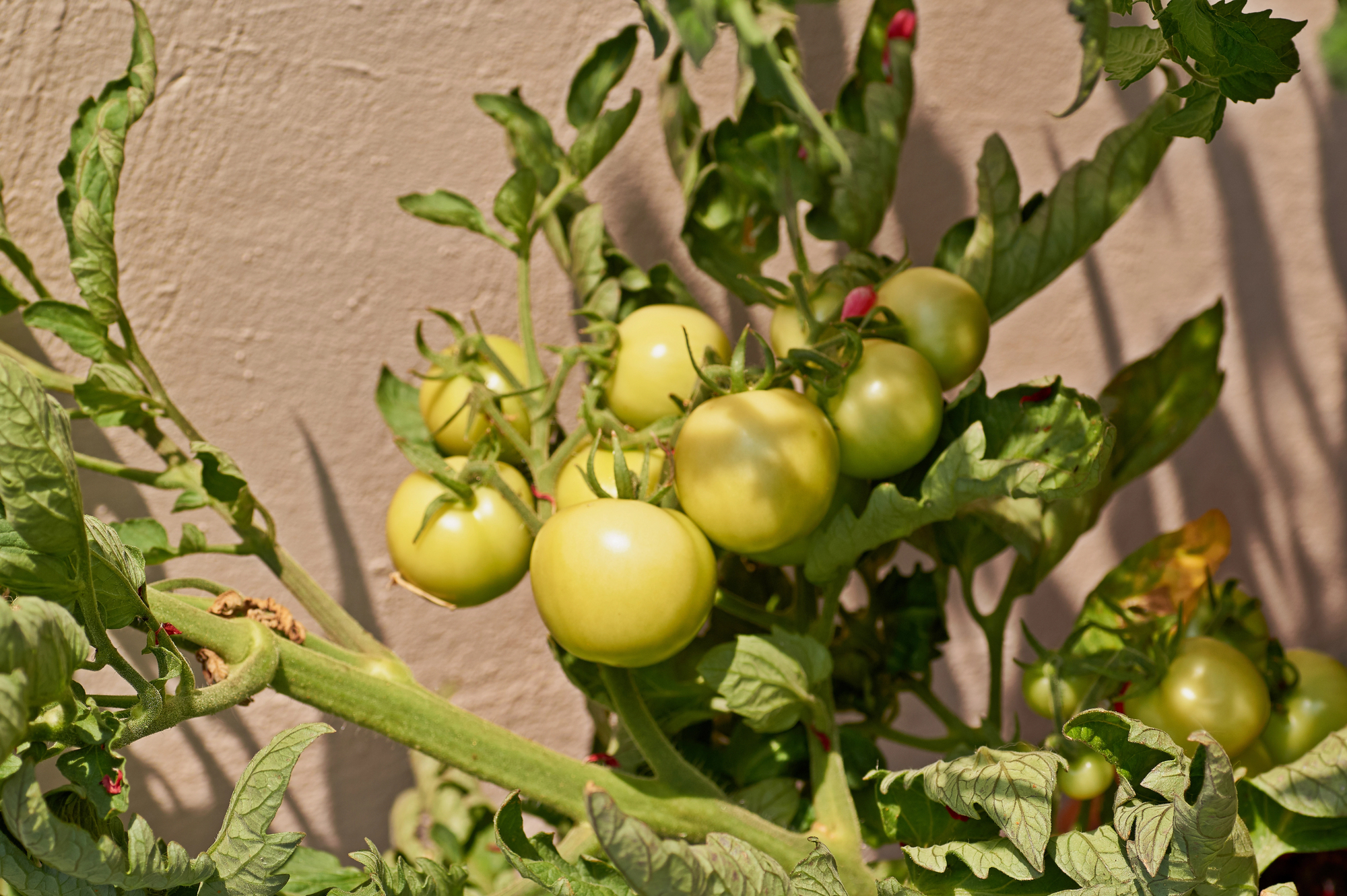
When garden plants show leaves curling upward toward the stem, pest infestations or viral diseases are often responsible. This distinctive symptom creates tightly rolled, distorted foliage that hampers plant growth.
Inspect the undersides of affected leaves carefully for common culprits:
- Whiteflies
- Aphids
- Thrips
These pests not only damage plants directly but may transmit viruses causing similar symptoms. For effective management, apply appropriate treatments promptly:
Recommended treatments:
- Insecticidal soap
- Neem oil spray
- Removal of heavily affected leaves
Regular monitoring helps detect new infestations before they spread throughout the garden.
Yellowing Leaves with Curl
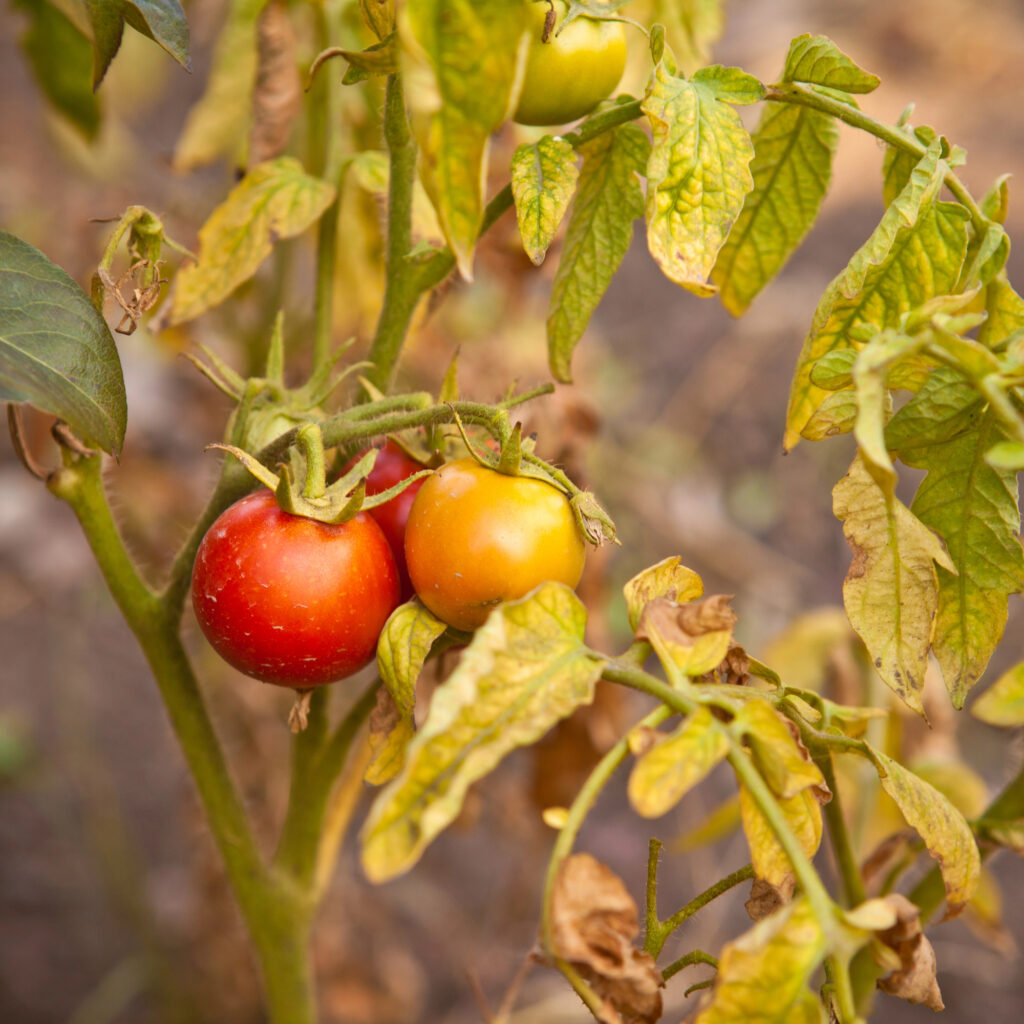
When tomato leaves turn yellow and begin curling, this often indicates nutrient deficiencies in the plant. Nitrogen or magnesium shortages frequently cause this distinctive combination of symptoms, particularly when yellow spots accompany the curling.
Address this issue promptly with these solutions:
- Apply balanced fertilizer or tomato-specific feed
- Consider using compost tea for organic gardens
- Try an Epsom salt solution (1 tablespoon per gallon of water)
Quick intervention prevents stunted growth and reduced fruit yields. After treatment, monitor the plant for 5-7 days to ensure recovery and adjust feeding as necessary.
Dry, Brittle Leaves
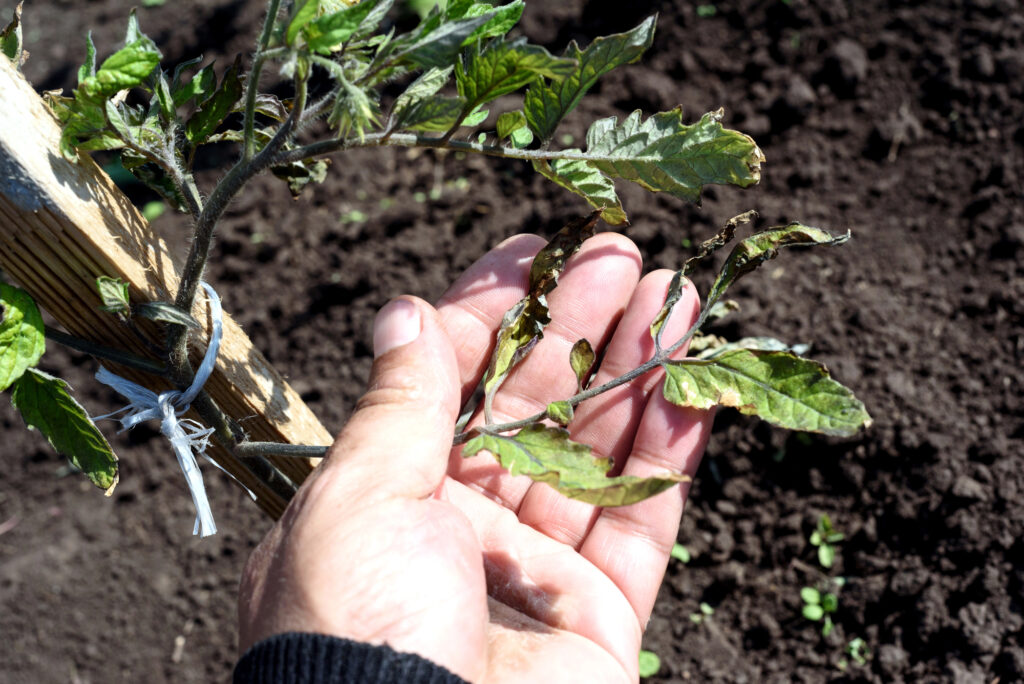
When tomato leaves become crispy and start curling, the plant is typically experiencing moisture stress. Environmental factors like excessive heat or strong winds can rapidly dehydrate the foliage.
To address this issue, apply a layer of mulch around the plant base to help maintain soil moisture. Water thoroughly but allow the soil to dry slightly between waterings.
For gardens in windy locations, installing windbreaks can provide crucial protection. Prompt attention to these symptoms is essential for plant recovery. Well-hydrated tomato plants not only survive better but also produce more fruit.
Thickened, Curled Leaves
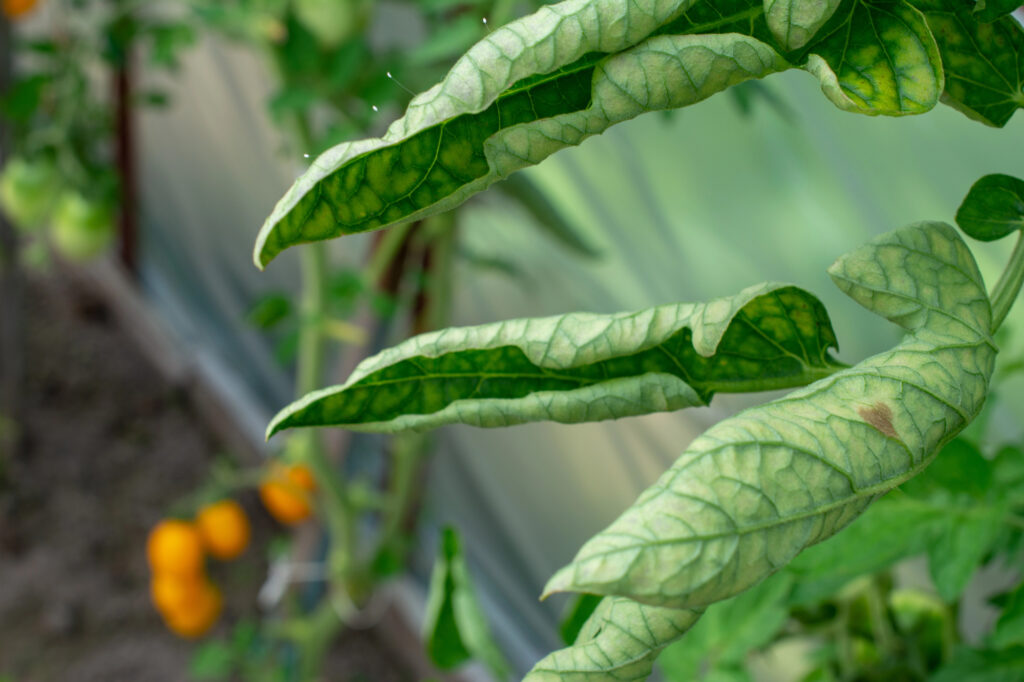
Tomato leaves that appear thickened and curled may indicate exposure to herbicide drift. This damage can occur when even minimal amounts of weed-killer are carried by wind from nearby applications. The symptoms typically develop several days after the initial exposure to these chemicals.
To address this issue, thoroughly water affected plants to help dilute and remove any remaining chemicals from the soil. Protective barriers like row covers can shield plants when spraying occurs in adjacent areas.
Be strategic about garden placement, avoiding locations near properties where chemical treatments are common. It’s also helpful to communicate with neighbors about planned herbicide applications to coordinate protective measures.
Growth Inhibition

Plants displaying curled leaves coupled with minimal or halted growth often indicate a significant problem. Viral infections, particularly those like Tomato Yellow Leaf Curl Virus, commonly cause these symptoms. When infected, plants experience dramatically reduced development rates and produce little to no fruit.
Management strategies include:
- Prompt removal of affected plants
- Implementation of crop rotation in subsequent seasons
- Selection of virus-resistant cultivars when available
Prevention remains the most effective approach for maintaining healthy plants. Early identification and isolation of affected specimens help protect the remainder of your garden from similar issues.
Purple Leaf Discoloration
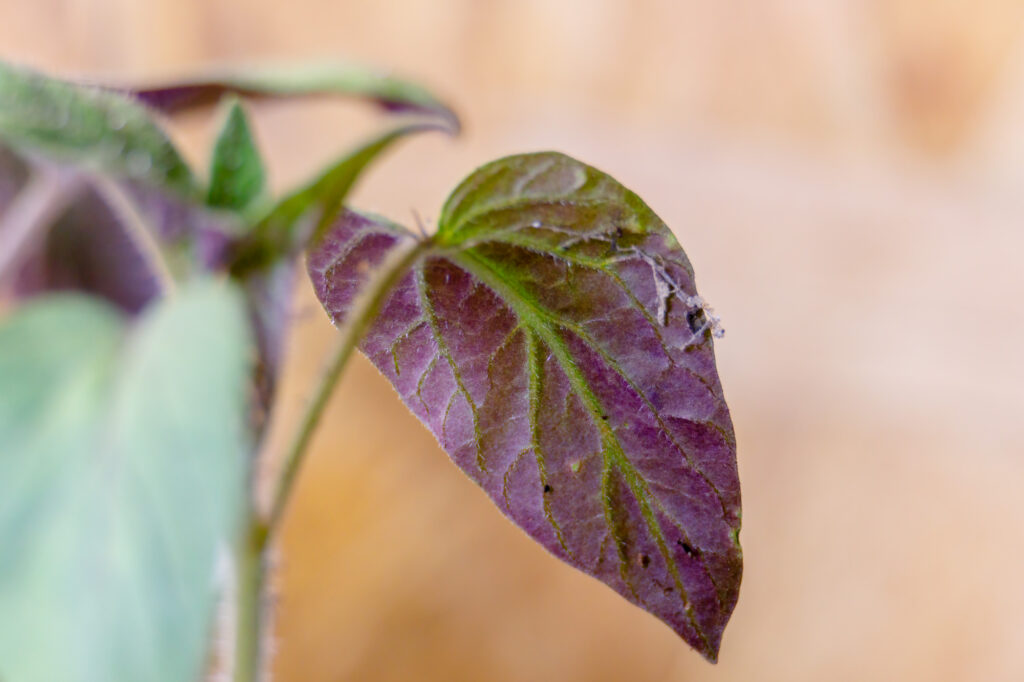
When leaves develop purple streaks or tints while curling, a phosphorus deficiency is often the culprit. This essential nutrient plays a vital role in early development stages of plants.
Cold soil temperatures frequently inhibit proper phosphorus uptake by roots. To address this issue, apply bone meal or phosphorus-rich fertilizers directly to the affected area.
Improving soil temperature can enhance nutrient absorption. Prompt action is necessary as untreated deficiencies may result in delayed flowering and reduced fruit production. Strong root systems are fundamental to maintaining healthy, vibrant foliage.
Leaf Edge Burn
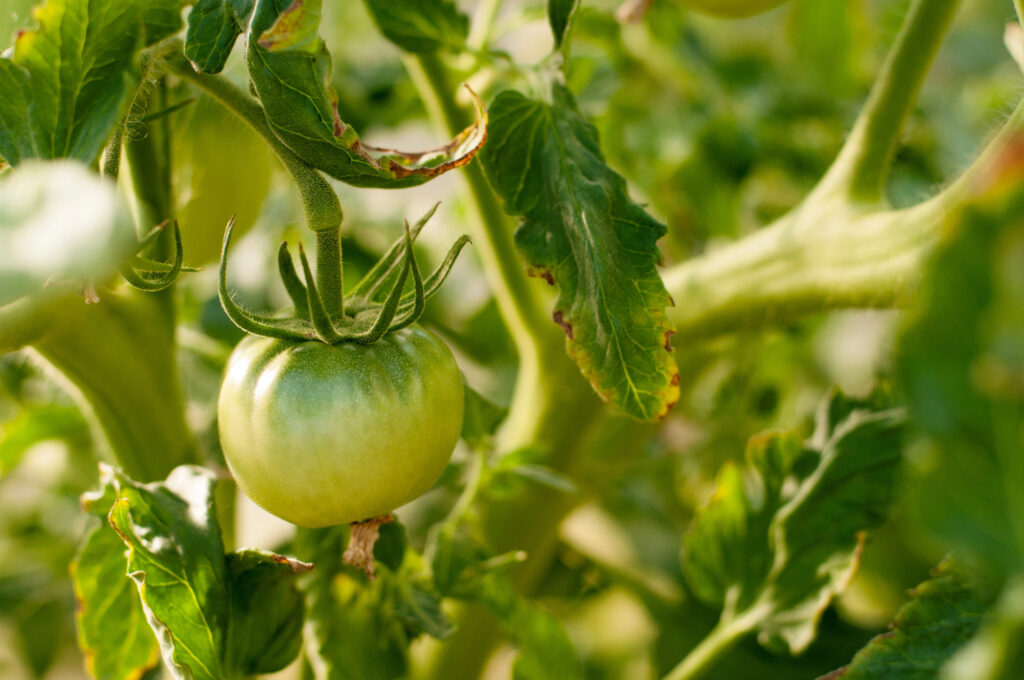
Browning and curling along leaf margins typically indicates fertilizer damage. This occurs when excess nutrients scorch the roots and foliage. To address this issue, thoroughly water the soil to dilute concentrated nutrients.
When applying fertilizers, always adhere to manufacturer guidelines for proper application rates. Organic fertilizer options provide gentler nutrition with reduced burning risk.
After treatment, watch for new growth as an indicator of recovery. Remember that moderation is key—plants often require less fertilizer than one might assume.
Curling New Growth
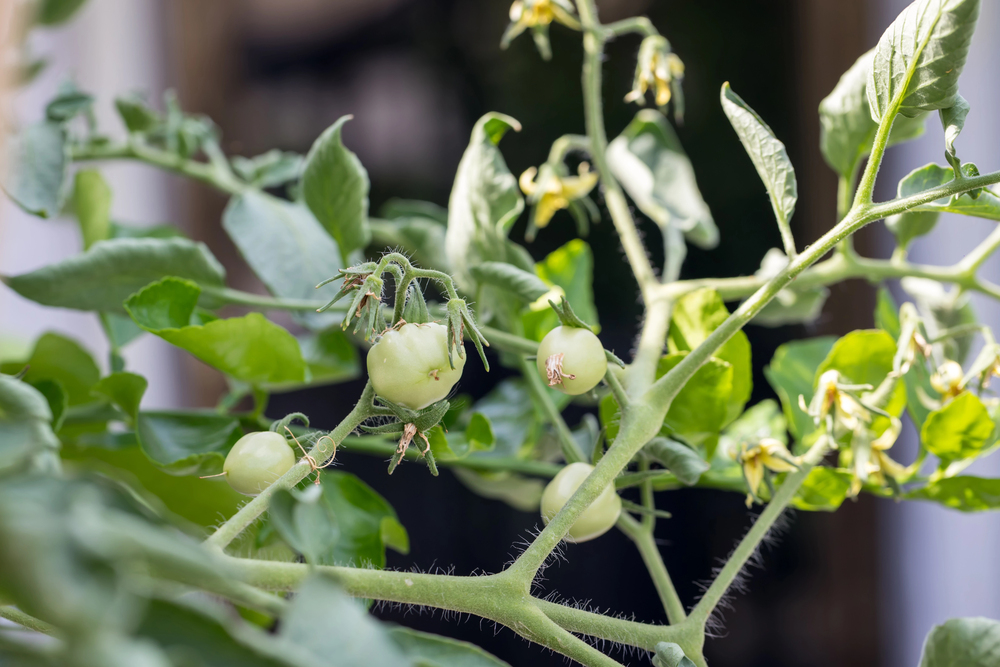
Young foliage curling often indicates viral issues or insect infestations. Fresh leaves lack the resilience of mature ones, making them vulnerable targets. Examine leaf undersides carefully for:
- Spider mites
- Aphids
- Whiteflies
Proper management requires prompt action. Remove affected foliage with clean tools and dispose of it away from healthy plants. Natural treatments like neem oil provide effective control without harsh chemicals. Quarantine affected specimens to prevent spreading the problem to neighboring plants.
Leaves Curling Inward
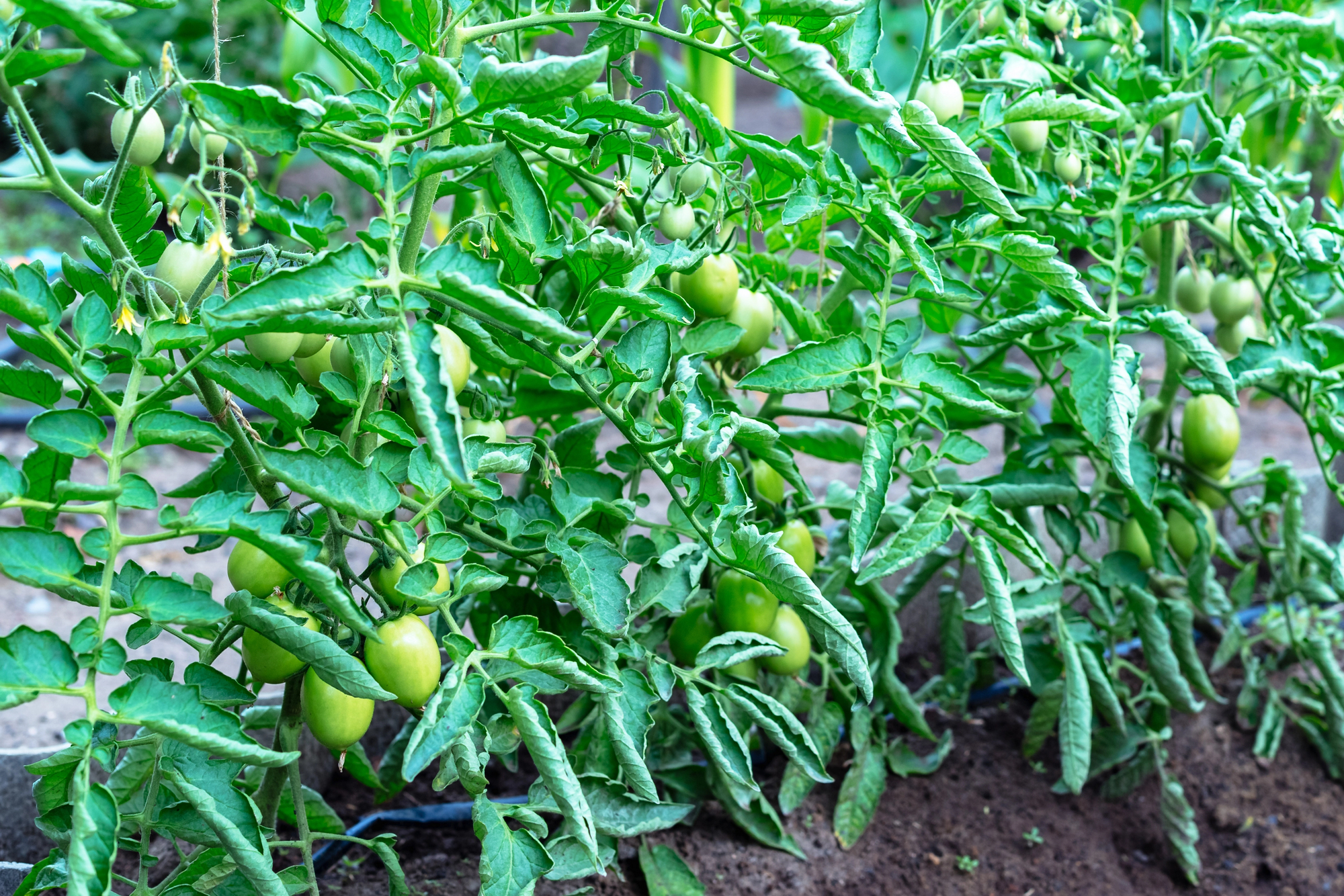
When plant leaves curl inward, environmental stress or root issues are likely culprits. Examine the soil conditions first, looking for signs of compaction or poor drainage that restrict root function.
Improve soil structure by incorporating organic compost and consider elevating garden beds to enhance drainage. Never work with wet soil as this worsens compaction problems.
Practice gentle cultivation techniques around the root zone to avoid damage. A healthy root system supports proper leaf development, so focus on root health to address curling leaves.
Curling with Wilting

Fungal diseases like Fusarium and Verticillium commonly cause plants to both curl and wilt simultaneously. These pathogens invade from the soil and work their way upward through the plant’s vascular system.
Plants typically show more severe symptoms during hot daytime temperatures, with some recovery occurring overnight. Affected specimens should be completely removed and properly discarded to prevent spread.
Prevention strategies:
- Implement crop rotation practices
- Select resistant plant varieties
- Avoid replanting susceptible crops in the same location
- Maintain healthy soil conditions
These measures significantly reduce the risk of fungal problems taking hold in your garden.
Bumpy, Twisted Leaves
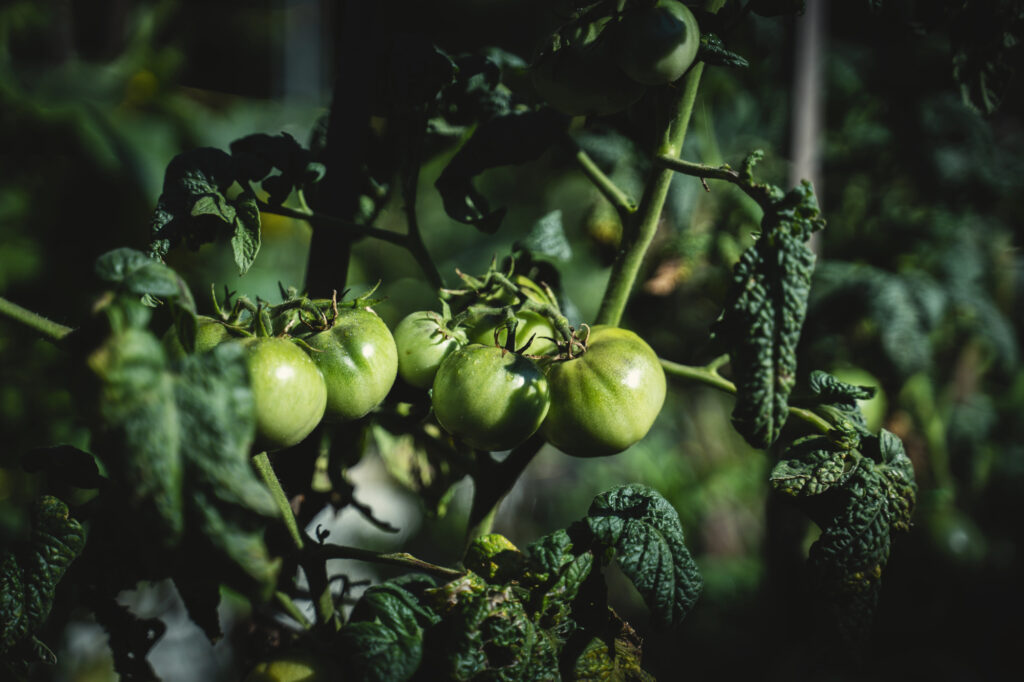
Leaf deformation such as twisting and bumping often signals pest activity. The primary culprits are typically leafhoppers and thrips, which feed on plant tissues.
When examining affected plants, check the undersides of leaves for these small insects or their feeding marks. Consider these management approaches:
- Install sticky traps near affected plants
- Apply organic insecticidal sprays
- Remove severely damaged leaves
- Monitor new growth regularly
Regular inspection of new foliage will help determine if your intervention measures are successful.
Brittle Leaf Tips
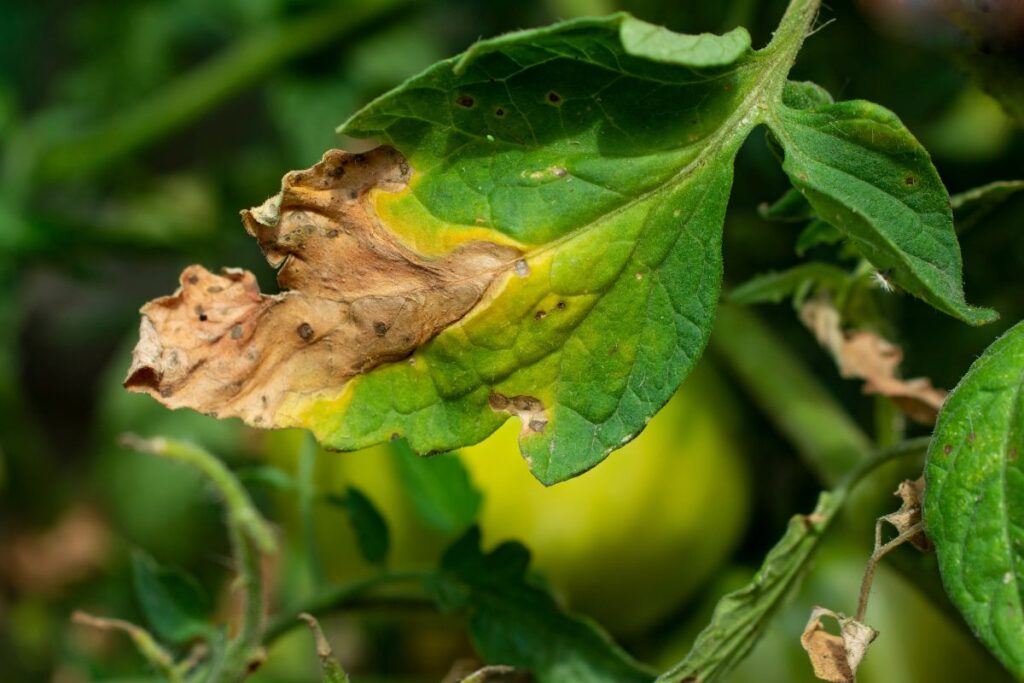
Leaf tips that appear brittle or begin to curl often indicate a calcium deficiency in tomato plants. Calcium plays a critical role in developing strong cell walls, and without adequate amounts, plants become structurally compromised.
If left untreated, this condition typically progresses to blossom end rot. To address this issue:
- Apply calcium-based foliar sprays
- Add lime amendments to soil
- Maintain consistent watering schedules
- Apply mulch around plants to regulate soil moisture
Consistent moisture helps facilitate proper nutrient absorption throughout the plant. Taking these preventative steps early can help avoid more significant damage to your tomato crop.
Discolored Vein Patterns
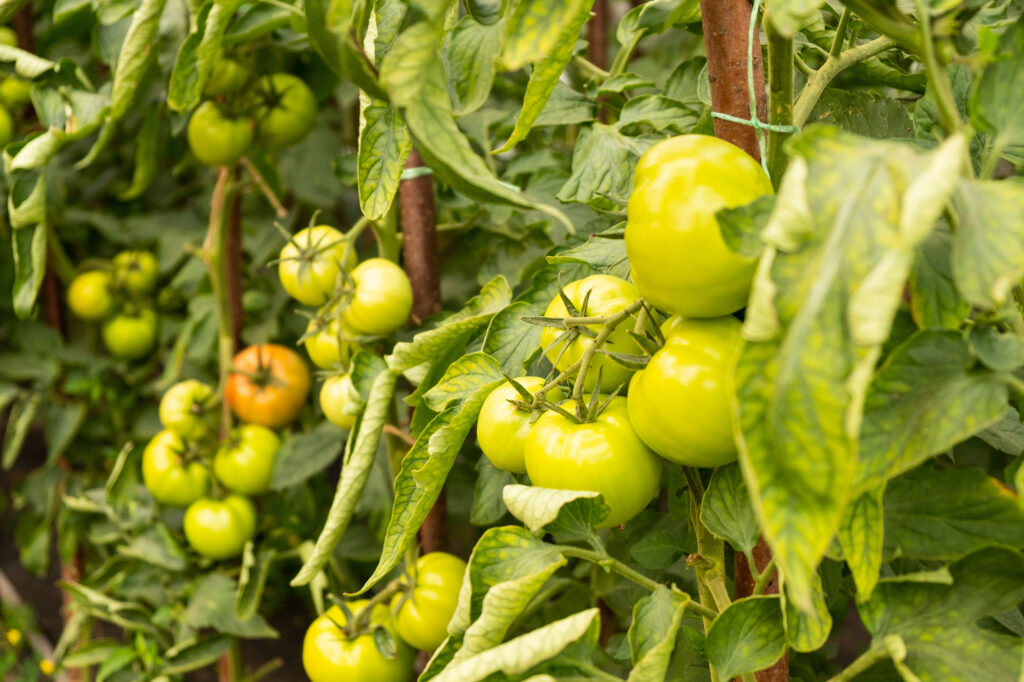
When leaf veins remain green while surrounding tissue turns yellow, your plant is signaling a potential nutrient deficiency. This pattern often indicates iron or magnesium problems in the soil.
Treatment options include:
- Chelated iron supplements for iron deficiency
- Epsom salts (1 tbsp per gallon of water) for magnesium issues
A soil test provides definitive answers about which nutrients are lacking. For faster results, consider foliar sprays applied directly to leaves, as plants can absorb nutrients through their foliage more quickly than through roots.
Early intervention prevents further decline and maintains plant health.
Leaf Clusters and Curling

When tomato plants develop tightly clustered or curled leaves, two main culprits are often responsible: herbicide drift or viral infection. Neighboring weed control activities can send chemical particles through the air that damage tomato foliage even at low concentrations.
Monitor local spraying activities and prevailing winds to identify potential herbicide sources. Plants showing these symptoms should be isolated from healthy specimens to prevent possible viral spread.
Prevention strategies:
- Install physical barriers between gardens and spray-prone areas
- Choose organic weed management techniques
- Remove severely affected plants
- Check wind direction before applying any treatments nearby
Early identification and prompt action can save the majority of your tomato crop when leaf clustering appears.
Sticky Leaf Issues
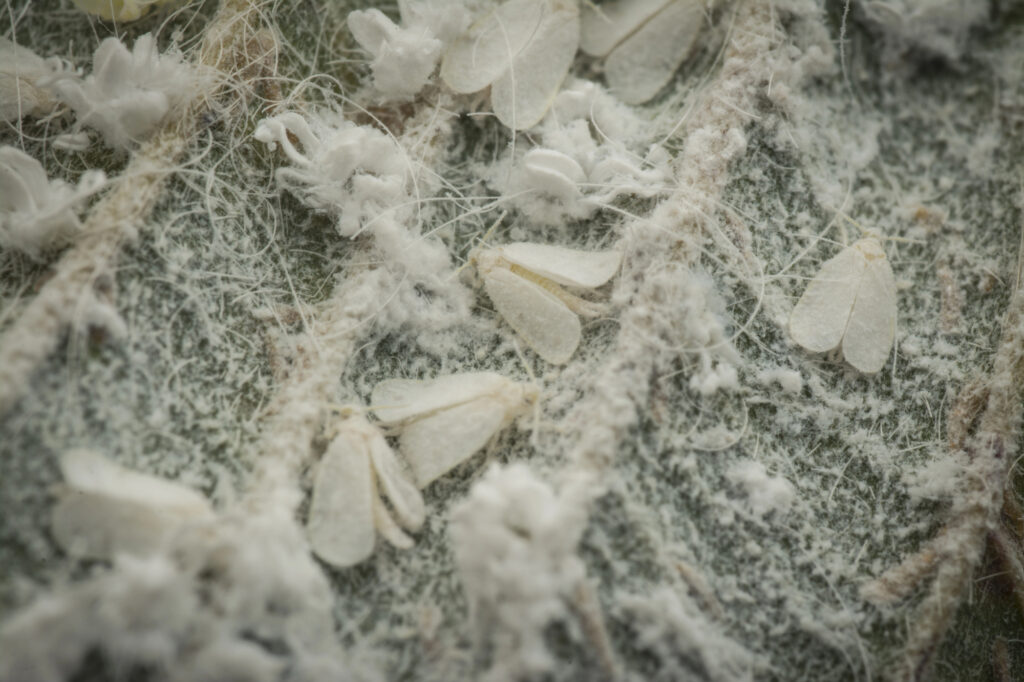
When garden foliage begins curling and develops a tacky surface, insects are likely the culprits. This sticky substance is honeydew, a sugary secretion produced by pests such as aphids and whiteflies feeding on plant sap.
If left untreated, honeydew often leads to sooty mold growth. The solution is straightforward:
- Wash affected leaves with a strong water spray
- Apply insecticidal soap to the plant
- Treat weekly until insects disappear
- Maintain a tidy garden by removing weeds
These practices eliminate both the pests and their sticky residue while preventing future infestations.
Delayed Blooming

Heat stress and nutrient deficiencies commonly cause plants to curl their leaves and reduce flowering. This protective response helps plants conserve energy during challenging conditions.
Providing adequate shade during the hottest parts of the day can significantly improve recovery. Maintain consistent soil moisture through regular watering schedules, avoiding both drought and oversaturation.
Application of phosphorus-rich fertilizers can stimulate flower production. Tip: Remove spent blooms promptly to redirect the plant’s energy toward developing new flowers rather than seed production.
Leaf Discoloration and Curling
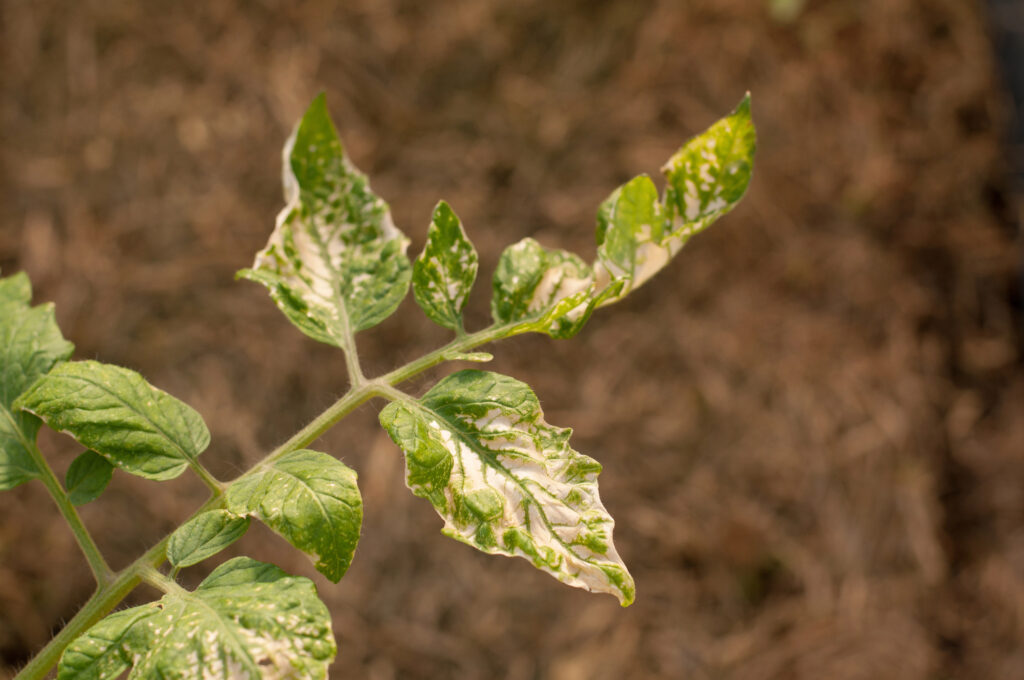
Plants exhibiting mottled coloration and curling foliage typically indicate mosaic virus infection. This pathogen creates irregular color patterns and distorts normal growth. Unfortunately, no treatment exists for infected plants.
Swift action is necessary to manage the spread:
- Remove infected specimens immediately
- Sanitize all gardening tools thoroughly
- Plant virus-resistant varieties when replacing
Implementing proper crop rotation strategies will significantly reduce future infection risks. These viruses primarily spread through physical contact, so maintaining clean gardening practices is essential for prevention.
Early Yellow Curl
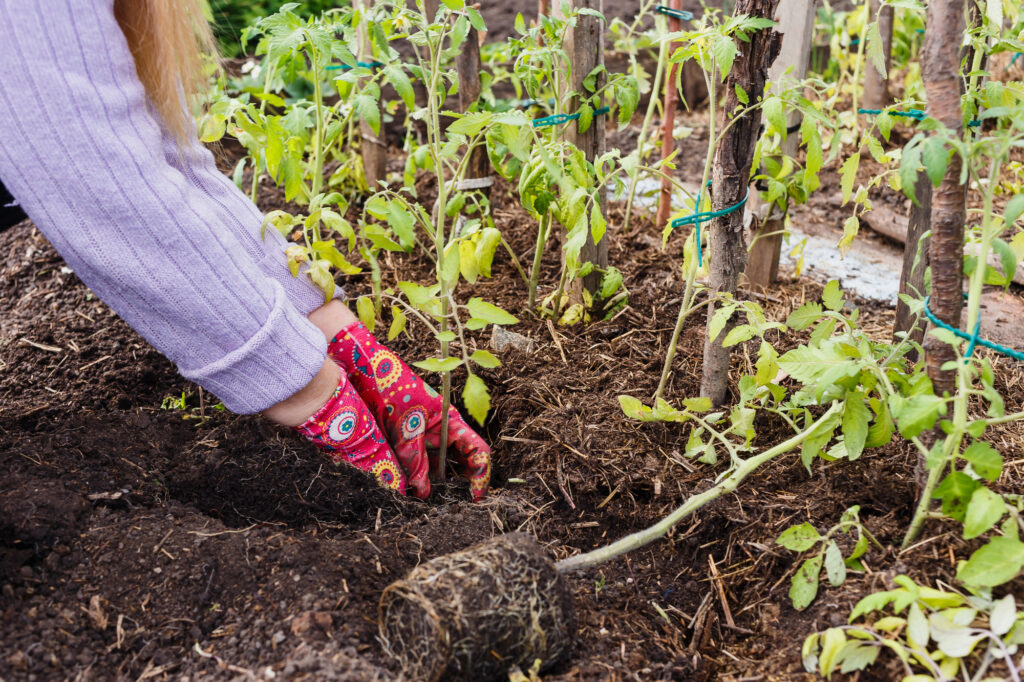
After transplanting, plants may display symptoms of yellowing leaves and curling. This is typically a stress response to their new environment. To help them recover, maintain proper soil moisture without overwatering.
Several measures can help minimize transplant shock:
- Provide temporary shade for 3-4 days
- Water thoroughly but avoid soggy conditions
- Delay fertilizer application until plants establish
- Monitor leaf recovery as plants adapt
Most plants naturally overcome this condition once they establish their root systems in the new location. Patience is key during this adjustment period.
Uneven Leaf Shape
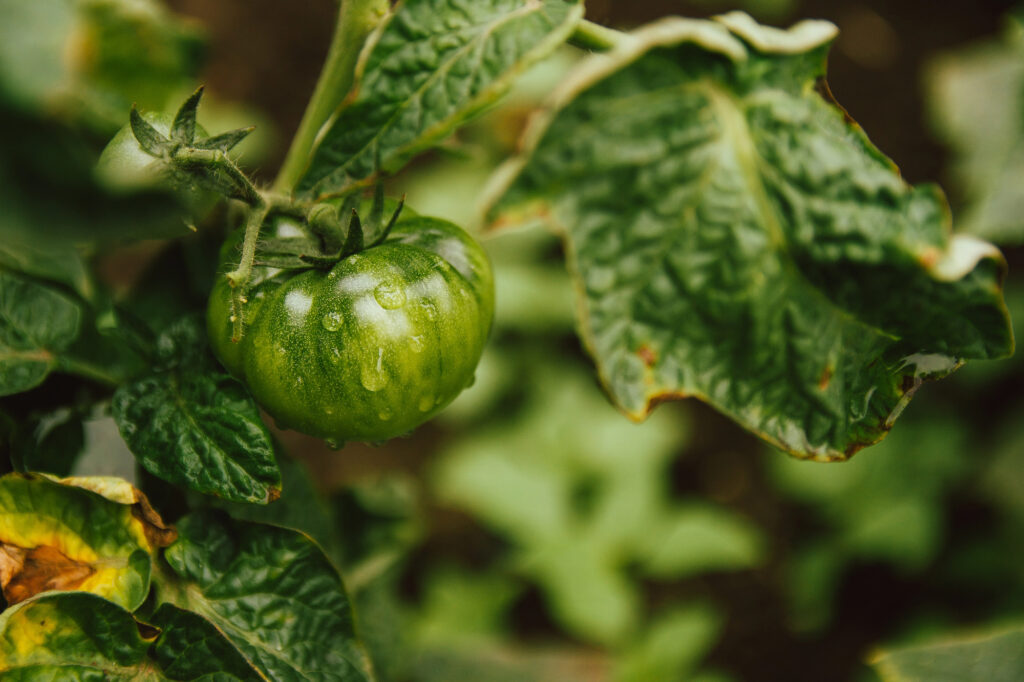
Leaf distortion and curling often indicate irregular watering patterns. Plants experience stress when subjected to alternating dry and wet conditions. To maintain consistent moisture levels, apply a layer of mulch around your plants.
Drip irrigation systems provide an excellent solution for delivering steady water supply. Maintaining a watering schedule helps track patterns and establish beneficial routines. When plants receive consistent moisture, they typically develop properly formed foliage without irregularities.
Tips for consistent watering:
- Monitor soil moisture regularly
- Implement drip irrigation where possible
- Use quality mulch to retain moisture
- Keep records of watering frequency
Curled Young Foliage
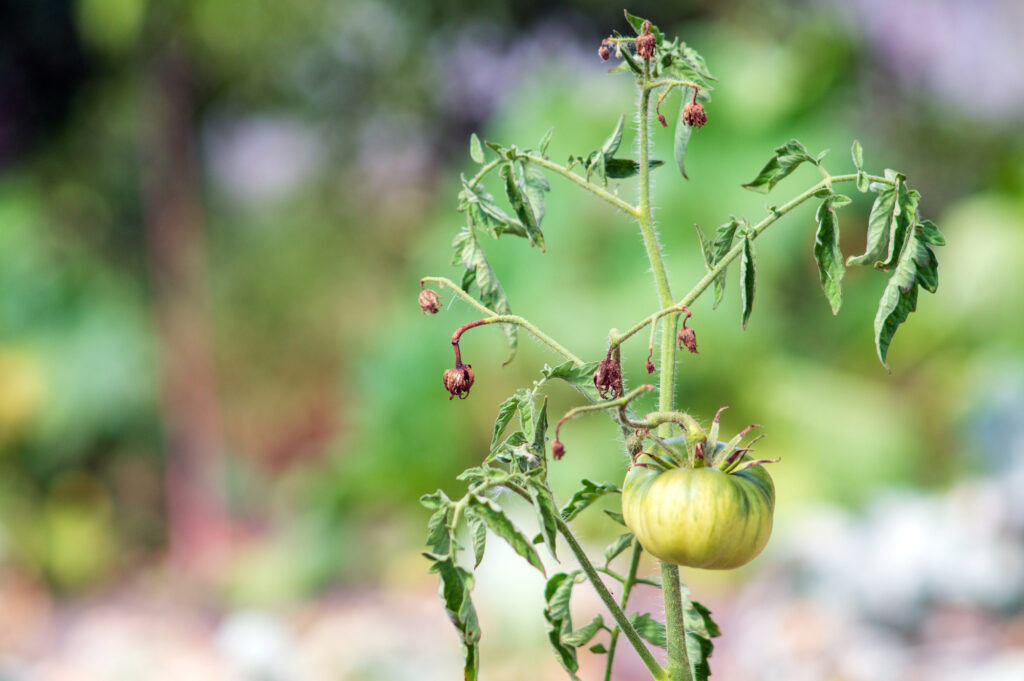
When young leaves appear wrinkled or curled, aphid infestation is a likely culprit. These small insects particularly target fresh, soft growth on plants.
Effective treatment options include:
- Applying neem oil solution
- Introducing beneficial predators like ladybugs
- Removing weeds around plants
The affected leaves won’t straighten out once damaged, but with proper care, new growth will emerge healthy. Regular plant inspections (weekly during growing season) help catch problems early before they spread throughout the plant.
Leaf Changes During Flowering
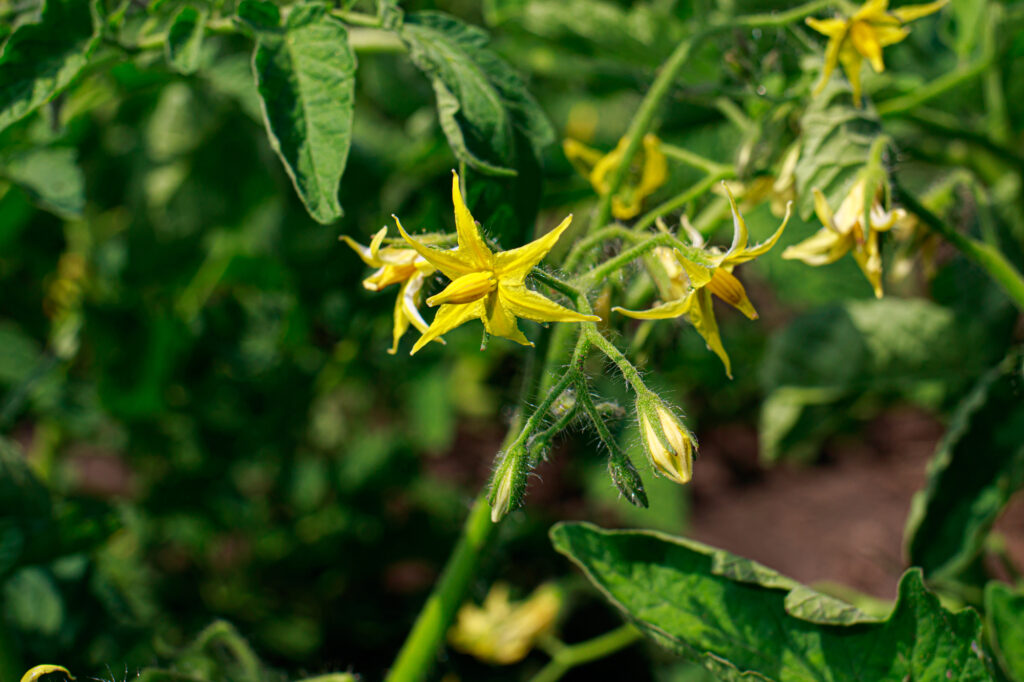
Plants naturally experience some leaf curling when they begin to produce fruit. This happens because the plant redirects energy toward fruit development. These changes shouldn’t cause alarm if the overall plant appears healthy.
Maintain consistent watering and feeding schedules during this phase. It’s beneficial to remove lower foliage to improve air circulation throughout the plant.
For plants with heavy fruit loads, consider adding supports to branches to prevent stress. This helps the plant focus on fruit development rather than structural support.
Smart Growing Tips
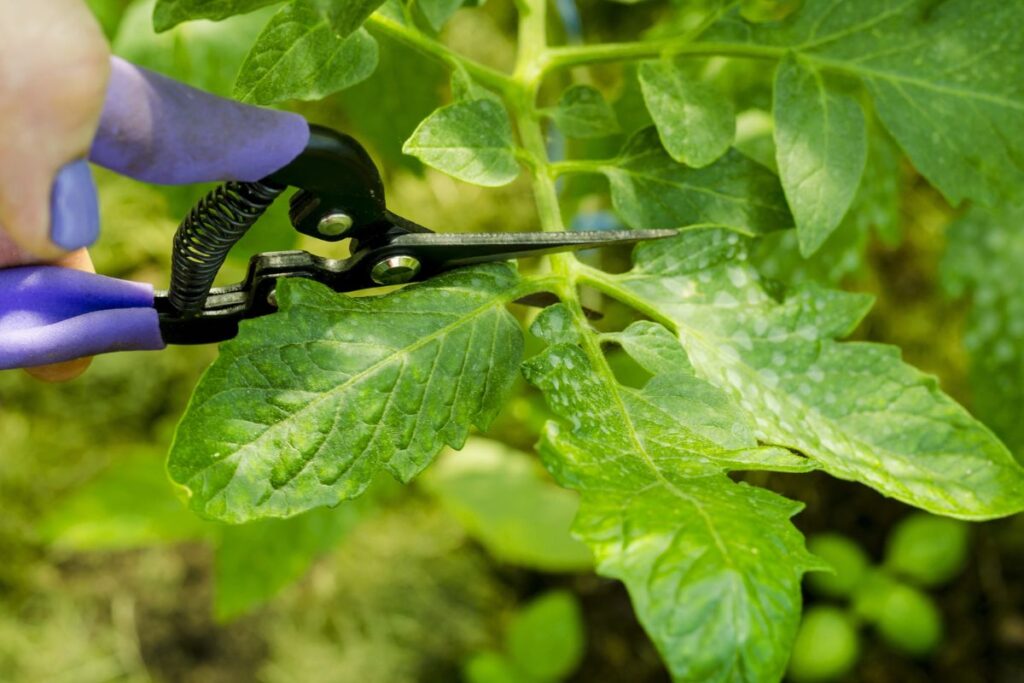
Monitor your tomato plants daily to catch issues early. Always direct water to the base of plants rather than the foliage to minimize disease risk.
Apply mulch around plants to maintain consistent soil temperature and moisture levels. If pests are a problem in your garden, consider installing fine mesh netting as a protective barrier.
Keep your pruning tools sanitized between uses to prevent spreading infections between plants. Remember to adjust your care routine based on weather conditions, as plants have different requirements throughout changing seasons.
Maintaining Plant Health
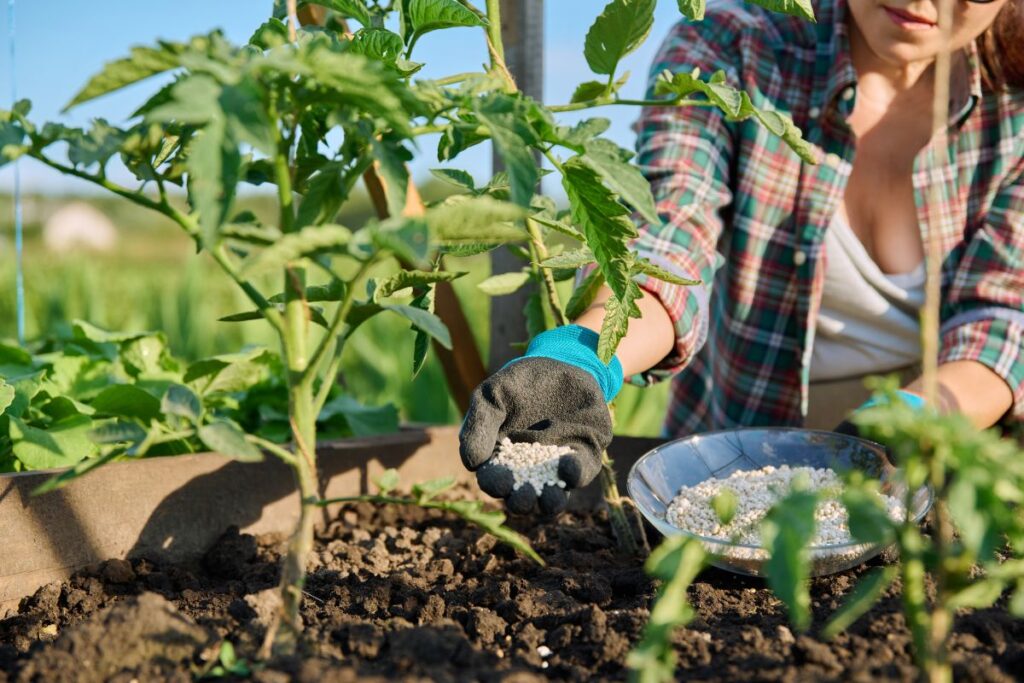
Regular garden upkeep prevents most plant problems before they develop. Implement crop rotation annually to disrupt disease cycles in the soil. Apply a balanced tomato fertilizer every 2-3 weeks during the growing season.
Promptly remove any yellowing or damaged foliage to prevent disease spread. Allow adequate spacing between plants to promote proper air circulation and light penetration.
Key maintenance practices:
- Rotate crops yearly
- Fertilize regularly
- Remove damaged leaves immediately
- Space plants properly
A well-maintained garden naturally discourages pest infestations and helps plants develop stronger resistance to environmental stressors.
Spot Problems Early, Act Quickly
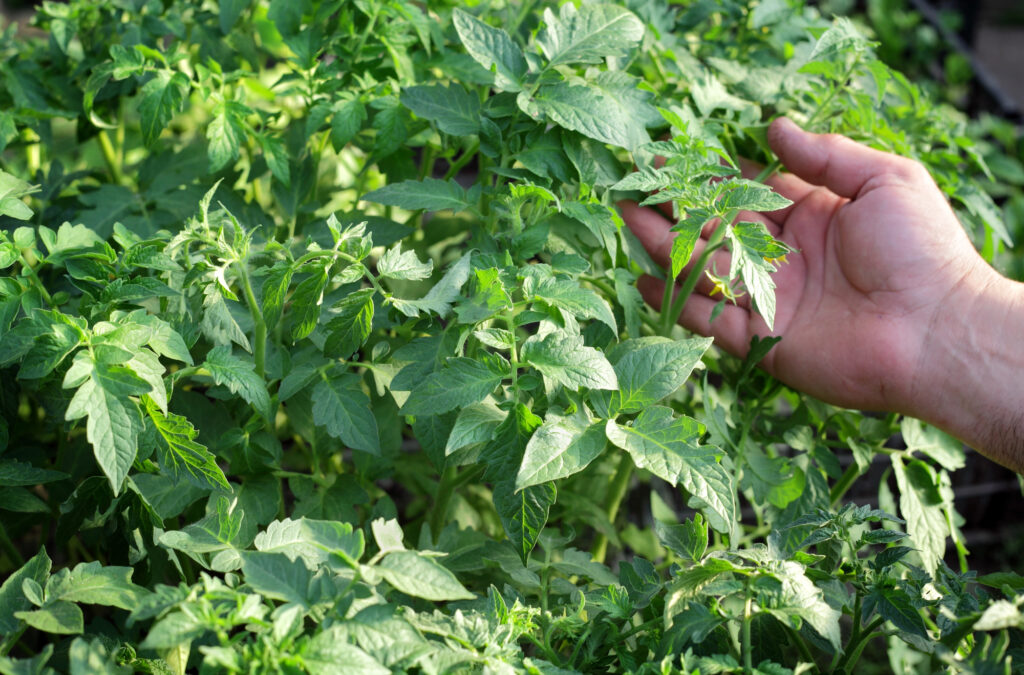
Tomato leaf curl occurs from various causes including pest infestations and nutritional deficiencies. Early detection significantly improves recovery chances.
Pay attention to what your plants communicate through leaf characteristics. Changes in shape and color provide valuable diagnostic information. Address the underlying issue rather than merely treating visible symptoms.
Prevention tips:
- Conduct regular garden inspections
- Look for early warning signs
- Implement immediate solutions when problems appear
Maintaining healthy tomato plants depends on swift identification and response to potential problems.