So you think you know cucumbers? Same. But it turns out a lot of what we’ve heard about growing them is just plain wrong — and some of these myths have been around forever.
Whether you’re a first-time gardener or you’ve been growing cucumbers for years, a few of these might surprise you. Let’s clear things up so your next harvest actually goes the way you’re hoping!
1.) Cucumbers Need Daily Watering
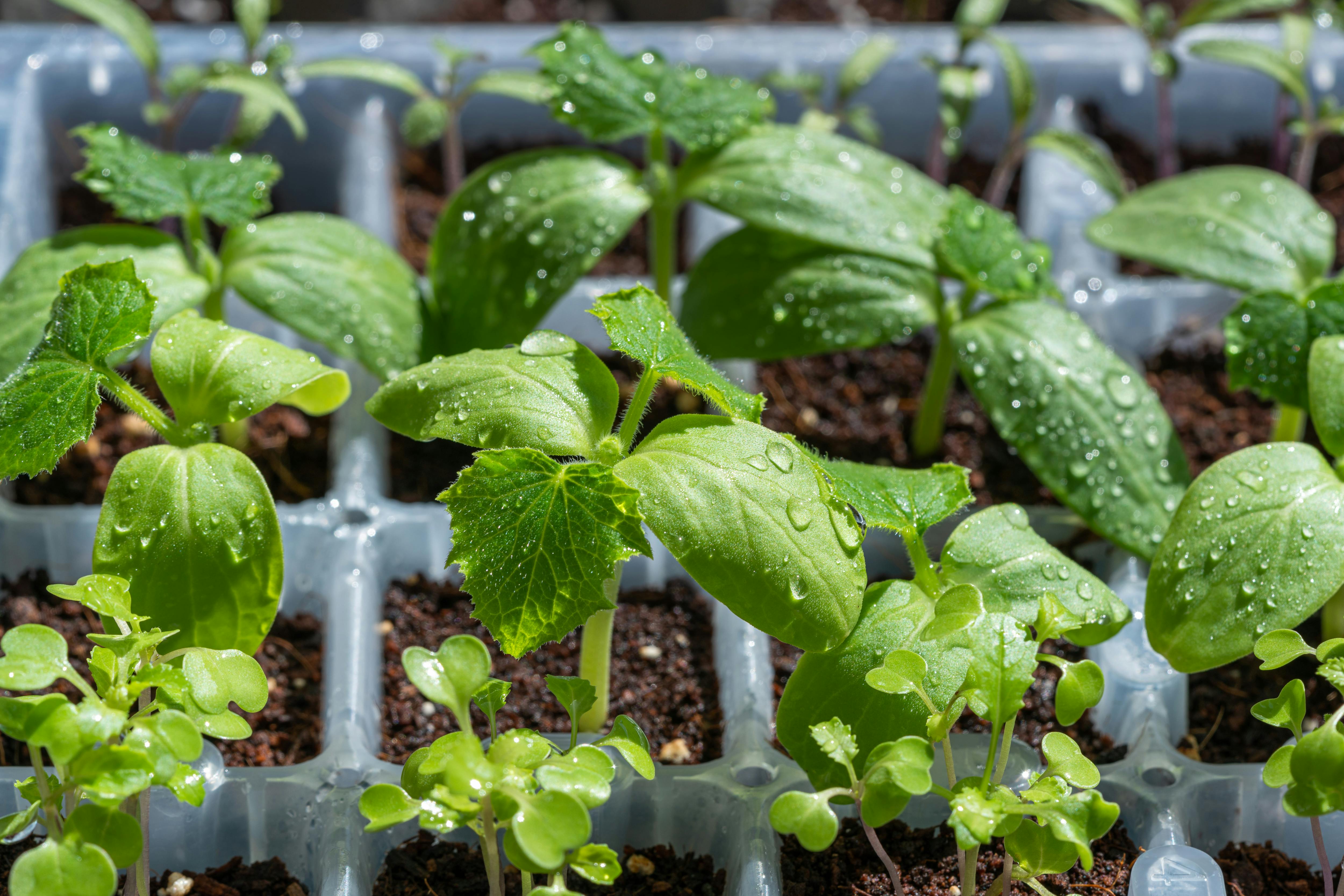
Cucumbers don’t actually need water every single day, and overwatering them is one of the easiest ways to ruin your crop. They do like consistent moisture, but that’s not the same thing as daily watering.
A good rule of thumb is to water deeply once or twice a week, letting the soil dry out slightly between sessions. Stick your finger about an inch into the soil — if it still feels damp, hold off. Consistent deep watering beats frequent shallow watering every time.
2.) All Cucumbers Taste Bitter

If your cucumbers taste bitter, your first instinct might be to blame the variety — but that’s usually not the problem. Bitterness in cucumbers comes from a compound called cucurbitacin, which the plant produces when it’s stressed.
The real culprits are inconsistent watering, heat spikes, or poor soil. Keep your watering schedule steady, mulch around the base to regulate soil temperature, and make sure your plants aren’t sitting in nutrient-depleted ground. Fix those conditions, and the bitterness often disappears on its own.
3.) You Must Remove Male Flowers
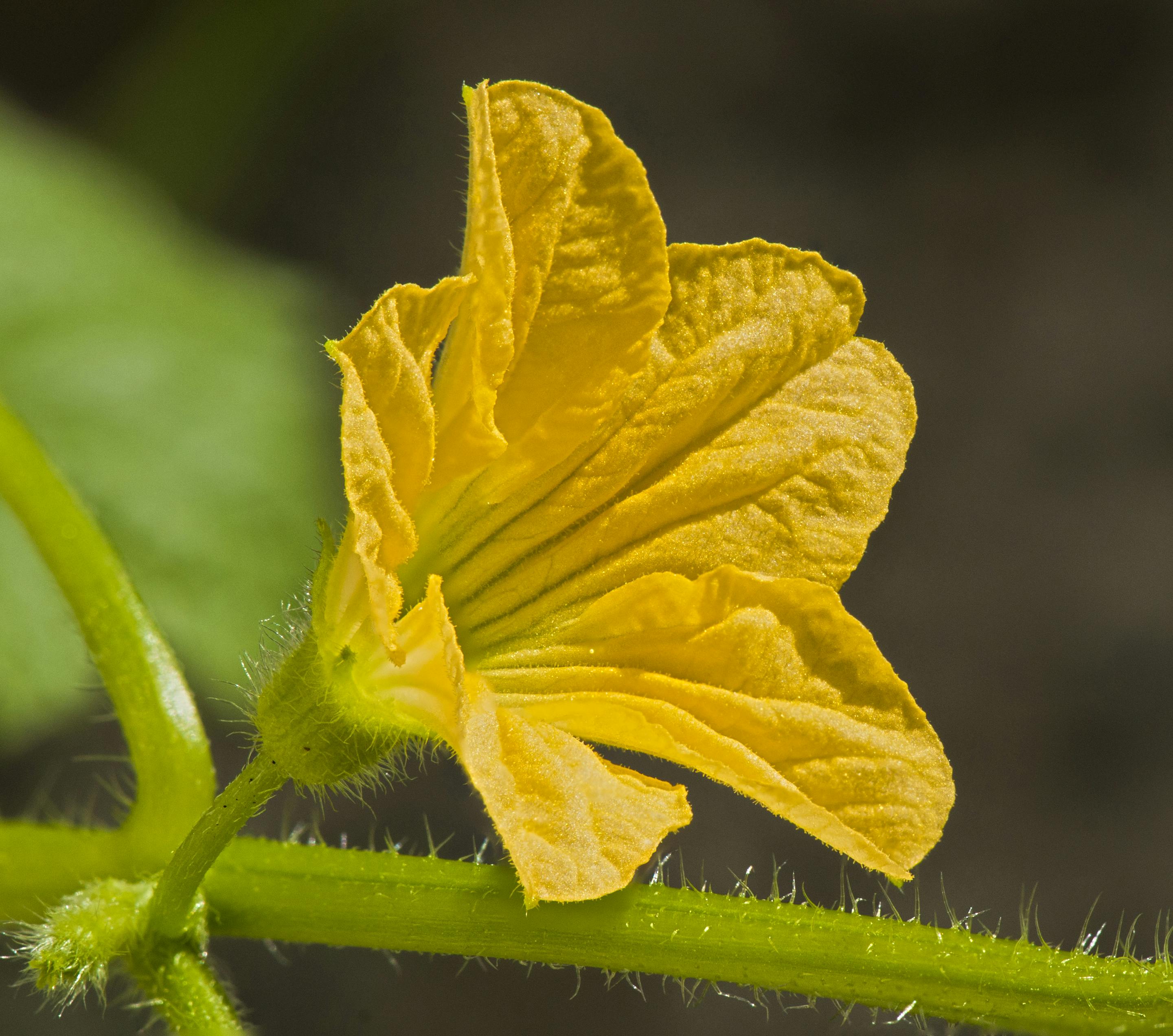
Here’s one that catches a lot of gardeners off guard — male flowers don’t need to go. In fact, removing them can actually hurt your harvest. You need both male and female flowers for pollination to happen, and without that, you won’t get any cucumbers at all.
The female flower is easy to spot because it has a tiny cucumber shape at its base. Leave both types alone and let the bees do their thing. Your plants will figure it out.
4.) Cucumbers Can’t Grow Vertically

A lot of gardeners assume cucumbers need to sprawl across the ground, but that’s just not true. These plants are natural climbers and actually do really well growing up a trellis, fence, or cage.
Training them to grow vertically saves space in your garden and makes it easier to spot and pick the fruit. It also improves airflow around the leaves, which helps cut down on disease.
So go ahead and build that trellis — your cucumbers will thank you.
5.) They Need Full Shade

Here’s a big one that trips up a lot of gardeners — cucumbers actually love the sun. They need at least six to eight hours of direct sunlight each day to grow well. Planting them in a shady spot will slow their growth and cut down on how much fruit you get.
If your garden has a mix of sun and shade, always give your cucumbers the sunniest patch you’ve got. More sun means more cucumbers, plain and simple.
6.) Companion Planting Doesn’t Work

Here’s one you’ve probably heard a hundred times: plant basil next to your cucumbers and watch the magic happen. Sounds great, but the science behind companion planting is pretty shaky. Most of the claims come from old gardening folklore, not solid research.
That doesn’t mean it’s totally useless — some pairings do help with pest confusion. But don’t skip good watering, fertilizing, and spacing habits just because you’ve got basil nearby. Those basics matter way more.
7.) Yellow Leaves Mean Overwatering

Yellow leaves on your cucumber plant don’t automatically mean you’ve been watering too much. Nutrient deficiencies, especially a lack of nitrogen or magnesium, are actually a more common cause. Before cutting back on water, check the soil and consider your feeding routine.
A simple way to tell the difference is to feel the soil a few inches down. If it’s dry, your plant probably needs more water, not less. Don’t let this myth lead you to underwater a thirsty plant.
8.) Cucumbers Cross-Pollinate with Melons

Here’s one you’ve probably heard: don’t plant cucumbers near melons, or they’ll cross-pollinate and ruin both crops. Sounds logical, but it’s actually false. Cross-pollination between cucumbers and melons doesn’t happen because they’re different species. Bees can visit both plants, but the genetics just don’t mix that way.
What *can* happen is cross-pollination between different cucumber varieties, which affects seeds — not the fruit you’re eating this season. So feel free to plant them side by side without worry.
9.) Picking Cucumbers Stops Production
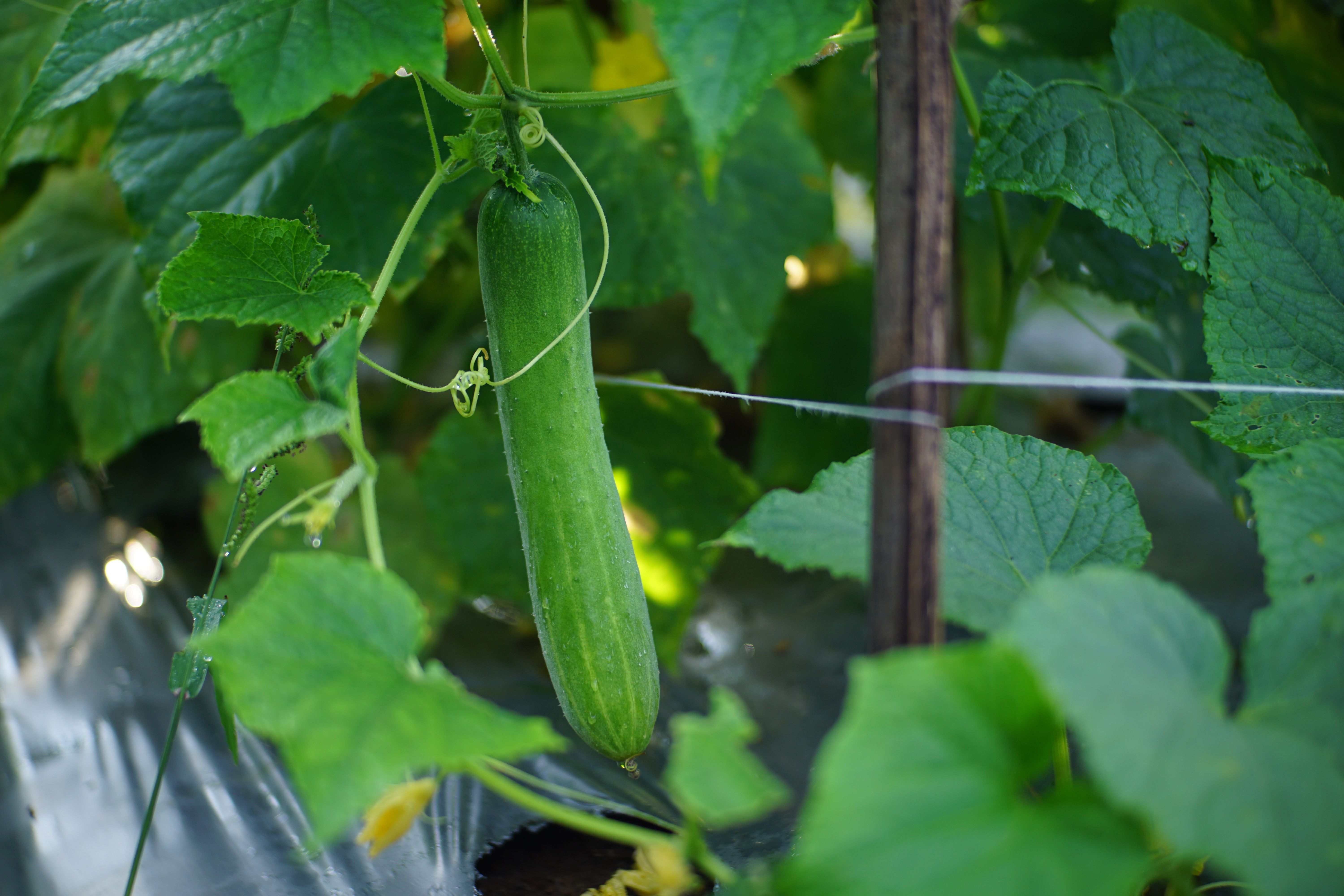
Here’s one that trips up a lot of gardeners — leaving cucumbers on the vine too long actually slows down production, not the other way around. When a cucumber matures and starts turning yellow, the plant thinks its job is done and stops putting energy into new fruit.
The fix is simple: pick cucumbers while they’re still green and firm. Check your plants every day or two during peak season. Regular harvesting tells the plant to keep going, so you end up with way more cucumbers overall.
10.) They Need Acidic Soil

Here’s one you’ve probably heard: cucumbers need acidic soil to grow well. Not true. Cucumbers actually do best in soil that’s slightly acidic to neutral, somewhere around a pH of 6.0 to 7.0. That’s pretty middle-of-the-road stuff.
If your soil is too acidic, your plants may struggle to absorb nutrients, which leads to poor growth and lower yields. A simple soil test from your local garden center can tell you exactly where you stand.