Petunias are one of those flowers that look great with barely any effort — until you accidentally do something that sends them downhill fast. And trust me, some of the most common mistakes are ones you’d never even think twice about.
The good news? They’re totally avoidable once you know what to watch out for. Here are 10 things you should never do to your petunias if you want to keep them happy and blooming.
1.) Overwater Your Petunias
Petunias like to dry out a little between waterings — they’re not fans of soggy soil. If you keep the ground constantly wet, the roots can rot, and the plant will struggle to survive no matter how much sun it gets.
A good rule of thumb is to water when the top inch of soil feels dry. In hot summer months, that might mean every other day, but always check first. When in doubt, underwater rather than over.
2.) Plant in Full Shade

Petunias are sun-lovers through and through. They need at least six hours of direct sunlight each day to bloom properly. Plant them in a shady spot, and you’ll get leggy stems, fewer flowers, and a sad-looking plant that just barely hangs on.
If your yard doesn’t get much sun, petunias aren’t the right fit. Try impatiens or begonias instead — they actually do well in lower light. Forcing petunias into shade is just setting them up to struggle.
3.) Skip Deadheading Spent Blooms

Skipping deadheading is one of the easiest ways to slow down your petunias. When spent blooms are left on the plant, it puts energy into making seeds instead of pushing out new flowers. That means fewer blooms over time, and a plant that looks tired fast.
Get in the habit of pinching off faded flowers every few days. It only takes a minute, and your petunias will keep blooming strong all the way through fall.
4.) Use Heavy Clay Soil
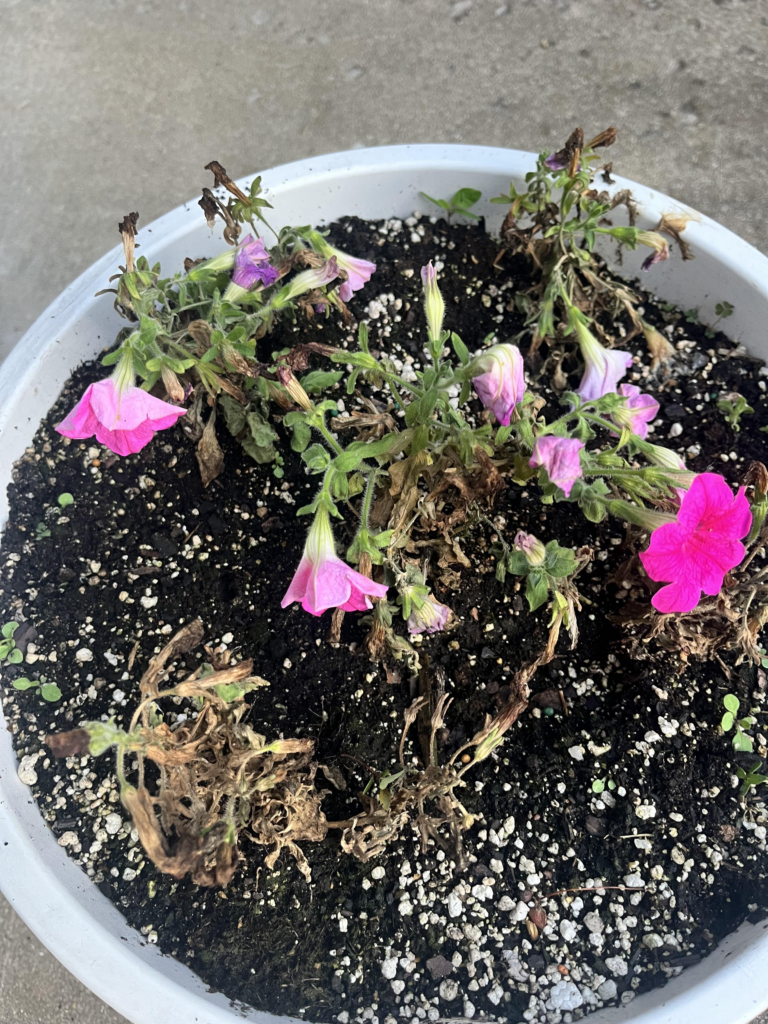
Heavy clay soil might seem like it’s no big deal, but your petunias will seriously struggle in it. Clay holds too much water and doesn’t drain well, which can lead to root rot pretty fast.
Petunias need loose, well-draining soil to thrive, especially during their peak growing season in spring and summer. Mix in some compost or perlite to lighten things up. A simple soil swap can make a noticeable difference in how well your plants actually grow.
5.) Forget to Fertilize Regularly

Petunias are heavy feeders, which means they burn through nutrients fast. If you skip fertilizing, don’t be surprised when your plants start looking sad and stop blooming. They need consistent feeding to keep producing flowers all season long.
A balanced liquid fertilizer every 7 to 14 days does the trick. If you’d rather not fuss with it, slow-release granules work too. Either way, don’t skip it — going without is basically one of the fastest ways to kill a good petunia season.
6.) Let Them Get Leggy

If your petunias start stretching out with long, bare stems and fewer flowers, that’s a sign they’ve gone leggy — and it’s a problem you can avoid with regular trimming. Skipping this step is one of the biggest mistakes petunia growers make.
Pinch back the stems every few weeks, especially in summer when they grow fast. Cut them down by about a third to encourage fuller, bushier growth.
Letting them go leggy means fewer blooms and a sad-looking plant by midsummer.
7.) Plant Too Deep

Burying your petunias too deep in the soil is a quick way to cause problems. The crown of the plant — where the stem meets the roots — needs to sit right at soil level, not below it. Cover it up, and you’re basically inviting rot and disease to move in.
When planting, dig a hole just deep enough to match the size of the root ball. Keep that crown visible, water it in well, and your petunias will have a much better shot at thriving.
8.) Ignore Pest Infestations

Petunias are pretty tough, but they’re not immune to pests. Aphids, spider mites, and budworms love to snack on them, and if you ignore the signs, things can go downhill fast.
Check your plants every few days, especially under the leaves. Spotting tiny bugs, sticky residue, or chewed edges early makes a big difference. A simple spray of neem oil or insecticidal soap handles most common pests before they spread to the whole bed.
9.) Water from Above
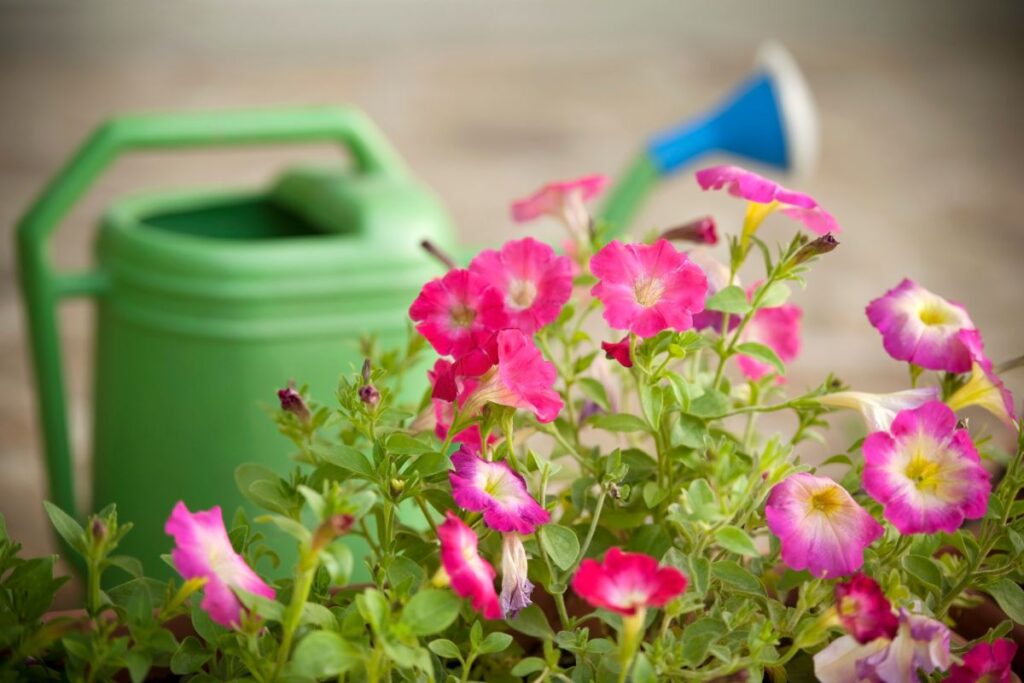
Watering your petunias from above might seem totally fine, but it’s actually one of the sneakiest ways to cause problems. When water lands on the leaves and flowers, it can lead to mold, rot, and spotting that weakens the plant over time.
Instead, aim for the base of the plant and let the roots soak up what they need. Petunias do best with consistent moisture at the soil level, especially during hot summer months when they’re growing the most.
10.) Expose to Frost

Petunias are warm-weather plants that simply cannot handle freezing temperatures. Once frost hits, their tissues freeze and break down, turning your once-healthy blooms into a soggy, wilted mess overnight.
If you live somewhere with cold winters, wait until after the last frost date to plant them outside. Most gardeners in zones 9–11 can grow them year-round, but everyone else should treat them as annuals.
Keep an eye on the forecast — even one surprise frost can wipe out an entire container or bed.