Maintaining a healthy lawn requires vigilance against various threats, including those that operate underground. Moles can silently wreak havoc on your carefully tended grass and garden beds, creating extensive damage before many homeowners even realize there’s a problem. Early detection of mole activity allows homeowners to address the issue before significant lawn damage occurs, potentially saving hundreds of dollars in landscaping repairs.
These burrowing mammals leave behind subtle yet telling signs of their presence as they tunnel beneath the surface in search of insects and earthworms. While occasional mole activity might not warrant immediate concern, an established colony can quickly transform a pristine lawn into an unsightly mess of raised tunnels and mounds. Understanding the early warning signs can help protect your yard from extensive damage.
1. Raised molehills scattered across your lawn
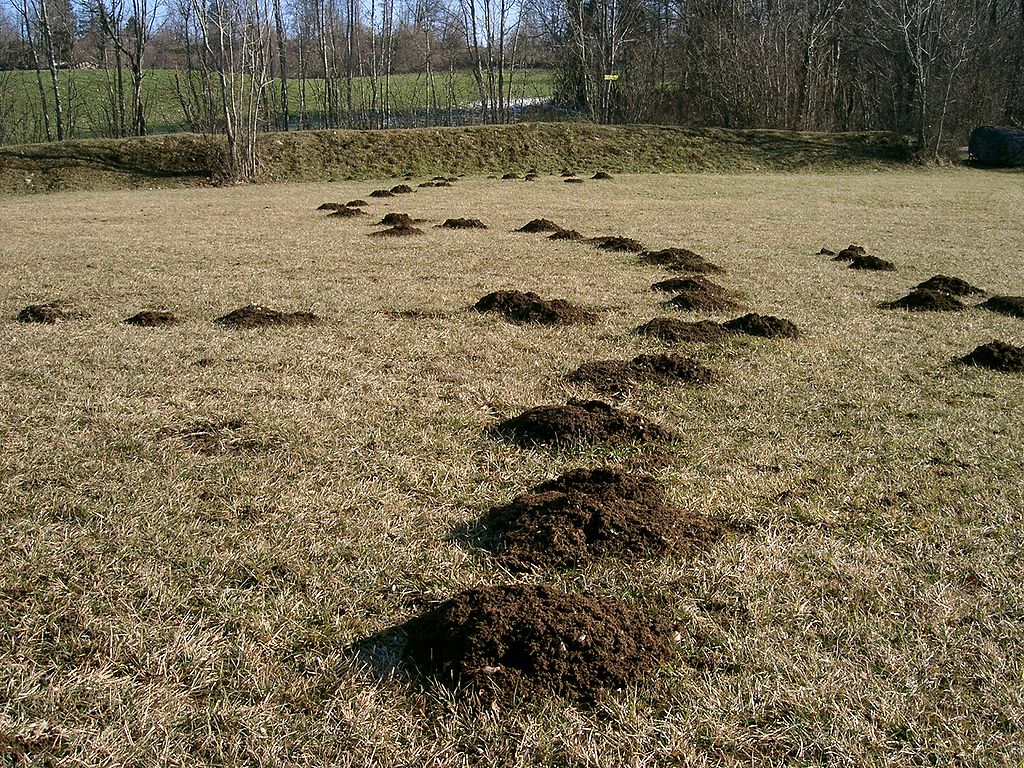
The most obvious sign of mole activity is the appearance of small, volcano-shaped mounds of soil across your lawn. These molehills are created when moles tunnel beneath the surface and push excess soil upward.
Fresh molehills typically feature loose, crumbly soil and may appear overnight. They often follow a line or pattern as moles create their underground tunnel networks in search of food.
Unlike ant hills which are more conical, molehills are rounded with a flatter top. A single mole can create several molehills in a short period, sometimes producing 2-3 new mounds daily when actively foraging.
2. Irregular surface tunnels visible under soft soil
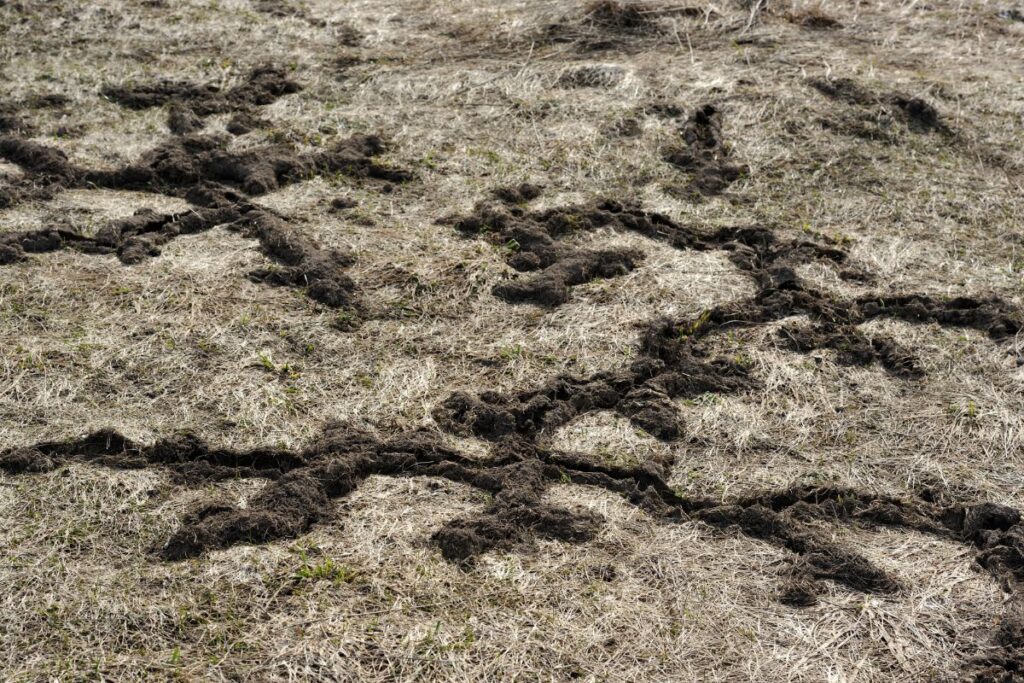
One of the most telltale signs of mole activity is the presence of irregular tunnels just beneath the soil surface. These tunnels typically appear as raised ridges across your lawn, creating an uneven texture.
Unlike deeper tunnels, surface tunnels are easy to spot because they create visible bulges in the soil. They often follow random, meandering patterns rather than straight lines.
These surface tunnels are primarily used as hunting pathways for moles searching for insects and worms. Fresh tunnels will collapse easily when stepped on, while older, established tunnels may feel more solid underfoot.
3. Dead or dying patches of grass with no obvious cause

Unexplained dead or dying grass patches often indicate mole activity beneath the surface. These mammals tunnel just below the grass roots, disrupting the soil structure and cutting off moisture and nutrients to the lawn above.
Unlike patches caused by dog urine or fungal diseases, mole-related damage lacks visible burn marks or fungal growth. Instead, the grass simply withers and dies as the root systems become compromised.
The damage pattern typically appears random rather than in a regular pattern, following the mole’s underground hunting paths. These patches may start small but gradually expand as mole activity continues beneath your lawn.
4. Unexplained insect population surge in lawn area
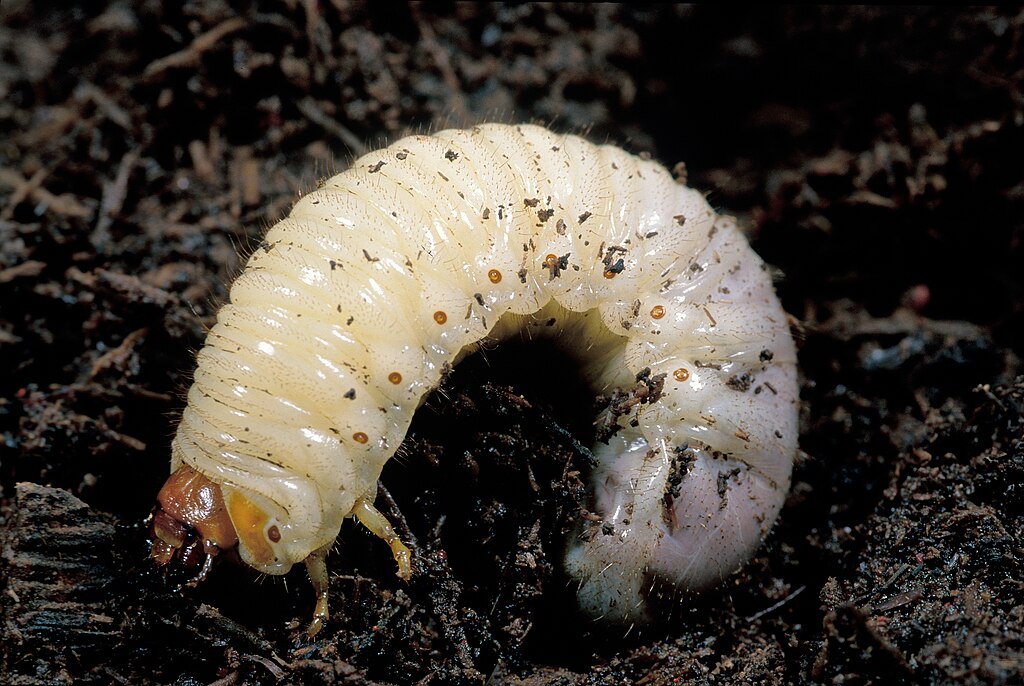
An unusual increase in certain insect populations can indicate mole activity beneath your lawn. Moles create extensive tunnel systems that disrupt soil ecosystems and often bring insects closer to the surface.
Grubs and earthworms are particularly attracted to mole tunnels, which provide them with easier movement through soil. When you notice more beetles, ants, or other crawling insects than normal in your yard, it might be because moles have created favorable conditions for them.
This ecological relationship works both ways – moles are attracted to insect-rich environments, while their tunneling can further concentrate insect populations in certain areas of your lawn.
5. Fresh soil mounds appearing overnight
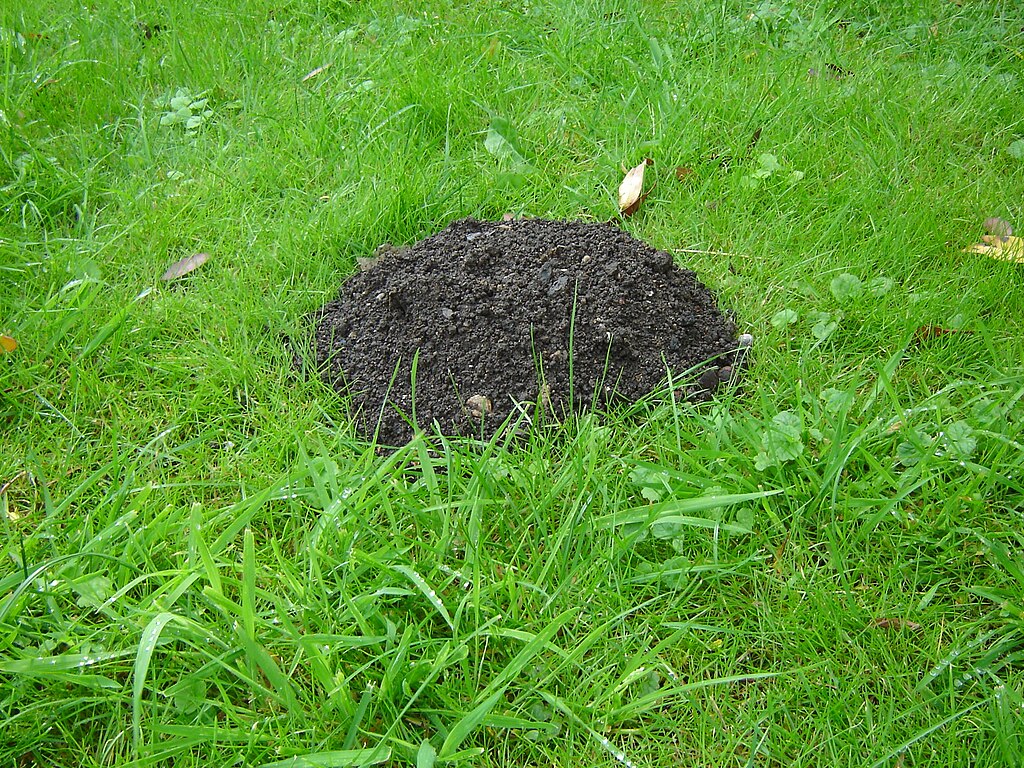
One of the most telltale signs of mole activity is the sudden appearance of fresh soil mounds in your yard. These volcano-shaped piles, often called molehills, typically measure 2-8 inches in height and diameter.
Moles create these mounds when they dig new tunnels, pushing excess soil to the surface. The freshness of the soil is significant—if you notice new mounds appearing overnight, you likely have active moles.
These mounds often appear in lines across your lawn, following the path of the mole’s tunneling activity. Unlike ant hills, mole mounds don’t have an opening at the top, as the animals remain underground.
6. Walkways or garden paths showing cracks or disruptions
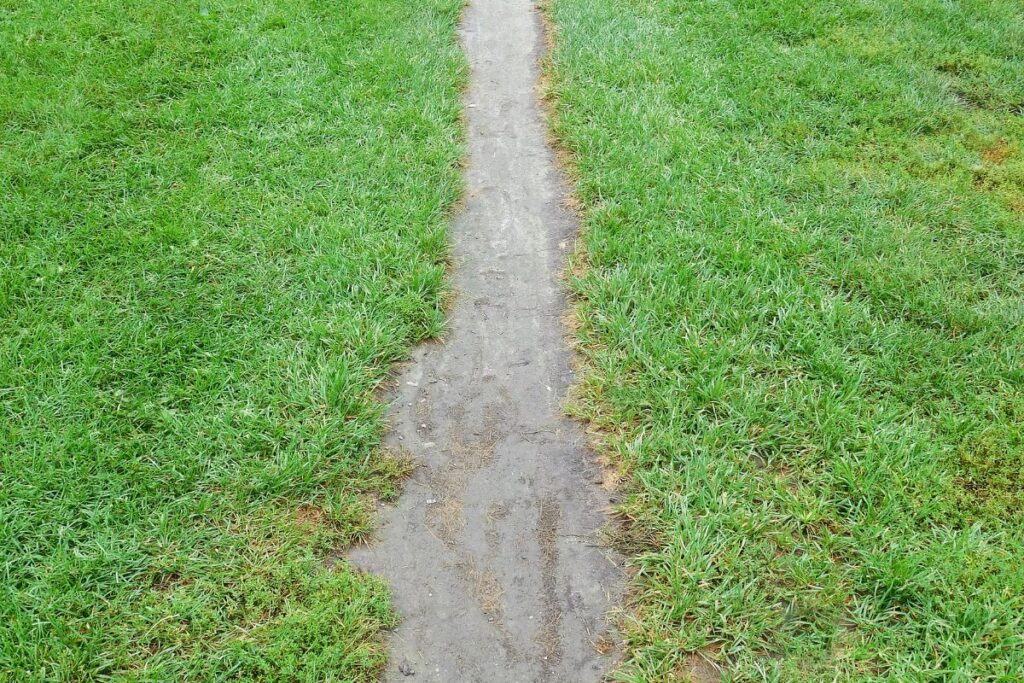
Moles tunneling beneath pathways can cause significant structural damage over time. Their subsurface activity creates hollow spaces that eventually lead to sinking, cracking, or heaving of paved surfaces.
Watch for unexplained cracks that seem to follow a line or pattern across walkways. These often indicate a mole tunnel running beneath the surface.
Shifting or uneven pavers and stones are another telltale sign. When moles tunnel beneath these structures, the ground support weakens, causing individual pieces to sink or tilt at odd angles.
Fresh soil appearing between cracks or at the edges of hard surfaces frequently signals that moles are actively working in the area.
7. Pet digging frantically in specific lawn spots

Dogs and cats have a much stronger sense of smell than humans do and can detect moles underground. When pets repeatedly dig in particular areas of your lawn with unusual intensity, they’re likely tracking mole activity.
Watch for patterns in your pet’s behavior. If they return to the same spots day after day with determined digging, this suggests they’ve found a mole tunnel or nest.
This behavior differs from normal playful digging. Your pet may appear more focused and persistent, sometimes tilting their head as if listening for movement below the surface.
8. Bumpy soil texture when you rake or dig lightly
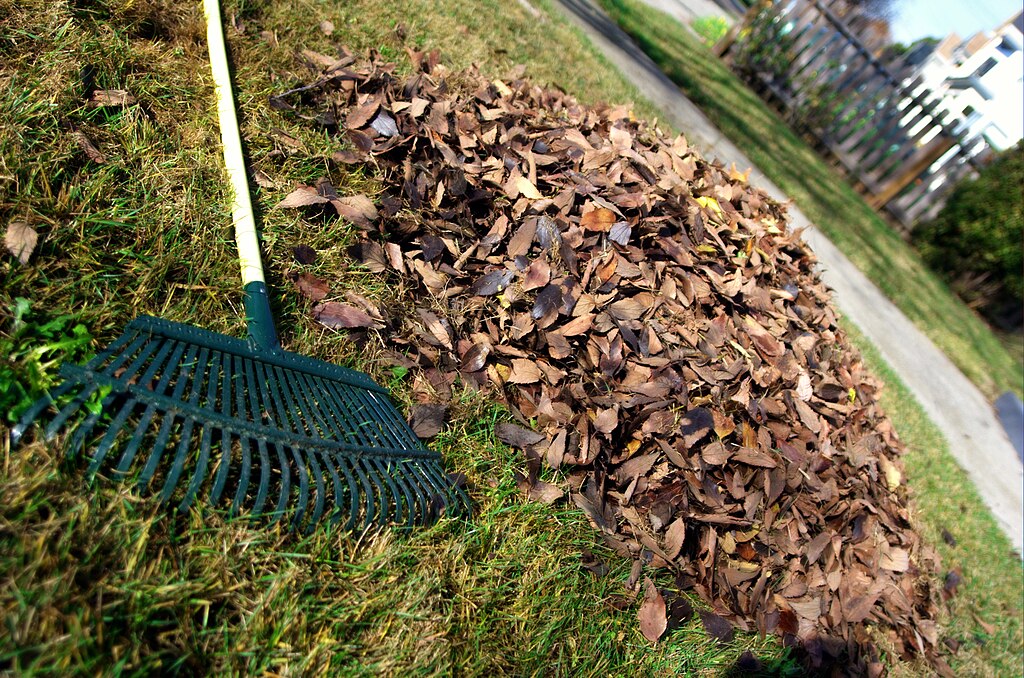
When you rake or lightly dig your lawn, pay attention to the texture of the soil. A bumpy, uneven surface often indicates mole tunneling just beneath the surface.
Healthy soil should feel relatively smooth and consistent when you work it. Mole tunnels create distinct ridges and depressions that you can feel through your garden tools.
Try gently dragging a rake across suspicious areas. If you notice unusual resistance or a washboard-like feeling, moles may be responsible for this irregular texture.
9. Visible entrances to underground tunnels at lawn edges
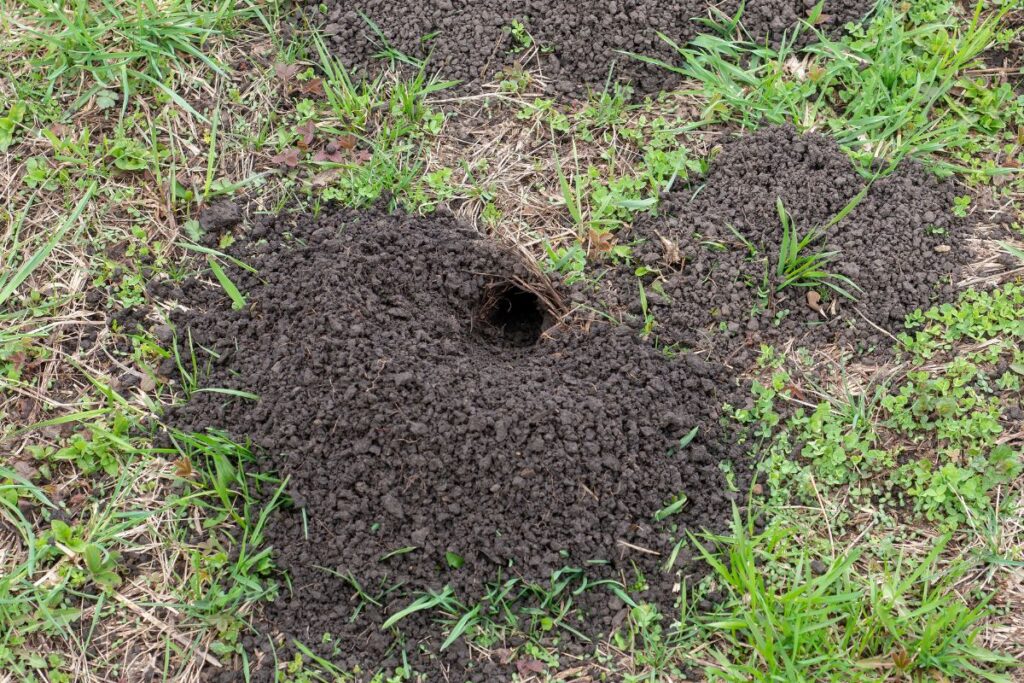
One of the most definitive signs of moles is the presence of small, rounded holes along the edges of your lawn. These entrances typically measure about 1-2 inches in diameter and are often surrounded by small mounds of excavated soil.
Moles create these entry points as access to their elaborate tunnel systems that run beneath your yard. These openings are particularly common along borders where lawns meet sidewalks, driveways, or garden beds.
Fresh entrances will appear clean and recently disturbed, while older unused holes may become partially covered with debris or vegetation. Regular inspection of your lawn’s perimeter can help identify these access points before the mole problem spreads throughout your entire yard.
10. Sprinkler system damage from digging activity

Underground sprinkler systems are particularly vulnerable to mole tunneling activity. Moles digging near sprinkler lines can displace or even break pipes and damage electrical components.
Water pooling in unusual areas of your yard may indicate a sprinkler leak caused by mole damage. These leaks often appear after periods of increased mole activity.
Sudden drops in water pressure or sprinkler heads that no longer function properly can also signal mole interference with your irrigation system. Inspecting these issues promptly can prevent more extensive and costly damage to your lawn’s watering infrastructure.