Summer evenings in the garden should be relaxing, not a battle against mosquitoes. While citronella candles help a bit, wouldn’t it be nice if your actual plants could do some of the work? Good news—some really can.
Researchers have found that certain plants naturally produce oils and scents that mosquitoes can’t stand. I’ve rounded up thirteen options that have actual science backing them up, so you can spend less time swatting and more time enjoying your outdoor space.
1.) Citronella Grass

You’ve probably heard of citronella candles, but the real deal comes from this tall, clumpy grass. The plant itself contains citronella oil in its leaves, which you can crush to release that lemony scent mosquitoes hate.
Citronella grass grows best in zones 10-12, though you can treat it as an annual elsewhere or bring it inside during winter. It likes full sun and needs regular watering to keep the soil moist.
Plant it near patios or walkways where you’ll brush against it naturally, releasing its oils into the air.
2.) Lavender
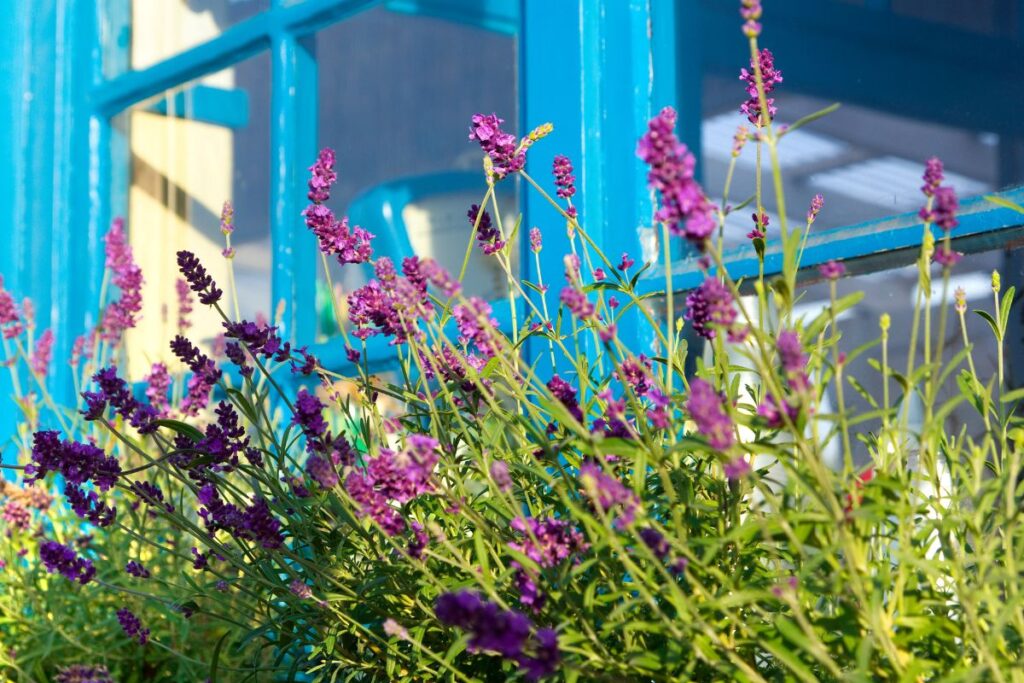
Lavender does double duty in your garden—it smells great to us but keeps mosquitoes away thanks to its natural oils. The purple flowers and silvery-green leaves look good in borders or containers, and you can cut stems to dry for sachets.
This Mediterranean plant needs full sun and well-drained soil to thrive. It’s drought-tolerant once established, making it perfect for hot, dry spots. Hardy in zones 5-9, lavender grows best with minimal watering and doesn’t need much fertilizer.
Trim it back after flowering to keep plants bushy and healthy.
3.) Marigolds
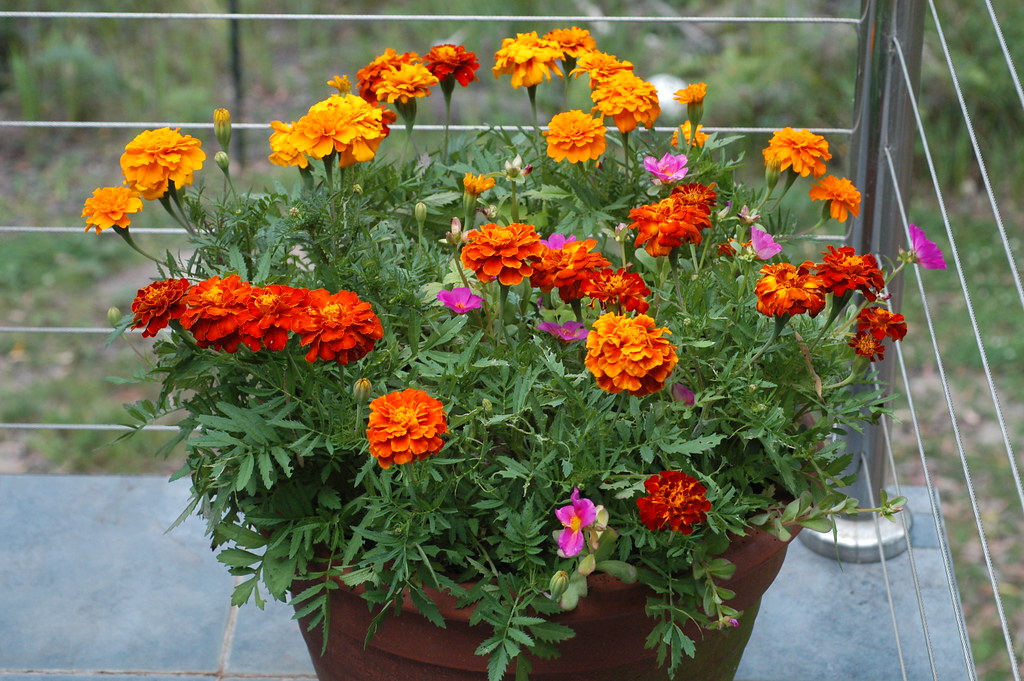
Marigolds contain pyrethrum, a compound found in many commercial insect repellents. While they’re better at keeping pests away from your tomatoes than creating a mosquito-free zone, they still offer some protection when planted in clusters around patios and doorways.
These sunny flowers grow best in full sun and well-draining soil. They’re easy to start from seed after your last frost date and will bloom all summer long in zones 2-11.
Pinch off dead flowers regularly to keep them blooming. They handle heat well and don’t need much water once established.
4.) Catnip
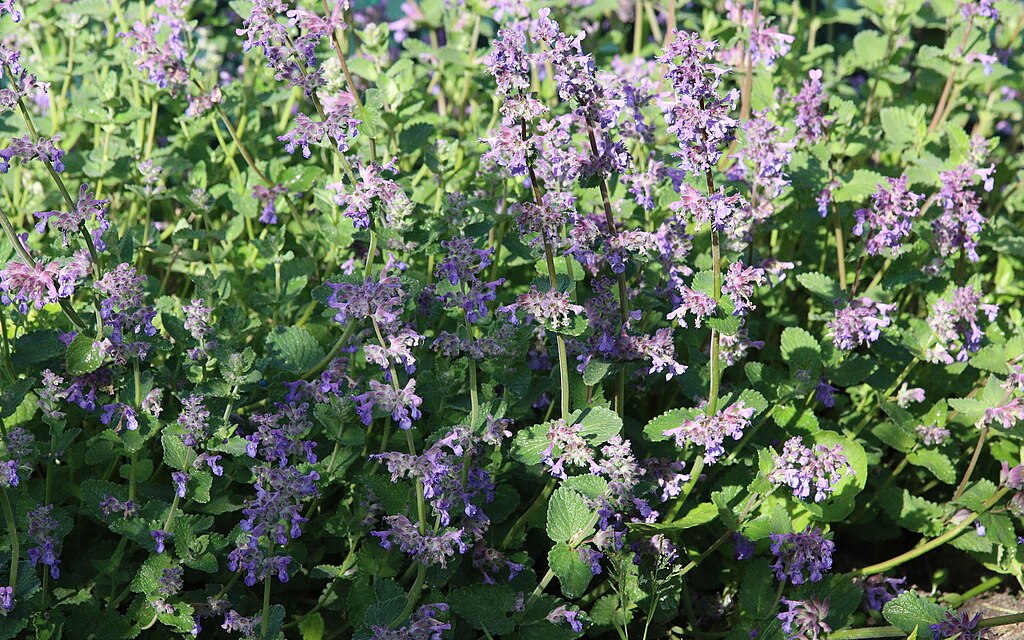
Catnip isn’t just for entertaining your cat—it actually repels mosquitoes thanks to its natural oil called nepetalactone. Studies show this compound can be more effective than DEET at keeping bugs away, though it wears off faster on skin.
This hardy perennial grows easily in zones 3-9 and prefers full sun to partial shade. Plant it in well-draining soil and water regularly until established. After that, it’s pretty drought-tolerant.
Fair warning: your neighborhood cats might come visiting if you plant this in your garden.
5.) Rosemary

Rosemary does double duty in your garden by keeping mosquitoes away while giving you fresh herbs for cooking. The strong oils in its needle-like leaves naturally repel bugs, especially when you brush against the plant and release its piney scent.
This Mediterranean herb loves full sun and well-drained soil. It grows best in zones 8-10 but works as an annual in cooler areas. Water it sparingly once established, and trim it regularly to keep it bushy. Plant it near patios or walkways where people will bump into it and activate its mosquito-fighting oils.
6.) Basil
Basil does double duty in your garden by keeping mosquitoes away while giving you fresh herbs for cooking. The oils in its leaves contain compounds that bugs don’t like, making it a natural repellent when you brush against the plant or crush the leaves.
Grow basil in full sun with well-draining soil, and water it regularly to keep the soil moist. It thrives in warm weather and won’t survive frost, so plant it after the last spring freeze. Pinch off flowers to encourage bushier growth and more leaves.
7.) Lemon Balm

Lemon balm belongs to the mint family and gives off a strong citrus scent that mosquitoes tend to avoid. The oils in the leaves work best when you crush them and rub them on your skin, releasing those bug-repelling compounds.
This perennial herb grows well in zones 4-9 and actually prefers partial shade, though it tolerates full sun. Plant it in containers if possible—it spreads aggressively like its mint cousins. Water regularly and trim it back often to keep it bushy.
The leaves make a nice tea as a bonus.
8.) Peppermint
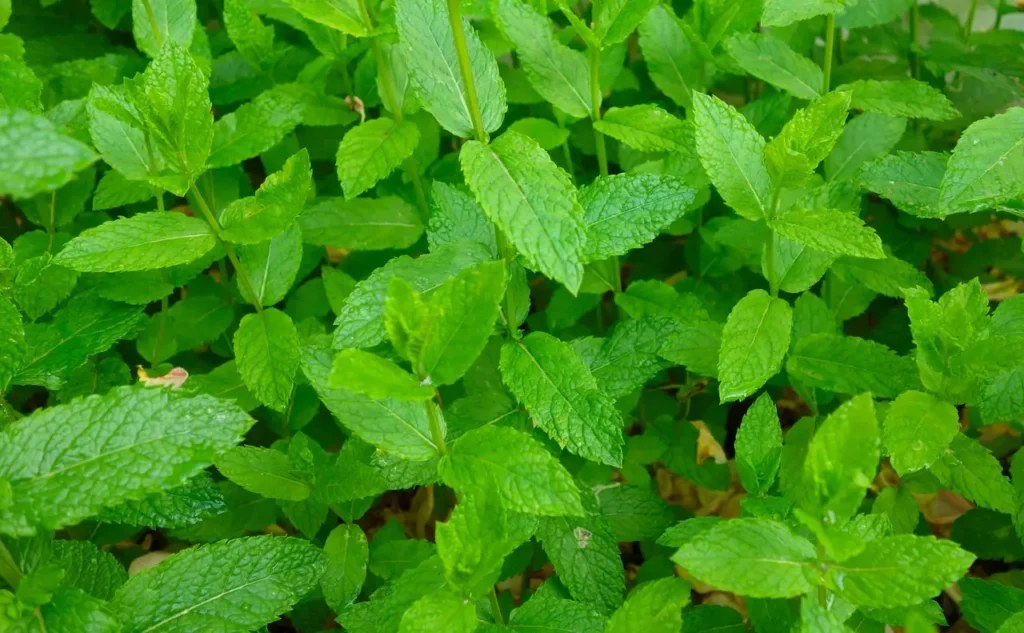
Peppermint does double duty in your garden by keeping mosquitoes away while giving you fresh leaves for tea and cooking. The menthol smell that we enjoy is actually what bugs can’t stand. Crush a few leaves and rub them on your skin for a natural repellent.
This hardy herb grows best in zones 3-11 and prefers partial shade with moist soil. Plant it in containers though, because peppermint spreads like crazy and will take over your garden beds if you let it grow freely in the ground.
9.) Garlic

Garlic does more than keep vampires away—it also helps keep mosquitoes at bay. The strong sulfur compounds that give garlic its pungent smell act as a natural insect deterrent. Plant cloves in fall or early spring in well-draining soil with full sun.
You can grow garlic in zones 3-8, and it needs about 6 hours of sunlight daily. Crush fresh leaves near your outdoor seating area to release the oils, or plant bulbs around your patio.
The bonus? You get fresh garlic for cooking once the bulbs mature.
10.) Pennyroyal
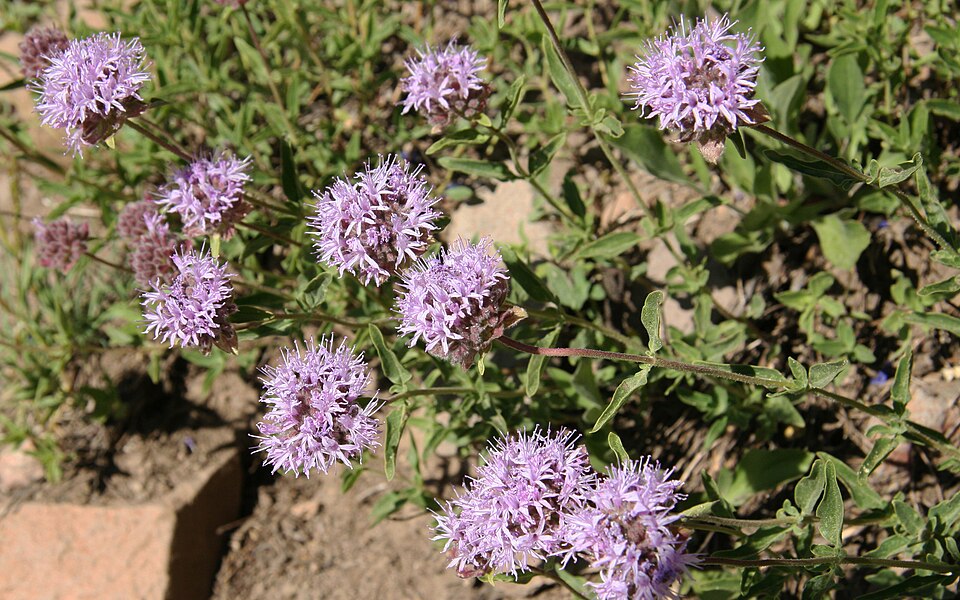
Pennyroyal contains pulegone, a compound that mosquitoes genuinely dislike. You can grow this mint family member in containers or garden beds, though it spreads aggressively if left unchecked. It thrives in zones 6-9 and prefers moist soil with partial shade.
The leaves release their mosquito-repelling scent when you brush against them or crush them slightly. Plant it near patios or walkways where people will naturally disturb it.
Keep in mind that pennyroyal is toxic if ingested, so keep it away from pets and children who might nibble on plants.
11.) Sage

Sage does double duty in your garden by keeping mosquitoes away while giving you fresh herbs for cooking. The plant releases oils that bugs find unpleasant, especially when you brush against the leaves or burn dried sage bundles near your patio.
Plant sage in full sun with well-draining soil, and it’ll thrive in zones 5-8. It needs watering once a week but doesn’t like wet feet. Trim it regularly to encourage bushier growth, and you’ll have plenty of leaves to harvest for both pest control and seasoning your favorite dishes.
12.) Eucalyptus
Eucalyptus leaves contain compounds that mosquitoes find unpleasant, making them a natural deterrent for your outdoor spaces. You can grow eucalyptus as a potted plant in most climates, bringing it indoors during winter if you’re outside zones 8-11.
These fast-growing plants prefer full sun and well-draining soil. Water regularly but let the soil dry out between waterings to prevent root rot.
Crush a few leaves to release the oils, or hang dried branches around patios and doorways for extra protection.
13.) Lemongrass

Lemongrass contains citronella oil, the same stuff you’ll find in many bug sprays and candles. The plant gives off a lemony scent that mosquitoes tend to avoid, especially when you crush the leaves and release those oils.
You can grow lemongrass in zones 9-11, or treat it as an annual in cooler climates. It likes full sun and well-draining soil. Plant it in containers near your patio or deck where you spend time outdoors.
Keep the soil moist but not waterlogged, and you’ll have a clump that grows several feet tall by summer’s end.