Hey, raise your hand if you’ve been tossing pretty much everything into the fridge without thinking twice. Yeah, me too. But it turns out, we’ve been doing it wrong for a lot of common foods!
Some things actually taste better and last longer sitting right on your counter. It sounds a little surprising, but once you see this list, it’ll totally make sense. Let’s get into it!
1.) Tomatoes
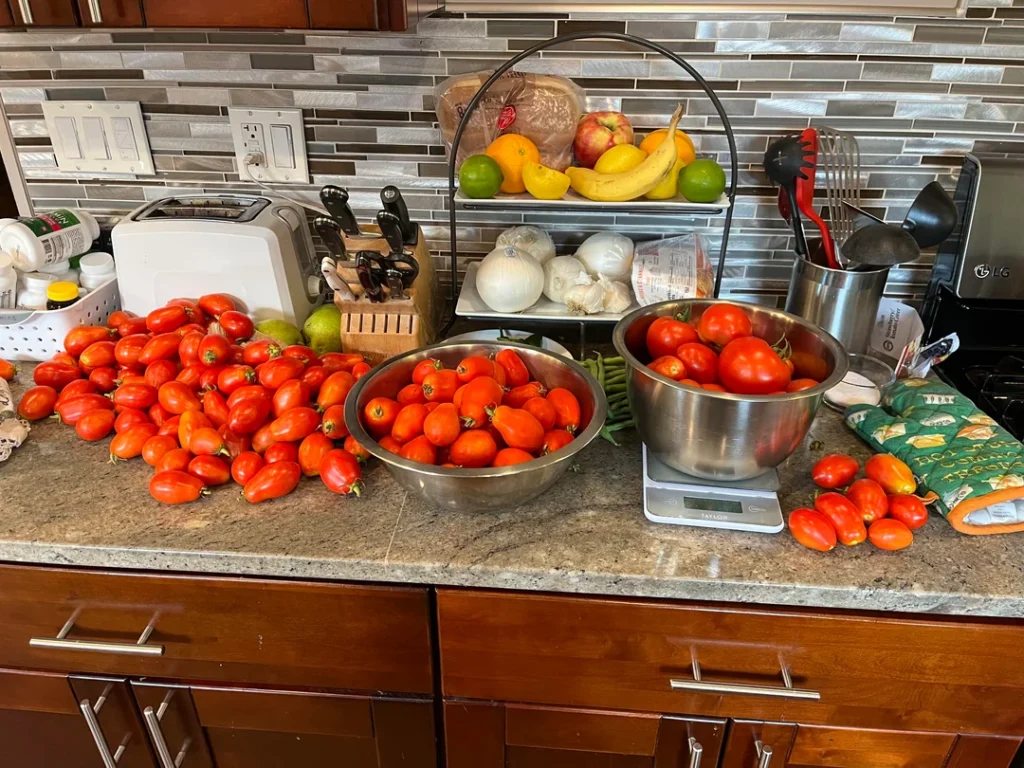
Tomatoes are one of the most common fridge offenders. Cold temperatures actually break down the texture inside, leaving you with a mealy, flavorless slice instead of the juicy one you were hoping for.
Keep them on the counter at room temperature, away from direct sunlight. If they’re not fully ripe yet, this also helps them finish ripening the right way.
Once cut, go ahead and refrigerate the leftovers — but whole tomatoes? They’re way better off staying out.
2.) Bananas

Bananas are one of those foods that actually need to stay out on the counter. The cold air in your fridge slows down the ripening process and turns the peel dark and mushy way faster than you’d expect.
Keep them at room temperature and they’ll ripen naturally at their own pace. If you want to slow things down a bit, hang them on a banana hook — it really does help. Once they’re fully ripe, then you can pop them in the fridge.
3.) Potatoes
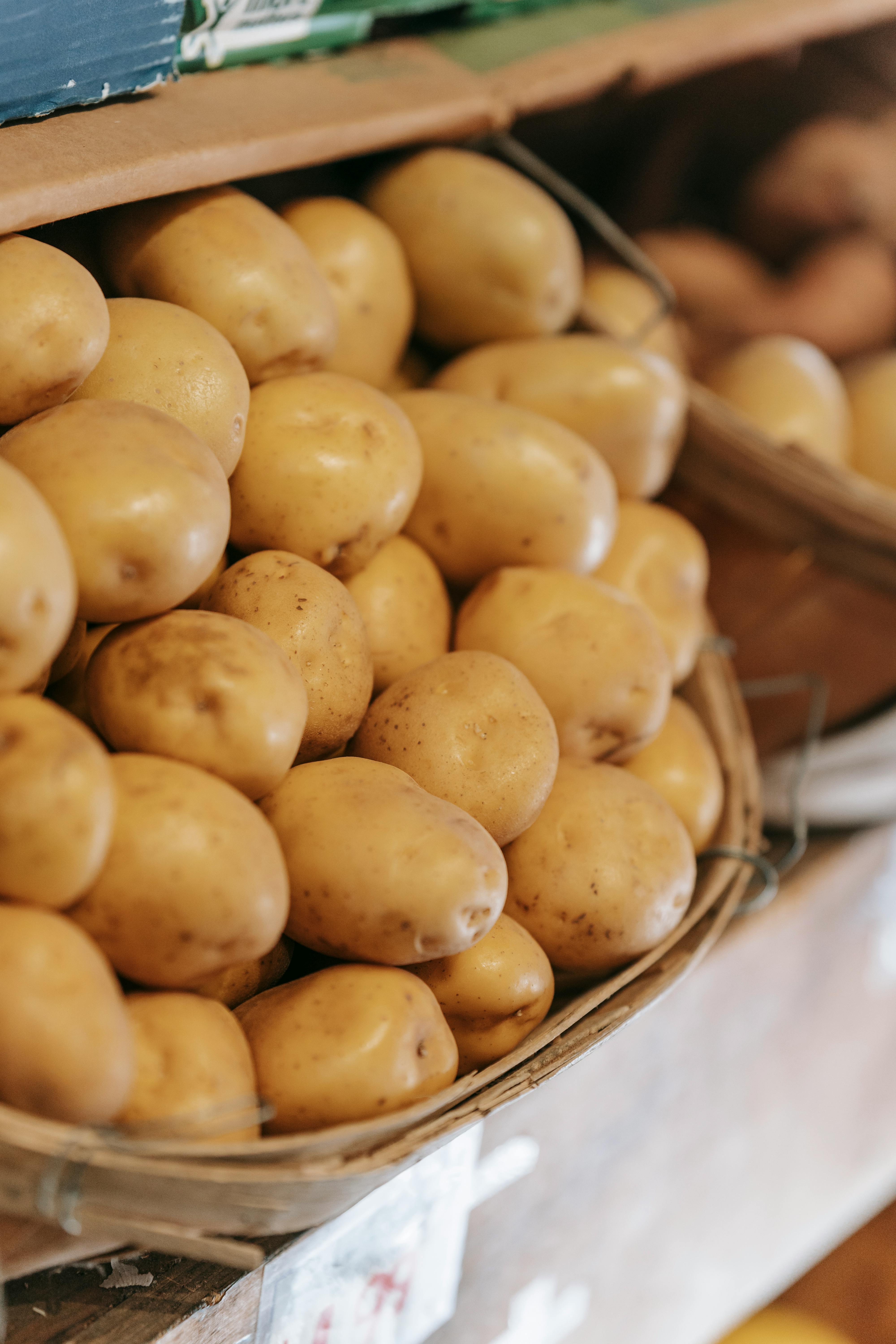
Potatoes actually do better stored in a cool, dark spot on your counter or in a pantry — not the fridge. Cold temperatures convert their starch into sugar, which changes the taste and can make them darker when you cook them.
Keep them in a paper bag or a basket with good airflow, away from direct sunlight. Just make sure they’re not sitting next to onions, since the two speed up each other’s spoiling.
4.) Onions
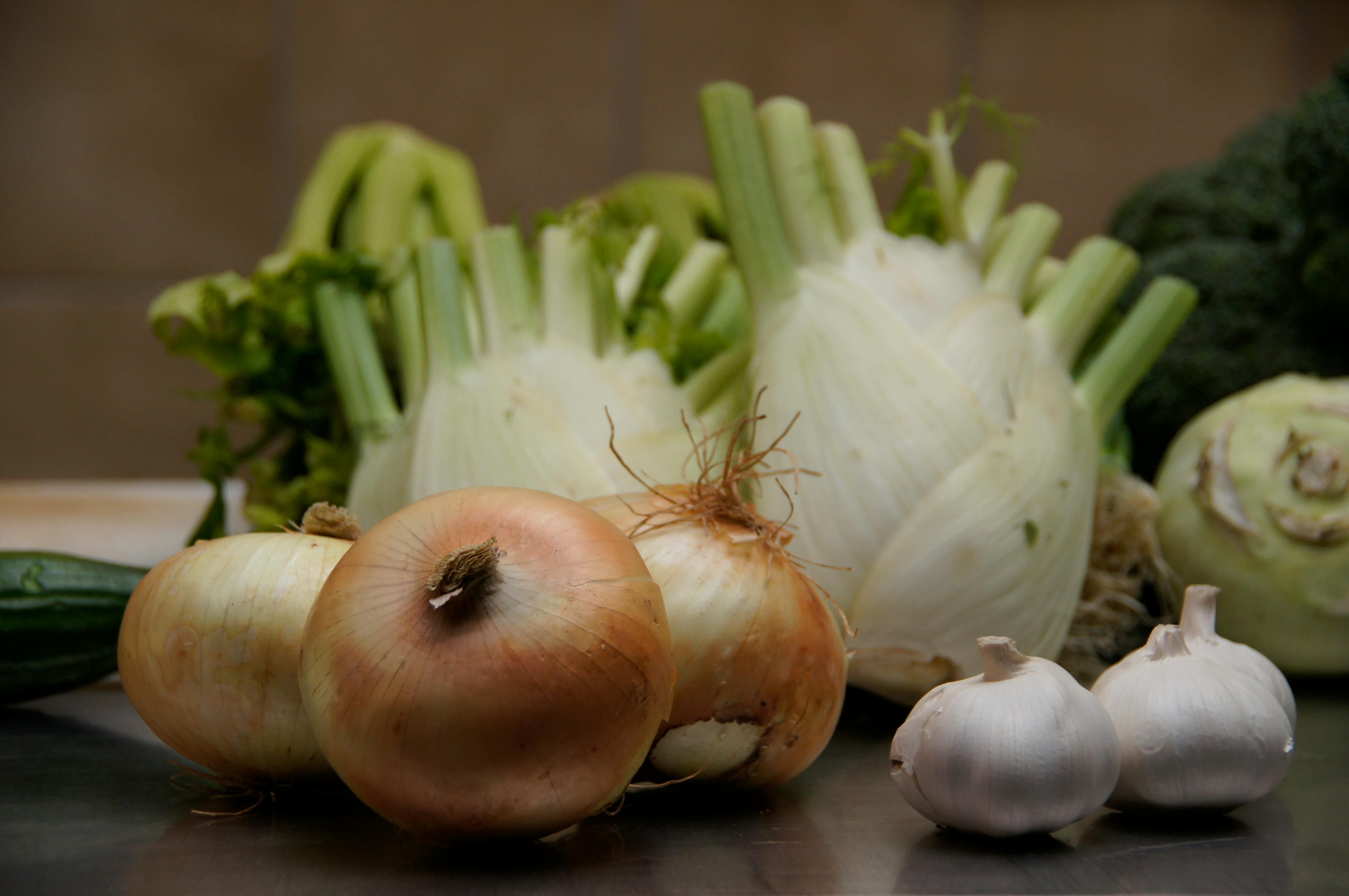
Onions actually do better sitting out on your counter than they do in the fridge. Cold temperatures mess with their texture and can make them mushy faster than you’d expect. The humidity in your refrigerator also speeds up spoilage.
Keep them in a cool, dry spot with decent airflow — a bowl or mesh bag works great. Just make sure they’re away from potatoes, since the two release gases that cause each other to go bad quicker.
5.) Garlic

Garlic actually does better sitting out on your counter than hiding in the fridge. The cold and moisture in your refrigerator can cause it to sprout early or turn rubbery, which messes with both the texture and the flavor.
Keep your garlic in a cool, dry spot with good airflow — a small mesh basket or ceramic holder works great. A whole bulb can last up to two months this way. Just don’t store it in a sealed container or plastic bag.
6.) Avocados
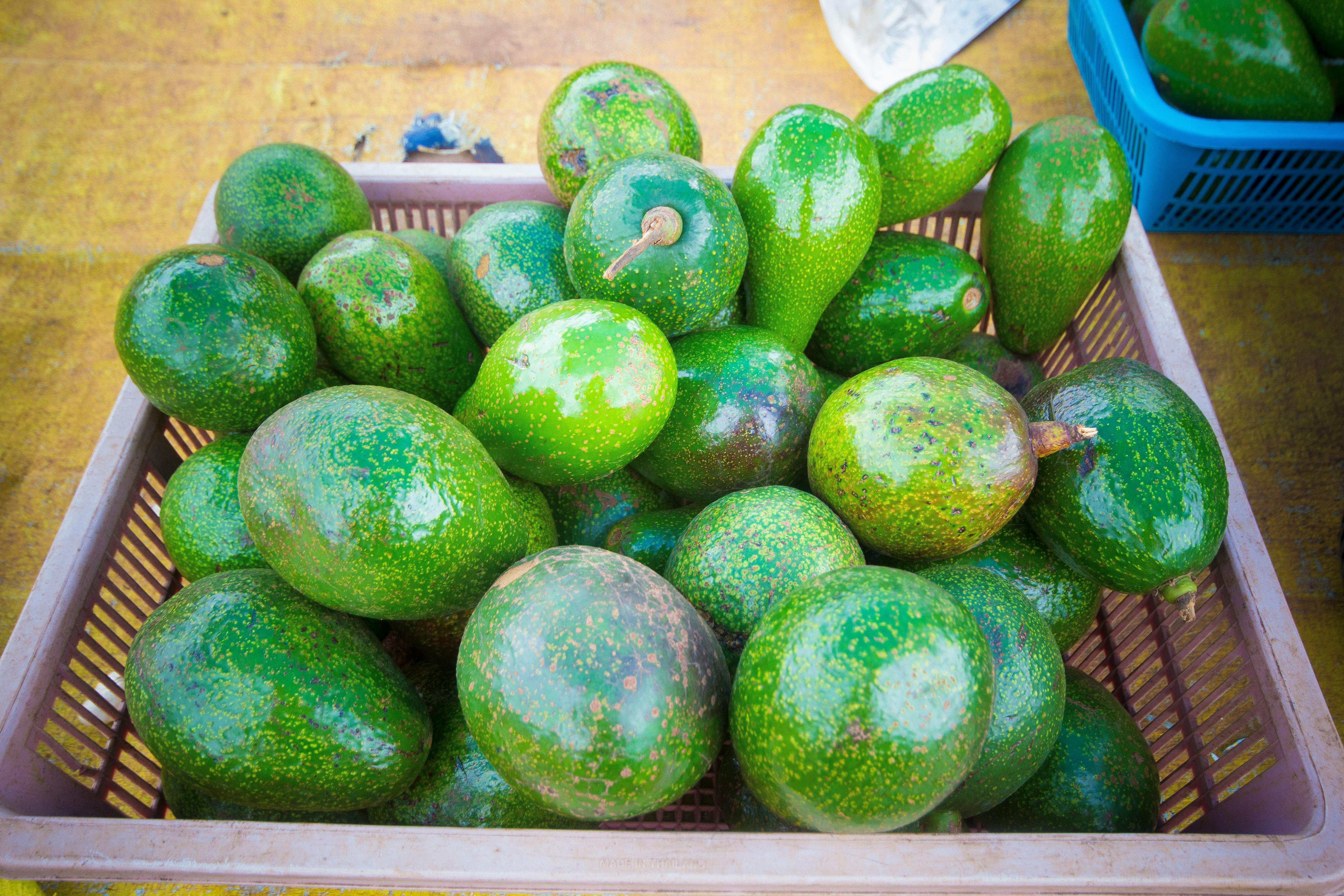
If your avocado is still firm and unripe, the fridge is the last place it should be. Cold temperatures actually slow down the ripening process, leaving you with a rock-hard avocado that never quite gets to that perfect, creamy stage.
Leave unripe avocados on the counter at room temperature and let them do their thing. Once they’re ripe and give a little when you press them, *then* you can move them to the fridge to keep them from going bad too quickly.
7.) Stone Fruits
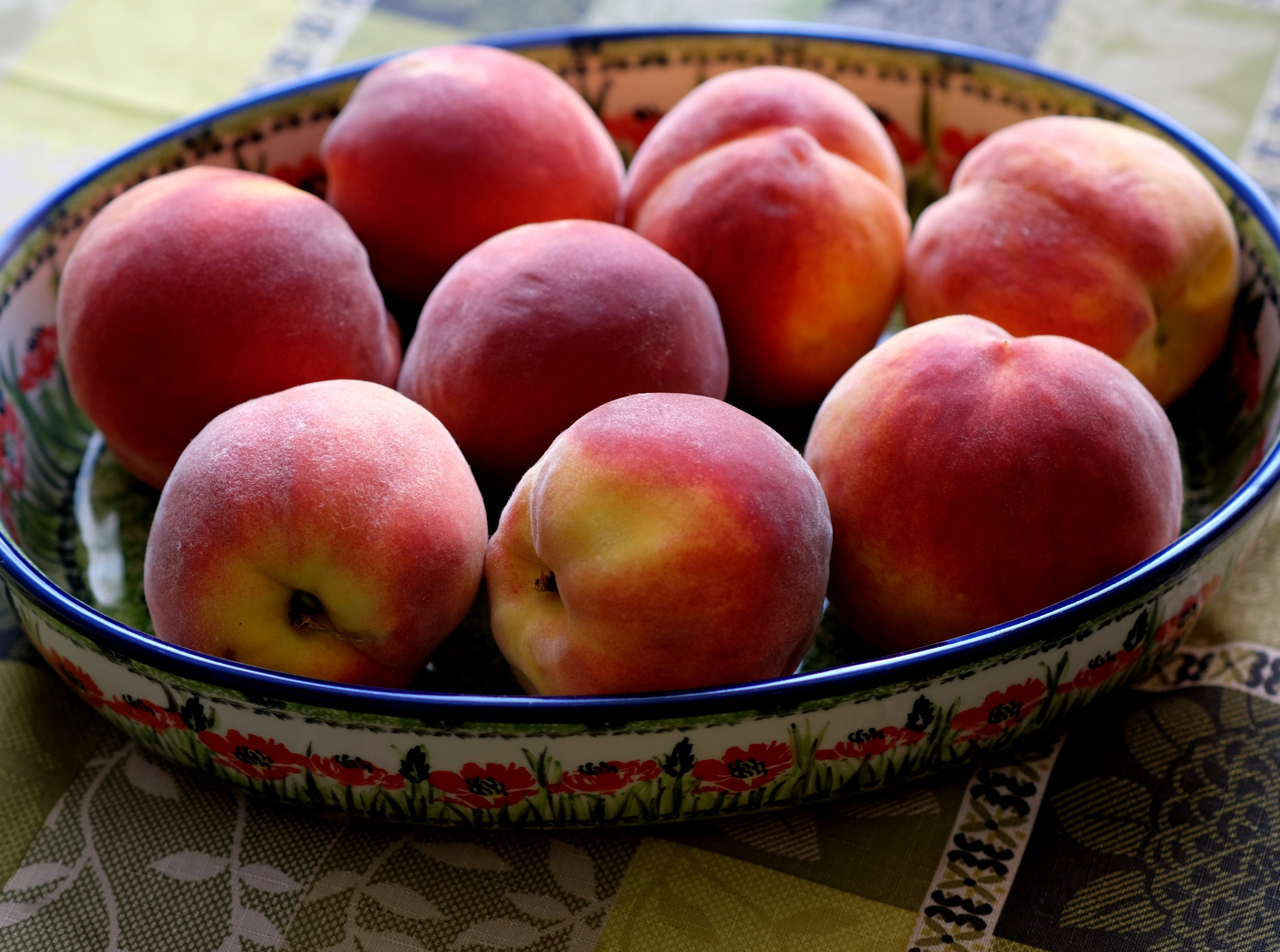
Peaches, plums, cherries, and nectarines all do better on your counter than in your fridge. Cold temperatures actually stop the ripening process and mess with the texture, leaving you with mealy, flavorless fruit.
Leave them out at room temperature until they’re ripe and ready to eat. Once they’re soft and fragrant, that’s your window to enjoy them. If you’ve got more than you can eat, then go ahead and refrigerate — but try to use them within a day or two.
8.) Bread
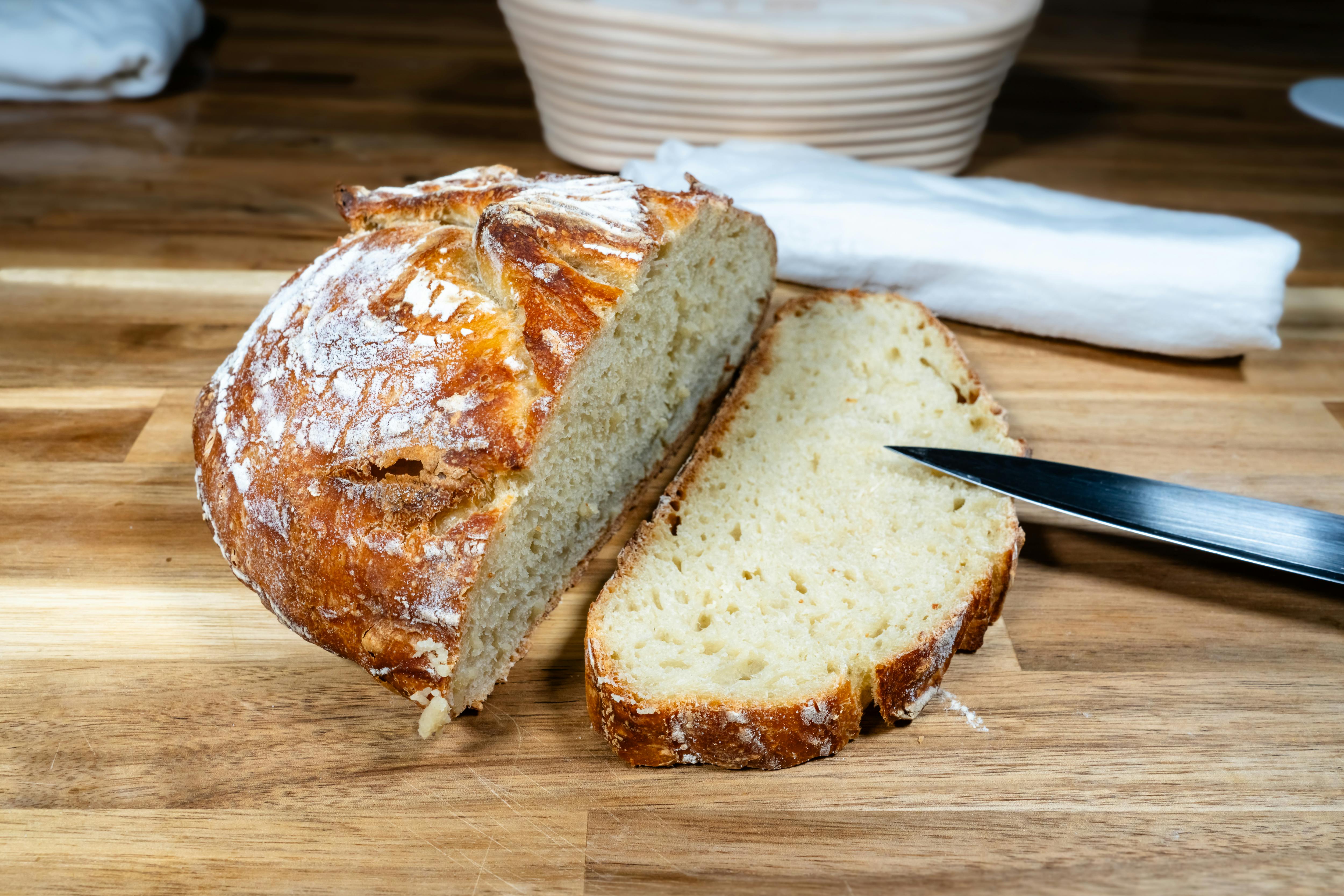
Storing bread in the fridge might seem like a smart way to keep it fresh longer, but it actually speeds up the staling process. Cold temperatures cause the starch in bread to dry out faster, leaving you with a loaf that’s hard and crumbly way too soon.
Keep your bread on the counter in a bread box or wrapped in a cloth bag instead. It’ll stay soft for about three to five days — just make sure it’s sealed so it doesn’t dry out.
9.) Honey
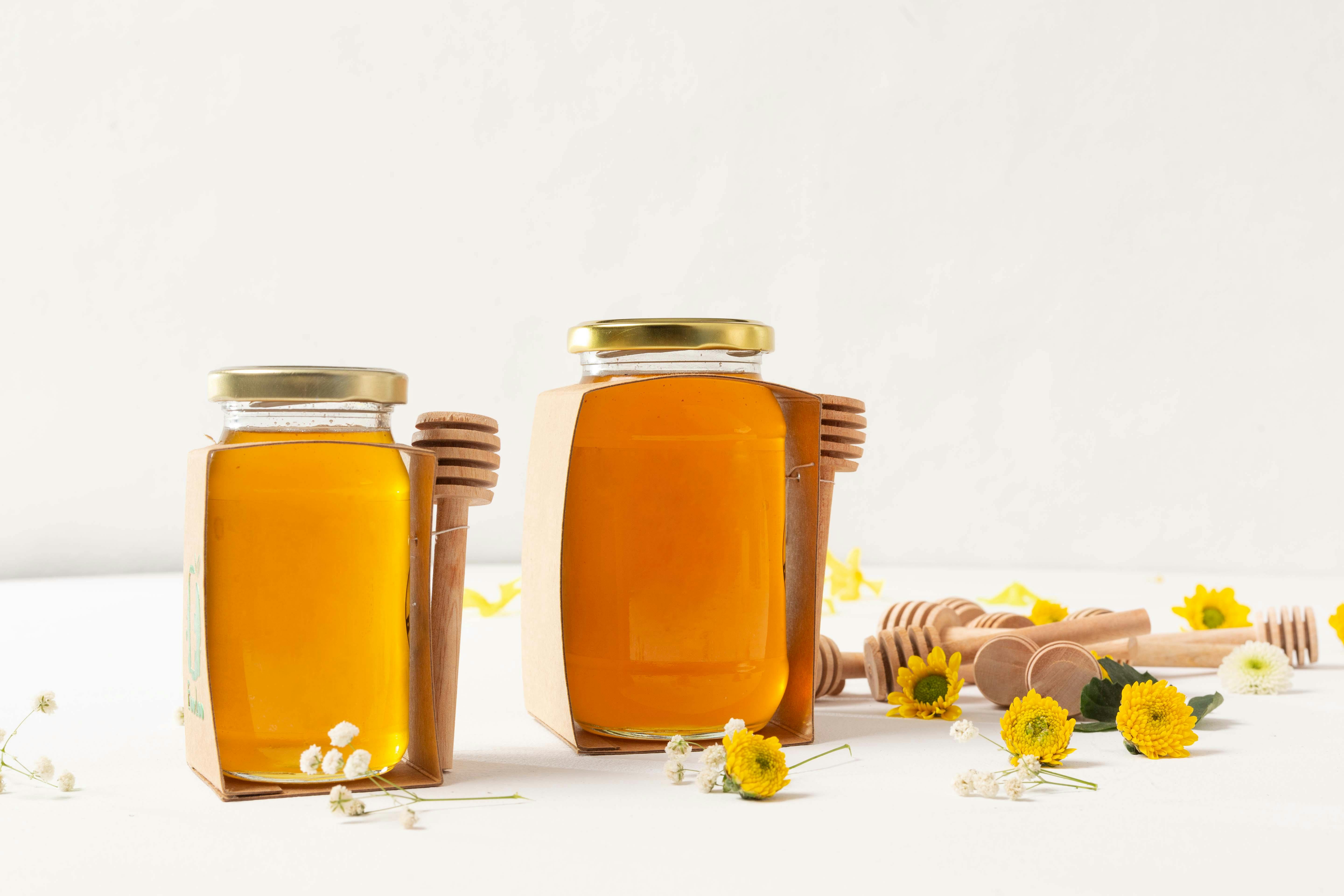
Honey is one of those things that people almost always toss in the fridge out of habit, but it really doesn’t belong there. Cold temperatures cause honey to crystallize and get thick, making it hard to pour or scoop out.
Room temperature is where honey thrives. Keep it in a sealed jar on your counter or in a cabinet, and it’ll stay smooth and easy to use. Properly stored honey can last for years — no refrigeration needed at all.
10.) Coffee

If you store your coffee in the fridge, you’re actually doing it a disservice. Coffee absorbs moisture and odors easily, so keeping it cold can mess with the flavor and make it taste a little off.
A cool, dry spot on your counter — away from direct sunlight and heat — is really all it needs. Just keep it in an airtight container, and it’ll stay fresh and flavorful for weeks without any refrigeration needed.
11.) Hot Sauce

Hot sauce doesn’t need to live in the fridge. Most bottles are packed with vinegar and salt, which act as natural preservatives and keep it shelf-stable for months — sometimes up to a year or more.
Keeping it on the counter actually makes it taste better, since cold temperatures can dull the flavor. Just store it away from direct sunlight and heat sources. As long as you’re using it regularly, your counter is the perfect spot for it.
12.) Olive Oil

Olive oil actually does better sitting out on the counter than in the fridge. Cold temperatures can make it turn cloudy and thick, which makes it harder to pour and messes with the texture when you’re cooking.
Just keep it in a dark glass bottle or an opaque container away from the stove and direct sunlight. Heat and light are the real enemies here. A cool, shaded spot on your counter will keep it fresh and ready to use for up to two months.
13.) Winter Squash
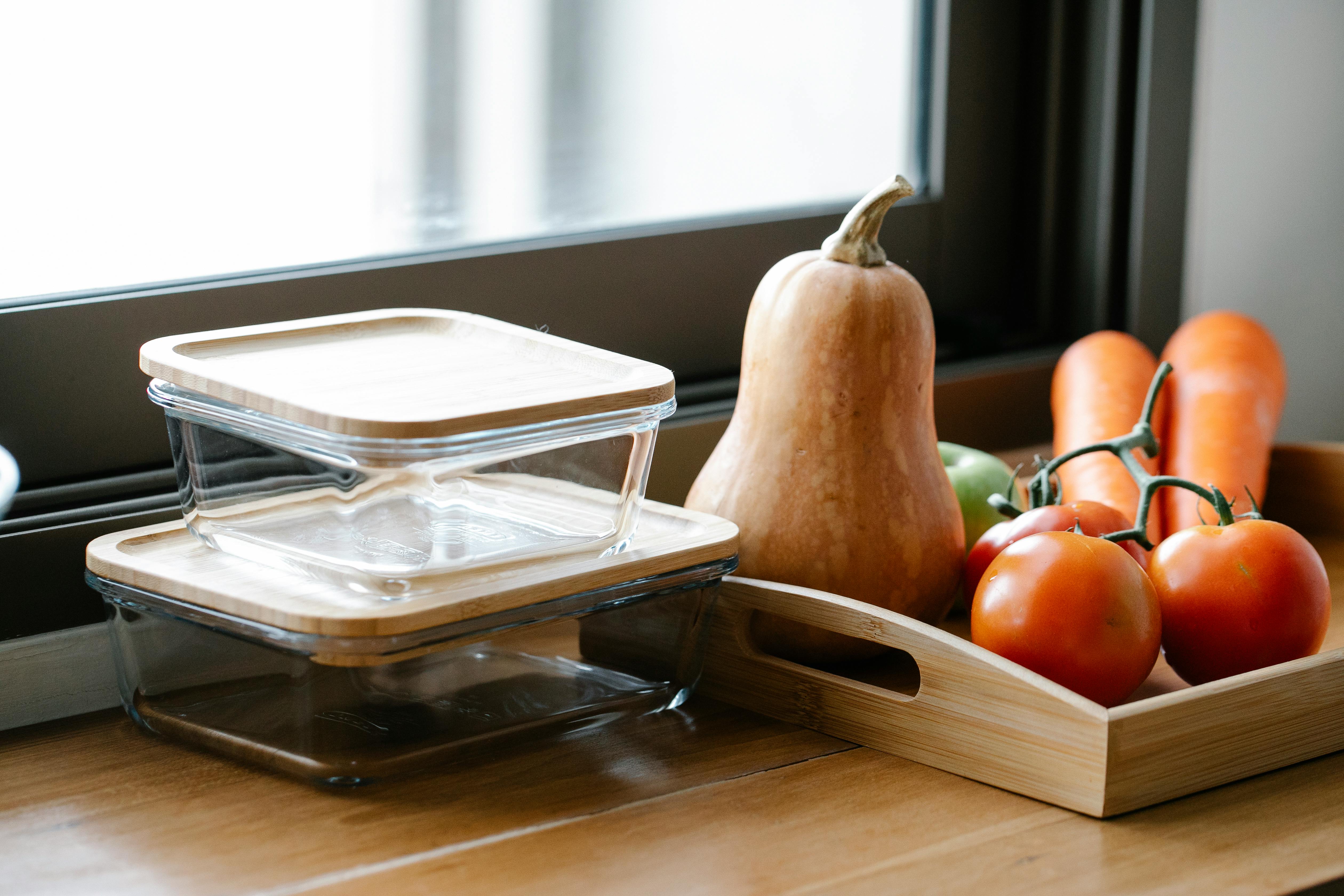
Winter squash — think butternut, acorn, or spaghetti squash — actually does better sitting out on your counter or in a cool, dry spot like a pantry. The fridge can mess with the texture and flavor, which is the last thing you want.
A whole, uncut squash can last for weeks, sometimes even months, at room temperature. Just keep it away from direct sunlight and moisture. Once you cut into it, though, wrap it up and pop it in the fridge.