Ever wonder why your neighbor’s lawn looks so good while yours just… doesn’t? The secret might be simpler than you think. Old-school groundskeepers figured out tricks years ago that most of us have never heard of.
These aren’t fancy tips from a gardening magazine. They’re the real, hands-on methods passed down from people who spent their lives working the soil. Trust me, a few of these genuinely surprised me!
1.) Mow High, Water Deep

Old-school groundskeepers swear by two simple habits: mow high and water deep. Set your mower blade to about 3–4 inches tall, depending on your grass type. Taller grass shades the soil, keeps it cooler, and helps crowd out weeds naturally.
For watering, go slow and deep — about an inch per week, ideally in the early morning. This encourages roots to push down further into the soil, making your lawn tougher during dry spells and hot summer stretches.
2.) Sharpen Mower Blades Monthly

Dull mower blades don’t cut grass — they tear it. That ragged edge leaves your lawn looking brownish and worn, and it opens the door for disease and pests to move in. Old-school groundskeepers sharpened their blades every four weeks during mowing season, and there’s a good reason for that.
A sharp blade gives you a clean cut that heals fast. You can sharpen blades yourself with a file or take them to a hardware store for a few bucks.
3.) Water Early Morning Only

Old-school groundskeepers swear by this one simple habit — water your lawn early in the morning, ideally between 6 and 10 a.m. The grass gets a good drink before the heat of the day causes evaporation, so less water actually goes to waste.
Watering late in the evening is where most homeowners go wrong. Wet grass sitting overnight is basically an open invitation for fungal disease and mold. Morning watering gives the blades time to dry out naturally throughout the day.
4.) Leave Grass Clippings Behind

Old-school groundskeepers never bagged their clippings — and for good reason. When you mow, those tiny bits of grass break down quickly and feed your lawn with nitrogen, acting like a light, free fertilizer. It’s called “grasscycling,” and it actually works.
This habit works best during the growing season when grass is healthy and you’re cutting no more than a third of the blade at a time. Skip it if your lawn has disease issues or the clippings are clumping heavily.
5.) Aerate Twice Per Year

Aerating your lawn twice a year — once in spring and once in fall — gives your grass room to breathe. Over time, soil gets packed down from foot traffic and mowing, which makes it harder for water and nutrients to reach the roots.
A simple plug aerator pulls out small cores of soil and opens things up. It’s one of those tasks that takes a couple of hours but pays off all season long with thicker, healthier grass.
6.) Overseed in Fall Season

Fall is actually the best time to overseed your lawn, not spring. Cooler temps and more moisture give grass seed a real chance to take root without the stress of summer heat beating it down.
Spread seed over thin or bare spots after giving the lawn a good mow and light raking. Stick to this routine in zones 3–7 between late August and mid-October. Keep the area moist until germination kicks in, usually within two weeks.
7.) Use Compost, Not Chemicals
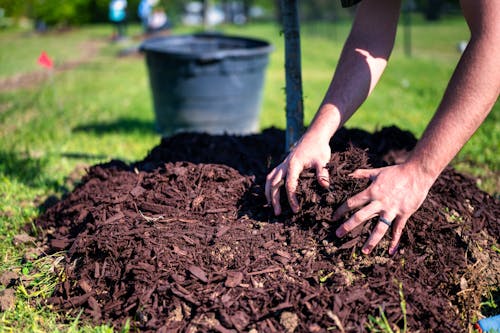
Old-school groundskeepers swore by compost long before chemical fertilizers became popular, and for good reason. A thin layer of compost worked into your lawn feeds the soil naturally, improves drainage, and helps grass roots grow deeper over time.
The best part? You can use it in spring or fall, in just about any hardiness zone. Skip the bag of synthetic fertilizer and start a compost pile instead. Your lawn will thank you, and so will your wallet.
8.) Test Soil Every Spring

Old-school groundskeepers swear by this one simple habit — grab a basic soil test kit each spring before you do anything else to your lawn. It tells you your soil’s pH and nutrient levels, so you’re not just guessing what it needs.
Most lawns do best with a pH between 6.0 and 7.0. If yours is off, you could be wasting money on fertilizer that barely works. A quick test takes the guesswork out and points you in the right direction.
9.) Alternate Mowing Patterns Weekly
Mowing in the same direction every week might seem harmless, but it actually trains your grass to lean one way and can create ruts in the soil over time. Old-school groundskeepers knew that switching things up keeps the lawn looking even and healthy.
Try going north-south one week, then east-west the next, or even diagonal. This works for any grass type, in any zone, during the active growing season. Your lawn will stand up straighter and wear more evenly.
10.) Remove Thatch When Thick

Thatch is that layer of dead grass, roots, and debris that builds up between the soil and the green blades above. A little bit is fine — it can even help hold moisture. But once it gets thicker than half an inch, it starts blocking water, air, and nutrients from reaching the roots.
Grab a dethatching rake or rent a power dethatcher in early fall or spring. Timing matters — do it when your grass is actively growing so it can bounce back quickly.
11.) Hand-Pull Weeds After Rain
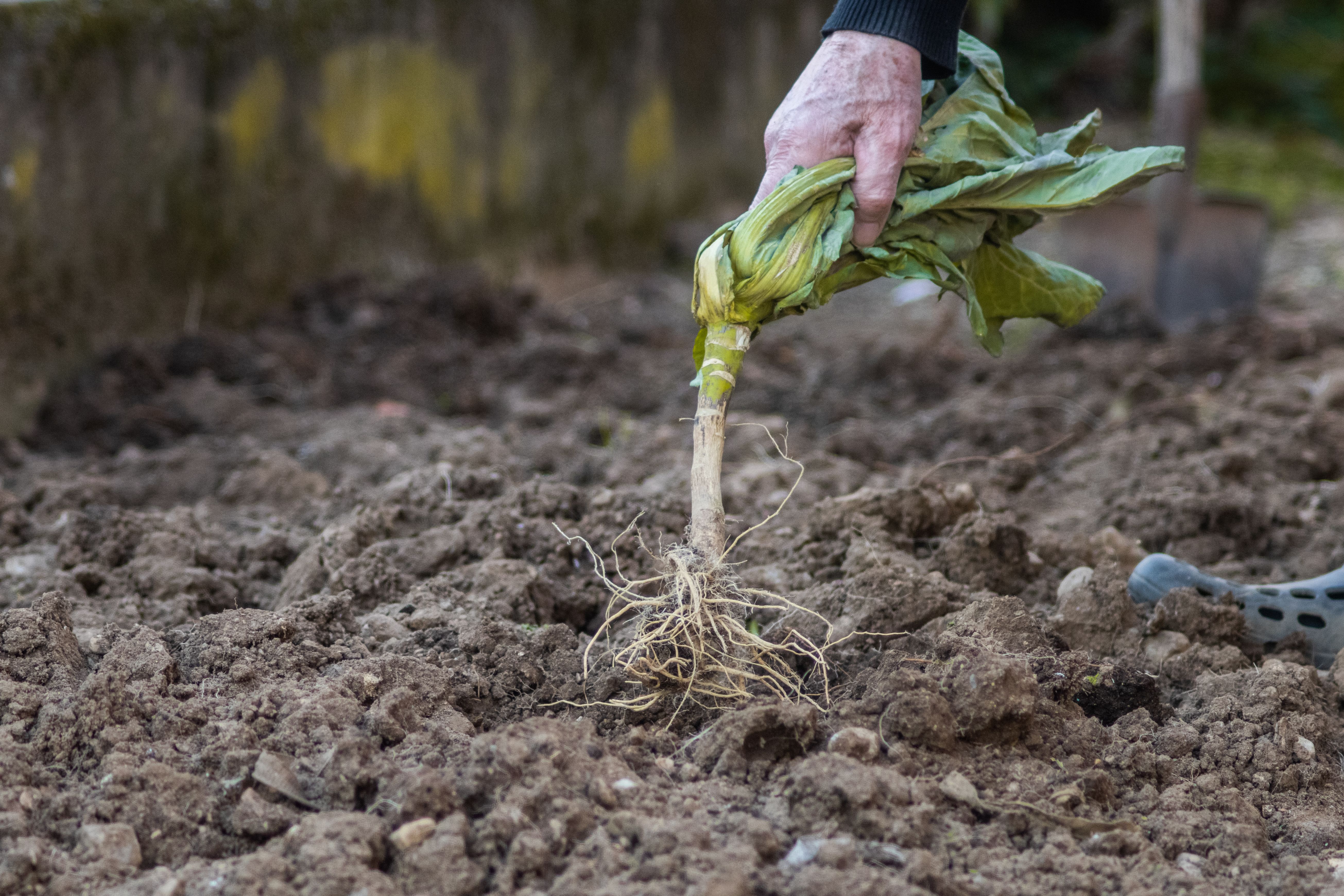
Old-school groundskeepers swear by this simple trick: always pull weeds right after a good rain. When the soil is wet and loose, the roots slide out much more cleanly instead of snapping off underground. A broken root usually means the weed grows right back.
Keep a bucket nearby and work while the ground is still damp but not muddy. Focus on getting the whole root system out. This works best in spring and fall when weeds are actively growing and rain is more frequent.
12.) Top-Dress With Organic Matter

Old-school groundskeepers swore by spreading a thin layer of compost or aged manure over their lawns every fall. It sounds simple, but it works — the organic matter slowly breaks down over winter, feeding the soil and improving its structure without burning the grass.
Aim for about a quarter-inch layer, worked lightly into the turf with a rake. This works well in most hardiness zones and pairs especially nicely with fall aeration. Your lawn will come back noticeably thicker and healthier come spring.
13.) Let Grass Go Dormant

Old-school groundskeepers knew that fighting dormancy is a losing battle. When summer heat hits and rainfall drops, cool-season grasses like fescue and bluegrass naturally go brown and slow down. That’s not dying — that’s survival mode.
Skip the extra watering and let it happen. Dormant grass needs only about half an inch of water every two to three weeks just to stay alive.
Come fall, cooler temps and rain will wake it right back up on its own.