If you think drought-tolerant plants mean a yard full of sad, scraggly shrubs, think again. There are so many ways to create a lush, full garden that barely needs a drop of extra water — and trust me, once you discover them, you’ll wonder why you didn’t switch sooner.
From ground covers that spread like a dream to flowering plants that thrive on neglect, this list has something for every garden style. Get ready to rethink everything you thought you knew about low-water landscaping!
1.) Layer Different Plant Heights

Mixing tall, medium, and low-growing plants creates a natural, layered look that keeps your yard interesting without needing much water. Think ornamental grasses in the back, mid-height salvias or agaves in the middle, and creeping thyme or sedum up front.
This works well in zones 5–10 and looks good from spring through fall. Once established, most of these plants need very little maintenance beyond occasional trimming.
The variety in height also helps shade the soil, which slows moisture loss during dry spells.
2.) Use Decorative Gravel Mulch

Decorative gravel mulch is one of the easiest ways to cut down on watering while keeping your yard looking put-together. It works well in dry climates and suits most hardiness zones since it doesn’t break down like organic mulch does.
Spread it around drought-tolerant plants, along pathways, or in open beds to hold moisture in the soil and keep weeds at bay. It’s low maintenance, lasts for years, and comes in a range of colors and sizes to match your style.
3.) Install Drip Irrigation Systems

Drip irrigation is one of the smartest moves you can make for a drought-tolerant yard. Instead of spraying water everywhere, it delivers moisture directly to the roots where plants actually need it. That means less waste and healthier plants overall.
You can set it up with a timer so your garden stays watered even when you’re busy. It works well in all hardiness zones and is especially helpful during hot, dry summers when every drop of water counts.
4.) Create Dry Stream Beds
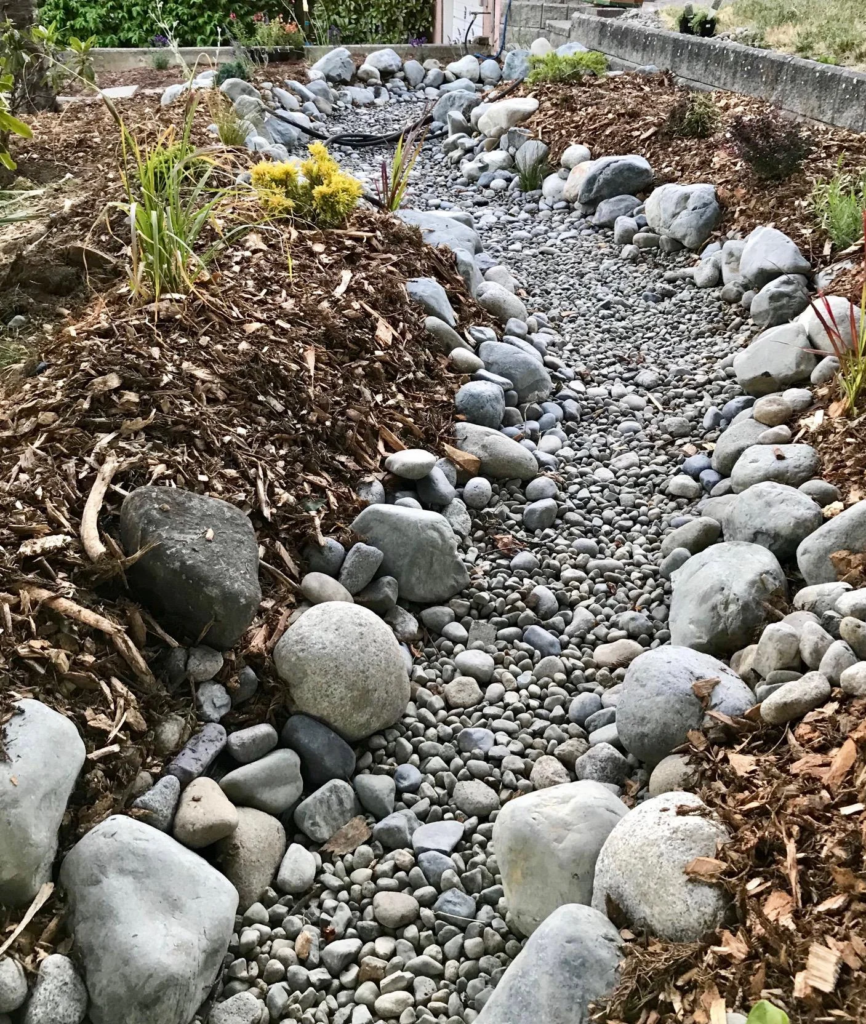
Dry stream beds are a smart way to handle water runoff while giving your yard a natural, put-together look. They’re basically shallow channels filled with river rocks, gravel, and boulders arranged to mimic a real stream.
The best part? They require almost zero maintenance once they’re in place. Plant drought-tolerant natives like ornamental grasses or lavender along the edges to soften the look. They work well in most hardiness zones and hold up beautifully through hot, dry summers.
5.) Group Plants by Water Needs

Grouping plants by water needs is one of the smartest things you can do when planning a drought-tolerant yard. Instead of mixing thirsty plants with dry-soil lovers, keep similar plants together so you’re not overwatering some while underwatering others.
This approach works well in zones 4–10 and across most seasons. Low-water plants like lavender, sedum, and ornamental grasses thrive together without much fuss. You’ll save time, cut your water bill, and keep everything looking healthy with minimal effort.
6.) Add Hardscape Focal Points
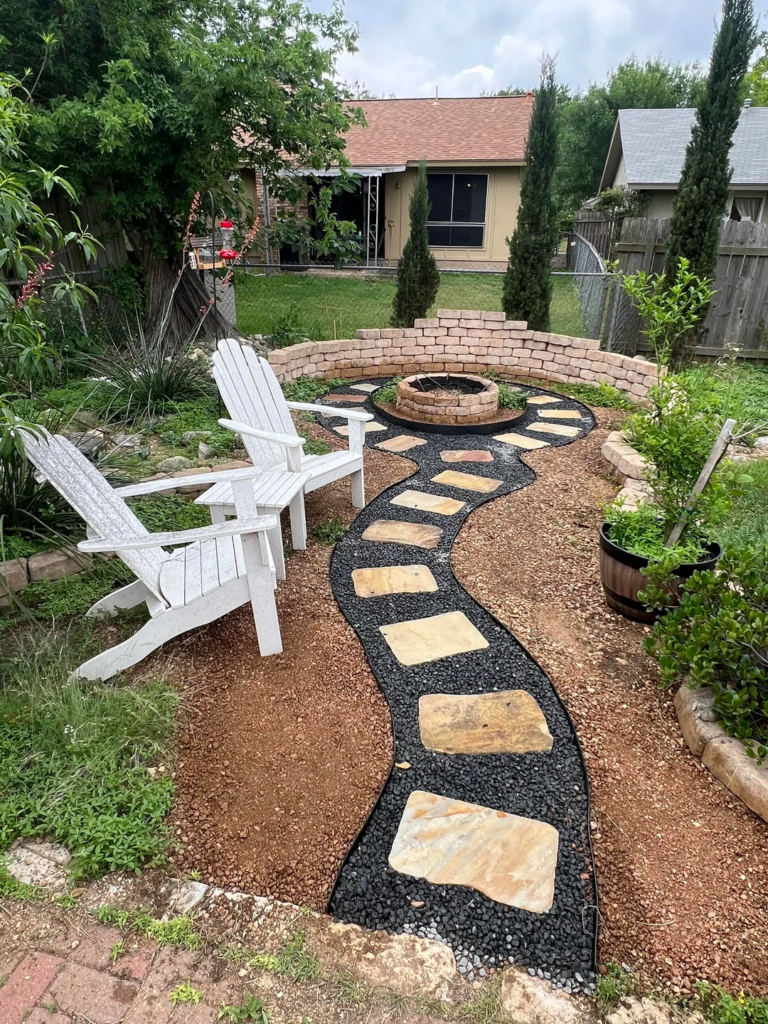
Hardscape elements like gravel paths, stone benches, or decorative boulders don’t need water at all — making them a smart addition to any drought-tolerant yard. They fill space beautifully without relying on rainfall or irrigation, and they hold up in any climate or hardiness zone.
Think of them as anchors that give your landscape structure. Pair a large rock or paved seating area with low-water plants nearby, and the whole space feels more intentional and pulled together with very little ongoing maintenance.
7.) Choose Native Plant Varieties

Native plants are already built for your local climate, which makes them some of the smartest choices for a drought-tolerant yard. They’ve adapted over time to survive on natural rainfall, so once they’re established, you can skip the constant watering.
Look up varieties specific to your hardiness zone — options like coneflowers, black-eyed Susans, or sagebrush thrive in dry conditions. Most need little fertilizing and minimal pruning, making them a low-effort, high-reward addition to any landscape.
8.) Incorporate Ornamental Grasses

Ornamental grasses are a smart pick for drought-tolerant yards. Once established, most varieties need very little water and do well in full sun with poor or sandy soil. They grow in zones 3–9, depending on the type, and look great from spring through winter.
Blue fescue stays compact and tidy, while maiden grass grows tall and adds movement in the breeze. Just cut them back in late winter before new growth starts, and they’ll come back full every year.
9.) Build Raised Stone Borders
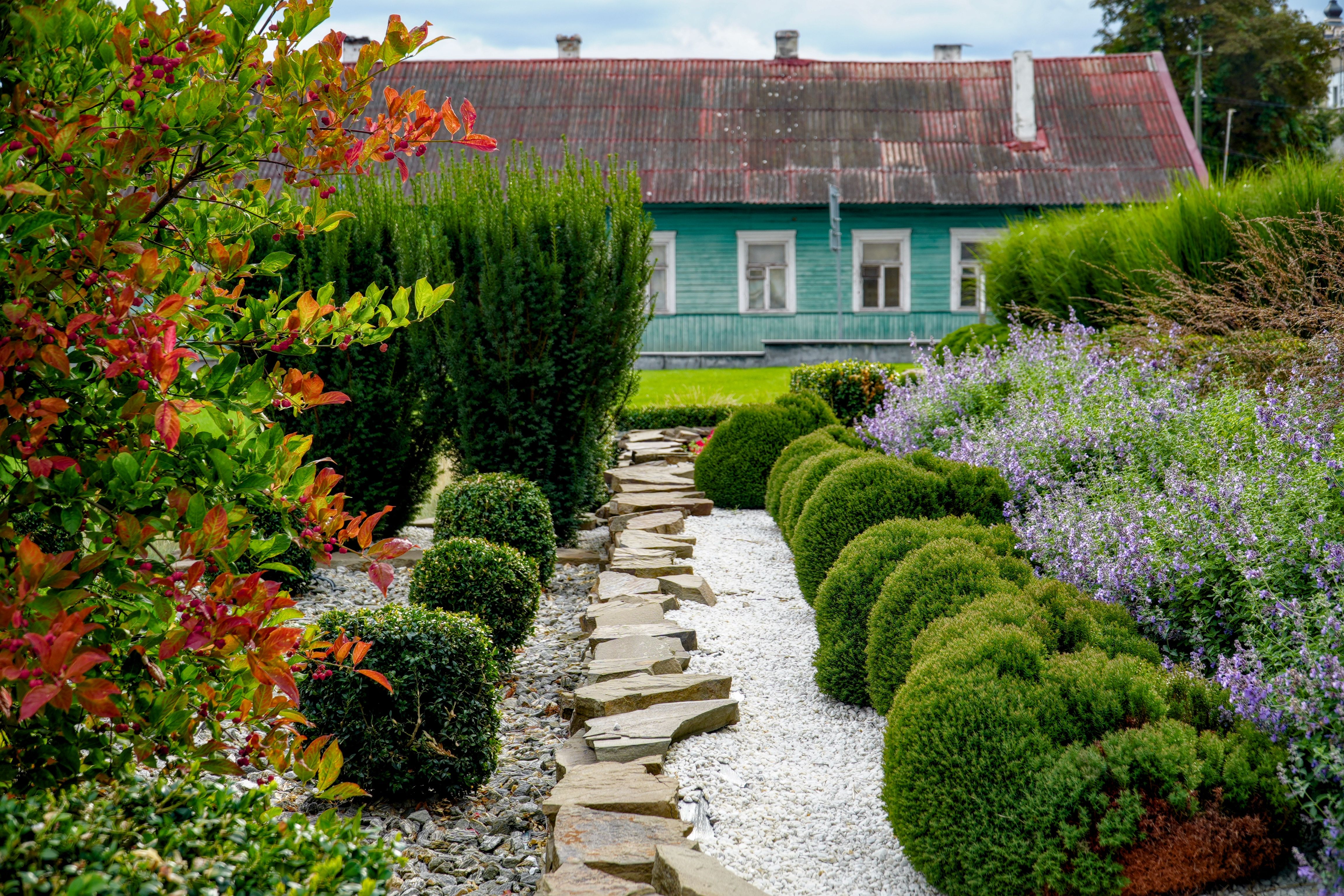
Raised stone borders are a smart way to section off your drought-tolerant plants while keeping water where it needs to go. The stones naturally hold heat during the day and release it slowly at night, which many dry-climate plants absolutely love.
They work well in most hardiness zones and require almost zero upkeep once they’re in place. Just stack flat fieldstones or pavers around your garden beds, and you’ve got a low-maintenance border that holds soil in place through dry spells.
10.) Use Self-Watering Containers

Self-watering containers are a smart pick when you’re trying to cut back on how often you need to water. They hold moisture in a reservoir at the bottom, so plants can draw up what they need without drying out between waterings.
They work well in hot, sunny spots and are great for patios or small spaces. Fill them with drought-tolerant plants like succulents or herbs, and you’ll have a low-maintenance setup that holds up well through dry spells.
11.) Design with Silver Foliage
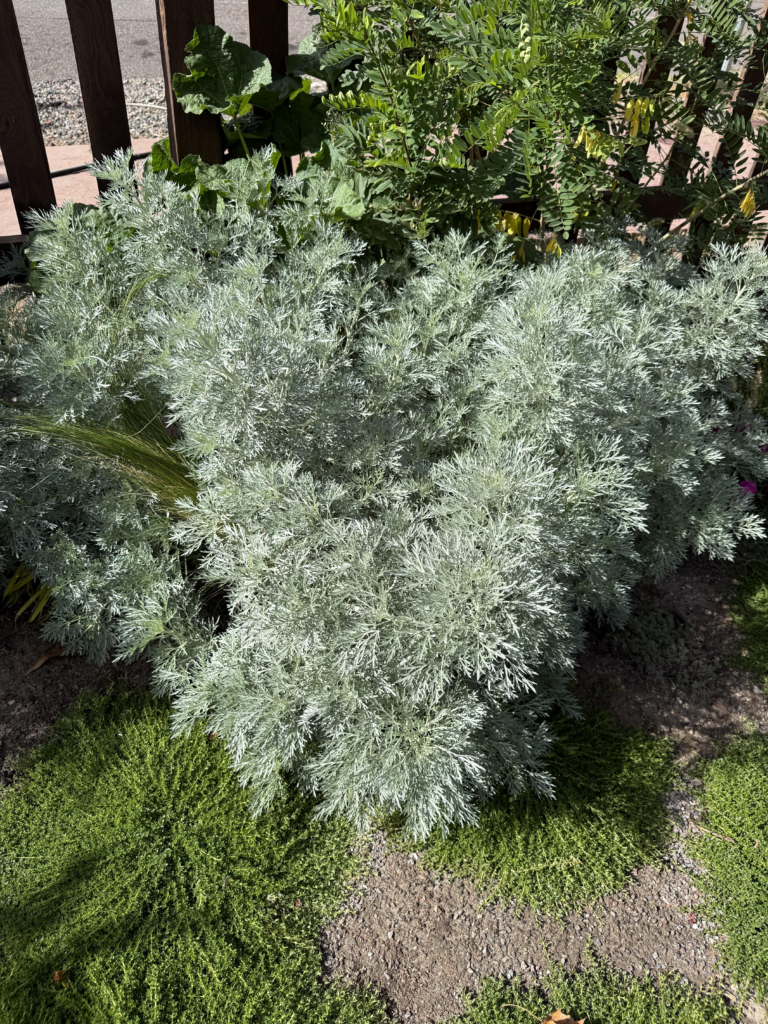
Silver foliage plants like dusty miller, artemisia, and lamb’s ear are great picks for dry landscapes. Their silvery, light-reflecting leaves come from tiny hairs that actually help the plant hold onto moisture — which makes them perfect for low-water gardens.
Most silver-leaved plants thrive in full sun and well-drained soil, and many are hardy in zones 4–9. They need very little watering once established.
Pair them with purple or blue flowers for a nice contrast that looks good from spring all the way through fall.
12.) Add Decomposed Granite Pathways
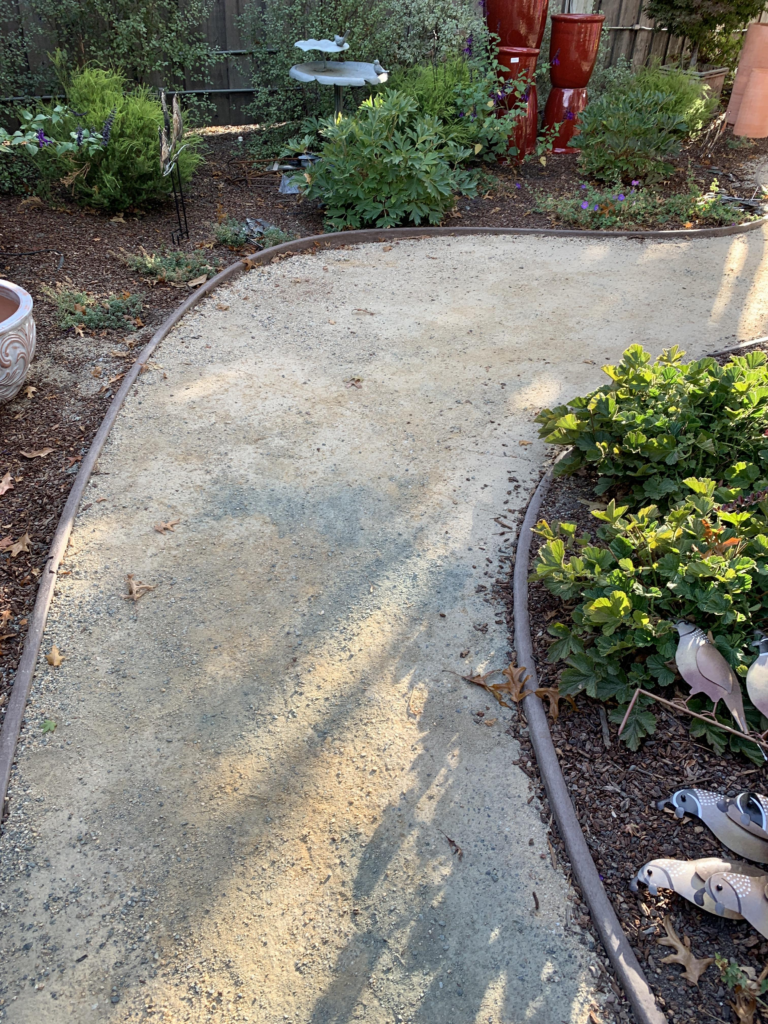
Decomposed granite (DG) is one of the easiest and most affordable ways to create pathways in a drought-tolerant yard. It’s basically crushed rock that compacts nicely underfoot, and it works well in just about any climate or hardiness zone.
The best part? It needs almost zero maintenance. Just rake it level once in a while and add a fresh layer every year or two. It also drains really well, so puddles aren’t an issue after rain.
13.) Create Succulent Tapestry Gardens
Succulent tapestry gardens mix different low-growing succulents together to create a patchwork of colors and textures. Think hens-and-chicks, sedums, and echeverias planted close together so they gradually fill in the gaps. They thrive in full sun and fast-draining soil, making them a great fit for Zones 5–11 depending on the varieties you choose.
Water deeply but infrequently — once every two weeks in summer, even less in winter. Minimal care keeps these gardens looking good all year long.
14.) Install Permeable Paving Solutions
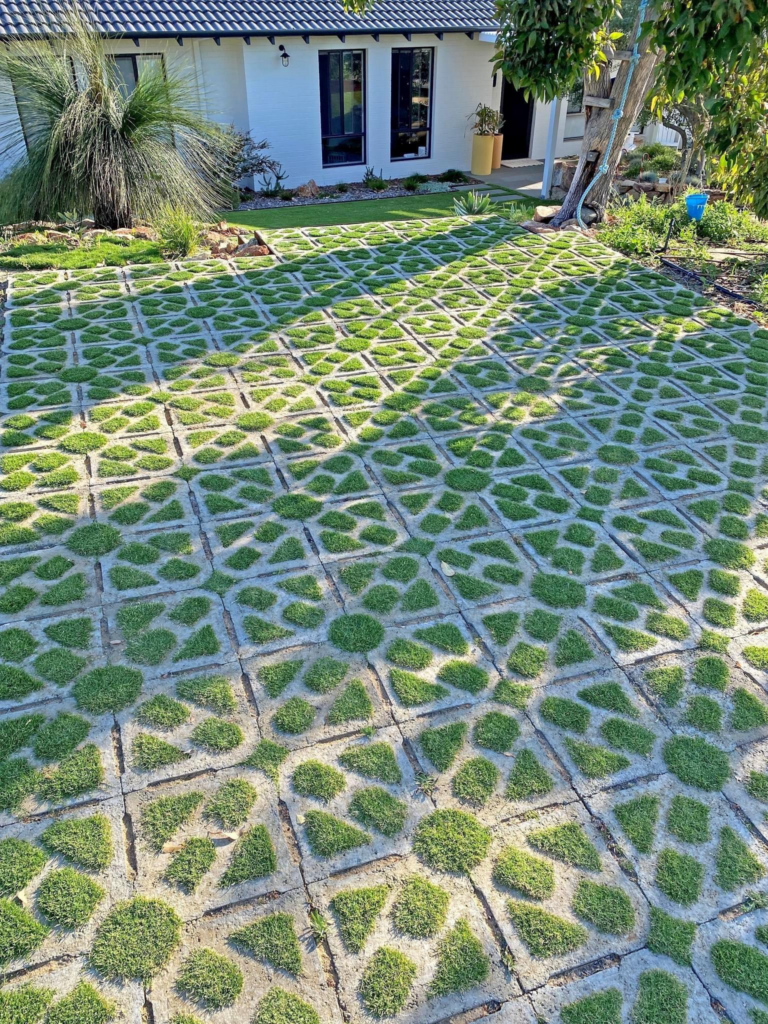
Permeable paving lets rainwater soak into the ground instead of running off, which helps keep moisture where your plants actually need it. It’s a smart move for dry climates where every drop counts.
You can use gravel, decomposed granite, or interlocking pavers with gaps for water to pass through. These options work well in most hardiness zones and hold up through hot summers and cold winters.
Less runoff also means less erosion and fewer puddles, so your yard stays tidy with minimal effort.