Let’s be honest—mowing the lawn is nobody’s idea of a fun Saturday. Between the gas, the noise, and the endless back-and-forth across the yard, traditional grass just feels like a lot of work. But what if you could have a green, living carpet that basically takes care of itself?
Ground covers are the secret to a low-maintenance yard that still looks great. These plants spread out to fill space, keep weeds away, and never need a mower. Some even give you flowers as a bonus.
1.) Creeping Thyme

Creeping thyme makes a great lawn substitute if you want something that smells good when you walk on it. It grows low to the ground and spreads naturally, filling in spaces between stepping stones or covering entire yards. The small purple or pink flowers attract bees in summer.
Plant it in full sun and well-drained soil. It handles zones 4-9 and tolerates drought once established, so you won’t need to water much. It works best in areas with light foot traffic.
Just pull any weeds that pop up occasionally, and you’re done.
2.) Clover
Clover is one of the easiest lawn replacements you can grow. It stays green with minimal water, fixes its own nitrogen from the air, and never needs fertilizing. White clover is the most common type for lawns and grows well in zones 3-10.
You’ll only need to mow it once or twice a year if you want to keep it super short, but most people leave it alone. It handles foot traffic pretty well and naturally crowds out weeds.
The bees love the small white flowers, so keep that in mind if you have kids who go barefoot.
3.) Sedum
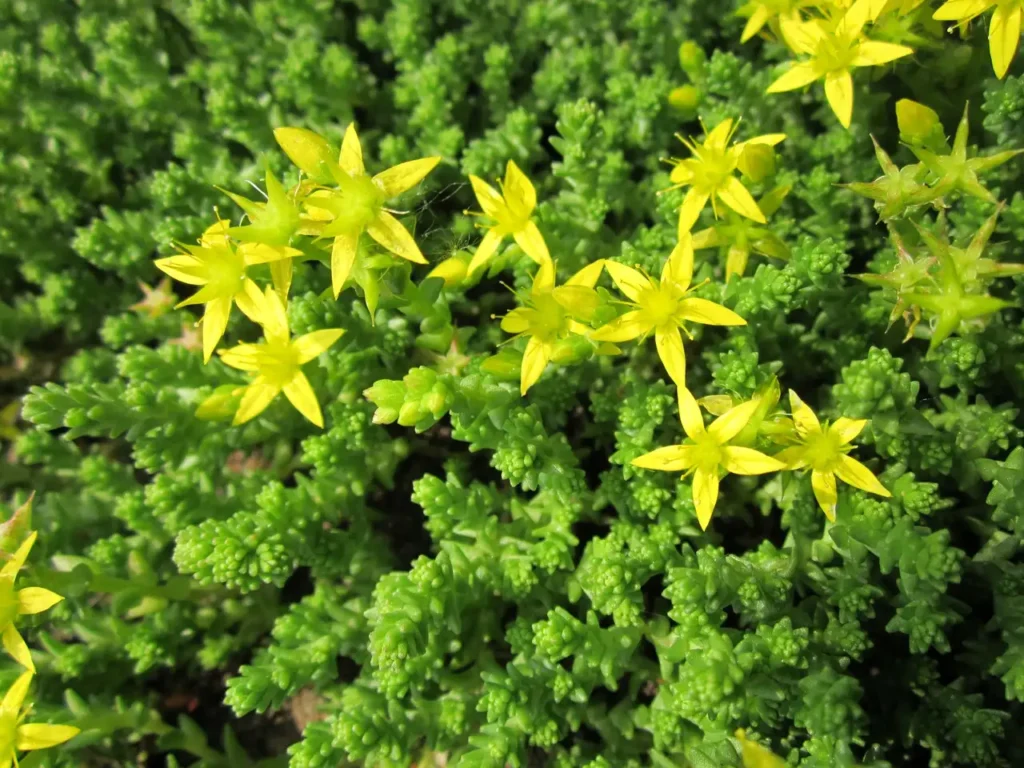
Sedum works well as a ground cover if you want something that practically takes care of itself. These low-growing succulents spread slowly across your yard and handle drought like champs. You’ll find varieties that stay green year-round, while others bloom in late summer.
Plant sedum in full sun and well-draining soil, and you’re pretty much done. It thrives in zones 3-9 depending on the variety. Walking on it occasionally won’t hurt it, though it’s not quite as tough as grass for heavy foot traffic.
4.) Creeping Jenny
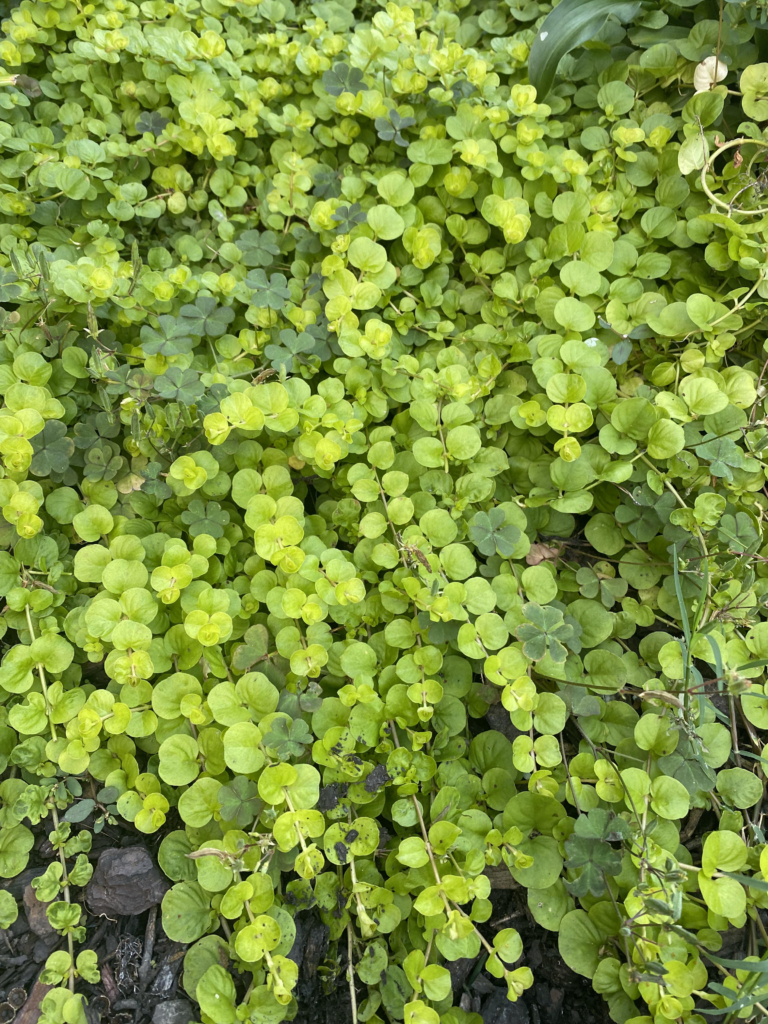
Creeping Jenny forms a dense carpet of small, rounded leaves that stays low to the ground. The golden-yellow variety brightens up shady spots, while the regular green type works just about anywhere. It spreads quickly to fill in bare patches.
This plant thrives in zones 3-9 and tolerates both sun and shade, though it prefers moist soil. You’ll often find it creeping into areas you didn’t plant it, but that’s exactly what you want in a lawn replacement.
Watch out near ponds or flower beds since it can get a bit aggressive.
5.) Moss

Moss works well in shady spots where grass won’t grow. It thrives in areas with poor soil and stays green without any fertilizer or watering once established. You’ll find it does best in zones 3-10, depending on the variety.
The best part? Zero maintenance required. No mowing, no trimming, and it feels soft underfoot. Moss prefers acidic soil and shade, though some types handle partial sun.
Just keep foot traffic light during the first year while it fills in. After that, it creates a low carpet that lasts for years.
6.) Creeping Phlox
Creeping Phlox spreads quickly across your yard, creating a thick carpet that chokes out weeds naturally. In spring, it puts on a colorful show with masses of pink, purple, white, or blue flowers that attract butterflies and bees.
It grows best in full sun and well-drained soil, thriving in zones 3-9. Once established, it handles drought pretty well and needs minimal attention. Just give it an occasional trim after flowering to keep it looking tidy.
The plants stay low at about 4-6 inches tall, making them perfect for slopes where mowing is a pain.
7.) Ajuga

Ajuga spreads quickly to form a dense carpet that chokes out weeds before they start. The plant stays low to the ground with spiky purple or blue flowers that pop up in spring. You’ll find varieties with green, bronze, or purple leaves that look interesting year-round.
Plant it in partial shade to full sun, though it does best with some afternoon shade in hot climates. Ajuga handles foot traffic better than grass and works well in zones 3-9. Water regularly until established, then it pretty much takes care of itself.
8.) Vinca Minor

Vinca minor, also called periwinkle, spreads quickly to create a thick carpet of glossy green leaves. It produces small purple-blue flowers in spring and sometimes again in fall. This evergreen ground cover works well in shady spots where grass struggles to grow.
It thrives in zones 4-9 and handles different soil types without much fuss. Water it regularly until established, then it’s pretty drought-tolerant. Keep an eye on it though—vinca can get aggressive and spread beyond where you want it.
9.) Irish Moss

Irish Moss creates a soft, carpet-like surface that looks like moss but is actually a low-growing perennial. It produces tiny white flowers in spring and stays green year-round in mild climates. The plant works well between stepping stones or covering small to medium-sized areas.
It grows best in partial shade and needs consistent moisture, especially during hot weather. Hardy in zones 4-8, Irish Moss reaches only 1-2 inches tall and spreads slowly to fill gaps. Plant divisions 6 inches apart for faster coverage.
10.) Blue Star Creeper
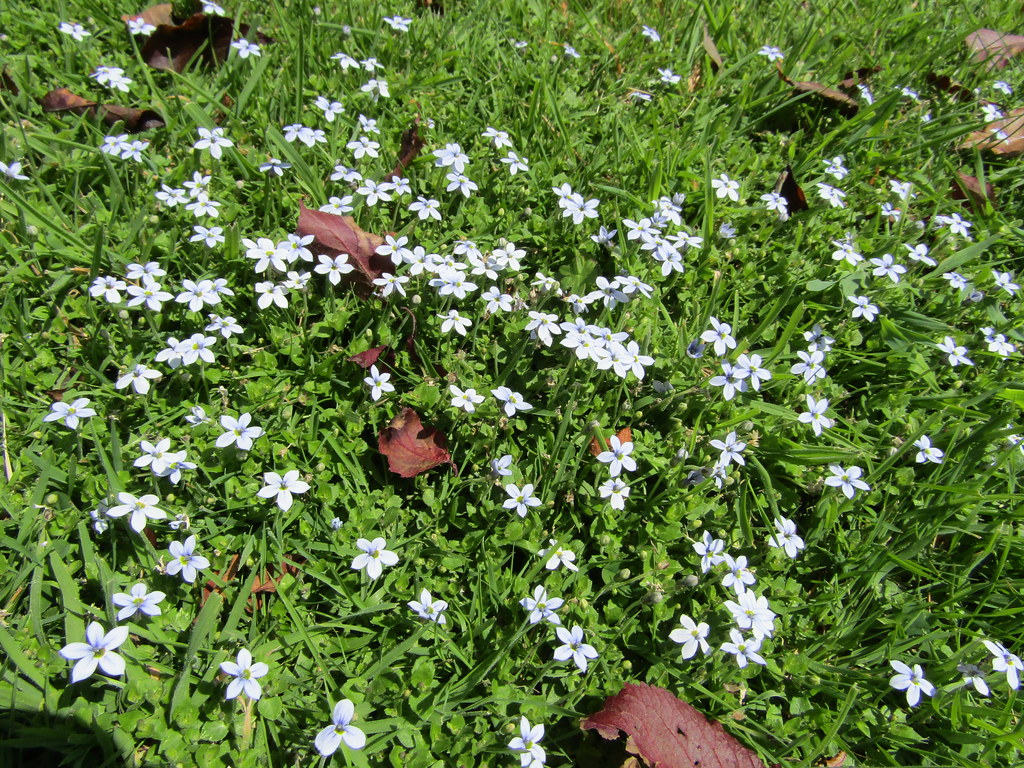
Blue Star Creeper forms a dense carpet of tiny green leaves that stay low to the ground, making it perfect for areas where grass struggles. In late spring, small star-shaped blue flowers appear across the foliage, adding a pleasant touch without much effort on your part.
It grows well in zones 5-9 and handles light foot traffic, so you can walk on it occasionally. Plant it in partial shade to full sun and keep the soil moist but not soggy. It spreads quickly to fill in bare spots without needing any mowing.
11.) Sweet Woodruff

Sweet Woodruff grows well in shady spots where grass struggles to survive. It spreads slowly to form a dense mat of green leaves, and small white flowers appear in late spring. The plant stays low to the ground and doesn’t need mowing.
This ground cover works best in zones 4-8 and prefers moist, well-drained soil. Once established, it needs little maintenance beyond occasional watering during dry spells.
The leaves smell like vanilla when crushed or dried, which is a nice bonus for a low-maintenance lawn replacement.
12.) Mazus

Mazus spreads quickly to form a low carpet that stays under two inches tall. The plant produces small purple or white flowers in late spring and can handle light foot traffic, making it a practical lawn substitute for areas that don’t get heavy use.
It grows best in moist, well-drained soil and partial shade, though it tolerates full sun in cooler climates. Hardy in zones 5-8, mazus needs regular watering during dry spells.
Once established, it fills in bare spots on its own and needs minimal maintenance beyond occasional watering.
13.) Corsican Mint

Corsican mint creates a soft, low-growing carpet that releases a pleasant minty scent when you walk on it. It stays under an inch tall and spreads easily across bare soil, making it a nice alternative to traditional grass in shady spots.
This ground cover thrives in zones 6-9 and prefers moist, well-drained soil with partial to full shade. It can handle light foot traffic but won’t survive constant trampling. Water regularly during dry spells to keep it looking healthy.
The tiny leaves and occasional purple flowers add interest without requiring any mowing or trimming.
14.) Pachysandra
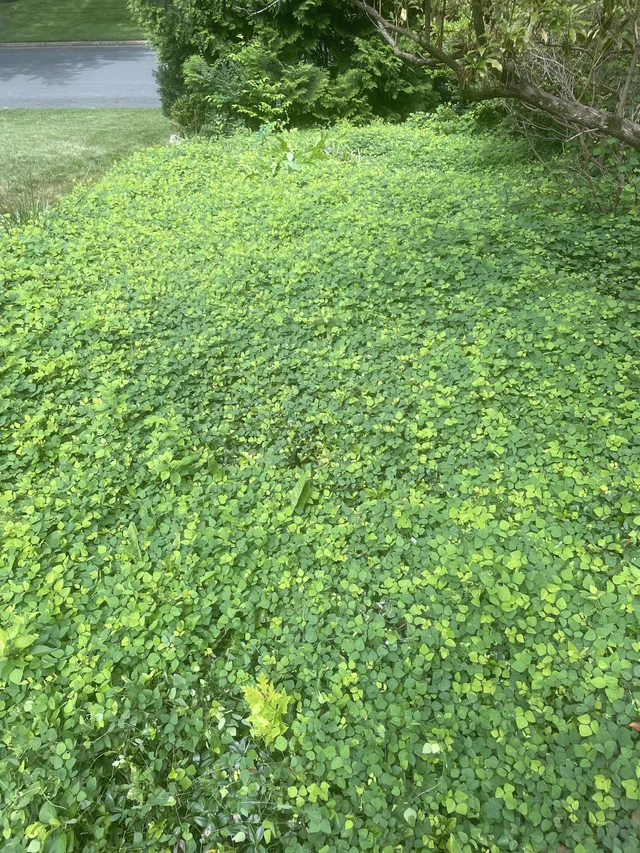
Pachysandra is a popular evergreen ground cover that thrives in shady spots where grass struggles to grow. It spreads through underground runners to form a dense carpet about 6-12 inches tall, and those glossy leaves stay green year-round in zones 4-9.
Plant it in partial to full shade with moist, well-drained soil. Water regularly during the first season to help it establish, then it pretty much takes care of itself. Space plants about 6-8 inches apart, and they’ll fill in within a couple of growing seasons.