Finding a spider in your house is never a fun surprise. And while most of them are harmless, that doesn’t mean you want them hanging around your living room. Instead of reaching for chemical sprays, there’s a more natural way to keep them out.
Certain plants actually work as natural spider repellents, and some of them you might already have at home! Keep reading to find out which ones made our list.
1.) Lavender

Spiders aren’t fans of lavender’s strong scent, which makes it a great natural option for keeping them away. Place potted lavender on windowsills or near doorways where spiders tend to sneak in.
It’s a low-maintenance plant that loves full sun and well-drained soil, doing best in zones 5–8. As a bonus, you can dry the stems and tuck them into sachets for closets or drawers, giving you spider protection in spots where pots won’t fit.
2.) Peppermint
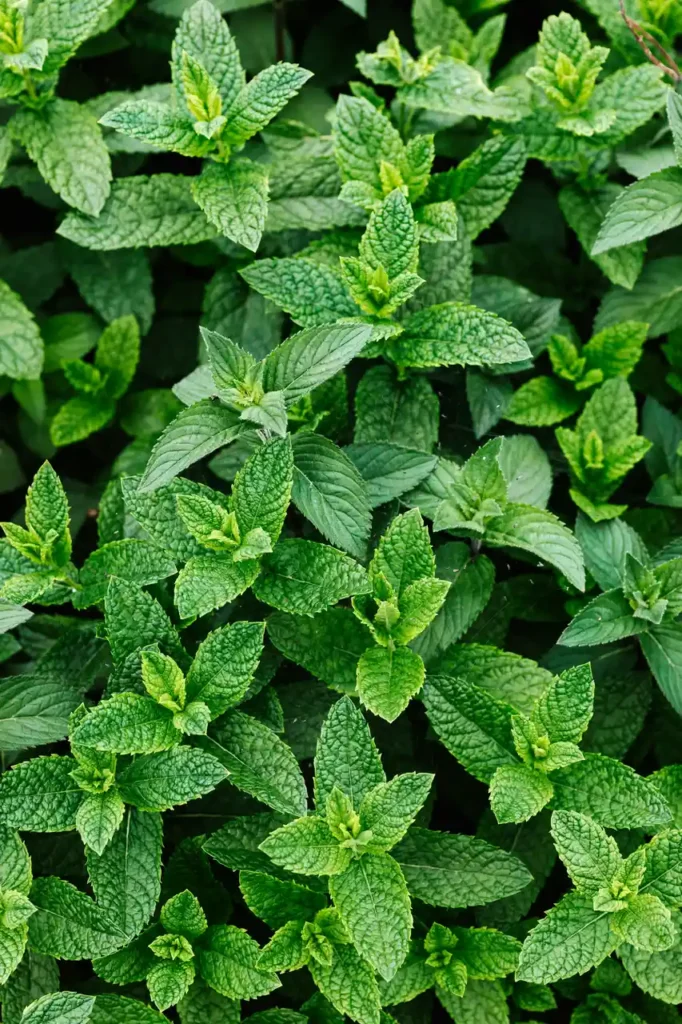
Spiders hate the smell of peppermint, which makes it one of the easiest natural repellents to use around your home. You don’t even need a live plant — a few drops of peppermint essential oil mixed with water in a spray bottle works just fine.
Spritz it along windowsills, doorframes, and corners where spiders tend to hang out. Just reapply every week or so, especially after cleaning. It smells great to us, but spiders want nothing to do with it.
3.) Eucalyptus
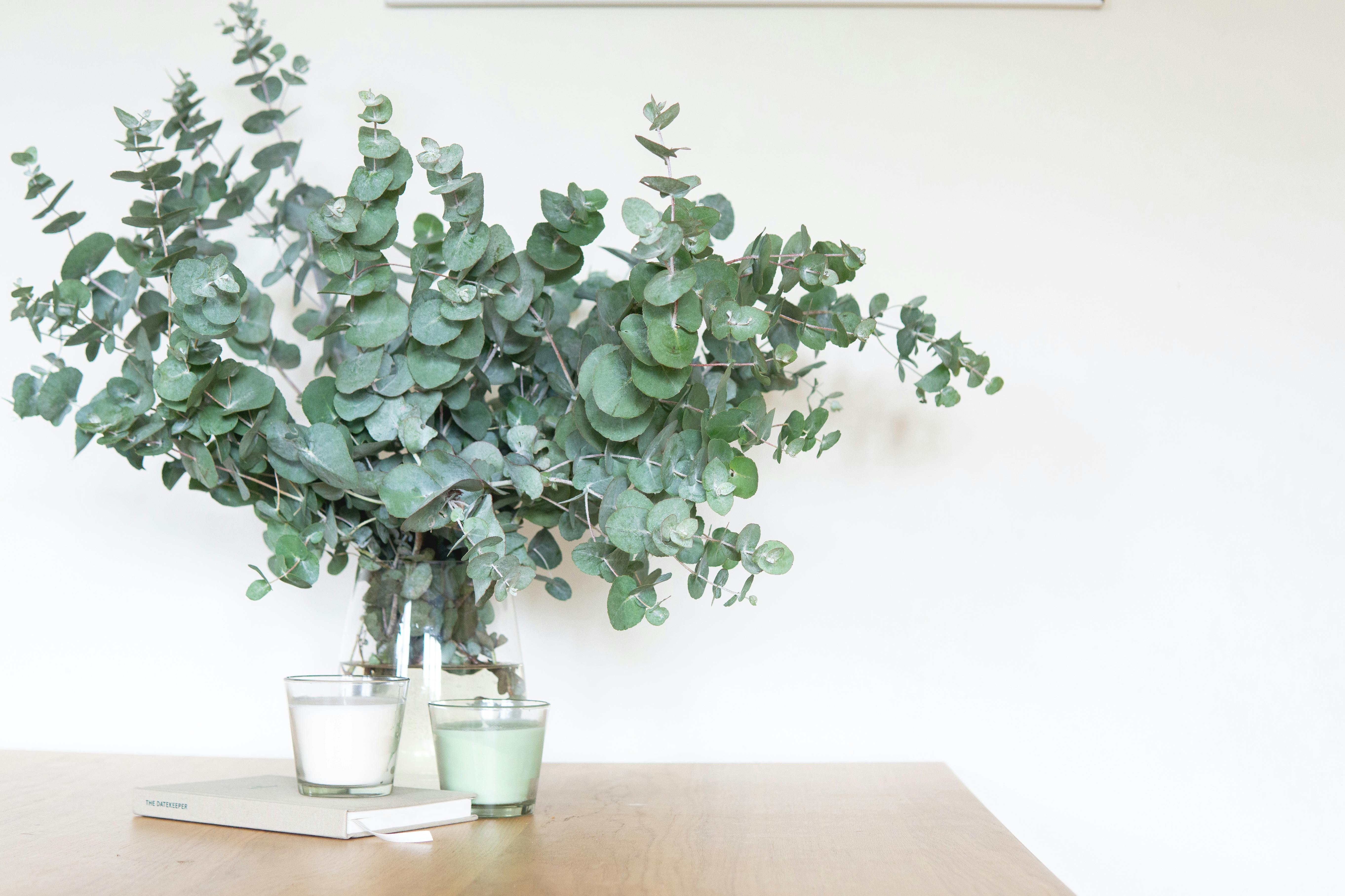
Eucalyptus has a strong, sharp scent that spiders really don’t like. You can place fresh or dried eucalyptus branches near windowsills, doorways, or corners where spiders tend to show up. It’s a pretty low-effort solution that also makes your home smell great.
Fresh eucalyptus works best, but it does dry out after a week or two. Swap it out regularly to keep the scent strong enough to actually do its job. You can find bundles at most grocery stores or florists pretty easily.
4.) Citronella

Citronella is probably best known for keeping mosquitoes away, but it turns out spiders aren’t big fans of it either. The strong lemony scent messes with their senses, making them want to find somewhere else to hang out.
You can grow citronella in pots near doorways and windows, or even keep a small plant indoors in a sunny spot. It does well in warm weather and needs well-drained soil. Bonus: it smells pretty good to humans, so it’s a win all around.
5.) Lemon Balm
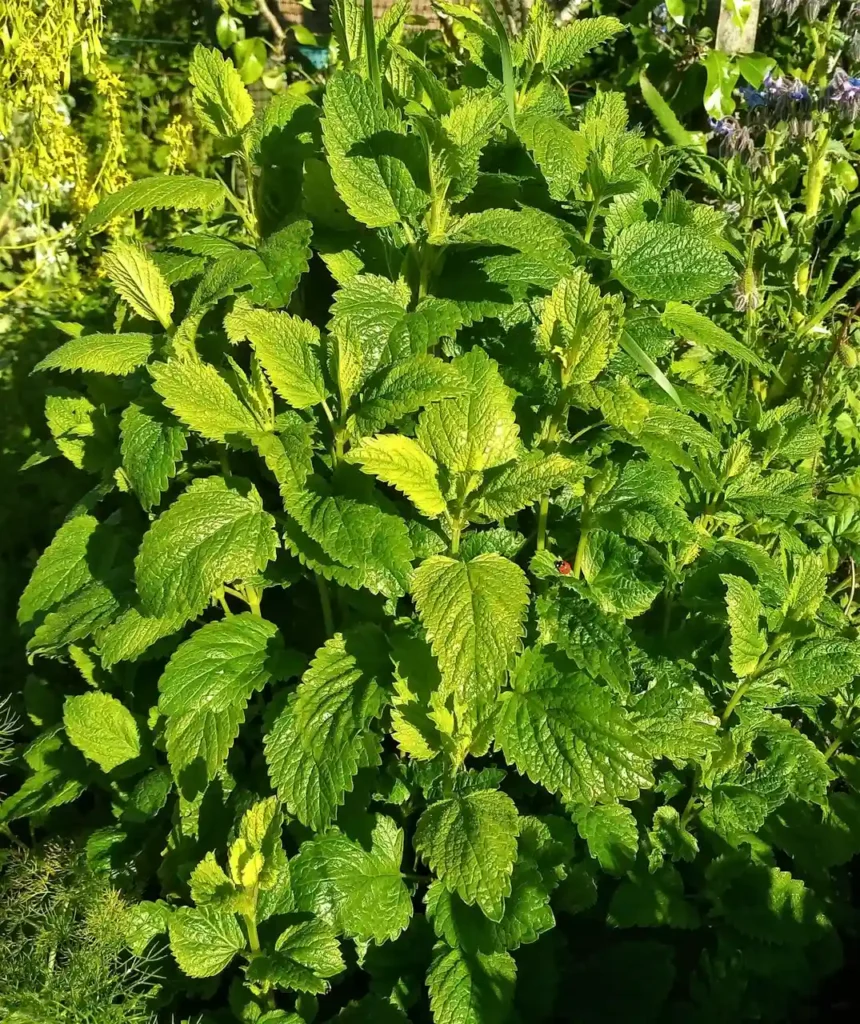
Lemon balm has a strong citrus scent that spiders really don’t like. You can grow it in pots near doorways, on windowsills, or along the outside of your home to create a natural barrier. It does well in both sun and partial shade, and it’s pretty low-maintenance once it gets going.
The best part? It comes back every year in hardiness zones 4–9, so you plant it once and it keeps working for you. Just trim it occasionally to keep it from spreading too much.
6.) Basil
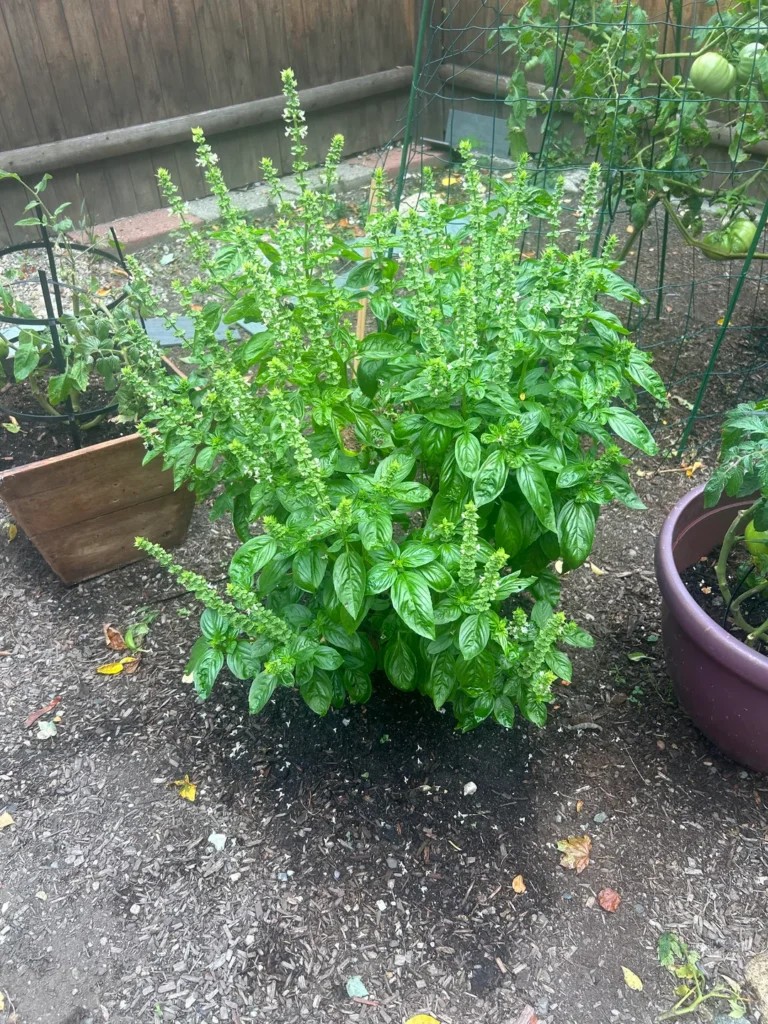
Basil is a great option if you want something that does double duty — it keeps spiders away and works in the kitchen too. Spiders dislike the strong scent the leaves give off, so having a pot or two nearby can really help.
Keep a small pot on a sunny windowsill and it’ll stay happy with regular watering. Just make sure it gets at least six hours of sunlight daily. Trim it often to keep it from getting leggy.
7.) Rosemary
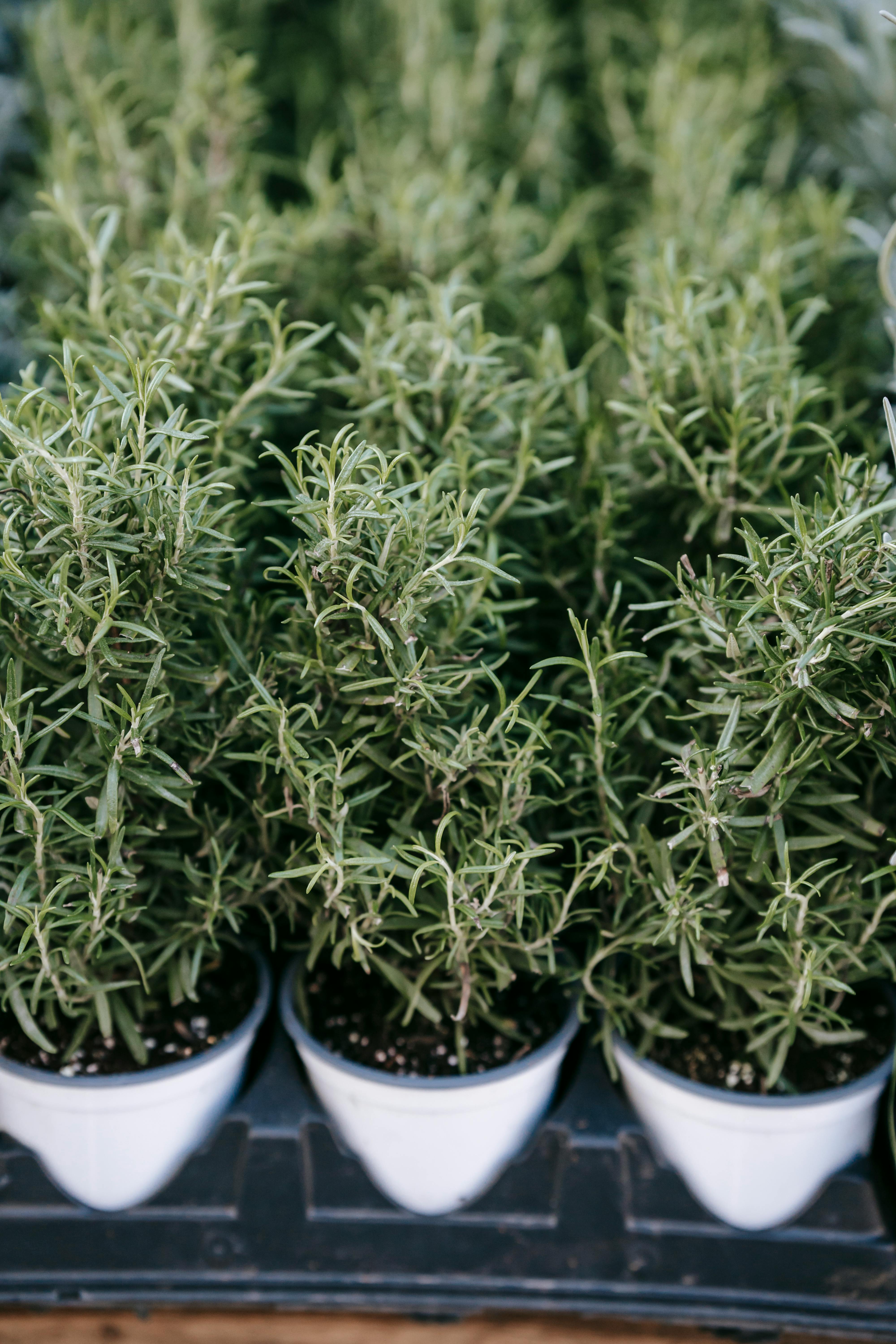
Rosemary is a great spider deterrent because of its strong, piney scent that spiders just can’t stand. Place a potted rosemary plant near windows, doorways, or any spots where spiders tend to sneak in. It works best in a sunny location indoors, so a bright windowsill is perfect.
As a bonus, you’ll always have fresh herbs on hand for cooking. It’s a practical, low-maintenance plant that does double duty without much effort on your part.
8.) Chrysanthemums
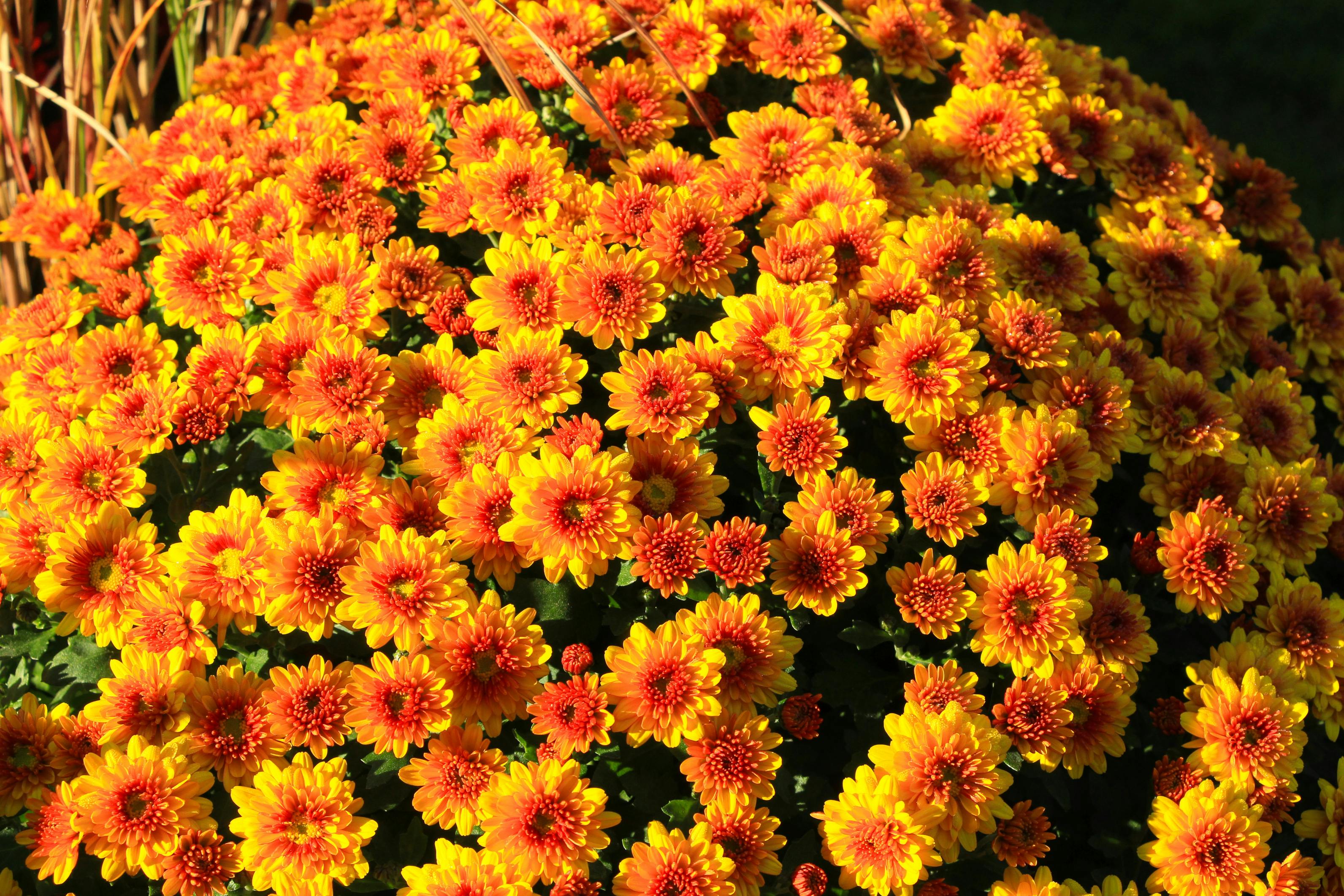
Chrysanthemums contain natural compounds called pyrethrins, which spiders genuinely hate. Placing pots near doorways, windowsills, or other entry points can help keep them from wandering inside. They’re one of the more practical options on this list because they actually do double duty — they look decent and work as a natural repellent.
They grow best in full sun and prefer well-drained soil. Most varieties thrive in hardiness zones 5–9, and they bloom in fall, which is right when spiders tend to move indoors.
9.) Marigolds
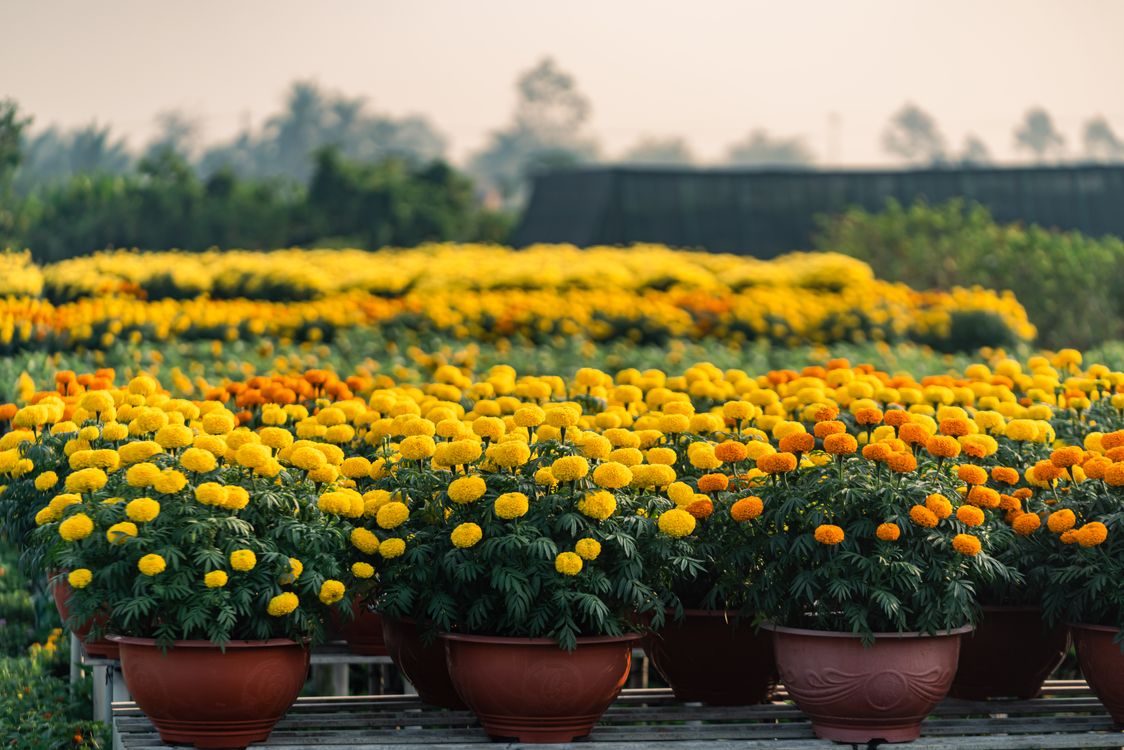
Marigolds are one of the easiest plants to grow, and spiders really don’t like them. The scent they give off acts as a natural repellent, making them a simple way to keep those eight-legged visitors from creeping indoors.
Plant them near windows, doorways, or along the foundation of your house. They do best in full sun and don’t need much water once established. Hardy in most zones, they’re great from spring through fall and are pretty low-maintenance overall.
10.) Cedar

Cedar is a natural spider repellent, and the good news is it comes in a bunch of easy-to-use forms. You can grab cedar blocks, chips, or even small sachets and tuck them into closets, drawers, or corners where spiders like to hang out.
The smell is what does the work here — spiders really don’t like it. Just keep in mind that the scent fades over time, so sand the blocks lightly or replace them every few months to keep things effective.
11.) Lemongrass
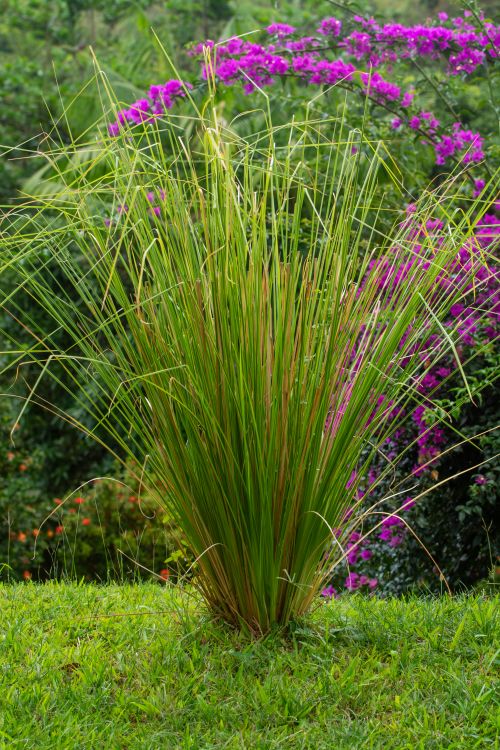
Lemongrass is a solid choice if you want to keep spiders away without using harsh chemicals. The strong citrus scent is pleasant to most people but really bothers spiders, making it a natural deterrent you’ll actually enjoy having around.
You can grow it in pots near doorways, windows, or patios where spiders tend to sneak in. It does best in warm, sunny spots and thrives in zones 8–11. In cooler climates, just bring it indoors during winter.
12.) Citrus Trees

Spiders aren’t fans of citrus, so keeping a small lemon or lime tree near a doorway or window can help discourage them from wandering inside. The strong scent of the oils in the skin and leaves does most of the work.
These trees do best in bright sunlight and warm conditions, so a sunny windowsill works well if you’re in a cooler climate. You can also rub citrus peels along baseboards and entry points for a quick, low-effort boost between waterings.
13.) Catnip

Catnip is part of the mint family, and like its relatives, it contains natural oils that spiders really don’t like. The main one is nepetalactone, which bugs and spiders tend to avoid. You can grow it in pots near windows or doorways where spiders like to sneak in.
It’s pretty low-maintenance — it does well in most climates (zones 3–9) and doesn’t need much water. Just be warned: if you have cats, they’ll probably make a mess of it.
14.) Garlic
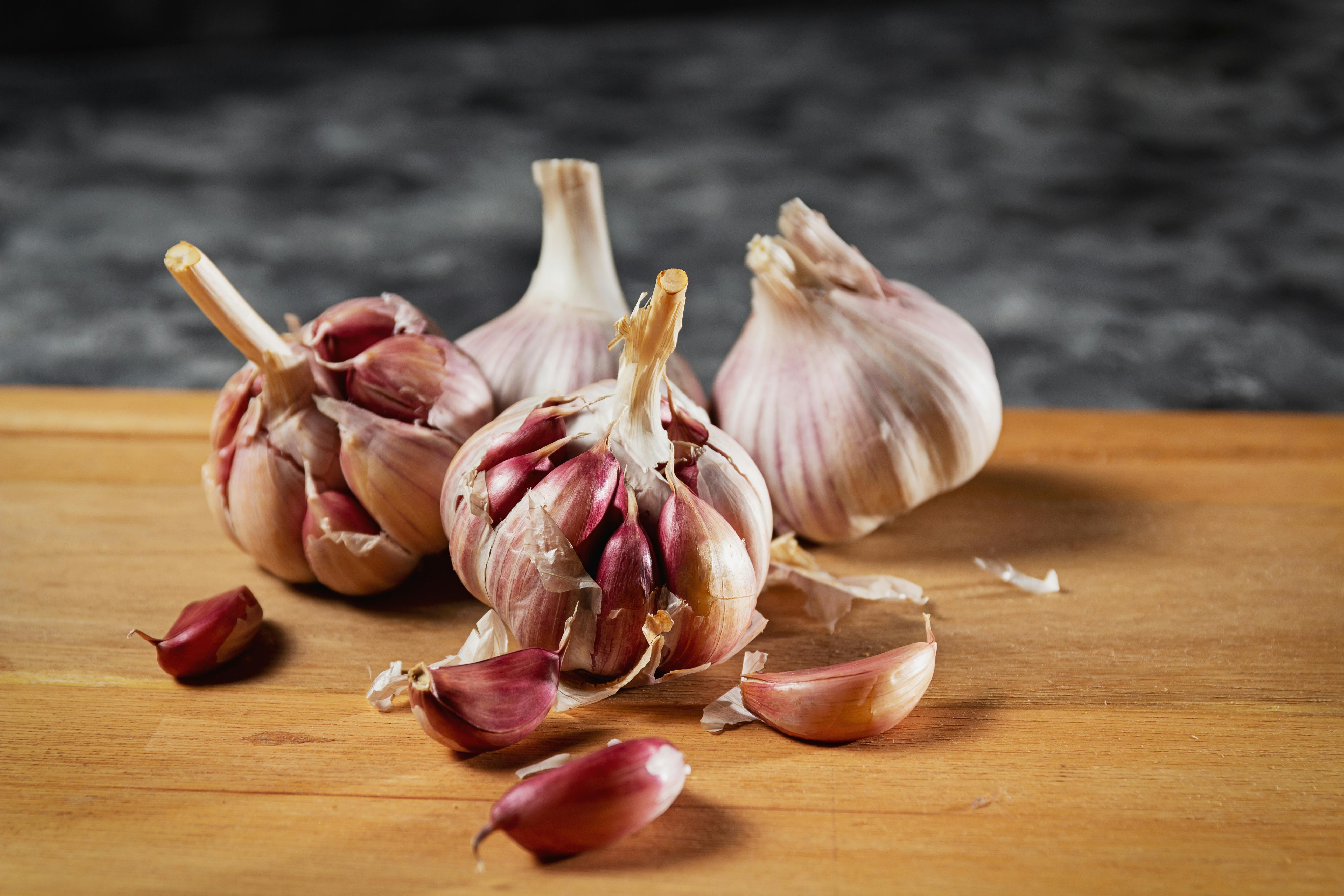
Garlic isn’t just for cooking — spiders apparently can’t stand the smell. The strong sulfur compounds that give garlic its sharp scent work as a natural repellent, making spiders want to stay far away.
You can crush a few cloves and leave them in corners, near windows, or along baseboards where spiders tend to show up. You can also mix garlic juice with water in a spray bottle for an easy DIY solution. Just be ready for your house to smell a little like dinner.