If you’ve got a shady yard where grass just refuses to grow, don’t worry — you’re not alone! Those bare, patchy spots can actually become some of the most interesting areas in your garden with the right plants and ground covers.
The good news is there are plenty of creative ways to work with shade instead of fighting it. From low-growing plants to clever ground cover ideas, this list has something for every tricky shady corner in your yard!
1.) Install a Shade Garden Path
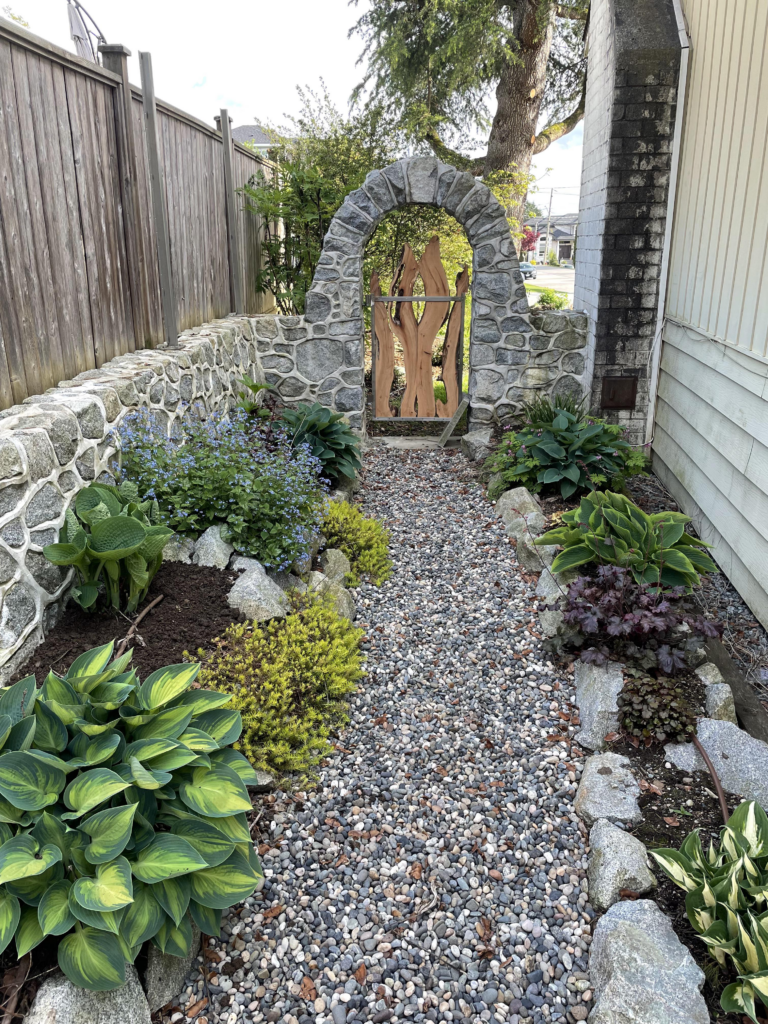
A winding path through a shady area does two things at once — it gives you somewhere to walk without trampling plants, and it makes the space feel intentional rather than neglected.
You can use materials like stepping stones, gravel, mulch, or even decomposed granite. They all work well in low-light spots and don’t need much upkeep.
Keep the path curved rather than straight to make the area feel more natural, and line the edges with low-growing shade plants like hostas or ferns.
2.) Create a Moss Lawn

If grass refuses to grow in your shady spots, moss might be the answer. It thrives in low light, loves moisture, and actually prefers acidic, compacted soil — the exact conditions that make grass struggle. It works well in zones 3–9.
Once established, moss needs almost no maintenance. No mowing, no fertilizing, just occasional watering during dry spells. You can encourage growth by applying a buttermilk-and-moss slurry to bare patches.
The result is a soft, even ground cover that looks naturally at home beneath trees.
3.) Build a Mulched Seating Area

If grass won’t grow under your trees, stop fighting it and turn that shady spot into a cozy seating area instead. Lay down a thick layer of wood chip mulch — about 3 to 4 inches deep — to suppress weeds, hold moisture, and give the space a neat, finished look.
Add a couple of chairs or a bench, and you’ve got a shady retreat that practically takes care of itself. Top up the mulch once a year to keep things looking fresh.
4.) Add a Shade-Loving Ground Cover

Ground covers like creeping phlox, sweet woodruff, or ajuga are great options for shady spots where grass just refuses to cooperate. They spread naturally over time, filling in bare patches without much help from you.
Most shade-loving ground covers do well in zones 4–8 and prefer moist, well-drained soil with partial to full shade. Water them regularly during the first season to help them get established.
Once they settle in, they’re pretty low-maintenance and will come back year after year.
5.) Install Decorative Stone Pathways

Shady spots where grass refuses to grow can actually be a great place to lay down a decorative stone pathway. Stones don’t need sunlight, water, or any real maintenance, making them a smart pick for tricky areas under trees or along shaded fences.
You can use flagstone, gravel, or river rocks depending on your style and budget. Just make sure to lay landscape fabric underneath to keep weeds from pushing through over time.
6.) Create a Fern Garden

Ferns are a great pick for shady spots where grass just gives up. They thrive in moist, well-drained soil and low light, making them perfect for those tricky areas under trees or along a north-facing fence. Most varieties do well in zones 3–9.
The best part? Ferns are pretty low-maintenance. Keep the soil consistently moist, add a layer of mulch to hold in moisture, and cut back any dead fronds in early spring to keep things looking tidy.
7.) Build a Woodland Garden Bed
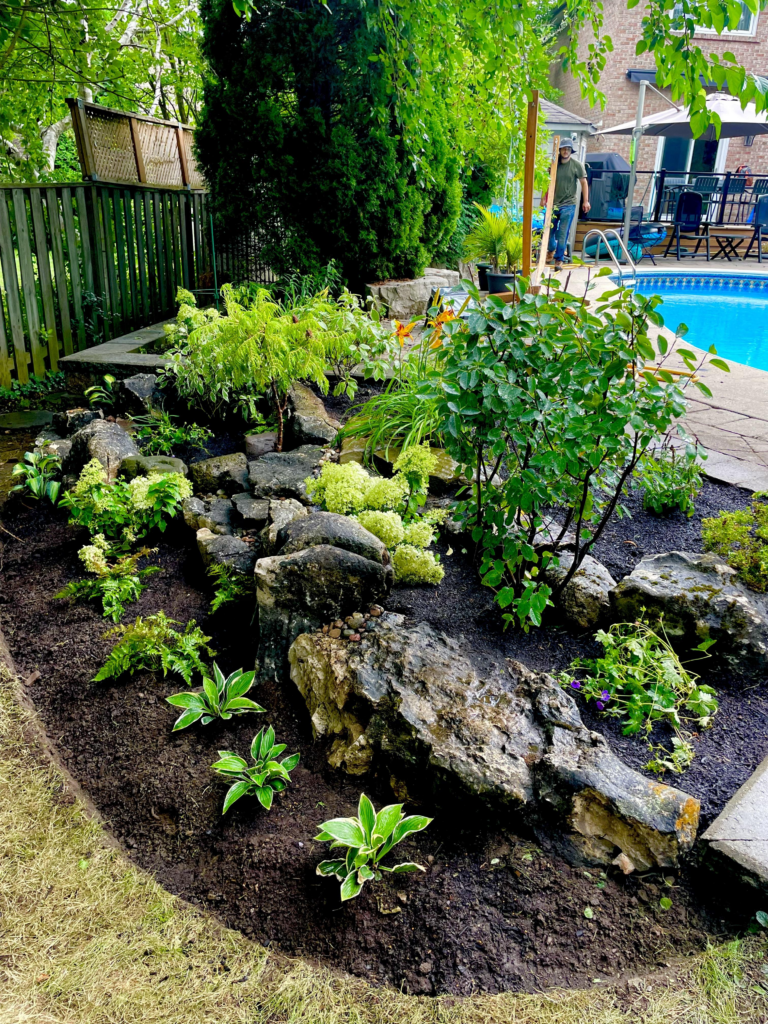
A woodland garden bed works with your shady yard instead of fighting it. Layer plants like ferns, hostas, and astilbe under your trees, and you’ve got a setup that practically takes care of itself once established. These plants thrive in dappled shade and moist, well-drained soil.
Most woodland plants do well in zones 3–8 and look their best from spring through fall. Just add a layer of mulch each year to keep moisture in and weeds out.
8.) Add a Water Feature
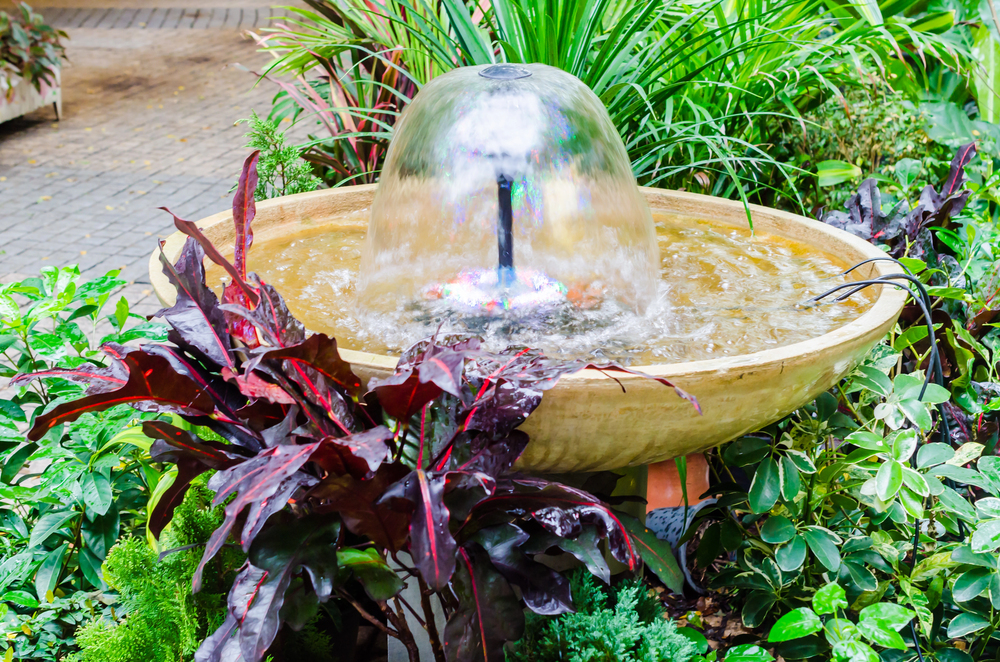
A small pond or fountain can do a lot of heavy lifting in a shady yard. Water features naturally fit into low-light spaces, and the sound of moving water makes the whole area feel more peaceful and put-together.
The good news is that they require very little maintenance once they’re set up. Just keep the water clean, add a pump to prevent stagnation, and you’ve got a focal point that works year-round, no grass needed.
9.) Install Raised Garden Beds

Raised garden beds are a great way to work around shady, compacted soil that just won’t cooperate. By filling them with fresh, nutrient-rich soil, you get to control the growing conditions from the start — which makes a huge difference under tree canopy where roots compete for everything.
Go with shade-tolerant plants like hostas, ferns, or astilbe. Keep the soil consistently moist since shade can sometimes mask how dry things get. This setup works well in zones 3–9.
10.) Create a Gravel Garden
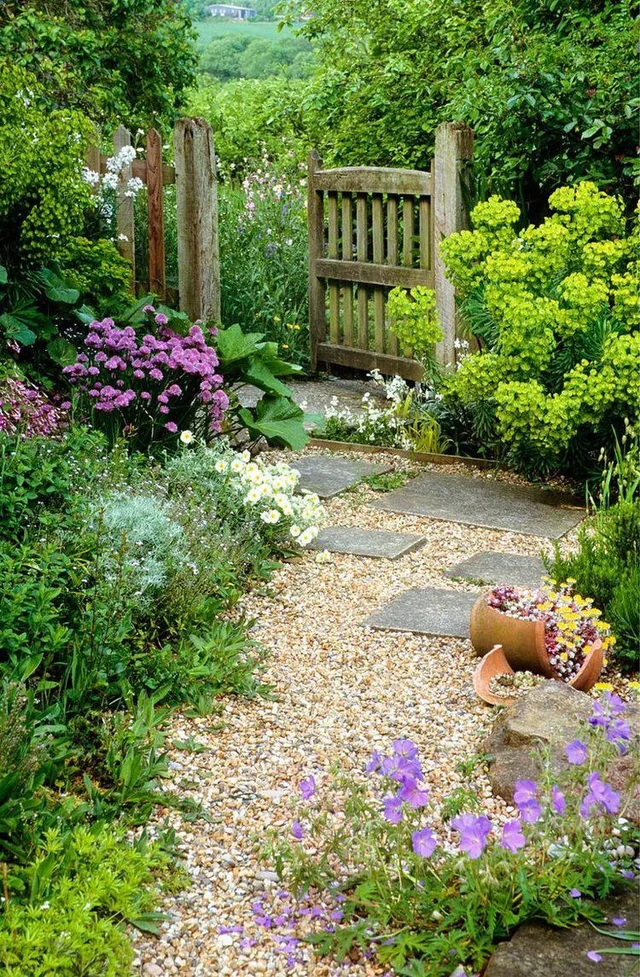
A gravel garden is a smart fix for shady spots where grass just gives up. The loose stones let water drain freely, which helps prevent the soggy soil that shade tends to create. It works well in zones 3–9 and looks good year-round with zero seasonal fuss.
Pair the gravel with shade-tolerant plants like hostas or ferns to add some life to the space. Maintenance is pretty minimal — just pull the occasional weed and top up the gravel every year or two.
11.) Add a Shade Pergola
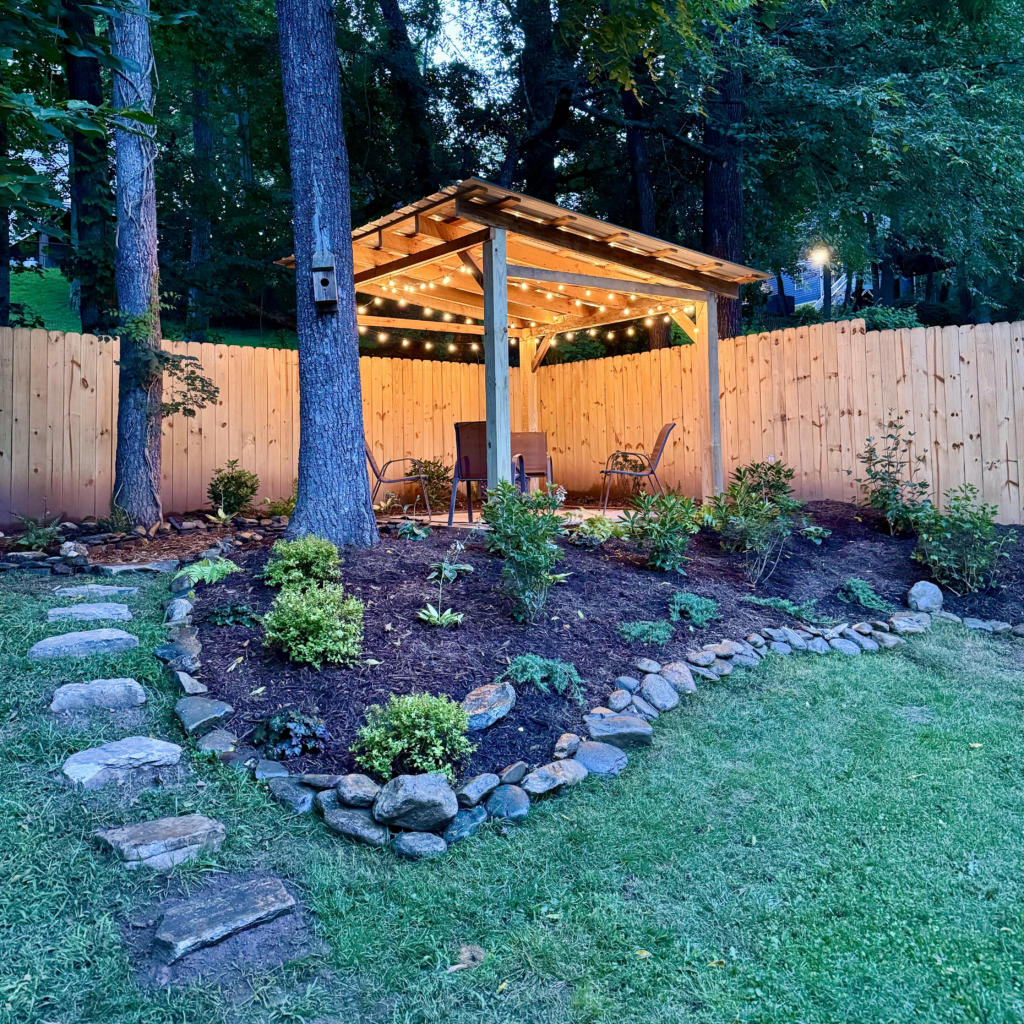
A shade pergola is a great way to create a cool, comfortable spot in your yard while also giving you something to anchor climbing plants to. It works especially well in areas where grass has given up — think dry, compacted soil under trees or along a sunny fence line.
You can grow wisteria, climbing roses, or passionflower up the sides for extra coverage. Most pergolas need little upkeep beyond occasional sealing or staining to keep the wood in good shape.
12.) Install Stepping Stone Paths
Stepping stone paths are a smart fix for shady spots where grass struggles to grow. They give you a clear way to walk through the area without trampling any ground cover plants you’ve put in nearby.
You can use natural flagstone, concrete pavers, or even wooden slices — whatever fits your budget and style. Set them about 18 to 24 inches apart, center to center, so walking feels natural and comfortable.
Fill the gaps with moss, creeping thyme, or gravel for a finished look.
13.) Create a Rock Garden

Rock gardens are a smart move for shady spots where grass just refuses to cooperate. Tucking plants between stones creates a natural look while the rocks help retain moisture and regulate soil temperature — both big wins in low-light areas.
Go for shade-tolerant groundcovers like moss, creeping phlox, or ferns to fill the gaps. These plants generally do well in zones 4–8 and need very little upkeep once they’re settled in.
14.) Add Container Garden Displays
Container gardens are a great way to bring color and life to shady spots where nothing else seems to grow. You can move them around to find the best light, and swap out plants as the seasons change.
Go for shade-loving plants like impatiens, begonias, or ferns, which thrive in low-light conditions. Most do best in zones 4–9 with regular watering and well-draining potting mix.
Just keep an eye on moisture levels — containers dry out faster than garden beds.
15.) Install Artificial Turf Sections

If grass just refuses to grow in your shady spots, artificial turf is a practical fix that actually looks pretty good these days. You can install it in sections around trees, along pathways, or in those awkward corners where nothing seems to survive.
The best part? Zero maintenance. No watering, no mowing, no fertilizing. Just occasional rinsing to keep it clean. It works in any climate and any hardiness zone since weather simply doesn’t affect it.