Hey there, fellow garden lovers! If you’ve noticed fewer bees buzzing around lately, you’re not alone. The good news? Your garden could actually help fix that problem.
It turns out that planting the right native plants makes a huge difference for local bee populations. And honestly, some of these picks totally surprised me when I first discovered them. Keep reading to find out which plants belong in your yard!
1.) Purple Coneflower (Echinacea)

Purple Coneflower (Echinacea) is one of the best plants you can grow if you want to keep bees happy all summer long. The large, daisy-like blooms are easy for pollinators to land on, and bees absolutely love them.
It grows well in full sun and handles dry soil like a champ, making it pretty low-maintenance once established. Hardy in zones 3–9, it blooms from midsummer into fall.
Deadhead spent flowers to encourage more blooms, or leave them for birds to snack on in winter.
2.) Black-Eyed Susan (Rudbeckia)

Black-Eyed Susans are a go-to flower if you want to bring bees and butterflies to your yard without a lot of fuss. Those bright yellow petals with dark centers are like a welcome sign for pollinators all summer long.
They grow well in full sun and can handle dry or poor soil, making them pretty low-maintenance. Hardy in zones 3–9, they self-seed easily, so you’ll get more plants each year with almost no effort on your part.
3.) Wild Bergamot (Monarda fistulosa)

Wild Bergamot is a cheerful, lavender-pink wildflower that bees absolutely can’t resist. It blooms from midsummer into fall, giving pollinators a reliable food source when many other plants have already faded.
It’s a tough, low-maintenance plant that thrives in full sun and well-drained soil. It handles drought pretty well once established and grows in hardiness zones 3–9.
Give it some space for air circulation to prevent powdery mildew, and divide clumps every few years to keep it healthy and blooming strong.
4.) New England Aster
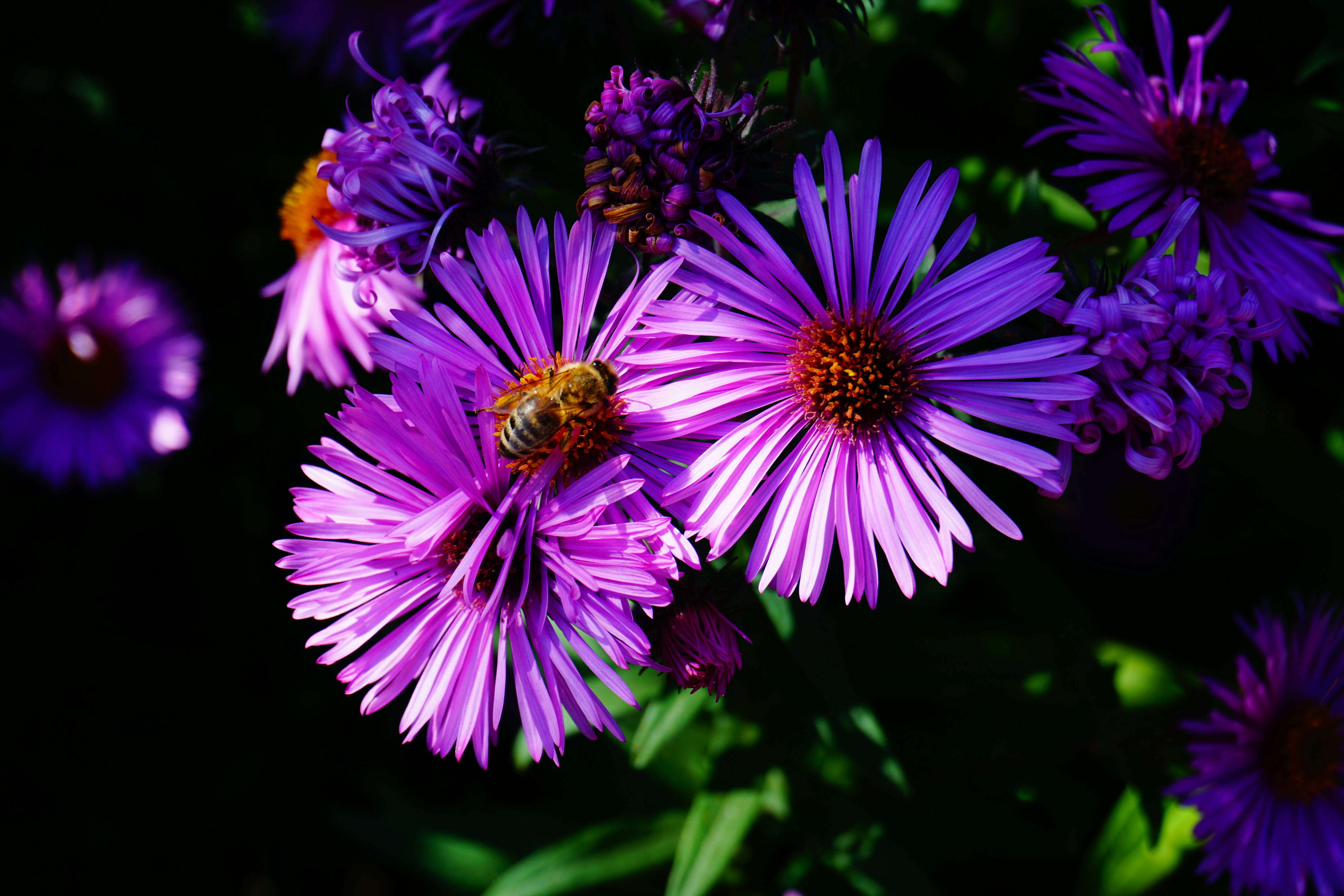
New England Aster is a late-season bloomer that bees absolutely love, especially as flowers get harder to find in the fall. Its purple petals with yellow centers are a reliable food source when pollinators need it most.
It grows well in full sun and tolerates clay soil, making it pretty low-maintenance. Hardy in zones 4–8, it can reach 3–6 feet tall. Cut it back by half in early summer to keep it bushy and prevent flopping.
5.) Goldenrod (Solidago)

Goldenrod gets a bad rap — most people blame it for hay fever, but the real culprit is ragweed. Goldenrod is actually a fantastic food source for bees and butterflies heading into fall.
It grows well in sunny spots with average, well-drained soil and handles drought once established. It spreads readily, so give it some room. Hardy in zones 3–9, it blooms late summer through fall, filling the garden with golden yellow clusters right when pollinators need it most.
6.) Joe Pye Weed (Eutrochium)

Joe Pye Weed is a tall, native perennial that butterflies and bees absolutely love. Its clusters of dusty pink flowers bloom from late summer into fall, giving pollinators a much-needed food source when many other plants have stopped flowering.
It grows best in full sun to part shade and prefers moist soil, though it handles average garden conditions just fine. Hardy in zones 4–9, it can reach 4–7 feet tall, so give it some room at the back of a border.
7.) Blazing Star (Liatris)
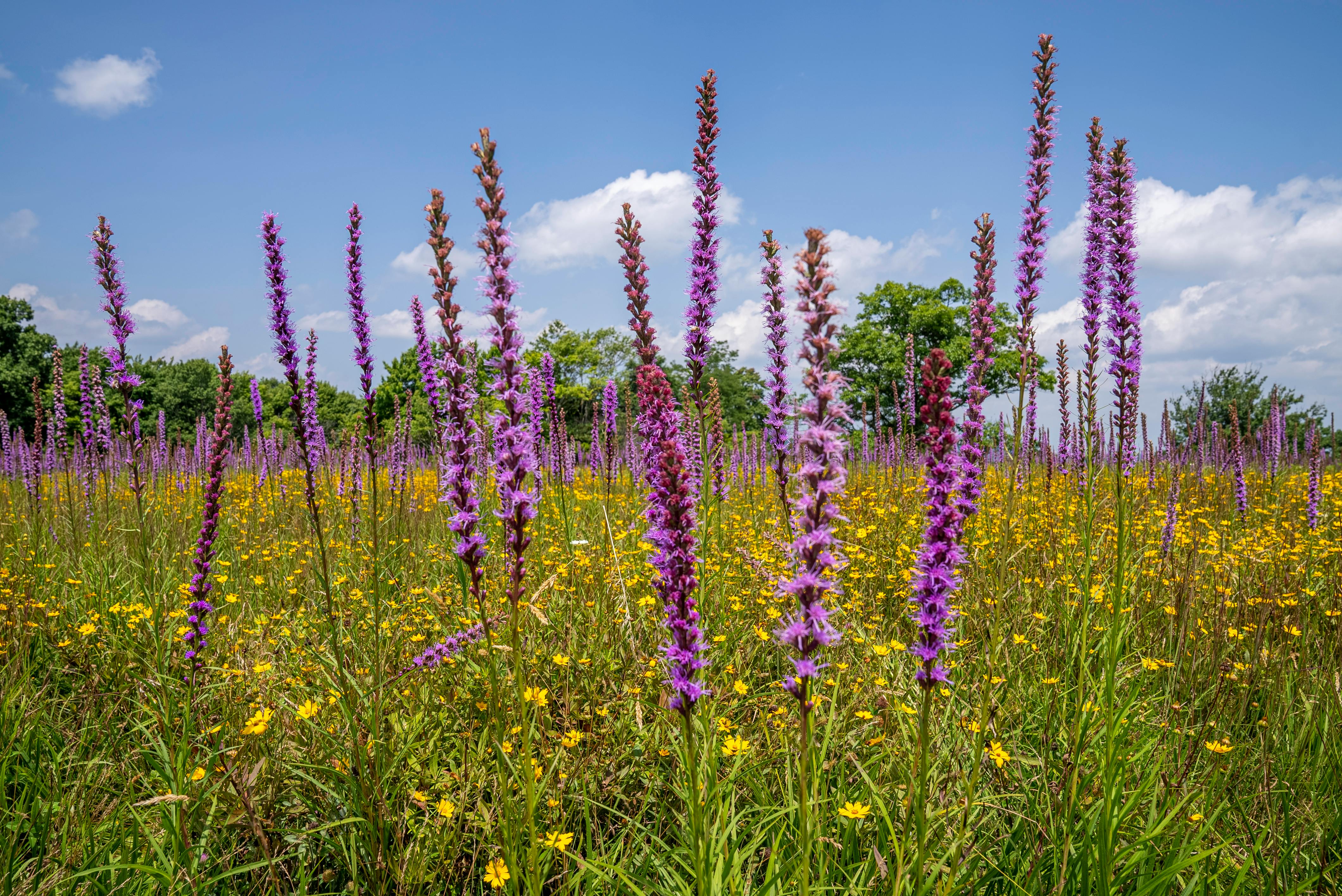
Blazing Star is a tall, spiky wildflower that bees and butterflies absolutely can’t resist. Its purple blooms open from the top down, which is actually pretty unusual in the plant world, and it flowers from late summer into fall when many other plants are winding down.
It grows well in full sun and handles dry or sandy soil without much fuss. Hardy in zones 3–9, it needs very little watering once established and rarely attracts pests. A genuinely low-maintenance pick for any pollinator garden.
8.) Milkweed (Asclepias)
Milkweed is the go-to plant for monarch butterflies, since it’s the only place they’ll lay their eggs. But bees absolutely love the nectar-packed flowers too. It’s a real two-for-one win for your garden.
Most varieties grow well in full sun and tolerate dry, sandy soil once established. That makes it pretty low-maintenance once it gets going. It spreads by seed, so give it some space.
Milkweed grows in hardiness zones 3–9, blooming from late spring through summer.
9.) Wild Lupine (Lupinus perennis)

Wild Lupine is one of the best native plants you can grow if you want to support bees, especially the endangered rusty patched bumblebee. Its tall spikes of purple-blue flowers bloom in late spring and are a go-to food source for pollinators.
It grows well in sandy, well-drained soil and actually struggles in rich soil, so don’t over-fertilize. Plant it in full sun and leave it alone — it’s pretty low-maintenance. Hardy in zones 4–8.
10.) Penstemon (Beardtongue)

Penstemon, also called Beardtongue, produces tubular flowers that bees absolutely love. The blooms come in shades of pink, red, purple, and white, giving pollinators plenty to work with from late spring through summer.
It grows well in full sun and prefers well-drained soil — it actually struggles in soggy conditions, so skip the heavy clay. Most varieties are drought-tolerant once established, making them pretty low-maintenance. Depending on the species, Penstemon is hardy in zones 3–9, so there’s likely one that works for your area.
11.) Spiderwort (Tradescantia)

Spiderwort is a cheerful wildflower that bees absolutely love. Its purple, blue, or pink blooms open in the morning and attract native bees looking for an easy pollen source. It grows in clumps and spreads slowly, making it a reliable addition to any pollinator garden.
It does well in zones 4–9 and handles both sun and partial shade. Water it occasionally during dry spells, and cut it back mid-summer to encourage a fresh round of blooms in fall.
12.) Wild Geranium (Geranium maculatum)
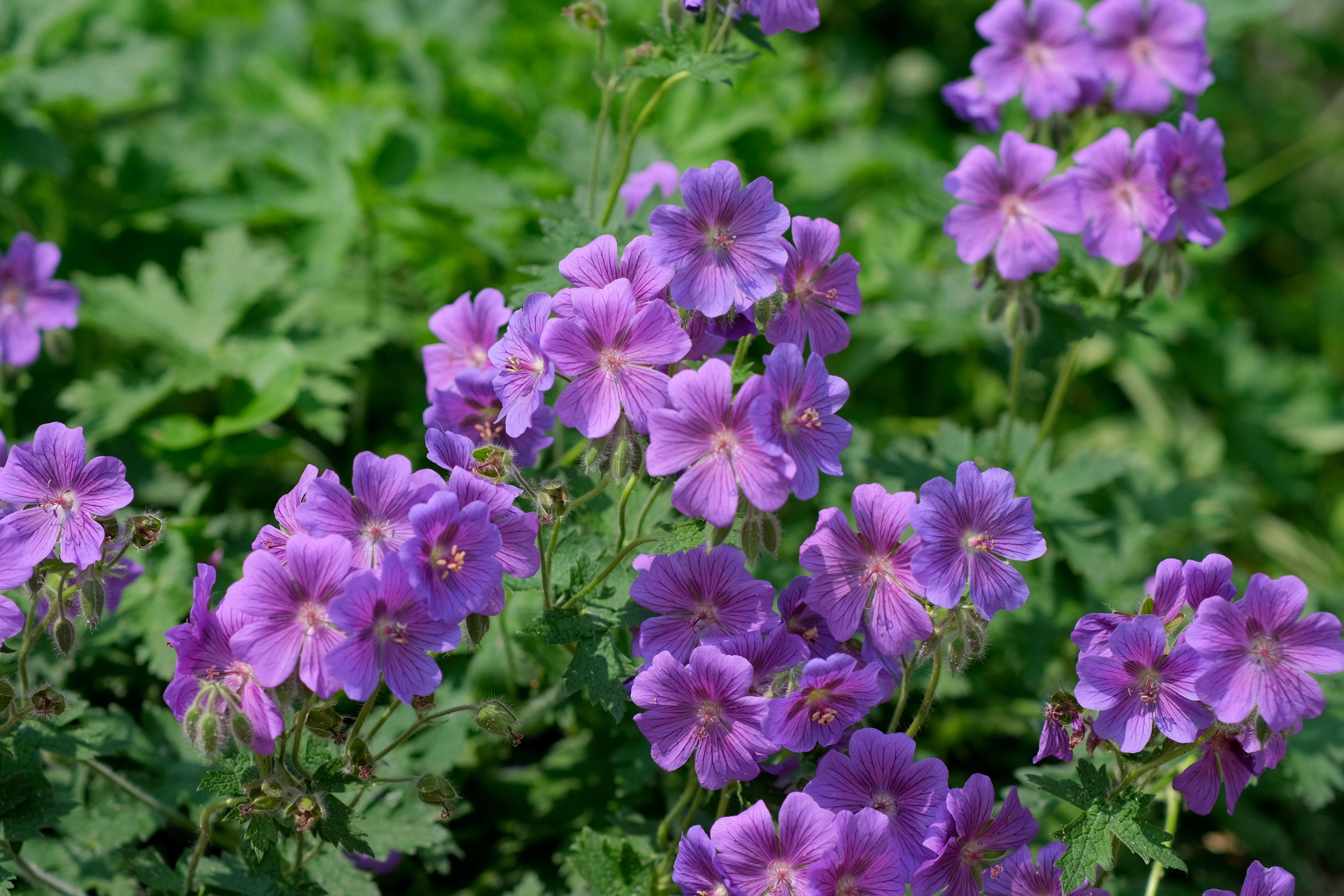
Wild Geranium is a woodland native that bees absolutely love, especially bumble bees and mining bees looking for early-season pollen. Its pink-purple blooms show up in spring, giving pollinators a reliable food source when they need it most.
It grows well in partial to full shade, making it a great pick for spots under trees where other plants struggle. Hardy in zones 3–8, it needs little attention once established. Just give it moist, well-drained soil and let it do its thing.
13.) Sunflower (Helianthus)
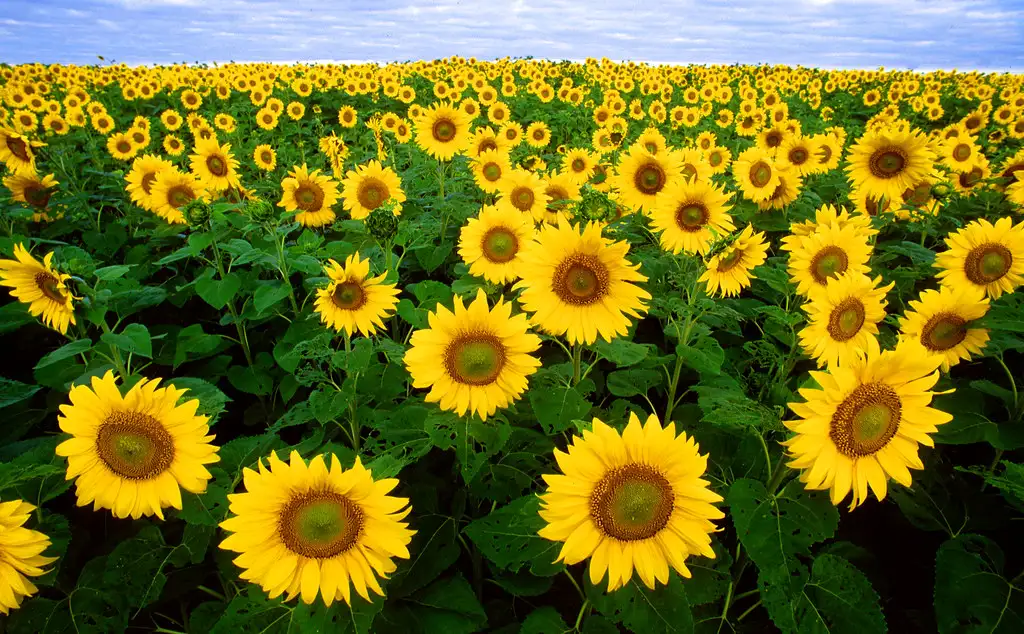
Sunflowers are one of the easiest plants you can grow for bees, and they produce massive amounts of pollen and nectar from midsummer through fall. Native bees especially love them, and you’ll often spot bumblebees rolling around in the centers like they hit the jackpot.
Plant them in full sun with well-drained soil, and they’ll basically take care of themselves. They’re drought-tolerant once established and grow well in hardiness zones 3–9. Direct sow seeds after the last frost for best results.
14.) Blue Vervain (Verbena hastata)
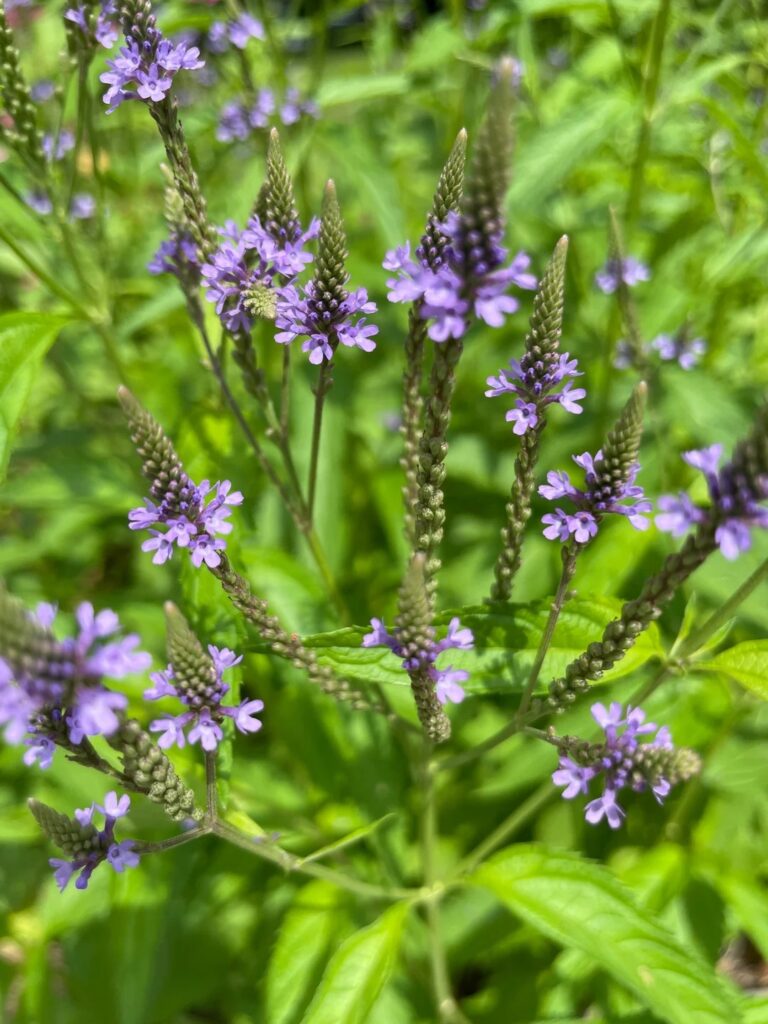
Blue Vervain is a wildflower that bees absolutely love, especially native sweat bees and bumblebees. Its tall spikes of tiny purple-blue flowers bloom from mid-summer into fall, giving pollinators a reliable food source when other plants start fading.
It grows well in moist spots like rain gardens, pond edges, or low-lying areas with full to partial sun. Hardy in zones 3–9, it needs very little care once established.
Let it self-seed and you’ll have a steady patch year after year.
15.) Buttonbush (Cephalanthus occidentalis)
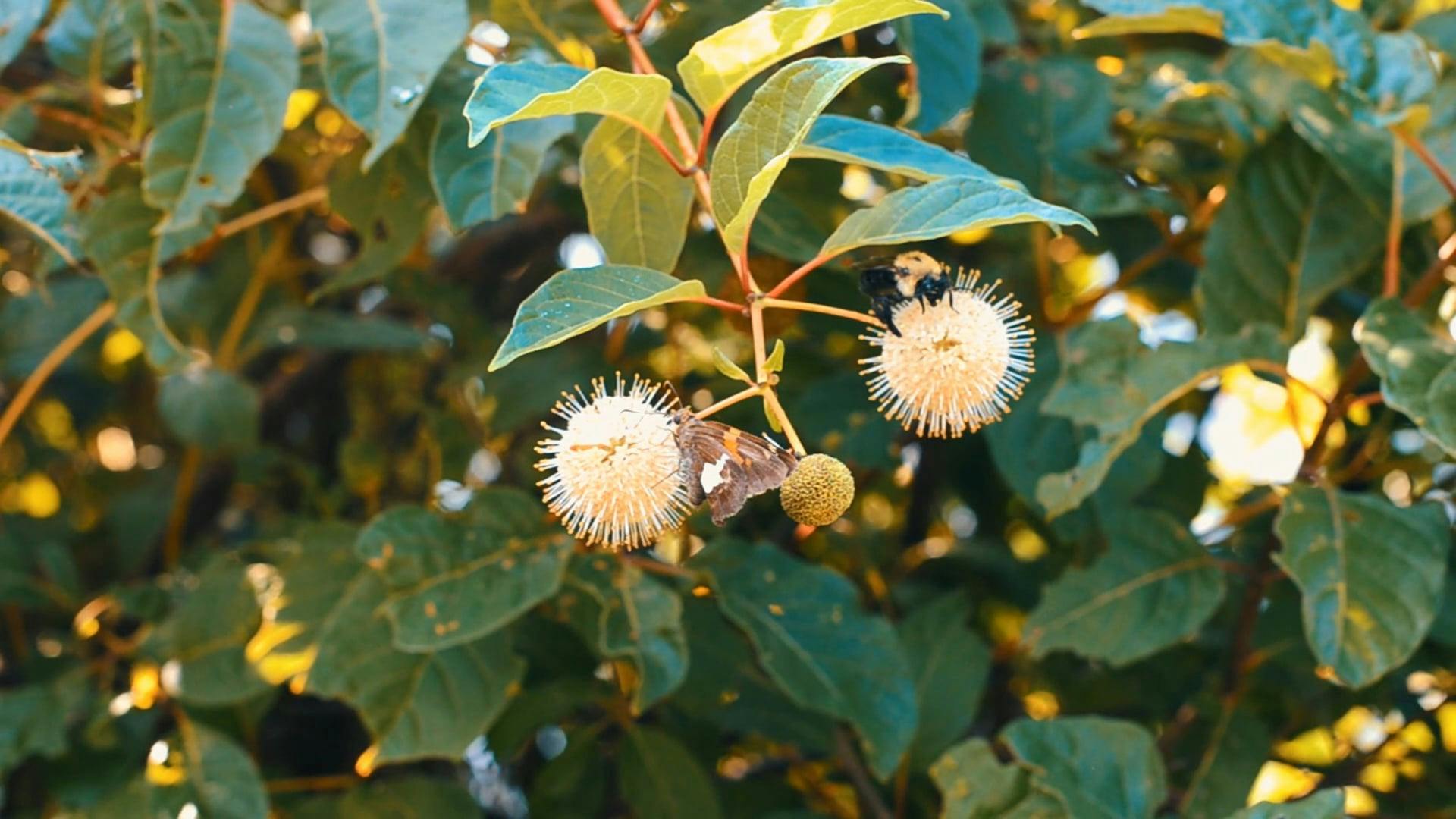
Buttonbush is a native shrub that produces round, spiky white flowers that bees absolutely go crazy for. It blooms in summer, giving pollinators a reliable food source when they need it most.
It grows best in wet or moist soil, making it a great pick for low-lying areas or pond edges. Hardy in zones 5–11, it can handle full sun to partial shade with very little fuss once established.

