Growing tomatoes is pretty straightforward, but did you know the plants you put next to them can make a real difference? Some neighbors help keep pests away, improve the soil, or even make your tomatoes taste better. Others?
They’ll compete for nutrients and might invite trouble. If you want healthier plants and a better harvest, it’s worth knowing which companions are friends and which ones you should keep far away from your tomato patch.
1) Basil

Basil and tomatoes are the classic garden duo for good reason. Basil helps repel aphids, whiteflies, and hornworms that commonly attack tomato plants. Plant it about 10-12 inches away from your tomato stems in full sun. Both crops need similar conditions—warm weather, regular watering, and well-draining soil. Pinch off basil flower buds to keep plants producing leaves throughout the growing season. You can grow basil as an annual in zones 2-11, but it’s sensitive to cold, so wait until soil temperatures reach 50°F before planting. Plus, you’ll have fresh herbs ready when those tomatoes ripen for homemade caprese salad.
2) Marigolds

Marigolds are one of the best friends your tomato plants could ask for. These cheerful flowers release a scent that repels aphids, whiteflies, and tomato hornworms—those pesky caterpillars that can destroy your crop overnight. Plant them around the base of your tomato plants or along the borders of your garden bed. Marigolds are low-maintenance and thrive in full sun with average soil. They handle heat well and bloom from late spring until the first frost. French marigolds work especially well for pest control, though any variety will help protect your tomatoes while adding some color to your vegetable garden.
3) Nasturtiums

Nasturtiums work as a trap crop for aphids, drawing these pests away from your tomato plants. These edible flowers grow easily in poor soil—actually, too much fertilizer makes them produce more leaves than blooms. Plant them in full sun to partial shade after your last frost, and they’ll thrive in zones 2-11 as annuals. Both the flowers and leaves have a peppery taste that’s great in salads. They sprawl nicely as ground cover between tomato plants, helping suppress weeds. Water them regularly during dry spells, but don’t overdo it since they prefer slightly dry conditions once established.
4) Carrots

Carrots make good neighbors for tomatoes because they grow underground while tomatoes reach for the sky, so they’re not competing for space. Plant carrots in loose, well-draining soil that’s free of rocks—otherwise you’ll end up with funny-shaped roots. They prefer cooler weather and can handle light frost, making them perfect for spring and fall gardens in zones 3-10. The carrot foliage stays low and helps shade the soil around your tomato plants, keeping moisture in during hot summer months. Just give them consistent water and thin seedlings to about 2 inches apart once they sprout for the best harvest.
5) Parsley

Parsley makes a great neighbor for tomatoes because it attracts helpful insects like hoverflies and parasitic wasps that keep pests under control. Plant it around the base of your tomato plants or along the edges of your garden bed. It grows well in partial shade, which is convenient since your tomato plants will provide some cover as they get bigger. Parsley prefers moist, well-draining soil and thrives in zones 5-9. You can start it from seed about 6-8 weeks before your last frost, or use transplants if you want a head start. As a bonus, you’ll have fresh herbs for cooking all season long.
6) Chives

Chives make an excellent companion for tomatoes because they naturally repel aphids and other common pests that love to munch on tomato plants. These onion-family members grow in small clumps and produce purple flowers that attract beneficial pollinators to your garden. They’re hardy in zones 3-10 and thrive in the same full-sun conditions as tomatoes. Plant them around the base of your tomato plants or along the edges of your beds. Chives need regular watering but aren’t picky about soil. You can snip the leaves throughout the growing season to use in cooking, and they’ll just keep growing back.
7) Garlic

Garlic makes a great tomato companion because it naturally repels aphids, spider mites, and other common pests that love to munch on tomato plants. Plant individual cloves around the base of your tomatoes in fall or early spring, depending on your climate. Garlic grows well in zones 3-9 and prefers full sun with well-draining soil. Space cloves about 4-6 inches apart and keep the soil moderately moist. As a bonus, you’ll get fresh garlic bulbs to harvest in early summer, right around the time your tomatoes start producing. The strong scent also helps mask the tomato smell that attracts certain insects.
8) Borage

Borage is a blue-flowered herb that tomato growers love for good reason. It attracts pollinators and beneficial insects that help keep tomato hornworms in check. The plant also adds trace minerals to the soil as it grows, which your tomatoes will appreciate. Borage grows best in full sun and tolerates poor soil, making it pretty easy to maintain. It’s hardy in zones 2-11 and self-seeds readily, so you might find it popping up year after year. Just give it some space—borage can reach 2-3 feet tall and spread out a bit as it matures.
9) Asparagus
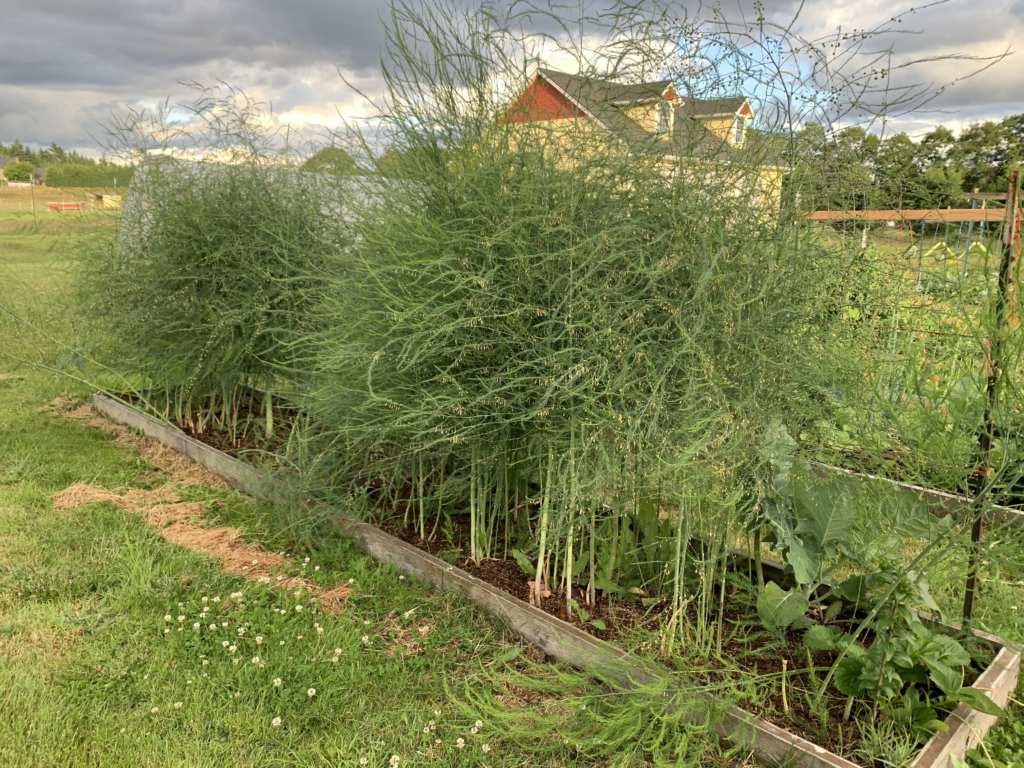
Asparagus makes an odd but effective companion for tomatoes since both plants thrive in similar conditions and don’t compete for resources. The tall, feathery asparagus fronds grow early in spring while your tomatoes are just getting started, and they can provide light shade during hot summers. Plant asparagus in well-draining soil with plenty of compost, and remember it’s a perennial that comes back year after year in zones 3-10. Keep the two plants at least 2-3 feet apart so the deep asparagus roots don’t tangle with tomato roots. Asparagus also attracts beneficial insects that help protect your tomato plants from pests.
10) Lettuce

Lettuce makes an excellent tomato companion because it grows low to the ground and appreciates the shade that tomato plants provide during hot summer months. Plant it around the base of your tomatoes in early spring, and you’ll get a nice harvest before the heat kicks in. Lettuce has shallow roots that won’t compete with your tomatoes for nutrients or water. It also helps keep the soil cool and moist, which benefits both plants. Try varieties like butterhead or loose-leaf that tolerate partial shade. You can succession plant every few weeks for a continuous harvest throughout the growing season.
11) Spinach

Spinach makes a smart choice for planting near your tomatoes since it grows low to the ground and won’t compete for space. The leafy greens actually benefit from the afternoon shade that taller tomato plants provide, especially during hot summer months. Plant spinach in early spring before your tomatoes get too bushy, and you’ll harvest it before the garden gets crowded. Spinach prefers cooler weather and grows best in zones 3-9. Keep the soil moist and add some compost at planting time. As a bonus, spinach has shallow roots that won’t interfere with your tomato plants’ deeper root systems.
12) Celery

Celery makes a solid companion for tomatoes because it grows at a different pace and uses space efficiently in the garden. Plant it near your tomato base, and it’ll help retain moisture in the soil while barely competing for nutrients. Celery prefers cooler weather (zones 2-10) and needs consistent watering—we’re talking daily during hot spells. The plants need rich, well-amended soil with plenty of compost. Start celery indoors about 10 weeks before your last frost, then transplant it once temperatures stay above 50°F. Just keep the soil moist and you’ll have a productive pairing that makes good use of garden real estate.
13) Onions

Onions make solid companions for tomatoes because they naturally repel common pests like aphids and spider mites. Their strong scent confuses insects that might otherwise target your tomato plants. You can tuck onions between tomato plants without worrying about space—their slender growth habit won’t compete for room. They grow well in zones 3-9 and prefer full sun with well-draining soil. Plant onion sets or transplants in early spring, about 4-6 inches apart. Both crops enjoy similar watering schedules, making maintenance easier. As a bonus, you’ll get two harvests from the same garden bed when both crops mature.
14) Radishes

Radishes make great neighbors for tomatoes because they grow fast and won’t compete for space. While your tomato plants are just getting established, radishes zip through their growth cycle in 3-4 weeks and you can harvest them before the tomatoes really take off. They help break up compacted soil with their roots, which benefits tomatoes planted nearby. Plant radish seeds directly in the ground once soil temps hit 40°F, and keep them watered consistently so they don’t get woody or too spicy. Space them about 2 inches apart, and you can even use them as row markers while waiting for slower-growing tomatoes to sprout.
15) Calendula
Calendula, also called pot marigold, works as a natural bodyguard for your tomato plants. The bright orange and yellow flowers attract beneficial insects like ladybugs and lacewings that eat common tomato pests such as aphids and whiteflies. Plant calendula around the base of your tomatoes or along the edges of your garden bed. It grows well in zones 2-11 and prefers full sun but tolerates partial shade. Calendula isn’t picky about soil and actually thrives in average conditions. Deadhead spent flowers regularly to keep blooms coming all season long. As a bonus, the petals are edible and add color to salads.
5 Plants You Should Never Plant Beside Your Tomatoes
1) Brassicas (Cabbage Family)

You might want to reconsider planting cabbage, broccoli, or other brassicas near your tomatoes. Both are heavy feeders that compete for the same nutrients in the soil, which means neither plant will perform as well as it could on its own. They also need similar amounts of water and space, creating more competition. Brassicas prefer cooler weather in zones 3-10 and do best in spring or fall, while tomatoes thrive in summer heat. If you’re tight on garden space, plant your brassicas in a separate bed where they won’t battle your tomatoes for resources all season long.
2) Fennel

Fennel is one of those plants that can cause problems in your tomato garden. While it looks innocent with its feathery leaves and licorice scent, fennel actually releases chemicals through its roots that slow down tomato growth. It’s also known to stunt beans, peppers, and several other vegetables. Fennel prefers to be planted alone or with dill and coriander, away from most other vegetables. If you want to grow it for cooking or its seeds, give it its own dedicated spot at least 10 feet from your tomato plants. It grows well in zones 4-9 and likes full sun with well-draining soil.
3) Dill

Dill makes a helpful neighbor for tomatoes, attracting beneficial insects like ladybugs and parasitic wasps that keep aphids and tomato hornworms in check. The feathery herb also brings in pollinators with its yellow flowers. Plant dill in well-draining soil with full sun, and give it moderate water. It grows best in zones 2-11 and prefers cooler weather, so start it in spring or fall. Keep in mind that dill develops a long taproot, so direct seeding works better than transplanting. Let some plants flower to draw in those helpful bugs, and harvest leaves regularly for your kitchen throughout the growing season.
4) Potatoes

Keep potatoes away from your tomato plants at all costs. Both belong to the nightshade family, which means they’re prone to the same diseases like early blight and late blight. When you plant them together, diseases spread faster between them, and you’ll likely end up losing both crops. Potatoes also compete with tomatoes for nutrients in the soil, especially nitrogen. If that’s not enough, growing them side-by-side attracts Colorado potato beetles, which happily munch on tomato leaves too. Give these two their own separate garden spaces—your harvest will thank you for it.
5) Walnuts
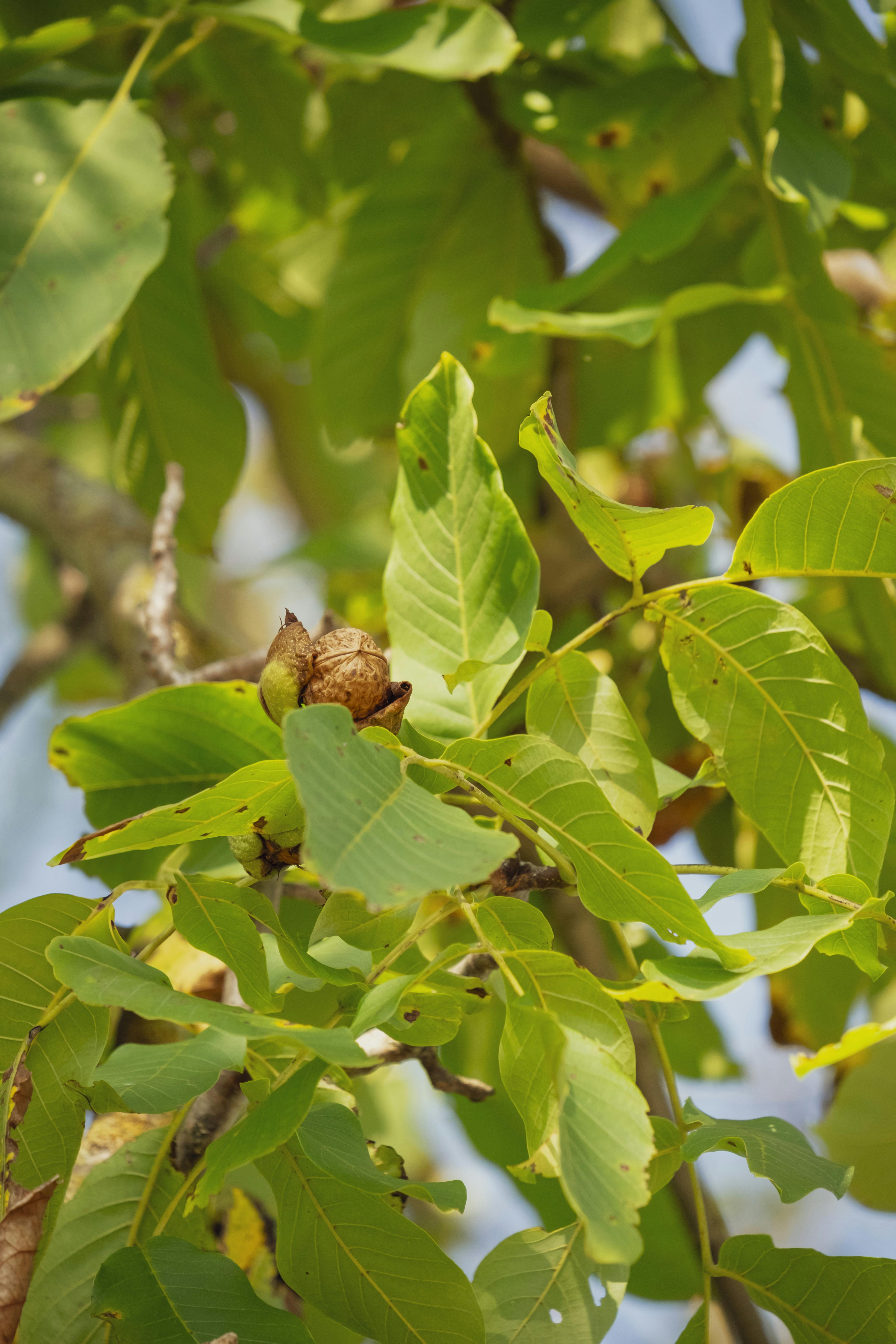
Walnut trees are a serious no-go for tomato gardens. These trees release a chemical called juglone through their roots, leaves, and nuts, which is toxic to tomatoes and many other vegetables. The compound stays in the soil for years, even after the tree is removed. Black walnuts are the worst offenders, but all walnut varieties produce some level of juglone. Keep tomatoes at least 50 feet away from any walnut tree, and never use walnut leaves or wood chips as mulch in your vegetable garden. If you have walnut trees on your property, plant tomatoes on the opposite side of your yard.