Nothing ruins a backyard barbecue faster than wasps crashing the party. If you’ve ever had to swat away these buzzing guests while trying to enjoy your patio, you know how frustrating it can be. The good news is that certain plants naturally keep wasps and hornets at bay without any harsh chemicals.
Instead of reaching for sprays or traps, you can use simple greenery to create a pest-free zone. These plants work by giving off scents that wasps hate, making your outdoor space way more enjoyable all summer long.
1.) Spearmint

Spearmint does double duty in your garden by repelling wasps while giving you fresh leaves for tea and cooking. The strong menthol scent that makes it so refreshing to us is actually off-putting to stinging insects, keeping them away from your outdoor space.
Plant spearmint in containers rather than garden beds since it spreads aggressively through underground runners. It thrives in partial shade to full sun and needs regular watering. Hardy in zones 3-11, spearmint grows year-round in warmer climates and returns each spring in colder areas.
2.) Peppermint
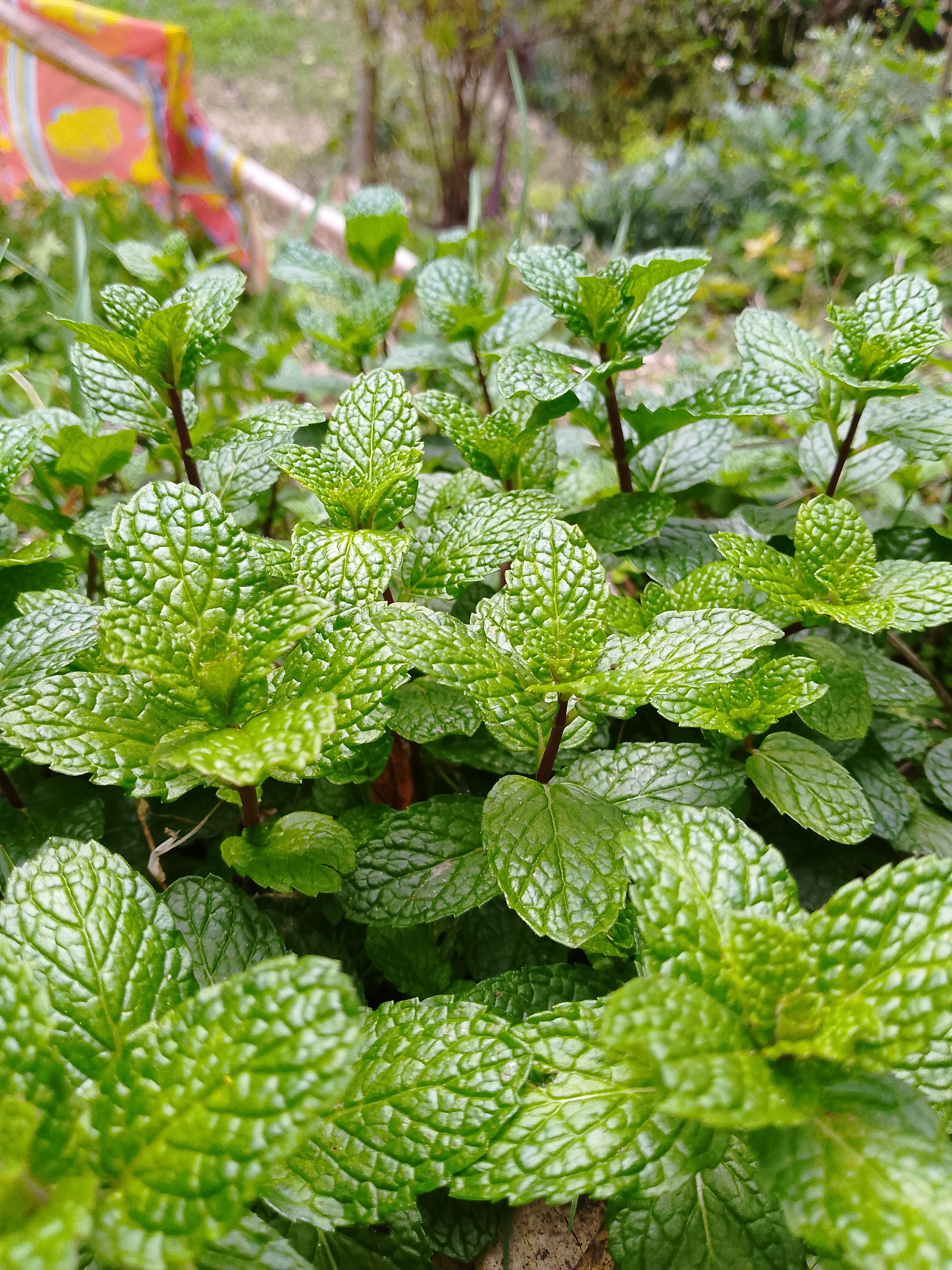
Peppermint works well as a natural wasp deterrent because these insects can’t stand its strong menthol scent. Plant it in containers on your patio since it spreads aggressively in garden beds. It thrives in zones 3-11 and prefers partial shade with consistently moist soil.
You can also crush a few leaves and rub them on your skin for extra protection during outdoor meals. The plant grows quickly with minimal care and tolerates most soil types. Just water regularly and trim it back occasionally to keep it bushy and producing those aromatic oils that keep wasps away.
3.) Citronella

Citronella is famous for its lemony scent that naturally repels wasps and other flying insects. You can grow it in pots around your patio or plant it directly in the ground in zones 10-12. In cooler climates, treat it as an annual or bring containers indoors during winter.
The plant needs full sun and well-draining soil to thrive. Water it regularly but don’t let the roots sit in soggy soil. Crush a few leaves occasionally to release more of that bug-repelling fragrance into the air around your outdoor space.
4.) Eucalyptus

Eucalyptus plants give off a strong, menthol-like scent that wasps and hornets tend to avoid. You can grow eucalyptus in containers on your patio or plant it directly in the ground if you’re in zones 8-11. The leaves contain oils that create a natural barrier against these stinging insects.
These plants prefer full sun and well-draining soil. Water regularly but let the soil dry out between waterings. You can also cut branches to bring indoors or hang around outdoor seating areas for extra protection. Eucalyptus grows quickly, so prune it back as needed to keep it manageable.
5.) Wormwood
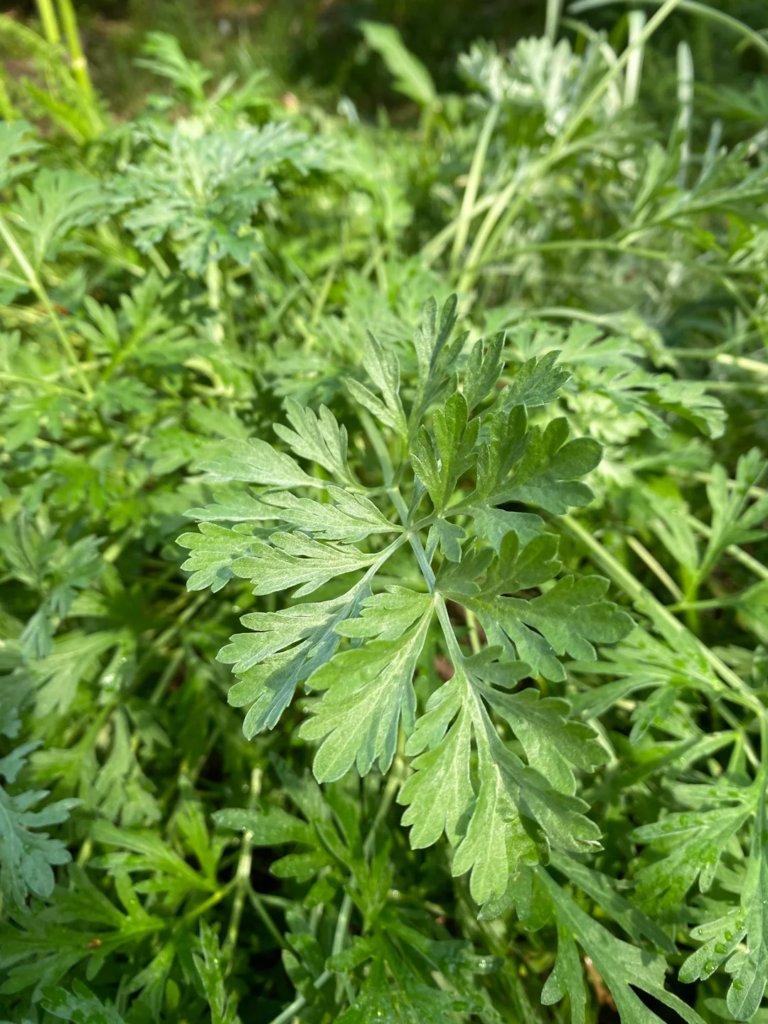
Wormwood puts out a strong, bitter scent that wasps and hornets can’t stand. The silvery-green foliage releases oils that act as a natural repellent, making it perfect for planting near outdoor seating areas.
This hardy perennial grows well in zones 4-9 and actually prefers poor, dry soil with full sun. You won’t need to fuss over it much—just make sure it has good drainage and avoid overwatering.
Plant wormwood along walkways or in containers on your patio where people brush against it. The contact releases more of that wasp-deterring scent into the air.
6.) Lemongrass

Lemongrass produces a strong citrus scent that wasps and hornets naturally avoid. The tall, grass-like stalks contain citronella oil, which is commonly used in bug repellents. Plant it in large containers near your patio seating area for the best protection.
This tropical plant grows best in zones 9-11 but works as an annual in cooler climates. It needs full sun and well-draining soil to thrive. Water regularly during dry spells, and divide clumps every few years to keep them healthy. You can also harvest the stalks for cooking Asian dishes.
7.) Pennyroyal
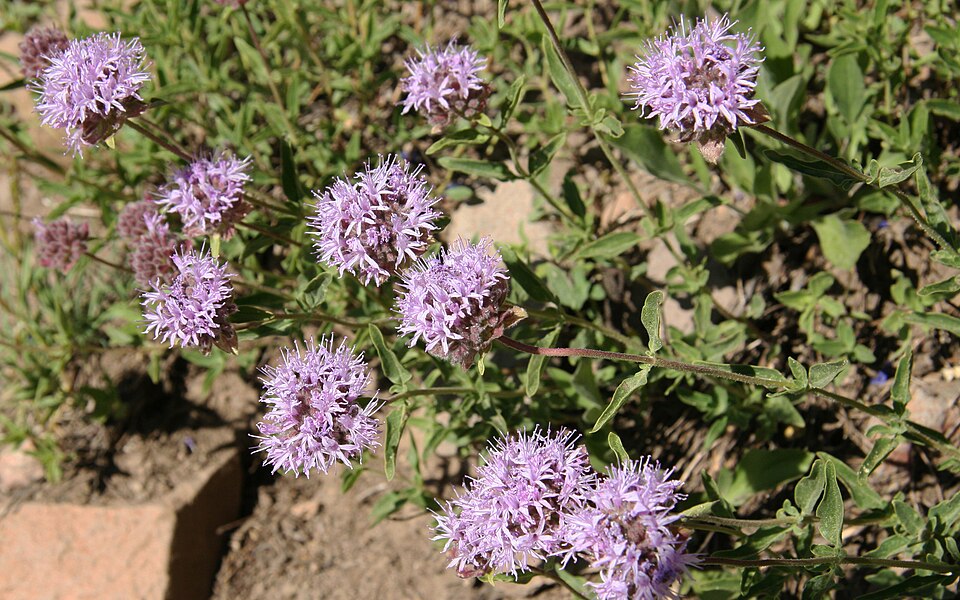
Pennyroyal is a member of the mint family that wasps tend to avoid due to its strong scent. You can grow it in containers around your patio or plant it directly in the ground as a border. It spreads quickly, so keep an eye on it.
The plant prefers partial shade and moist soil. It grows well in zones 6-9 and reaches about 6-12 inches tall. Crush a few leaves between your fingers to release more of the oils that help repel wasps and other insects from your outdoor space.
8.) Basil
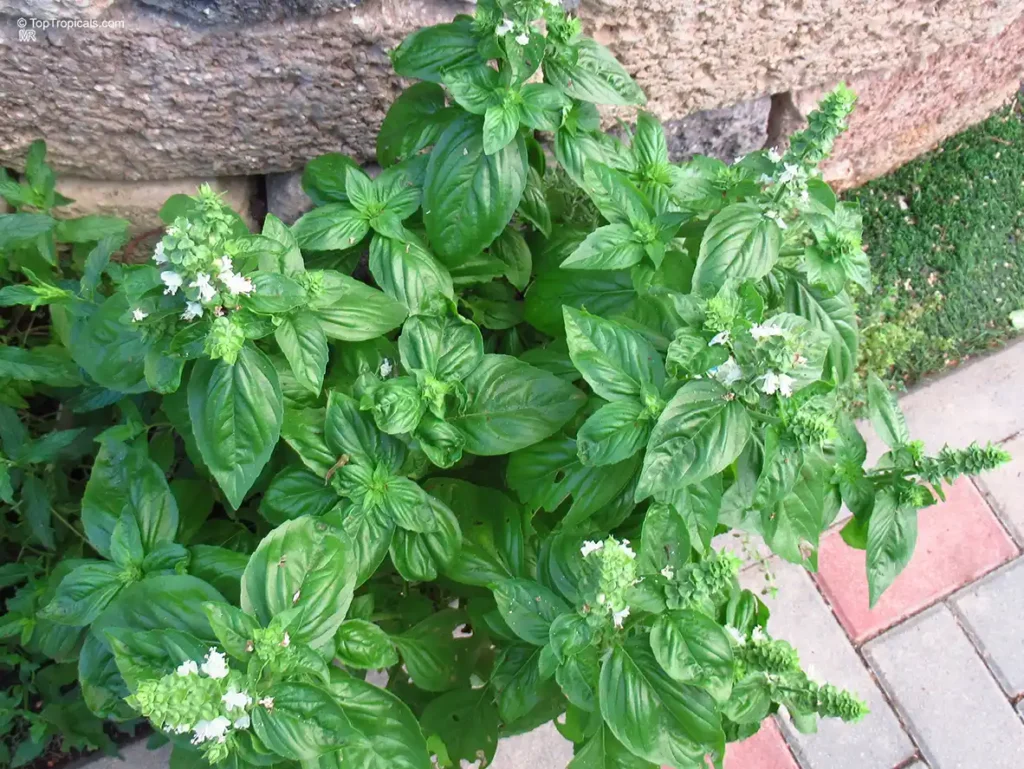
Basil does double duty in your garden by repelling wasps while giving you fresh herbs for cooking. The strong scent that makes it great for pesto also keeps these stinging insects at bay. Plant it in containers near your patio seating area for the best protection.
This annual herb needs full sun and well-drained soil to thrive. Water it regularly, especially during hot weather, and pinch off flower buds to keep the leaves producing. Basil grows well in zones 4-11 as a summer plant, but it won’t survive frost.
9.) Thyme
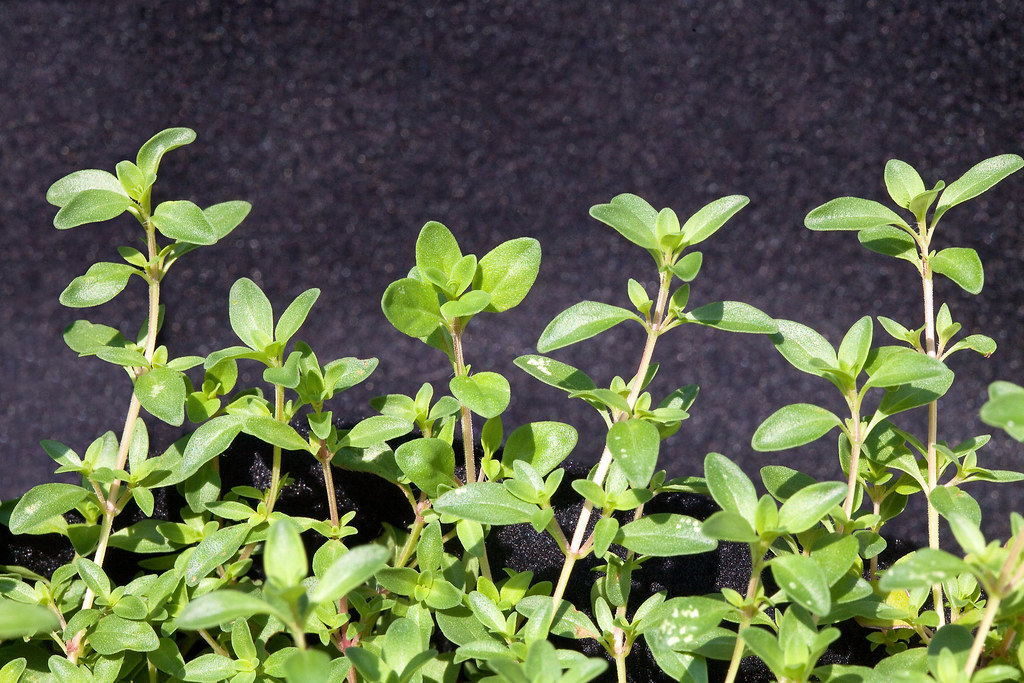
Thyme works double duty in your garden by keeping wasps away while giving you fresh herbs for cooking. The strong scent that makes it great for seasoning also confuses and repels stinging insects. Plant it near your patio seating area or walkways for the best protection.
This hardy herb grows well in zones 5-9 and loves full sun with well-draining soil. It doesn’t need much water once established, making it perfect for busy gardeners. Just trim it occasionally to keep it bushy, and you’ll have a natural wasp deterrent all summer long.
10.) Geraniums

Geraniums produce a strong scent that wasps and hornets tend to avoid, making them a good choice for patios and outdoor seating areas. The red varieties seem to work best at keeping these insects away while attracting hummingbirds instead.
These plants do well in containers or garden beds with full sun and well-draining soil. They’re hardy in zones 9-12 but grow as annuals elsewhere. Water them regularly but let the soil dry out between waterings.
Deadhead spent flowers to encourage more blooms throughout the summer months.
11.) Marigolds
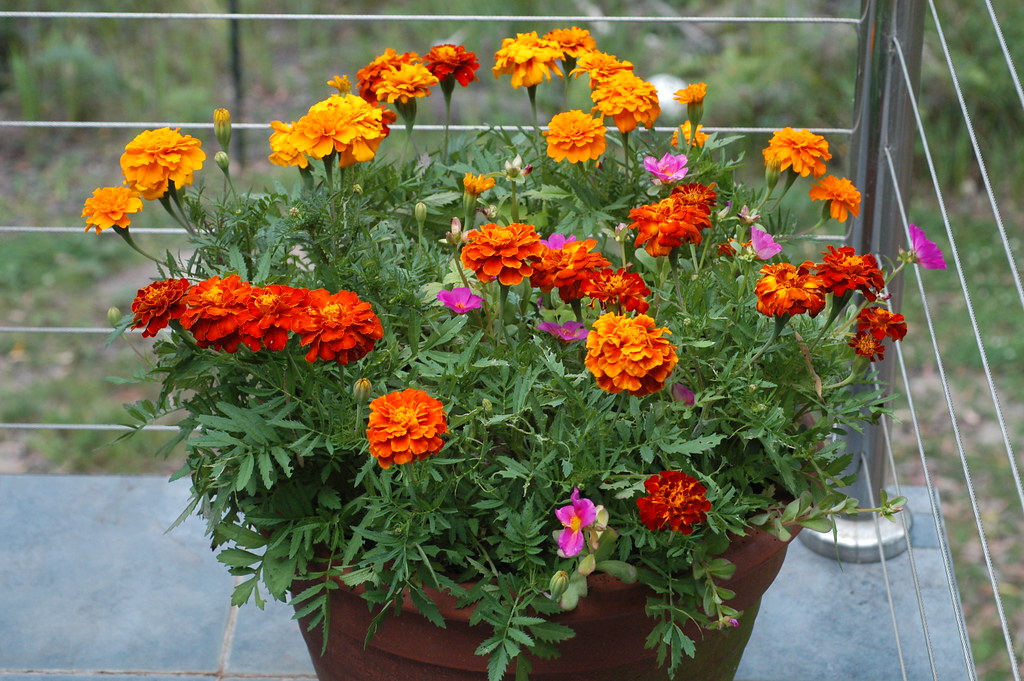
Marigolds produce a strong scent that wasps and hornets tend to avoid, making them a good choice for patio borders and containers. Their smell comes from the foliage, not just the flowers, so even brushing past them releases the odor that keeps these insects at bay.
These annual flowers grow well in full sun and average soil. Plant them after the last frost and water regularly without overdoing it. They bloom from late spring through fall and need deadheading to keep producing flowers. They work in zones 2-11 as annuals.
12.) Pitcher Plants
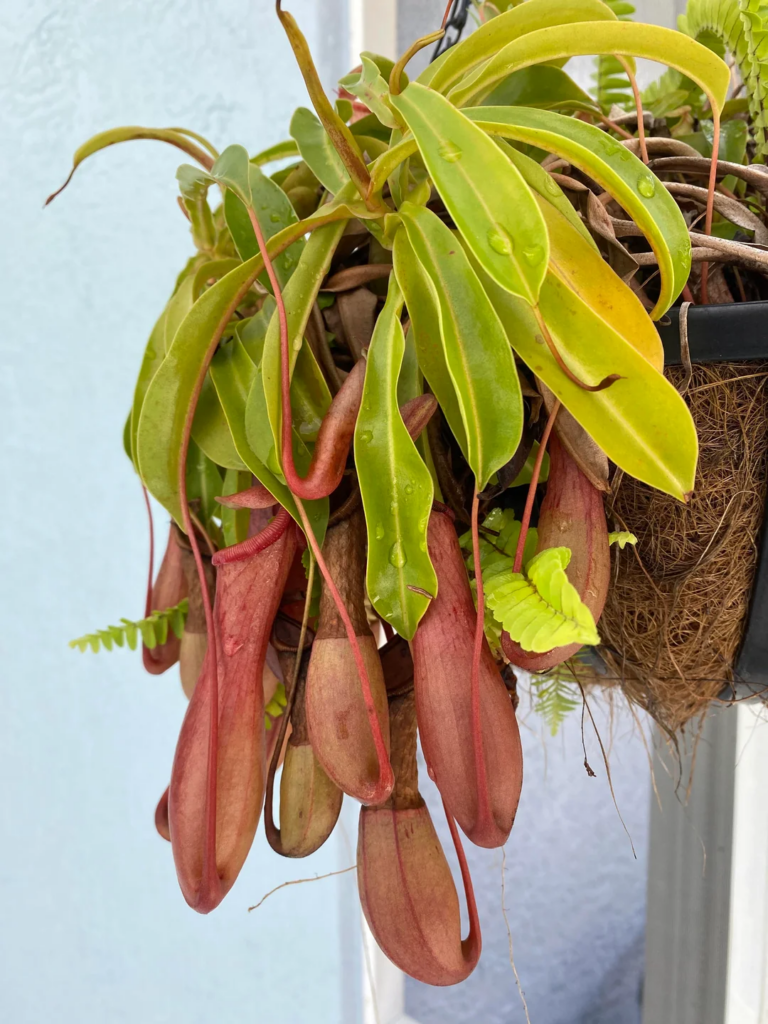
Pitcher plants don’t just repel wasps—they eat them. These carnivorous plants lure insects into their tube-shaped leaves with sweet nectar, then trap them inside. Once a wasp falls in, it can’t escape, which means fewer pests buzzing around your outdoor space.
These plants grow best in poor, acidic soil and need plenty of moisture. They thrive in USDA zones 6-8 and prefer partial sun to full sun. Keep the soil consistently damp using rainwater or distilled water, as tap water can harm them over time.
13.) Bay Laurel

Bay laurel works double duty in your yard—it keeps wasps away while giving you fresh herbs for cooking. The strong scent from its leaves naturally repels these stinging insects, making it a good choice near outdoor eating areas.
This Mediterranean shrub grows well in zones 8-10 and prefers full sun to partial shade. Plant it in well-draining soil and water regularly during dry spells. You can grow bay laurel in containers too, which makes it easy to move closer to your patio when wasp activity picks up during summer months.
14.) Cloves

Cloves come from a tropical evergreen tree that produces those aromatic dried flower buds you probably have in your spice cabinet. The strong scent that makes them great for cooking also keeps wasps away from your outdoor spaces.
Growing clove trees at home is tricky unless you live in zones 10-12, as they need warm, humid conditions year-round. Most people find it easier to use dried cloves from the store.
Place whole cloves in small dishes around your patio, or stick them in citrus fruits. Replace them every few weeks when the scent fades.
15.) Rosemary

Rosemary is a woody herb that wasps naturally avoid, making it a smart choice for patios and outdoor seating areas. The strong scent that makes it great for cooking also works to keep these stinging insects at bay. Plant it in well-draining soil where it gets at least six hours of sunlight daily.
This Mediterranean herb thrives in zones 7-10 and handles dry conditions well once established. Water sparingly and avoid soggy soil, which can lead to root rot. You can grow rosemary in containers or directly in the ground near doorways and dining spaces.
16.) Lavender

Lavender might seem like an odd choice since it attracts bees, but wasps and hornets tend to avoid it. The strong scent that we find pleasant is actually off-putting to these aggressive insects. Plant it in sunny spots around your patio’s perimeter for the best results.
This herb thrives in zones 5-9 and needs well-drained soil to prevent root rot. Water it sparingly once established, as lavender prefers drier conditions. Trim the flowers after blooming to keep the plant bushy and encourage new growth for continued wasp protection.

