If you’ve ever planted something beautiful only to walk outside and find it completely eaten by deer, you know how frustrating that can be. It feels like no matter what you do, those sneaky animals always find a way to ruin your hard work.
The good news? There are plenty of perennials that deer just don’t want to touch — and they still look really great in your yard. Let’s get into the list!
1.) Lavender
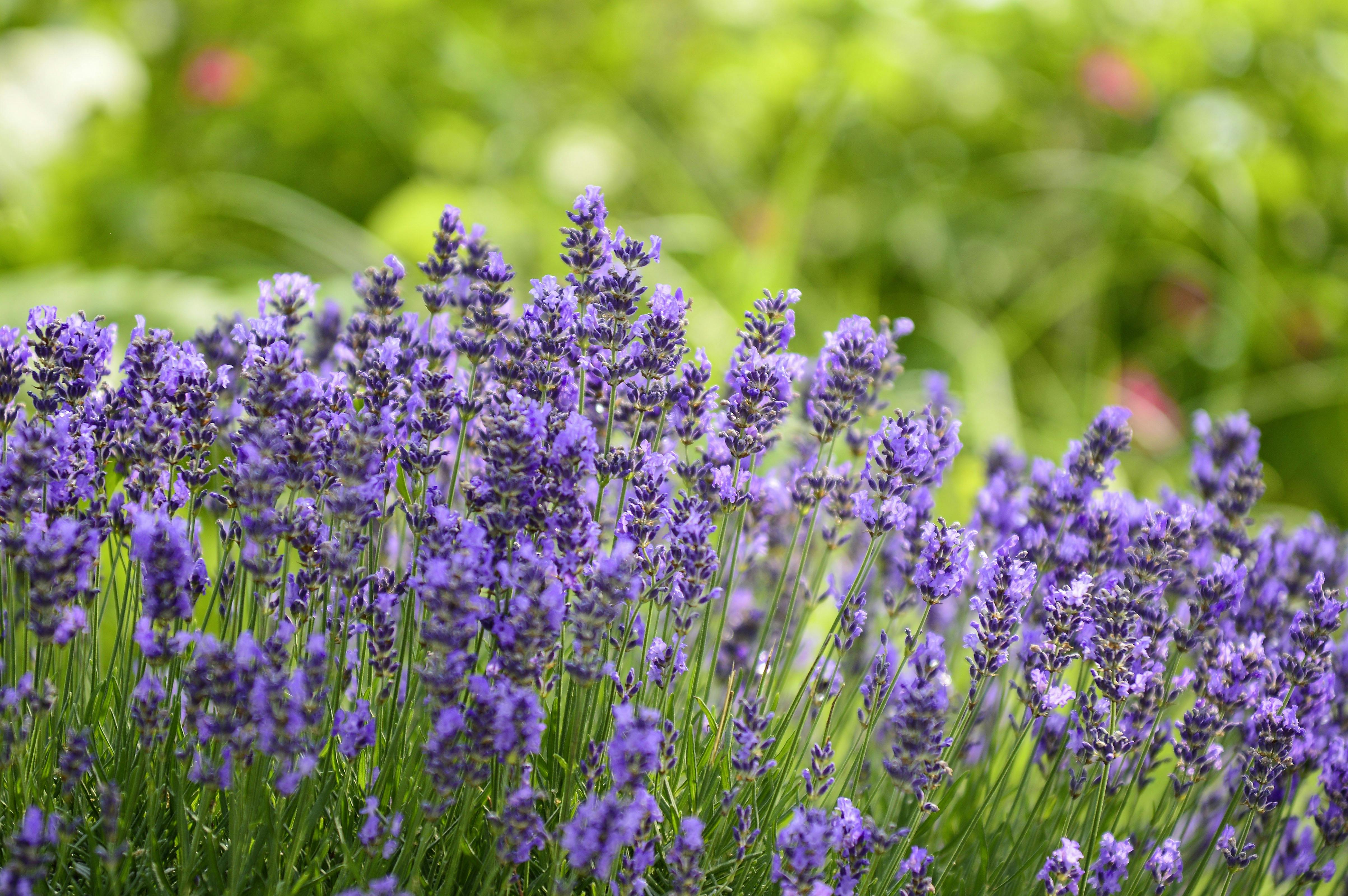
Deer tend to avoid lavender because of its strong scent, which makes it a solid choice for gardens in zones 5–8. It does best in full sun with well-drained soil, and it actually prefers drier conditions, so you don’t need to water it much once it’s established.
Beyond keeping deer away, it brings soft purple blooms from late spring through summer. Plant it along borders or pathways where the fragrance really comes through when brushed against.
2.) Russian Sage

Russian sage is a great choice if deer keep destroying your garden beds. Deer tend to avoid it because of its strong scent and woody stems — basically, it smells and tastes like something they want nothing to do with.
It grows best in full sun with well-drained soil and handles drought like a champ once it’s established. Hardy in zones 5–9, it blooms from mid-summer into fall, filling your yard with tall, airy spikes of soft purple-blue flowers.
3.) Catmint
Catmint is one of those plants that deer seem to completely ignore, which makes it a solid choice for gardens in zones 3–8. It produces soft purple-blue flowers from late spring through summer and doesn’t need much fuss to thrive — just well-drained soil and a decent amount of sun.
Cut it back after the first bloom and it’ll often flower again in fall. It also attracts pollinators like bees, so you’re getting a lot of benefit with very little effort.
4.) Black-Eyed Susan
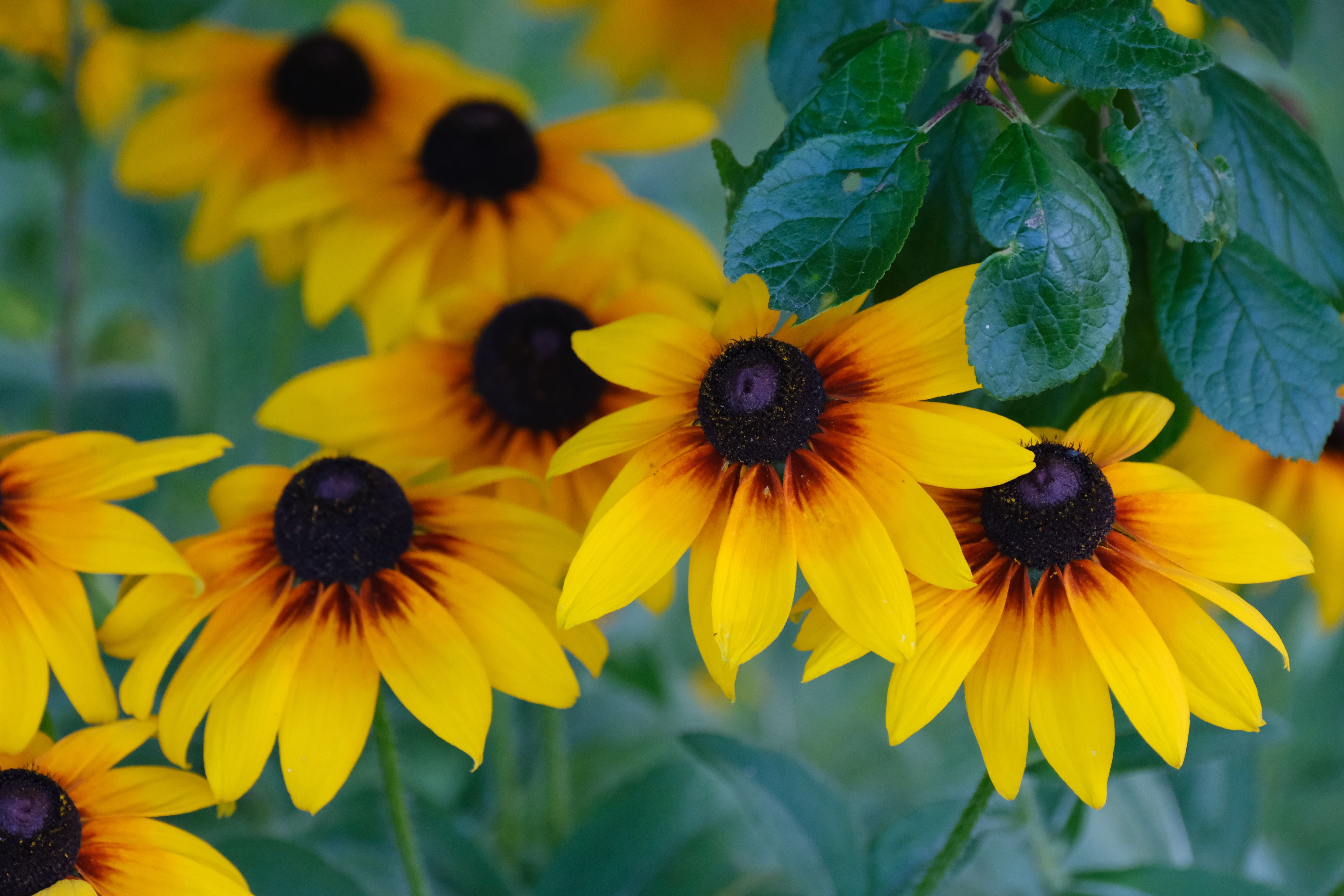
Black-Eyed Susans are a great pick if you want color without the stress of replanting every year. They bloom from midsummer into fall, thrive in full sun, and handle dry soil pretty well. Best of all, deer tend to leave them alone.
They grow well in zones 3–9, so most gardeners can make them work. Just give them decent drainage and a little room to spread, and they’ll keep coming back with very little effort on your part.
5.) Coreopsis

Coreopsis, also called tickseed, is a cheerful little wildflower that deer tend to leave completely alone. It blooms in shades of yellow, orange, and red from late spring through summer, and it keeps coming back year after year in hardiness zones 4–9.
It’s one of those low-maintenance plants that actually thrives on neglect. Give it full sun and well-drained soil, and it’ll handle drought without complaint. Deadheading spent blooms helps extend the flowering season even longer.
6.) Salvia

Salvia is one of those plants that deer just don’t want anything to do with, thanks to its strong scent and fuzzy leaves. It thrives in full sun and well-drained soil, and it handles drought surprisingly well once it’s established. Grow it in zones 4–10 depending on the variety.
It blooms in shades of blue, purple, red, and pink from late spring through fall. Deadhead the spent flowers regularly and you’ll get even more blooms throughout the season.
7.) Yarrow
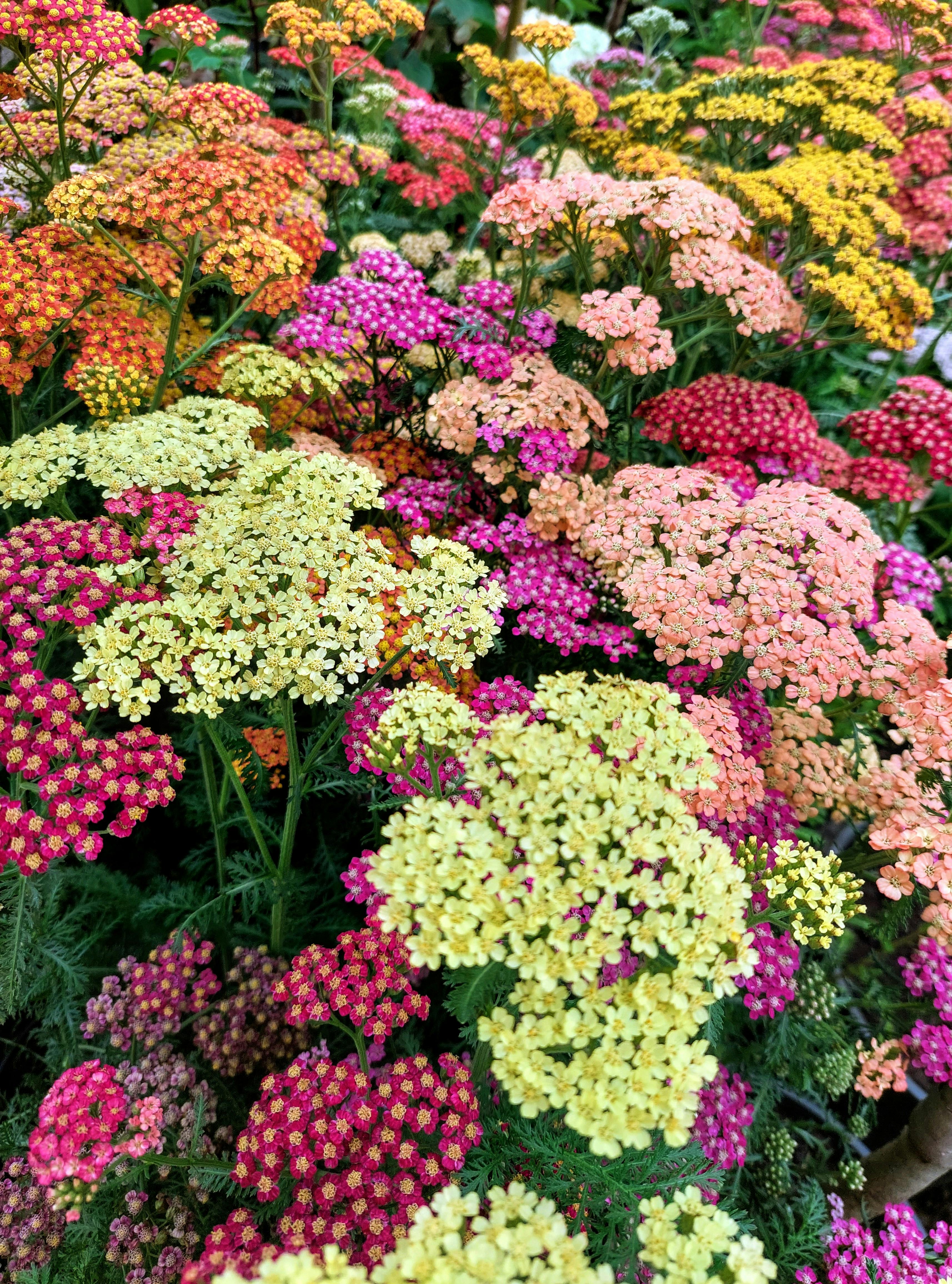
Yarrow is one of those plants that deer tend to walk right past, which makes it a solid choice for gardens in zones 3–9. It grows well in full sun and doesn’t need much water once it’s established, so it’s pretty low maintenance.
The flat-topped flower clusters come in yellow, pink, red, and white, and they bloom from late spring through summer. You can even cut them and dry them for indoor arrangements that last a long time.
8.) Bee Balm
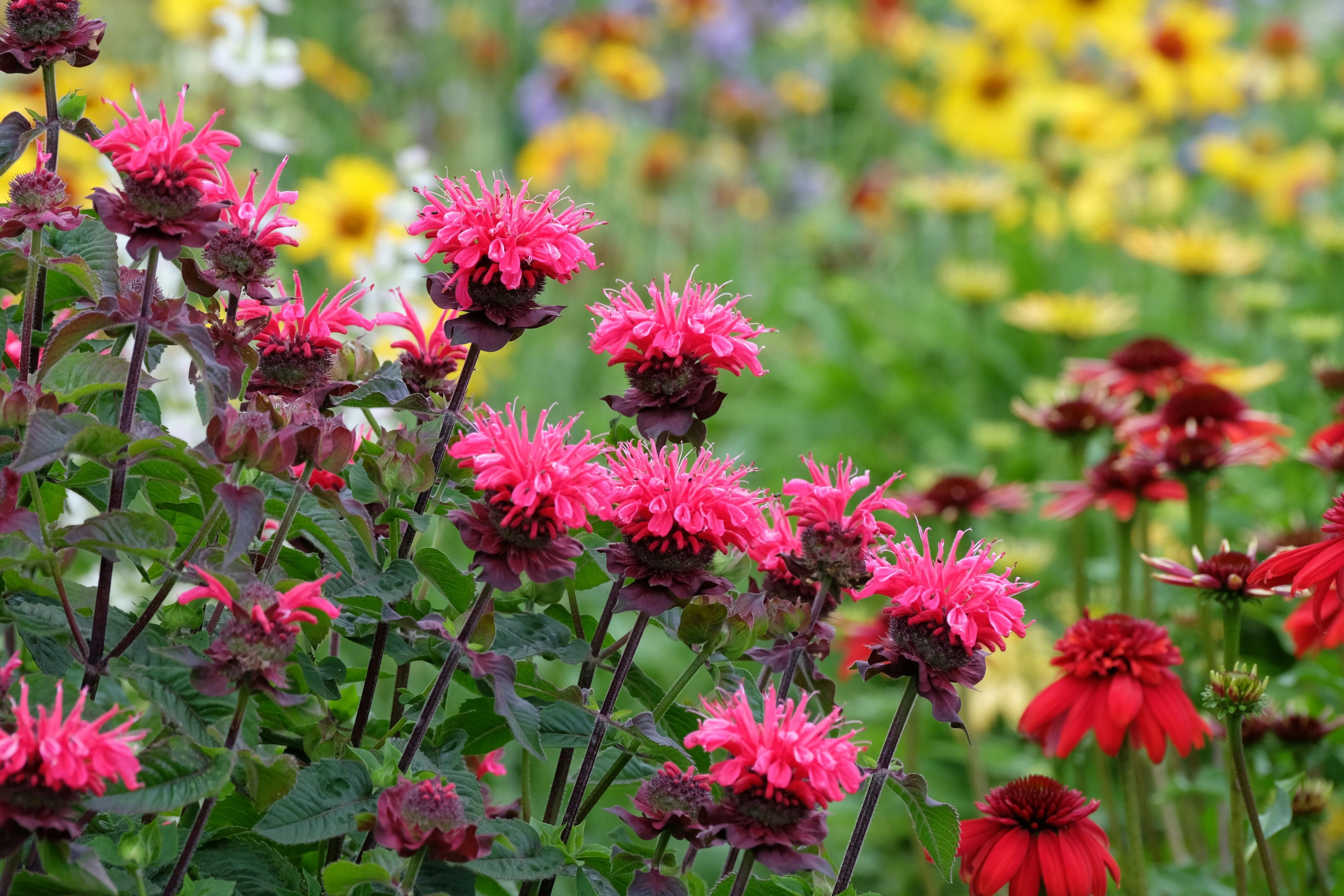
Bee balm is a great pick if you want something deer tend to leave alone. Its strong scent is exactly what puts them off, making it a reliable choice for gardens where deer pressure is a real problem.
It grows well in zones 4–9, prefers full sun to partial shade, and comes back every year without much fuss. It also attracts butterflies and hummingbirds, so you get some bonus wildlife activity while keeping the deer out.
9.) Purple Coneflower
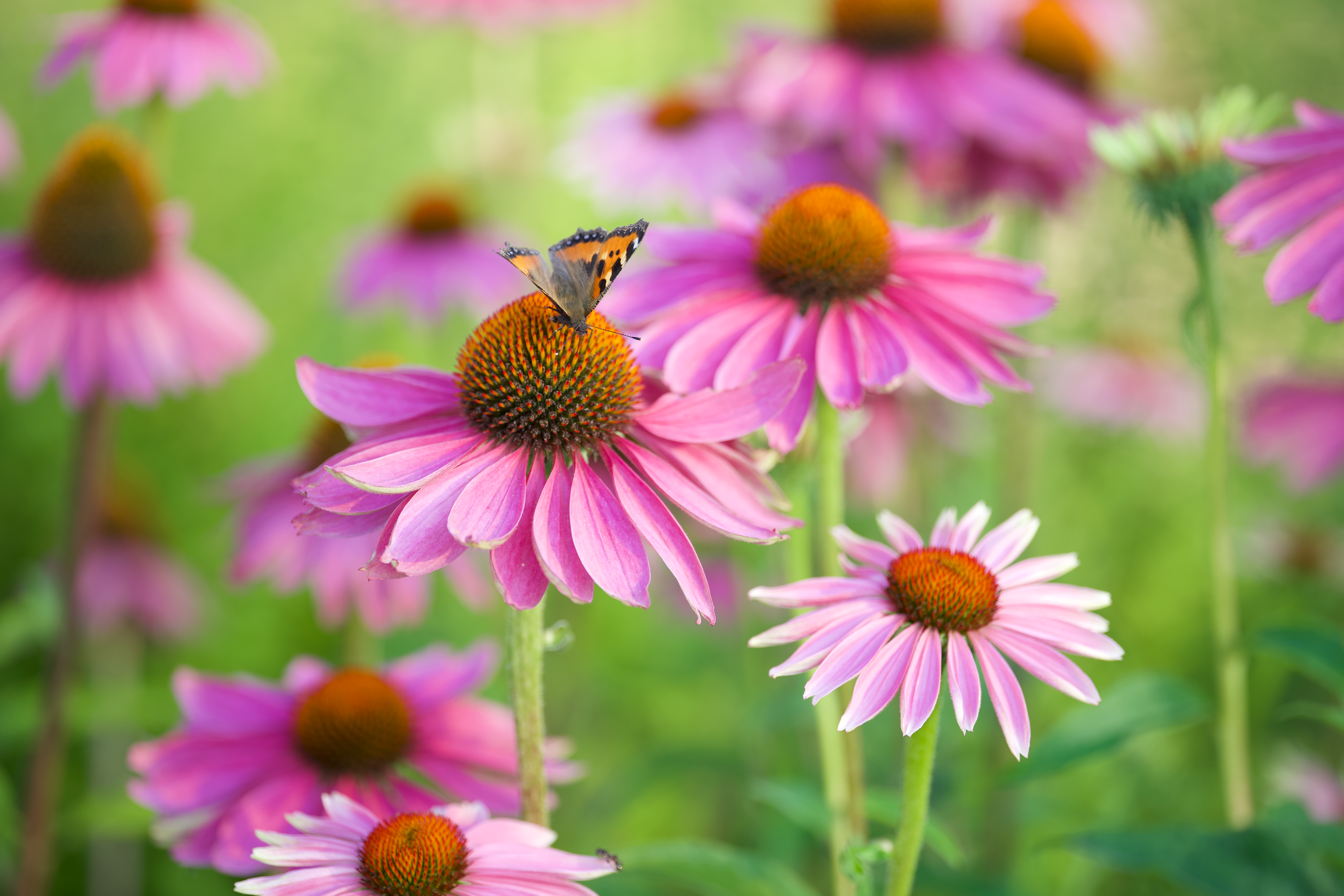
Purple coneflower (Echinacea purpurea) is one of those plants that deer tend to leave alone, probably because of its coarse, scratchy texture. It grows well in zones 3–9 and can handle full sun, heat, and dry soil once it’s established — pretty low maintenance overall.
It blooms from midsummer into fall, so it fills in nicely when other flowers start fading. Plant it in well-drained soil and give it some space to spread, since it slowly grows into bigger clumps over time.
10.) Lamb’s Ear

Lamb’s Ear is one of those plants that deer tend to walk right past, probably because of its fuzzy, silver-gray leaves that feel almost like felt. They don’t seem to enjoy the texture. It grows well in zones 4–8 and does best in full sun with well-drained soil. It’s pretty low-maintenance once it’s established.
It works great as a ground cover or border plant and tends to spread over time, filling in gaps without much effort on your part.
11.) Shasta Daisy

Shasta daisies are a great pick if you want cheerful white blooms without worrying about deer munching them down to stubs. Deer tend to avoid them, likely because of their slightly bitter scent and taste.
They grow well in full sun and aren’t too picky about soil, as long as it drains well. Hardy in zones 5–9, they bloom in summer and come back year after year with very little effort on your part.
12.) Foxglove
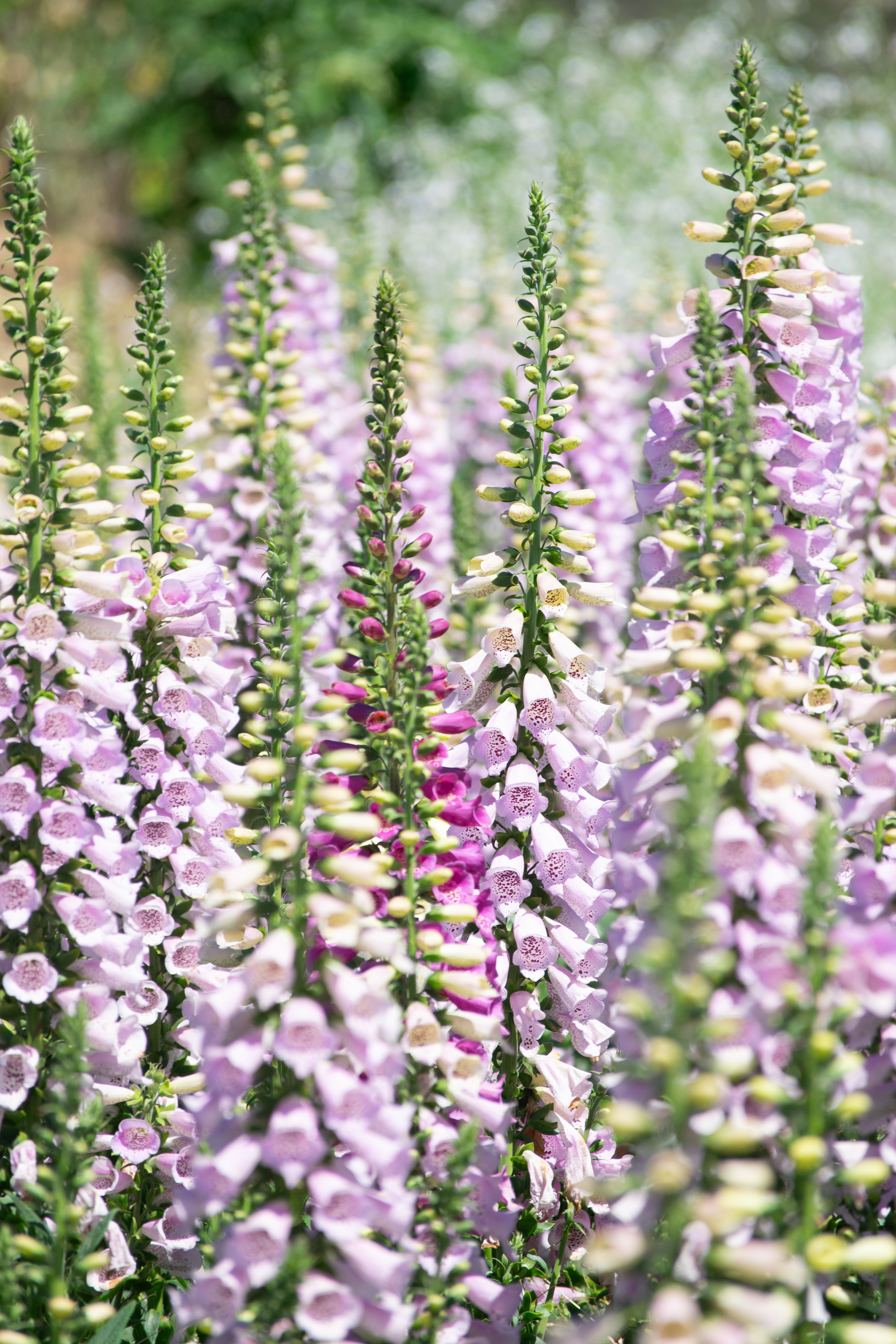
Foxglove is one of those plants that deer tend to avoid, mostly because it’s toxic to them (and to people, so keep kids and pets away). It grows tall and full of tubular blooms that line the stem, making it a real statement in any garden bed.
It thrives in partial shade and does well in zones 4–10. Foxglove is technically a biennial, so it blooms in its second year, but it self-seeds easily, so it keeps coming back on its own.
13.) Bleeding Heart

Bleeding Heart is one of those plants that looks almost too pretty to be real — and deer tend to leave it alone, which makes it a win all around. It does best in partial to full shade, so it’s a great pick for those tricky spots under trees where other plants struggle.
It thrives in zones 3–9 and comes back every spring without much effort on your part. Just keep the soil moist and well-drained, and it’ll take care of the rest.
14.) Astilbe

Astilbe is a great pick if you want something that blooms in the shade without getting nibbled down to nothing. Deer tend to leave it alone, which is a big win for anyone gardening near wooded areas.
It does best in moist, partly shaded spots and thrives in zones 3–8, so it works across a wide range of climates. The feathery plumes show up in summer and come in pink, red, white, and purple.
15.) Peonies
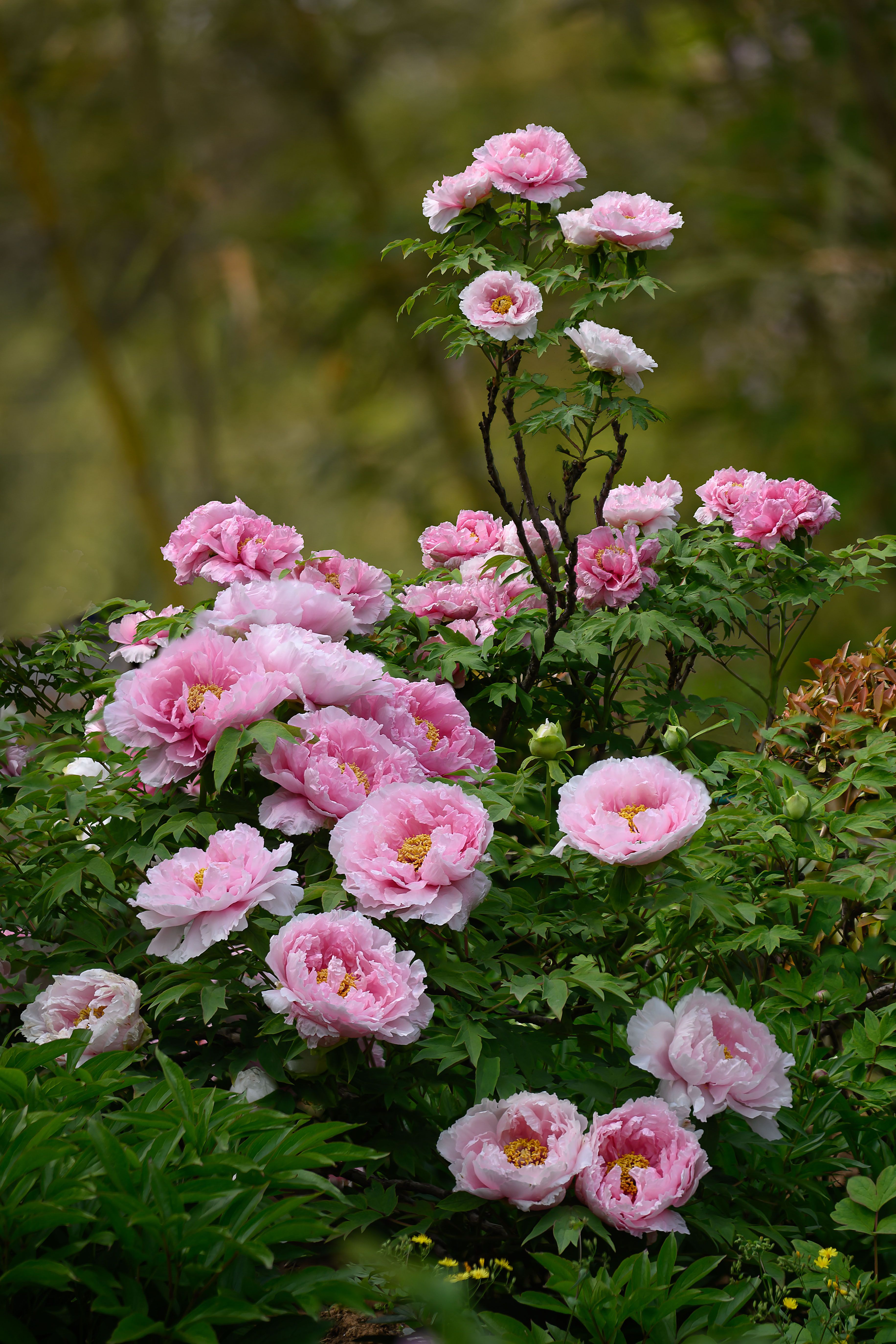
Peonies might look like something a deer would love to munch on, but they actually tend to leave them alone. The thick, slightly bitter foliage just isn’t appealing to them.
These beauties bloom in late spring and come back every year with almost no effort on your part. They do best in zones 3–8 and love full sun with well-drained soil. Plant them where the crown sits just an inch or two below the surface — any deeper and they won’t bloom.
16.) Daffodils
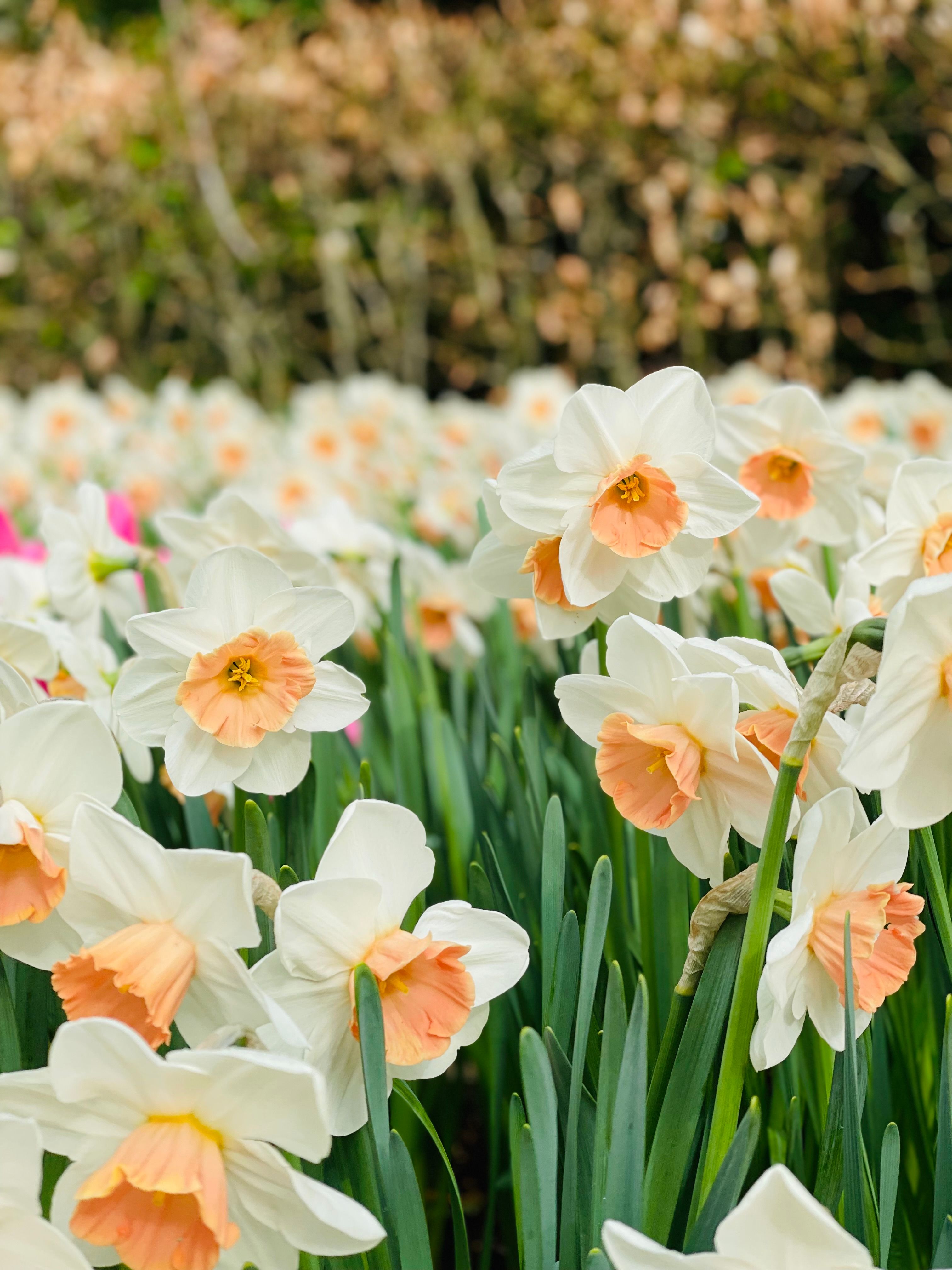
Daffodils are one of the easiest ways to get color in your yard early in the season without worrying about deer snacking on them. The bulbs contain a toxic compound called lycorine, which deer instinctively avoid — so once you plant them, they’re pretty much on their own.
They grow well in zones 3–8, prefer full sun to partial shade, and come back every spring with almost no maintenance. Plant bulbs in the fall, and you’re set.
17.) Allium
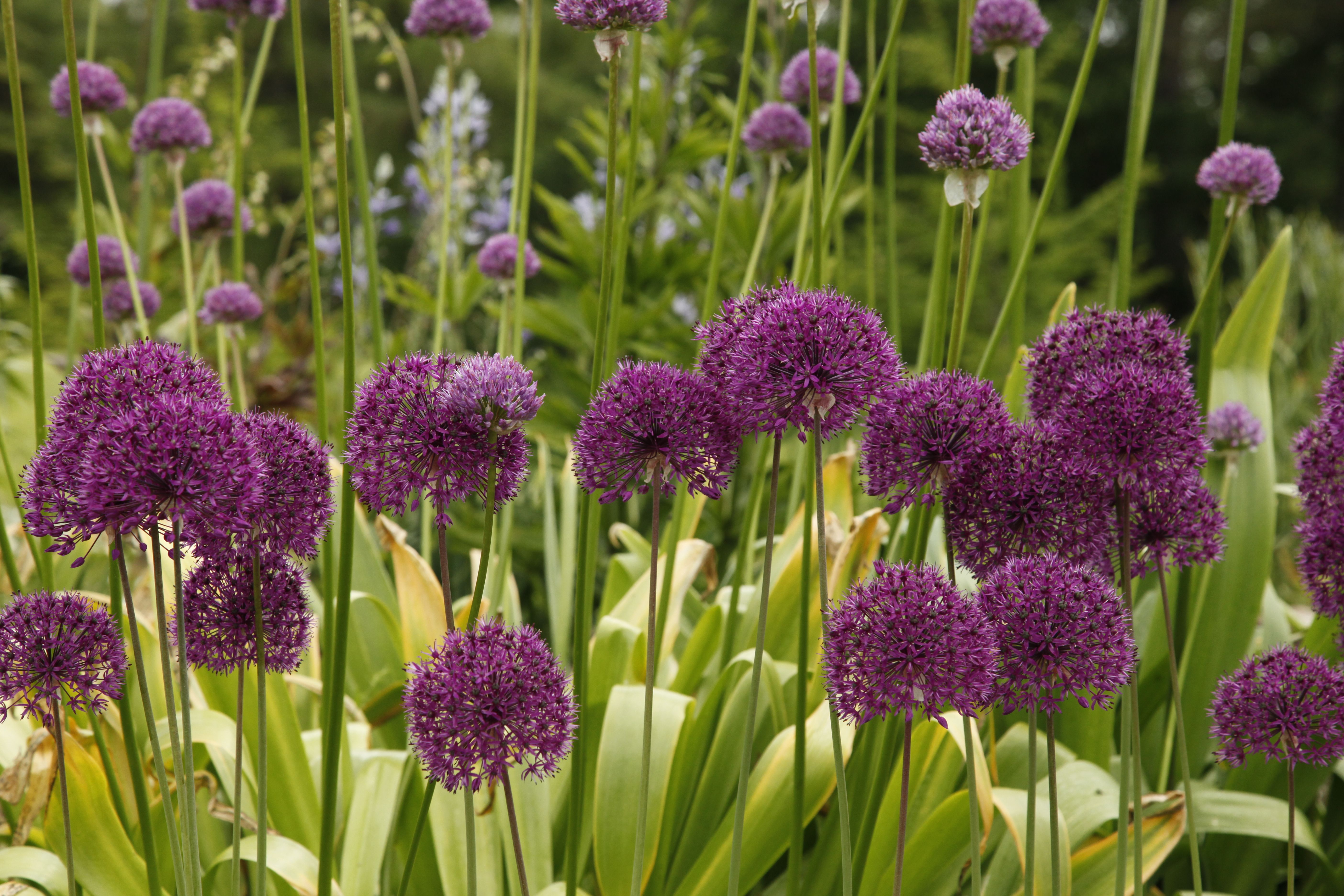
Alliums are basically the garden’s way of telling deer to get lost. These ornamental onion relatives contain sulfur compounds that deer and other pests can’t stand, which means you can actually enjoy your garden without waking up to half-eaten plants.
They grow best in full sun and well-drained soil, thriving in zones 3–9. Plant the bulbs in fall for a late spring bloom. Once established, they come back year after year with almost no fuss.