You know that awkward strip of ground between the sidewalk and the street? The one that’s too hot, too dry, and constantly getting walked on or run over? Yeah, it’s basically a nightmare for most plants.
The good news is that some plants actually don’t mind those tough conditions at all. We found 17 that can handle the heat, the foot traffic, and everything in between — and they’ll still look great doing it!
1.) Creeping Thyme
Creeping thyme is a solid pick for that narrow, often-neglected strip. It spreads low to the ground, handles foot traffic surprisingly well, and doesn’t mind the heat radiating off concrete and asphalt. It grows best in zones 4–9 and prefers full sun with well-drained soil.
The best part? It’s basically drought-tolerant once established, so you’re not out there watering it every other day. It even produces small pinkish-purple flowers in summer, giving you a little something extra with zero extra effort.
2.) Sedum (Stonecrop)

Sedum is basically the perfect plant for that hot, dry, miserable strip of land where most things go to die. It stores water in its thick leaves, so it can handle drought, reflected heat from pavement, and poor soil without much complaint.
It stays low to the ground, spreads slowly, and doesn’t need regular watering once it’s established. Hardy in zones 3–9, it comes back every year without much fuss. Just plant it, step back, and let it do its thing.
3.) Lamb’s Ear
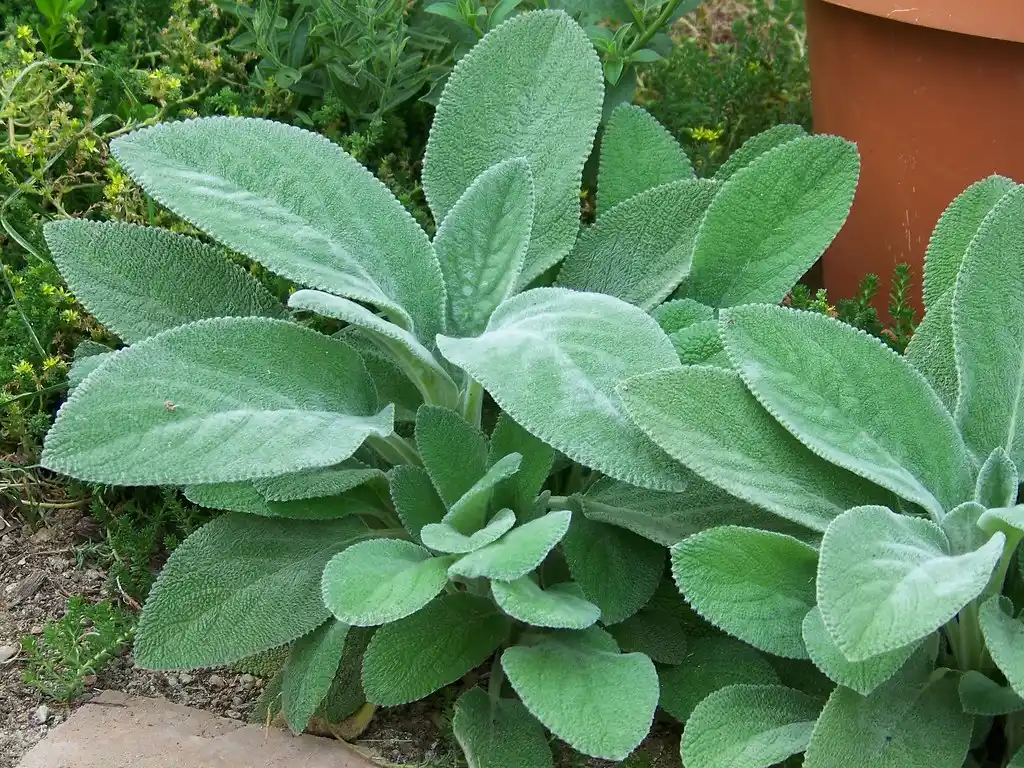
Lamb’s Ear is a great pick for that awkward strip because it handles heat, drought, and poor soil without complaint. It spreads on its own over time, which means less work for you. Hardy in zones 4–8, it comes back every year and stays low to the ground.
The fuzzy, silver-gray leaves are soft to the touch and look interesting even when nothing else is blooming. Just make sure it gets full sun and decent drainage, or it’ll rot out in wet spots.
4.) Purple Coneflower
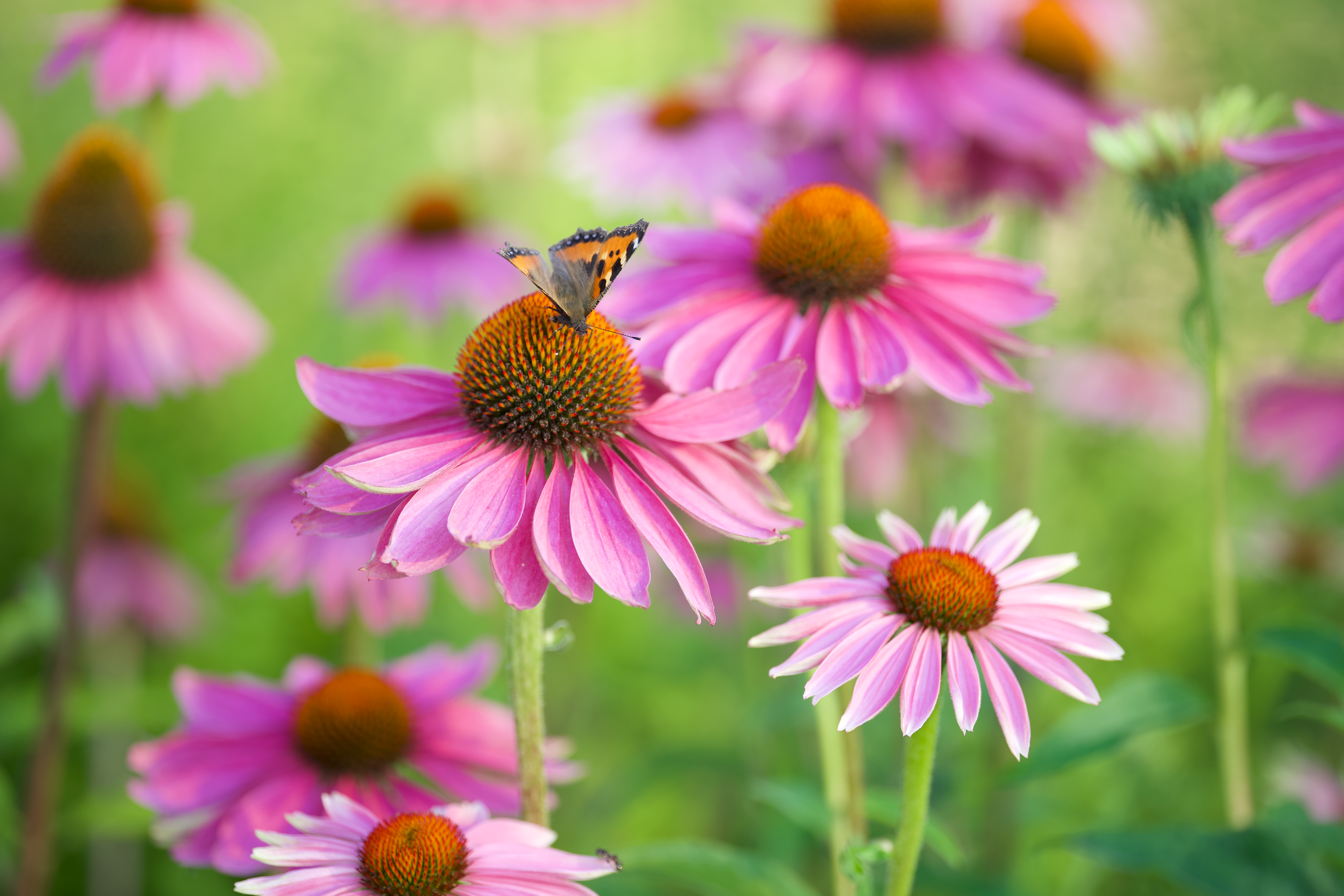
Purple Coneflower (Echinacea) is a tough, drought-tolerant native plant that handles the heat, poor soil, and neglect that usually comes with that awkward curb strip. It grows in hardiness zones 3–9, blooms from midsummer into fall, and needs almost no watering once it’s settled in.
It also pulls in pollinators like bees and butterflies, which is a nice bonus. Plant it in full sun, give it decent drainage, and skip the heavy fertilizer — too much nitrogen will actually work against you here.
5.) Yarrow

Yarrow is tough as nails, which makes it a great fit for that narrow strip of ground that gets baked by sun, driven over by car tires, and ignored most of the year. It handles dry, poor soil without much complaint and spreads on its own over time.
Plant it in full sun, water it occasionally until it gets established, and then basically leave it alone. It’s hardy in zones 3–9, so most of the country can grow it without issue.
6.) Ornamental Grasses

Ornamental grasses are a solid pick for that awkward strip of land, mostly because they can handle the heat, drought, and road salt that would wipe out most other plants. Varieties like Blue Oat Grass or Karl Foerster Feather Reed Grass tend to do well in zones 4–9.
They don’t need much water once established, and you can skip the fussing — just cut them back in late winter before new growth appears. They also move nicely in the breeze, which adds a little life to an otherwise forgettable spot.
7.) Black-Eyed Susan

Black-Eyed Susans are practically made for that rough strip of land between the sidewalk and street. They handle poor soil, heat, drought, and road salt without much complaint — which is exactly what you need in that spot.
They bloom from summer into fall and come back year after year in zones 3–9. Plant them in full sun and pretty much leave them alone. They’ll even self-seed over time, slowly filling in bare patches on their own.
8.) Daylilies

Daylilies are basically built for tough spots. They can handle poor soil, drought, and the kind of heat that radiates off concrete all summer long. They spread on their own over time, so you end up with fuller coverage without doing much extra work.
They grow well in zones 3–9 and do best with at least six hours of sun. Plant them once and mostly forget about them — they come back every year without much fuss.
9.) Russian Sage
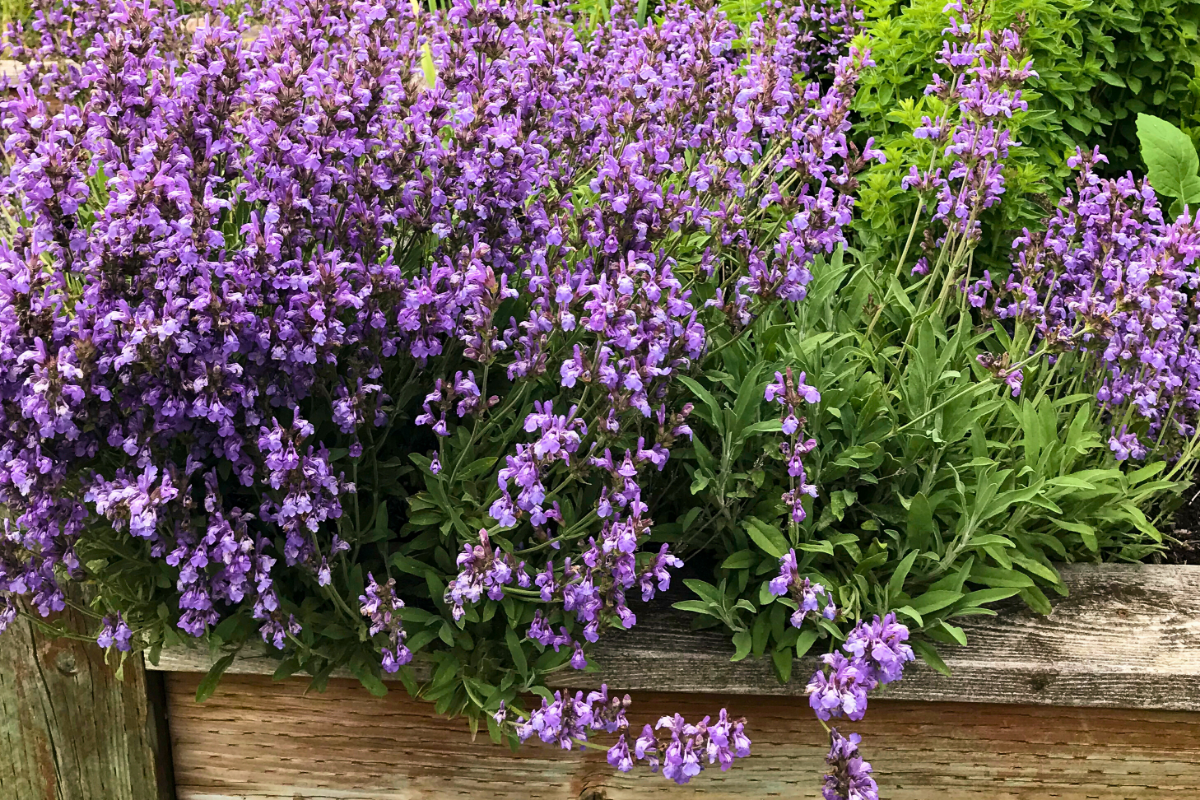
Russian sage is basically built for that hot, dry, miserable strip of land. It handles full sun, poor soil, and drought like a champ, which makes it perfect for a spot that gets baked by reflected heat from the pavement all day. It’s hardy in zones 4–9, so it works across most of the country.
It grows pretty tall — up to 4 feet — with wispy, silvery stems and small purple-blue flowers that bloom from summer into fall. Once it’s established, it barely needs any attention.
10.) Lavender
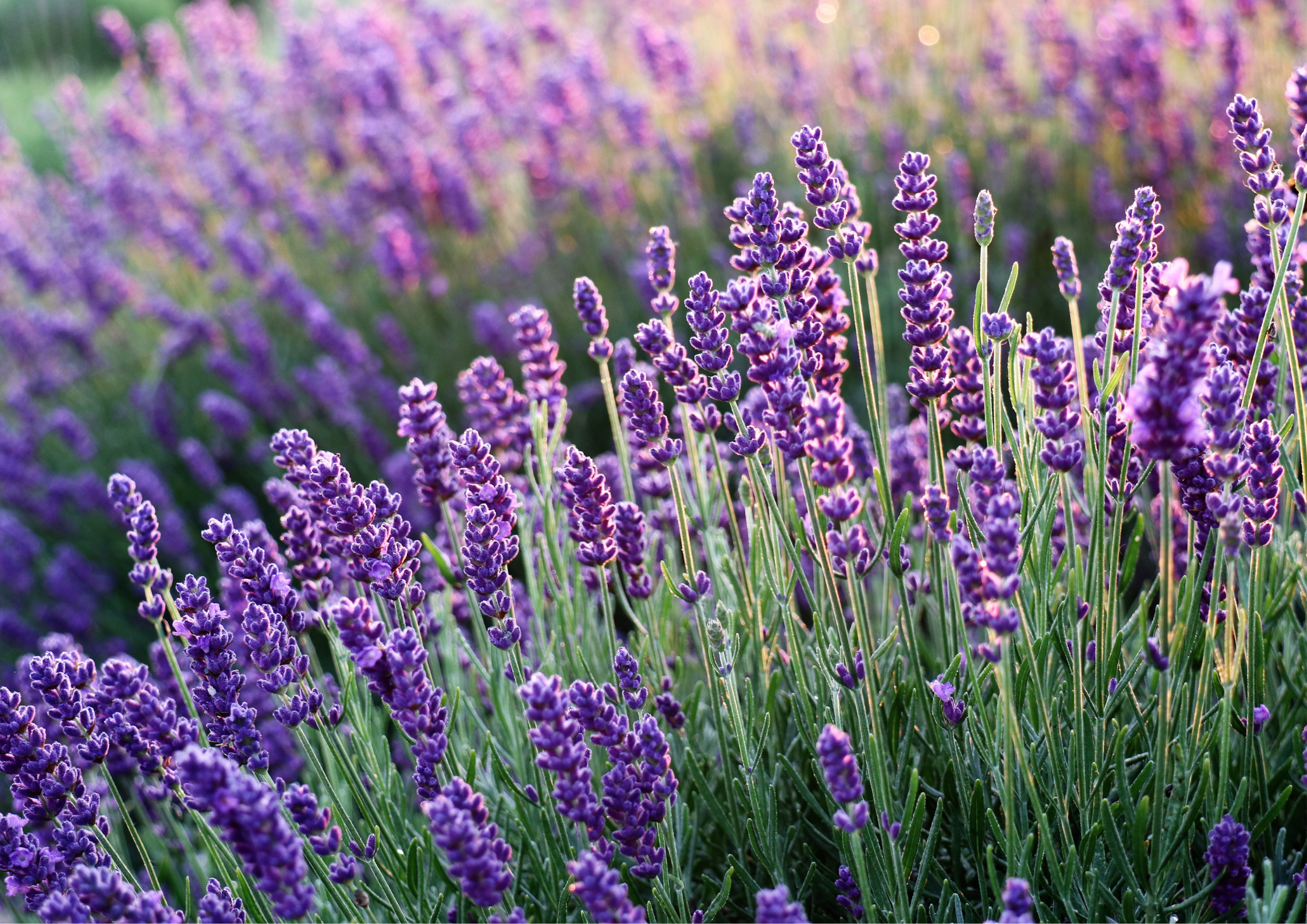
Lavender is basically made for that sad strip of dirt between the sidewalk and the street. It handles heat, drought, and poor soil without much complaint — which is exactly what you need in a spot that gets baked by the sun and ignored half the time. It grows well in zones 5–8.
Plant it in full sun and make sure the soil drains well. Lavender hates wet feet. Once it’s established, you barely have to water it, and it’ll come back year after year.
11.) Salvia
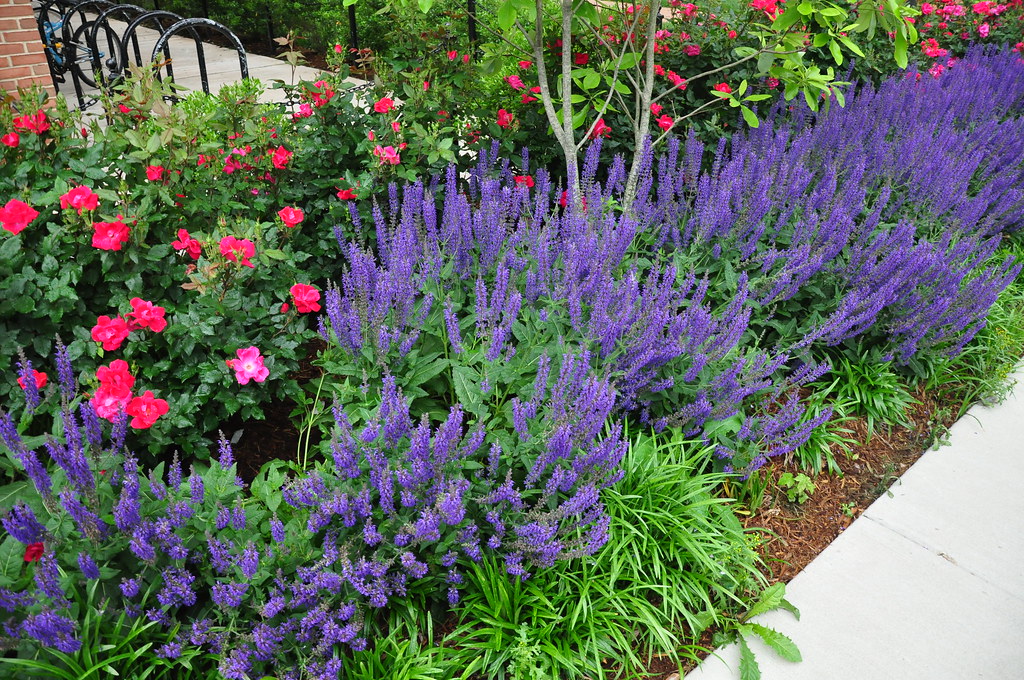
Salvia is a solid pick for that awkward little strip because it handles heat, poor soil, and drought like a champ. It grows well in hardiness zones 4–10 depending on the variety, and once it’s established, it basically takes care of itself.
It also attracts pollinators, so you’re doing something good for the neighborhood without much effort. Stick with compact varieties like ‘May Night’ to keep things tidy and avoid overgrowth spilling onto the sidewalk.
12.) Catmint
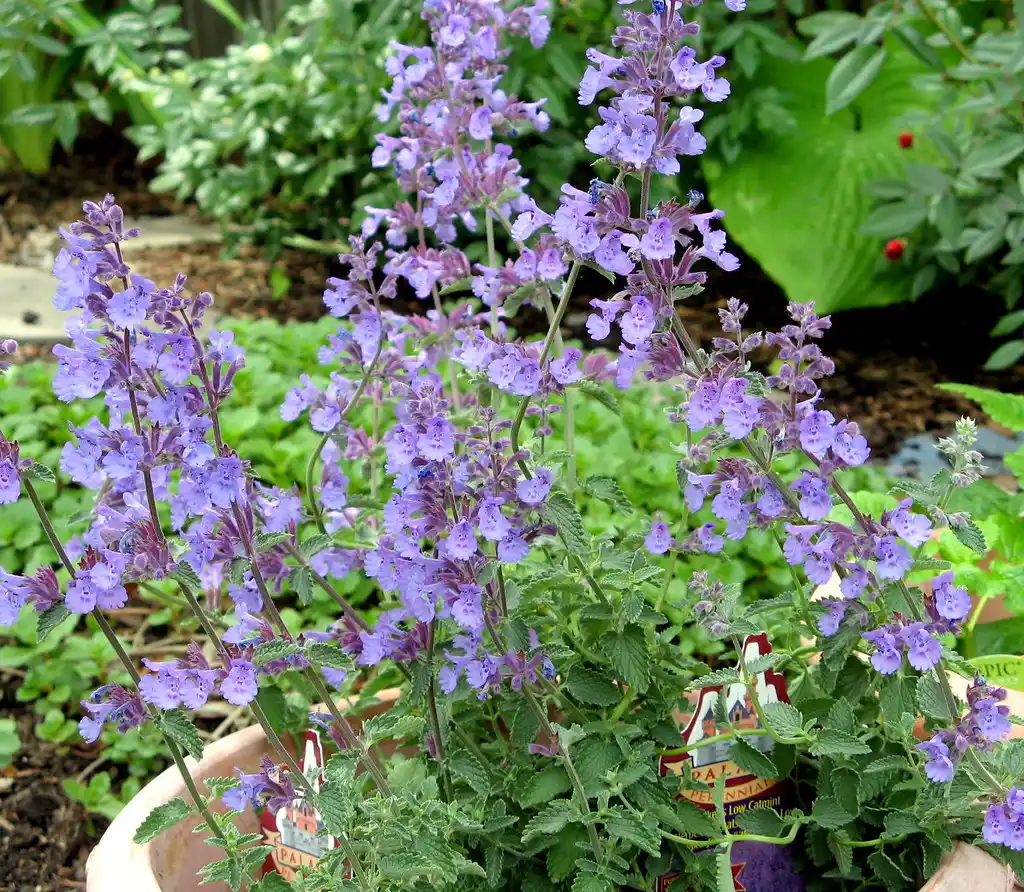
Catmint is a tough little plant that handles heat, drought, and compacted soil without much complaint — basically everything that hellstrip throws at it. It grows well in zones 3–8 and does best in full sun with decent drainage.
It blooms in soft lavender-blue from late spring into summer, and if you cut it back after the first flush, it’ll often rebloom. It also spreads nicely to fill in gaps, which means less weeding for you. Bonus: pollinators love it.
13.) Snow-in-Summer

Snow-in-Summer is a low-growing ground cover that spreads out with soft, silvery-gray leaves and small white flowers in late spring. It handles heat, drought, and poor soil like a champ — exactly what you need in that rough strip between the sidewalk and street.
It’s hardy in zones 3–7, so it works across most of the country. Just make sure it gets full sun and decent drainage. It can spread aggressively, so keep an eye on it near garden borders.
14.) Ajuga (Bugleweed)

Ajuga, also called bugleweed, is a low-growing ground cover that handles the rough conditions of the parkway strip surprisingly well. It tolerates compacted soil, foot traffic, and both full shade and partial sun — basically everything that strip throws at it.
It spreads on its own through runners, so you won’t have to do much once it’s established. Hardy in zones 3–9, it stays green most of the year and even produces small purple flower spikes in spring.
15.) Ice Plant
Ice plant is basically built for that miserable strip of land. It spreads low and wide, handles drought like a champ, and doesn’t complain about compacted soil or reflected heat from the pavement. It works best in zones 5–9.
The flowers are small and daisy-like, usually pink or yellow, and they bloom in spring and summer. It needs very little water once it’s established, so you won’t be dragging a hose out there every other day.
16.) Switchgrass

Switchgrass is a native grass that handles the tough conditions of a parkway strip surprisingly well — compacted soil, road salt spray, drought, you name it. It grows in clumps and doesn’t spread aggressively, which keeps it manageable.
It works best in zones 5–9 and needs very little water once it’s established. The feathery seed heads add some visual interest in fall and winter without you having to do much of anything.
17.) Juniper

Juniper is a solid pick for that awkward little strip because it handles drought, foot traffic, and compacted soil without much complaint. It comes in low-spreading varieties that stay close to the ground, so you won’t block sightlines or fight with the city about overgrowth.
It does best in full sun and is hardy in zones 3–9, which covers most of the country. Once it’s established, you can pretty much leave it alone — and honestly, that’s the whole point.