Your garden says a lot about your home, even before someone walks through the front door. A few simple plant choices or garden care habits can make the difference between a yard that looks loved and one that, well… doesn’t.
The good news? Most of these landscaping slip-ups are really easy to fix once you know what to look for. Let’s walk through the mistakes that might be quietly working against your garden right now.
1.) Overcrowding Plants Together

Cramming plants too close together might seem like a good way to fill space fast, but it usually backfires. Plants end up competing for water, sunlight, and nutrients, which leaves them looking weak and scraggly instead of full and healthy.
Always check the mature size on the plant tag before you dig a hole. What looks sparse today will fill in over one or two growing seasons. Give roots room to spread, and your garden will look intentional rather than thrown together.
2.) Ignoring Proper Scale

Scale matters more than most people realize. Planting a tiny shrub in front of a two-story home, or cramming a massive tree into a small corner bed, throws the whole yard off balance. It just looks awkward, even if the plants themselves are healthy and well-kept.
Before you buy anything, measure your space and research the plant’s mature size. A shrub that reaches eight feet wide needs room to grow. Choosing the right size from the start saves you from constant pruning battles later.
3.) Using Too Many Colors

More color isn’t always better. When you plant too many shades at once — hot pink next to bright orange next to purple — the whole yard starts to look like a jumbled mess instead of a planned space.
Stick to two or three colors that work well together, and repeat them throughout your beds. A simple combo like white, yellow, and blue reads as intentional and put-together. Too many competing colors just makes the eye bounce around with nowhere to land.
4.) Neglecting Lawn Maintenance

A patchy, overgrown lawn sends a message that nobody’s home — and not in a good way. Skipping regular mowing, watering, and fertilizing lets weeds move in fast, and once they’re settled, they’re tough to get rid of.
The fix is pretty simple, though. Mow weekly during the growing season, water deeply but less often, and apply a balanced fertilizer in spring and fall. A little consistent effort goes a long way toward keeping things looking neat and cared for.
5.) Plastic or Fake Plants
Fake plants might seem like an easy fix for a bare yard, but they’re one of the fastest ways to make your home look low-effort. Weather does them no favors — sun fades the color, rain collects in the leaves, and wind knocks them over constantly.
Real plants don’t have to be high-maintenance to look good. Try hardy ground covers or native shrubs suited to your hardiness zone, and you’ll get something that actually belongs in your landscape.
6.) Mismatched Mulch Types

Using different types of mulch across your yard is one of those things that looks accidental rather than intentional. A bed of shredded wood next to a patch of rocks next to some straw? It sends mixed signals and makes your landscaping feel unfinished.
Pick one mulch style and stick with it throughout your yard. For most garden beds, a 2-3 inch layer of shredded hardwood works well in zones 3-9 and helps retain moisture through summer.
7.) Poor Lighting Placement
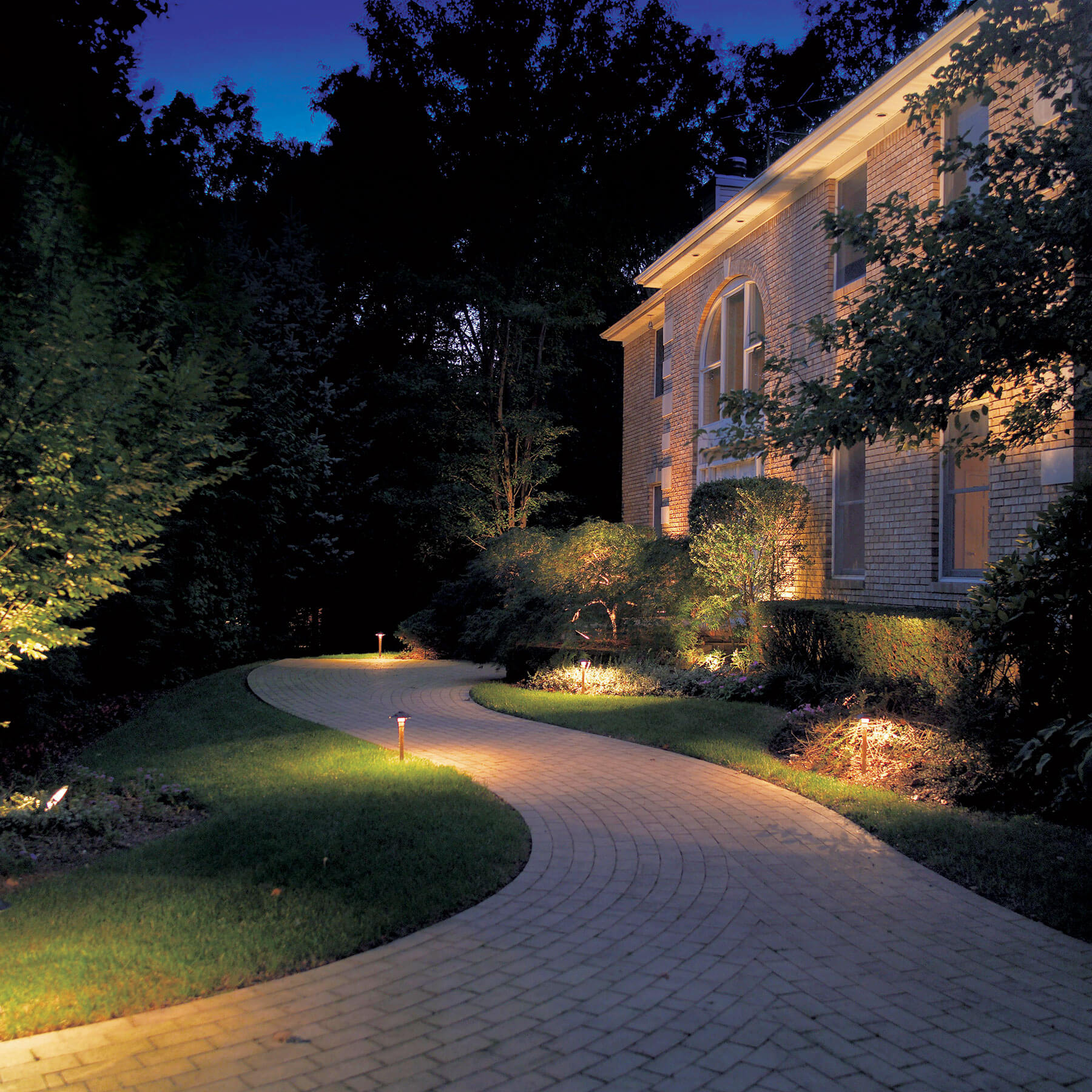
Lighting placement can make or break your yard’s look, especially at night. Spotlights aimed directly at the house or random solar lights scattered across the lawn can make everything feel a bit off and unplanned.
Instead, focus on lighting pathways, highlighting a few key trees or shrubs, and layering light at different heights. Warm-toned bulbs work better than harsh white ones for a welcoming feel.
Less is more here — a few well-placed fixtures beat a dozen poorly positioned ones every time.
8.) Overgrown Foundation Plants

Foundation plants like boxwoods, junipers, and hollies grow slowly at first, then seem to take over overnight. When they start blocking windows or creeping over walkways, they stop looking intentional and start looking neglected.
Most of these shrubs handle pruning well in late winter or early spring before new growth kicks in. If they’re truly out of control, don’t be afraid to do a hard cutback. In zones 5–9, most foundation shrubs bounce back surprisingly well with the right timing.
9.) Bare Soil Patches

Bare soil patches are one of the easiest ways to make your yard look unfinished and neglected. Whether it’s under a tree, along a fence line, or just a spot where grass refuses to grow, exposed dirt sends the wrong message.
Fill those areas with ground cover plants like creeping thyme or hostas, add a layer of mulch, or toss down some grass seed. Most ground covers work well in zones 3–9 and need very little upkeep once established.
10.) Wrong Plant Climate Zones
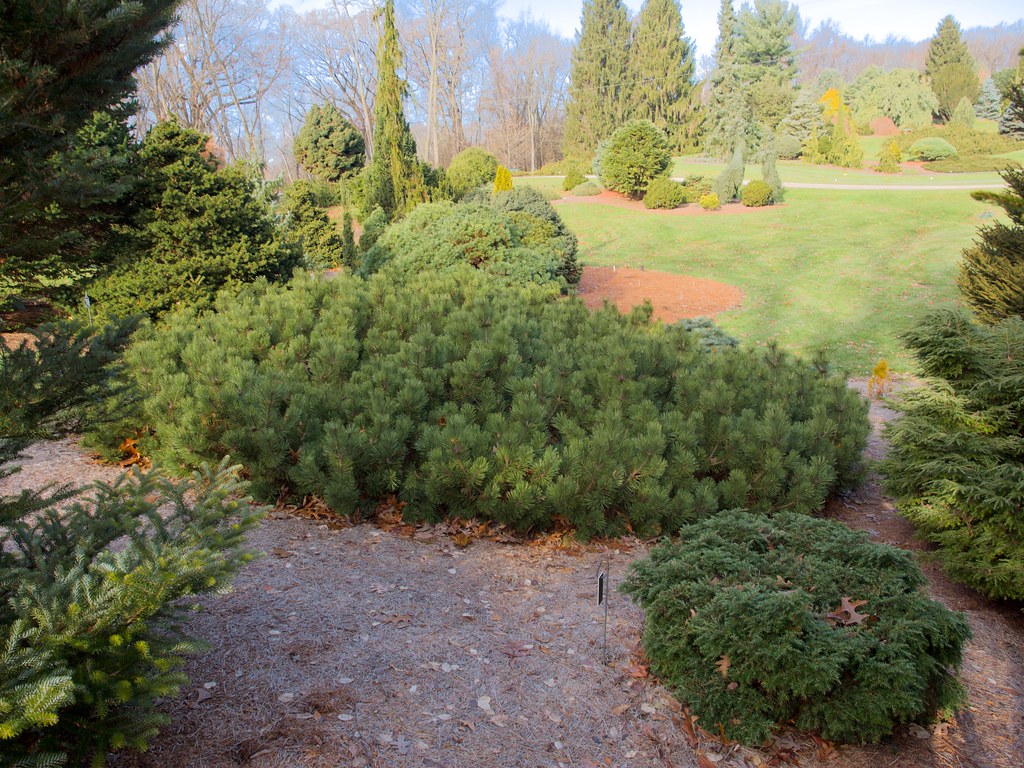
Planting something that isn’t suited for your climate is one of the quickest ways to make your yard look neglected. A tropical plant struggling through a cold winter or a shade lover baking in full sun will always look stressed, yellowed, or half-dead — no matter how much you water it.
Before buying anything, check your USDA hardiness zone and match it to the plant’s requirements. A healthy, happy plant that fits your zone will always look better than an expensive one fighting to survive.
11.) Cluttered Garden Ornaments
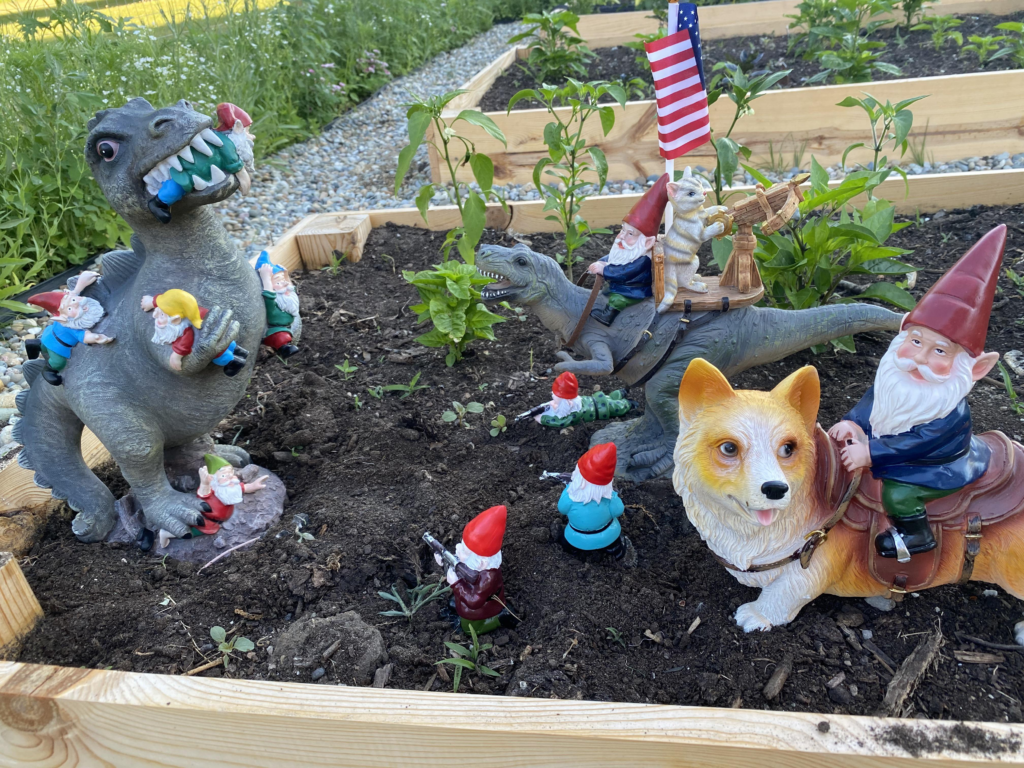
A yard full of mismatched gnomes, rusty windmills, and random stepping stones doesn’t feel charming — it just feels messy. When ornaments compete for attention, the whole space looks cluttered and hard to enjoy.
Pick one or two pieces that actually mean something to you and give them room to breathe. Group similar items together if you have more. A little open space around a decoration makes it look intentional, not like it was just dropped there and forgotten.
12.) Unpruned Dead Branches

Dead branches left on trees and shrubs are one of the easiest ways to make your yard look forgotten. They signal neglect, and neighbors notice more than you’d think.
Make it a habit to walk your property each spring and fall, removing any dead, damaged, or crossing branches. Use clean, sharp pruners for small limbs and a pruning saw for thicker ones. Always cut just outside the branch collar to help the tree heal properly.
13.) Cheap Plastic Edging

Cheap plastic edging might seem like a quick fix for keeping your garden beds tidy, but it tends to crack, shift, and pop out of the ground within a season or two. Sun exposure makes it brittle fast, and frost heaving in colder zones pushes it right out of place.
Instead, consider metal, stone, or concrete edging. They cost a bit more upfront but stay put for years and actually look like you put some thought into your yard.
14.) Ignoring Symmetry and Balance

Balance doesn’t mean you need a perfectly mirrored yard, but some sense of visual weight on both sides of your home goes a long way. When one side of your front yard has a big tree and the other has nothing, the whole look feels off without anyone quite knowing why.
Try repeating similar plants, colors, or shapes on both sides of your walkway or entry. Even swapping out one large shrub for a grouping of smaller plants can create enough balance to pull everything together.
15.) Weeds Taking Over Beds

Weeds are basically nature’s way of saying your garden beds need some attention. When dandelions, crabgrass, and other unwanted plants start taking over, your yard quickly goes from neat to neglected. The good news? Staying on top of them isn’t as hard as it looks.
Pull weeds after rain when the soil is soft, making it easier to get the roots out. Lay down a layer of mulch about 2-3 inches thick to block sunlight and slow new growth all season long.
16.) Faded or Peeling Paint
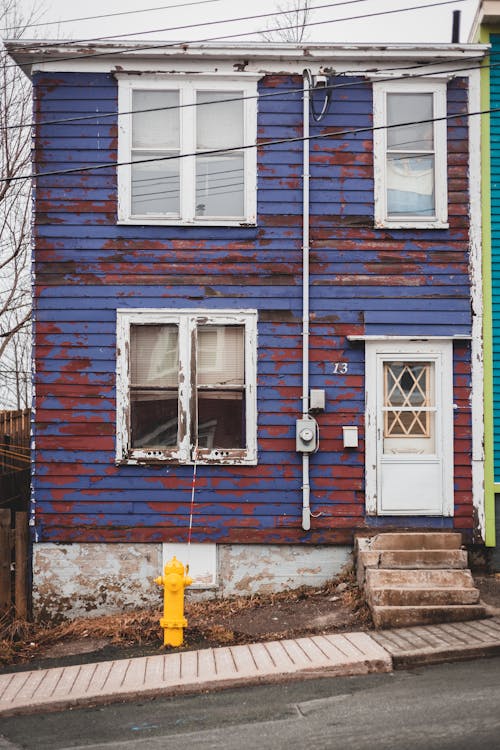
Peeling or faded paint on fences, garden beds, shutters, or exterior walls can make even a well-kept yard look tired and neglected. It’s one of those things people often overlook because it happens so gradually.
The good news is that this is one of the easiest fixes on this list. A fresh coat of paint or stain goes a long way. Aim to repaint outdoor surfaces every three to five years, or sooner if you notice cracking or color fading.
17.) No Defined Pathways

Without clear paths, your yard can look messy and unplanned — like people aren’t sure where they’re supposed to walk. Guests will naturally cut across your lawn or garden beds, which leads to worn grass and trampled plants over time.
You don’t need anything fancy. Simple edging, stepping stones, or a layer of gravel can define a route and give your yard a more put-together feel. Even a basic path signals that the space was designed with purpose.