If you’ve ever looked at a well-put-together garden and wondered how it got that polished, “someone actually planned this” look — foundation plants are usually the secret. They’re the backbone of any great garden design, and most people just don’t know which ones to pick.
The good news? You don’t need to hire a landscaper. These 18 plants do a lot of the heavy lifting on their own, and a few of them might actually surprise you.
1.) Boxwood

Boxwood is one of those plants that just looks polished no matter where you put it. It holds its shape well, grows slowly, and works great along walkways, around flower beds, or flanking an entryway.
It does best in zones 5–9 and handles both sun and partial shade. Water it regularly when it’s young, then it becomes pretty low-maintenance. Just give it a light trim once or twice a year to keep that clean, structured look going.
2.) Hydrangea

Hydrangeas are a go-to foundation plant because they fill space beautifully without a lot of fuss. They grow well in zones 3–9 and do best with morning sun and afternoon shade, especially in hotter climates. Water them consistently since they don’t love dry soil.
The big, rounded flower clusters come in white, pink, blue, or purple depending on your soil’s pH. Plant them along a fence or the front of your house for a full, layered look that feels intentional.
3.) Azalea
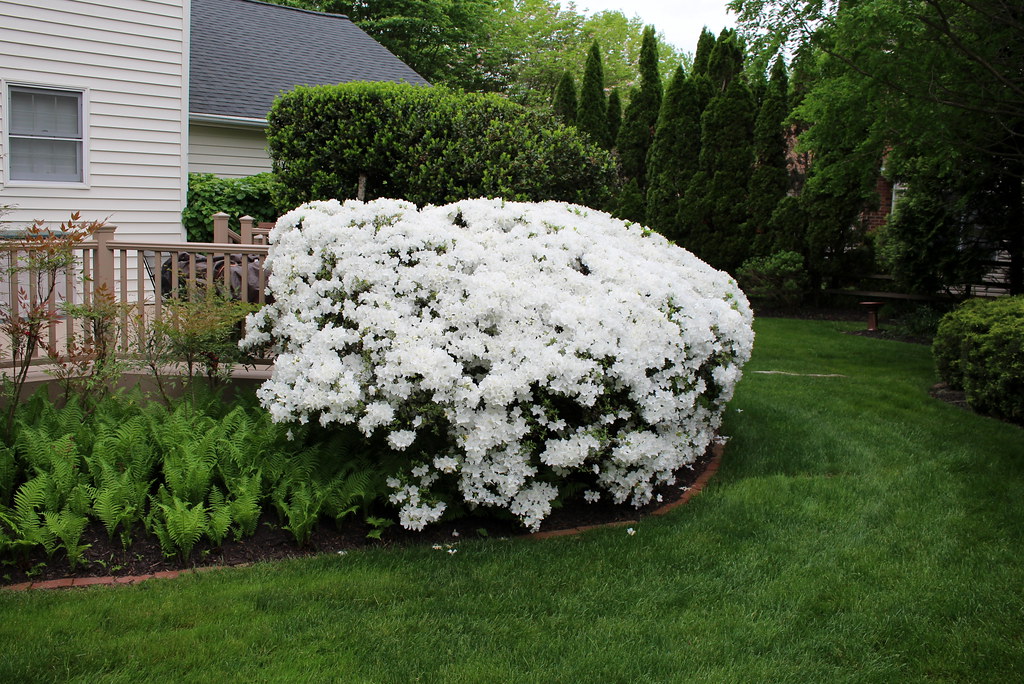
Azaleas are a go-to foundation plant for a reason — they stay full and bushy, which means they do a great job of filling in the space along your home’s base without a ton of effort on your part.
They do best in partial shade and slightly acidic soil, and they’re pretty low-maintenance once they’re established. Most varieties are hardy in zones 5–9.
Spring is their big moment, when they’re covered in blooms, but their evergreen leaves keep things looking tidy year-round.
4.) Japanese Yew
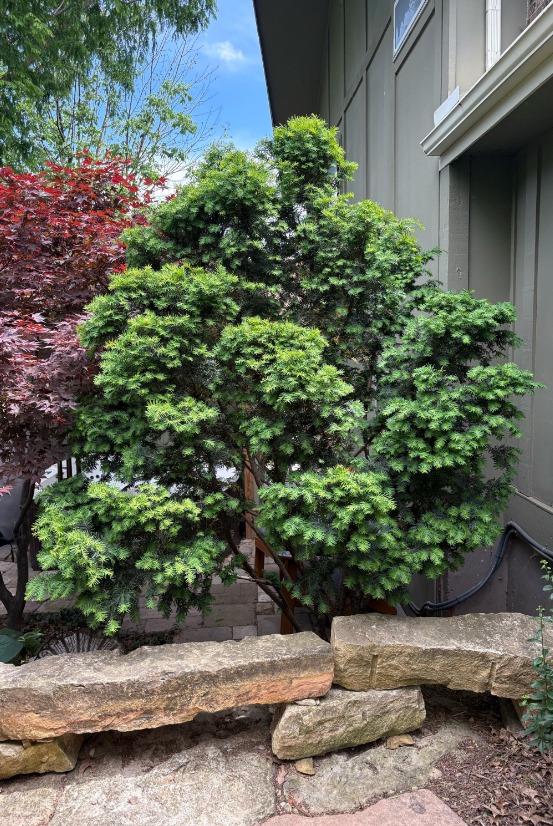
Japanese Yew is a classic choice for foundation planting because it stays green year-round and holds its shape really well. It grows in zones 4–7 and handles both sun and shade, which makes it easy to place around most homes.
You can keep it neatly trimmed or let it grow a bit fuller — either way it looks intentional. Just avoid soggy soil, since it doesn’t do well with poor drainage. It’s low-maintenance once it’s established.
5.) Juniper
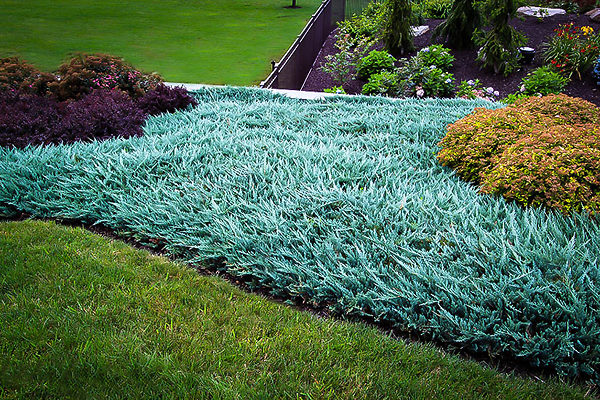
Juniper is one of those plants that just works in almost any yard. It comes in a ton of shapes — from low ground-hugging spreaders to tall, narrow columns — so you can pick one that fits your space.
It’s tough as nails, handles drought well, and grows in zones 3 through 9. It prefers full sun and well-drained soil. Once it’s established, it basically takes care of itself, which makes it a great low-maintenance option for framing entryways or filling in borders.
6.) Spirea

Spirea is a flowering shrub that works really well along the base of your home. It stays relatively compact, fills in nicely, and comes back year after year without much fuss. Most varieties do best in zones 3–8, so it handles cold winters pretty well.
Plant it in full sun for the best results, and give it a light trim after it blooms to keep the shape tidy. It’s a low-maintenance pick that still looks like you actually put thought into it.
7.) Viburnum

Viburnum is a solid pick for foundation planting because it stays full and leafy without a lot of fuss. Most varieties grow well in zones 2–9, handle both sun and partial shade, and aren’t too picky about soil.
It works great along the front of your house because it fills in space nicely and keeps its shape season after season. Some types even produce berries or flowers, which adds a little extra interest without trying too hard.
8.) Rhododendron

Rhododendrons are a go-to foundation plant because they stay full and green year-round, giving your home’s base a clean, polished look even in winter. They do best in partial shade with acidic, well-drained soil, and they thrive in hardiness zones 4–8.
Keep in mind they don’t love wet feet, so avoid planting them in spots where water tends to pool. A layer of mulch helps lock in moisture and keeps the roots cool during warmer months.
9.) Dwarf Alberta Spruce

Dwarf Alberta Spruce is a slow-growing evergreen that keeps its neat, cone shape without much help from you. It works well in zones 2–8 and does best in full sun with well-drained soil. Water it regularly when it’s young, and it’ll pretty much take care of itself after that.
Plant one on each side of your front door or along a walkway for that clean, symmetrical look. It stays compact — usually topping out around 6–8 feet over many years.
10.) Holly

Holly is one of those plants that earns its spot year-round. It stays green through winter, produces bright red berries in colder months, and gives your garden structure even when everything else looks bare. It works well as a border plant or a focal point near entryways.
It grows best in zones 5–9 and prefers well-drained soil with full to partial sun. Just make sure you plant both male and female varieties nearby if you want those berries to show up.
11.) Arborvitae

Arborvitae is a go-to evergreen shrub that works hard all year long. It stays green through winter, grows fairly fast, and gives your yard a clean, structured look without much fuss. It thrives in zones 3–8 and does best in full sun to partial shade.
Plant it along a fence line or near your home’s foundation to add some height and privacy. Just make sure the soil drains well, and give it a good watering schedule while it gets established.
12.) Camellia
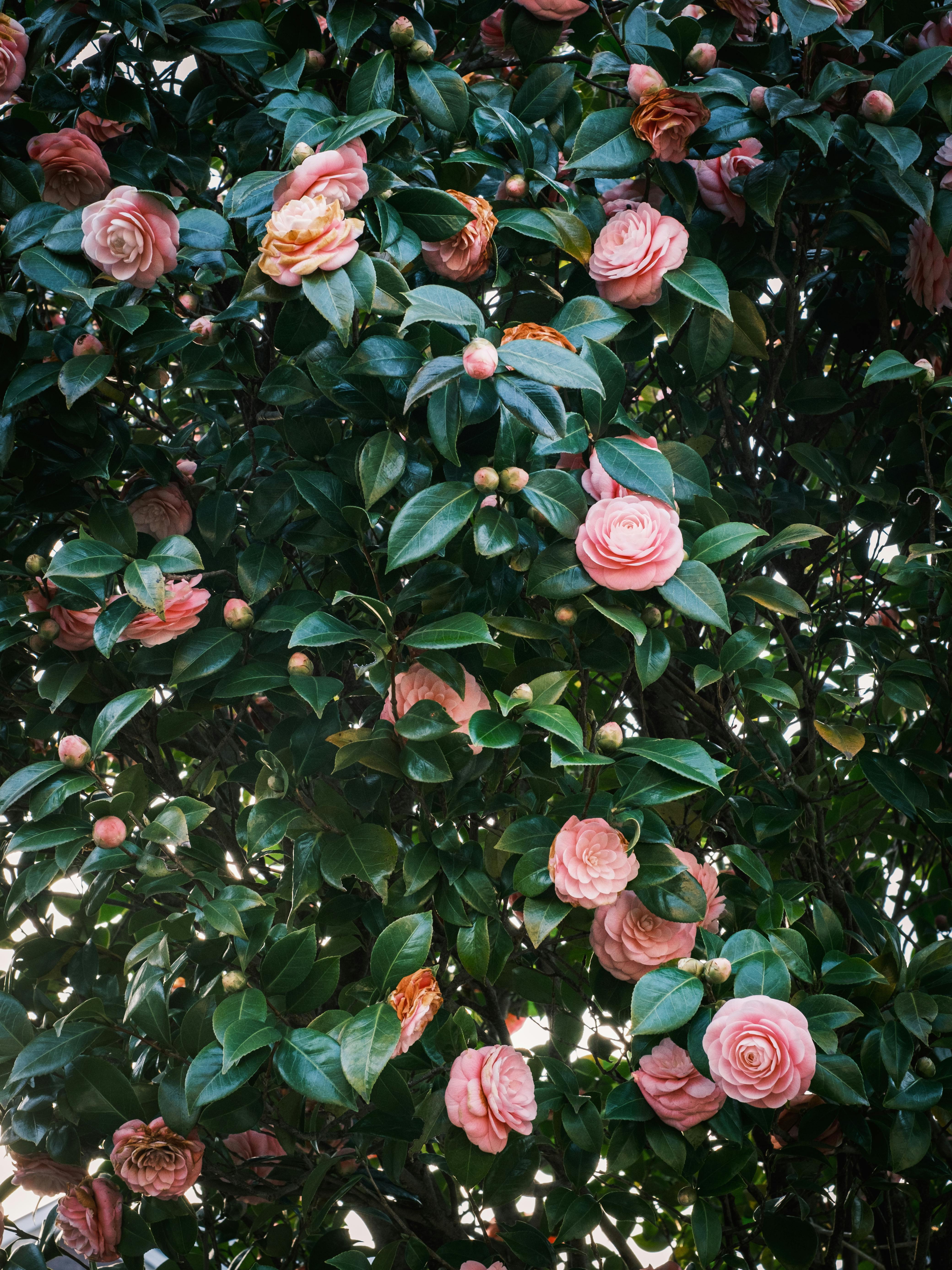
Camellias are one of those plants that just make a yard look put-together without much effort on your part. They grow as shrubs or small trees and produce flowers in late fall through early spring — right when most other plants are doing nothing.
They do best in partial shade with well-drained, slightly acidic soil. Hardy in zones 6–10, they stay evergreen year-round, so you’re getting structure and color even in the off-season. Just avoid planting them in spots with harsh afternoon sun.
13.) Mountain Laurel

Mountain laurel is a classic choice for foundation planting, and it earns that reputation. It stays evergreen year-round, so your home’s base always looks neat, even in the middle of winter. It grows well in zones 4–9 and does best in partial shade with well-drained, slightly acidic soil.
Keep in mind it’s slow-growing, so plant it where you want it long-term. It also needs very little pruning, which makes it pretty low-maintenance once it gets settled in.
14.) Pieris Japonica
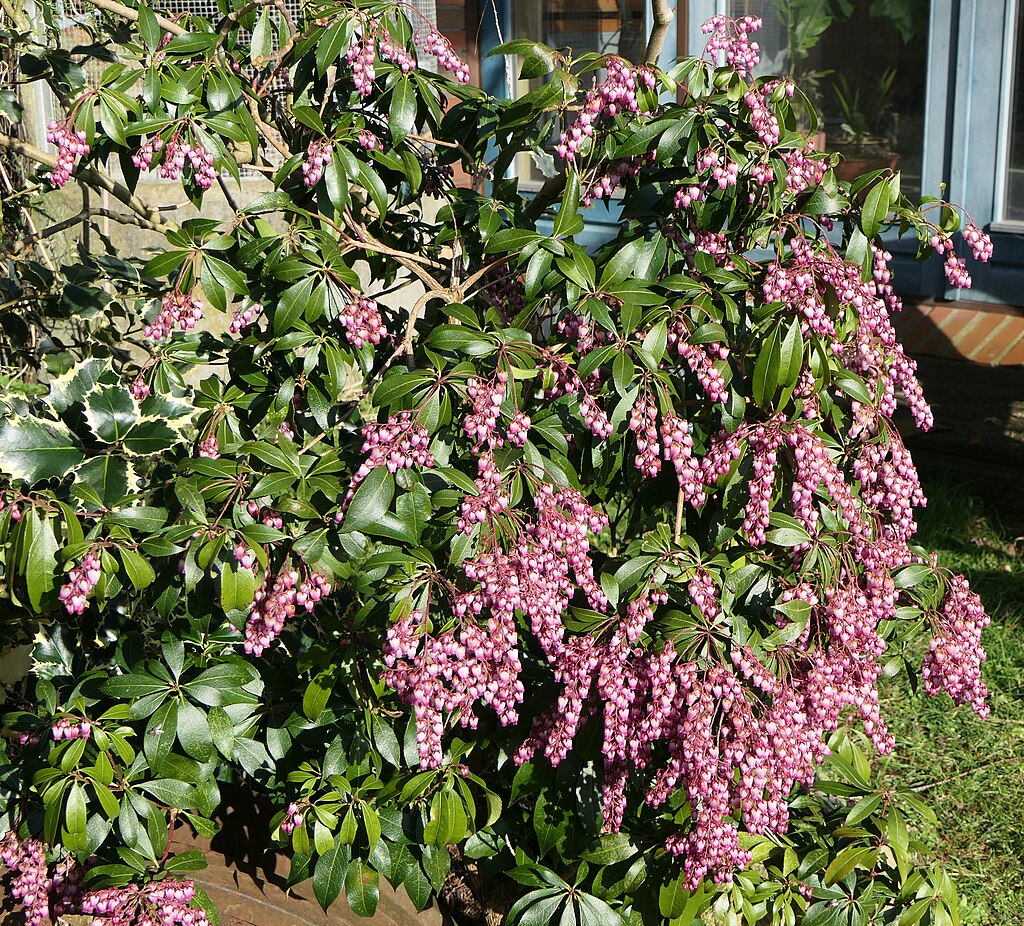
Pieris Japonica, also called Andromeda, is a classic evergreen shrub that works beautifully along house foundations. It stays tidy and full year-round, which is exactly what you want when you’re trying to frame a home nicely.
It grows best in partial shade with acidic, well-drained soil and thrives in hardiness zones 5–8. Keep it away from harsh afternoon sun to prevent leaf scorch. It’s low-maintenance once established, making it a solid choice for a polished, put-together look without much effort.
15.) Inkberry

Inkberry is a native shrub that works really well along the base of your home or as a border plant. It stays green all year, which gives your garden some structure even in the middle of winter when everything else looks bare.
It grows best in zones 5–9 and actually does well in wet or shady spots where other plants struggle. Keep it trimmed to maintain a neat shape, and pair it with lighter-colored plants to help it stand out.
16.) Weigela

Weigela is a flowering shrub that really earns its spot along a foundation. It blooms in late spring with clusters of tubular flowers in shades of pink, red, or white, and the foliage stays interesting all season long.
It grows well in zones 4–8, likes full sun to partial shade, and doesn’t need much fuss once it’s established. Just give it a light trim after blooming to keep the shape tidy and encourage fresh growth the following year.
17.) Forsythia

Forsythia is one of those shrubs that earns its spot in the yard early — it blooms bright yellow in late winter or early spring before most other plants even wake up. It grows fast, handles a good amount of neglect, and works well in zones 5–8.
Plant it along a fence or property edge where it can spread out. It gets big, so give it space. After it blooms, trim it back to keep things tidy and encourage better flowering next year.
18.) Euonymus

Euonymus is a shrub that works really well along the base of a house because it stays tidy and grows at a manageable pace. It comes in both evergreen and deciduous types, so you can pick what fits your space best.
It grows in zones 4–9 and handles sun or partial shade without much fuss. Just keep an eye out for scale insects, which can be a common problem. A light trim once or twice a year keeps it looking neat and full.