You know that shady spot under your big oak or maple where grass just won’t grow? Yeah, I’ve been there too. For the longest time, I thought that area was doomed to stay bare and sad-looking. But here’s the thing—plenty of plants actually love growing in the shade of trees. They don’t mind the dry soil or limited sunlight at all. Ready to fill in those tricky spots? Let’s talk about some options that really work.
Hostas

Hostas are a solid choice for shady spots under trees where most plants refuse to cooperate. These leafy perennials come in different sizes and shades of green, blue, and variegated patterns, so you can mix and match them without much fuss. They grow well in zones 3-9 and actually prefer shade, making them perfect companions for tree roots. Water them regularly during dry spells, and they’ll fill in bare patches year after year. Deer love munching on hostas, though, so you might need to use repellent if they’re common in your area. Divide clumps every few years to keep them healthy.
Bleeding Heart

Bleeding Heart brings those distinctive heart-shaped flowers to shady spots where most plants struggle. The drooping blooms hang from arching stems and come in pink, white, or red, appearing from spring through early summer. Growing best in zones 3-9, this perennial likes the cool, moist soil you’ll find under deciduous trees. Plant it where it gets dappled shade and keep the soil consistently damp but not waterlogged. The foliage typically dies back by midsummer, especially in warmer areas, so pair it with hostas or ferns that’ll fill in the space later. Space plants about 24-30 inches apart to let them spread naturally.
Japanese Forest Grass

Japanese Forest Grass brings a graceful, flowing look to shady spots with its arching, bamboo-like leaves. The foliage comes in chartreuse or variegated patterns that brighten up dark corners without needing much sun. It grows well in hardiness zones 5-9 and prefers consistent moisture, though it won’t tolerate soggy soil. Reaching about 12-18 inches tall, it works great as a groundcover or border plant under trees. The grass stays semi-evergreen in warmer climates and requires minimal fussing—just trim back any dead foliage in early spring before new growth starts. It pairs nicely with hostas and ferns.
Liriope

Liriope, also called monkey grass or lilyturf, handles the tough conditions under trees like a champ. These evergreen perennials form neat clumps of grass-like foliage and send up purple or white flower spikes in late summer. They’ll grow in zones 5-10 and don’t mind dry shade once established, which makes them perfect for those difficult spots where tree roots hog all the moisture. Space them about 12 inches apart for good coverage. They need minimal care—just trim back the old foliage in early spring before new growth appears. Deer usually leave them alone too.
Coral Bells

Coral Bells bring year-round color to those tricky spots under trees with their eye-catching foliage in shades of purple, amber, lime green, and burgundy. These compact perennials grow 8-18 inches tall and handle shade like champs, making them perfect for dry, root-filled areas where other plants struggle. They’re hardy in zones 4-9 and prefer well-draining soil with occasional water once established. The bell-shaped flowers that appear in late spring are a nice bonus, but the real star is the foliage that holds its color from spring through fall. Divide them every few years to keep plants healthy and vigorous.
Impatiens

Impatiens are a reliable go-to when you need something to brighten up those shady spots under your trees. These annuals bloom continuously from spring until the first frost, producing flowers in pink, red, white, orange, and purple. They prefer partial to full shade and moist, well-draining soil—perfect for those areas where grass struggles to grow. Water them regularly since they’ll wilt quickly in dry conditions, but they bounce back fast once watered. Impatiens grow about 6-18 inches tall depending on the variety, making them ideal for filling in bare ground or planting in containers beneath tree canopies.
Ferns

Ferns are your go-to option when you need reliable ground cover beneath trees. They handle low light like champs and actually prefer the dappled shade that tree canopies provide. Most ferns do well in zones 3-9, depending on the variety. The key to keeping them happy is consistent moisture—they don’t like to dry out completely. Add some organic matter to your soil before planting, and they’ll settle in nicely. Native varieties like lady fern or Christmas fern work especially well since they’re already adapted to woodland conditions. They’ll spread gradually to fill bare spots without being aggressive.
Lungwort

Lungwort gets its unusual name from its spotted leaves that supposedly look like lungs, but don’t let that weird origin story scare you off. These low-growing perennials produce clusters of pink and blue flowers in early spring, often blooming before many other shade plants wake up. They handle dry shade pretty well once established, which makes them great for those difficult spots under mature trees. Hardy in zones 4-8, lungwort prefers consistent moisture but isn’t too fussy about soil. The speckled foliage looks interesting all season long, giving you color even after the flowers fade.
Brunnera

Brunnera brings charming blue flowers to shady spots under trees in mid to late spring. Often called Siberian bugloss, it features heart-shaped leaves that stay attractive all season long. The variegated varieties add extra interest with silver or cream markings on their foliage. Plant it in moist, well-draining soil where it gets partial to full shade—direct sunlight can scorch the leaves. Hardy in zones 3-8, brunnera spreads slowly to form a nice ground cover without being aggressive. Water regularly during dry spells, and you’ll have a reliable performer that comes back year after year with minimal fussing.
Solomon’s Seal

Solomon’s Seal makes a reliable choice for those tricky spots beneath mature trees where most plants struggle. You’ll notice its arching stems and pairs of oval leaves that create a pleasant woodland look from spring through fall. White, bell-shaped flowers dangle underneath the stems in late spring, though they’re not showy. It grows best in zones 3-8 and actually prefers the shade and dry soil that tree roots create. Once established, it needs little water or attention. The plant spreads slowly through rhizomes, eventually forming nice colonies without becoming aggressive. Deer tend to leave it alone too.
Epimedium

Epimedium, also called barrenwort, grows happily in the dry shade under trees where most plants struggle. These low-growing perennials spread slowly to form a neat ground cover, reaching about 8 to 12 inches tall. You’ll get small flowers in spring that look like little stars in shades of pink, yellow, white, or purple, depending on the variety. The heart-shaped leaves stay attractive all season long. Hardy in zones 4 through 9, epimedium needs minimal care once established—just trim back old foliage in early spring before new growth appears. It tolerates competition from tree roots better than most shade plants.
Ajuga

Ajuga, also called bugleweed, spreads quickly to form a thick carpet under trees where grass struggles to grow. The plant produces small blue, purple, or white flower spikes in spring, and its glossy foliage sticks around year-round in most climates. It handles dry shade pretty well once established, though it prefers some moisture. Hardy in zones 3-9, ajuga works great for preventing weeds and filling in bare spots. You’ll want to keep an eye on it since it can creep into areas where you don’t want it. The bronze and variegated varieties add interesting color to shady spots.
Lamium
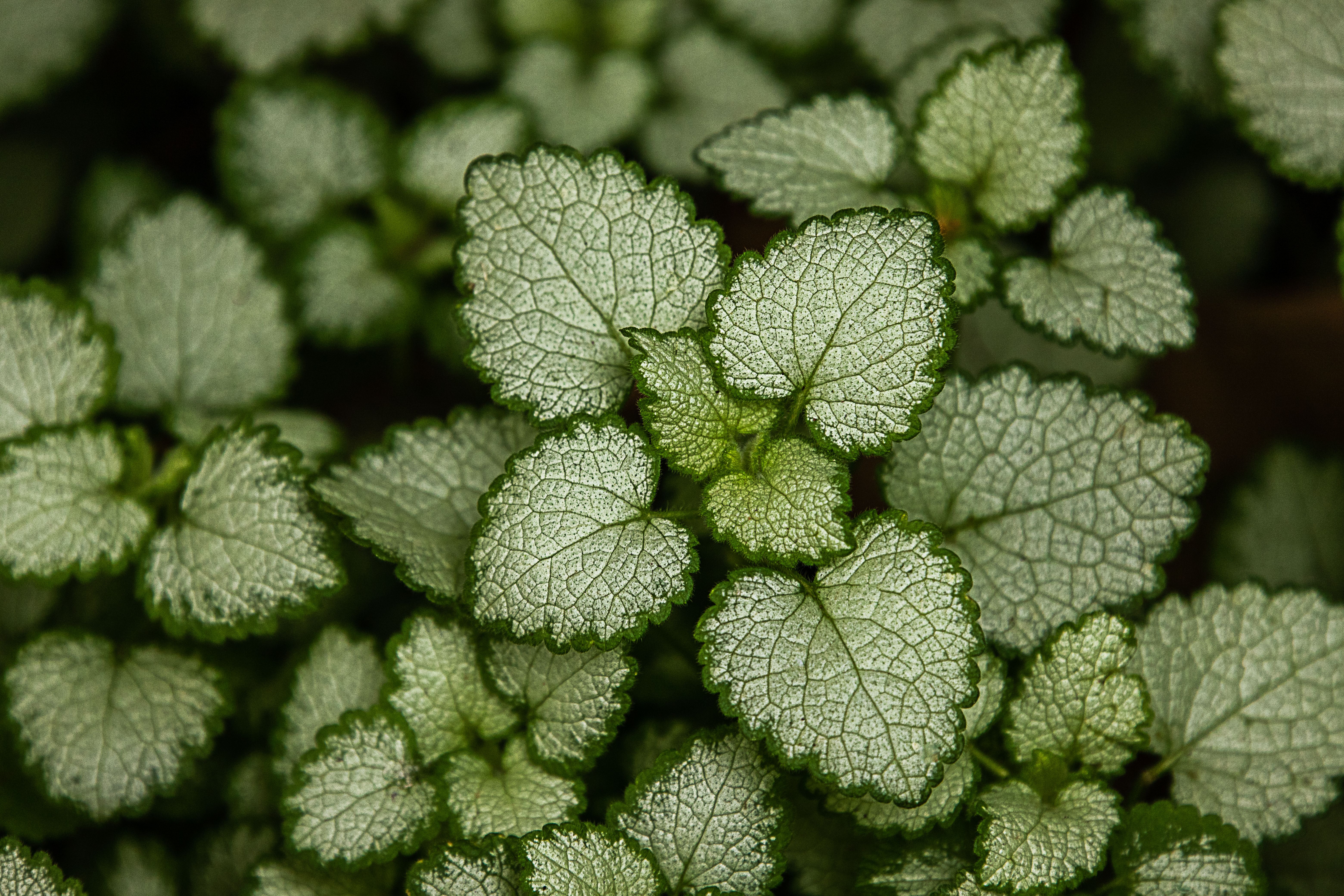
Lamium, also called dead nettle, works well in those tricky spots under trees where most plants give up. The silvery leaves with green edges brighten up shady areas, and the small purple, pink, or white flowers show up in spring and early summer. It spreads to form a ground cover without being too aggressive, making it useful for filling in bare patches. Lamium grows best in zones 3-8 and likes moist soil, though it handles dry shade once established. Trim it back after flowering if it starts looking messy, and divide clumps every few years to keep them healthy.
Hellebores

Hellebores are early bloomers that bring flowers to your shady spots when not much else is growing. These evergreen perennials handle the dry shade under trees better than most plants, and they’ll come back year after year without much fuss. They bloom from late winter through spring in zones 4-9, often pushing through snow. Once established, they’re pretty drought-tolerant and deer tend to leave them alone. Plant them in fall or early spring, give them some compost, and they’ll slowly spread into nice clumps. The flowers come in whites, pinks, purples, and greens, and they last for weeks.
Tiarella

Foamflower, as Tiarella is commonly known, works well in those tricky shaded spots beneath trees where many plants struggle. These woodland natives produce clusters of small white or pink flowers on tall stems in spring, sitting above heart-shaped leaves that often have interesting maroon patterns. They spread slowly to form a nice groundcover without becoming aggressive. Plant them in Zones 3-8 where they’ll tolerate dry shade once established, though they prefer consistently moist soil with plenty of organic matter. The foliage stays semi-evergreen in milder climates, giving you year-round interest. They rarely need dividing and deer typically leave them alone.
Wild Ginger

Wild Ginger creates a thick carpet of heart-shaped leaves that works well in the deep shade beneath mature trees. The plant spreads slowly through underground rhizomes, making it a good ground cover for areas where grass won’t grow. It’s hardy in zones 4-8 and prefers moist, rich soil with plenty of organic matter. The flowers are small and hide under the leaves, so you grow this one mainly for its foliage. Once established, Wild Ginger needs little care beyond occasional watering during dry spells. It’s also deer-resistant, which is a plus if you have these visitors in your yard.
Pachysandra

Pachysandra is a reliable groundcover that spreads steadily under trees where grass struggles to grow. It forms a thick carpet of glossy green leaves that stays green most of the year, making it a practical choice for filling bare spots in shady areas. Hardy in zones 4-9, it needs minimal care once established—just water it during dry spells in its first year. Pachysandra grows about 6-12 inches tall and spreads through underground runners, so give it room to expand. It tolerates dense shade and handles tree root competition better than most plants, though it prefers slightly acidic soil with decent drainage.