Look, I love filling my home with greenery as much as the next plant person, but here’s something I learned the hard way: not every pretty plant is safe for our four-legged friends.
If you’ve got a curious pup who likes to nibble on leaves or knock over pots, you’ll want to know which houseplants could make them sick. Some of the most popular indoor plants can actually be toxic to dogs, so let’s talk about what to watch out for.
Sago Palm
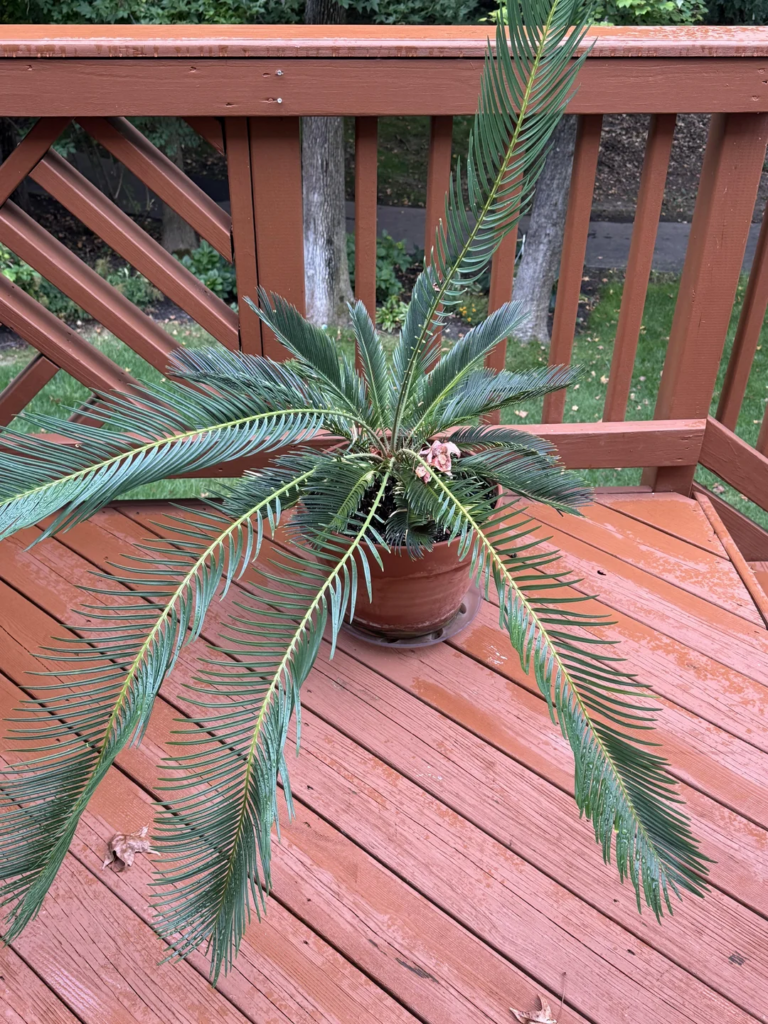
The Sago Palm isn’t actually a palm at all—it’s an ancient cycad that’s been around since dinosaur times. While it looks pretty cool with its feathery, arching fronds, every part of this plant is dangerous for dogs, especially the seeds.
Just a small amount can cause serious liver damage. If you decide to keep one anyway, place it somewhere your pup absolutely can’t reach. Sago Palms prefer bright, indirect light and well-draining soil.
They’re slow growers and don’t need much water—let the soil dry out between waterings. They thrive in zones 9-11 outdoors but work as houseplants anywhere.
Dieffenbachia
Dieffenbachia, also called dumb cane, features large green leaves with creamy white or yellow patterns that make it a popular choice for indoor spaces. While it grows well in low to medium light and tolerates some neglect, every part of this plant contains calcium oxalate crystals that are poisonous to dogs.
If your pup chews on the leaves, it can cause intense mouth pain, drooling, and swelling that may interfere with breathing. Keep this tropical plant on high shelves or in rooms your dog can’t access. Water when the top inch of soil feels dry, and it’ll thrive in normal household temperatures.
Philodendron
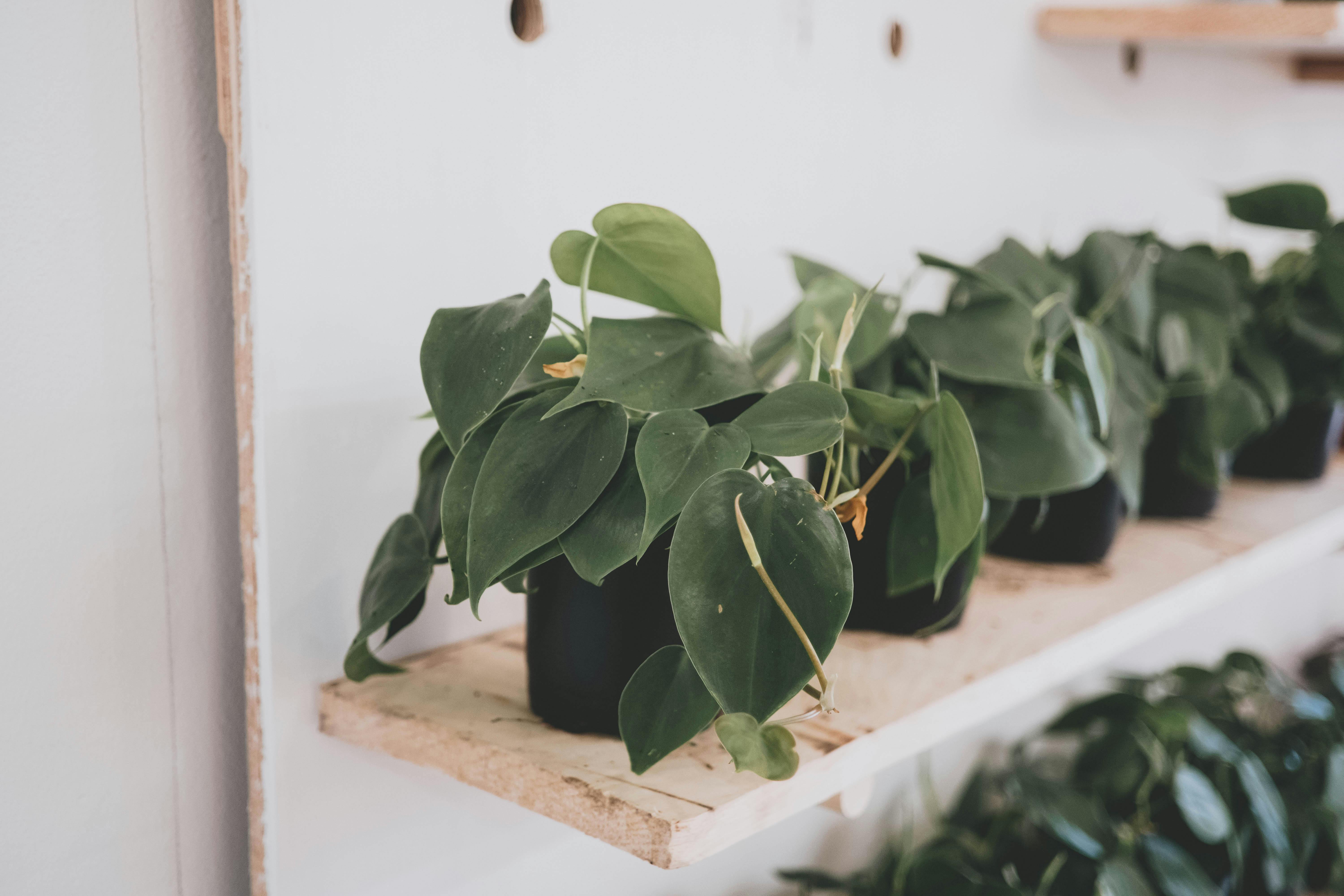
Philodendrons are popular houseplants with glossy, heart-shaped leaves that climb or trail depending on the variety. They’re easy to grow in bright, indirect light and tolerate lower light conditions better than many other plants.
Water when the top inch of soil feels dry, usually once a week. These tropical plants prefer temperatures between 65-80°F and appreciate occasional misting to boost humidity.
While they’re forgiving and low-maintenance for plant owners, philodendrons contain calcium oxalate crystals that cause mouth irritation, drooling, and digestive upset in dogs if chewed or eaten. Keep them on high shelves or in hanging planters away from curious pets.
Pothos

Pothos is one of those plants you’ll see trailing from hanging baskets in just about every plant lover’s home. It grows fast and tolerates low light, making it perfect for darker corners or offices with minimal windows.
The heart-shaped leaves come in green or variegated patterns with yellow or white streaks. Water it when the soil feels dry, and it’ll pretty much take care of itself.
While it’s incredibly easy to care for, keep it away from your dog—the calcium oxalate crystals in the leaves cause mouth irritation, drooling, and stomach upset if chewed or swallowed.
English Ivy
English Ivy is one of those classic trailing plants you’ll see in hanging baskets and climbing up walls in many homes.
It grows well in indirect light and prefers cooler temperatures, making it pretty easy to care for indoors. The glossy leaves come in solid green or variegated patterns, and the vines can get quite long if you let them grow.
While it looks nice draping from shelves or pots, every part of this plant is toxic to dogs. If your pup chews on the leaves or stems, they might experience vomiting, diarrhea, drooling, or stomach pain. Keep it completely out of reach if you have curious dogs around.
Peace Lily
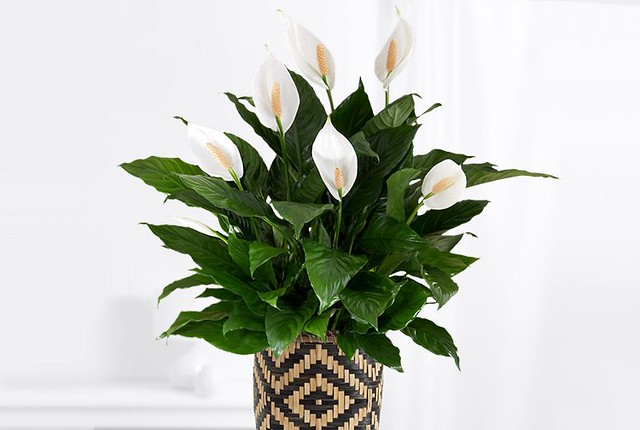
Peace lilies are popular houseplants with dark green leaves and white spoon-shaped flowers that bloom throughout the year. They’re pretty forgiving if you forget to water them occasionally—the leaves will droop to let you know they’re thirsty, then perk right back up after a drink.
These plants do well in low to medium light and prefer temperatures between 65-80°F. While they look harmless, peace lilies contain calcium oxalate crystals that can cause mouth irritation, drooling, vomiting, and difficulty swallowing in dogs if chewed or eaten. Keep them on high shelves or in rooms your pup doesn’t access.
Caladium

Caladiums bring tropical flair to your indoor space with their large, colorful leaves marked by striking patterns of pink, red, white, and green. These plants prefer warm temperatures between 70-85°F and need high humidity to really do their best.
Keep them in bright, indirect light and water when the top inch of soil feels dry. While they’re gorgeous to look at, all parts of caladiums contain calcium oxalate crystals that can cause serious mouth irritation, drooling, and swallowing difficulties in dogs.
The tubers are especially dangerous if your pup decides to dig them up. During winter, caladiums naturally go dormant, so don’t worry when the leaves die back—they’ll return in spring.
Oleander
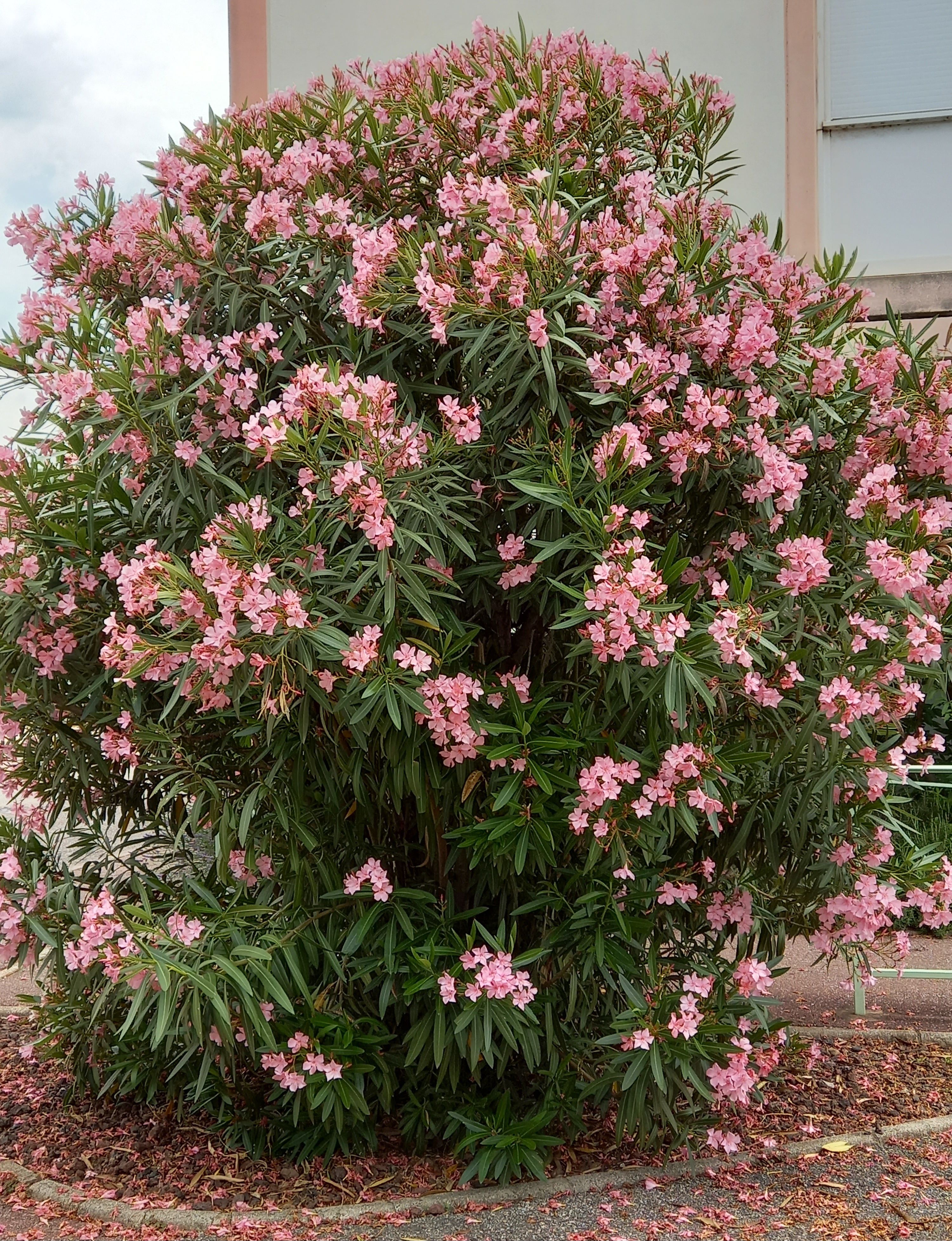
Oleander is a flowering shrub that grows well in warm climates and can be kept as a houseplant if you have enough bright light. It produces clusters of pink, white, red, or yellow blooms and has narrow, leathery leaves.
While it’s pretty to look at, every part of this plant is seriously poisonous to dogs—the leaves, flowers, stems, and even the water from the vase. Oleander thrives in zones 8-11 outdoors and needs at least six hours of sunlight daily.
Water it regularly but let the soil dry out between waterings. If you have curious pets, skip this one entirely.
Cyclamen

Cyclamen brings cheerful blooms to your indoor space during fall and winter when most other plants go dormant. These Mediterranean natives produce distinctive swept-back flowers in shades of pink, red, white, and purple above heart-shaped leaves.
They prefer cool rooms (around 60-65°F) and bright, indirect light. Water from below to keep the tuber dry, and let the soil dry slightly between waterings. While they’re pretty to look at, all parts of cyclamen contain toxic compounds that can cause drooling, vomiting, and diarrhea in dogs if ingested.
The roots are especially dangerous, so keep these plants well out of your pup’s reach on high shelves or in rooms they can’t access.
Kalanchoe
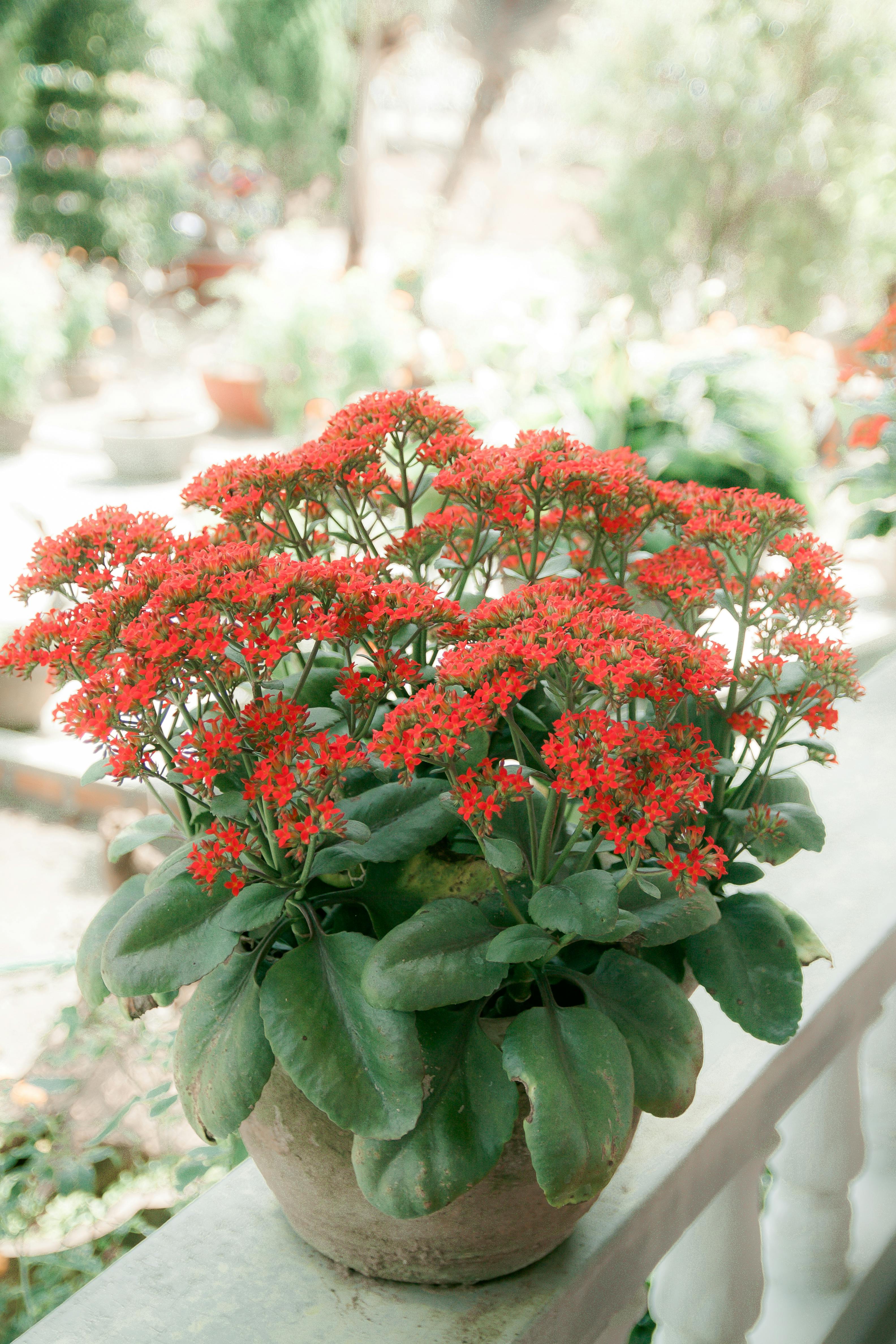
Kalanchoe plants are popular succulents known for their clusters of small, colorful blooms and thick, waxy leaves. They’re easy to care for and can flower for weeks at a time, making them a common choice for windowsills and tabletops.
These plants prefer bright, indirect light and only need watering when the soil dries out completely.
While they’re great for beginners and forgetful waterers, kalanchoe contains cardiac glycosides that can cause vomiting, diarrhea, and heart rhythm problems in dogs if eaten.
The flowers and leaves are both toxic, so keep these plants well out of reach if you have curious pups at home.
Jade Plant

The jade plant is a popular succulent with thick, rounded leaves that look almost rubbery to the touch. While it’s easy to care for and can live for decades, keep it away from curious pups—the leaves contain compounds that can cause vomiting and depression in dogs if ingested.
These plants prefer bright, indirect light and infrequent watering. Let the soil dry out completely between waterings, and use a well-draining cactus mix. They grow slowly but can eventually reach two to three feet tall indoors. Jade plants do best in temperatures between 65-75°F and make great low-maintenance additions to homes without pets.
Azalea

Azaleas bring plenty of color to your home with their clusters of pink, white, red, or purple blooms. These popular flowering plants prefer bright, indirect light and cool temperatures between 60-65°F. Keep the soil consistently moist but not waterlogged, and use acidic potting mix for best results.
They typically bloom in spring and can be moved outdoors once the flowers fade. While they’re lovely to look at, all parts of azaleas contain grayanotoxins that can cause vomiting, diarrhea, drooling, and weakness in dogs. Even small amounts can lead to serious problems, so keep these plants well out of paw’s reach.
Amaryllis

Amaryllis plants put on quite a show during the winter months with their large, trumpet-shaped flowers that sit atop tall, thick stems. These bulbs are popular holiday gifts and bloom in shades of red, pink, white, and orange.
They’re actually pretty easy to care for—just place them in bright, indirect light and water when the soil feels dry. The problem? All parts of the amaryllis contain lycorine and other alkaloids that can make dogs sick.
If your pup chews on the bulb, leaves, or flowers, they might experience vomiting, drooling, diarrhea, and stomach pain. The bulb is the most dangerous part, so keep these plants well out of reach.
Chrysanthemum

Chrysanthemums, or “mums,” are popular fall flowers that many people bring indoors as potted plants. They come in lots of colors like yellow, pink, white, and burgundy, and they’re easy to find at garden centers and grocery stores.
While they brighten up your home, mums contain compounds that can make dogs sick if eaten, causing drooling, vomiting, and diarrhea. These plants prefer bright, indirect light and need regular watering to keep the soil moist but not soggy.
If you have a curious pup who likes to nibble on plants, it’s better to keep mums outside on your porch where your dog can’t reach them.
Dracaena
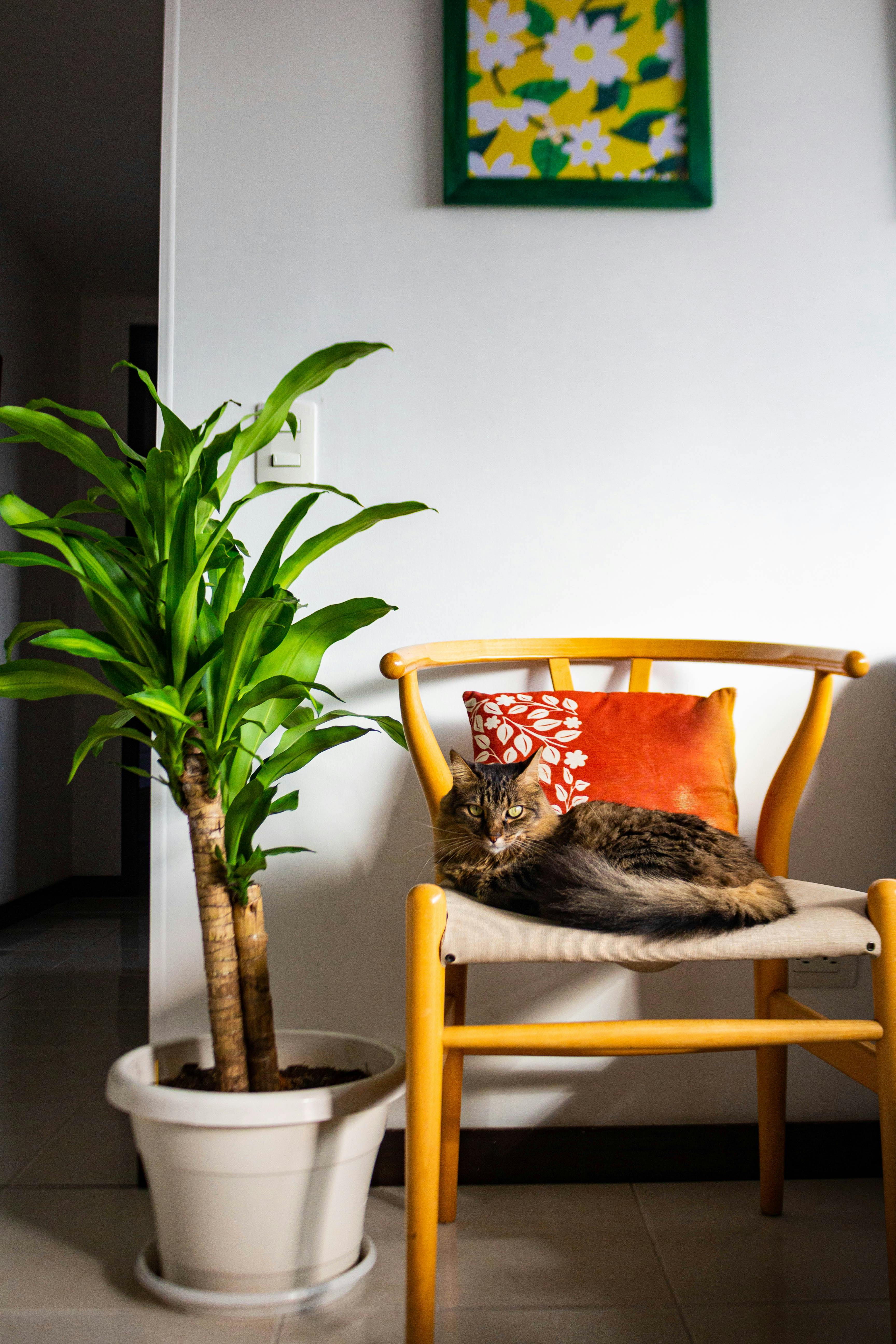
Dracaena brings a tropical look to any room with its long, sword-like leaves that grow in a fountain pattern. These popular houseplants come in several varieties, including the corn plant and dragon tree. They do well in low to medium light and only need watering when the top inch of soil feels dry.
Dracaena can grow quite tall indoors, sometimes reaching 6 feet or more. While they’re easy to care for and great at purifying air, keep them away from your dog. The leaves contain saponins that can cause vomiting, drooling, and loss of appetite if your pup takes a bite.
Schefflera

Schefflera, also called the umbrella plant, gets its nickname from its leaves that spread out like the spokes of an umbrella. It’s a common choice for indoor spaces because it grows well in medium to bright indirect light and doesn’t need much fussing over.
Water when the top inch of soil feels dry, and keep it in a spot with temperatures between 60-75°F. The plant contains calcium oxalate crystals that can cause drooling, vomiting, and mouth irritation in dogs if they chew on the leaves. Keep this tall, bushy plant on a high shelf or in a room where your pup doesn’t hang out.
Aloe Vera
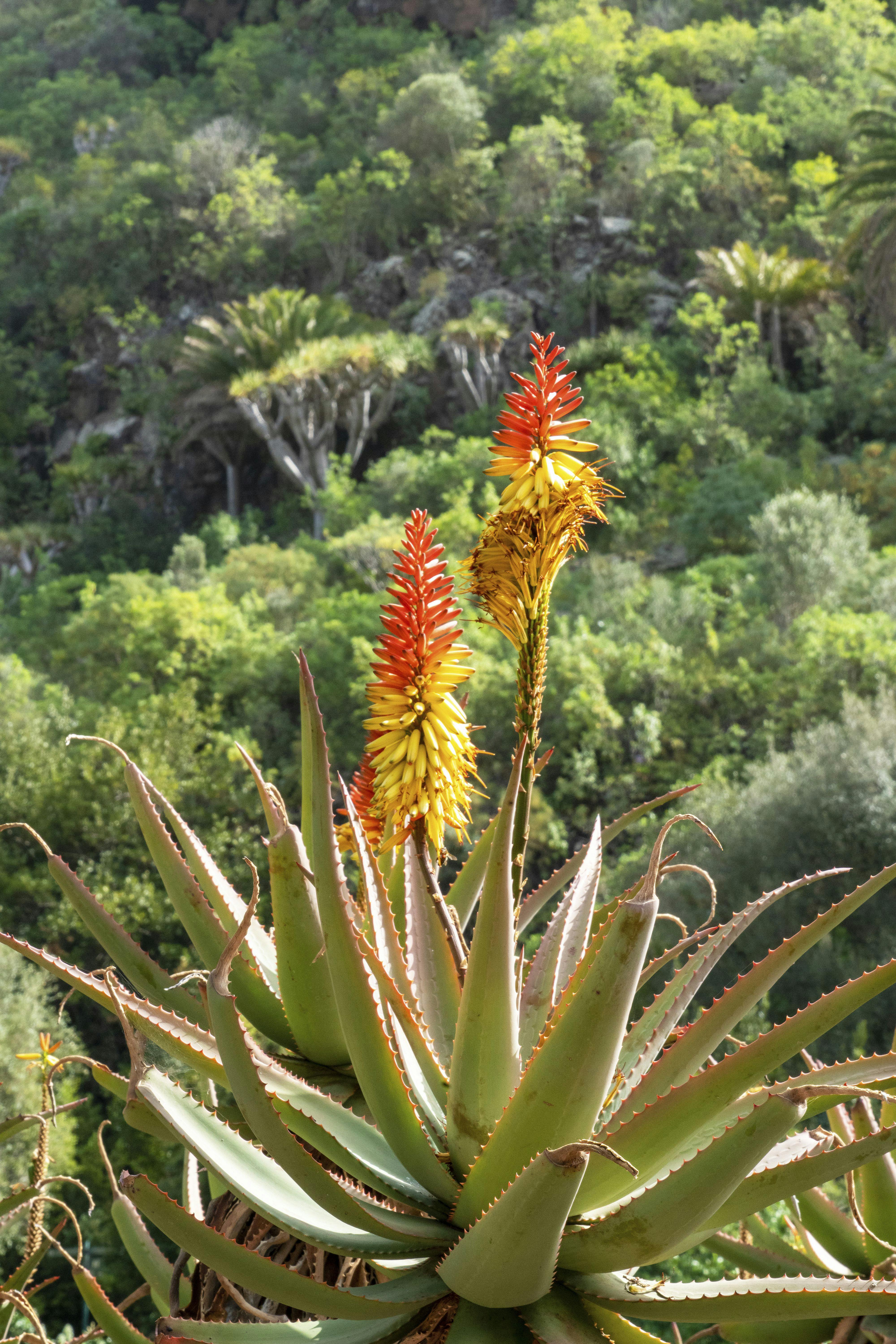
Aloe vera is a popular succulent known for its thick, gel-filled leaves that many people keep around for treating minor burns and skin irritations. While it’s handy to have in your home, the plant contains compounds called saponins that can make dogs sick if they chew on the leaves. You might notice vomiting, diarrhea, or lethargy in your pup after ingestion.
The good news is aloe vera is super easy to grow. Place it in bright, indirect light and water sparingly—only when the soil dries out completely. It thrives in temperatures between 55-80°F and does well in regular potting mix designed for cacti and succulents.
ZZ Plant
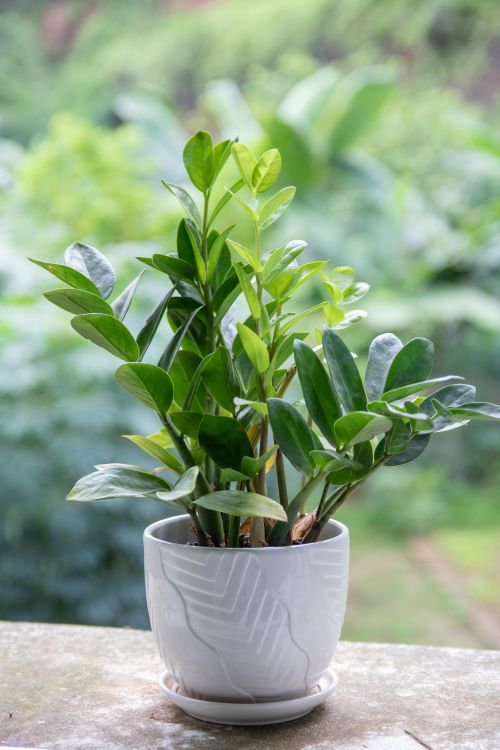
The ZZ plant earns its spot on many “impossible to kill” lists thanks to its tolerance for neglect. Those waxy, dark green leaves can handle low light and irregular watering—perfect if you tend to forget about your plants.
It grows slowly from thick underground rhizomes that store water, so you only need to water when the soil dries out completely. Despite being easy to care for, the ZZ plant contains calcium oxalate crystals throughout its leaves and stems.
If your dog takes a bite, they’ll likely experience mouth irritation, drooling, and stomach upset. Keep this one on a high shelf or in a room your pup can’t access.
Monstera Deliciosa

The Monstera Deliciosa, also called the Swiss cheese plant, brings a tropical feel to any room with its big, split leaves. It grows well in bright, indirect light but can handle lower light conditions too.
Water when the top two inches of soil feel dry, usually once a week. Keep it in a room with temperatures between 65-85°F.
While it’s an easy plant to care for, those dramatic leaves contain calcium oxalate crystals that can make dogs drool excessively, vomit, or have trouble swallowing if they take a bite. Place it on a high shelf or in a room your pup can’t access.