While chemical bug sprays and citronella candles often get top billing for keeping mosquitoes and other pests away from your outdoor space, nature has plenty of plants that pack a serious punch when it comes to bug-repelling power, while also offering an opportunity to ditch the harsh chemicals and create a more natural barrier around your patio.
Easy to grow and maintain, here are 21 of the best plants to add to your garden beds and containers, from fragrant herbs that double as cooking ingredients to flowering options that bugs simply can’t stand.
Citronella Grass
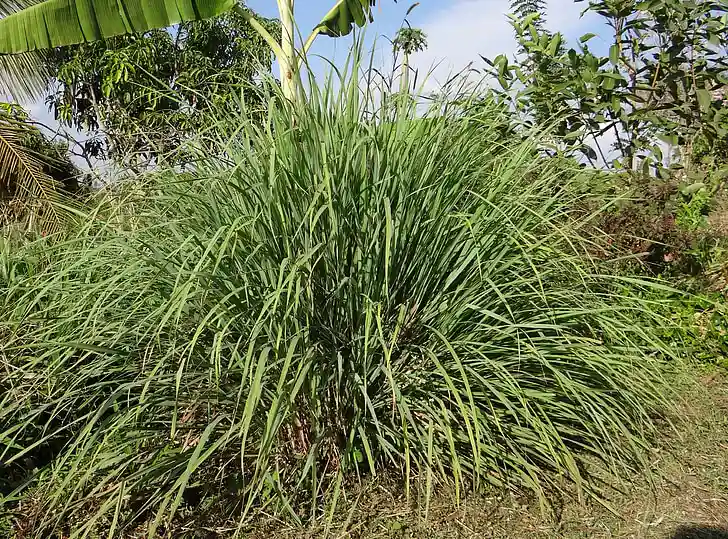
You might know citronella from those waxy candles, but the real plant packs way more punch against mosquitoes. This tall grass grows in thick clumps and releases that familiar lemony scent when you brush against it or crush the leaves. Plant it near your outdoor seating areas where people will naturally walk by and activate its bug-fighting oils. It loves full sun and well-draining soil, plus it’s pretty low-maintenance once established. Hardy in zones 10-12, but you can grow it in pots and bring it indoors during winter in colder areas. The bonus? It makes great tea too.
Lemon Balm
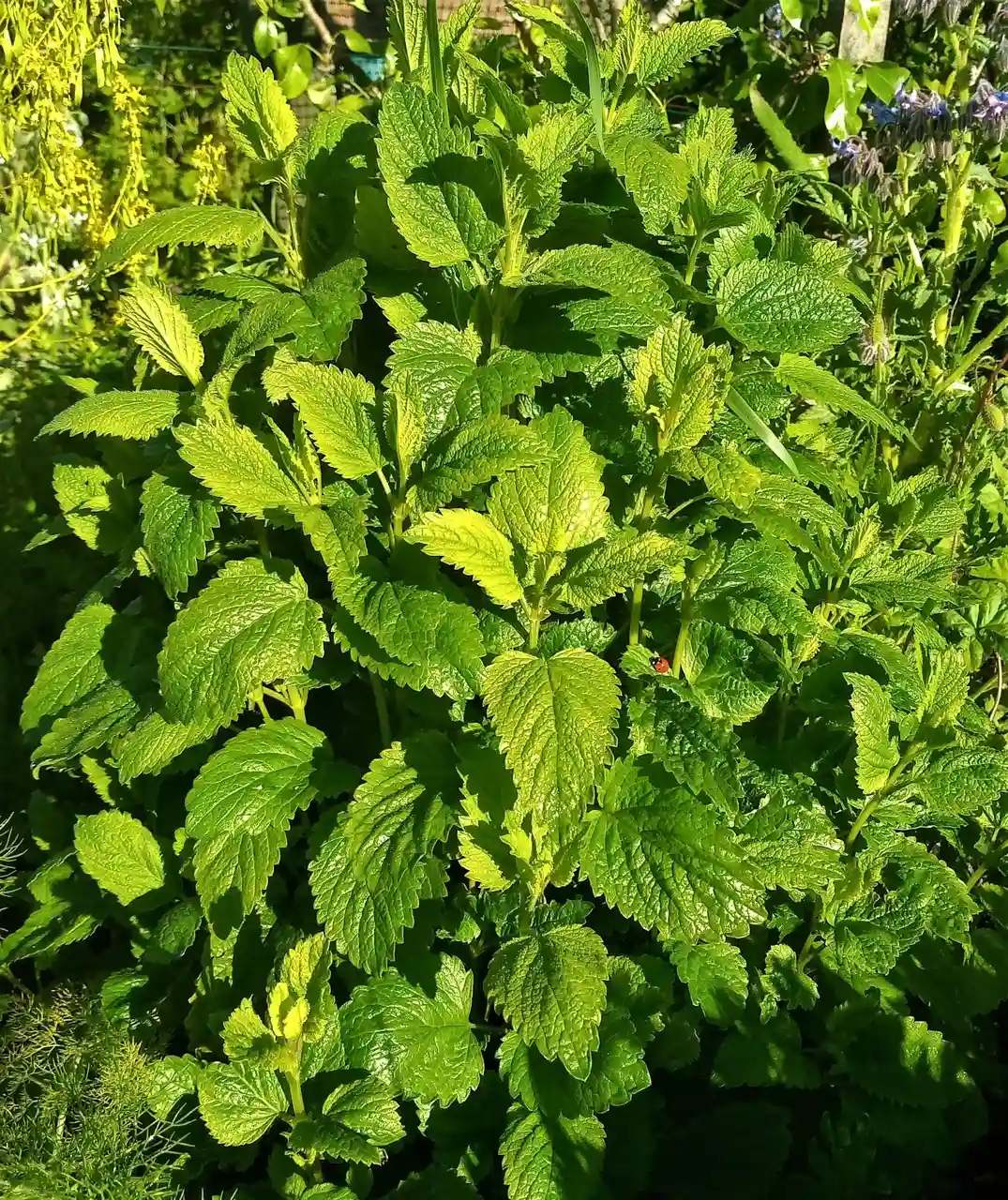
Lemon balm works double duty in your garden since it keeps mosquitoes and other pests away while giving you fresh herbs for tea. You can grow this mint family member in containers or directly in the ground, though be warned—it spreads quickly if you let it. The leaves release their bug-repelling oils when you brush against them, so plant it along walkways or near seating areas where people will naturally touch it. Also keep in mind that lemon balm attracts beneficial insects like bees during flowering season, so you’ll want to trim the flowers if that’s a concern for your space.
Peppermint
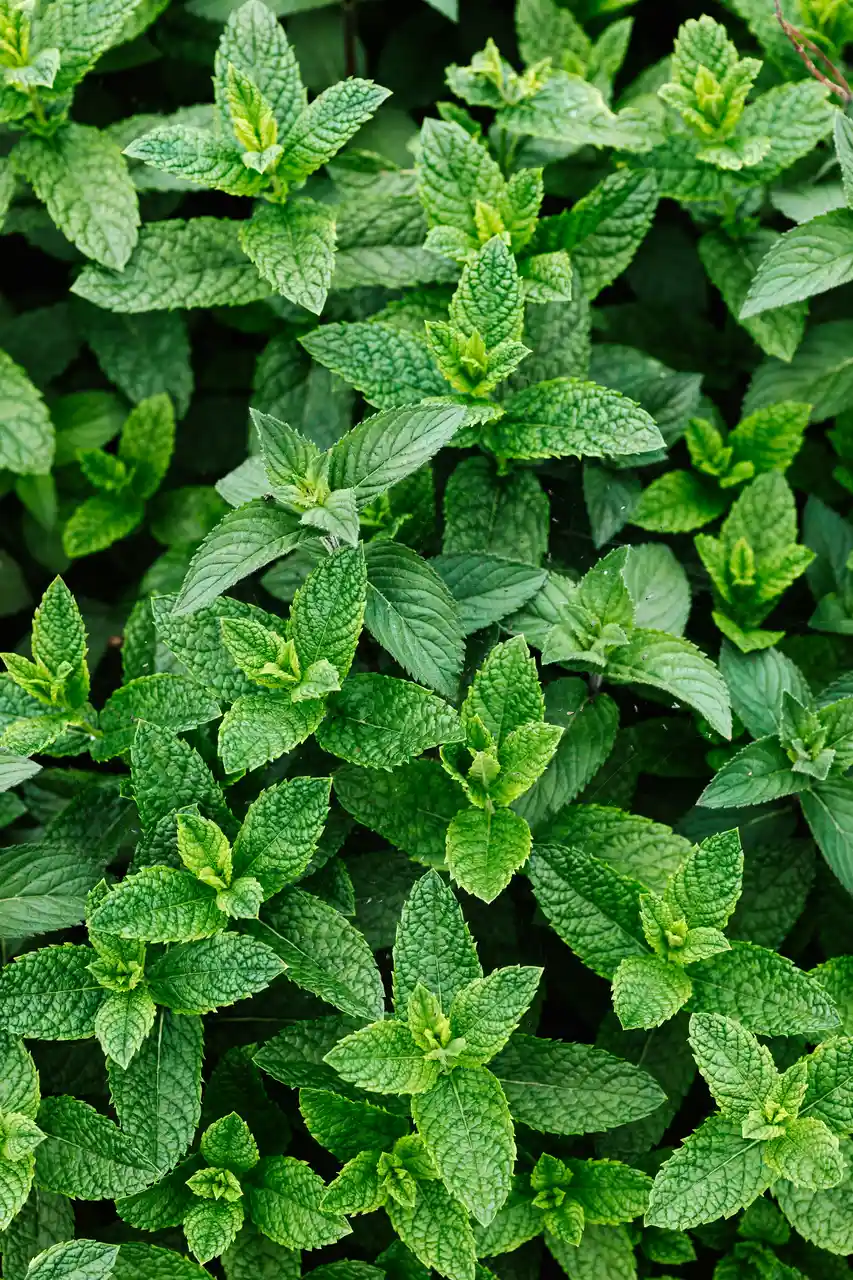
Peppermint might be the most recognizable mint variety, and bugs absolutely hate its strong scent. The serrated leaves release that familiar cooling fragrance whenever you brush against them or crush them between your fingers. Purple flower spikes appear in summer, adding a nice touch to your garden beds or containers. This hardy perennial spreads quickly through underground runners, so consider planting it in pots to keep it contained. Grows well in partial shade with regular watering. Hardy in zones 3-9. The leaves make great tea and can be used fresh in cooking too.
Spearmint
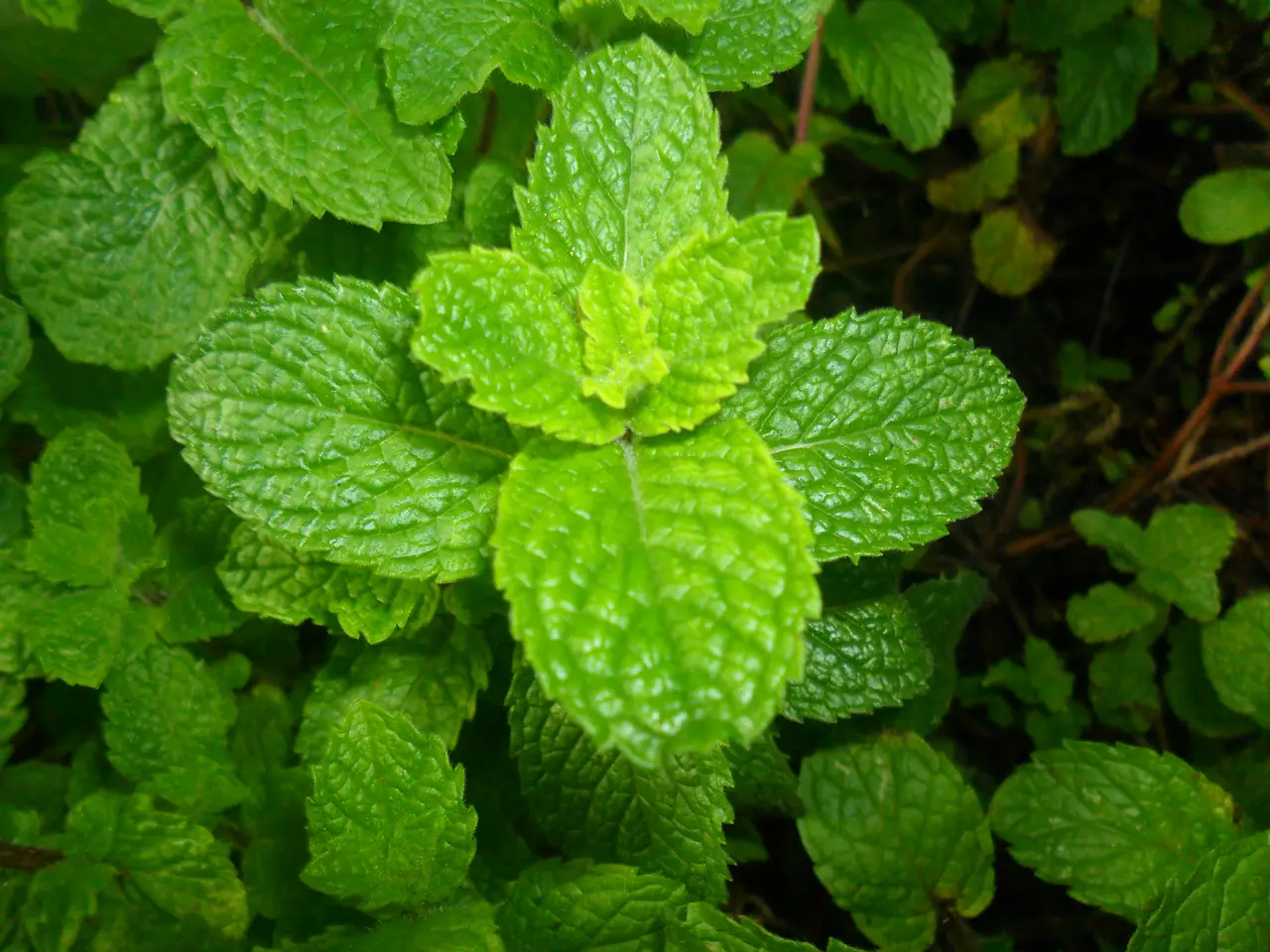
Spearmint’s strong scent naturally keeps mosquitoes, ants, and flies at bay while giving you fresh herbs for your kitchen. This hardy perennial grows quickly in most soil types and spreads readily, so you’ll want to plant it in containers or designated areas to keep it from taking over. The serrated green leaves release their minty fragrance when brushed against, making it perfect for high-traffic areas of your patio. Grows well in partial shade to full sun and needs regular watering. Hardy in zones 3-11. Pinch off flower spikes to encourage leaf growth and stronger scent.
Lavender

Lavender does double duty in your garden by smelling amazing while keeping mosquitoes and other pests at bay. The strong scent that we love actually bothers most flying insects, making it a natural bug deterrent. Plant it in sunny spots with well-draining soil, and it’ll thrive with minimal care. You can also crush the leaves between your fingers and rub them on your skin for extra protection during outdoor activities. Keep in mind that lavender prefers drier conditions, so avoid overwatering—it’s better to let the soil dry out between waterings than to keep it constantly moist.
This is interesting:
Here’s something cool you probably didn’t know: lavender isn’t just pretty to look at, but it actually grows best in poor, rocky soil that would kill most other plants. The ancient Romans used to toss lavender flowers into their baths because they believed it would clean both their bodies and their minds – which is actually where the name comes from since “lavare” means “to wash” in Latin.
Rosemary
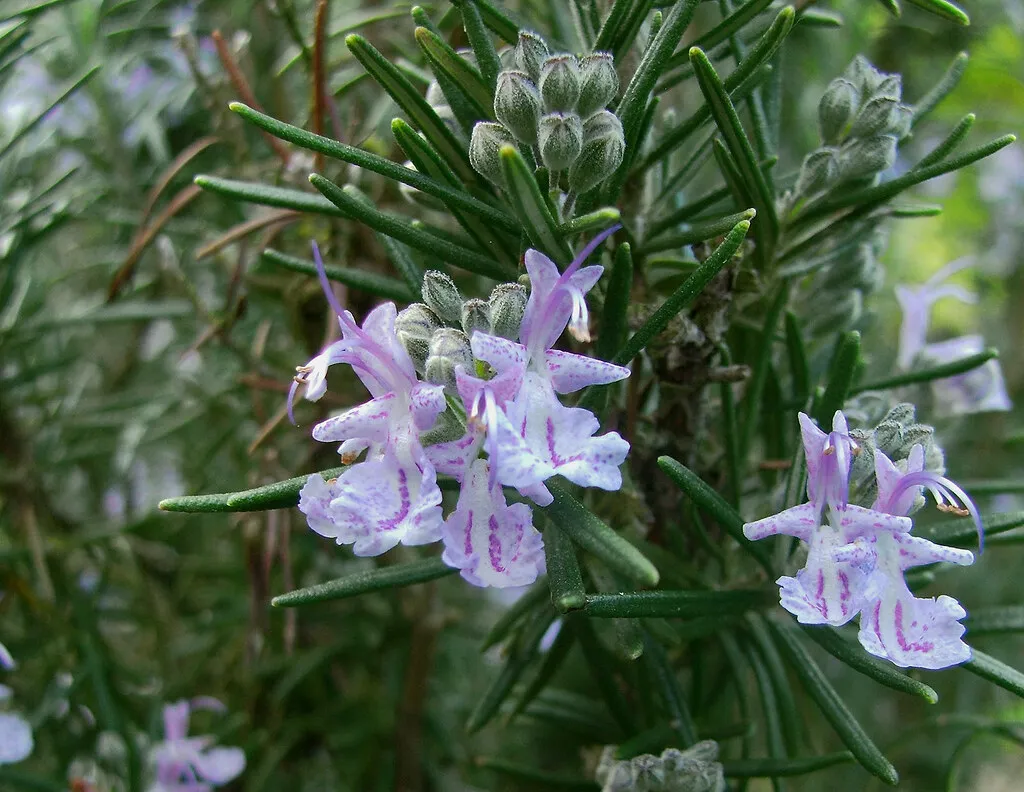
Rosemary does double duty in your garden by keeping mosquitoes and other flying pests away while giving you fresh herbs for cooking. The strong scent that makes this Mediterranean plant so popular in the kitchen is exactly what bugs can’t stand. You can plant rosemary in containers around your patio or directly in garden beds where it’ll come back year after year. Just remember that rosemary loves well-draining soil and plenty of sunshine, so avoid planting it in soggy spots. Plus, you can always snip off a few sprigs for your next roasted chicken dinner.
Basil
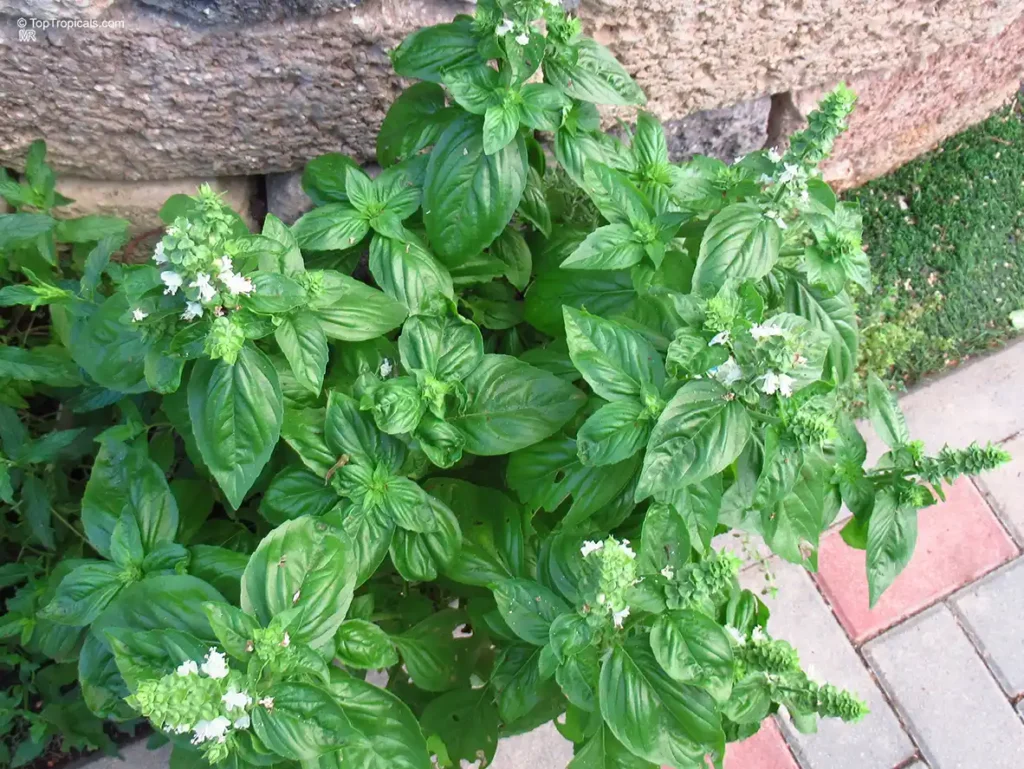
Fresh basil leaves pack a powerful punch when it comes to keeping mosquitoes and flies away from your outdoor space. The strong, aromatic oils that make this herb so perfect for cooking also work as a natural bug deterrent. You can grow basil in containers on your patio or plant it directly in garden beds near seating areas. Pinch the leaves regularly to keep the plant bushy and release more of those pest-fighting oils into the air. Popular varieties include sweet basil, lemon basil, and purple ruffles basil. Hardy in zones 4-10.
Lemongrass

Lemongrass grows in tall, grass-like clumps that can reach up to four feet high. The long, narrow leaves smell strongly of citrus when you brush against them or crush them between your fingers. This tropical plant loves warm weather and full sun, though it can handle some shade. You can grow it in containers if you live in a cold climate and bring it indoors during winter. The citrusy scent that makes it perfect for cooking also keeps mosquitoes and other flying insects away from your outdoor space. Hardy in zones 9-11, but works as an annual elsewhere.
Catnip
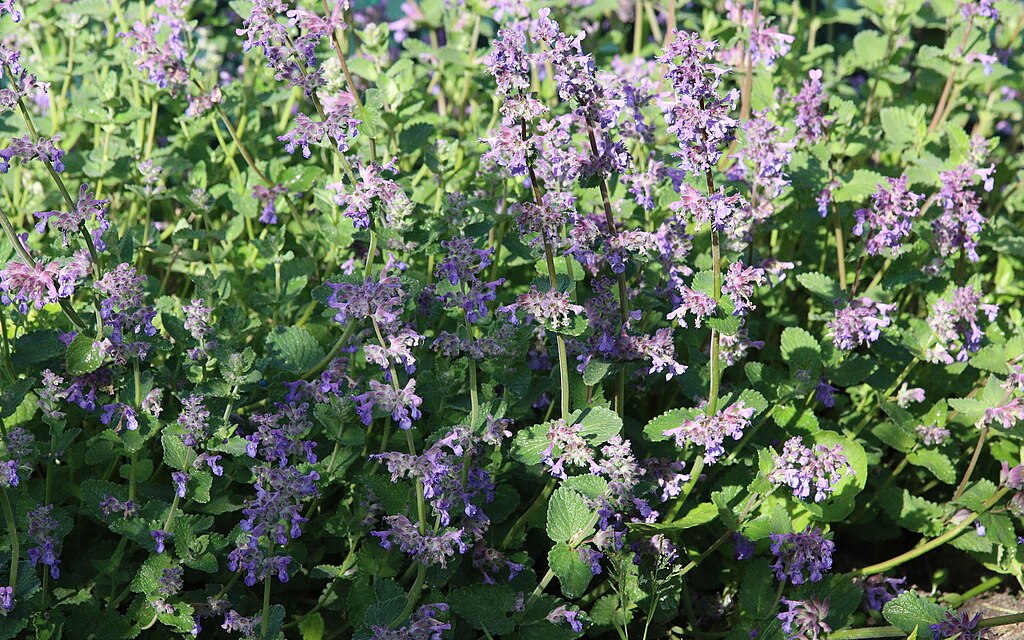
Catnip isn’t just for making your furry friends go crazy—it’s actually one of the most effective natural bug repellents you can grow. The plant contains a compound called nepetalactone that mosquitoes absolutely hate, and studies show it works even better than some commercial repellents. You can crush the leaves and rub them directly on your skin, or simply plant it around your patio seating area. Just keep in mind that if you have cats, they’ll probably roll around in your catnip patch and might damage the plants, so consider placing it in a spot where they can’t reach it easily.
Marigolds
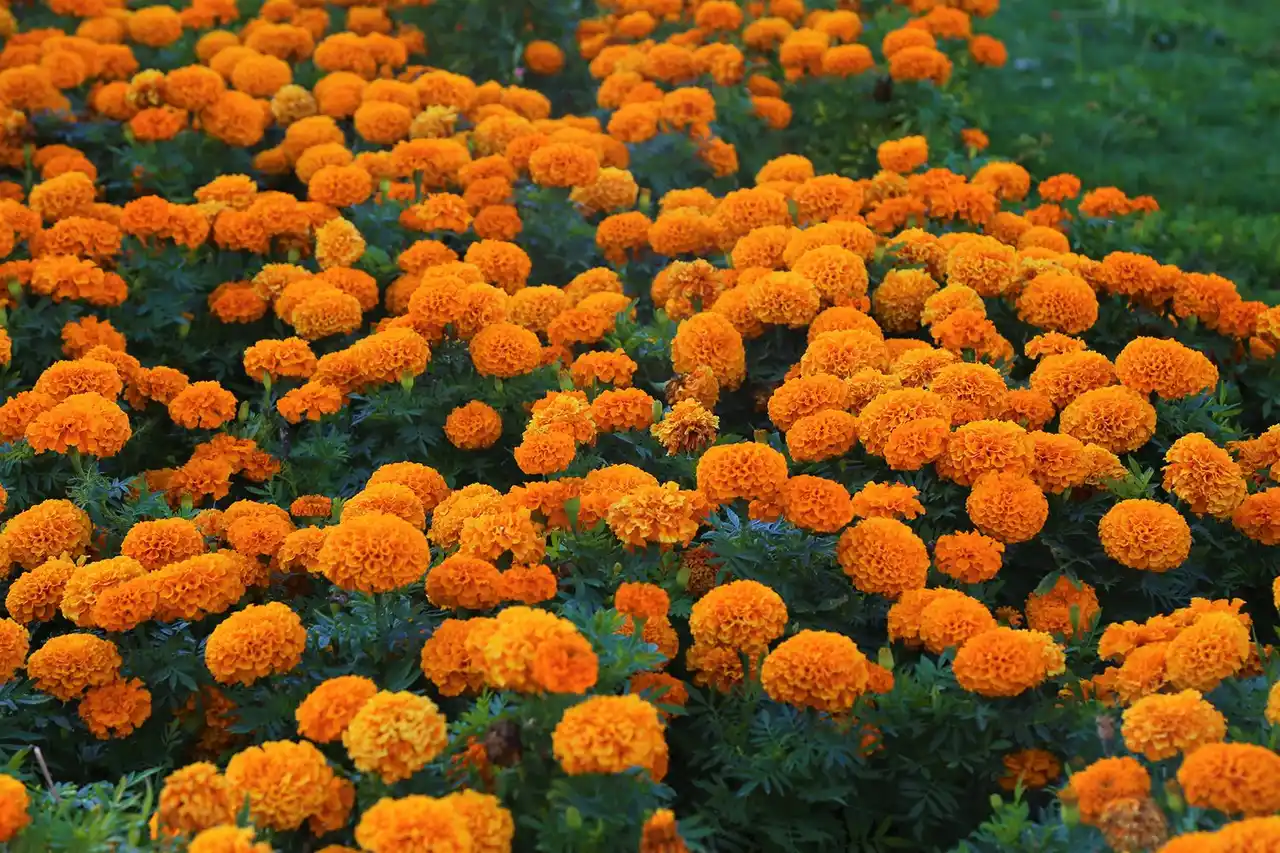
Marigolds are one of those flowers that work double duty in your garden. While they’re busy adding cheerful orange and yellow blooms to your flower beds, they’re also putting out a scent that bugs absolutely hate. The smell comes from compounds in their leaves and flowers that mosquitoes, aphids, and other pests find seriously off-putting. Plant them in containers around your patio seating area, or tuck them into garden beds near where you like to hang out. Just remember that marigolds are annuals, so you’ll need to replant them each spring, but they’re so easy to grow from seed that it’s hardly a chore.
Pennyroyal
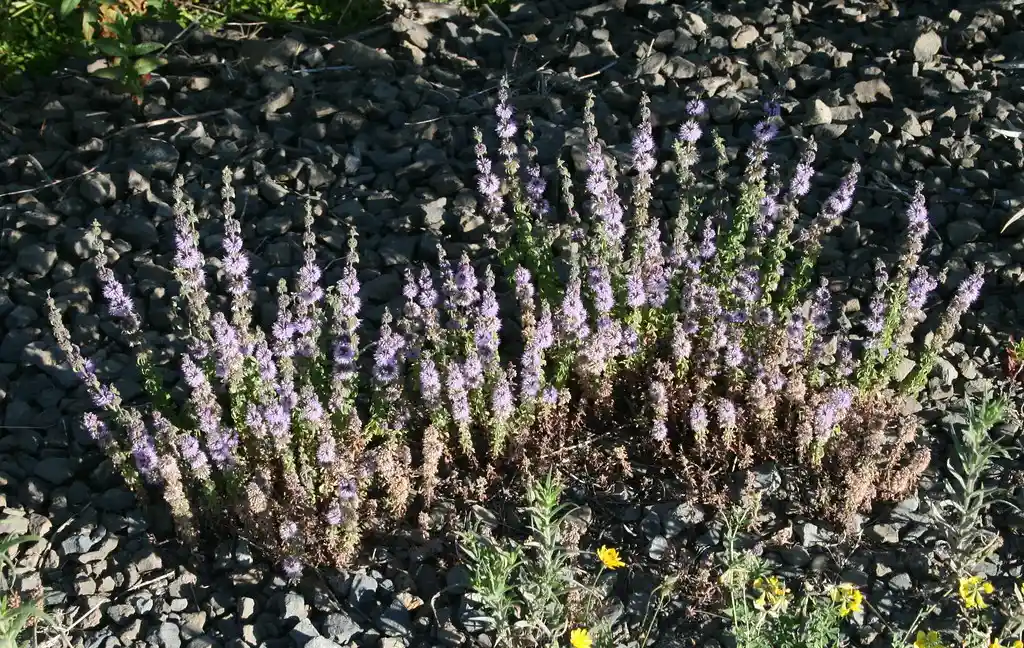
Pennyroyal packs a serious punch when it comes to keeping mosquitoes and other pesky insects away from your outdoor space. One thing to remember is that this mint family member releases a strong scent that bugs absolutely hate, but you’ll want to crush the leaves gently to release those oils for maximum effectiveness. So, while it works great as a natural repellent, pennyroyal can be toxic to pets and should be kept away from cats and dogs. Also keep in mind that this herb spreads quickly like other mints, so consider planting it in containers to prevent it from taking over your garden beds.
Eucalyptus
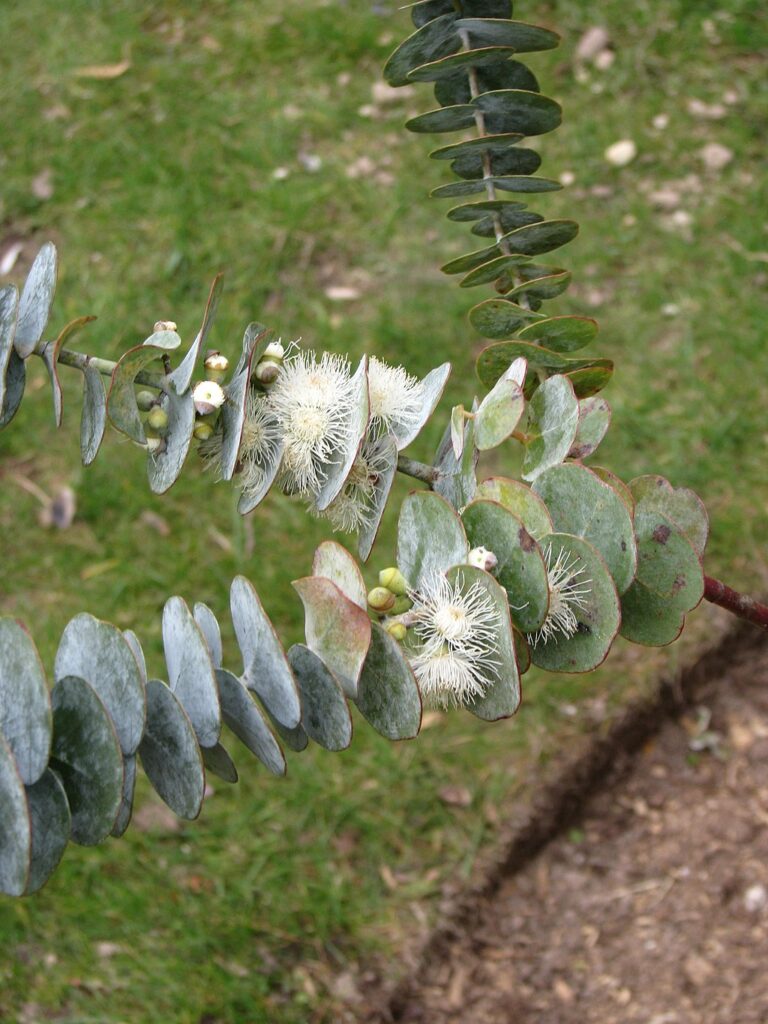
Eucalyptus plants work well as natural bug deterrents because insects can’t stand their strong scent. You can grow them in pots on your patio, but keep in mind that they need plenty of sunlight and well-draining soil to thrive. Water them regularly during summer, but cut back in winter when they slow their growth. The leaves release oils that mosquitoes and flies avoid, so you’ll want to brush against them occasionally to help spread the fragrance. Also remember that eucalyptus grows fast, so you’ll need to trim it back from time to time to keep it manageable.
Geraniums
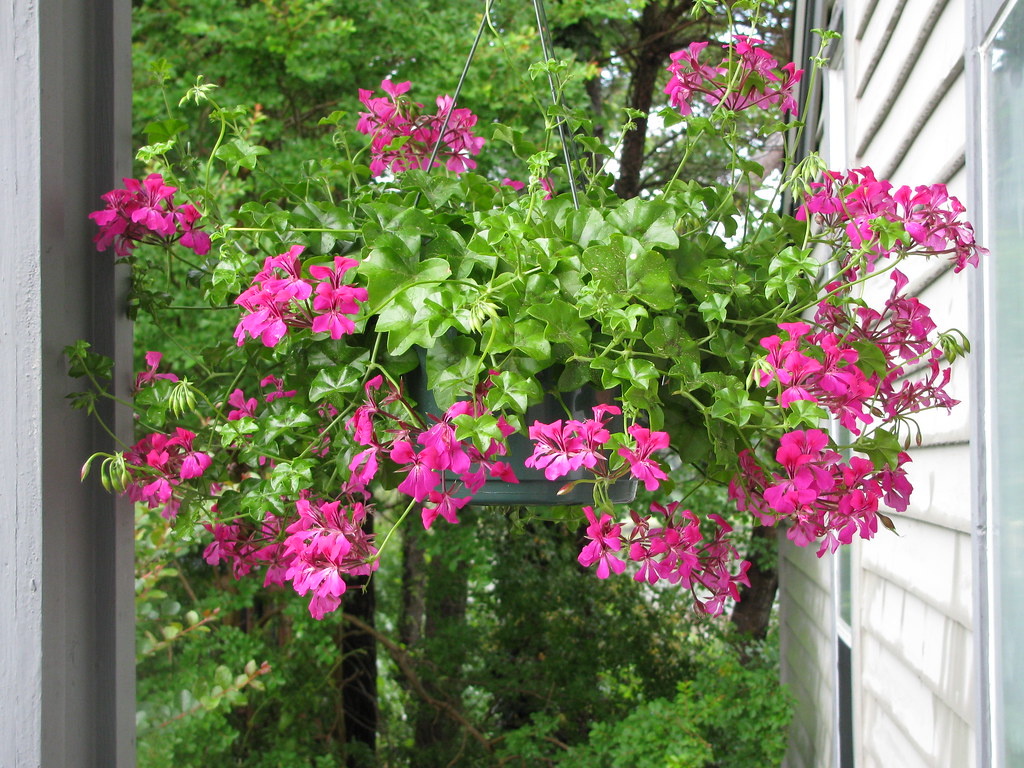
Geraniums work double duty in your outdoor space—they look nice and keep mosquitoes away naturally. The key thing about geraniums is that their leaves contain citronella oil, which bugs absolutely hate. You’ll want to plant them in containers around your seating areas or along walkways where people brush against them. When the leaves get crushed or touched, they release that lemony scent that sends insects packing. Keep in mind that geraniums need well-draining soil and plenty of sunlight to thrive, so choose your spots carefully for the best bug-fighting results.
This is interesting:
Here’s something cool about geraniums that might surprise you – they’re not actually true geraniums at all, but belong to a different plant family called Pelargonium that just happens to share the same common name. These hardy little plants originally come from South Africa, which explains why they love sunny spots and can handle a bit of drought once you forget to water them for a few days.
Petunias
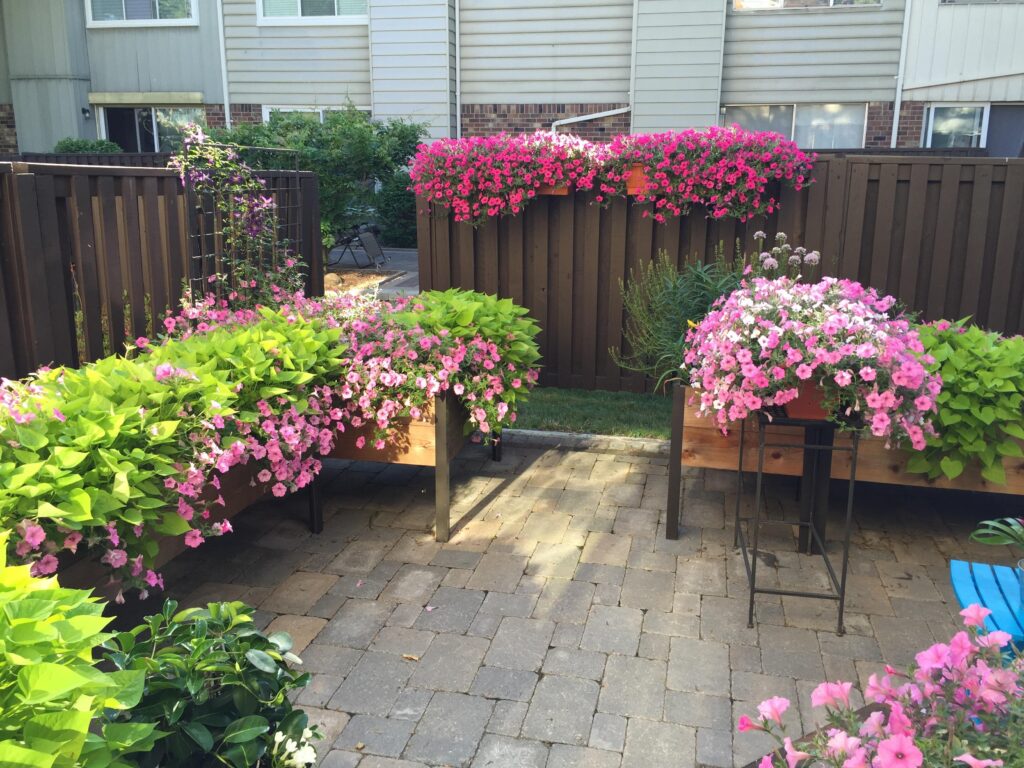
Petunias might surprise you with their bug-fighting abilities, but these cheerful flowers actually help keep mosquitoes and other pests away from your outdoor space. The secret lies in their natural compounds that bugs simply don’t like. You can plant them in containers around your patio or directly in garden beds near seating areas. Keep in mind that petunias need regular watering and do best in full sun, so make sure to give them plenty of light throughout the day. They’ll bloom all season long if you deadhead the spent flowers regularly.
Ageratum
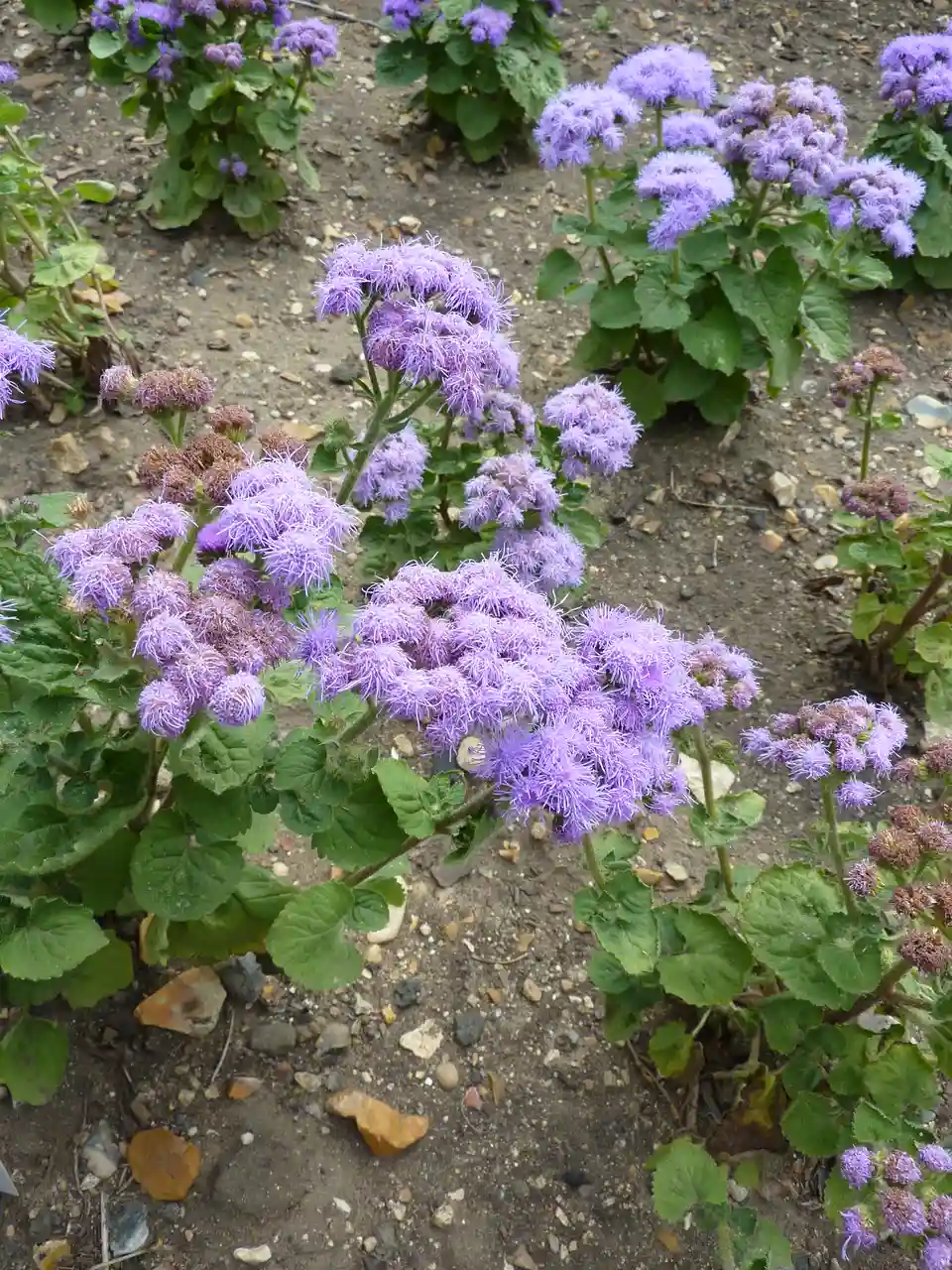
Ageratum might look like just another pretty garden flower, but it packs a serious punch when it comes to keeping mosquitoes away. The fuzzy blue or white blooms contain compounds that bugs absolutely hate, making your patio a much more comfortable place to hang out. You can grow ageratum in containers or plant it directly in your garden beds—either way works great. One thing to keep in mind is that ageratum prefers partial shade and regular watering, especially during hot summer months. Also remember that this annual will need replanting each year, but the bug-repelling benefits make it worth the effort.
Chrysanthemums
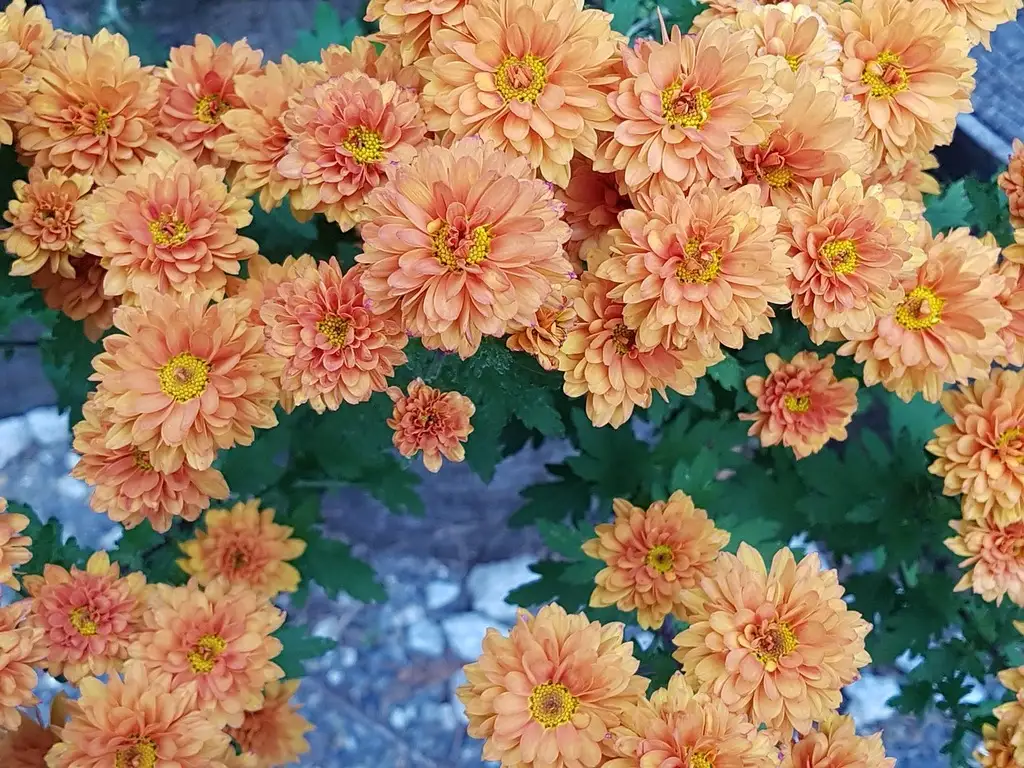
Chrysanthemums pack a serious punch when it comes to keeping mosquitoes and other flying pests away from your outdoor space. The secret lies in a compound called pyrethrin, which is actually used in many commercial bug sprays. You can plant these flowers around your patio or deck, and they’ll naturally create a barrier that insects don’t want to cross. Keep in mind that mums are typically fall bloomers, so you’ll want to plant them in late summer for the best results. They’re also pretty low-maintenance once established, making them a practical choice for busy gardeners.
Nasturtiums
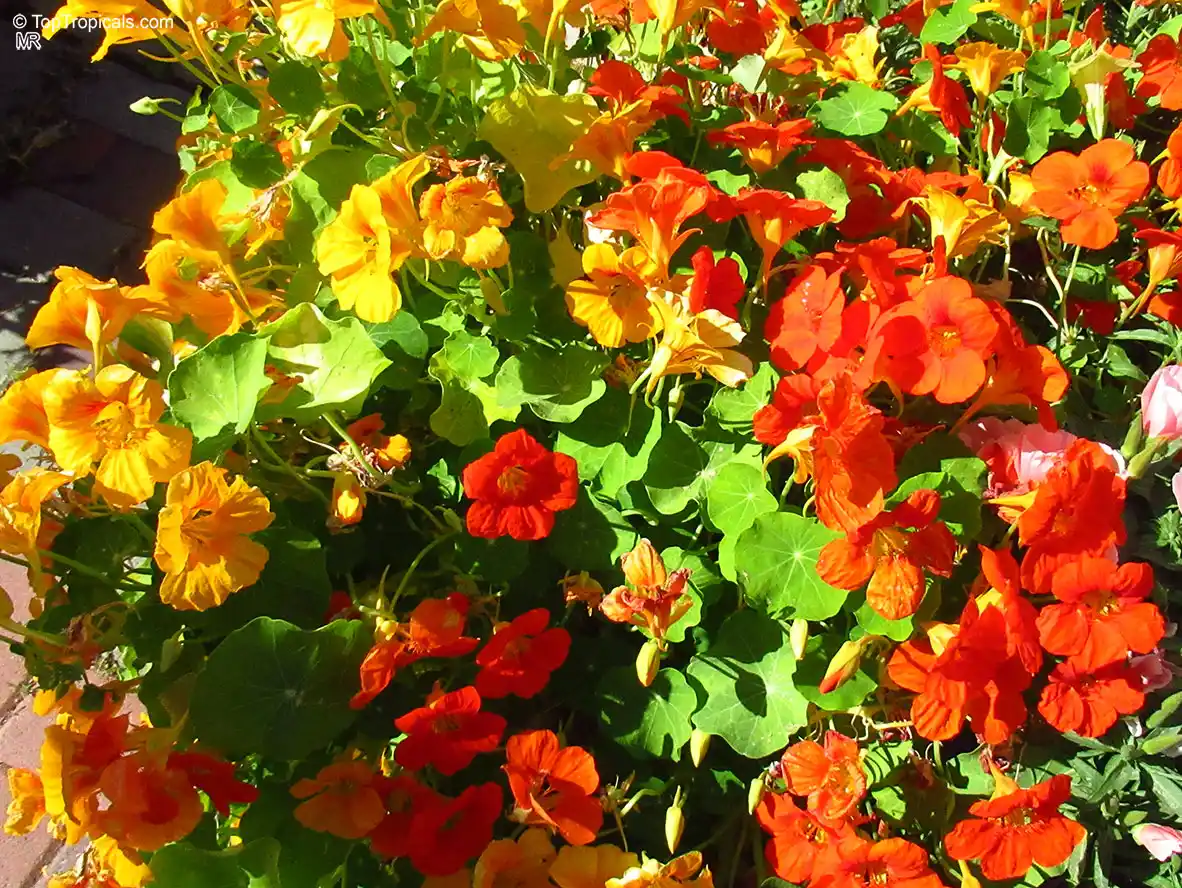
Nasturtiums are cheerful annual flowers that bugs absolutely hate. These easy-to-grow plants produce round leaves and bright orange, yellow, or red blooms that keep aphids, whiteflies, and cucumber beetles away from your patio. The peppery scent that repels insects is actually pleasant to humans. As a bonus, both the leaves and flowers are edible with a spicy taste that adds zip to salads. Nasturtiums prefer poor soil and will bloom all season long with minimal care. They grow well in containers or garden beds and can handle both sun and partial shade. Look for: ‘Alaska Mix,’ ‘Empress of India,’ and ‘Jewel Mix.’
Tansy
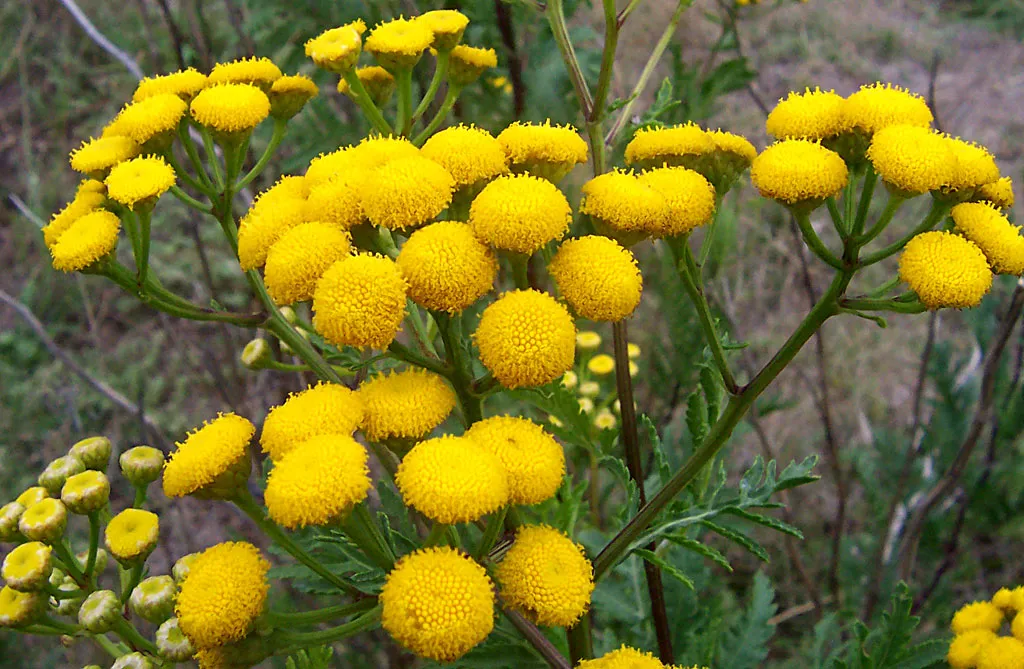
Tansy grows as a tough perennial that bugs absolutely can’t stand. The plant produces clusters of small, button-like yellow flowers that bloom from summer into fall. Its feathery, fern-like leaves release a strong scent when brushed against, which is exactly what keeps mosquitoes, ants, and flies away from your outdoor space. This herb spreads easily and can handle poor soil conditions without much fuss. Just be careful where you plant it since tansy can take over if left unchecked. Hardy in zones 3-9, it prefers full sun but tolerates partial shade. Look for: common tansy or curly tansy varieties.
Wormwood
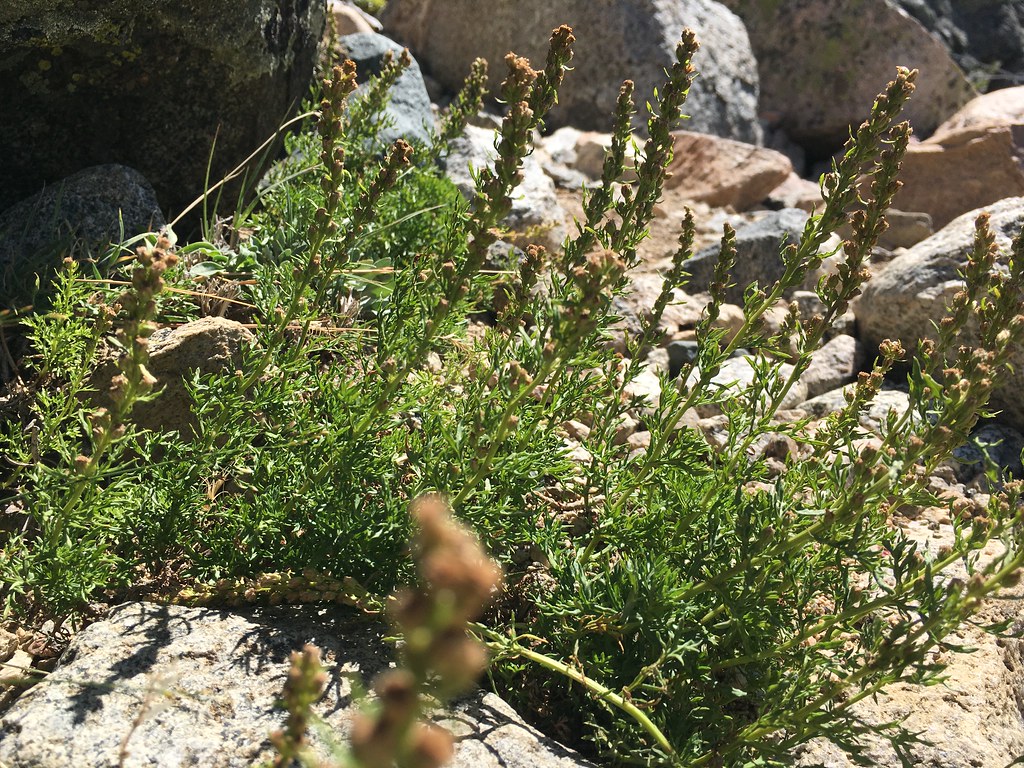
Wormwood might not be the prettiest plant in your garden, but it packs a serious punch when it comes to keeping bugs away. This silvery-green herb contains compounds that mosquitoes, flies, and other pests absolutely hate. You can plant it around your patio’s perimeter or grow it in containers that you move around as needed. Just keep in mind that wormwood can be aggressive and might take over your garden if you’re not careful. Also remember that while it’s great for bug control, you shouldn’t let pets or kids nibble on it since it can be toxic when eaten.
Garlic
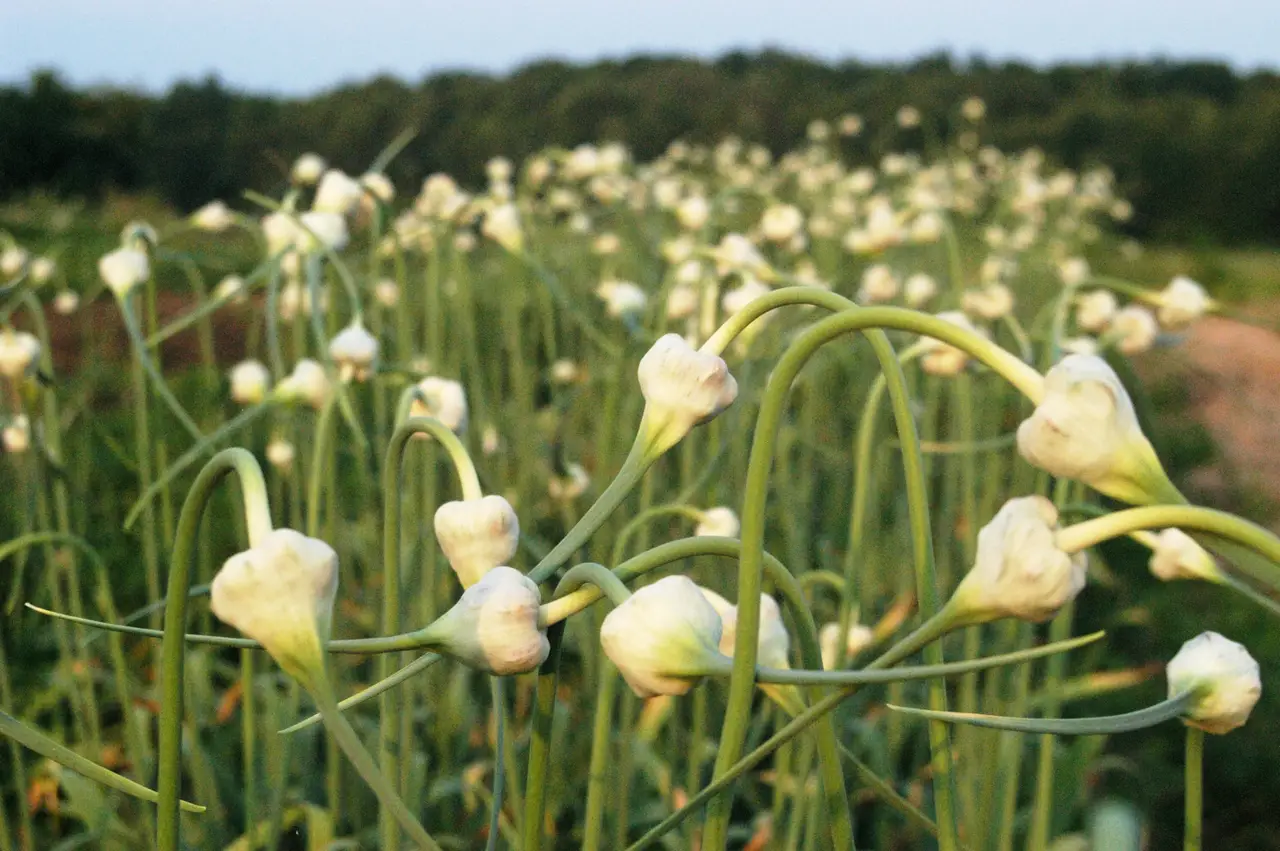
Garlic does more than just spice up your dinner—it’s a natural bug deterrent that mosquitoes and other insects absolutely hate. Plant garlic bulbs around your patio in fall, and you’ll have fresh garlic scapes and bulbs to harvest while keeping pests away. The strong sulfur compounds that give garlic its punch are the same ones that send bugs packing. Keep in mind that garlic needs well-draining soil and full sun to thrive, so choose your planting spots carefully. You can also crush fresh garlic cloves and scatter them around seating areas for immediate protection.
Chives
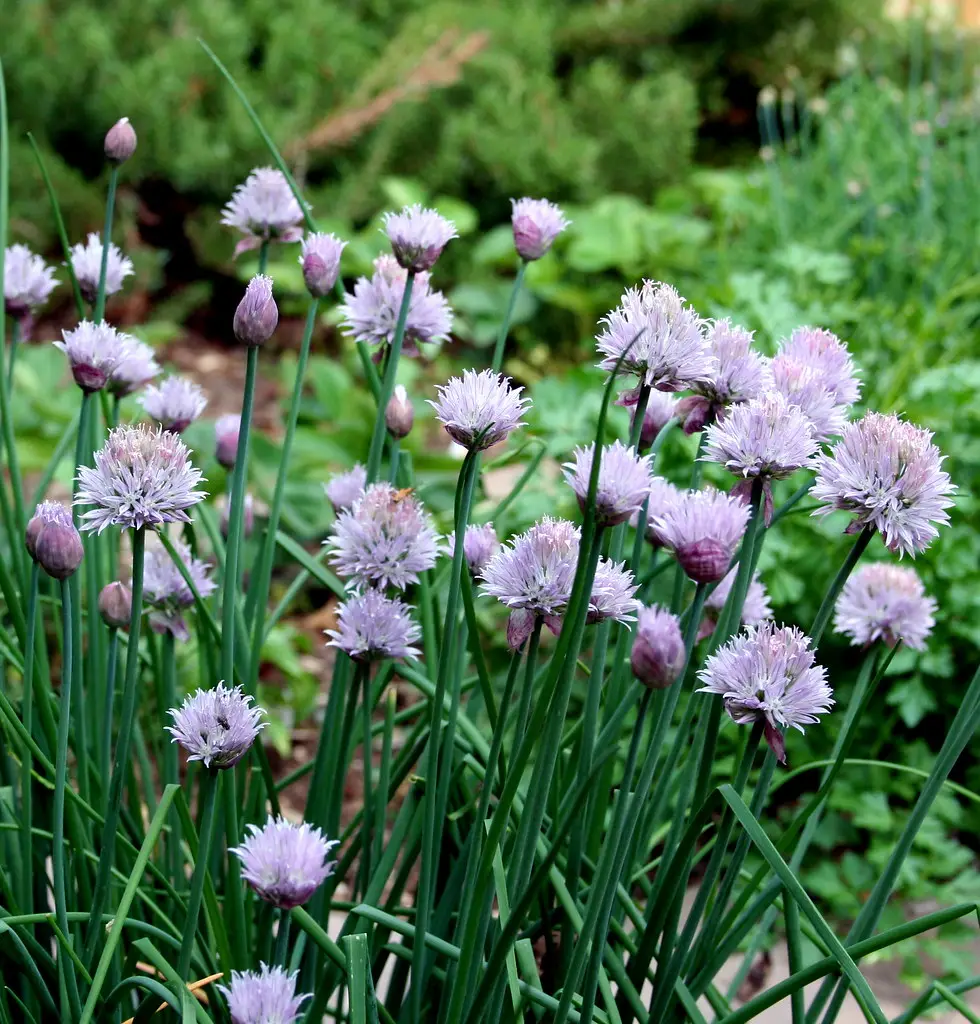
Chives might surprise you with their bug-fighting abilities, but these common herbs pack a real punch against mosquitoes and flies. The secret lies in their natural sulfur compounds, which create a scent that insects hate but humans find pleasant. You can plant chives in containers around your patio seating area, or grow them directly in garden beds near doorways and windows. One bonus is that you’ll always have fresh herbs for cooking—just snip what you need for scrambled eggs or baked potatoes. Also keep in mind that chives come back year after year, so you’re making a long-term investment in both pest control and your kitchen garden.