Let’s be honest—nobody wants to feel like they’re living in a fishbowl. Whether you’ve got nosy neighbors, a busy street nearby, or you just want your own little escape in the backyard, privacy shrubs are the answer. The best part? You don’t have to wait forever to see results. Some shrubs shoot up fast and fill in thick, giving you that privacy screen way sooner than you’d think. Here are 21 options that actually get the job done.
Leyland Cypress

Leyland Cypress shoots up faster than just about any other privacy screen you can plant, growing 3 to 4 feet per year until it reaches 60 feet tall. These evergreen trees form a thick, dense wall that blocks out noise and nosy neighbors year-round. They’re happy in zones 6 through 10 and aren’t picky about soil as long as it drains well. Plant them in full sun, spacing each tree about 6 to 8 feet apart for a solid hedge. Water regularly during the first year to help them establish strong roots, then they’ll mostly take care of themselves. Just trim them once a year to keep their shape.
Thuja Green Giant

Thuja Green Giant lives up to its name, shooting up 3-5 feet per year until it reaches 30-50 feet tall. You can plant these evergreens just 5-6 feet apart for a dense privacy screen that fills in quickly. They handle full sun to partial shade and adapt to most soil types as long as drainage is decent. Hardy in zones 5-8, these trees stay green year-round and rarely deal with pest problems. Water regularly during the first year to help roots establish, then they’re pretty low-maintenance. A quick trim once a year keeps them looking neat, though they naturally grow in a nice pyramidal shape.
Bamboo

Bamboo shoots up faster than just about any plant you can grow, making it perfect when you need privacy in a hurry. Some varieties can grow several feet in a single season, creating a tall, dense screen that blocks views year-round. Clumping varieties are your best bet since they stay put, while running types can take over your yard if you’re not careful. Most bamboo thrives in zones 5-10 and prefers full sun to partial shade with regular watering. Plant it in well-draining soil and give it some room to spread. Consider installing a root barrier to keep aggressive varieties contained.
Privet
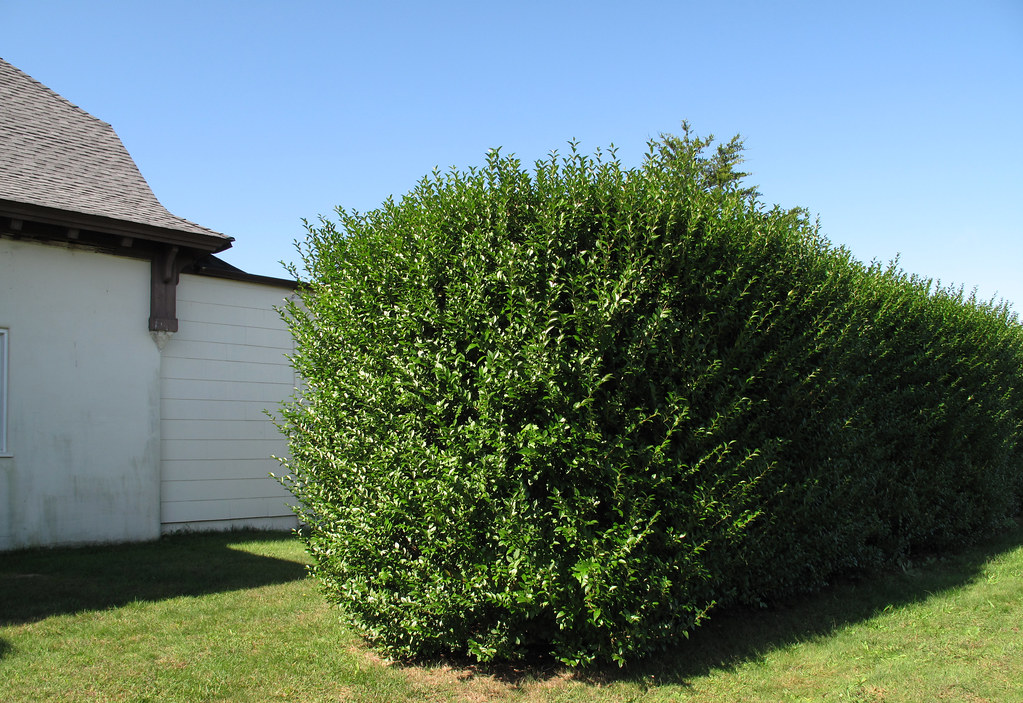
Privet is one of those reliable shrubs that gardeners have counted on for decades to create solid privacy screens. It grows quickly, adding up to 3 feet per year, and doesn’t demand much attention once established. You can plant it in full sun or partial shade, and it adapts to most soil types. Regular trimming keeps it dense and looking neat—aim for two or three times during the growing season. Privet thrives in zones 4-8 and holds onto its leaves longer than many other hedges. Just keep up with watering during dry spells, especially while it’s getting established.
Forsythia
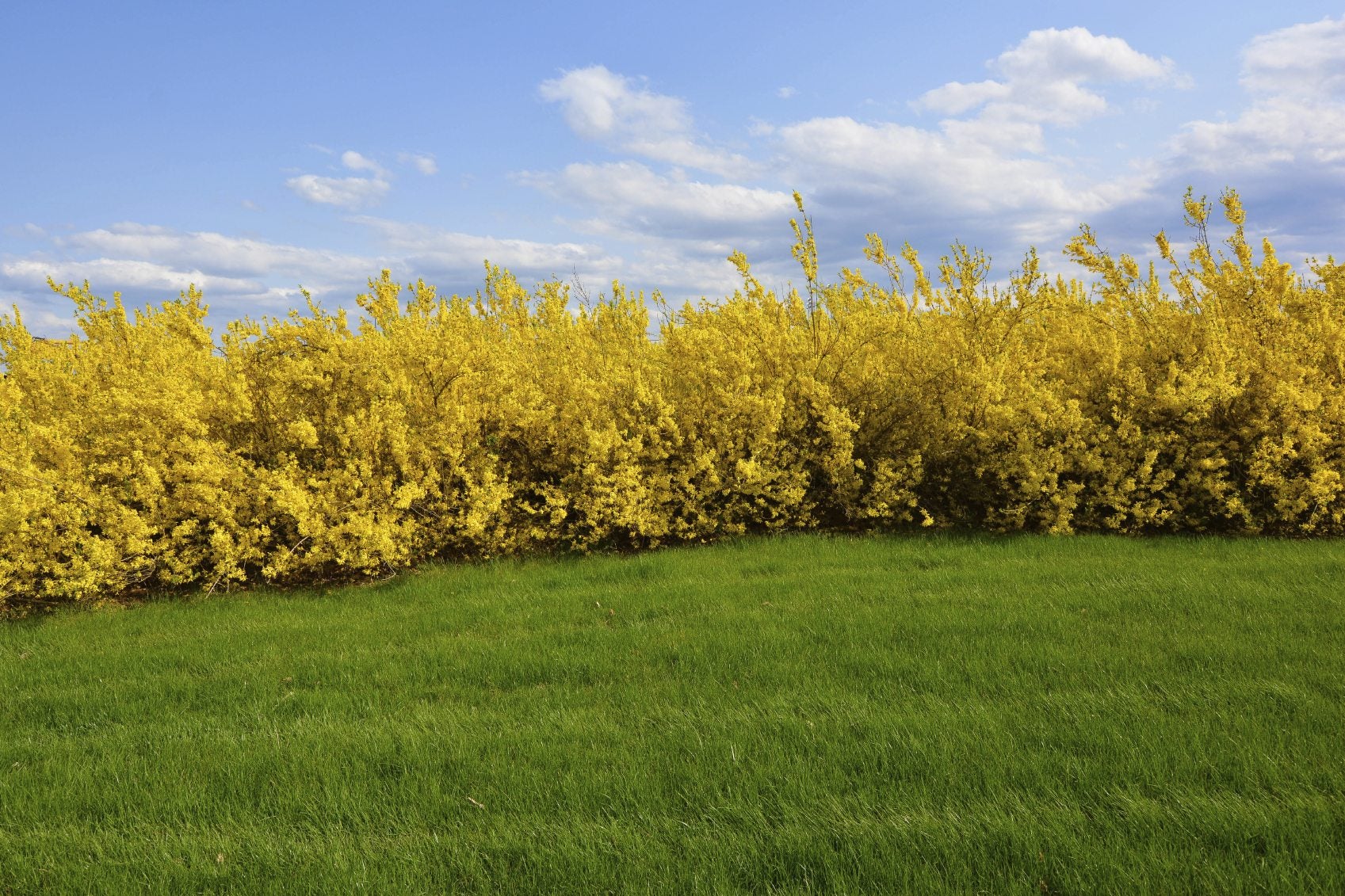
Forsythia is known for its bright yellow blooms that appear in early spring, but it also makes a decent privacy screen when planted in a row. These shrubs grow quickly, reaching 8-10 feet tall and wide, and they’re pretty tough once established. They prefer full sun but can handle partial shade, and they’ll grow in zones 5-8. The care routine is straightforward—just give them occasional water and prune after flowering if needed. Keep in mind that forsythia loses its leaves in winter, so it won’t provide year-round privacy. Plant them about 4-5 feet apart for a solid hedge.
Weigela

Weigela adds both privacy and color to your landscape with its arching branches that fill in nicely to create a living screen. These shrubs grow about 1-2 feet per year and reach 6-10 feet tall, depending on the variety. They produce tubular flowers in pink, red, or white during late spring. Plant them in full sun for the best bloom production, though they’ll tolerate partial shade. Weigela thrives in zones 4-8 and adapts to most soil types as long as drainage is decent. Prune right after flowering ends since next year’s blooms form on old wood. They’re pretty low-maintenance once established and rarely deal with serious pest problems.
Photinia Red Tip
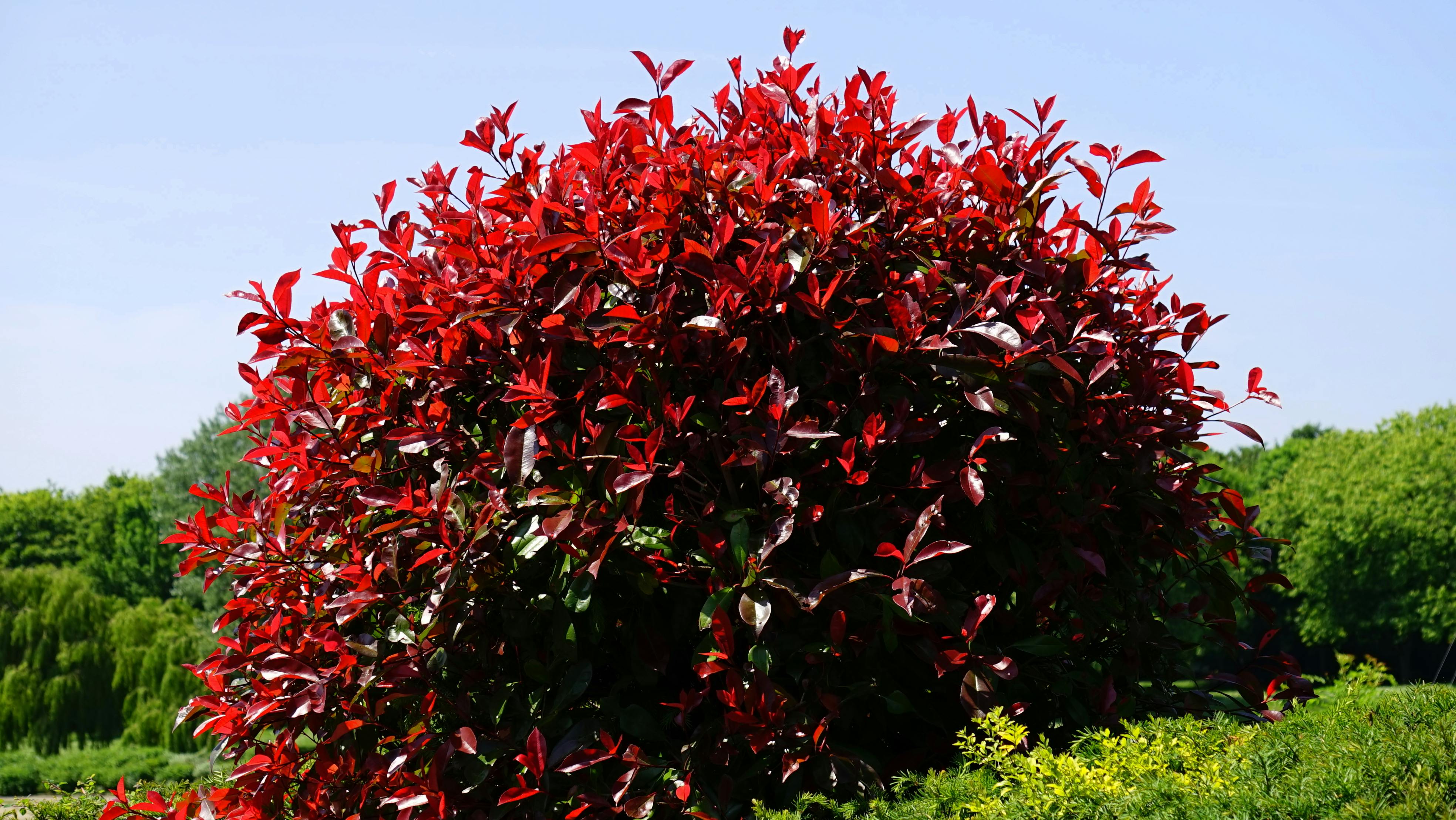
Photinia Red Tip earns its name from the bright red new growth that appears in spring, creating a nice contrast against the older green leaves. Growing 10-15 feet tall and 5-10 feet wide, it forms a thick screen that fills in gaps quickly. Plant it in full sun to partial shade and give it well-drained soil. It does best in zones 7-9 and handles heat pretty well once established. Space plants 5-6 feet apart for a solid hedge. Watch for fungal leaf spot in humid climates—pruning for good air circulation helps prevent problems. Trim after the spring growth flush to maintain shape.
Nellie Stevens Holly

Nellie Stevens Holly is a reliable evergreen that shoots up 2-3 feet per year, reaching heights of 15-25 feet. The dense, dark green foliage creates a solid screen year-round, and the cheerful red berries add interest during fall and winter months. It thrives in zones 6-9 and adapts well to different soil types, though it prefers well-drained spots. Plant these hollies about 5-6 feet apart for a privacy hedge. They handle full sun to partial shade and need minimal pruning once established. The female plants produce those attractive berries, which birds absolutely love during colder months.
Arborvitae Emerald Green

Emerald Green Arborvitae grows about 12 inches per year and reaches 12-14 feet tall, making it a reliable choice for a living fence. These evergreens naturally form a narrow, pyramid shape without much pruning, so you won’t spend every weekend with hedge trimmers. They do best in full sun but can handle some shade, and they’re hardy in zones 3-8. Water them regularly during their first year to help roots establish. The dense, green foliage stays consistent year-round and won’t turn brown in winter like some other varieties. Space them 2-3 feet apart for a solid privacy screen.
Viburnum

Viburnum shrubs work well for privacy screening because most varieties grow 6 to 12 feet tall with thick, dense foliage. They’re hardy in zones 2-9, depending on the species, and can handle both full sun and partial shade. You’ll get the best growth and flowering with well-drained soil and regular watering during the first year. Many viburnums produce white or pink spring flowers and colorful fall berries that birds love. Korean spice viburnum and arrowwood viburnum are popular picks for hedges. Once established, they need minimal maintenance—just occasional pruning to shape them and remove dead branches. They grow at a moderate pace of 1 to 2 feet per year.
Boxwood

Boxwood is a reliable evergreen that creates dense, living walls perfect for privacy screens. While it’s not the fastest grower on this list, it reaches about 3-4 feet tall in a few years and responds well to frequent pruning, which actually encourages thicker growth. Plant it in partial shade to full sun and make sure the soil drains well. Hardy in zones 5-9, boxwood needs regular watering during its first couple years but becomes pretty low-maintenance once established. The compact growth habit means you can space plants closer together for quicker coverage, making it a solid choice for formal hedges or property borders.
Lilac

Lilacs bring old-fashioned charm to your yard while creating a decent privacy screen. These flowering shrubs grow 8-15 feet tall and spread about 6-12 feet wide, depending on the variety. They’re hardy in zones 3-7 and prefer full sun with well-draining soil. The fragrant purple, pink, or white blooms appear in late spring and attract butterflies and pollinators. Lilacs grow at a moderate pace of 1-2 feet per year once established. Prune them right after flowering to maintain their shape and encourage bushier growth. They need minimal care once mature and can handle cold winters without any trouble.
Burning Bush

Burning Bush earns its name from the brilliant red foliage it shows off each fall, making it easy to spot in any landscape. Growing 8-15 feet tall with a similar spread, it fills in gaps quickly and creates a solid privacy screen within a few seasons. You’ll find it adapts to most soil types and handles both full sun and partial shade without complaint. Hardy in zones 4-8, it’s fairly drought-tolerant once established and doesn’t need much fussing over. Just give it occasional pruning to maintain shape, and watch for good air circulation to prevent any fungal issues.
Yew

Yew shrubs are solid choices for privacy hedges that fill in reliably over time. These evergreens grow about 12 to 24 inches per year and tolerate heavy pruning, making them easy to shape into dense screens. They handle full sun to partial shade and adapt to most soil types as long as drainage is good. Hardy in zones 4-8, yews bounce back from harsh winters better than many evergreens. Keep in mind that all parts of the plant are toxic to people and pets, so plant them away from areas where kids or animals spend time. Once established, they need minimal watering and maintenance.
Italian Cypress
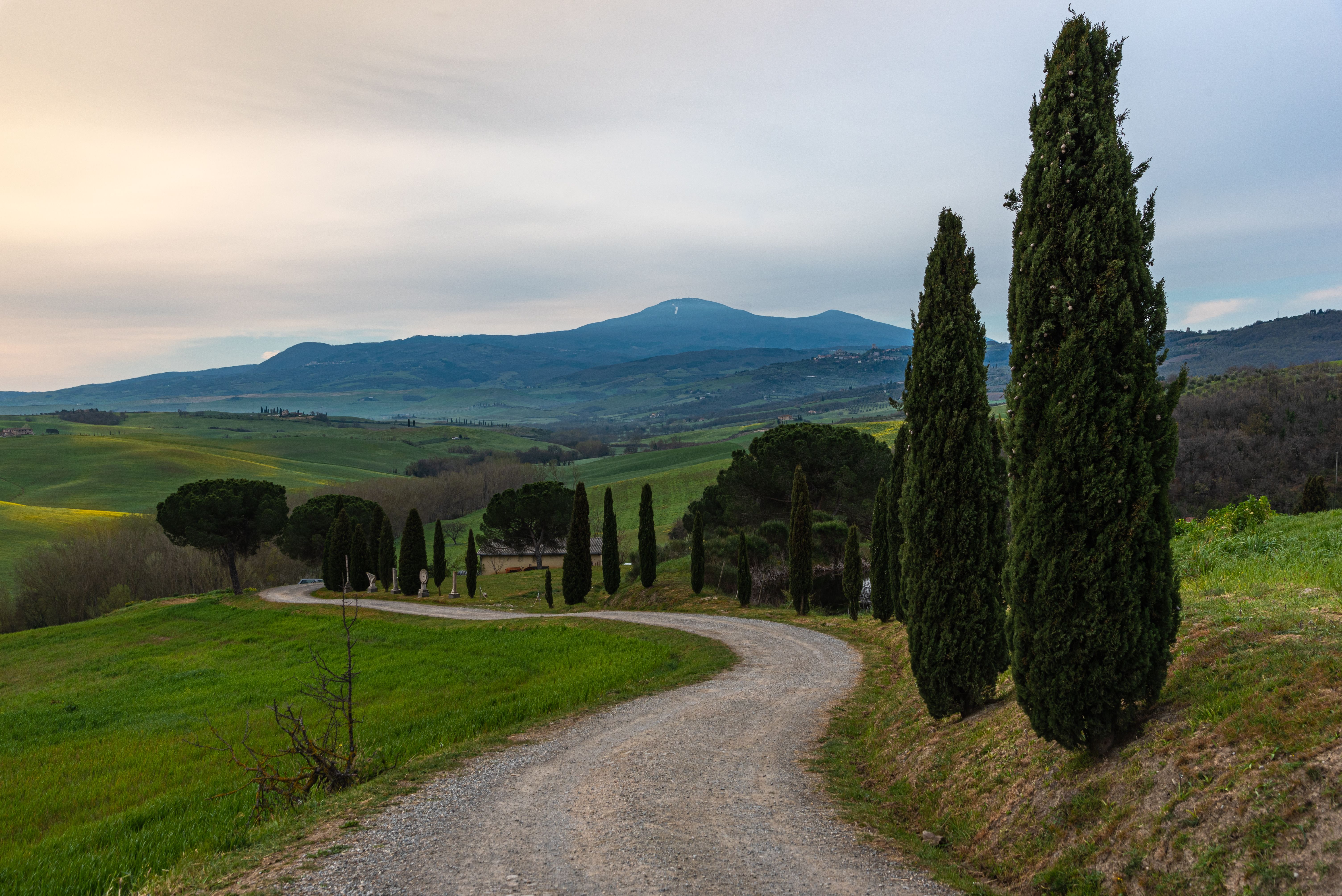
Italian Cypress brings that tall, narrow Mediterranean look to your privacy screen. These evergreens shoot up fast, adding 3 feet per year until they reach 40-60 feet high while staying just 4-5 feet wide. They’re perfect for tight spaces where you need height without eating up your yard.
Plant them in full sun and well-draining soil. They handle heat and drought well once established, making them low-maintenance options for zones 7-10. Space them 3-4 feet apart for a solid wall of green. Just watch out for strong winds in exposed areas, as their slim profile can make them vulnerable to damage.
Eastern Red Cedar

Eastern Red Cedar isn’t actually a cedar at all—it’s a juniper that’s native to most of North America. It can shoot up 1-2 feet per year when young, eventually reaching 40-50 feet tall with a dense, columnar shape that blocks views year-round. The dark green foliage takes on a bronze tint in winter, and it produces small blue berries that birds love. This tree handles just about anything you throw at it—drought, poor soil, ice storms, you name it. Hardy in zones 2-9, it thrives in full sun and needs zero maintenance once established. Plant them 4-6 feet apart for a solid screen.
Pittosporum

Pittosporum makes a solid choice for privacy screens, typically adding 12 to 24 inches per year once established. These evergreen shrubs feature dense, waxy leaves that form a thick barrier year-round, and they naturally grow into a rounded shape without much fussing. They work best in USDA zones 8-11 and prefer well-drained soil with partial to full sun. Water regularly during the first year, then they become fairly drought-tolerant. Some varieties produce small, fragrant flowers in spring. Prune lightly to maintain shape and encourage bushier growth. Watch for aphids occasionally, but they’re generally low-maintenance shrubs that don’t require constant attention.
Laurustinus

Laurustinus is an evergreen shrub that keeps its dense foliage year-round, making it a reliable choice for privacy screening. It grows at a moderate pace, reaching 6-12 feet tall, and produces clusters of white-pink flowers in late winter that attract pollinators. The shrub does well in partial shade to full sun and isn’t picky about soil types as long as drainage is decent. Hardy in zones 7-10, it handles coastal conditions better than many other privacy shrubs. Water regularly during the first year to help it establish, then it becomes fairly drought-tolerant. Light pruning after flowering keeps it looking tidy.
Hydrangea
Hydrangeas make great privacy screens when you plant several together, reaching heights of 8 to 15 feet depending on the variety. The panicle types, like ‘Limelight’ and ‘Fire Light,’ grow fastest and hold their shape better than mophead varieties. Plant them in partial shade to full sun, and give them plenty of water—they’re called hydrangeas for a reason. They do well in zones 3 through 9, though specific varieties have different ranges. Space them about 6 feet apart for a solid hedge. Prune in late winter before new growth starts, and add mulch to keep roots cool during summer.